

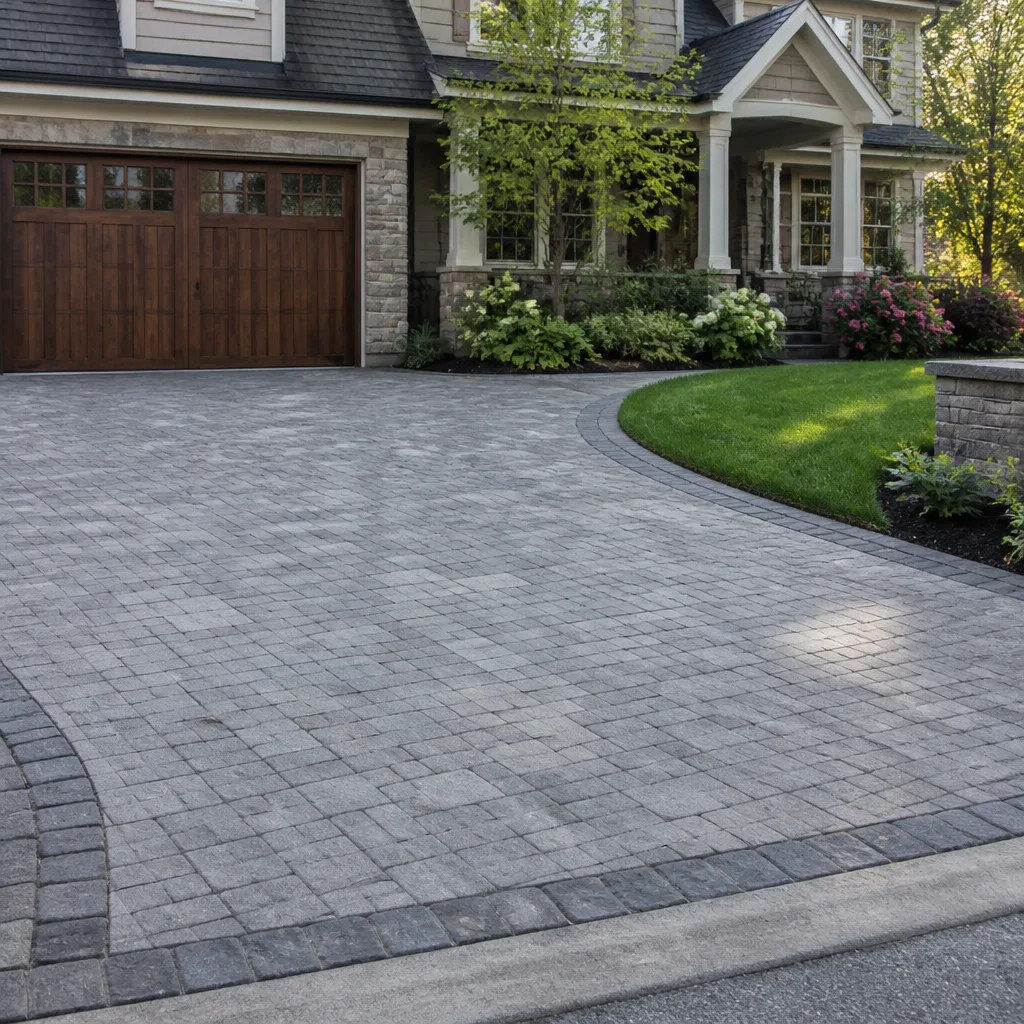
 Driveway & pavers
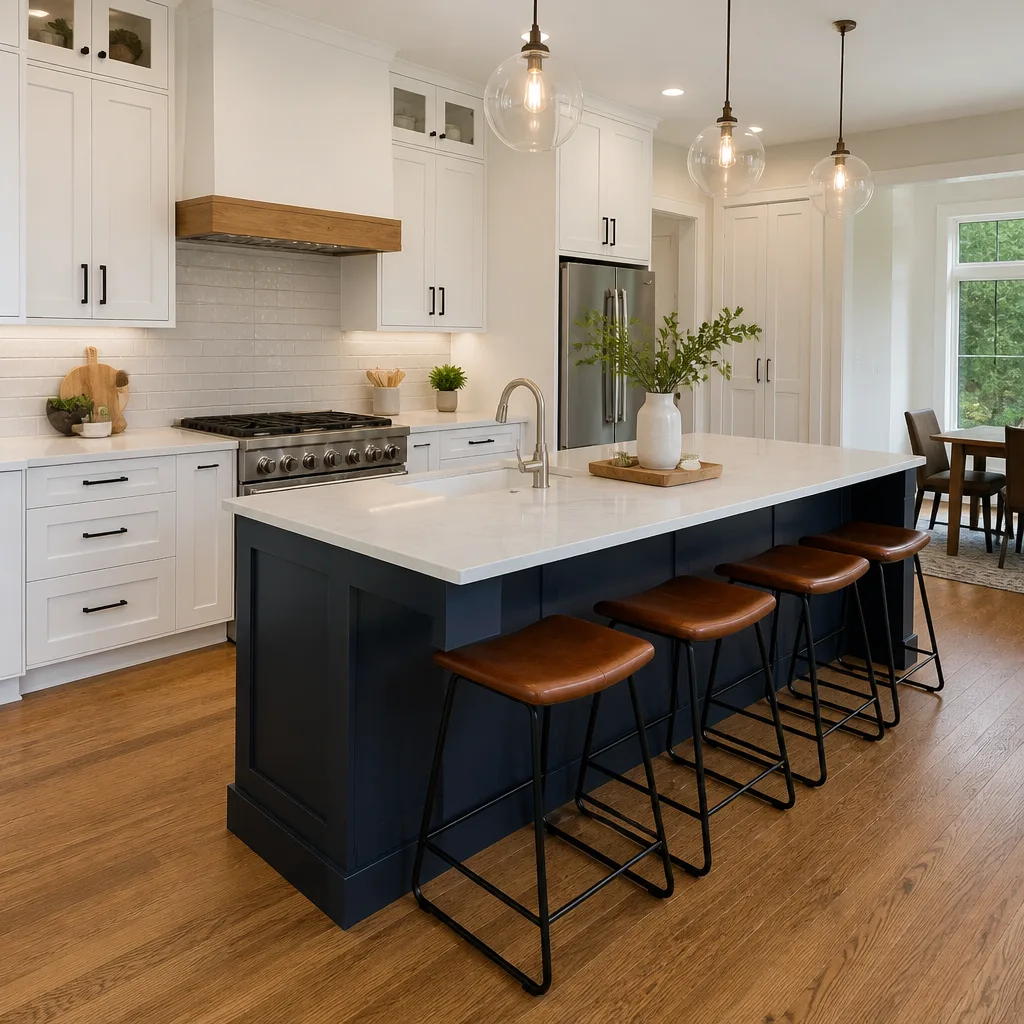 Kitchen remodeling
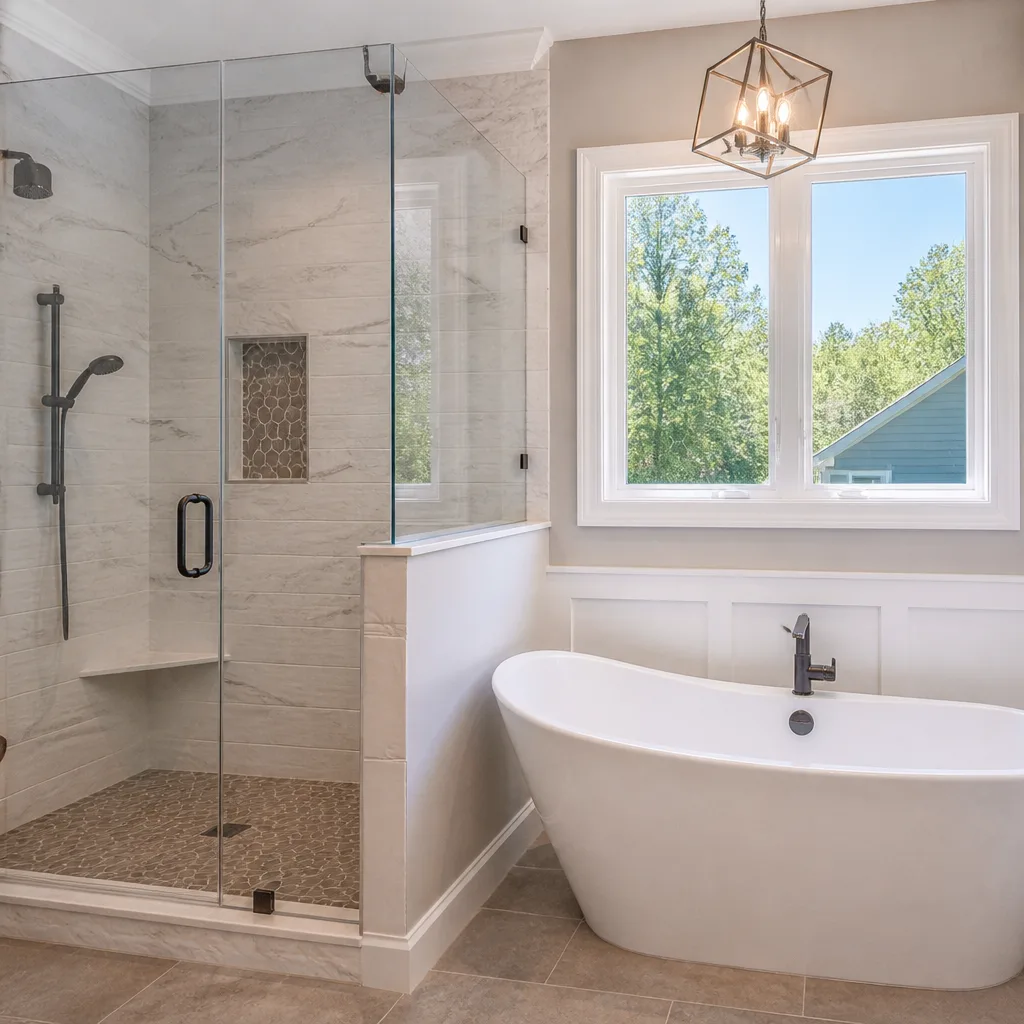 Bathroom remodeling
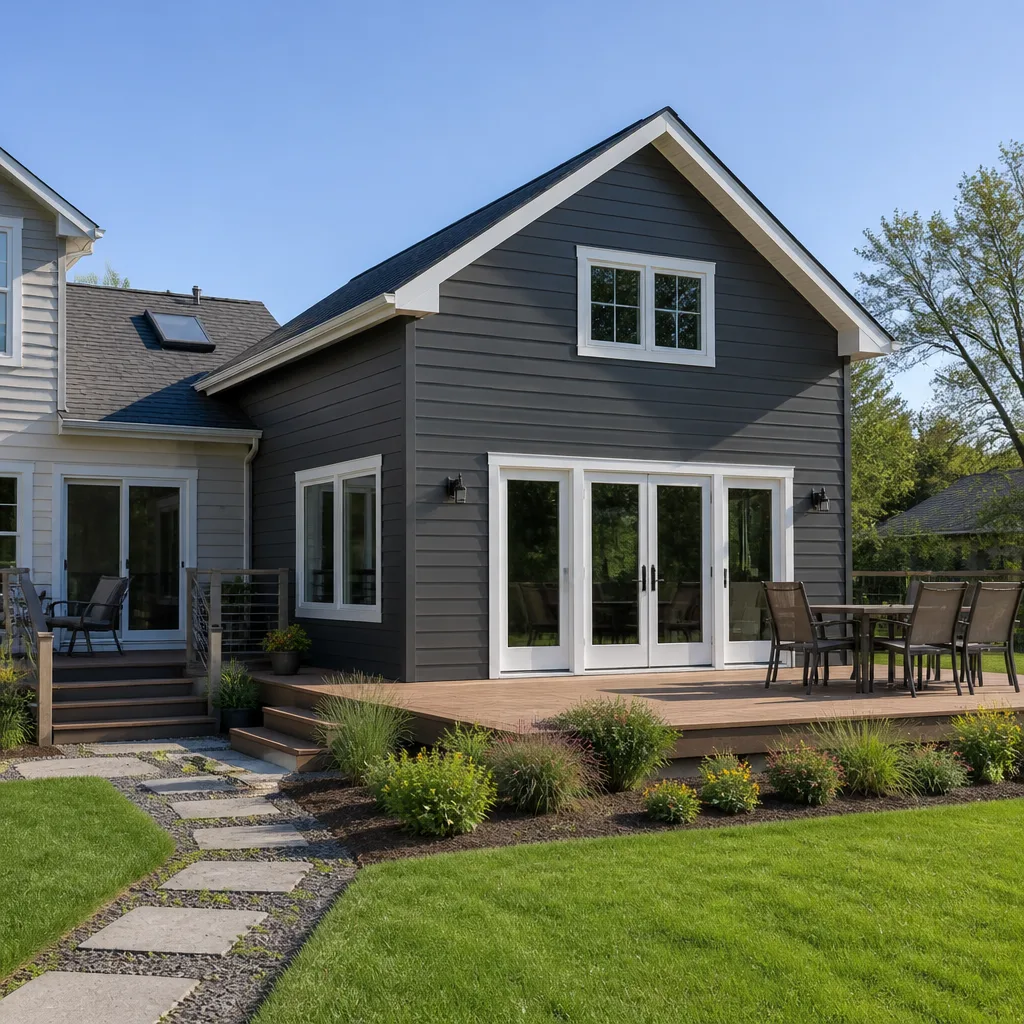 Home additions & ADU
 Roofing
 Windows & doors
 Fence
Free written scope consultation - allowances, timeline, and change-order rules on paper before a single trade is scheduled
Unilock Driveway & Pavers: The Glendale Owner’s Guide
We install and repair Unilock paver driveways, walkways and patios throughout Glendale, and a full paver driveway typically runs $7,000 – $18,000 installed, with most single-day repairs to a failing section falling well under $2,000. If you’re wondering whether a cracked, sunken or shifting paver means a cheap fix or a full rebuild, this page walks you through it. Owners usually notice the problem the same way: a paver rocks underfoot pulling into the driveway, a hairline crack opens along a joint after the first hot week in July, or sand starts washing out of the seams during the winter rains and the whole field starts to look uneven.
Barrett & Sons Construction Glendale is an independent contractor and is not affiliated with Unilock. We work with Unilock products every week and know the lines well enough to match what’s already on your driveway.
Key Takeaways
- Unilock paver repairs in Glendale commonly land in the low hundreds to under $2,000; full driveway installs run $7,000 – $18,000.
- Most “failed” pavers are really failed base or failed joint sand, not failed stone.
- Matching an existing paver line matters: color and size shifts between series are common and hard to hide.
- Glendale’s clay-heavy soil and hot, dry summers are the two things that wear a paver driveway fastest here.
Which Unilock Models This Applies To
Unilock makes several paver families, and each has its own sizing and joint geometry. The ones we see most on Glendale driveways are the brick-shaped Brussels Block and Brussels Dimensional Stone lines, the larger-format Beacon Hill and Umbriano faces, the tumbled Estate Wall and Copthorne for borders and accents, and the permeable options like Treo and Thornbury when a driveway needs to handle runoff. If you’re trying to match an existing paver, the series name matters more than the color name, because a “Brussels Block” and a “Brussels Dimensional” don’t lay the same way.
To identify what you have, pull up a loose paver at an edge or in an existing border and look at the underside or the side face. Unilock often stamps the product name or a mold code there. Measure the length, width and thickness in millimeters, because nominal sizes like “60mm” and “80mm” are real and a thinner paver laid next to a thicker one will show a lip you’ll feel every time you walk it. If you can’t find a stamp, a photo of the face next to a tape measure is usually enough for us to name the line.
On the OEM question: Unilock doesn’t sell “parts” the way a garage door maker does. Your replacement comes as actual pavers from the same series and dye lot. If that exact lot is discontinued, we match as closely as the current line allows and tell you upfront where a slight color drift will be visible, usually in direct sun. Quality aftermarket equivalents exist for base materials and polymeric joint sand and are often the better call for the base layer.
Styles & brands we work with
- Kitchen remodeling
- Bathroom remodeling
- Home additions & ADU
- Roofing
- Windows & doors
- Driveway & pavers
- Fence
Signs Your Unilock Driveway & Pavers Is Failing
- Pavers rocking or “walking” underfoot. This almost always means the bedding layer under that section has settled or washed out, not that the paver itself is bad.
- Sunken or heaved sections near the garage apron or street. Water is getting under the field from a low spot or a clogged drain, and Glendale’s clay soil holds that moisture and swells until the surface lifts.
- Sand or polymeric joint material washing out after rain. The joints are open, which lets water into the base and speeds up the settling you see a season later.
- Hairline cracks or chipped corners on individual pavers. Usually impact damage or a paver laid slightly proud of its neighbors taking the load and stress.
- Weeds sprouting from joints and edges. A sign the joint sand has thinned and the edge restraint may have loosened, which lets the whole field spread outward.
One Glendale-specific reality worth knowing: our dry summers bake the joint sand and the clay subgrade shrinks, then the winter rains hit and everything moves. A driveway that looks fine in October can show a 1/2-inch dip by February. That’s not a defective Unilock product; it’s soil movement, and it’s fixable when it’s caught early.
See the difference
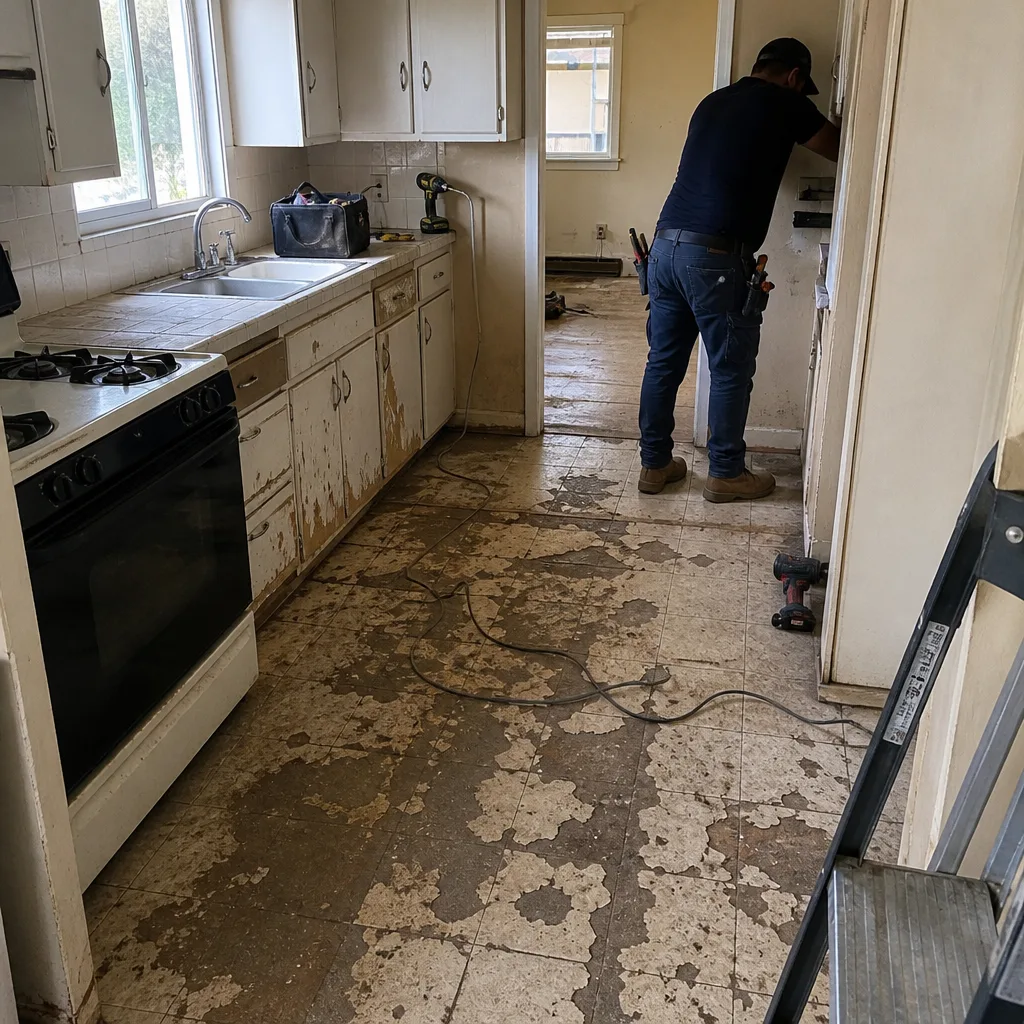 Before
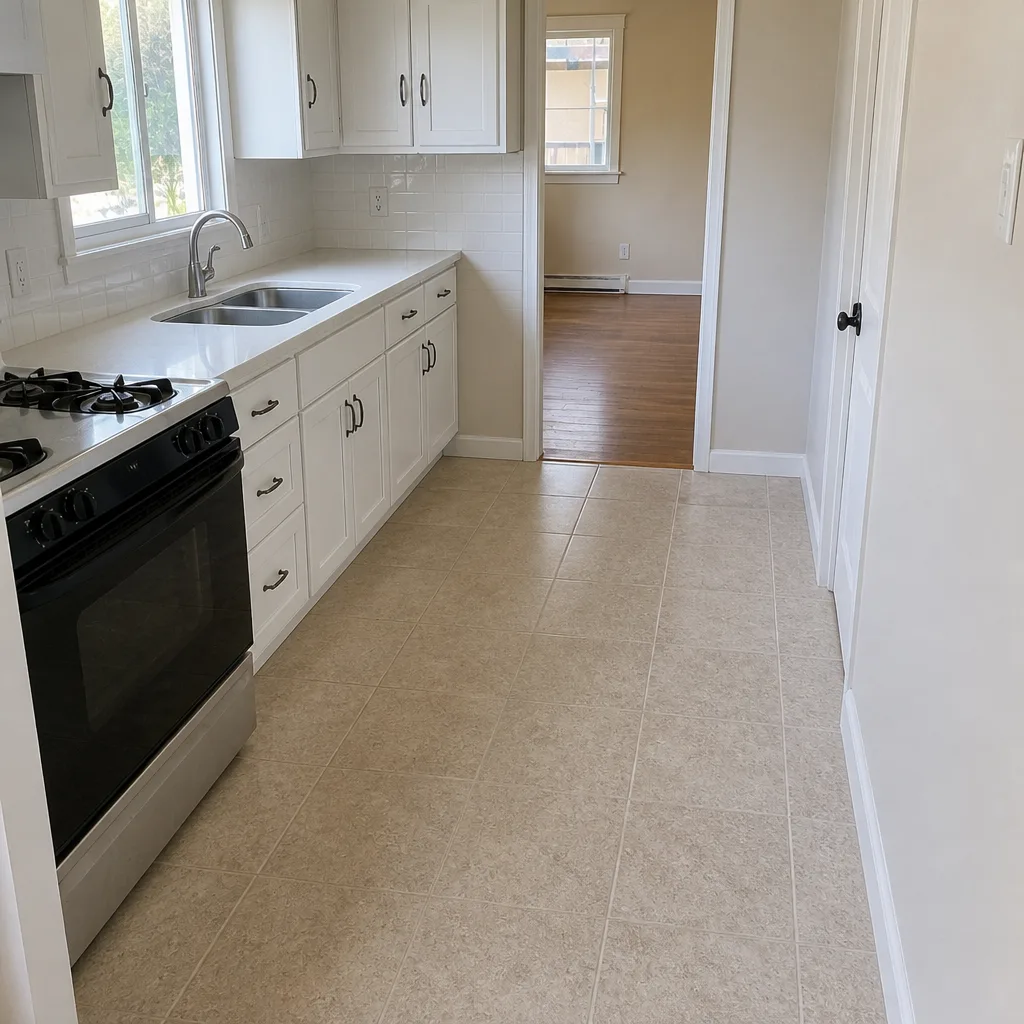 After
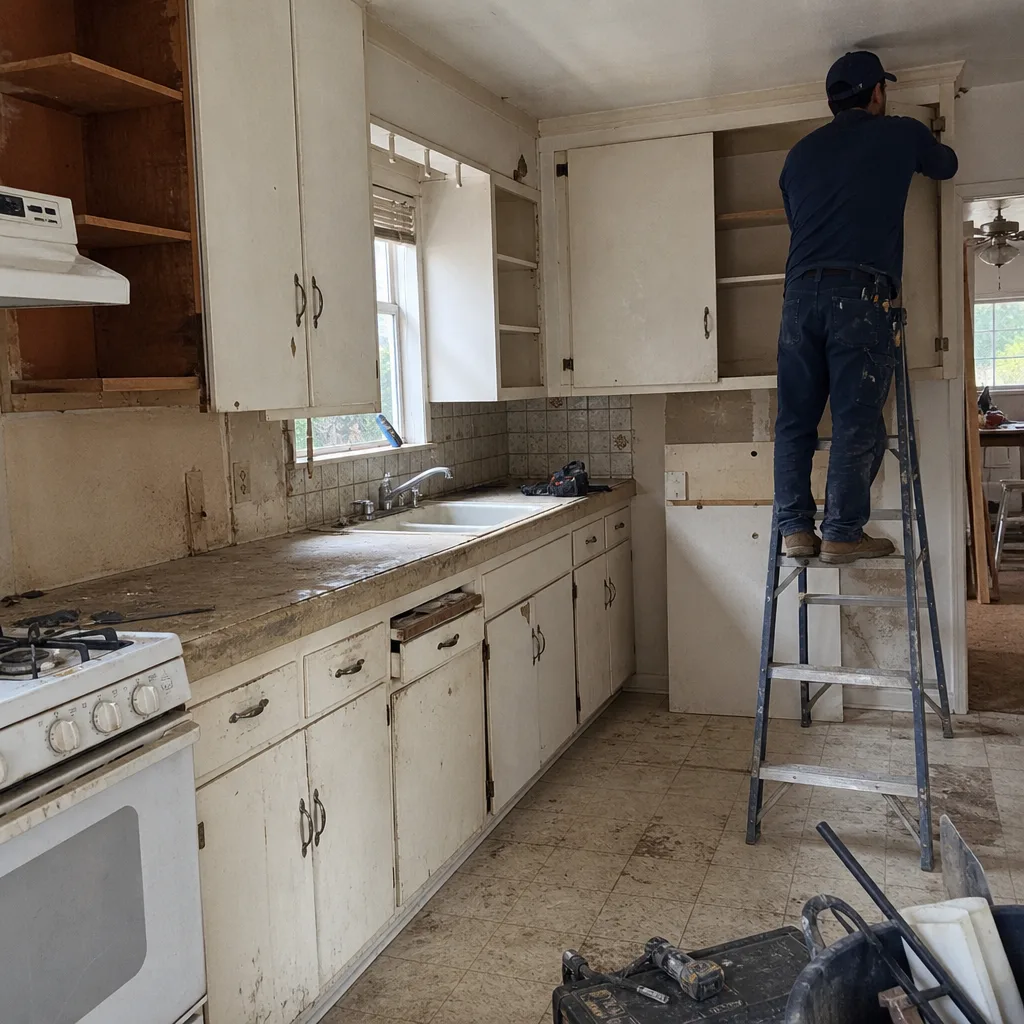 Before
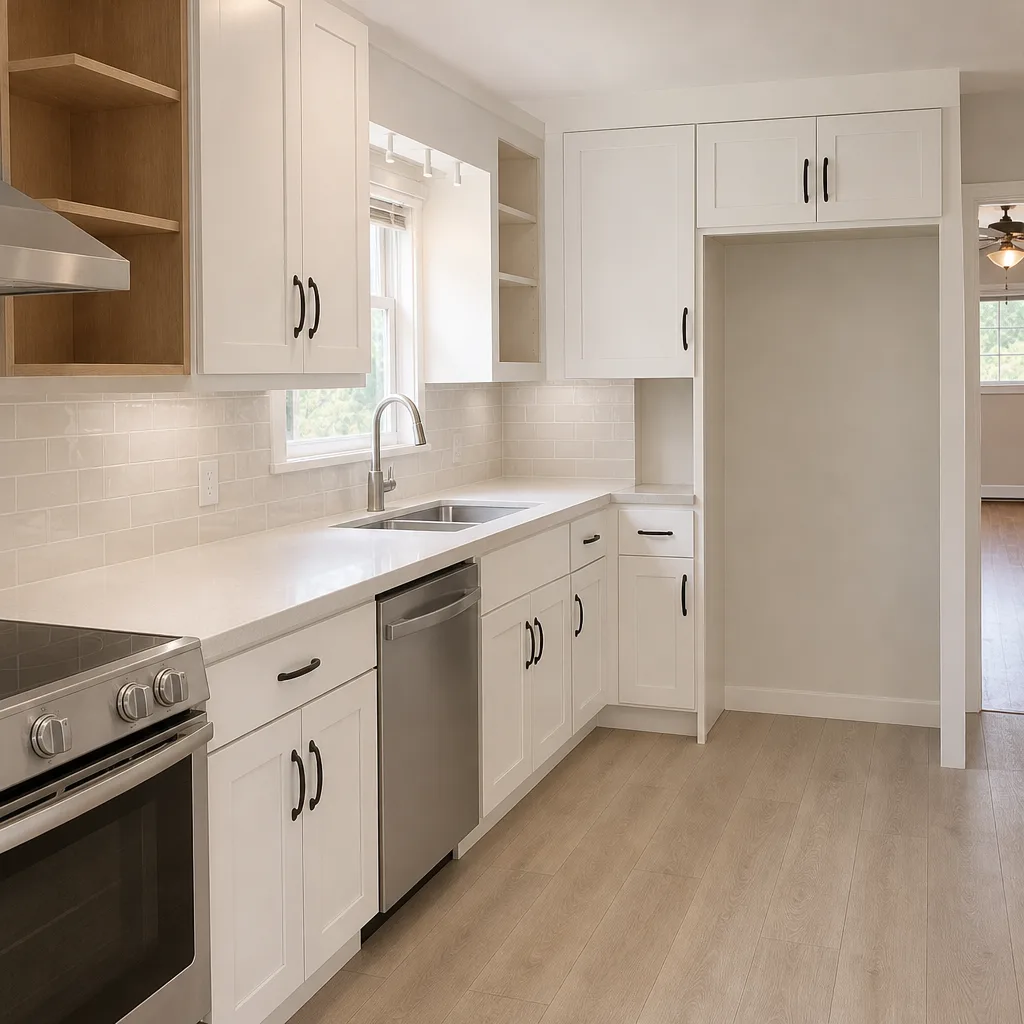 After
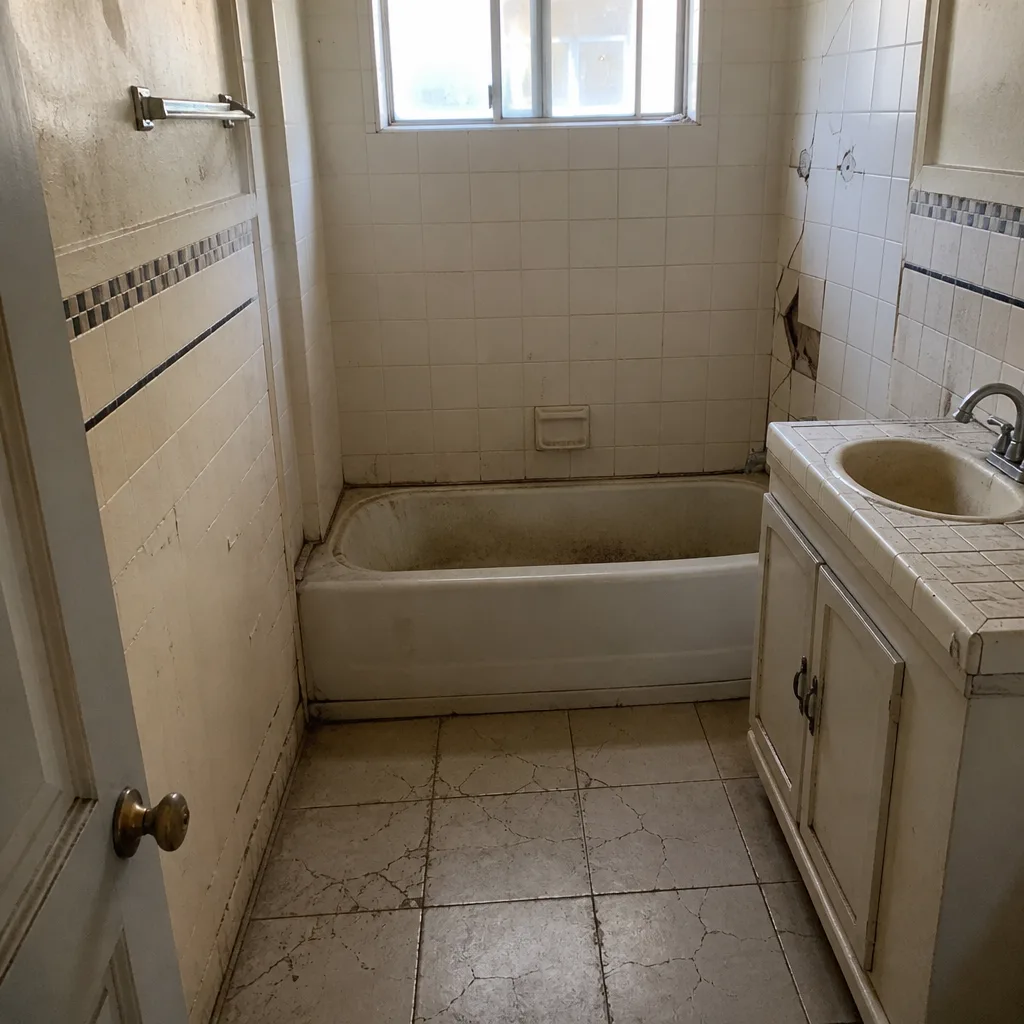 Before
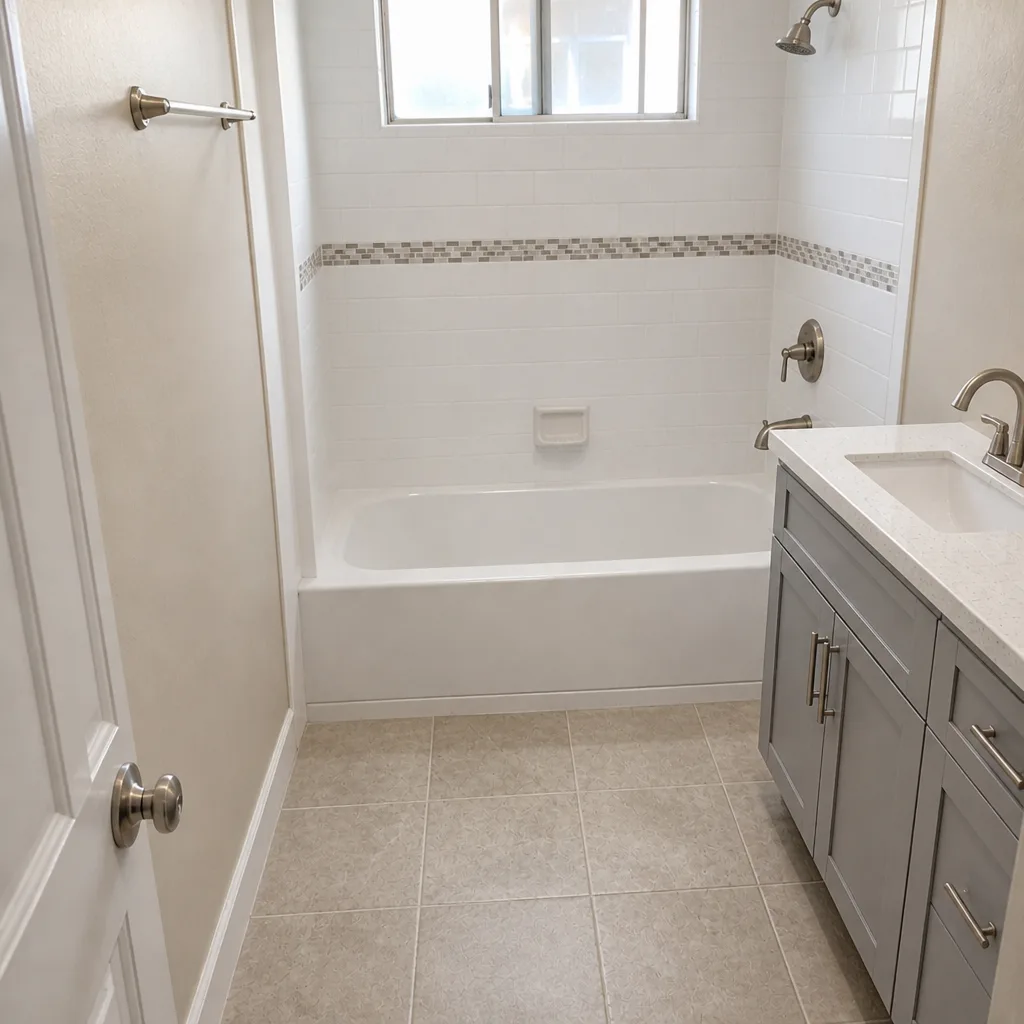 After
Replacement Cost & What’s Included
Here’s the honest range for Glendale, both for repairs and for a full driveway, with what’s behind the numbers.
| Scope | Typical Installed Range |
|---|---|
| Paver driveway installation (Unilock or equivalent) | $7,000 – $18,000 |
| Paver patio installation | $3,500 – $11,000 |
| Driveway replacement (full tear-out and rebuild) | $5,000 – $14,000 |
| Section repair / re-sand / re-level (single area) | Low hundreds to under $2,000 |
| Driveway sealing | $250 – $700 |
What drives the range: total square footage, how much base has to come out and be recompacted, whether the existing edge restraint is reusable, and how hard the paver match is to source. A driveway where the base is sound and only the surface layer needs work lands at the low end. A full rebuild with excavation on a slope in the hills above Glendale lands at the high end. We put the scope, the paver line, and any allowance in writing before work starts, and every price change arrives as a written change order before we move. The finished work is backed by our written 90-Day Done Right Promise.
DIY or Call Us?
Some things you can safely check yourself. Walk the driveway and mark the rocking or sunken pavers with chalk or tape. Rake out any loose joint sand to see how deep the gap goes. Look at the edges where the driveway meets grass or the street to see if the restraint has pulled away. Those three checks tell you whether you have a surface problem or a base problem.
Where DIY goes wrong is on the base. Re-leveling pavers means pulling the field apart, re-grading the bedding layer, and recompacting it, and a section that isn’t compacted right just moves again by the next rain. A paver haphazardly re-laid to “just sit flat” will rock worse in a month. Lifting and relaying a driveway that’s 60mm thick over a well-built base is genuinely a two-person job with the right plate compactor and edge restraints. If you’re not sure whether you have a base problem, that’s the moment to call us rather than dig in.
Call (844) 560-4526 for a free estimate on a paver driveway repair or rebuild in Glendale, and we’ll tell you plainly whether you’re looking at a surface fix or a base rebuild.
FAQs
A properly installed Unilock paver over a sound base typically holds up for decades, and the pavers themselves rarely fail first. What goes first in Glendale is the joint sand, the bedding layer, or the edge restraint, and staying on top of those is what extends the life of the driveway.
Yes, in most cases. If the problem is localized settling, washed-out joints, or a handful of cracked or chipped pavers, we can lift and relay that section, replace the bad pieces, refill the joints, and reset the edge restraint without tearing out the whole driveway. A full rebuild only makes sense when the base is failing across the field.
Most single-section repairs on a Glendale driveway are finished in one to two days once the matching paver is in hand. A full driveway replacement typically runs several days depending on square footage and base work. We give you a realistic schedule in the estimate, not an optimistic one on the phone.
We match to the specific series and dye lot when it’s still available, and if it’s discontinued we tell you upfront where a color shift will show. We don’t guess-and-install; we confirm the line before any paver is cut or laid. Our crew members have up to 28 years of experience on hardscape work like this.
Not without your sign-off. Every change to the scope, the paver line, or an allowance arrives as a written change order before the work happens. If we find buried base damage the estimate didn’t anticipate, you see it in writing before anyone picks up a shovel.
Barrett & Sons Construction Glendale has been owner-operated since 1998, every eligible job gets permits pulled and inspections signed, and a live person answers the phone 24/7. Current standing offers include $40 Off Any Repair Over $200, a Free Second Opinion on Any Written Estimate, No Trip Charge Inside the County, and a permanent 10% Senior & Veteran discount. We also work with KraftMaid, Cambria, and Silestone on the interior side. Call (844) 560-4526 for a free estimate on your Unilock driveway or paver work in Glendale.
Written by the team at Barrett & Sons Construction Glendale, serving Glendale and nearby areas.