

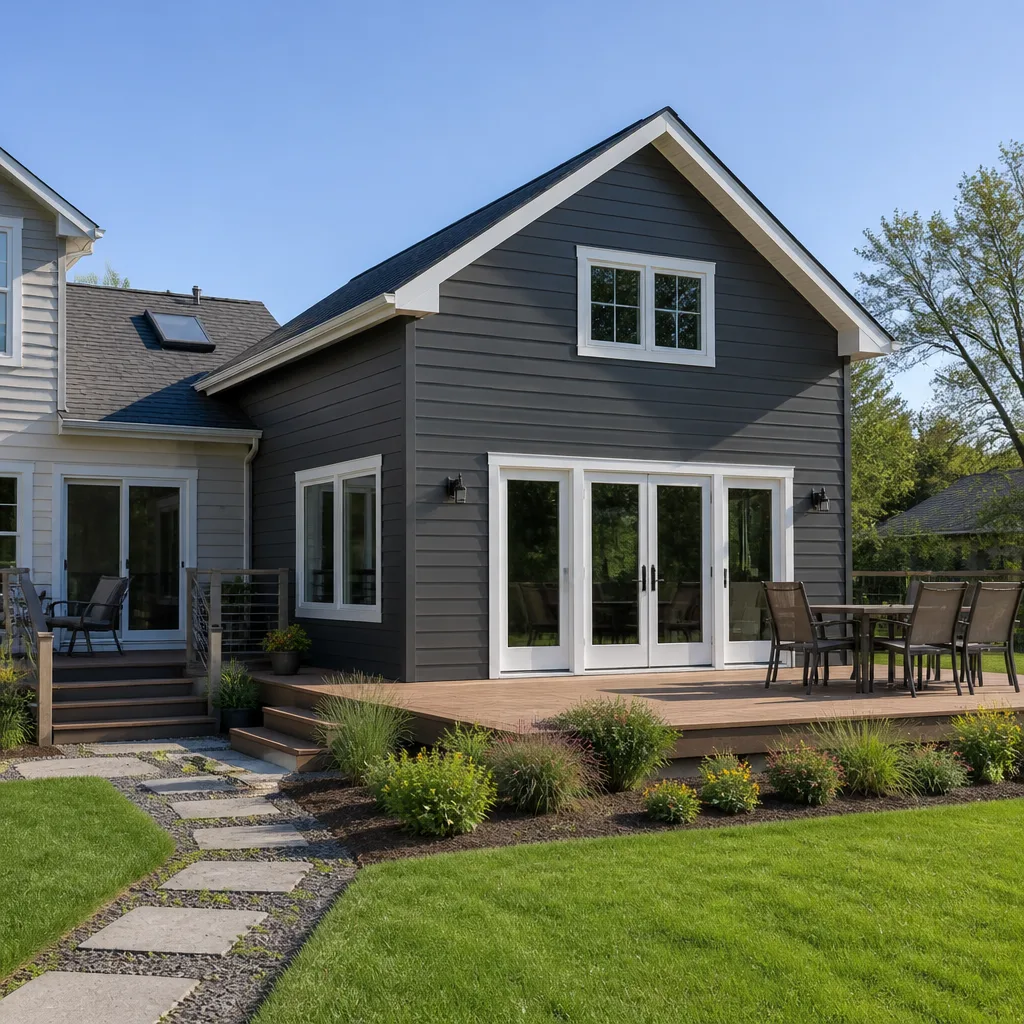
 Home additions & ADU
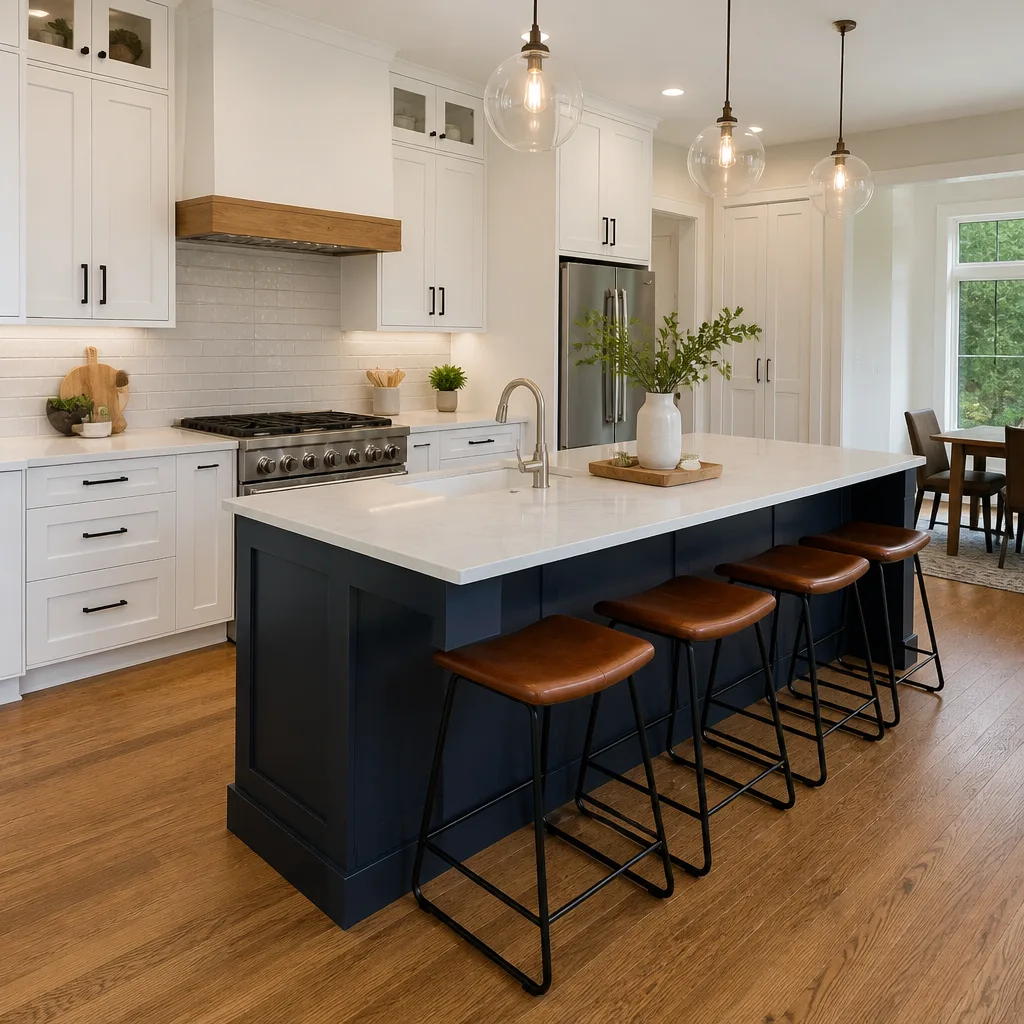 Kitchen remodeling
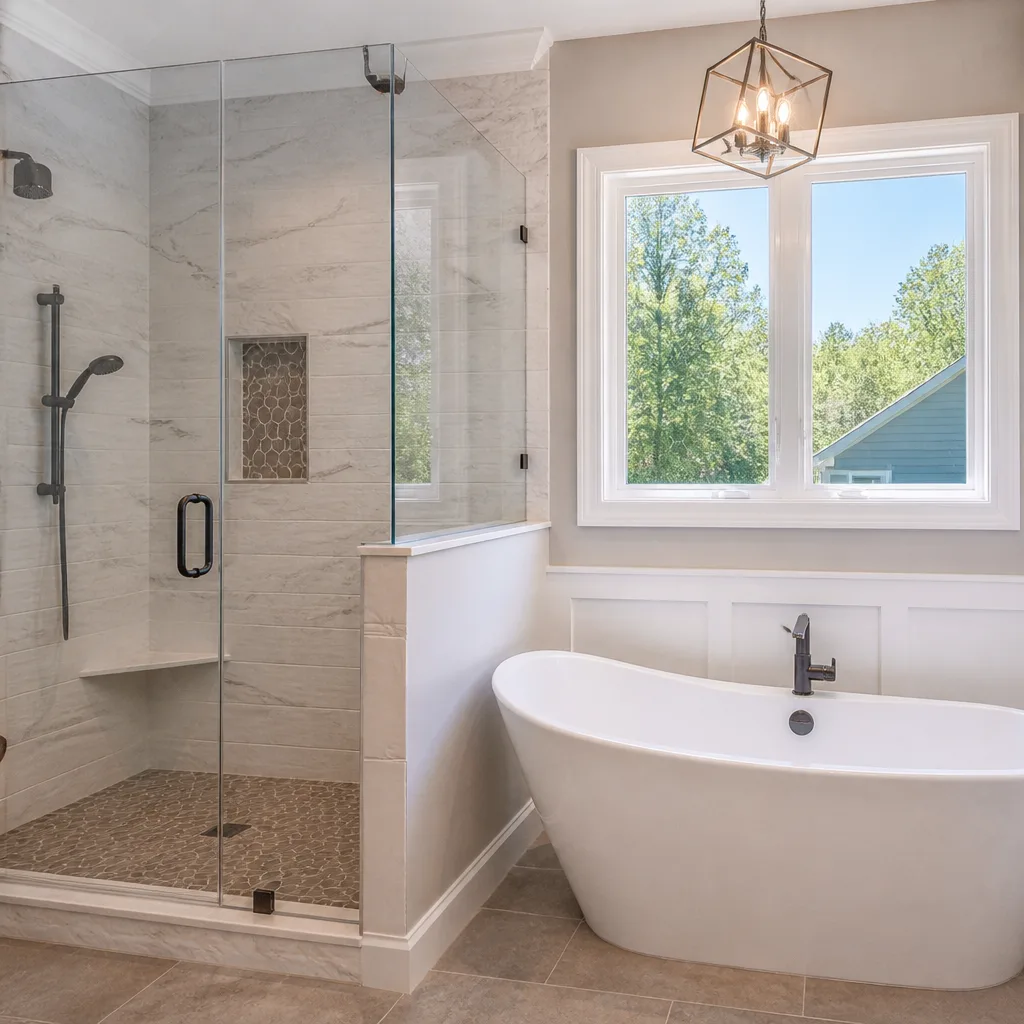 Bathroom remodeling
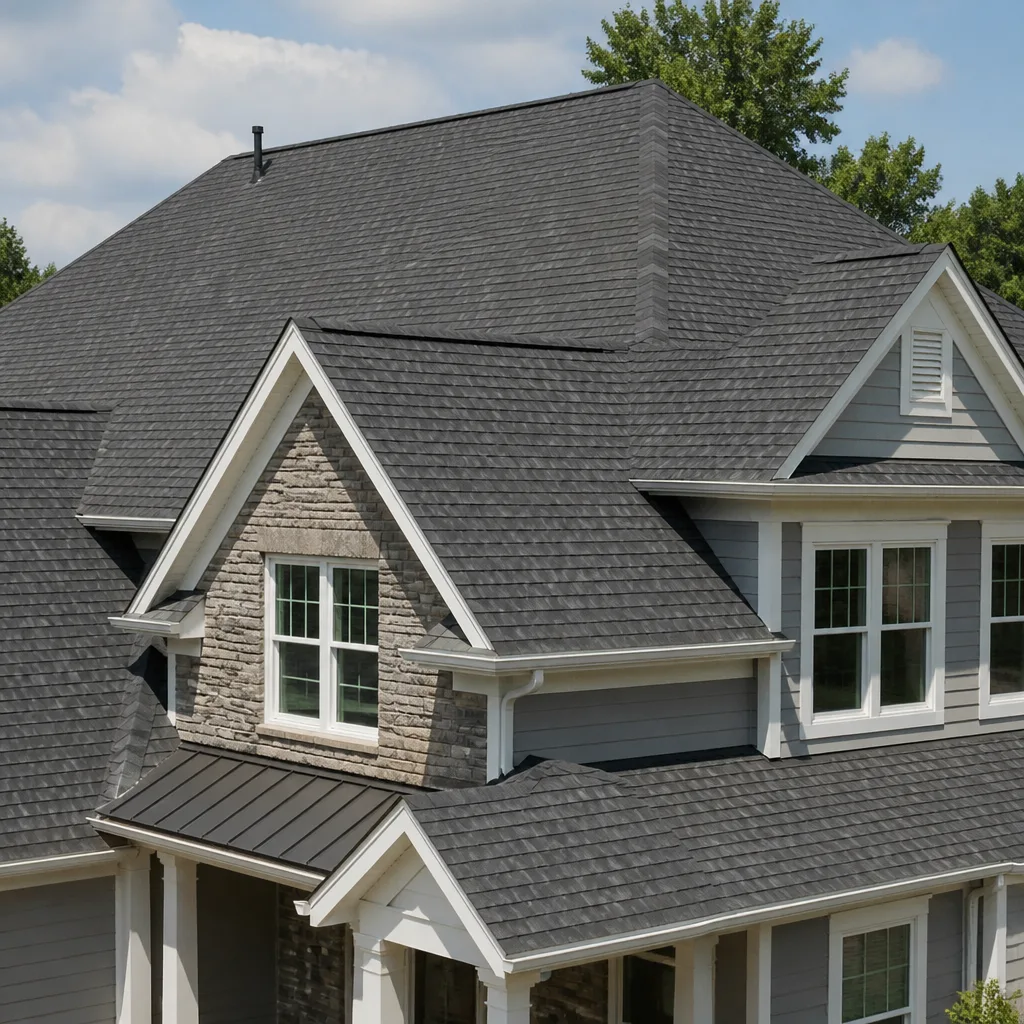 Roofing
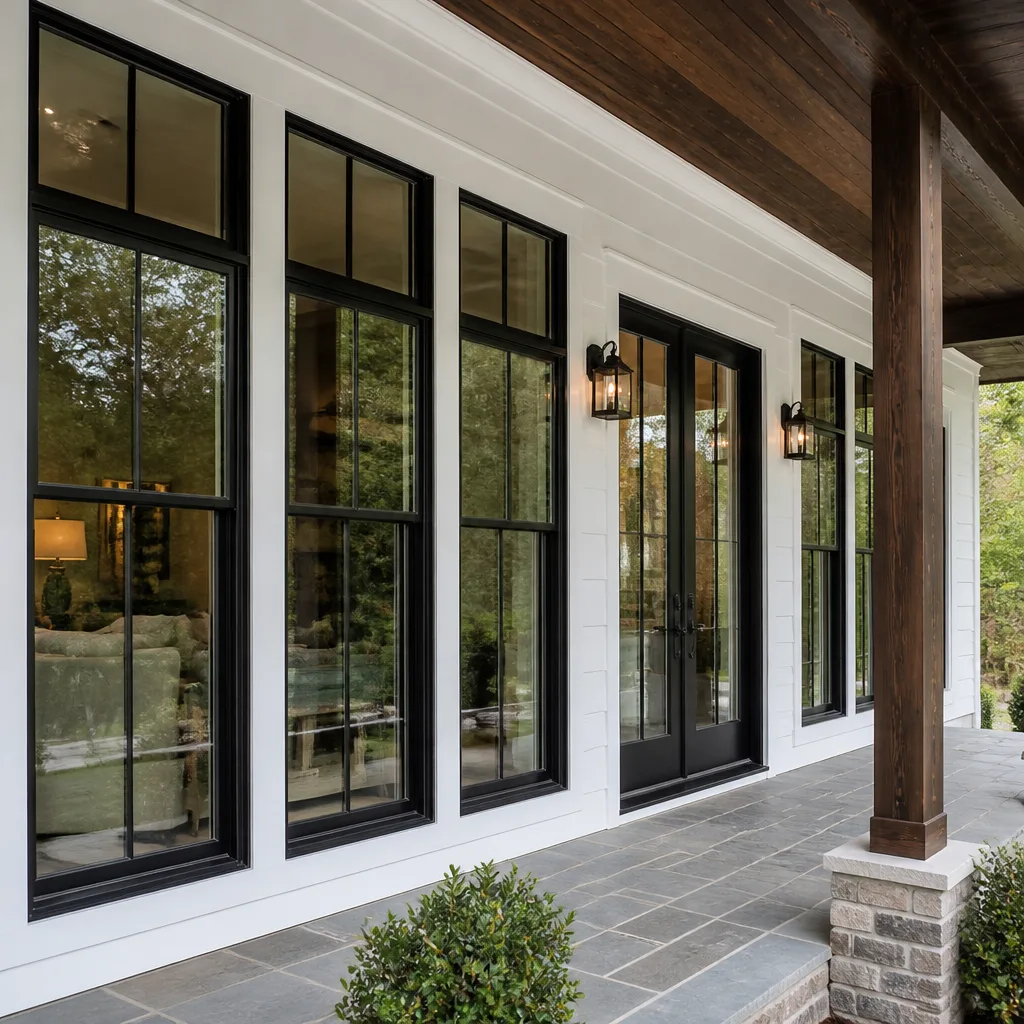 Windows & doors
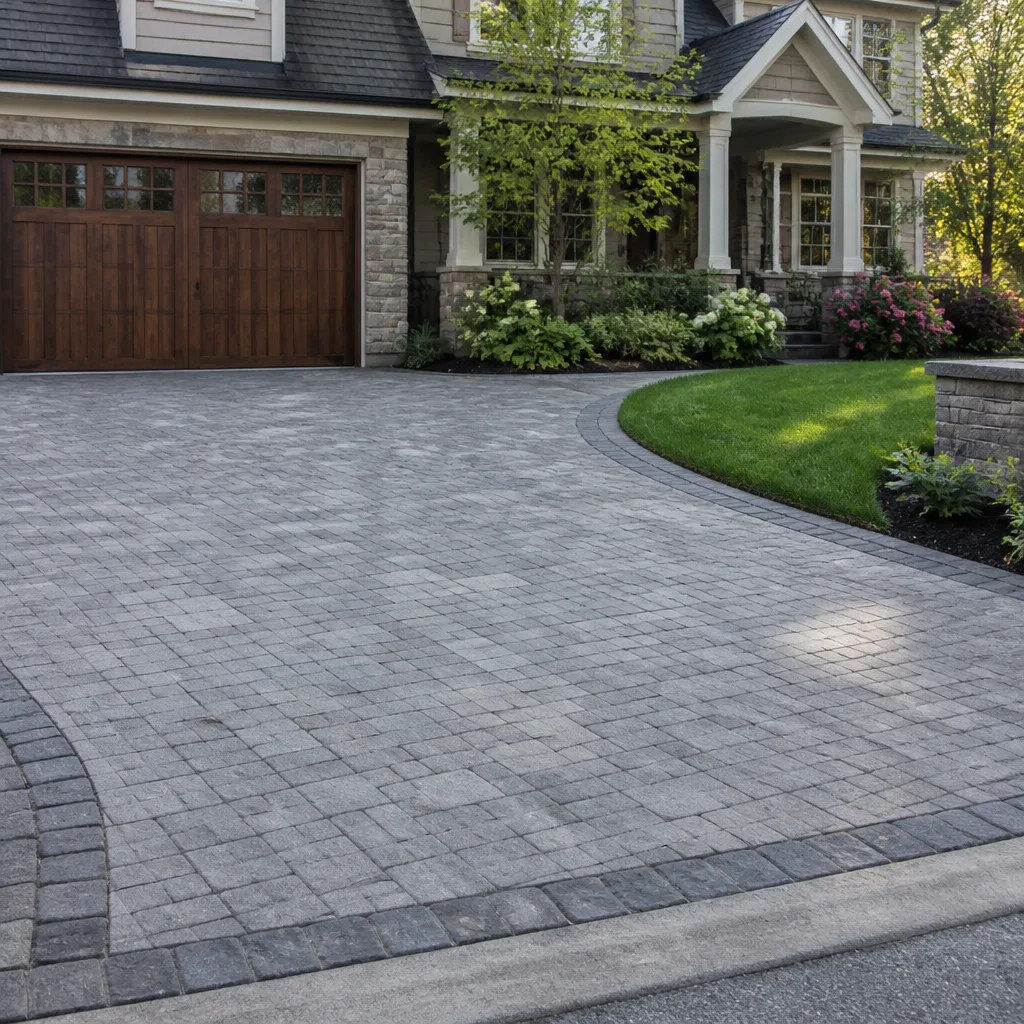 Driveway & pavers
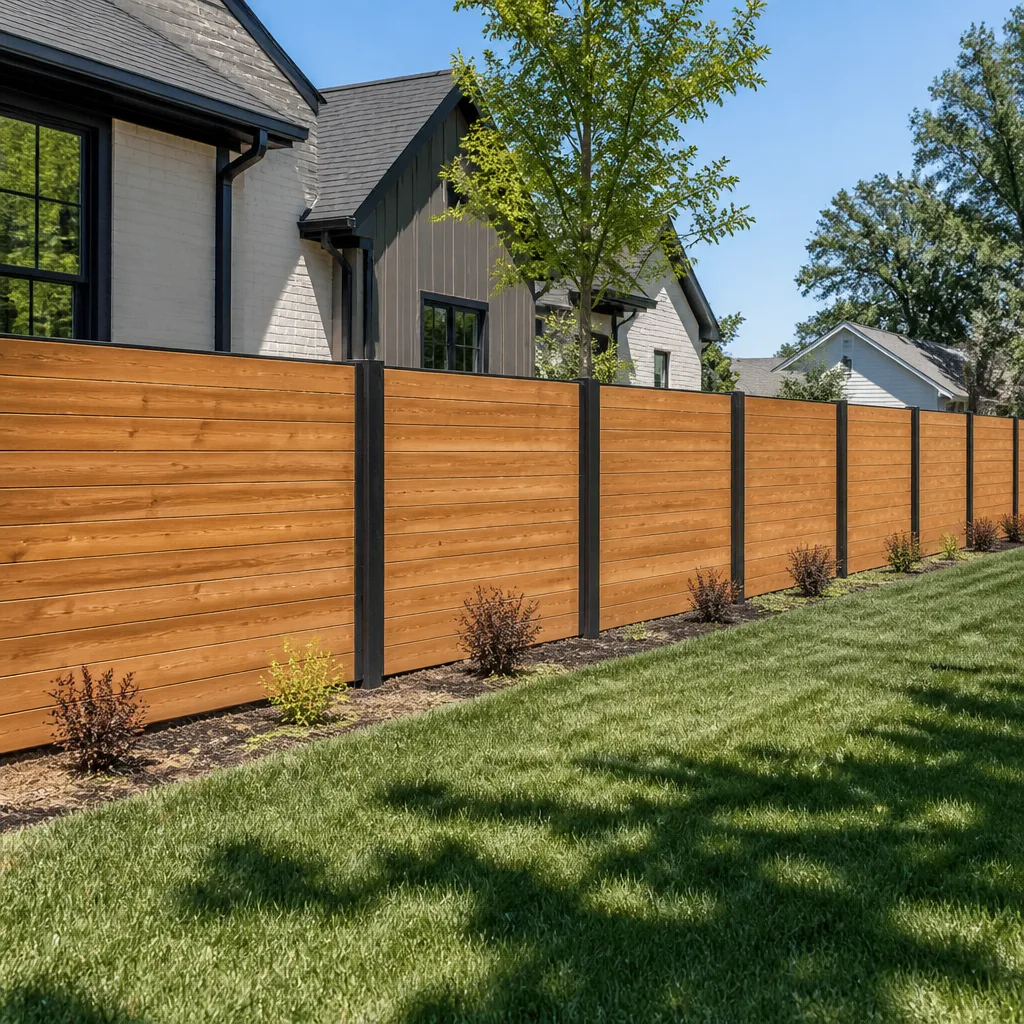 Fence
Free written scope consultation - allowances, timeline, and change-order rules on paper before a single trade is scheduled
Unilock Home Additions & ADU: The Glendale Owner’s Guide
We build Unilock-compatible home additions and ADUs in Glendale, and most projects land between $45,000 and $130,000 installed, though ADU construction runs higher at $90,000 to $220,000. We’re an independent builder, not affiliated with Unilock. When a hardscape product fails at the base of an addition or ADU pad, Glendale homeowners usually notice it the same way: pavers heaving around the new footing, water pooling against the slab, or a retaining wall course that’s started to lean after a wet winter. By the time you’re searching for a replacement, you’ve often got a failed joint, a cracked unit, or a base that’s settled unevenly.
Which Unilock Models This Applies To
Unilock products show up around additions and ADUs in a few predictable roles: paver patios and walkways at the entrance, retaining walls holding back a grade change, and step treads at the transition from house to yard. The model line matters because unit dimensions and thicknesses differ. Unilock’s Brussels Block, for example, runs at a nominal 60mm thickness, while heavier wall systems like the Pisa2 or Beacon Hill lines run thicker and interlock with a specific pin or lip system. Using the wrong thickness in a load-bearing course is a common failure point we see in Glendale.
To identify what you have, measure a single unit (length, width, and depth in millimeters) and look for a mark on the base or side. Photograph the joint pattern too. That tells us whether you’re dealing with a textured face or a straight-face unit and whether the failure is a base problem or a unit problem. For OEM versus aftermarket: matching the original Unilock unit is almost always the right call for visible areas, because color and texture lots change. For hidden base material, a quality graded aggregate substitute does the job fine. There’s no reason to pay Unilock pricing for material that never sees daylight.
Styles & brands we work with
- Kitchen remodeling
- Bathroom remodeling
- Home additions & ADU
- Roofing
- Windows & doors
- Driveway & pavers
- Fence
Signs Your Unilock Home Additions & ADU Is Failing
- Heaving or rocking pavers. The base course has settled or water is getting under the surface and freezing. In Glendale, this is more often a drainage issue than a frost issue – clogged joints or a grade that slopes back toward the house.
- Pooling water against the pad or footing. The hardscape isn’t shedding water away from the structure anymore. That’s a slope problem, and left alone it puts the addition’s foundation at risk.
- Cracked or spalled units. Usually caused by a base that flexes under load. A paver that cracks in the same spot twice means the problem is underneath, not in the paver.
- Leaning or bulging retaining wall. The wall’s base is moving or the drainage behind it has failed. This one gets worse every rainy season and doesn’t correct itself.
- Sunken step treads or joints pulling apart. Shifting base material, often where an old slab met new hardscape. We see this regularly on Glendale additions built in phases.
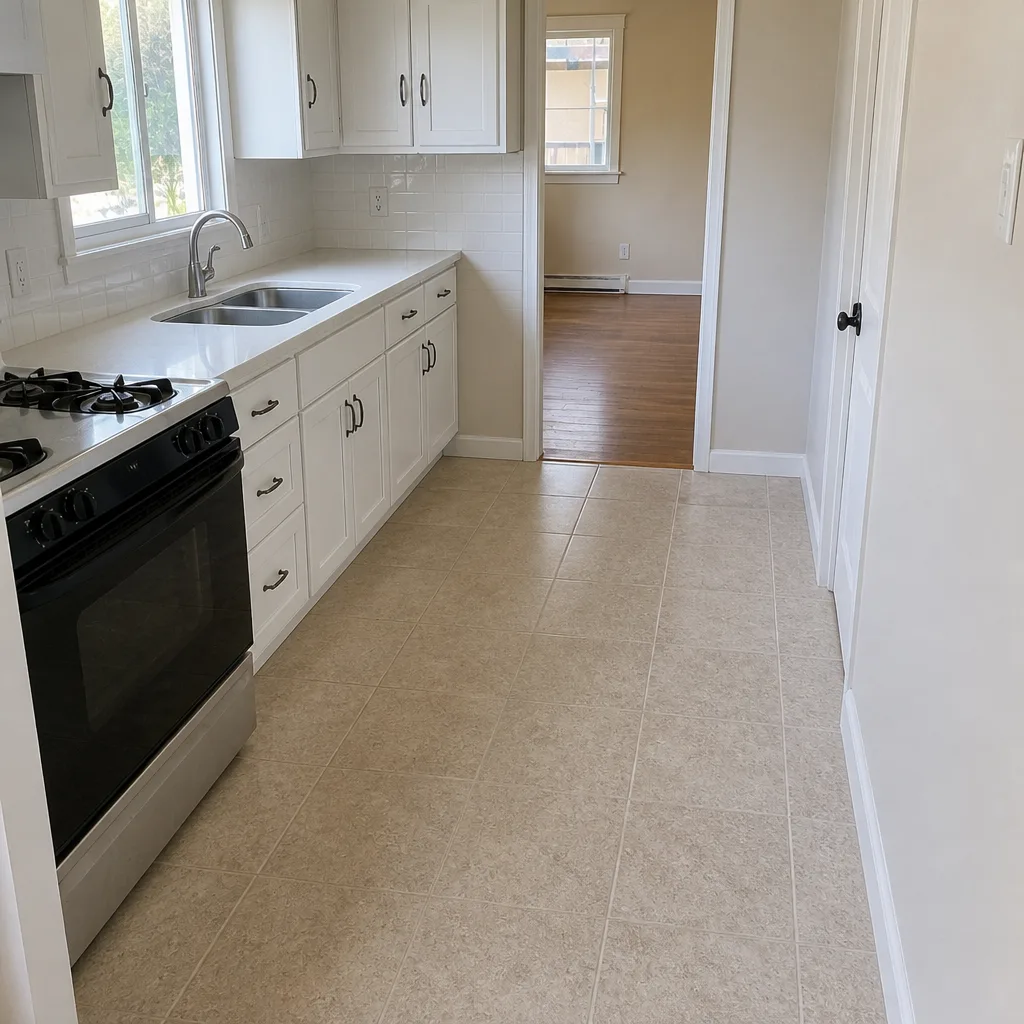
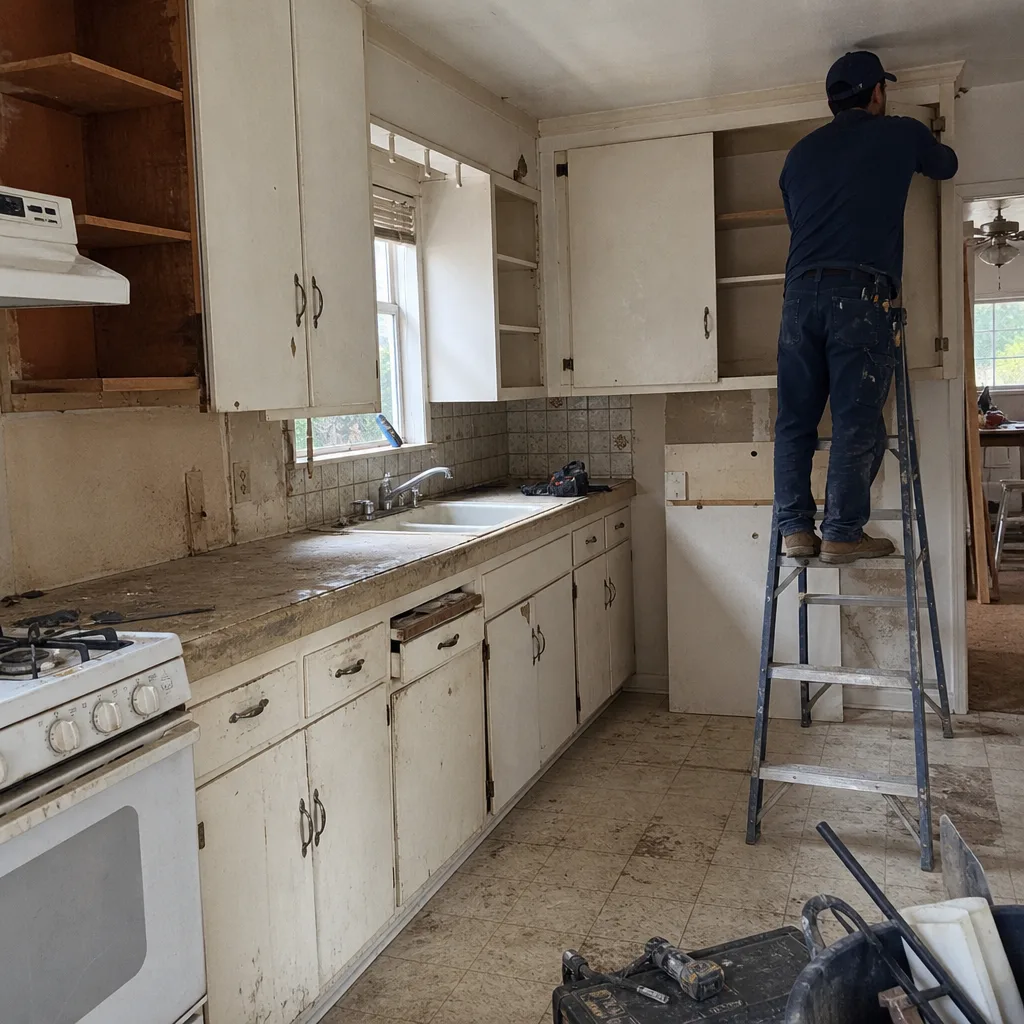
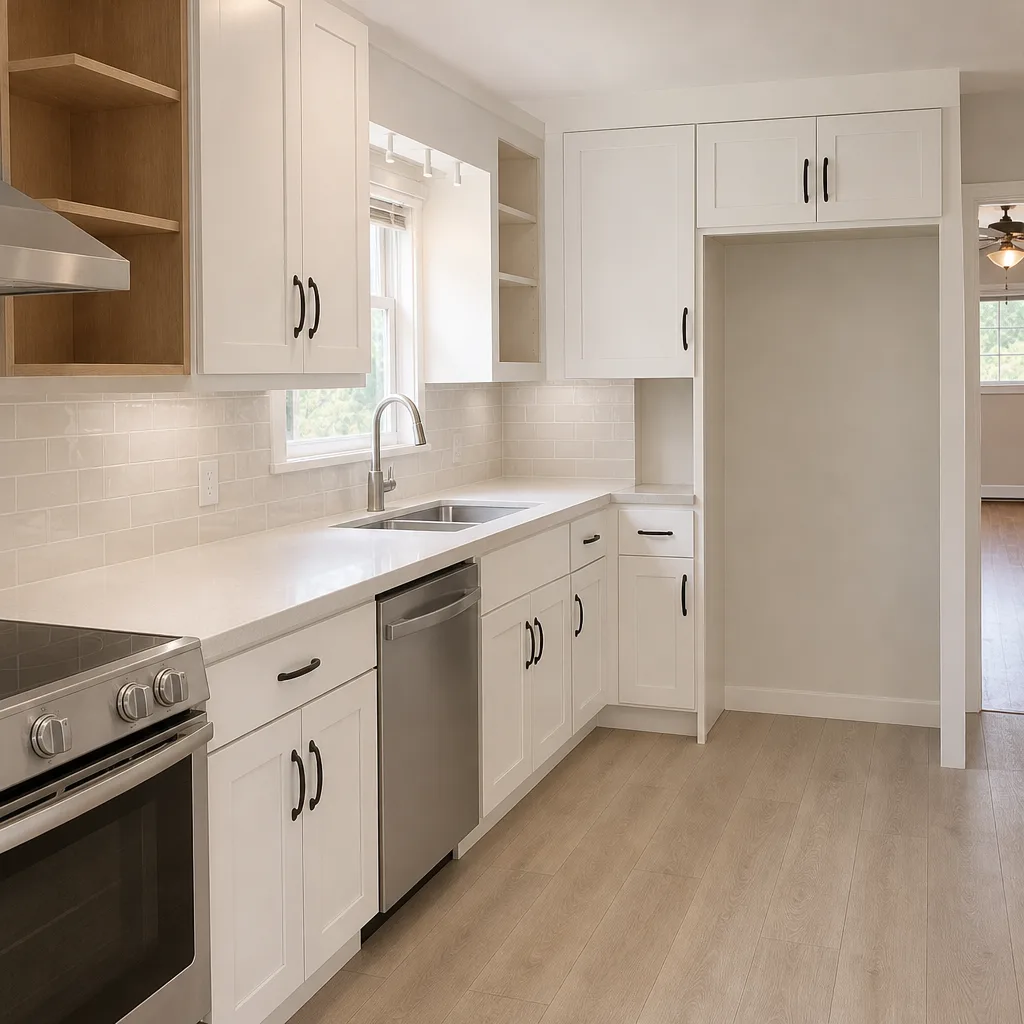
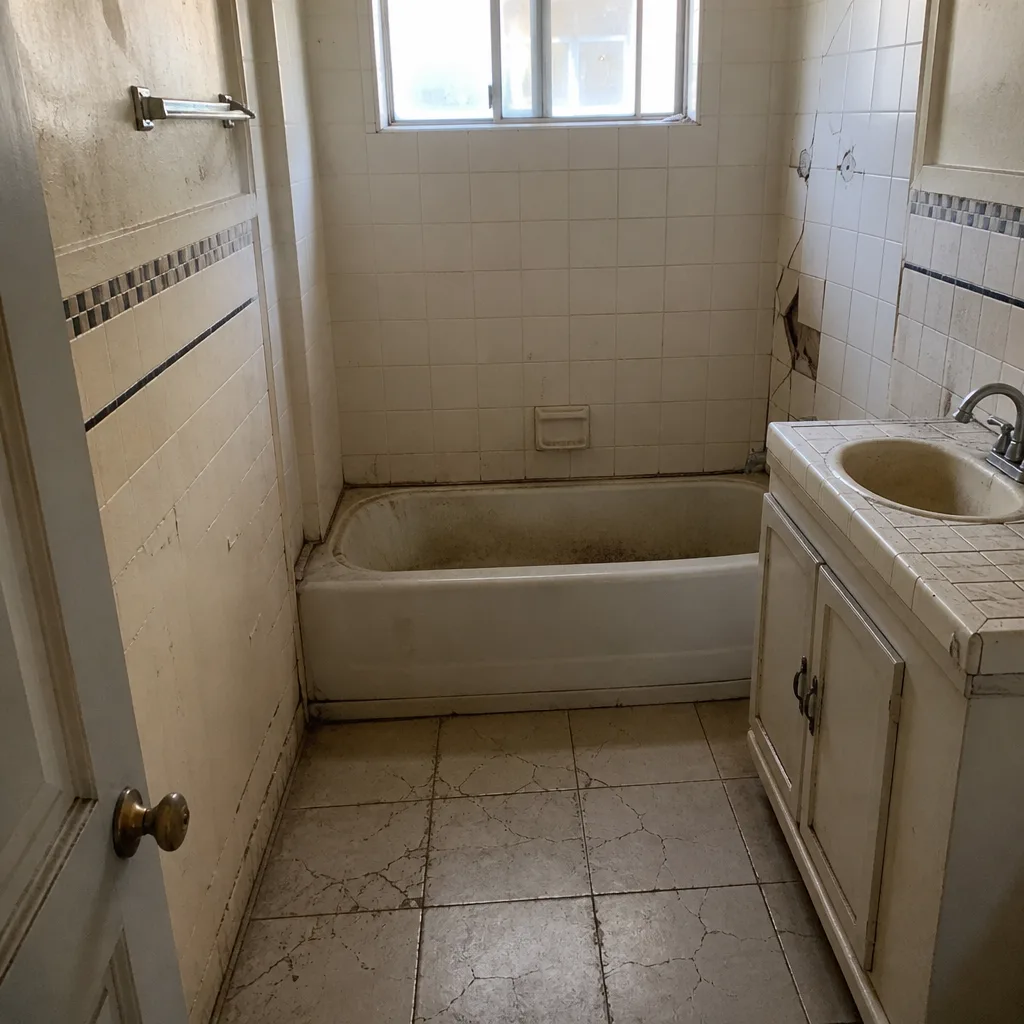
See the difference
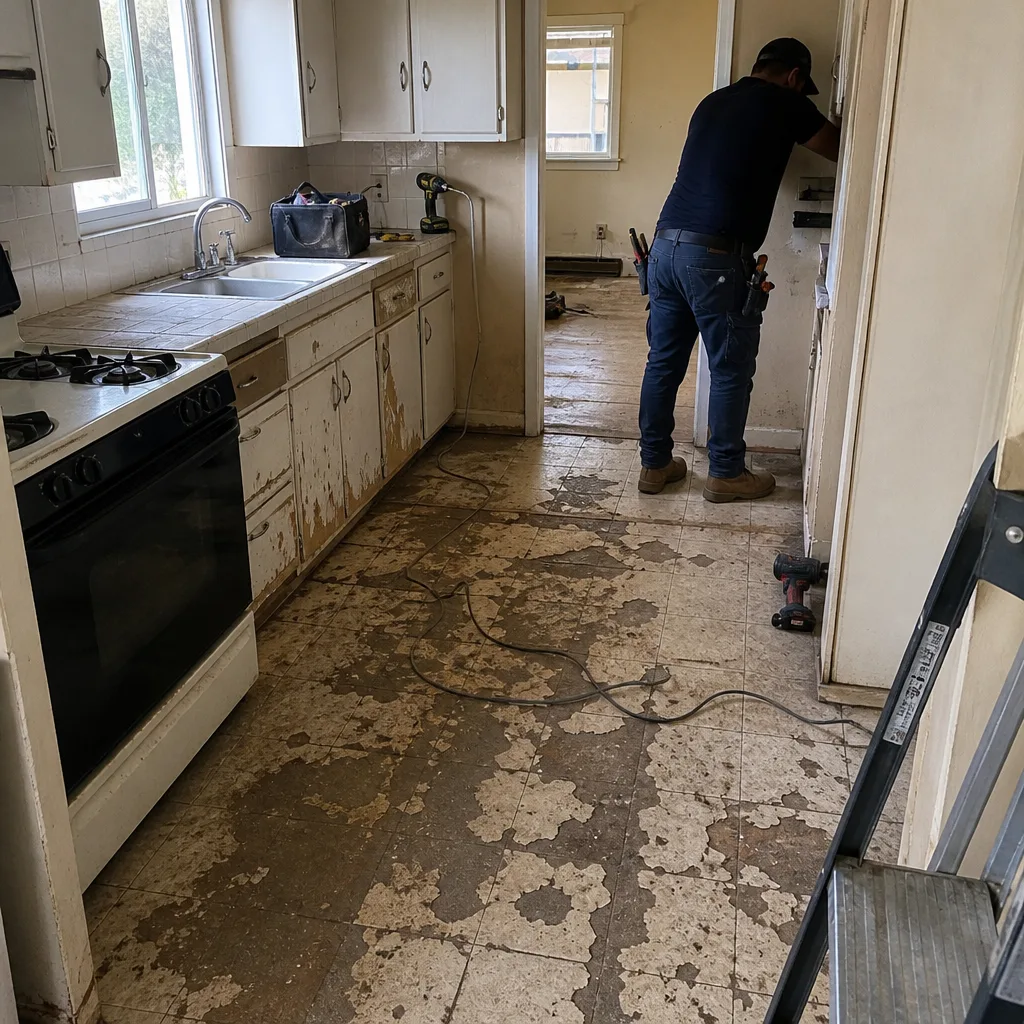 Before
 After
 Before
 After
 Before
 After
Replacement Cost & What’s Included
Installed pricing for the hardscape portion of a Glendale addition or ADU project spans a real range, and the whole-job figure of $45,000 to $130,000 reflects how much of the structure is new versus repaired. For the hardscape piece specifically, a paver patio re-lay runs $3,500 to $11,000, and a paver driveway rebuild runs $7,000 to $18,000. Cost drivers: square footage, whether the base needs full excavation, drainage corrections, and whether units can be reused or must be matched new.
We quote parts and labor as separate line items so you can see what the material costs. Every price change comes as a written change order before work starts. The work is backed by our 90-Day Done Right Promise.
DIY or Call Us?
You can safely check a few things yourself: photograph the failing units, measure thickness, probe the joint sand with a screwdriver to see if it’s washed out, and watch where water flows during a rain. What goes wrong for DIYers here is the base. Pulling up pavers and re-bedding them on top of a bad base just resets the clock – the heaving comes back, and if there’s a retaining wall involved, a poorly rebuilt base can fail suddenly under load. Wall rebuilds and anything tied to a structural footing are jobs for a crew. Call (844) 560-4526 and we’ll walk the site, tell you what actually failed, and give you a written estimate at no cost.
FAQs
A properly installed Unilock paver surface typically lasts 25 to 50 years; a retaining wall holds up equally long if drainage behind it is right. The failures we see in Glendale are almost always base or drainage failures, not product failures. Call (844) 560-4526 for an exact quote – estimates are free.
Sometimes yes. A single cracked paver or a localized low spot can often be lifted, re-bedded, and relaid without touching the rest. If the base has failed across a wider area or a wall is leaning, repair isn’t reliable and a rebuild is the honest answer. Call (844) 560-4526 and we’ll tell you which one you’re looking at – free estimate, no pressure.
A localized repair is usually a day; a full patio re-lay runs two to four days, and a wall rebuild depends on length and access. We don’t promise same-day service on planned work, but we do give you a real schedule in writing. Call (844) 560-4526 to schedule your free estimate.
We match the Unilock model by dimension and face, then pull from regional supply so the color and texture lot lines up with what’s already there. We don’t carry parts on a truck – the right unit is ordered for your specific job. Call (844) 560-4526 for an exact quote on your Glendale project.
We also install KraftMaid cabinetry, Cambria, and Silestone surfaces when an addition or ADU touches a kitchen or bath.
If you’re in Glendale and a hardscape element around your addition or ADU is failing, call us at (844) 560-4526 for a free estimate. We’ll look at it, tell you straight what failed and what it costs to fix, and put the scope in writing before we lift a single paver. Our crew members have up to 28 years of experience, and this work is backed by the 90-Day Done Right Promise.
Written by the team at Barrett & Sons Construction Glendale, serving Glendale and nearby areas.