

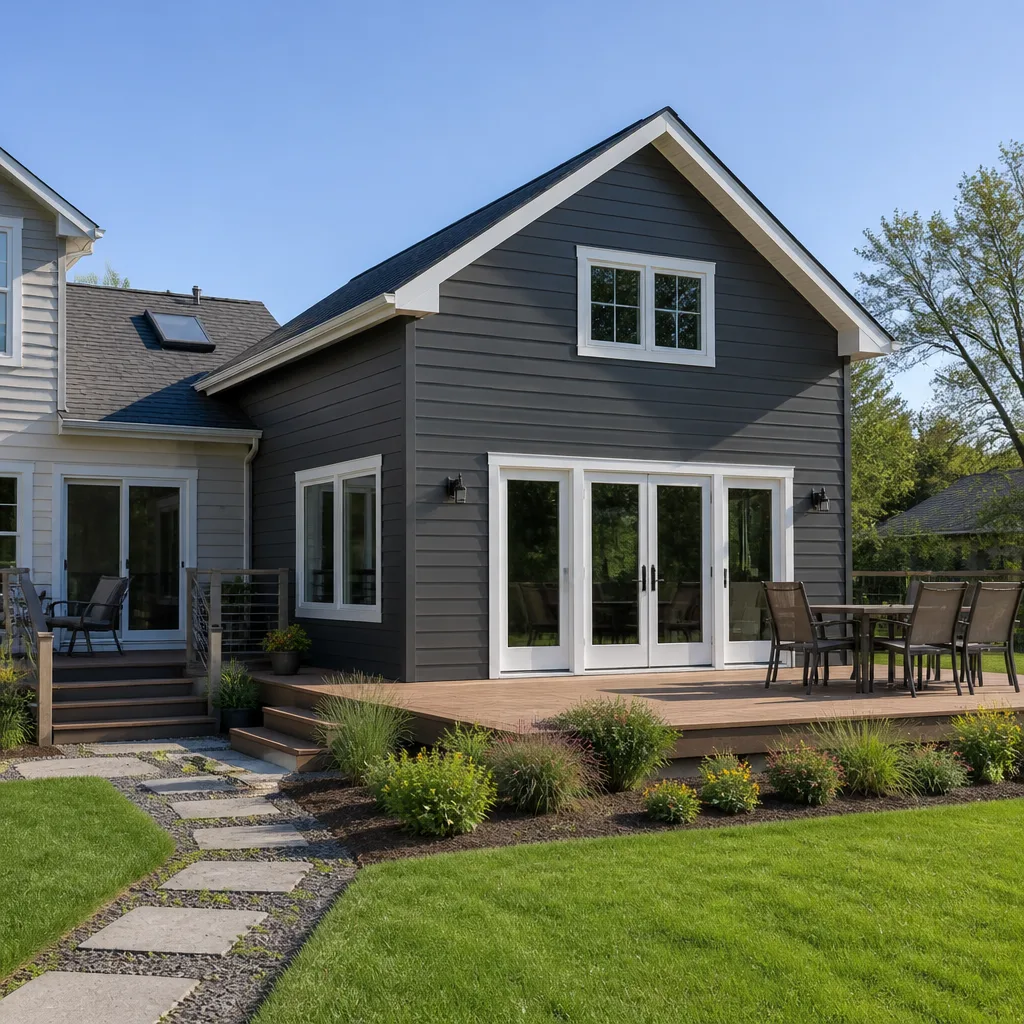
 Home additions & ADU
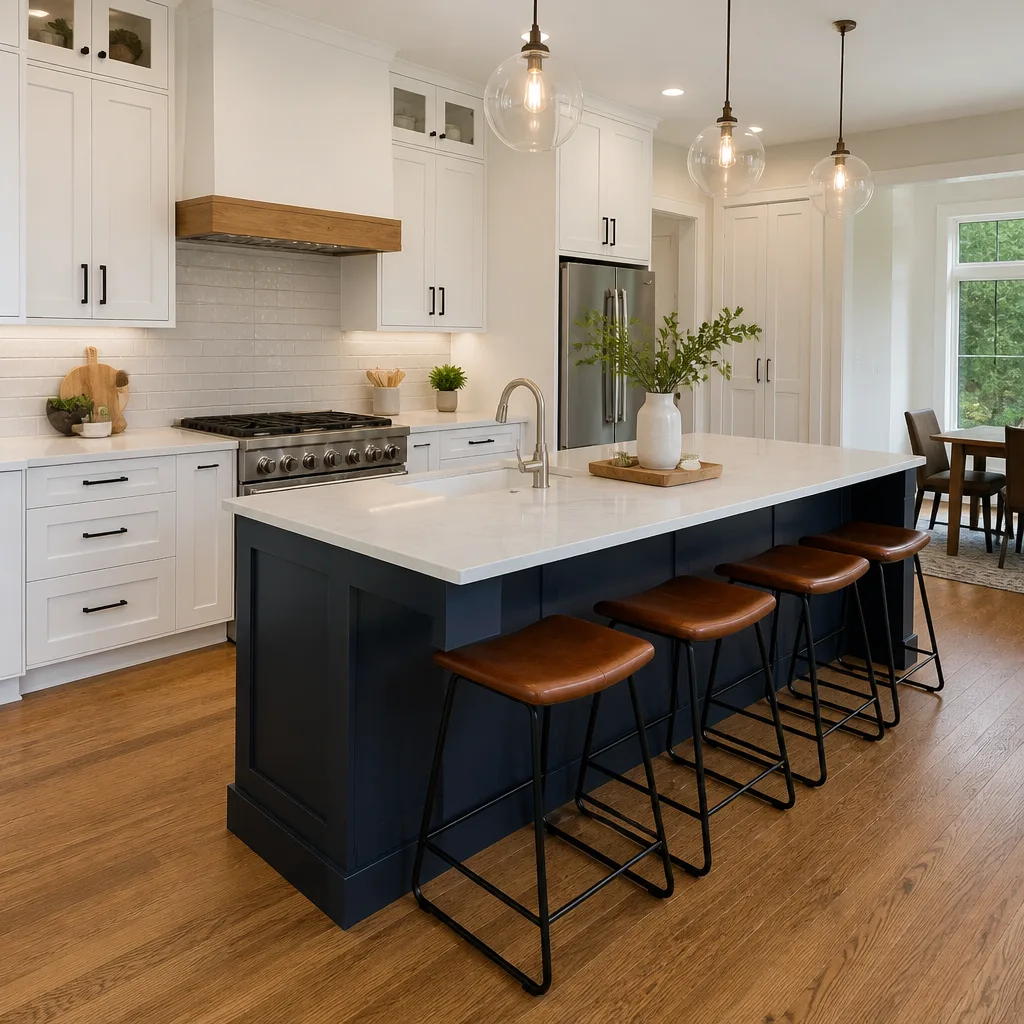 Kitchen remodeling
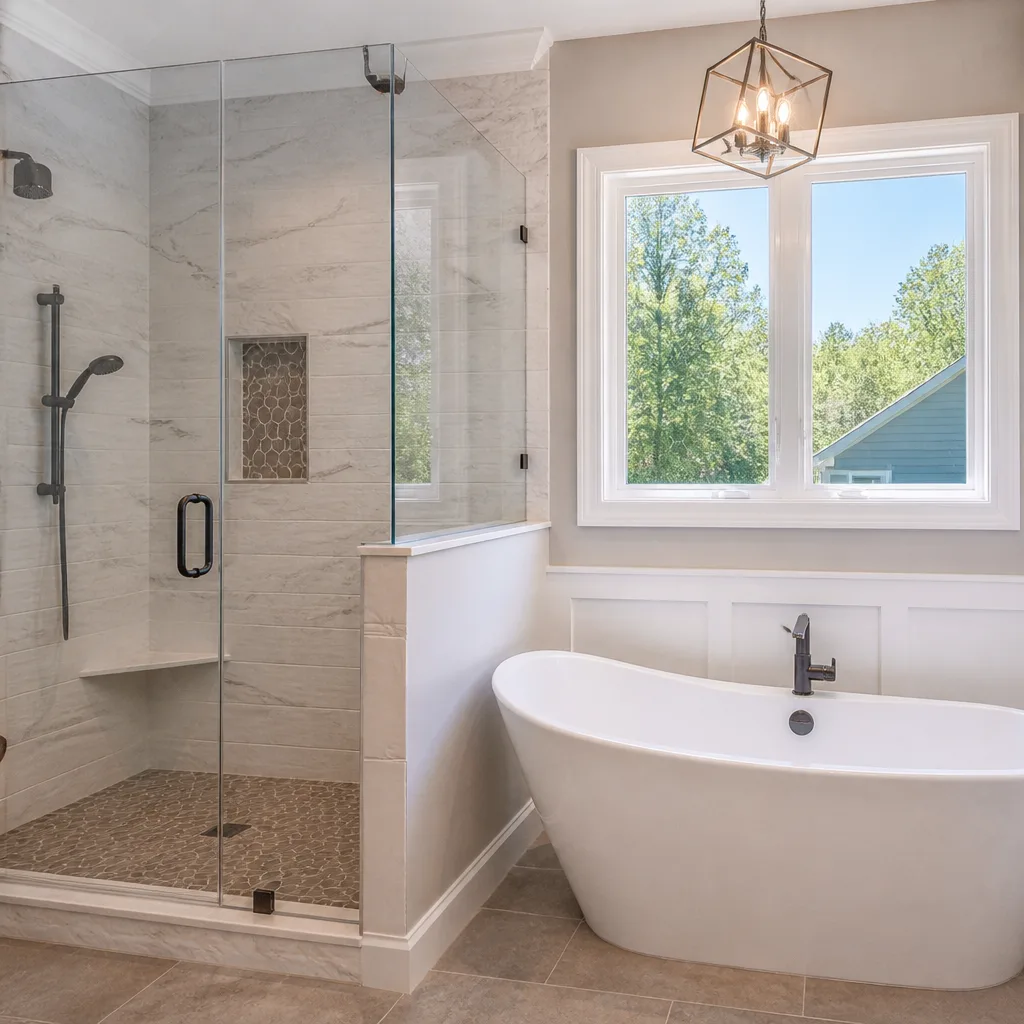 Bathroom remodeling
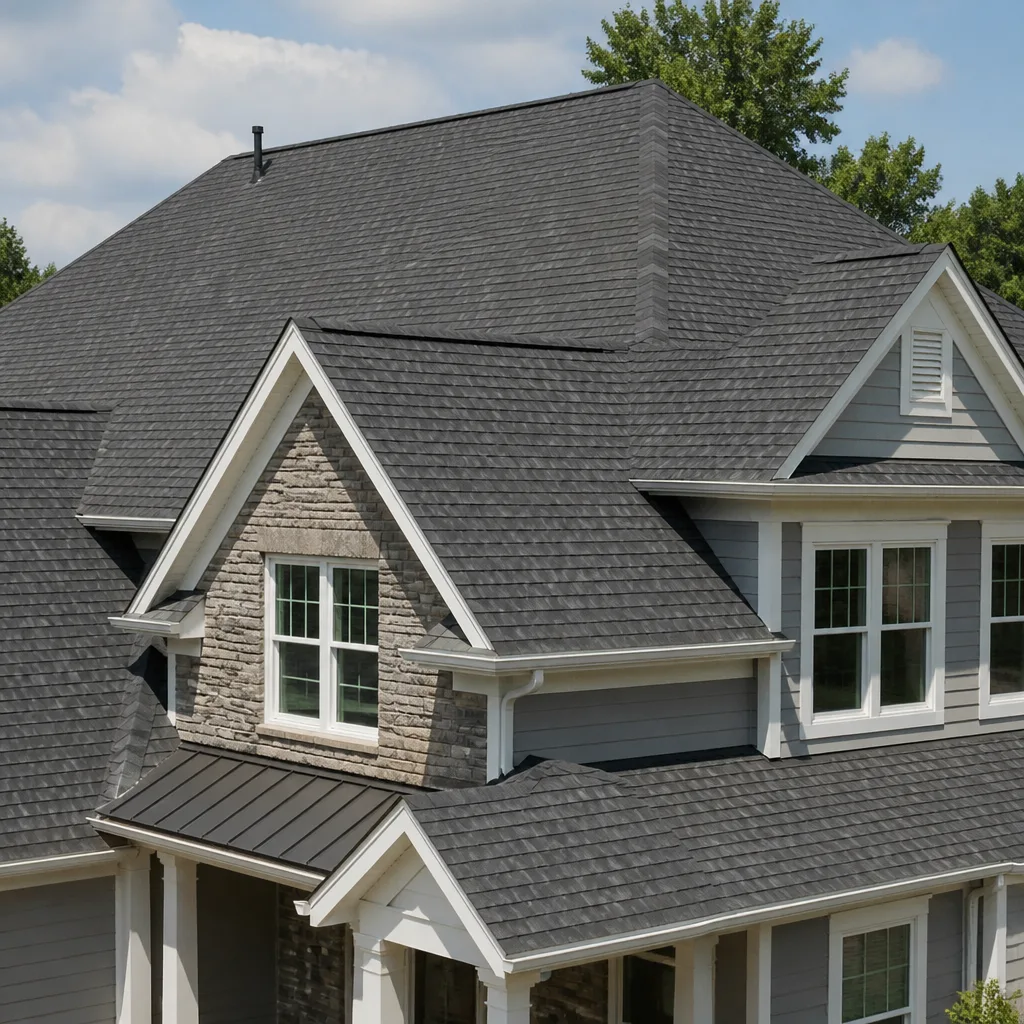 Roofing
 Windows & doors
 Driveway & pavers
 Fence
Free written scope consultation - allowances, timeline, and change-order rules on paper before a single trade is scheduled
Cambridge Pavers Home Additions & ADU: The Glendale Owner’s Guide
Installing Cambridge Pavers-compatible home additions and ADUs in Glendale typically runs $45,000 – $130,000 for an addition and $90,000 – $220,000 for a standalone ADU, depending on square footage, foundation conditions, and how much of the hardscape and paving scope is included. ADU permits in Glendale take longer than most homeowners expect, and the paved approach, patio surround, and drainage work that Cambridge Pavers products are specified for are usually the last things priced and the first things value-engineered out by cheaper bids. Most Glendale owners discover something is wrong at the hardscape interface, not the framing: pavers heaved after a wet winter, a patio slope that pools water against the new stem wall, or a driveway apron that never got the base depth the addition required.
We install Cambridge Pavers-compatible additions and ADUs as an independent contractor. Barrett & Sons Construction Glendale is not affiliated with Cambridge Pavers, but we’re familiar with how their systems integrate with the structural and site work an addition demands.
Key Takeaways
- Glendale addition pricing: $45,000 – $130,000. ADU construction: $90,000 – $220,000.
- Paver base depth and compaction are the failure points we see most on Glendale additions.
- Every eligible permit gets pulled and every inspection signed.
- Every scope change arrives as a written change order before work proceeds.
- Backed by the 90-Day Done Right Promise on every job.
Which Cambridge Pavers Models This Applies To
Cambridge Pavers makes a broad line of structural and decorative paving products, and additions use them in three roles: the driveway or approach apron, the patio or courtyard surface around the new footprint, and sometimes the walkway or stoop. The specific product family matters for how it performs next to new construction. Cambridge’s larger-format slab products and their thinner profile systems have different base requirements, and the wrong choice at the apron where a vehicle turns in will show cracking within two or three seasons.
To identify what you’re working with, look at the box end or the pallet wrap for the product name and color code. Measure an actual paver: nominal sizes are often stated in the product literature but the installed thickness tells you what base depth was specified. On additions, the harder question isn’t which paver, it’s whether the base was built to the depth that product needs. Cambridge’s own install guidance specifies base depth by application, and that spec sheet is worth pulling before you sign anything.
OEM Cambridge product versus an aftermarket equivalent: for a repair or small hardscape patch, a compatible aftermarket paver in a matching color is often fine and saves money. For the full addition footprint, stay with the specified Cambridge product. Color lots vary, and a mismatched patch on a new Glendale driveway is visible from the street. KraftMaid, Cambria, and Silestone are the interior brands we’d also be specifying if your addition includes a kitchen or bath, and the same principle applies there: match the brand, match the lot.
Styles & brands we work with
- Kitchen remodeling
- Bathroom remodeling
- Home additions & ADU
- Roofing
- Windows & doors
- Driveway & pavers
- Fence
Signs Your Cambridge Pavers Home Additions & ADU Is Failing
- Pavers heaving or rocking near the new foundation. This is almost always base compaction or drainage, not the paver itself. Glendale’s clay-heavy soils and winter rain cycles amplify it fast.
- Water pooling against the addition wall after a storm. A slope that was set wrong during construction, or a drainage line that was never tied in. Left alone, it works its way under the stem wall.
- Efflorescence that keeps coming back. White mineral staining that returns after every wet season means moisture is moving through the base from below, not sitting on the surface.
- Joint sand washing out within one season. Usually a sign the wrong joint sand was specified or the pavers weren’t compacted properly at install. Cambridge specifies polymeric sand for most residential applications.
- Cracks radiating from the driveway apron or a vehicle turning area. Base depth was short. Cambridge’s specs call for more depth in vehicle applications, and this is the single most common corner cut on Glendale additions.
Replacement Cost & What’s Included
Full addition pricing in Glendale runs $45,000 – $130,000. Standalone ADU construction runs $90,000 – $220,000. Garage conversions fall in the $30,000 – $80,000 range and are often the most cost-effective route if you already have a detached garage with the right setbacks.
| Scope | Typical Range in Glendale |
|---|---|
| Home Addition (full scope) | $45,000 – $130,000 |
| ADU Construction | $90,000 – $220,000 |
| Garage Conversion | $30,000 – $80,000 |
| Paver patio or hardscape add-on | $3,500 – $11,000 |
| Paver driveway or approach | $7,000 – $18,000 |
What drives the range: square footage, foundation type and soil conditions, whether a bathroom or kitchen gets added, permit and plan-check fees, and the hardscape scope. All of it gets quoted line by line. Any change to scope arrives as a written change order before work moves forward. The 90-Day Done Right Promise is written on every contract.
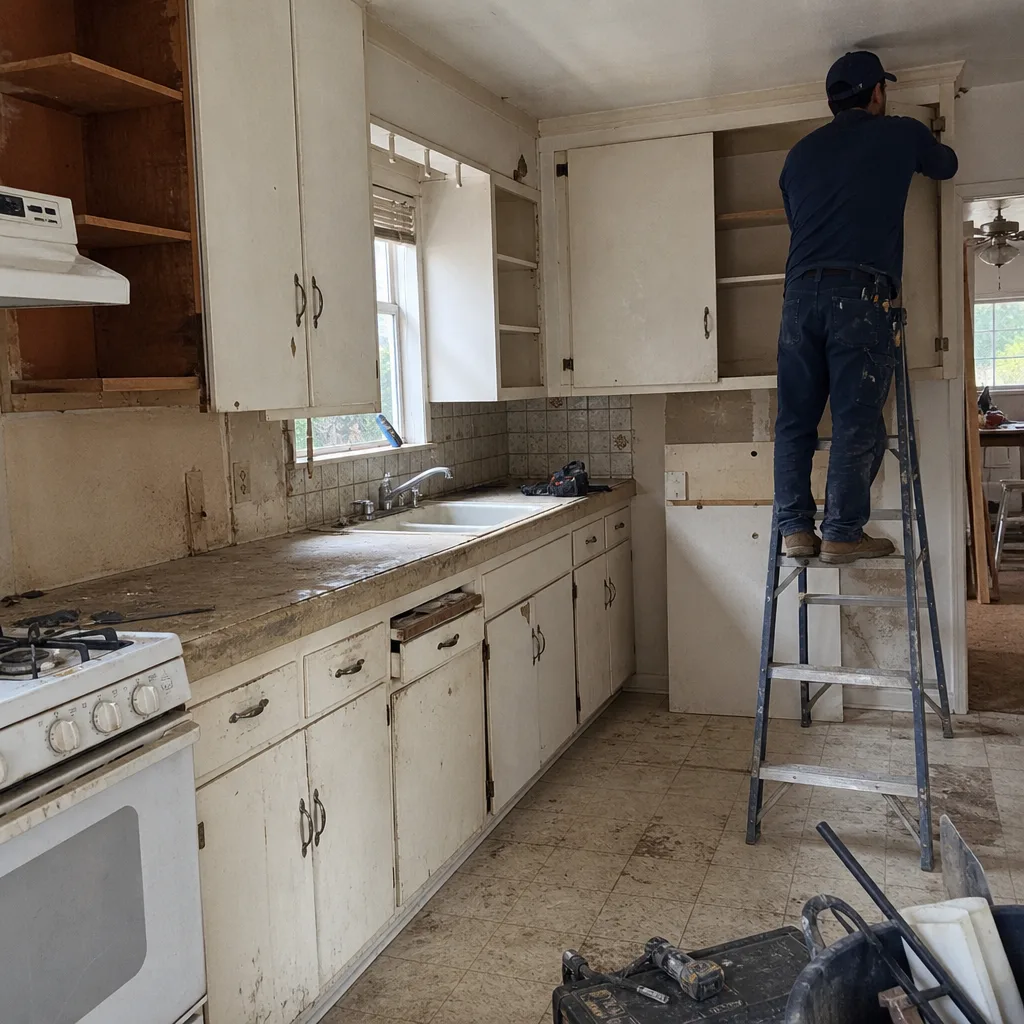
See the difference
 Before
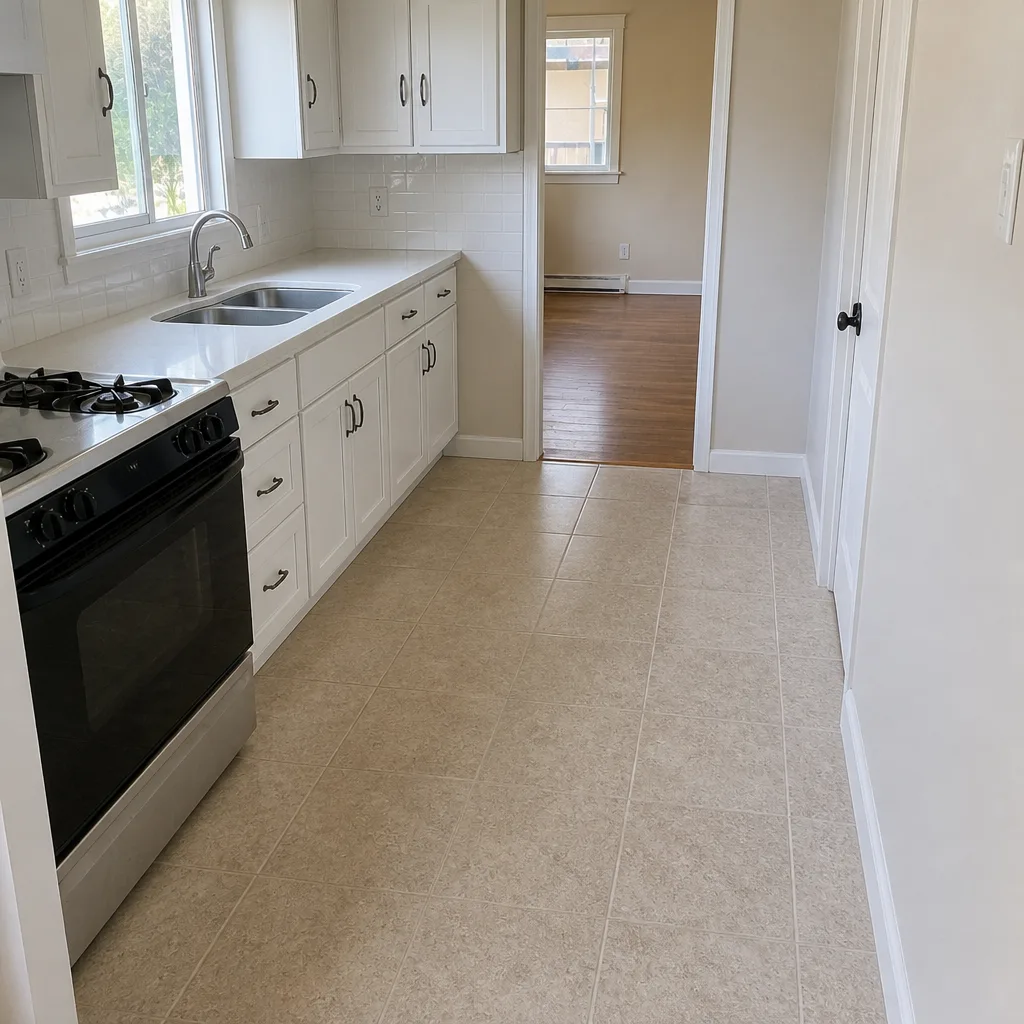 After
 Before
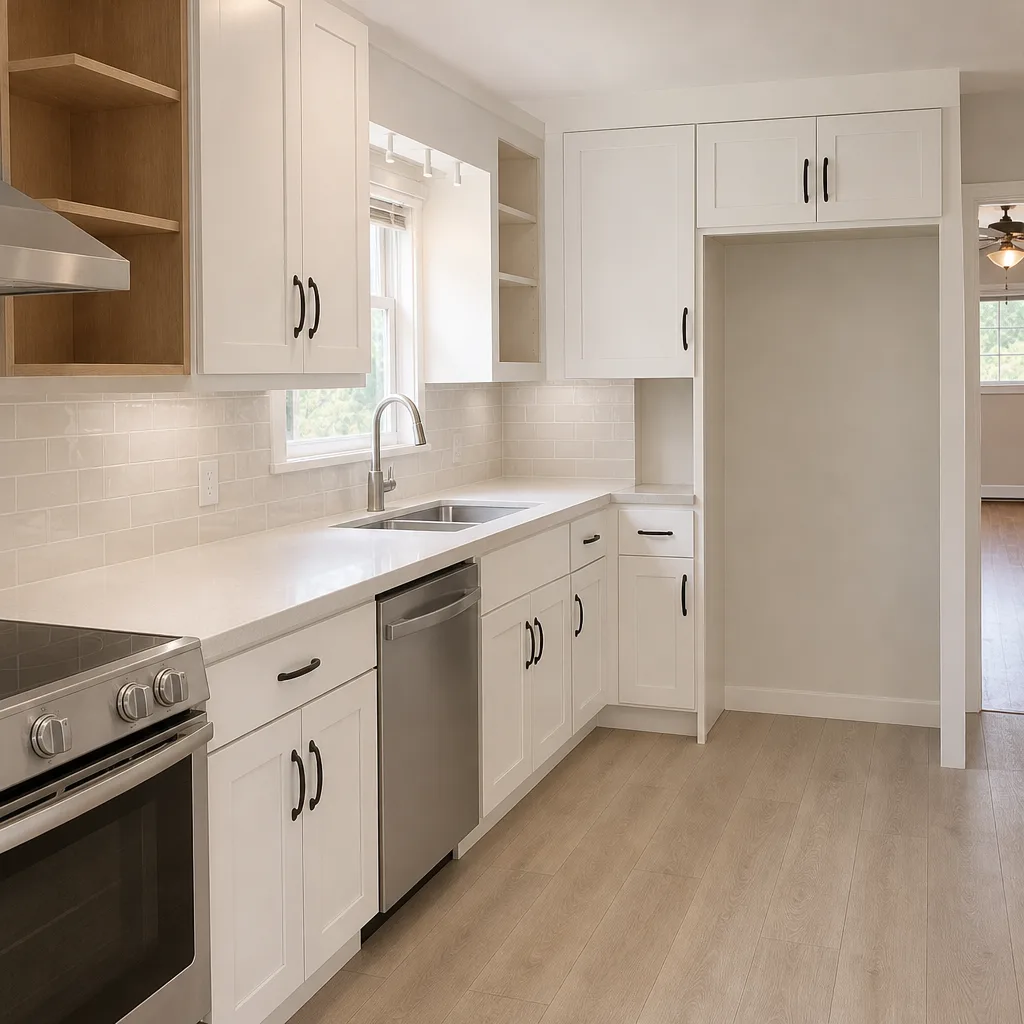 After
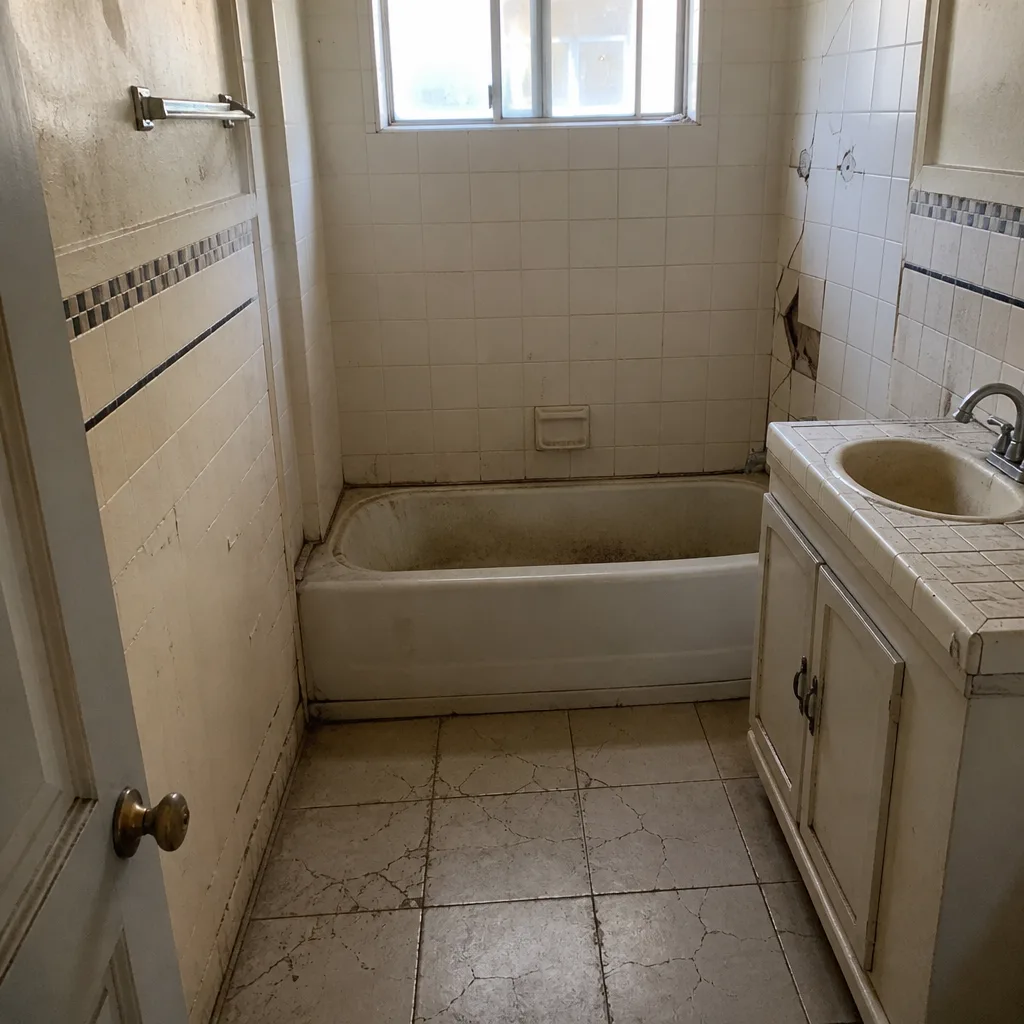 Before
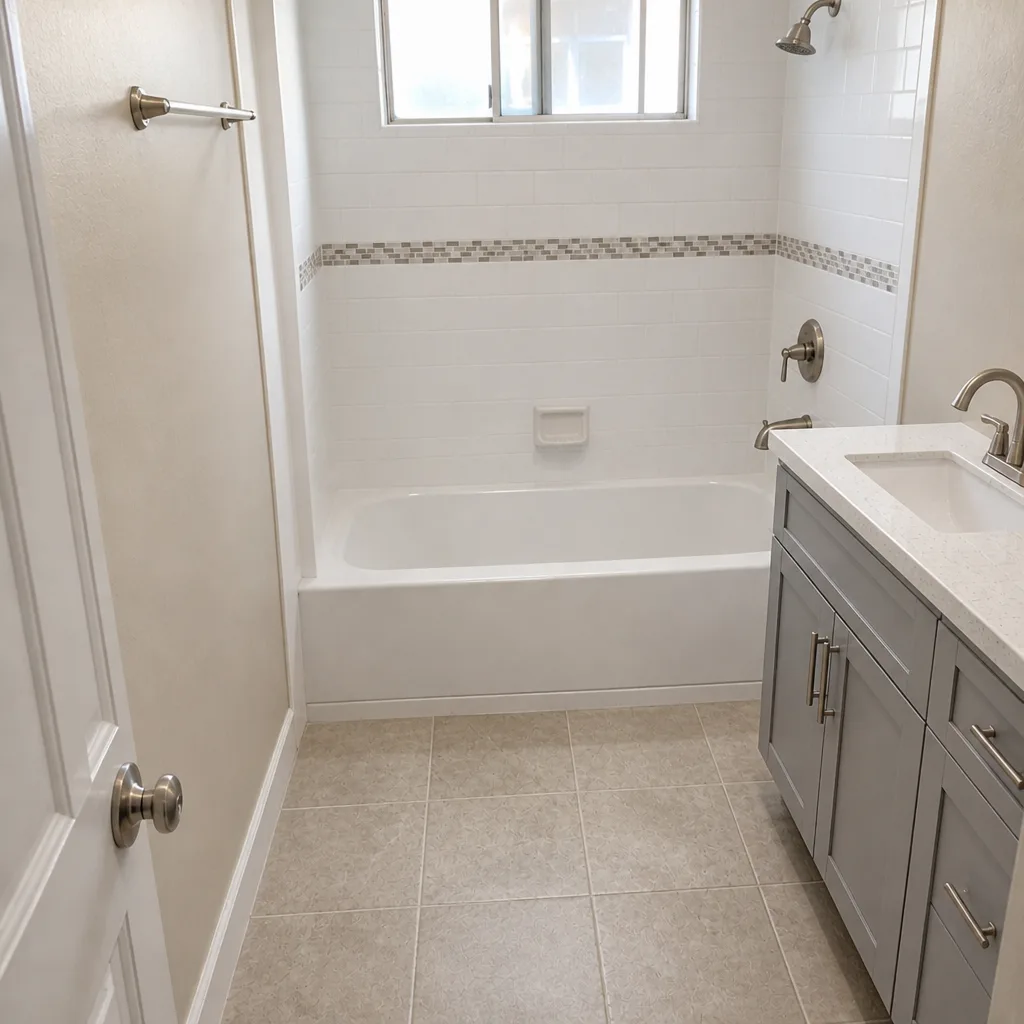 After
DIY or Call Us?
You can safely check a few things yourself. Walk the perimeter after a rain and note where water sits. Measure the paver thickness and look up the product spec. Take photos of any cracking or heaving before you do anything to it. That documentation helps when we come out.
Where this goes wrong for a homeowner: the failure at the interface between new construction and existing hardscape is almost never a paver problem. It’s a base or drainage problem, and digging into it without shoring or knowing where the foundation membrane sits risks real damage. We’ve seen a Glendale homeowner peel back pavers against the new wall, find water under the footing drain, and turn a $200 repair into a $4,000 one. One call to (844) 560-4526 for a free estimate saves that risk entirely.
FAQs
How long does a Cambridge Pavers addition or ADU last in Glendale?
A properly built addition lasts decades, but the hardscape around it has a shorter lifespan. In Glendale’s climate, with wet winters and dry summers, base and joint material need attention every 5 – 10 years. Call (844) 560-4526 for a free evaluation of what you have.
Can a failing paver section around my addition be repaired instead of replaced?
Often yes. If the failure is localized to joint sand or surface efflorescence, a clean and re-sand solves it. If pavers are heaving, the base needs to be reset, which means removing pavers and reinstalling. We’ll tell you honestly which category you’re in.
How long does the work take?
A paver repair or replacement typically takes one to three days. A full addition or ADU runs weeks to months depending on scope. We’ll give you a firm schedule with the written quote.
How do you source the materials?
We specify Cambridge Pavers products directly through their distribution network. Interior brands like KraftMaid, Cambria, and Silestone are sourced the same way. Nothing comes off a van. Every product name and lot number is on your paperwork before material arrives.
Ready for a Straight Answer on Your Glendale Addition?
Call (844) 560-4526 to schedule your free estimate. A live person answers, day or night. We’ll look at your site, walk you through what we find, and put the scope and price in writing before anything gets ordered. If you have a written estimate from another contractor, take advantage of our free second opinion. Ask anyone on your street, or look up the license number yourself.
Written by the team at Barrett & Sons Construction Glendale, serving Glendale and nearby areas.