

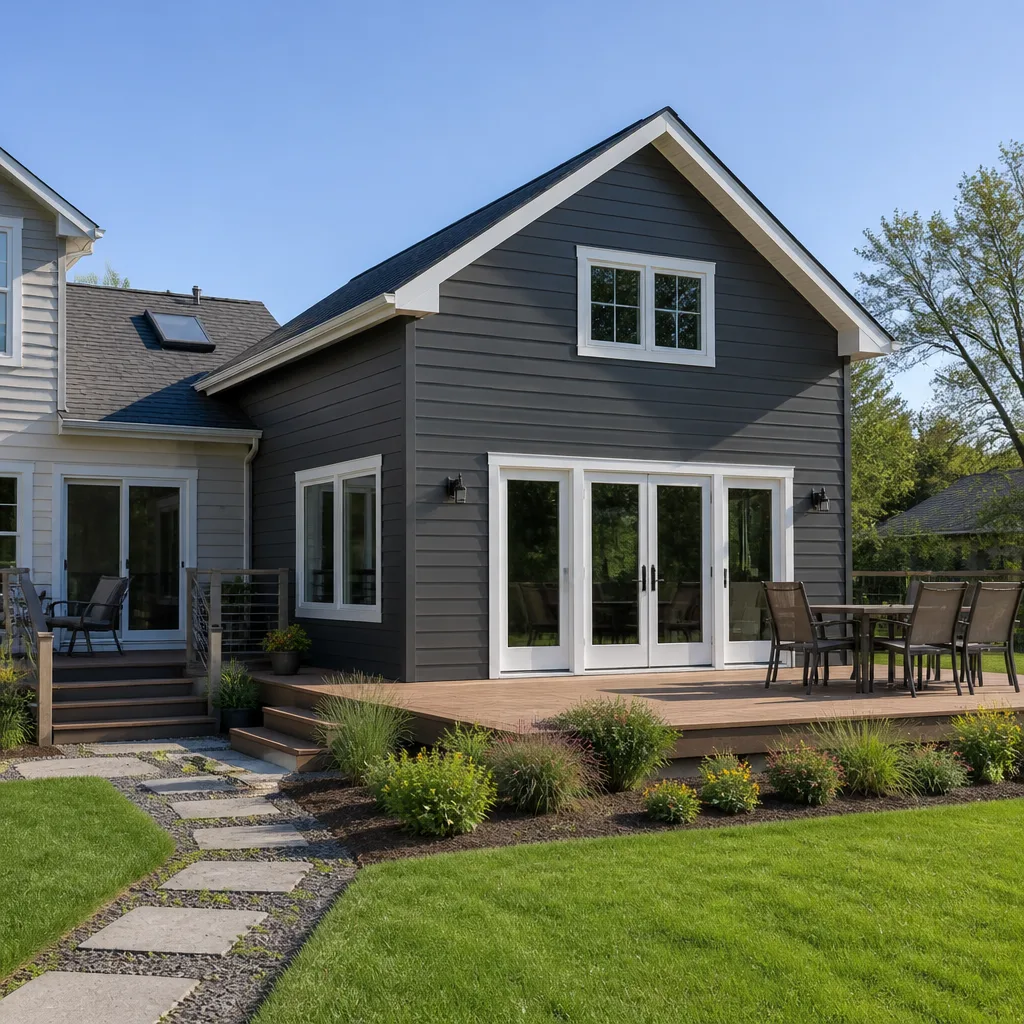
 Home additions & ADU
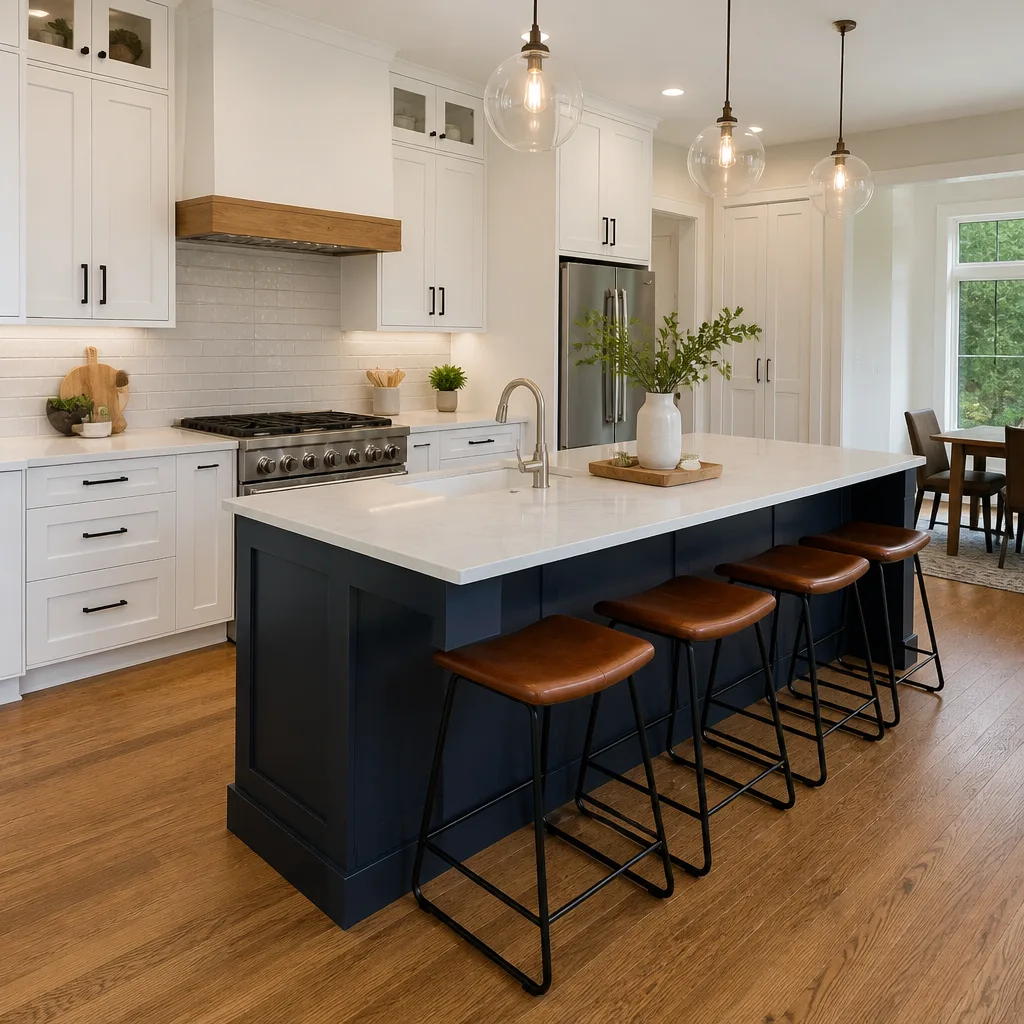 Kitchen remodeling
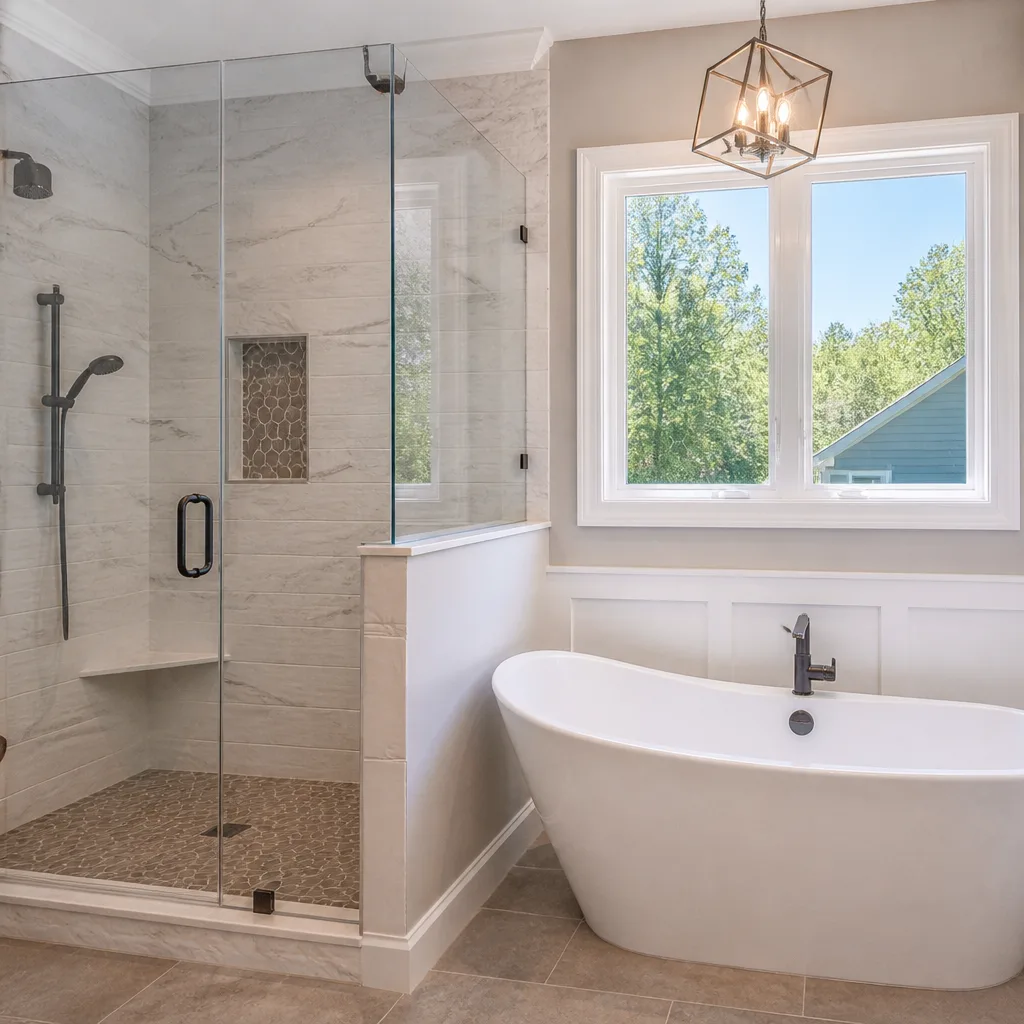 Bathroom remodeling
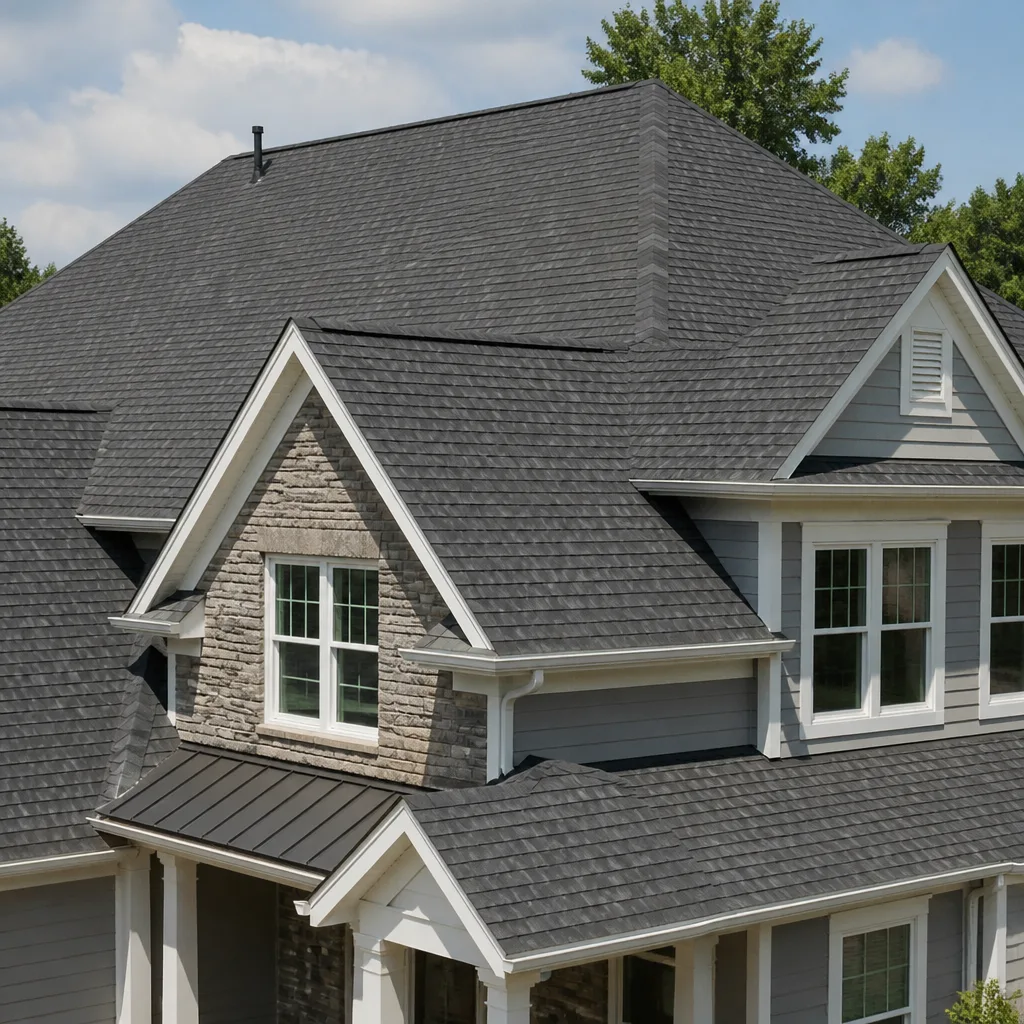 Roofing
 Windows & doors
 Driveway & pavers
 Fence
Free written scope consultation - allowances, timeline, and change-order rules on paper before a single trade is scheduled
James Hardie Home Additions & ADU: The Glendale Owner’s Guide
We build and finish James Hardie-clad home additions and ADUs in Glendale, and a typical project runs $45,000 – $130,000 for an addition and $90,000 – $220,000 for a full ADU. Because additions and ADUs are planned construction, not emergency work, the timeline is measured in weeks and months, not hours. You’ll get a written line-item estimate and a start date, not a promise to show up today.
Owners usually land on a page like this one for one of two reasons. Either the fiber cement siding on the new wall is already showing trouble, or a finish-out piece on the addition is failing: a joint that’s pulling, a panel edge that’s swelling, or caulk lines that open up every summer. In Glendale, both stories are common, and both are fixable. We’re an independent contractor and not affiliated with James Hardie. What we are is very familiar with their product and what it does in this climate.
Which James Hardie Models This Applies To
James Hardie siding comes in a few lines you’ll run into on additions and ADUs. HardiePlank lap siding is the most common on residential walls. HardiePanel vertical siding shows up on modern ADU designs. HardieShingle covers the shingle-style looks, and HardieTrim boards handle fascia, corner boards, and window surrounds. Each line comes in different thicknesses, and thickness is where compatibility gets tricky.
The gotcha most Glendale owners miss: a 5/16-inch HardiePanel and a 7/16-inch panel are not interchangeable on a finished wall. Trim depth, flashing, and corner details are built around one thickness. If a patch or repair swaps thickness, the joints open and the wall reads uneven for the life of the house. Before we quote anything, we measure the existing panel in more than one spot and check the back stamp on a removed piece, because labels fade fast in the sun. Some panels carry a series and profile stamp; others only show the back stamp once the piece is off the wall.
The OEM-versus-aftermarket call is straightforward here. For the structural and weather-tight layers – panels, trim, flashing – we use James Hardie or a directly compatible equivalent so the wall assembly stays consistent. For trim cap, caulk, and fasteners, a quality aftermarket product does the job just as well, and we’ll tell you which one we’re using and why. We don’t keep parts on a truck, and we never claim to. Every piece gets ordered for your job so it matches what’s already on your wall.
Styles & brands we work with
- Kitchen remodeling
- Bathroom remodeling
- Home additions & ADU
- Roofing
- Windows & doors
- Driveway & pavers
- Fence
Signs Your James Hardie Home Additions & ADU Is Failing
- Panel edges swelling or crumbling. Fiber cement is tough, but cut edges that weren’t sealed before install soak up moisture. In Glendale’s dry summers followed by winter rain, an unsealed edge is where the decay starts.
- Caulk lines opening above windows and doors. Thermal movement and the sun on a south-facing wall work the caulk joint loose. Once water gets behind the trim, you’ll see it at the first interior stain.
- Staining or streaks under fasteners. That pattern usually means fasteners were set too proud of the face or driven without the right corrosion-rated hardware. It’s a clue the original install cut corners.
- Joints that look stepped or uneven. This is the thickness-mismatch failure. Someone patched with a different panel, and the seam no longer sits flush.
- Mold, mildew, or dark patches on the lower wall. Shade and irrigation near a new addition on the north side of a Glendale home hold moisture in the siding. It’s a maintenance cue, not always a replacement cue.
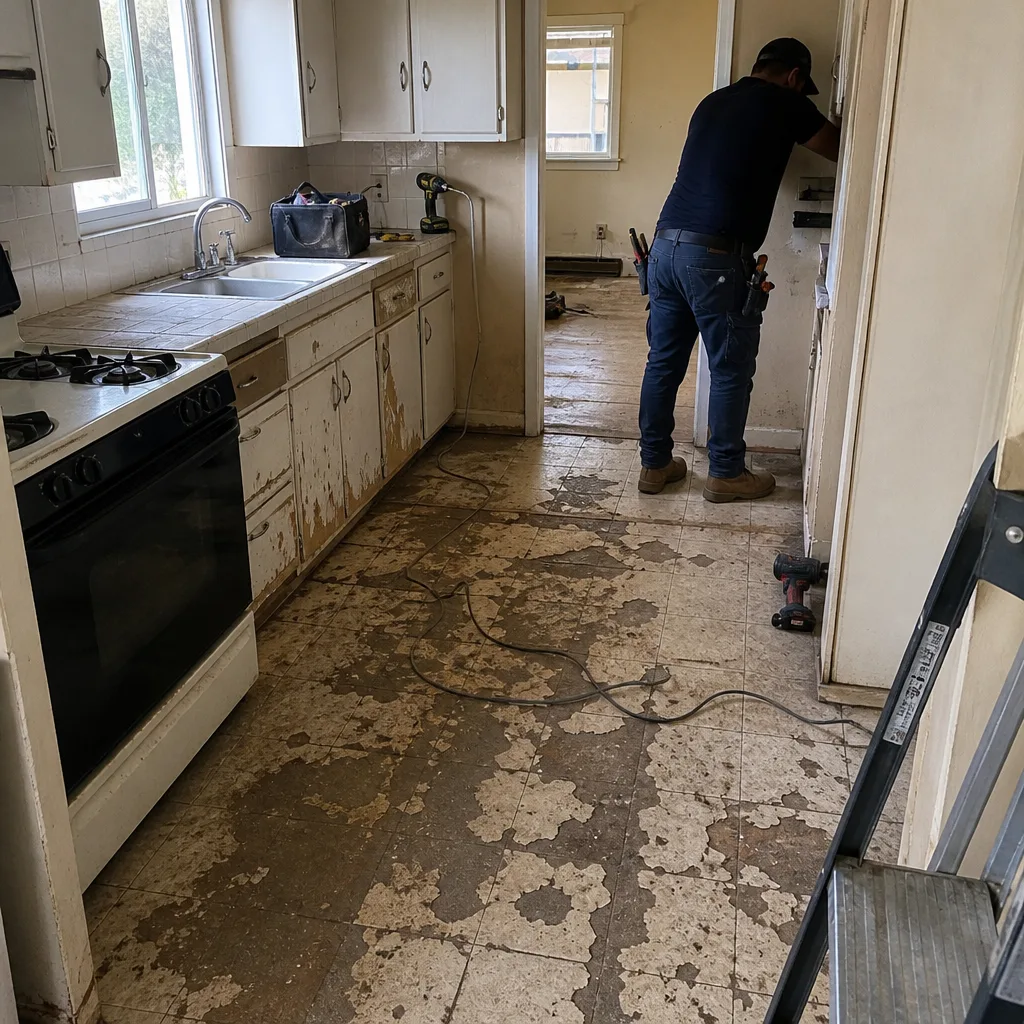
See the difference
 Before
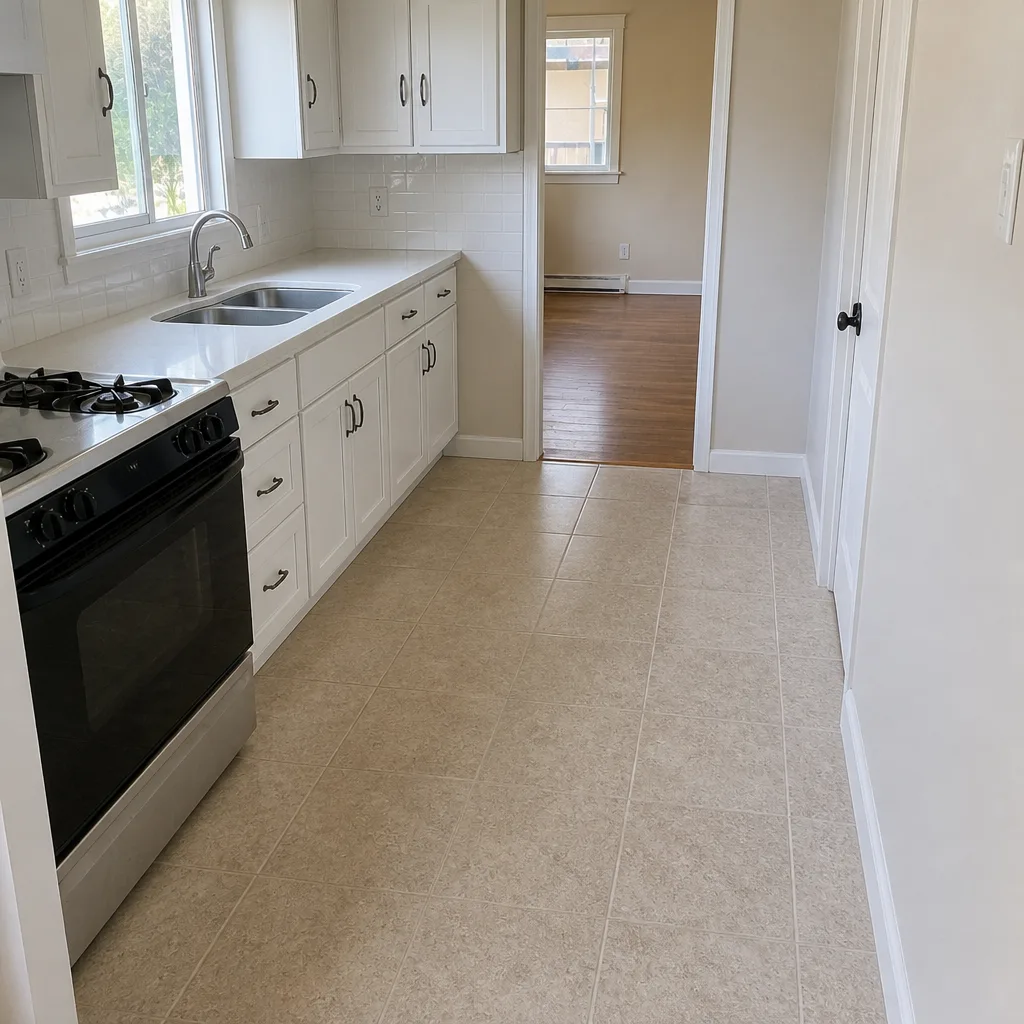 After
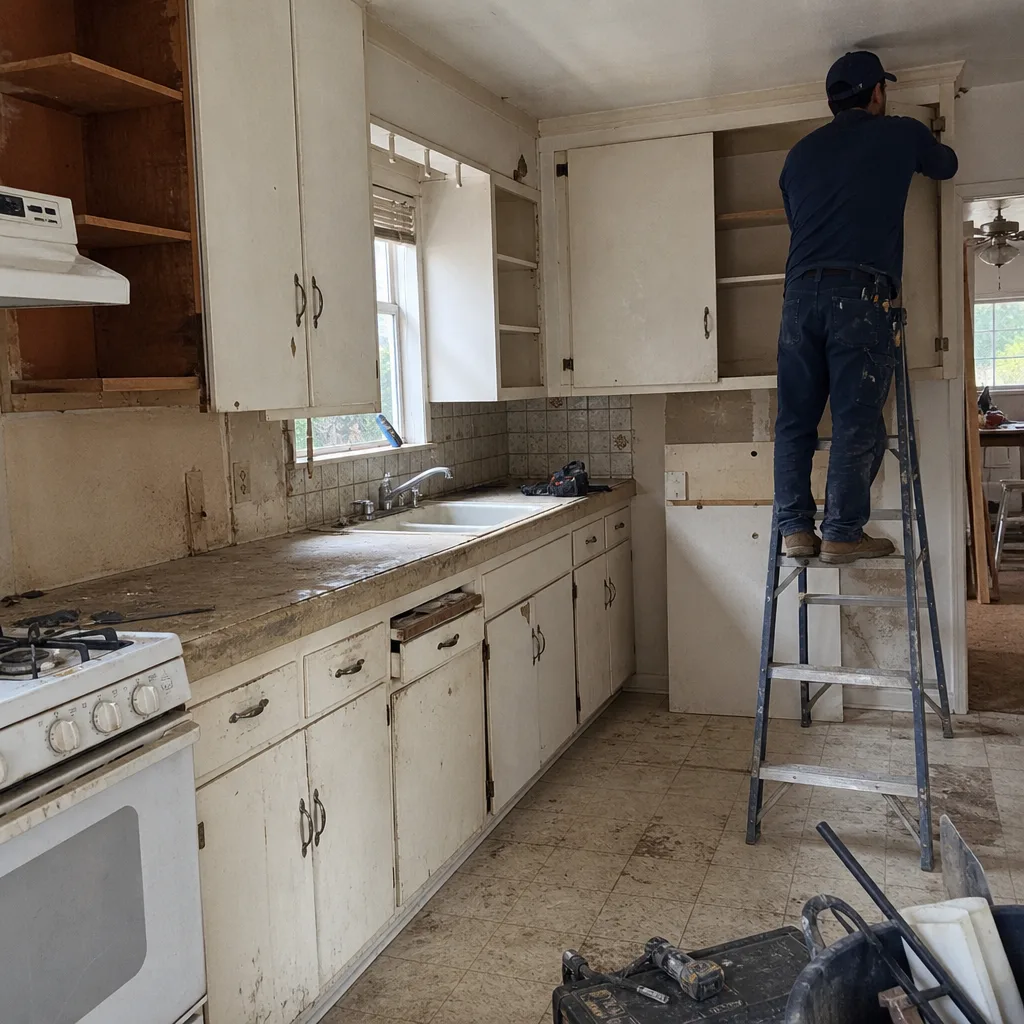 Before
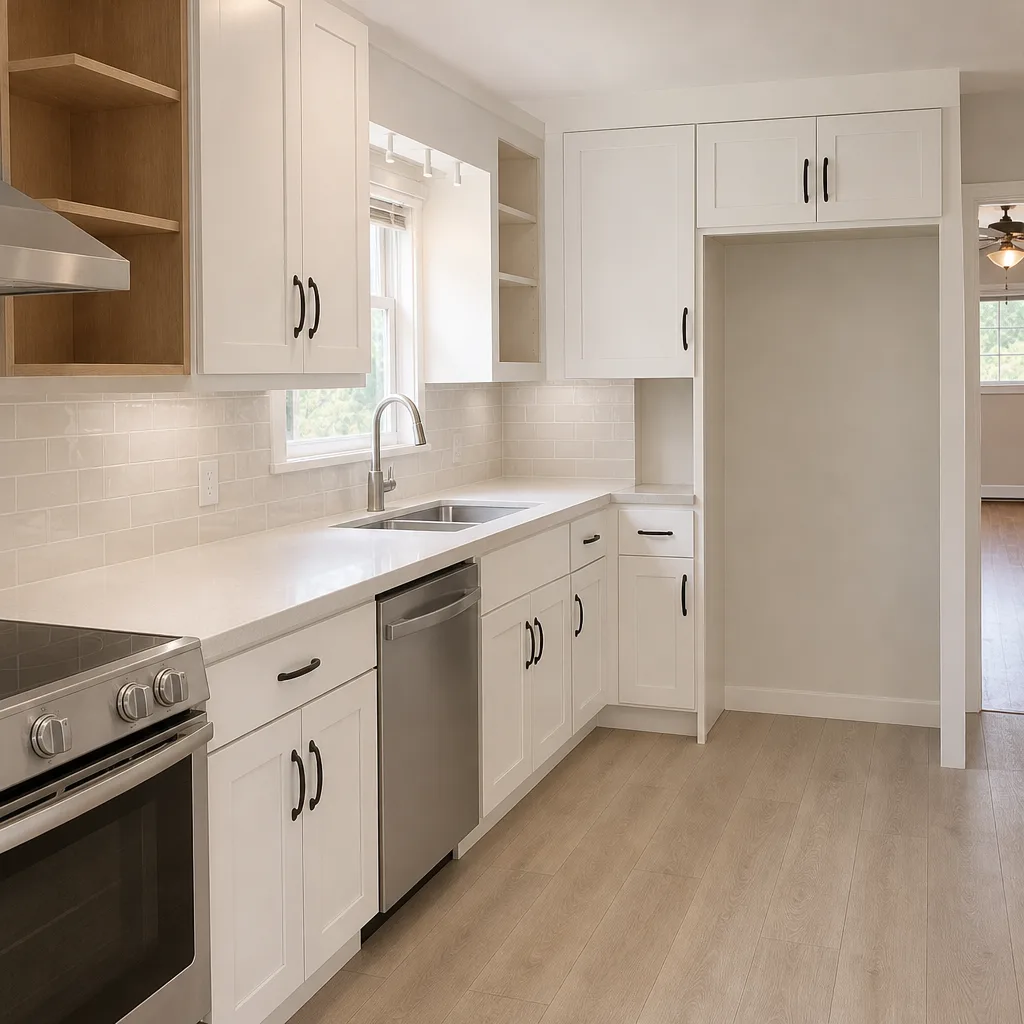 After
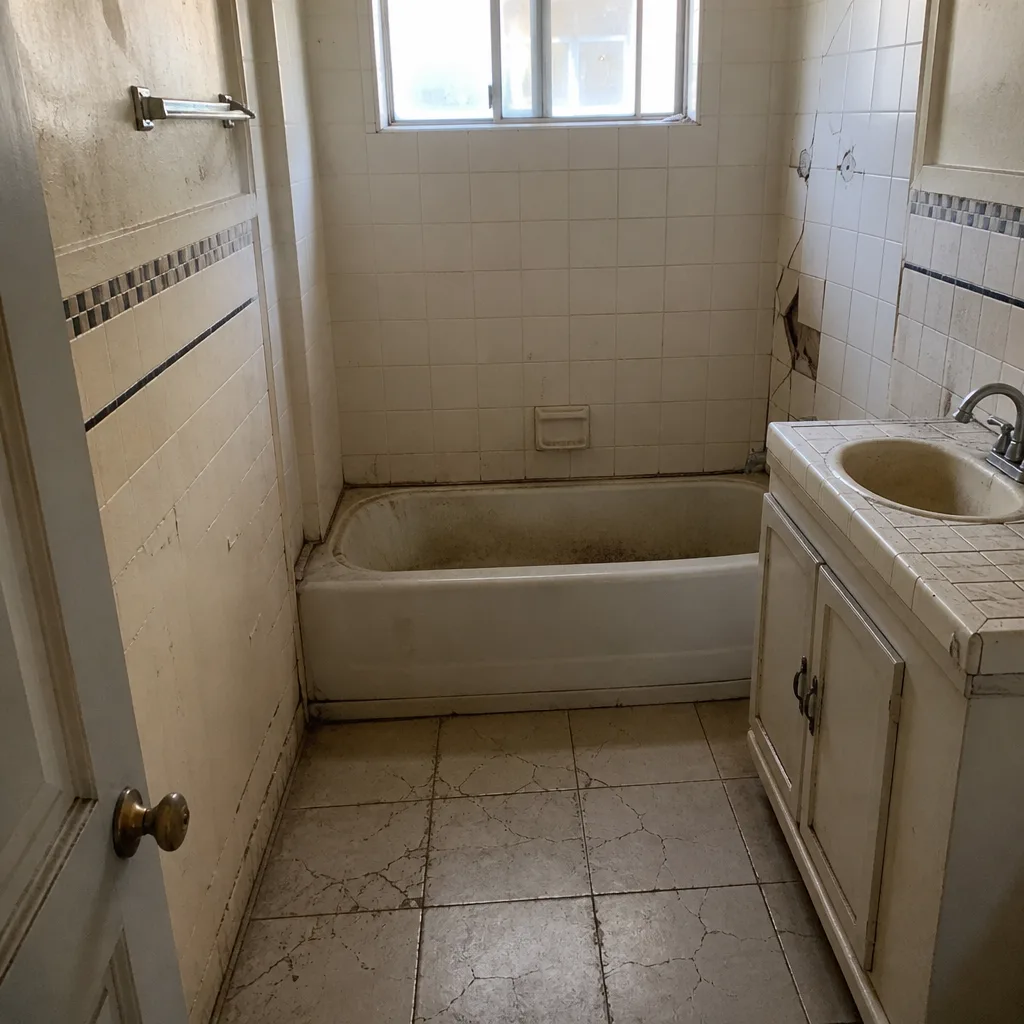 Before
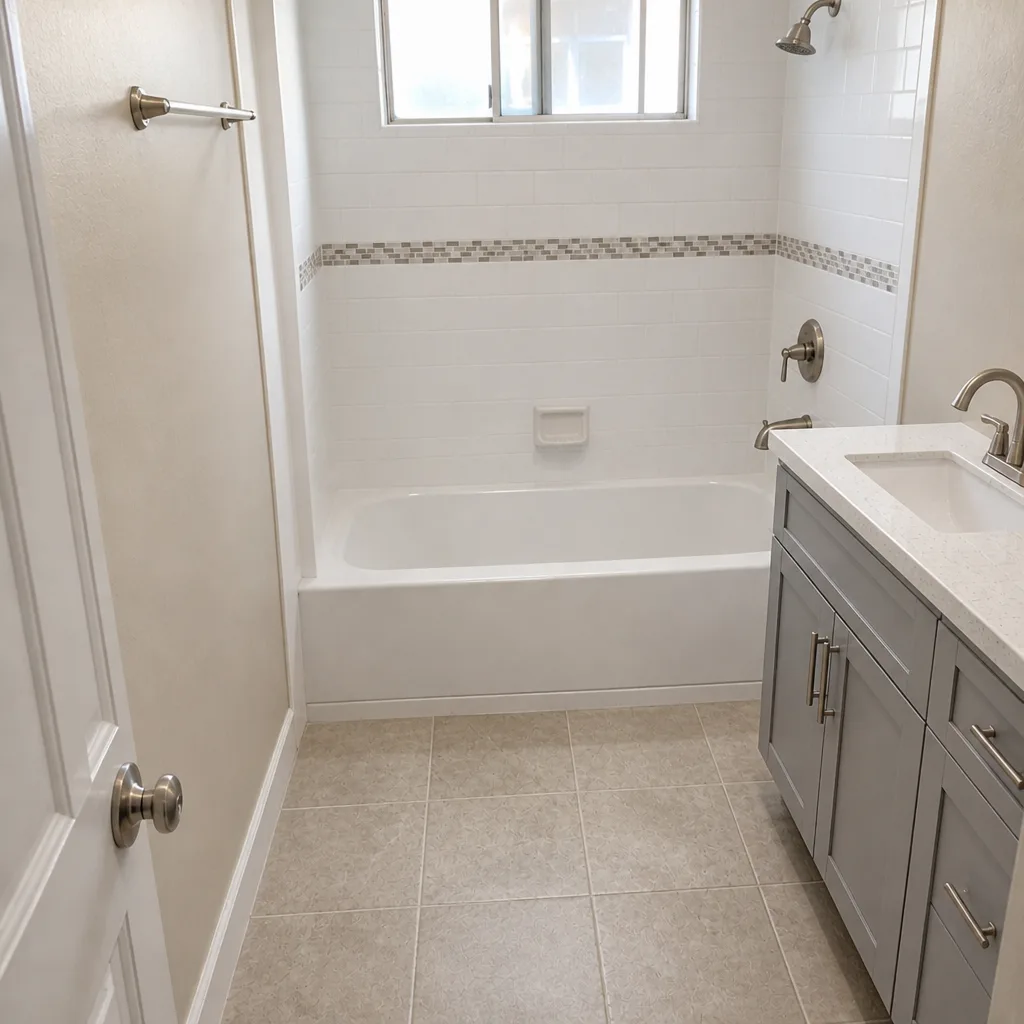 After
Replacement Cost & What’s Included
For James Hardie siding and finish work on an addition or ADU in Glendale, expect $45,000 – $130,000 on an addition and $90,000 – $220,000 on a full ADU, all in. The full range reflects scope, not surprises: square footage, how much of the existing wall gets redone, window and door openings, and whether permits are needed. ADUs almost always need permits and inspection sign-off, and that work is built into the number.
Here’s how we keep the number honest. Every scope, every allowance, every price change arrives in writing before the work happens. No invoice at the end with a new line item you didn’t approve. Every eligible job gets permits pulled and inspections signed. And the finished work carries our written 90-Day Done Right Promise: if it isn’t right, one call brings us back.
DIY or Call Us?
You can safely check a few things yourself. Look at the back stamp on any loose or removable panel piece. Run a straightedge along a suspicious joint to confirm whether it’s flush. Snap photos of staining, flared fasteners, and open caulk lines, and note which side of the house faces the afternoon sun. That information helps us quote accurately.
What you shouldn’t do is cut into finished siding, pull a panel to inspect what’s behind it, or try to correct a thickness mismatch on your own. Siding sits over building wrap, flashing, and framing. One wrong cut can open the assembly to the rain that this whole product is meant to keep out. Additions and ADUs also mean permits, and unpermitted modifications create real trouble at resale. If you’re not sure whether the issue is cosmetic or structural, call (844) 560-4526 and we’ll tell you straight.
FAQs
How long does James Hardie siding last on an addition in Glendale? Properly installed and sealed, James Hardie siding commonly lasts decades, and the manufacturer publishes target service life in that range. What shortens it here is unsealed cut edges, poor flashing, and shade-side moisture. The finish coat matters too; repainting on schedule protects the substrate. Call (844) 560-4526 for a free estimate on your addition or ADU.
Can the failing piece be repaired instead of replaced? Often, yes. A localized failure at a joint, trim, or caulk line can be repaired without redoing the whole wall. If the panel itself has swelled or the thickness is mismatched, that section gets replaced. We’ll give you the honest call on which one you’re looking at before any work starts. Call (844) 560-4526 to schedule a free estimate.
How long does the repair or swap take? A localized repair is usually a few days of work. A full addition or ADU is a multi-week to multi-month project with permits and inspections built in. We give you a written schedule up front and a change order if anything shifts.
How do you source the James Hardie part? We measure your existing panel and trim, check the back stamp and thickness, and order the matching product for your job from a supplier. We don’t stock parts on a truck and don’t claim to. Everything comes in matched to your specific wall.
We also work with KraftMaid, Cambria, and Silestone on the interior finishes that often go into a finished addition or ADU. Calls are answered by a live person 24 hours a day, and every written estimate qualifies for a free second opinion. Current standing offers include $40 off any repair over $200, no trip charge inside the county, and a permanent 10% Senior & Veteran discount.
Call (844) 560-4526 for a free estimate on your James Hardie addition or ADU in Glendale. We’ll measure what’s there, tell you what’s genuinely failing, and put the price in writing before a single nail moves.
Written by the team at Barrett & Sons Construction Glendale, serving Glendale and nearby areas.