

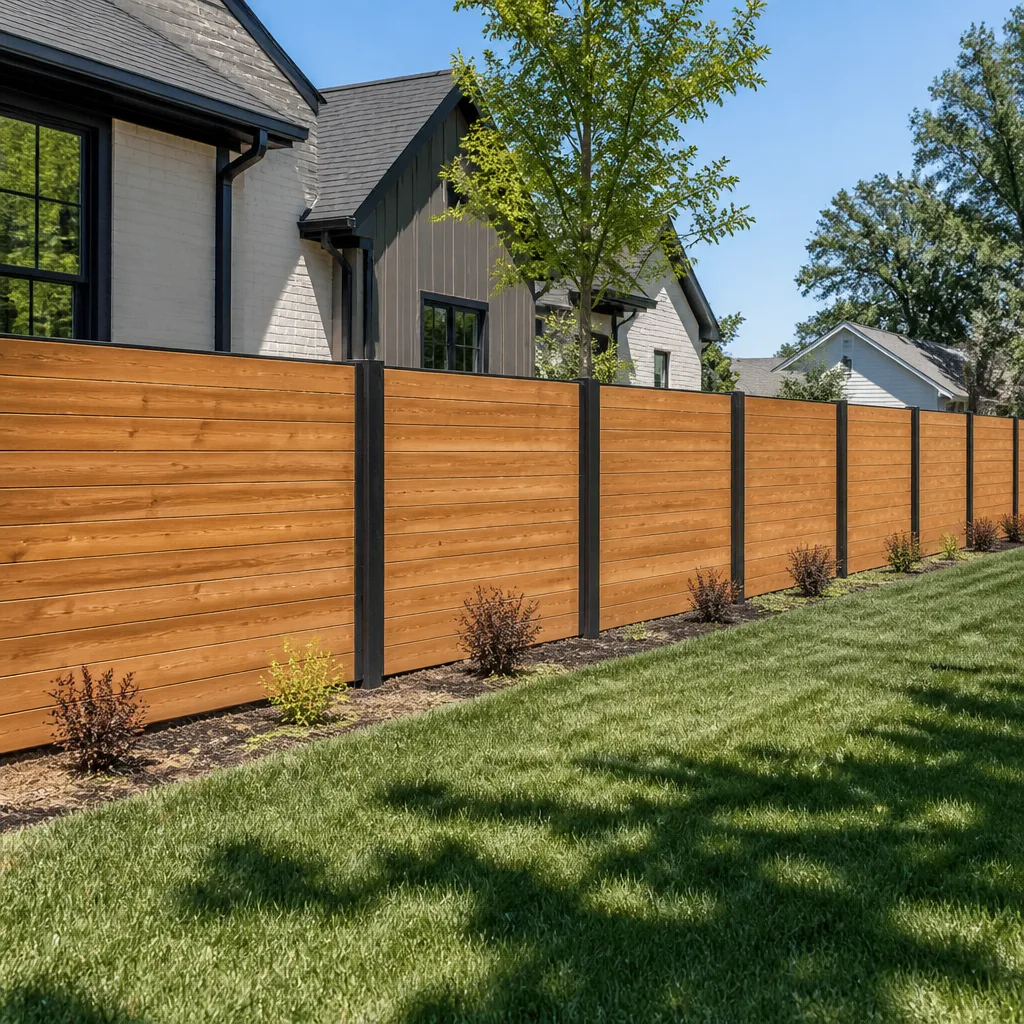
 Fence
 Kitchen remodeling
 Bathroom remodeling
 Home additions & ADU
 Roofing
 Windows & doors
 Driveway & pavers
Free written scope consultation - allowances, timeline, and change-order rules on paper before a single trade is scheduled
James Hardie Fence Installation: The Glendale Owner’s Guide
James Hardie-compatible fence installation in Glendale runs $3,500 – $9,000 installed, depending on linear footage, HardiePanel or HardiePlank product selection, post spacing, and whether you’re fencing a slope. We install composite and fiber-cement fence systems built around James Hardie siding panels, matched to your home’s existing profile and finish. A live person answers our phone 24/7, and estimates are free.
Most Glendale owners find out the fence is failing the same way: a panel that sounded hollow when the Santa Ana winds hit in October, or a bottom rail that went soft near an irrigated planter. James Hardie fiber-cement itself doesn’t rot, but the framing, rails, and fasteners around it do, and that’s where these systems give out first.
Key takeaways:
- Installed range: $3,500 – $9,000 for a typical Glendale residential run.
- Fiber-cement panels hold up; wood rails, posts, and fasteners are the weak points.
- We pull permits and pass inspections on every eligible job.
- Written change orders before any scope or price changes.
Which James Hardie Models This Applies To
The short answer: James Hardie doesn’t sell a standalone “fence” product. What’s actually installed on most Glendale properties is a fence system built from HardiePlank lap siding or HardiePanel vertical panels mounted to a wood or steel frame. So when you’re matching a replacement, you’re matching the siding profile, not a fence model number.
Here’s how to identify what you have. Look at the back of a panel near the top rail – you’ll usually find a stamp with the HardiePlank or HardiePanel line name, the profile (Select Cedarmill, Smooth, Sierra 8, etc.), thickness (most residential is 5/16″ or 7/16″), and the panel dimensions. HardiePanel comes in 48″ widths, and thickness varies by product line. If the stamp is gone or painted over, measure thickness with calipers and compare the surface texture against a known sample before ordering anything.
OEM vs. aftermarket: HardiePlank and HardiePanel replacements are the right call when you’re matching an existing run and want the color and texture to line up. Quality aftermarket fiber-cement (Allura, Nichiha) is a reasonable substitute on a new build or full replacement where nothing needs to match, and it’s often $1 – $2 per square foot less. We don’t stock parts and we don’t carry panels on a truck – we source and deliver to your property. Your local lumber yard also carries KraftMaid, Cambria, and Silestone for interior work, if you’re doing other jobs.
Styles & brands we work with
- Kitchen remodeling
- Bathroom remodeling
- Home additions & ADU
- Roofing
- Windows & doors
- Driveway & pavers
- Fence
Signs Your James Hardie Fence Installation Is Failing
A failing James Hardie fence system rarely fails at the fiber-cement. It fails at the frame and the details around it. Here’s what to look for:
- Soft or spongy bottom rails. Moisture wicks into the wood bottom rail from soil contact and irrigation, and it rots from the inside out. By the time the paint bubbles, the rail is already gone.
- Panel “oil-canning” or waviness. Usually a sign the frame behind the panel has shifted or the fasteners have backed out. Common on fences installed without proper blocking at the top and bottom rails.
- Rust streaks or popped fasteners at panel edges. Galvanized or electro-plated fasteners corrode faster than stainless in Glendale’s dry-wet swing, and once a fastener gives, the panel geometry follows.
- Leaning posts after a rain. Post footings that weren’t set to local soil conditions or weren’t inspected will heave or lean. If two adjacent posts lean the same direction, the footing is the problem, not the panel.
- Paint peeling in sheets from the fiber-cement itself. Unlikely on a healthy Hardie panel – but it happens when panels were installed unpainted and left bare, or painted over dust and chalk.
If you’re seeing two or more of these, the fence is a rebuild, not a repair. That’s the honest call.
See the difference
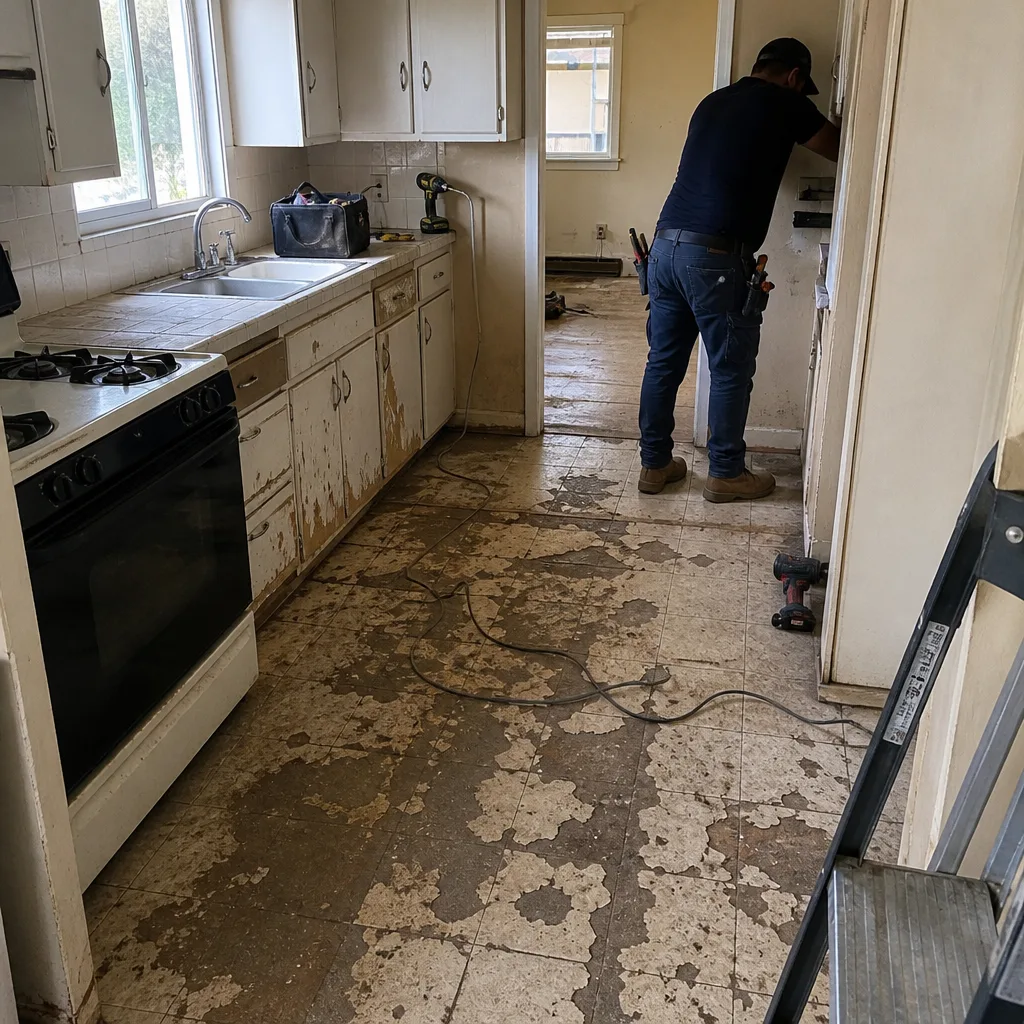 Before
 After
 Before
 After
 Before
 After
Replacement Cost & What’s Included
Typical Glendale James Hardie-compatible fence installation lands between $3,500 and $9,000 installed. Here’s how the range breaks down:
| Line item | Typical range |
|---|---|
| Fiber-cement panels (HardiePanel or HardiePlank) | $6 – $14 per linear ft |
| Framing, rails, posts | $8 – $18 per linear ft |
| Labor and installation | $10 – $22 per linear ft |
| Finish, paint, or color-matched coating | $2 – $5 per linear ft |
| Permits and inspections (where required) | varies by scope |
What drives the price: total linear footage, gate count, slope and grade, whether footings need to be replaced, and finish selection. What drives us up or down: shorter runs cost more per foot because the post and footing costs don’t scale down. Every scope and allowance arrives in writing before we start, and change orders are written before any price moves. Labor and materials are backed by our 90-Day Done Right Promise.
DIY or Call Us?
An owner can safely do three things: inspect the bottom rail with a screwdriver for softness, check the panel-to-rail fasteners for missing heads or rust, and look at post plumb with a level. That’s the honest list.
Where DIY goes wrong: installing fiber-cement panels on an unreinforced wood frame, skipping the blocking that keeps panels flat, setting post footings in Glendale’s expansive clay soil without proper depth and compaction, and repainting bare panels without the correct primer. A fence that looks fine the first year and starts waving the second is the usual outcome. Get an estimate first – the panels and labor you’ll re-buy are the ones that fail.
Call us at (844) 560-4526 for a free estimate. No trip charge inside the county, and we offer a free second opinion on any written estimate you have in hand.
FAQs
The fiber-cement panels last 25 – 30 years with proper finish maintenance. The wood framing and rails are the lifespan limiter, typically 12 – 20 years before replacement depending on soil contact and irrigation exposure. Call (844) 560-4526 for an exact quote – estimates are free.
Sometimes. A single cracked or loosened panel can usually be replaced if the frame behind it is sound. If two or more adjacent panels show softness, waviness, or rust-streak fasteners, the frame is failing and replacement is the right call. Call us for a walk-through and a written assessment.
A typical residential run replacement takes 2 – 4 working days depending on footage and gate count. Footing replacements or slope work add days. Your written scope lists the working-day estimate before we start.
We pull the profile and thickness from the panel stamp, verify against your existing run with a physical sample, and order through a local supplier. We don’t stock panels and we don’t keep parts on a truck – materials are delivered to your property before installation starts. Call (844) 560-4526 to schedule a free estimate.
Written by the team at Barrett & Sons Construction Glendale, serving Glendale and nearby areas.