
Last updated November 17, 2026
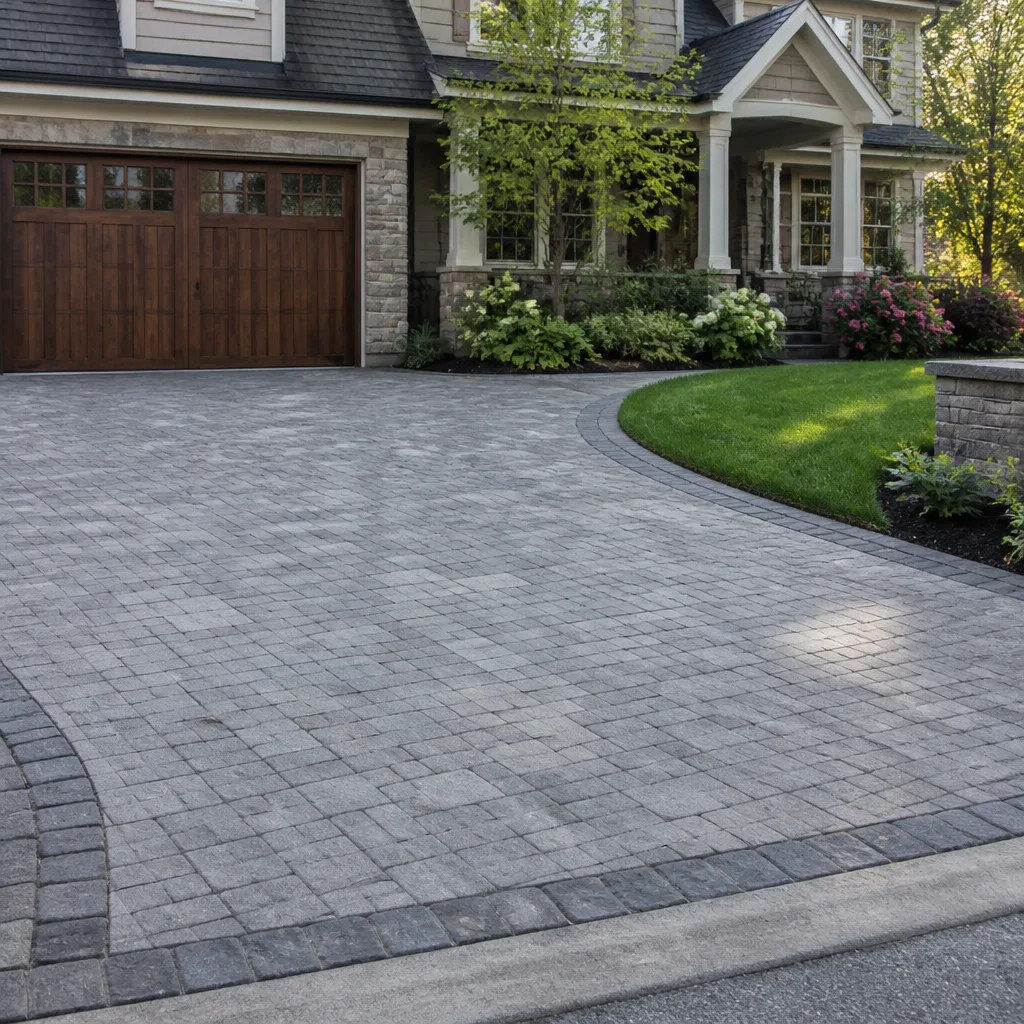 Driveway & pavers
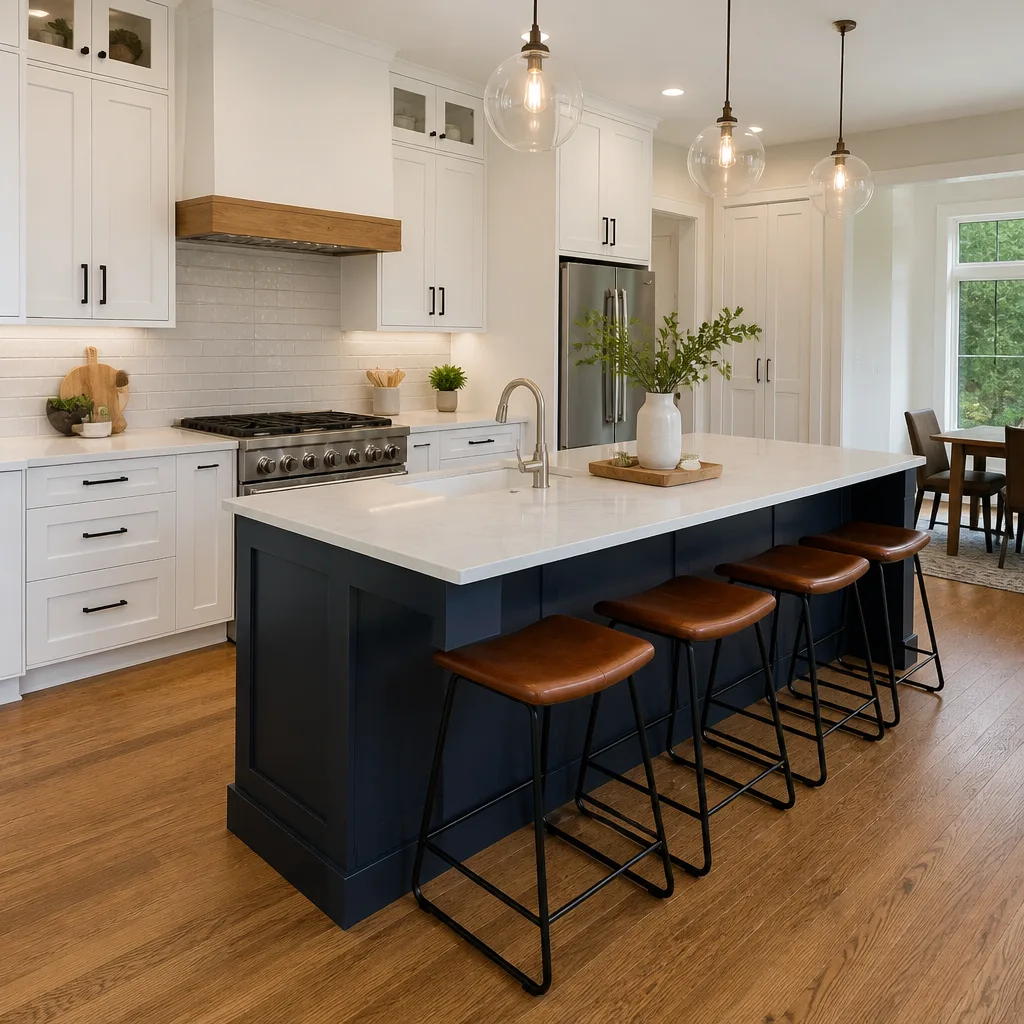 Kitchen remodeling
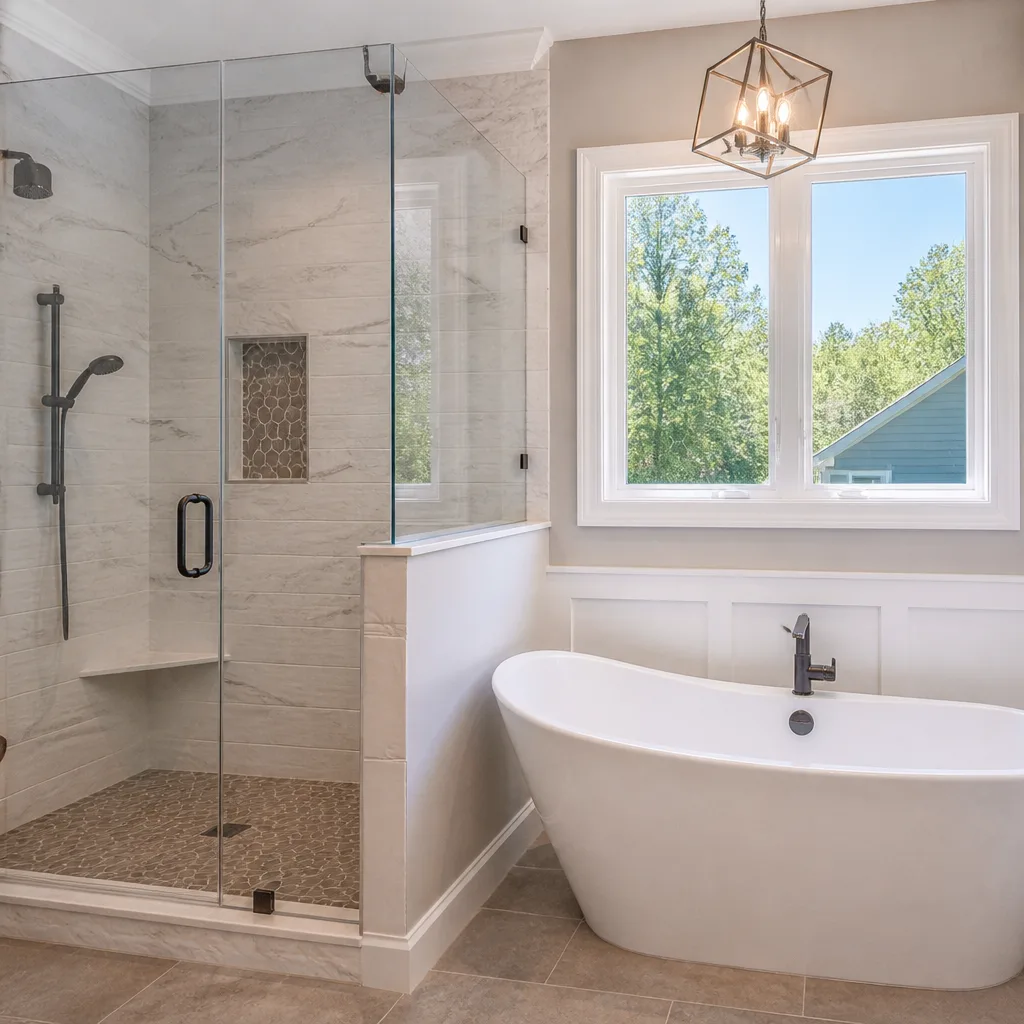 Bathroom remodeling
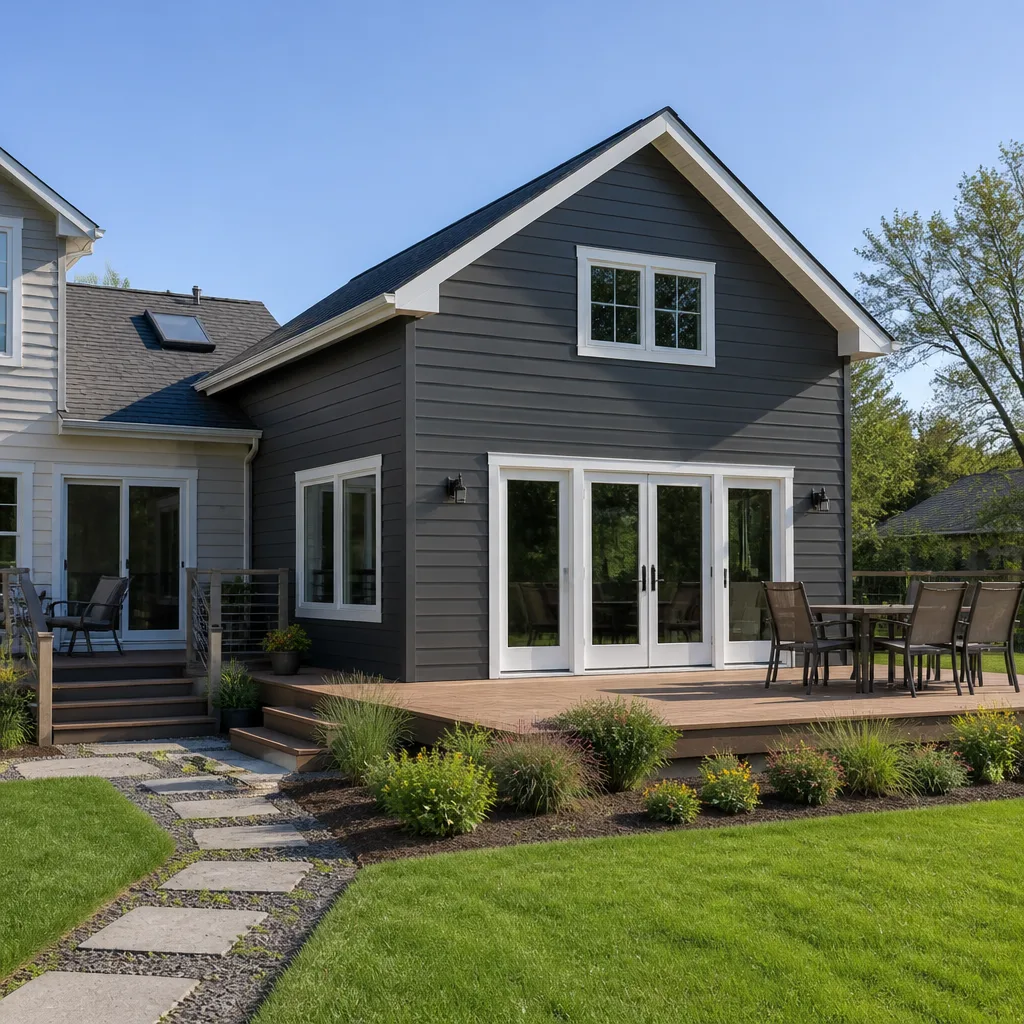 Home additions & ADU
 Roofing
 Windows & doors
 Fence
Free written scope consultation - allowances, timeline, and change-order rules on paper before a single trade is scheduled
The Complete Driveway & Pavers Guide for Glendale Homeowners
Most driveway guides are written for flat Midwestern lots. Glendale sits on a mix of expansive clay and decomposed granite slopes – and a base depth that works in Phoenix will fail you here within two winters. The Verdugo Hills clay swells when the winter rains come and shrinks hard in August, and a driveway poured on a foot of “whatever was in the yard” starts to heave and crack while the homeowner is still sending out holiday cards. This guide maps every decision point against Glendale’s actual ground conditions: base depth, material choice, permits, drainage grades, and how to read a paver proposal so you can spot a cut-rate job before you sign.
Quick Answer
A driveway paver project in Glendale needs a compacted base of 6 to 10 inches depending on whether your lot sits on the Verdugo Hills clay or the flatter Crescenta Valley ground, and the base matters more than the paver you pick. Expect to pay roughly $14 to $22 per square foot installed for pavers, budget for a City of Glendale driveway permit and impervious surface check, and insist on a slope-to-street design that manages drainage before the first rain.
Styles & brands we work with
- Kitchen remodeling
- Bathroom remodeling
- Home additions & ADU
- Roofing
- Windows & doors
- Driveway & pavers
- Fence
Table of Contents
- How Glendale’s Soils Change Your Base Depth
- Which Pavers Handle Glendale’s Heat and Cool Swing
- Glendale Permits, Impervious Surface Rules, and HOA Patchwork
- Why Slope-to-Street Grade and Cross-Slope Drainage Matter
- How to Read a Paver Contractor’s Proposal in Glendale
- What the Installation Timeline Actually Looks Like
- What Driveway Pavers Cost in Glendale
- Common Mistakes to Avoid
How Glendale’s Soils Change Your Base Depth
If you’re planning a driveway in Glendale, the first thing that matters is what’s under your feet, not what paver pattern catches your eye. Glendale splits into two very different soil zones, and they demand different base prep.
In the Verdugo Hills zone – the hillside neighborhoods up around Chevy Chase Canyon, Glenoaks Canyon, and the streets climbing toward the Verdugo crest – you’re dealing with expansive clay that moves seasonally and slopes that shed water fast. Expansive clay gains volume when saturated and loses it in the dry months, and a driveway base that doesn’t account for that movement will crack or heave. That often means 8 to 10 inches of compacted aggregate base, placed in lifts and compacted to spec, with proper drainage on the uphill side to keep water from pooling under the slab.
The flatter Crescenta Valley side – the lower ground toward the 134 corridor, Tropico, and the flatlands around Glendale Boulevard – is a different animal. The ground is more stable but sits lower, so water table and drainage become the concern instead of slope. A 6 to 8 inch compacted base is typically enough here, provided the subgrade is properly graded away from the house.
Here’s what an honest base prep includes:
- Excavation to the right depth. Pulling out the existing concrete or asphalt and any soft soil, then digging to final base depth – not just scraping the top.
- A geotextile separation fabric over the subgrade on clay-heavy lots. It keeps the clay from pumping up into the base and robbing it of compaction.
- Aggregate base placed in lifts. Not one giant dump and a plate compactor. Six-inch lifts, each compacted before the next goes down.
- Compaction to spec, plate by plate. A proper crew uses a vibratory plate or roller and checks the base before the bedding sand goes on.
If a proposal skips any of these, the number on the page is a discount on a driveway that won’t last. For a closer look at how we structure this work in the city, see our page on driveway & pavers in Glendale.
Which Pavers Handle Glendale’s Heat and Cool Swing
Glendale runs hot in summer and cool in winter, and that swing – plus intense UV – is what separates pavers that still look sharp in ten years from pavers that fade or spall. Surface spalling (the top layer flaking off) is the failure homeowners notice first, and it’s almost always a material or installation problem, not random bad luck.
Here’s how the main material choices stack up for a Glendale driveway:
- Concrete pavers (interlocking). The workhorse choice. Modern concrete pavers with integral color hold up well against UV, particularly when they’re manufactured to a high spec. Belgard and Techo-Bloc both make lines engineered for high-sun climates. Look for pavers rated to at least 8,000 psi compressive strength and asked about freeze-thaw resistance even though Glendale rarely freezes – it’s a proxy for density.
- Clay brick pavers. Excellent colorfastness. The color is fired through the whole unit, so it won’t fade the way surface-tinted concrete can. Heavier, pricier, and unforgiving of a bad base, but a genuine 30-year surface.
- Natural stone (travertine, granite, or flagstone set on a concrete slab). Beautiful and durable, but this is a slab-set installation, not a sand-set one, and it costs considerably more. Best reserved for porte-cochère areas and front walkways rather than the full drive.
- Permeable pavers. Open-graded units with wider joints that let water through. Worth serious consideration in Glendale if your lot has drainage constraints or your impervious surface coverage is tight against the city limit.
One thing to know about this part of Southern California: light-colored pavers stay noticeably cooler underfoot than dark ones, and on exposed south- and west-facing driveways that difference is real. If your drive takes full afternoon sun, a lighter tone isn’t just an aesthetic choice – it’s a practical one.
Whatever you pick, ask for the brand and the specific product line in writing. A proposal that says “premium pavers” but doesn’t name the manufacturer is asking you to trust a mystery.
Glendale Permits, Impervious Surface Rules, and HOA Patchwork
Replacing a driveway in Glendale is a permitted improvement, and the details trip up more homeowners than the installation itself. This is where a lot of out-of-area contractors quietly skip steps because they don’t want to deal with the city.
What you should expect:
- A City of Glendale building permit for driveway replacement. This is not optional just because you’re swapping one hard surface for another. The scope needs to be on the permit, and the work needs an inspection when it’s done.
- Impervious surface coverage check. Glendale, like most of the region, has rules limiting how much of your lot can be covered by hard, non-draining surface. If your project increases impervious coverage – or if you’re adding square footage while replacing – you may need to address drainage on-site. Permeable pavers or a dry-well can sometimes solve this. Ask before you dig.
- HOA patchwork. Glendale has a mix of older neighborhoods with no HOA and newer or gated communities with their own architectural review rules. If you’re in an HOA, paver color, pattern, and sometimes even the material may need approval before work starts. Get that approval in hand first.
- Right-of-way and driveway apron rules. Where your driveway meets the street, the city controls the apron and the curb cut. Any change to that line needs to clear the city, not just your property line.
The permit inspector works for you, not for the contractor – that’s why we like him. A signed inspection is the city telling you the work meets code, and it’s the cheapest insurance you’ll ever buy on a driveway. Every scope and allowance should be in writing, and every price change should arrive as a written change order before the work moves forward.
If your project grows into a larger site plan, our team also handles home additions & ADU in Glendale, where impervious surface and drainage questions come up even more often.
Why Slope-to-Street Grade and Cross-Slope Drainage Matter
Drainage is the least glamorous part of a driveway and the one that decides whether you’re calling someone in two years. In Glendale, where hillside lots are common and rain arrives in concentrated winter storms, water management is the whole game.
Two grades matter on every driveway:
- The longitudinal slope – the grade from your garage down (or up) to the street. It has to meet the street and the apron cleanly without creating a low spot where water pools.
- The cross-slope – the side-to-side pitch that sheds water off the surface instead of letting it sit. A 2% cross-slope is roughly a quarter-inch drop per foot. On a 20-foot-wide driveway, that’s about a 4-inch fall from one edge to the other. It sounds small, but it’s the difference between water running off toward a drain or swale and water sitting in a puddle against your garage door.
On sloped Verdugo Hills lots, you also need to think about where the water goes when it leaves the driveway. A surface that dumps stormwater onto a neighbor’s property or back against your foundation is a problem, and it’s the kind of thing that gets noticed. The right design routes water to a landscaped swale, a drainage channel, or a dry well – planned on paper before anything is excavated.
In our experience, the drainage plan is where a cut-rate proposal reveals itself. If the proposal doesn’t mention how water leaves your driveway, it hasn’t addressed the part of the job most likely to fail.
How to Read a Paver Contractor’s Proposal in Glendale
A paver proposal is a small document with big consequences, and most homeowners sign one without knowing what to look for. Here’s what a fair proposal looks like for a Glendale driveway, line by line:
- Excavation and disposal. Is the removal of the old surface and haul-away of that material spelled out with a price? Skip this and it becomes an “extra” later.
- Base depth, stated in inches, and compaction method. A number, not “proper base prep.” The base depth should match your soil zone – 6 to 8 inches on flatter Crescenta Valley ground, 8 to 10 on Verdugo Hills clay.
- Geotextile fabric, if needed. On clay lots, it should be listed.
- Paver brand, product line, and color. Named. Not “premium pavers.”
- Edge restraint and joint sand. These hold the field together. If they’re missing from the scope, the pavers will spread.
- Drainage plan. Where does the water go? If there’s a drain, channel, or swale, it should be listed.
- Permit responsibility. Who pulls it, who pays for it, and is the inspection included?
- Written change order process. Every price change should arrive in writing before the work moves forward. No surprise invoices at the end.
- Workmanship warranty in writing. What’s covered and for how long.
If a proposal is one page with a lump sum at the bottom, that’s not a proposal – that’s a guess. And the guy who quoted you one price on the phone and shows up with a different bill at the end has already told you what kind of contractor he is.
What the Installation Timeline Actually Looks Like
A typical Glendale driveway paver installation takes three to five working days for a standard two-car driveway, longer on hillside lots with deeper excavation or complex drainage. Here’s the realistic sequence:
- Day 1-2: Demolition and excavation. The old surface comes out, soil is excavated to final base depth, and the subgrade is graded and compacted.
- Day 2-3: Base placement and compaction. Aggregate base goes in lifts, compacted between each one. Geotextile fabric goes down first on clay lots.
- Day 3-4: Bedding sand and paver setting. A thin layer of bedding sand, then pavers set to the chosen pattern. Edge restraints go in as the field progresses.
- Day 4-5: Cutting, joint sand, and cleanup. Perimeter cuts, joint sand swept into the field, final compaction pass, cleanup and haul-away.
- Inspection and cure. The city inspects the permitted work, and you get a driveway that’s ready to drive on. (If you’re also replacing a fence or gate, our fence installation in Glendale page covers how those timelines fit alongside paving.)
This is a planned project, not an emergency repair. Nobody pours a driveway same-day, and any contractor who tells you they will is telling you they’ll cut the base prep.
What Driveway Pavers Cost in Glendale
Most Glendale homeowners pay between $14 and $22 per square foot installed for an interlocking concrete paver driveway, with the range driven by base depth, existing surface removal, drainage work, and material choice. Here are typical line-item ranges:
- Interlocking concrete pavers, installed: $14-$22/sq ft (Belgard, Techo-Bloc, and comparable lines)
- Clay brick pavers, installed: $18-$28/sq ft
- Natural stone on concrete slab: $30-$55/sq ft
- Deep base prep on Verdugo Hills clay (extra excavation and base): usually adds $2-$5/sq ft
- Old surface removal and haul-away: roughly $2-$4/sq ft
- Drainage channel, swale, or dry well: typically $800-$3,000 depending on scope
- City of Glendale permit and inspection: usually $300-$700, varies with job size
These are ranges, not a quote. A written line-item estimate after someone has actually looked at your subgrade is the only number worth planning around. Call (844) 560-4526 for an exact quote – estimates are free.
Common Mistakes to Avoid
- Skipping the excavation down to base depth. Reusing the old gravel base – or worse, laying pavers over an old concrete slab – is the fastest way to a heaving driveway in Glendale’s clay. The base is the driveway; the pavers are its skin.
- Ignoring the impervious surface limit. Adding pavement without checking Glendale’s coverage rules can create a headache at inspection or resale. Ask before you dig.
- Picking the paver before the base. Homeowners fall in love with a pattern and then hope the budget covers the prep. It’s the other way around on clay lots.
- Skipping the HOA approval. In a Glendale gated community, going ahead without architectural review can force you to pull the pavers back out.
- No drainage plan on a sloped lot. On Verdugo Hills lots, water that isn’t routed will find its own path – usually into the garage or a neighbor’s yard.
- Signing a one-line proposal. A lump sum with no base depth, no named paver, and no change-order process is a surprise waiting for a date.
- Not checking the license. Look up the contractor’s license number before you sign anything. It’s public record, and it’s the cheapest five minutes of due diligence you’ll ever spend.
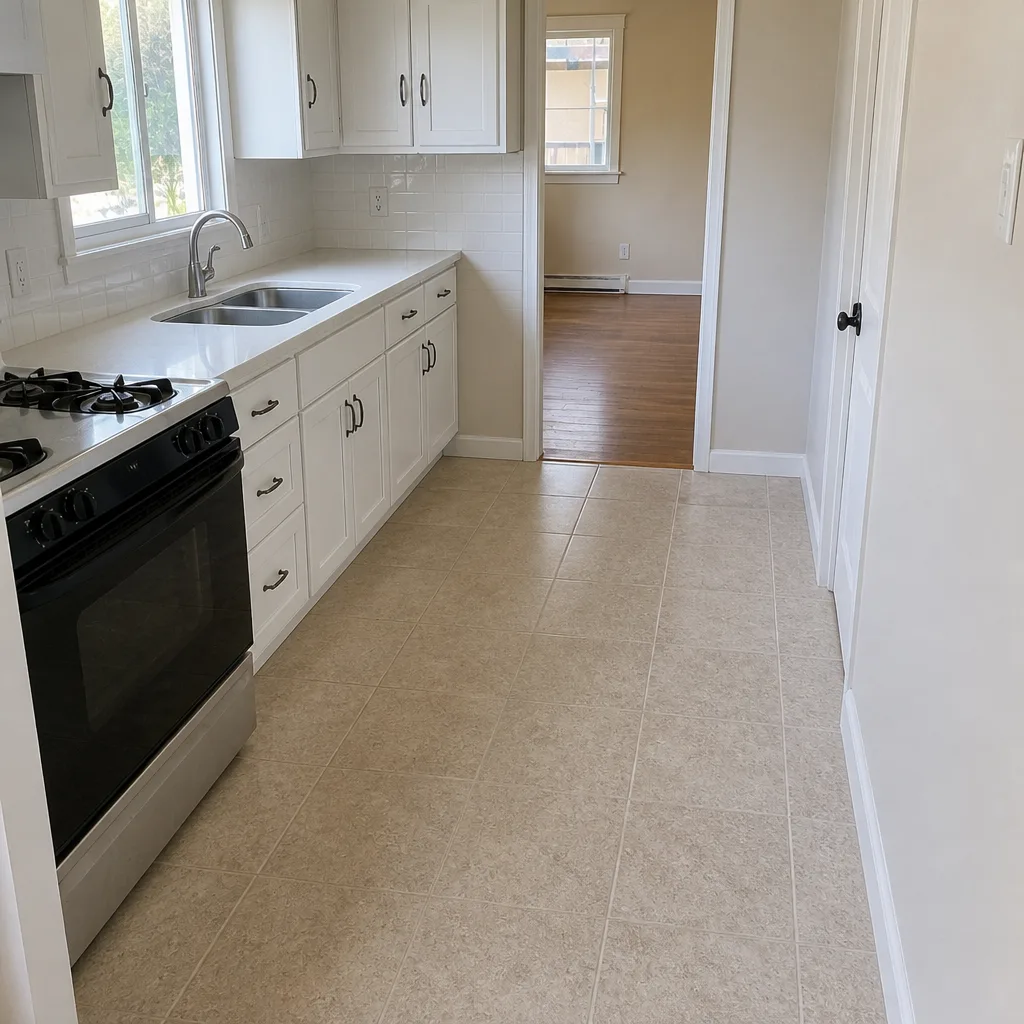
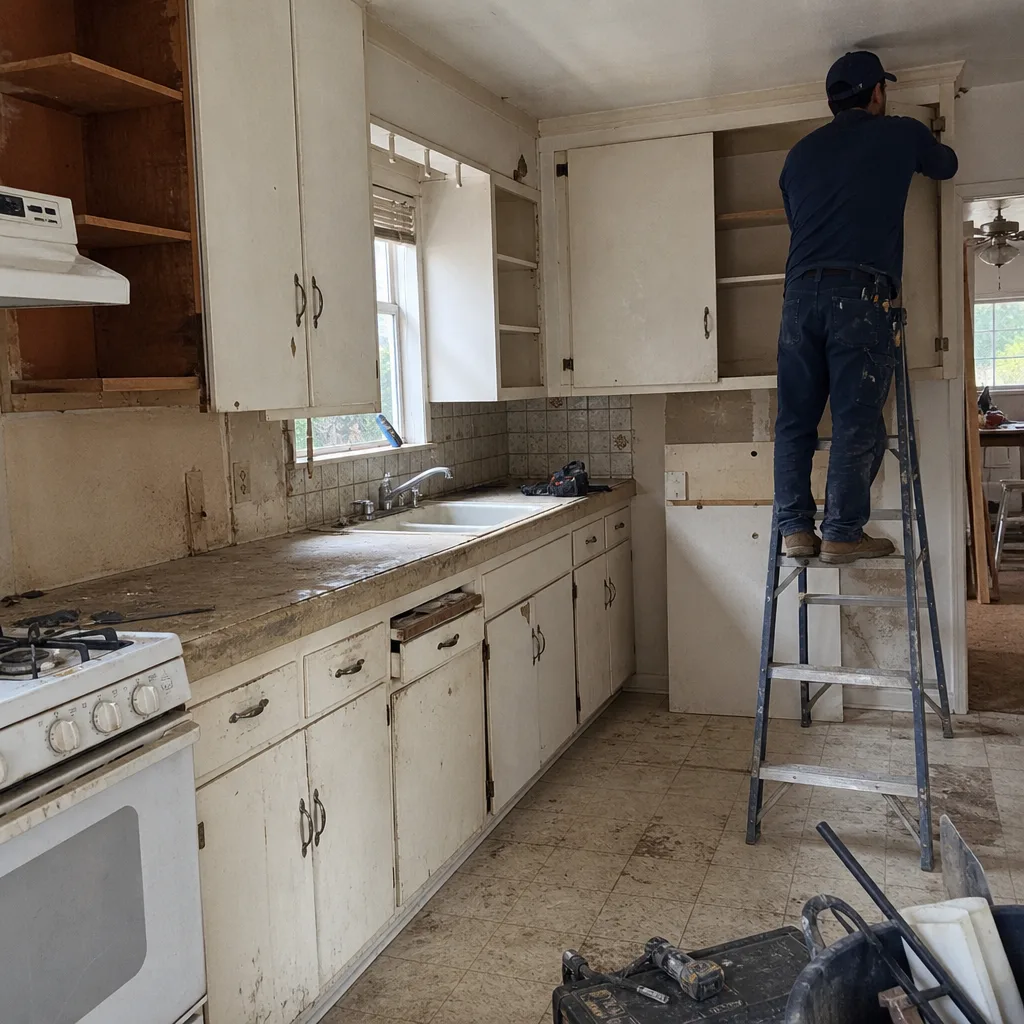
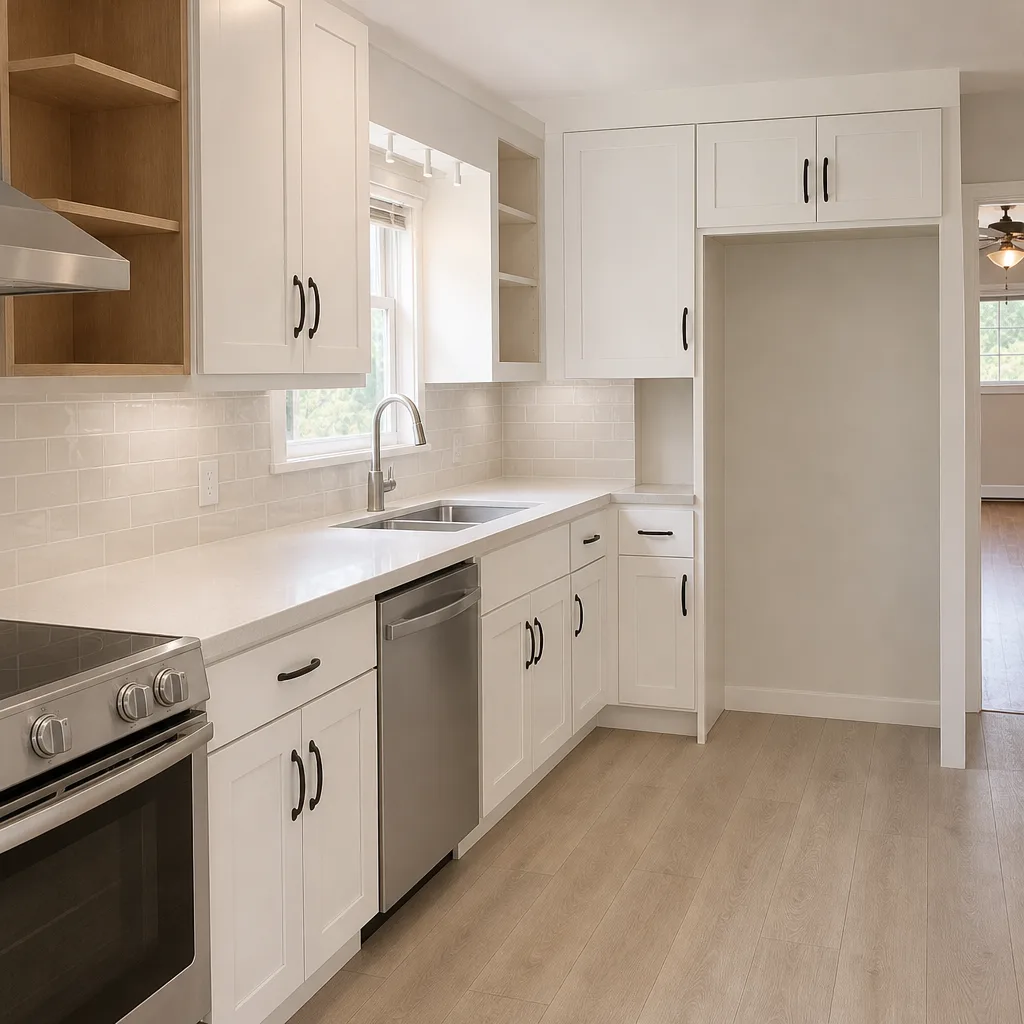
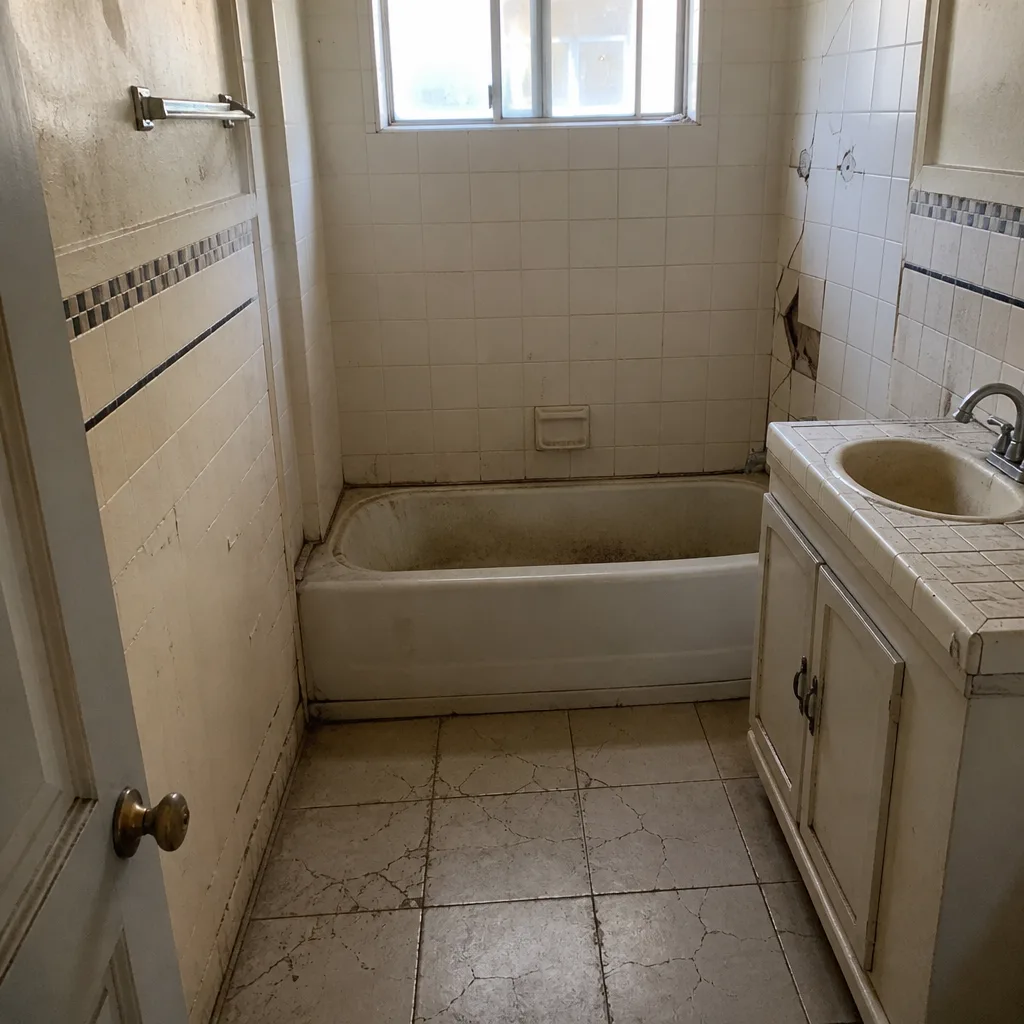
See the difference
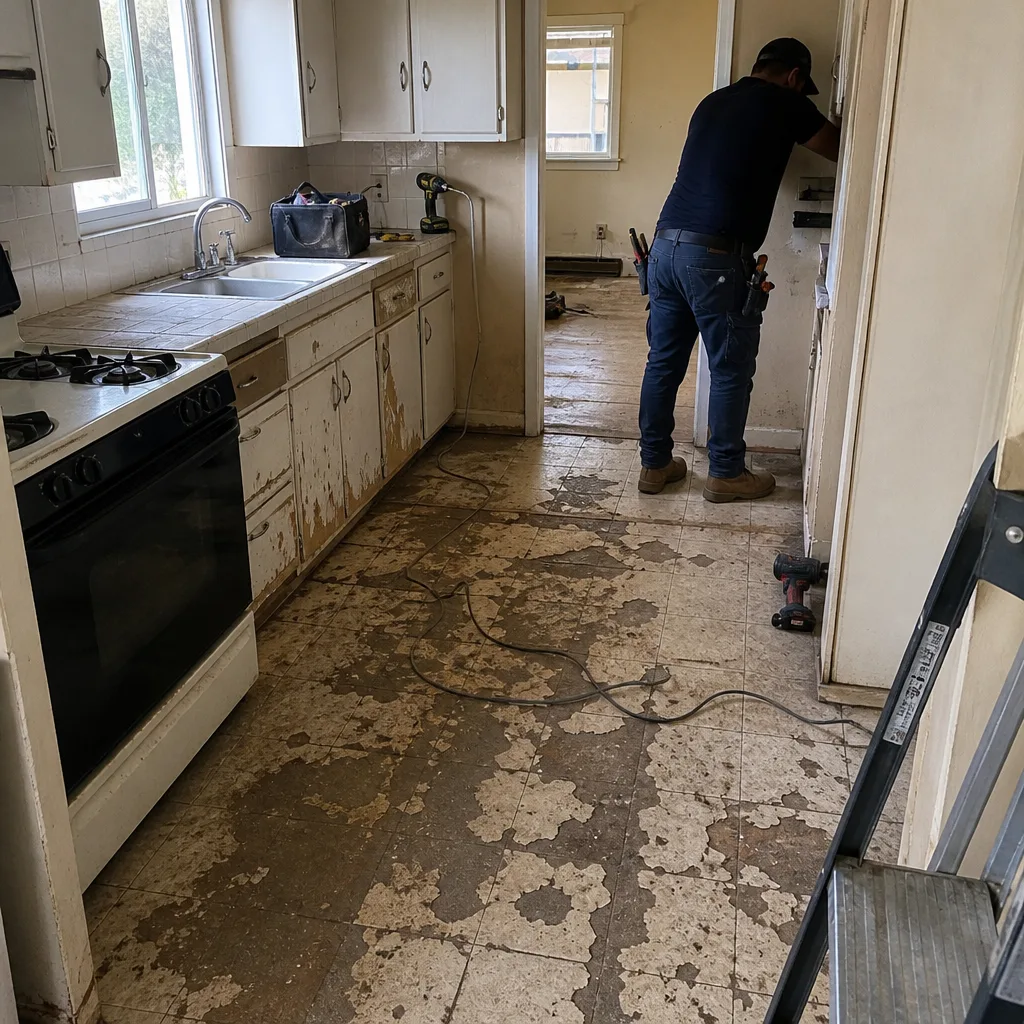 Before
 After
 Before
 After
 Before
 After
When to Call a Professional
Some driveway jobs are honest do-it-yourself territory – a small paver landing, a walkway refresh. But most Glendale driveway projects belong in trained hands, and here’s where to draw the line. A base on expansive Verdugo Hills clay needs engineered compaction, not a rented plate compactor and a weekend. Any job requiring a City of Glendale permit and inspection needs someone who knows the process. Slope and drainage design on a hillside lot is where amateur work fails fastest, and a driveway that drains into your foundation is a much more expensive problem than the one you started with.
If your project involves excavation over groundwater, a slope that sheds toward the house, or any question about impervious surface coverage, that’s the moment to get a professional eye on it. Barrett & Sons Construction Glendale offers free estimates in Glendale – call (844) 560-4526. Our crew members have up to 28 years of experience, we pull the permits and sign the inspections, and every price change arrives in writing before work moves. We also stand behind every job with a written 90-Day Done Right Promise.
Frequently Asked Questions
Most Glendale paver driveways run $14 to $22 per square foot installed for interlocking concrete pavers, with deeper base prep on Verdugo Hills clay adding $2 to $5 per square foot. Clay brick and natural stone cost more. Call (844) 560-4526 for an exact quote – estimates are free.
On the flatter Crescenta Valley ground, 6 to 8 inches of compacted aggregate base is typical; on the expansive clay of the Verdugo Hills zone, 8 to 10 inches is often required. The exact depth depends on the subgrade, and the base is compacted in lifts before the pavers go down.
Yes. Replacing a driveway is a permitted improvement in Glendale, and it usually triggers an impervious surface coverage check along with the inspection. If you’re in an HOA, architectural approval comes first. We handle the permit and the inspection as part of the scope.
Dense concrete pavers rated at 8,000 psi or higher and clay brick pavers both hold up well against Glendale’s UV and heat swing. Lighter colors stay cooler underfoot on south- and west-facing drives. What matters most is a proper base and named, spec’d materials – not the color.
Most two-car driveways take three to five working days, with hillside lots running longer because of deeper excavation and drainage work. This is a planned project with a defined schedule, not a same-day fix, and the base prep is where the time goes.
A 2% cross-slope is a quarter-inch drop per foot from one side of the driveway to the other – about 4 inches of fall across a 20-foot-wide drive. It’s the standard pitch that sheds water off the surface instead of letting it pool against the garage.
The Bottom Line
The paver you pick is the last decision that matters. The first is what’s under it. In Glendale, that means knowing whether you’re on Verdugo Hills clay or flatter Crescenta Valley ground, sizing the compacted base to match, planning drainage and slope before the first shovel hits dirt, pulling the city permit and passing the inspection, and demanding a proposal that names the paver, states the base depth, and puts every change in writing before work moves. Do that, and your driveway is a 30-year surface. Skip it, and you’ll be calling someone in three years. Our team at Barrett & Sons Construction Glendale home handles driveway and paver work across the city and would be glad to walk your lot with you.
Ready to talk numbers on your driveway? Call (844) 560-4526 for a free estimate, and we’ll bring the written line-item quote. We’re proud to serve Glendale homeowners, no trip charge inside the county, and a permanent 10% discount for seniors and veterans. Call today – a live person answers, 24 hours a day.
Written by the team at Barrett & Sons Construction Glendale.