
Last updated November 17, 2026
 Home additions & ADU
 Kitchen remodeling
 Bathroom remodeling
 Roofing
 Windows & doors
 Driveway & pavers
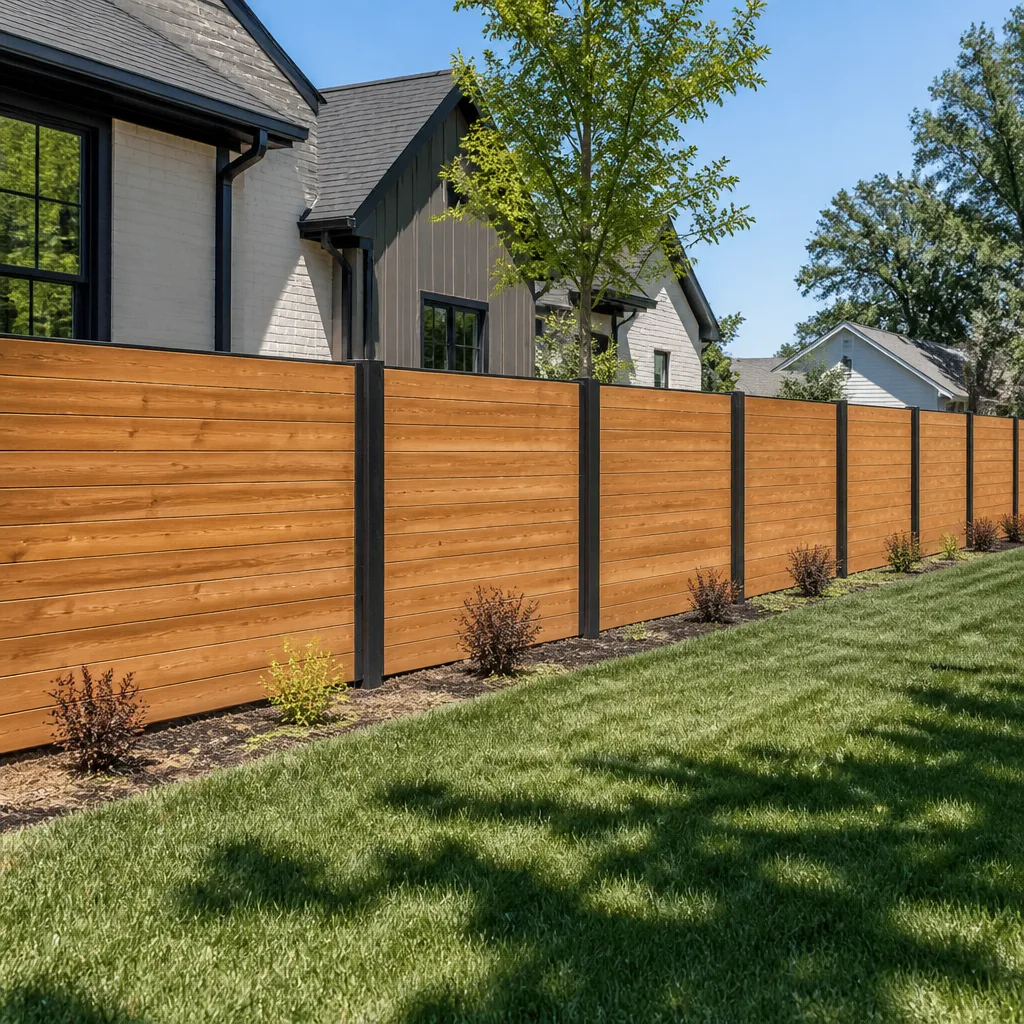 Fence
Free written scope consultation - allowances, timeline, and change-order rules on paper before a single trade is scheduled
The Complete Fence Installation Guide for Glendale Homeowners
Glendale’s hillside lots carry setback and height rules that differ street-side, side-yard, and rear-property by as much as two feet, and the city has issued stop-work orders on installed fences that looked completely normal to the homeowner who put them up. A fence that clears every rule on one property can violate three on the lot next door, depending on slope, overlay zone, and which side faces the street. This guide maps the full installation process against those local realities: the code limits by yard zone, how to find your property line before a single post goes in, post depth for our expansive clay soils, materials that survive our UV and fall winds, and the neighbor conversation you want to have before you pull a permit, not after.
Quick Answer
Fence installation in Glendale typically runs $38 to $75 per linear foot, permits are required for most fences over 6 feet or in hillside overlay zones, and the two things that sink a project here are an unlocated property line and post holes that don’t reach stable subsoil. Before you buy a single board, confirm your zone’s height limit, get your property line located, and plan post depth for adobe clay that swells and shrinks with the seasons. That sequence, done in order, is what keeps a fence where you built it.
Styles & brands we work with
- Kitchen remodeling
- Bathroom remodeling
- Home additions & ADU
- Roofing
- Windows & doors
- Driveway & pavers
- Fence
Table of Contents
- What Does Glendale Municipal Code Require for Fence Height and Setbacks?
- How Do You Locate Your Property Line Before Setting Posts?
- Post Depth and Concrete for Glendale’s Expansive Clay Soils
- Which Fence Materials Hold Up in Glendale’s Climate?
- The Shared-Fence Conversation: Cost and Responsibility
- Permits, Inspections, and the Stop-Work Order Risk
- The Installation Process, Step by Step
- What Does Fence Installation Cost in Glendale?
What Does Glendale Municipal Code Require for Fence Height and Setbacks?
Glendale caps front-yard fences at 3 feet and side and rear-yard fences at 6 feet in most residential zones, with an allowance to go taller in the rear yard when the fence is set back from the property line. Those are the baseline numbers. The complication is the hillside overlay, which covers roughly a third of the city’s residential lots, mostly north of the 134 and up into the Verdugo foothills and the Chevy Chase canyon areas. In those zones, height is measured from the uphill grade, and a fence on a downslope lot can legally stand several feet taller on the downhill side because the measurement starts higher up.
Setbacks are where most homeowners get caught. A fence that sits exactly on the property line is generally allowed, but a fence in the front setback has to respect sight-distance triangles at corners and driveways, and some hillside lots carry recorded view easements that restrict fence height on the downslope side of a lot even though the code would permit it. Those easements live in your title report, not in the municipal code, and no inspector will flag one for you before you build.
Here’s the practical rule we give every Glendale homeowner before they sketch a fence:
- Front yard: 3 feet in most R-1 zones, measured from finished grade at the fence line.
- Side and rear: 6 feet standard, taller with a setback from the property line in many zones.
- Hillside overlay: height measured from uphill grade, and view easements may apply.
- Corner lots: sight-distance triangle at the corner, usually 10 to 15 feet of reduced height.
- Pool and safety fencing: separate code path, treated as a barrier, not a property fence.
The permit counter will tell you your zone and overlay in about five minutes if you bring your address. Bring it before you buy lumber. A fence that has to come down and move two feet costs more than the permit ever would have.
How Do You Locate Your Property Line Before Setting Posts?
You locate your property line by hiring a licensed land surveyor, not by trusting the pin your neighbor found with a metal detector. In Glendale, and honestly anywhere in Los Angeles County, a pin in the ground with no recorded survey behind it is a guess. A proper boundary survey runs $500 to $1,500 for a typical residential lot, and it is the only thing that protects you if the fence ends up in the wrong place.
Here’s why a neighbor’s handshake agreement doesn’t protect you. If the fence you both agree to build sits six inches onto his side of the true line, that’s fine until he sells. The new owner orders a survey, finds the fence encroaching, and you’re the one moving it. Your neighbor’s permission was never his to give. He doesn’t own the six inches he agreed to let you use. The surveyor’s finding controls, and the surveyor works from recorded deeds and monuments, not from what anyone remembers being agreed to.
Two smaller points that come up constantly in Glendale:
- Old fences lie. The existing fence on your property was likely built by someone who didn’t survey either. Don’t assume its line is correct just because it’s been there 30 years.
- Deed descriptions beat visible landmarks. A hedge, a driveway edge, or a row of olive trees can sit feet inside or outside the recorded line.
If you’re replacing a fence in place and you’re confident in the line, a survey is still cheap insurance on a project that runs into the thousands. If you’re building new or extending, get the survey. There’s no version of this where the survey costs more than the correction.
Post Depth and Concrete for Glendale’s Expansive Clay Soils
Glendale sits on a mix of adobe clay and decomposed granite, and the clay is the part that matters for fence posts. Expansive clay swells when it’s wet and shrinks when it dries, and that seasonal movement pushes posts up and sideways over a few years. A post that looked solid the day it was set can be three inches out of plumb by the second wet winter. The fix is depth and footing design, not a heavier post.
The minimum we specify for a standard 6-foot wood or vinyl fence in Glendale clay is a 24-inch post depth in stable street-side soil and 30 to 36 inches where the grade has been cut or filled, or on any slope. That’s deeper than what you’ll see in generic installation guides, and it’s because the stable subsoil under our clay sits lower than it does in sandy or loamy soil. On a hillside lot, the footing on the downhill side of a slope has to go deeper still, or the post acts like a lever and the whole run leans downhill within a season or two.
Concrete footings follow the same logic:
- Diameter: three times the post width, so an 8-inch footing for a 4×4 post, wider in expansive clay.
- Drainage: a gravel base under the concrete so water doesn’t sit against the post bottom.
- Bell or flare: a wider base at the bottom of the hole resists frost-style heave, which in our climate comes from wet-dry clay movement rather than freezing.
- Crown and slope: set posts slightly high on the uphill side and crown the fence line so water runs off rather than into the footings.
If you’re reading this because a fence is already leaning, the cause is almost always the footing, not the material. Pulling and re-setting with a deeper hole is often the only fix, and it costs less than watching a new top rail crack every spring. Our crews have up to 28 years of experience with our soils, and we’ve watched a lot of fences get replaced twice because the first set of holes was too shallow.
Which Fence Materials Hold Up in Glendale’s Climate?
Glendale’s UV index runs high most of the year and our fall wind events, particularly the Santa Anas, hit the foothills hard. The materials that hold up here share one trait: they don’t move much when they dry out. Cedar and redwood handle UV well and age gracefully, but they need a penetrating stain every two to three years to keep the grain from checking and the posts from drying out at the ground line. Pressure-treated pine is the budget option, but the UV exposure in Glendale will grey it out within a year and the checking is more pronounced than what you’d see in a coastal climate.
Vinyl and composite hold color well and don’t need a stain, but you want a manufacturer with a real UV warranty, and you want to confirm the post system is engineered for expansive soil. A thin vinyl panel that runs between posts set in shallow holes will look great for two seasons and then show every bit of the clay movement. Composite products from established names tend to hold up better than the cheapest vinyl sold off a truck, and the brand on the box is something you can look up.
For hardscape and gate integration, some Glendale homeowners pair the fence with pavers under the gate and at the driveway transition, and that’s where brands like Belgard and Techo-Bloc come into the conversation. Same for the gate hardware and any covered structure at the entry.
Quick material notes:
- Cedar or redwood: best appearance and warmth, stain every 2-3 years for UV resistance.
- Pressure-treated pine: budget-friendly, expect greying and checking, plan to seal.
- Vinyl or composite: low maintenance, confirm UV warranty and post engineering for clay.
- Wrought iron or steel: strong choice for view fences on hillside lots, less wind load than solid panels.
- Chain link: functional and cheap, poor wind screen and poor appearance in front yards.
On hillside parcels where a solid panel catches wind, an open-style fence (wrought iron, cable rail, or spaced pickets) reduces the load that causes fence panels to lean or blow out during a fall wind event. That’s a design decision as much as a materials one, and it’s where a local view of the lot matters.
The Shared-Fence Conversation: Cost and Responsibility
In California, neighbors aren’t automatically required to split the cost of a boundary fence, but the conversation is easier to have before the fence exists. Have it in writing, before you pull the permit, and you avoid the version of this that ends up as a dispute after the fence is up and someone decides they don’t like the side facing them. The state’s good-neighbor fence statute, Civil Code section 841, does give either owner the right to demand a reasonable share of the cost of a boundary fence the other refuses to help with, but you don’t want to be the person invoking a statute. You want a handshake and a written note.
Here’s the conversation we recommend, and it works on about nine out of ten Glendale properties:
- Walk the line together with the survey in hand. Show your neighbor the recorded property line, not your opinion of where it should be.
- Agree on height and style that both of you expected to look at for the next 15 to 20 years. The finished side usually faces the neighbor, and that’s the assumed courtesy.
- Write down who pays for what and sign it. A one-page letter with both addresses on it is enough.
- Agree on access for the crew, for footer work, and for future maintenance.
- Agree on what happens if the fence needs repair later, and who calls whom first.
If the fence is genuinely on the property line and both neighbors benefit from it, sharing cost is fair and it’s the norm. If your neighbor declines to share, you can build on your side of the line and skip the whole issue. If your neighbor wants a different fence than you do on their side, that’s their side. What you don’t want is a fence whose placement and cost were never discussed, because that’s when the surveyor’s finding becomes a phone call from an attorney.
In our experience in Glendale, the fences that go smoothly are the ones where the neighbor saw the plan two weeks before the crew showed up. The ones that don’t are the ones where the neighbor came home to posts in the ground.
Permits, Inspections, and the Stop-Work Order Risk
Glendale requires a building permit for most fences over 6 feet, for fences in the hillside overlay, and for any fence that functions as a pool barrier. If you skip the permit, you’re not just at risk of a fine. You’re at risk of a stop-work order on a fence that’s already up, which means a demolition order on a fence you spent money to build. The city has issued those on fences that looked completely normal to the homeowner who put them up, and the correction is rarely as simple as trimming a panel down a foot.
The permit process itself isn’t the hard part. A fence permit is typically a plan check and a footprint, and the inspection is usually a quick visit to confirm height, footing depth, and placement. The inspectors who look at fences aren’t looking for reasons to fail you. They’re confirming the fence is where the code says it can be, at the height the code says, with a footing that matches the soil. They do the review the same day or the next, in most cases, and you get a signed card at the end.
Where the process goes wrong:
- Fence height on a slope. Measured from the wrong grade, the fence is a foot too tall on the uphill side, and the inspector can’t sign it.
- Fence placement over an easement. Utility and view easements recorded on the title block a fence the code would otherwise allow.
- Footing depth not shown on the permit plan. The inspector asks, the plan doesn’t say, and the plan check comes back.
- No permit for a pool barrier. Pool fences have a separate code path with specific performance standards, and a fence that isn’t compliant is a safety problem.
The permit inspector works for you, not for us. That’s why we like him. He’s the one who signs off that the fence is where it was supposed to be and the footings are what the soil requires. Every eligible job we take includes permits pulled and inspections signed, because the last contractor most Glendale customers used told them permits were optional.
The Installation Process, Step by Step
A fence installation done right runs in a specific order, and the order is what prevents the corrections that cost the most. Skip a step and you’ll pay for it twice, either by re-digging a footer or by moving a run of panels after the inspector’s been out.
- Confirm your zone and overlay at the permit counter. Five minutes at the counter saves a stop-work order. Bring your address and ask for height limits by yard zone.
- Hire a licensed surveyor to mark the property line. Especially on hillside lots and anywhere the existing fence is questionable.
- Talk to your neighbor before you pull the permit. Show the survey line, agree on style and cost, and put it in a one-page letter.
- Submit the fence permit with a plan that shows length, height, footing depth, and placement. Note any easements on the plan if they affect the run.
- Mark utilities before digging. Call 811, and this is non-negotiable on any post hole in a yard with irrigation or an old line in the ground.
- Set the corner and end posts first, at the correct depth for your soil (24 to 36 inches in Glendale clay), and string a line between them. Everything in between follows the string.
- Dig and pour footings one section at a time, letting each set before adding the next. The concrete cures and you get a straight run without fighting fresh footings.
- Hang panels, rails, and gates, and check plumb on every post before you top off the concrete. A post that’s set out of plumb can’t be straightened once the concrete hardens.
- Call for the inspection, get the card signed, and keep a copy with your house records. When you sell, that card is worth more than it costs to file it.
Installation typically takes two to four days for a standard residential run, longer on hillside lots with slope-specific footings or when there’s a gate and hardscape integration to handle. A fence with a driveway gate, an entry pavilion, or a covered transition may take a week or more. If you’re planning pavers or a driveway alongside it, our team handles Driveway & Pavers in Glendale on the same schedule, which keeps the sequencing clean and avoids two separate contractors digging the same yard. If the fence ties into a larger project on the property, the same logic applies to Home Additions & ADU in Glendale.
What Does Fence Installation Cost in Glendale?
Fence installation in Glendale runs $38 to $75 per linear foot installed, depending on material, slope, and whether the run crosses an easement or hillside overlay. A typical residential side-and-rear fence on a 6,000-square-foot lot, roughly 120 to 150 linear feet, comes out to $5,500 to $9,500. Hillside lots and long view-fence runs sit at the upper end, and a driveway gate adds $1,200 to $4,500 on its own depending on material and automation.
- Cedar privacy fence, 6-foot: $45 to $65 per linear foot installed.
- Pressure-treated pine, 6-foot: $38 to $52 per linear foot installed.
- Vinyl or composite, 6-foot: $52 to $75 per linear foot installed.
- Wrought iron, 4 to 5-foot hillside style: $55 to $85 per linear foot installed.
- Boundary survey (licensed): $500 to $1,500 per typical residential lot.
- Fence permit and inspection: $200 to $600 depending on length and overlay.
- Driveway gate, manual and installed: $1,200 to $2,800, automatic opener adds $800 to $1,800.
- Old fence removal and haul-away: $300 to $900 depending on length and material.
Where prices move the most in Glendale: hillside lots with slope-specific footings, runs that cross a recorded view easement, and any fence that has to be re-set after a stop-work order. Those are the reasons the low bid often ends up higher than the honest bid.
For a written line-item quote specific to your lot, call us at Fence Installation in Glendale for a free estimate. We pull permits and pass inspections on every eligible job, and every price change arrives as a written change order before any scope change touches the work.
Common Mistakes to Avoid
- Building to the existing fence’s line. The fence on your property was probably built by someone who didn’t survey either. Hire the surveyor, and build to the recorded line.
- Assuming the front-yard limit applies to the side. Front is 3 feet in most Glendale zones, side and rear are 6, and the hillside overlay changes the measurement entirely. Check all three before you buy boards.
- Setting posts 18 inches deep because a generic guide said so. In Glendale’s adobe clay, that hole doesn’t reach stable subsoil, and the post heaves within two seasons.
- Trusting a neighbor’s permission instead of a surveyor’s finding. Your neighbor doesn’t own the six inches he agreed to let you use. The surveyor’s finding controls.
- Skipping the permit on a “small” fence. A stop-work order doesn’t care how small the fence is. It comes down if the permit wasn’t pulled.
- Picking a solid panel for a hillside view fence. The wind load during fall events leans the run and blows out panels. Open-style fencing handles our wind much better on exposed lots.
- Not writing down the shared-cost agreement. The neighbor conversation is fine until it becomes a disagreement about who agreed to what. Put it in one page and both sign it.
See the difference
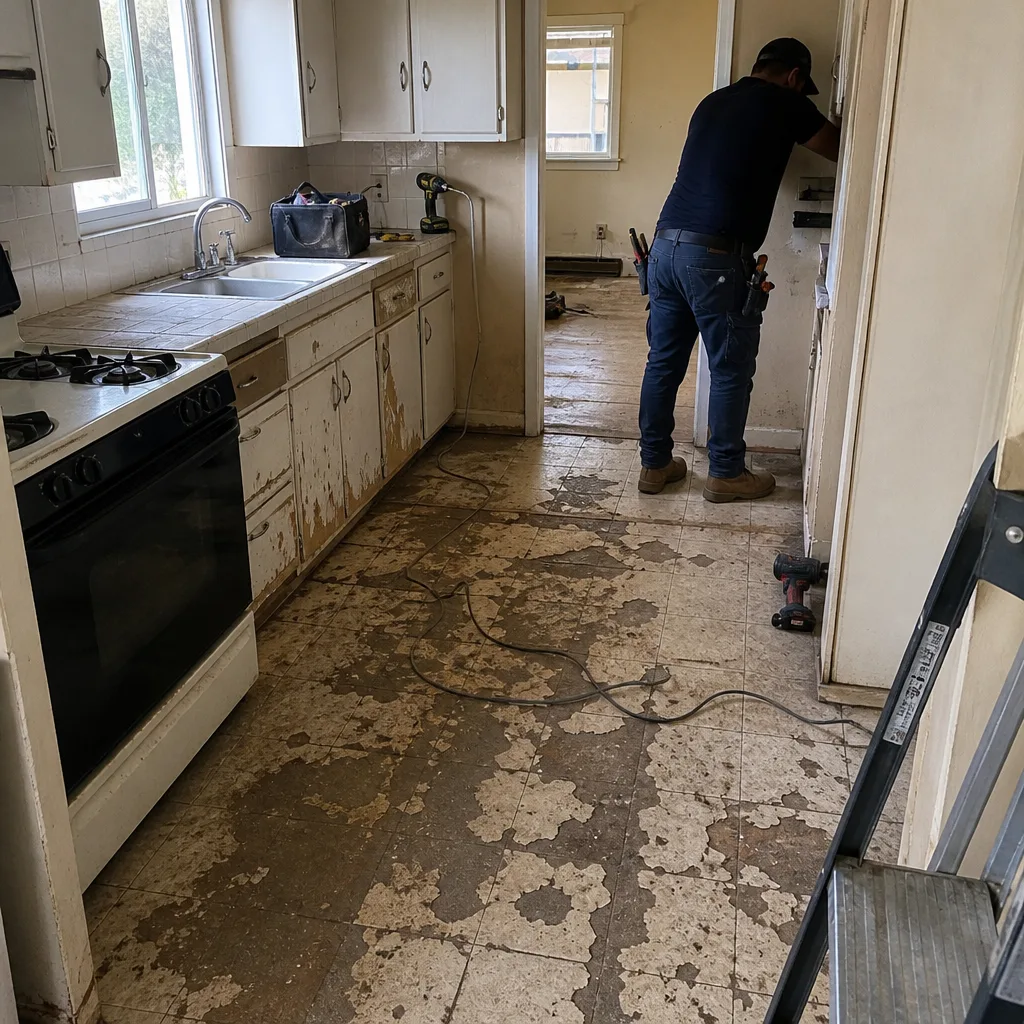 Before
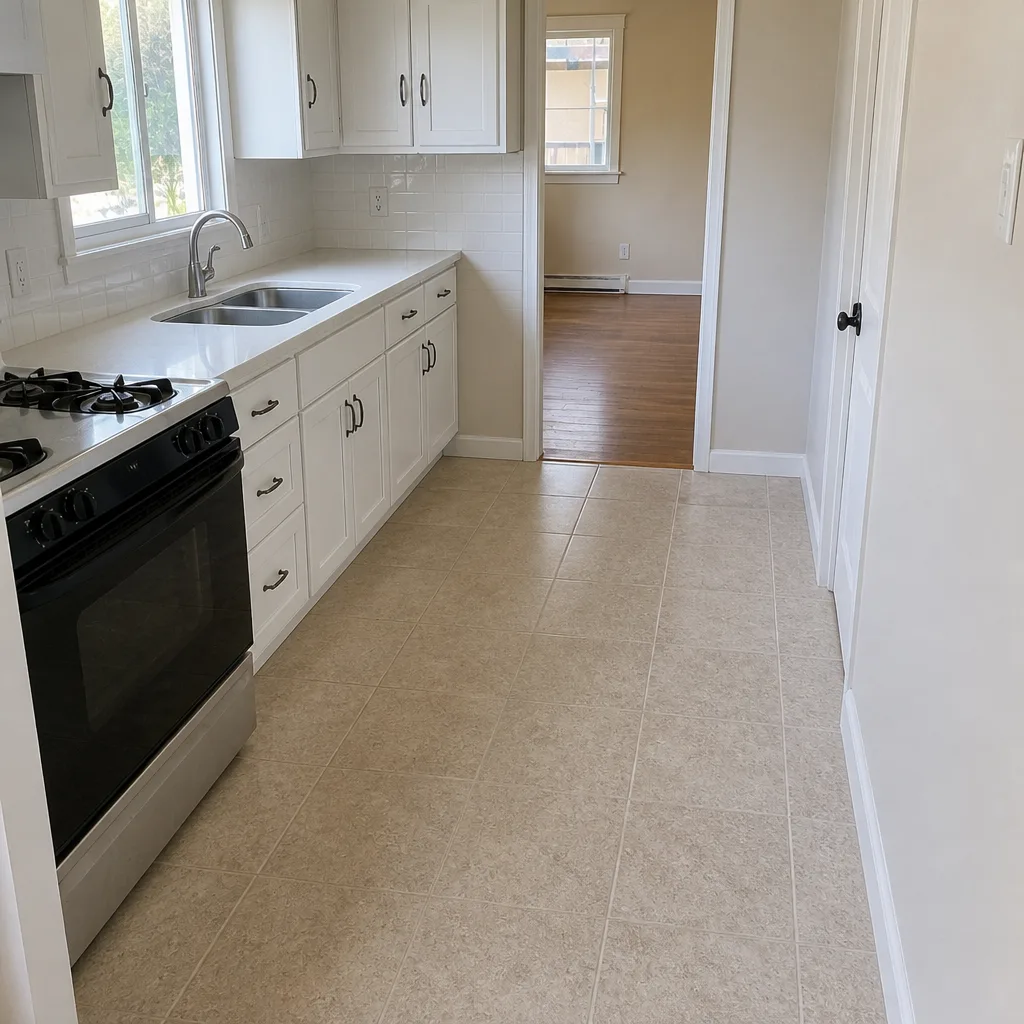 After
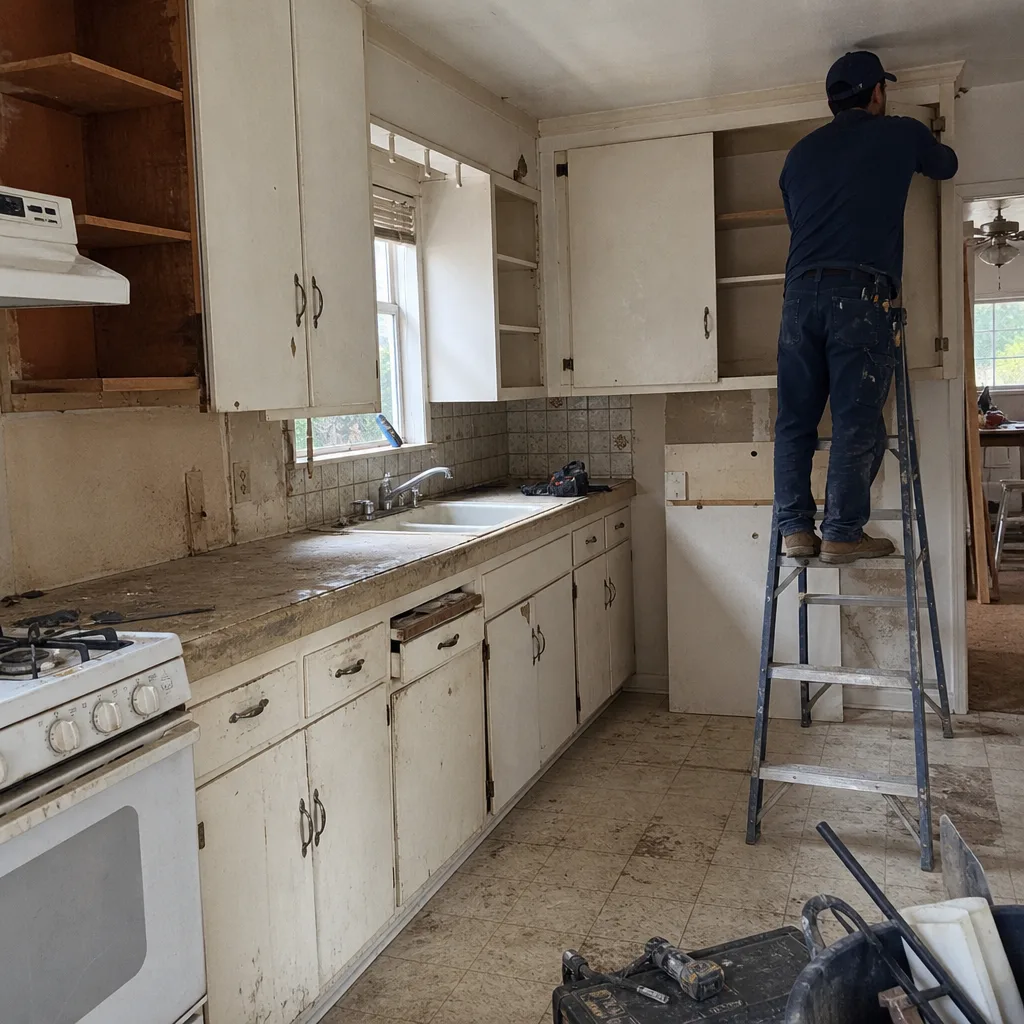 Before
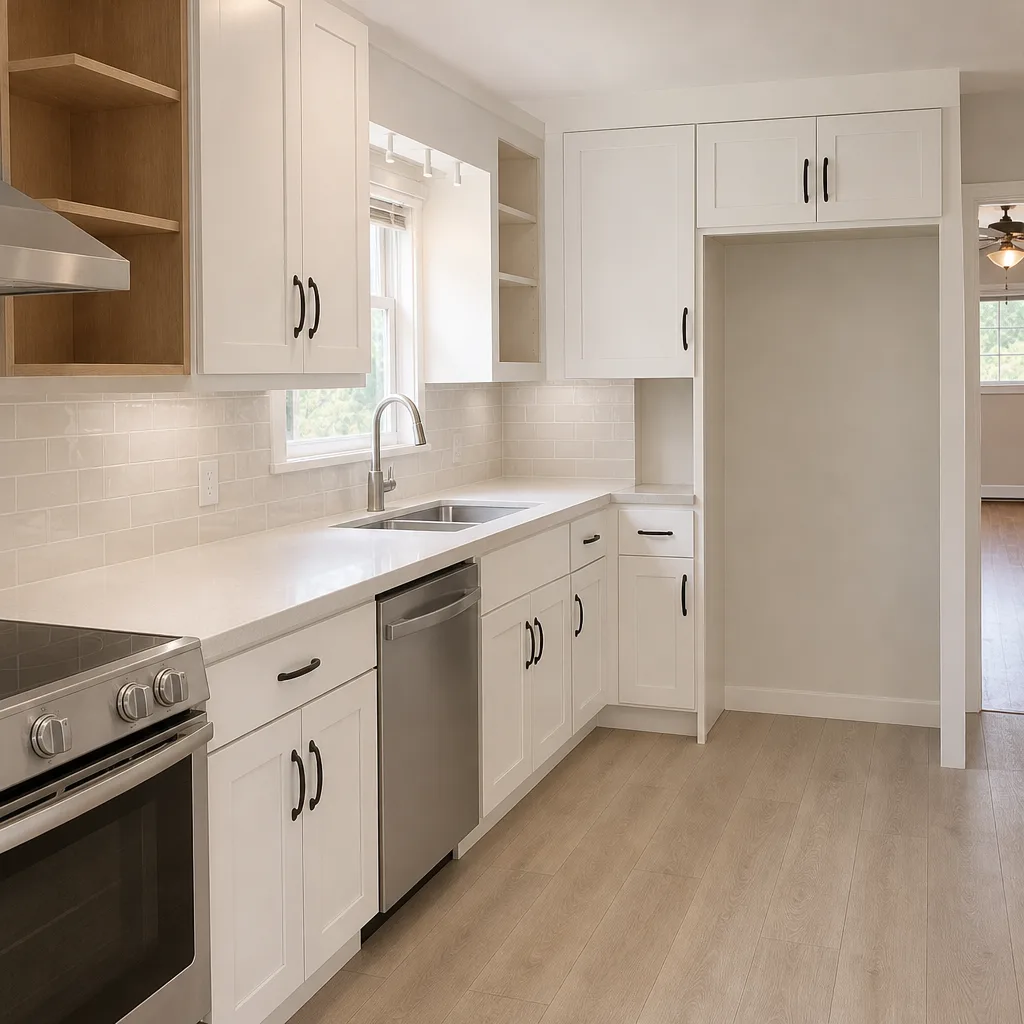 After
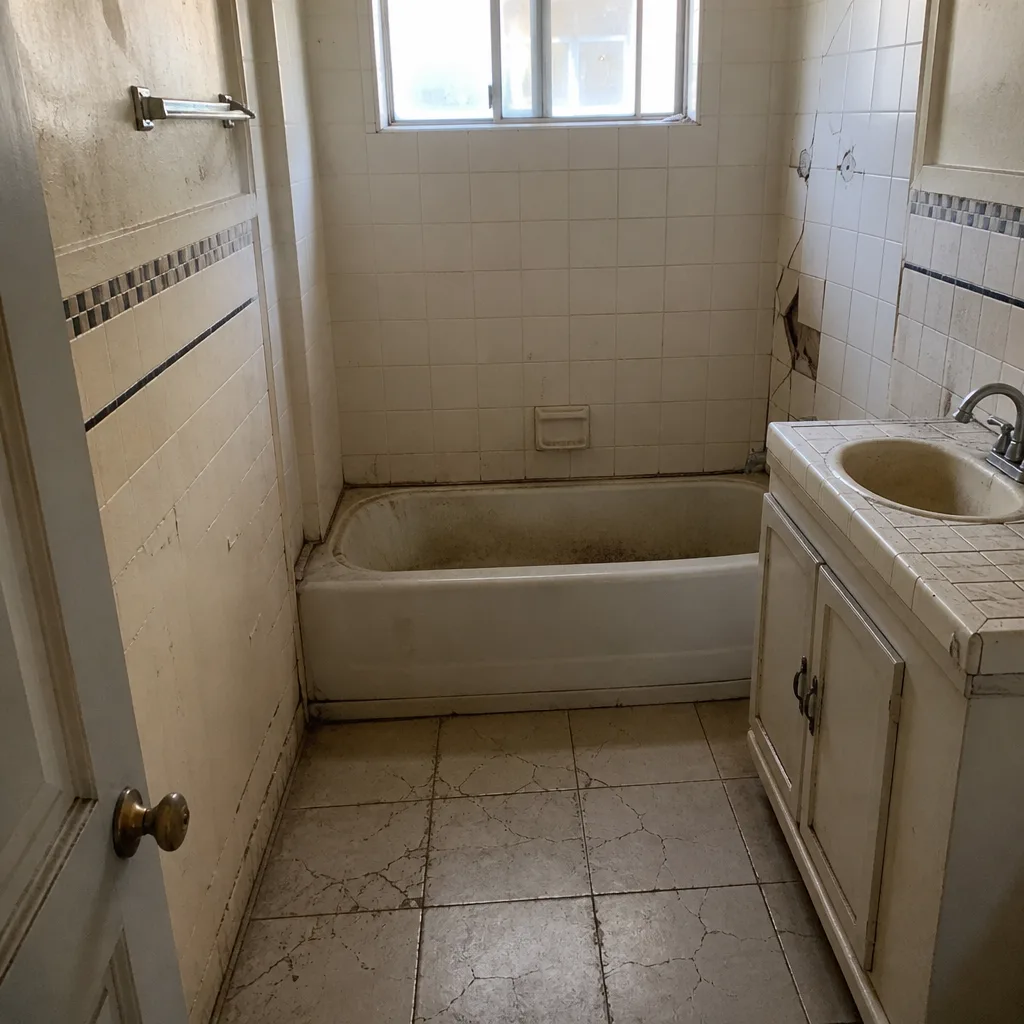 Before
 After
When to Call a Professional
Call a professional when the property line is unclear, when the lot slopes and the footing depth has to change on the downhill side, when the fence needs a permit under the hillside overlay, or when a pool barrier needs to pass inspection on the specific performance standard for the barrier code. Those four situations are where a fence goes wrong and where the fix costs more than the original project. A leaning fence with post-heave is the same call: pulling and re-setting at depth is often the only fix, and it isn’t a weekend job you want to attempt yourself on a slope with clay soil and a footer you can’t see. Fence footings and post work sit in the category of jobs where a bad day costs you a season.
Barrett & Sons Construction Glendale offers free estimates in Glendale. Call (844) 560-4526 and we’ll walk your line, check the zone, and tell you honestly whether the fence needs a survey and a permit or whether a repair is the right call.
Frequently Asked Questions
Yes, in most cases. Glendale requires a building permit for fences over 6 feet, for fences in the hillside overlay zone, and for any fence that serves as a pool barrier. Fences under 6 feet in the rear yard of some zones can be permitted over the counter, and a quick call to the permit counter with your address confirms which permit path applies. We pull the permit and get the inspection signed on every eligible job, which protects you from a stop-work order on a fence you’ve already built. Call (844) 560-4526 for a free estimate and we’ll walk through the permit requirements for your lot.
Fence installation in Glendale typically runs $38 to $75 per linear foot installed, with a typical 120 to 150-foot residential fence coming in between $5,500 and $9,500 before any gate or survey work. Hillside lots, recorded view easements, and slope-specific footings push toward the upper end. A licensed survey runs $500 to $1,500, and the permit runs $200 to $600. Call (844) 560-4526 for a written, line-item quote specific to your property, and estimates are free.
In Glendale’s expansive adobe clay, posts for a 6-foot fence should be set 24 inches deep on stable street-side soil and 30 to 36 inches where the grade has been cut or filled, or on any slope. Deeper than that on the downhill side of a hillside lot is often warranted, because the post acts like a lever against the clay movement. Shallow footings are the single most common cause of a leaning fence in Glendale, and re-set work is usually the only fix. Call (844) 560-4526 and we’ll check your soil and slope before the first hole is dug.
It can if the fence height is measured from finished grade instead of uphill grade. In the hillside overlay, which covers roughly a third of Glendale’s residential lots, height is measured from the uphill grade, and a fence on a downslope lot can legally stand several feet taller on the downhill side. Recorded view easements may restrict the downslope side of the property even where the code would allow the fence, and those live in your title report. Call (844) 560-4526 before you buy materials, and we’ll confirm your lot’s overlay and easement issues.
You can, but you shouldn’t. Without a survey, the fence line is a guess, and a neighbor’s permission doesn’t protect you if the fence ends up on their side of the recorded line. The surveyor’s finding controls, and the correction after the fact is more expensive than the survey. In Glendale, and honestly anywhere in LA County, a boundary survey runs $500 to $1,500 and it’s cheap insurance. Call (844) 560-4526 and we’ll walk your property line with you and your neighbor.
In most cases, a leaning fence can be pulled and re-set at the correct footing depth, and the panels and rails reused if the material is still in good shape. The cause is nearly always a shallow footing in clay soil, so re-setting at 24 to 36 inches fixes the actual problem. Replacement only makes sense when the material has failed too, or when the fence is past the point where new footings are worth it. Call (844) 560-4526 for a free assessment, and we’ll tell you honestly which one your fence needs.
The Bottom Line
Fences fail or get red-tagged in Glendale for three reasons, and none of them are the material. The line isn’t right, the setback and height rules don’t accommodate the slope or overlay, or the post holes don’t reach stable subsoil in our adobe clay. Get the survey, confirm the zone and overlay at the permit counter, have the neighbor conversation before the permit, and set footings at the depth the soil actually requires. The rest, from material choice to gate integration, is straightforward once the foundation is right. If the fence ties into pavers, a driveway, or a larger yard project, browse the Barrett & Sons Construction Glendale home for the full range of what we handle on one schedule.
Barrett & Sons Construction Glendale is owner-operated, founded in 1998, and the owner’s sons run the crews. The 90-Day Done Right Promise is written on every contract, and every eligible job includes permits pulled and inspections signed. Call (844) 560-4526 for a free estimate, and ask anyone on your street, or look up the license number yourself.
Written by the team at Barrett & Sons Construction Glendale.