
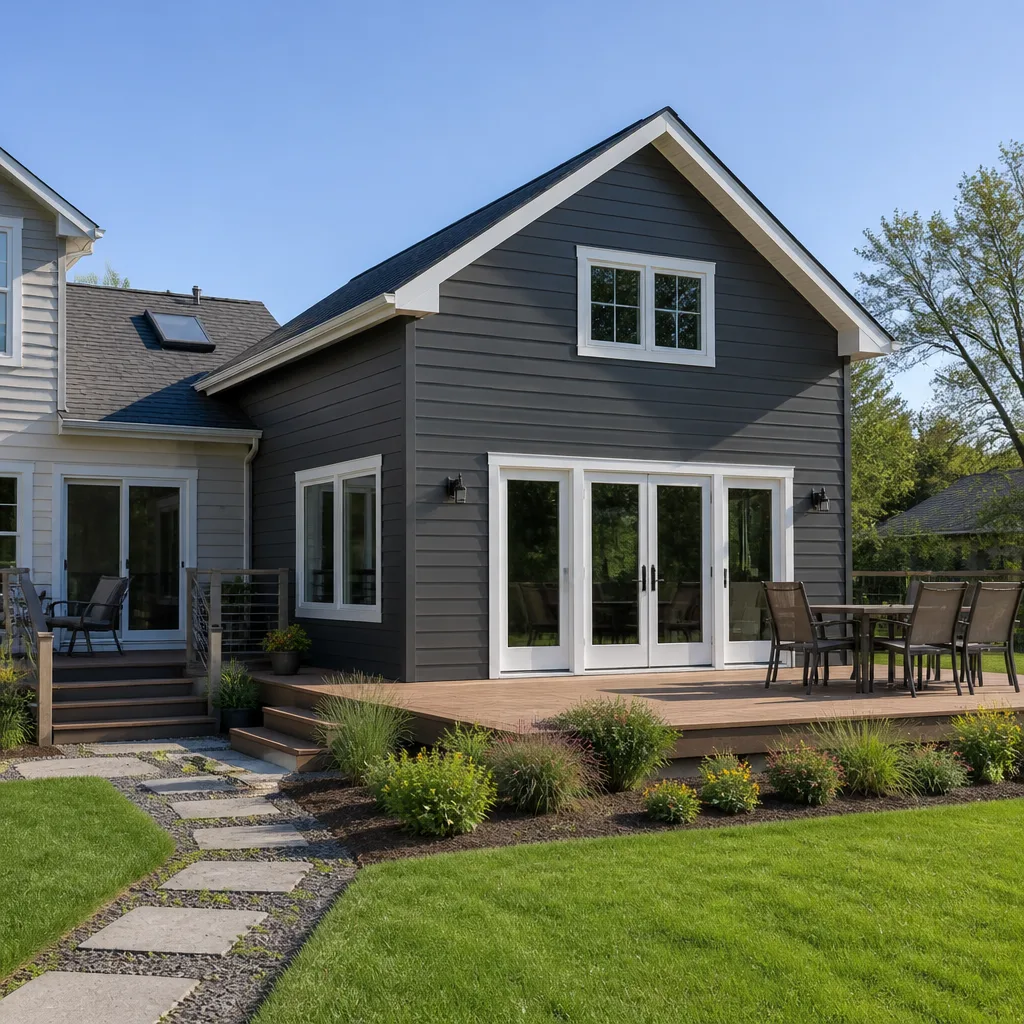
 Home additions & ADU
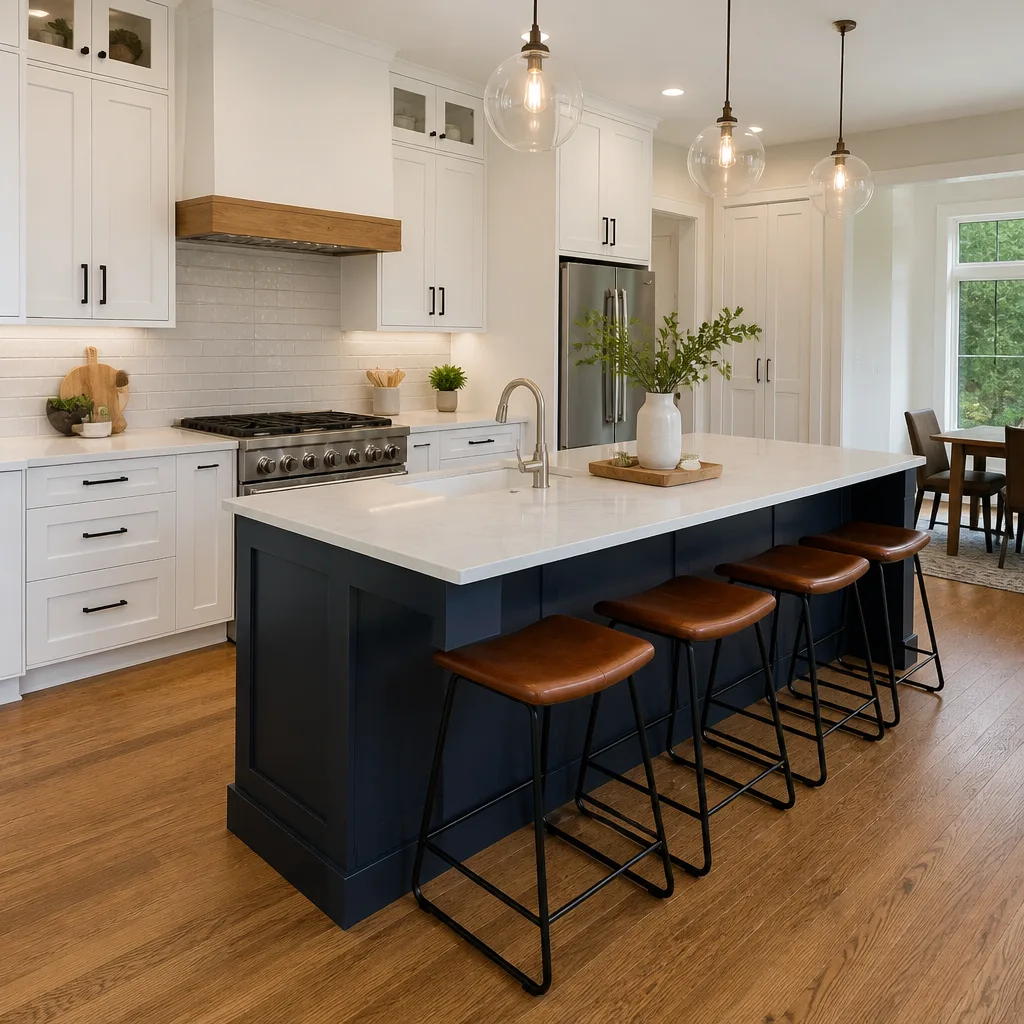 Kitchen remodeling
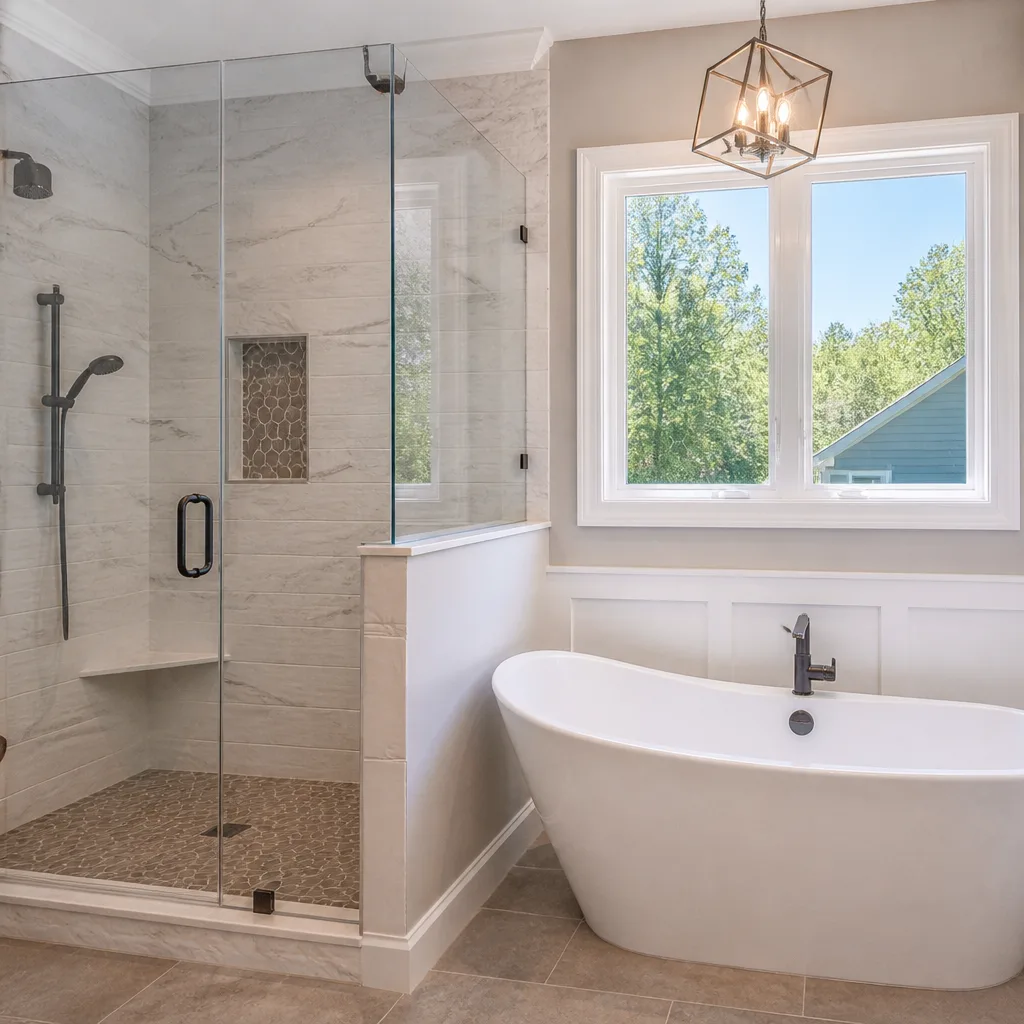 Bathroom remodeling
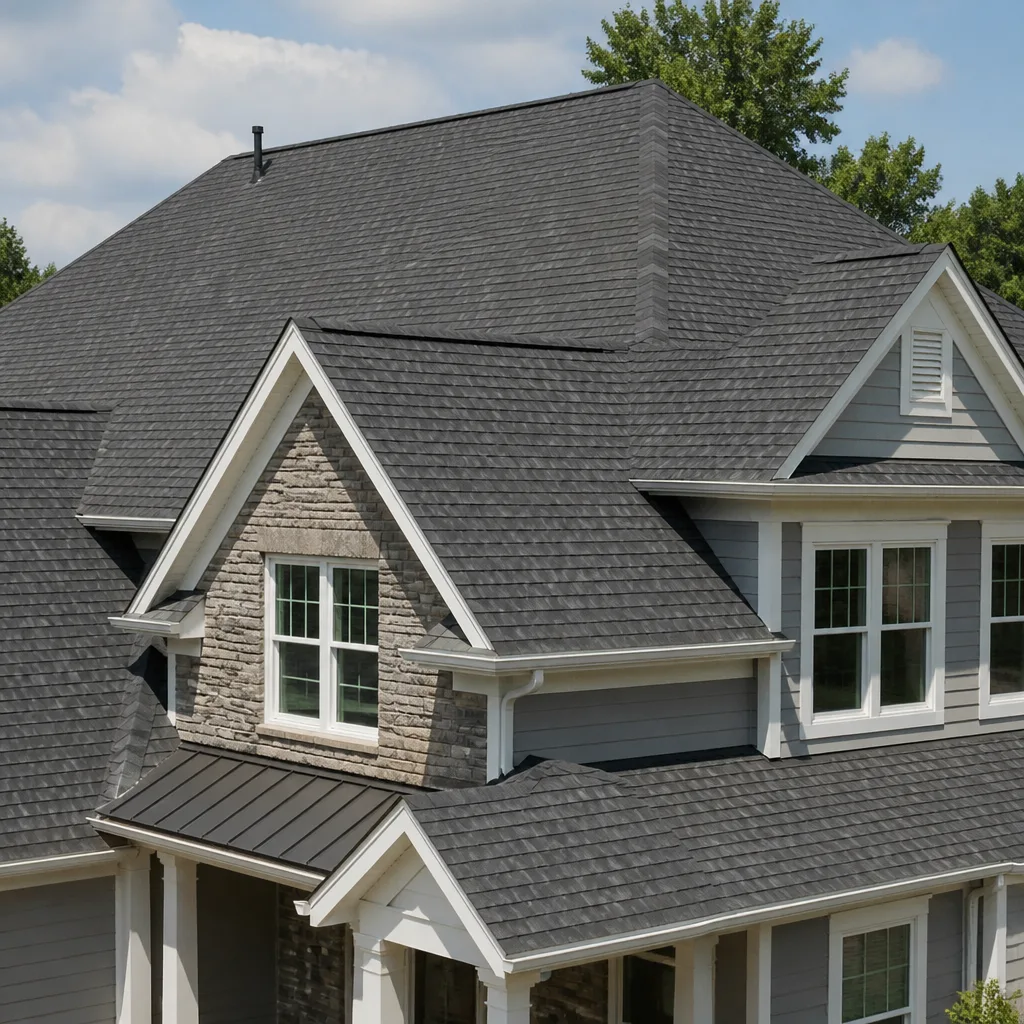 Roofing
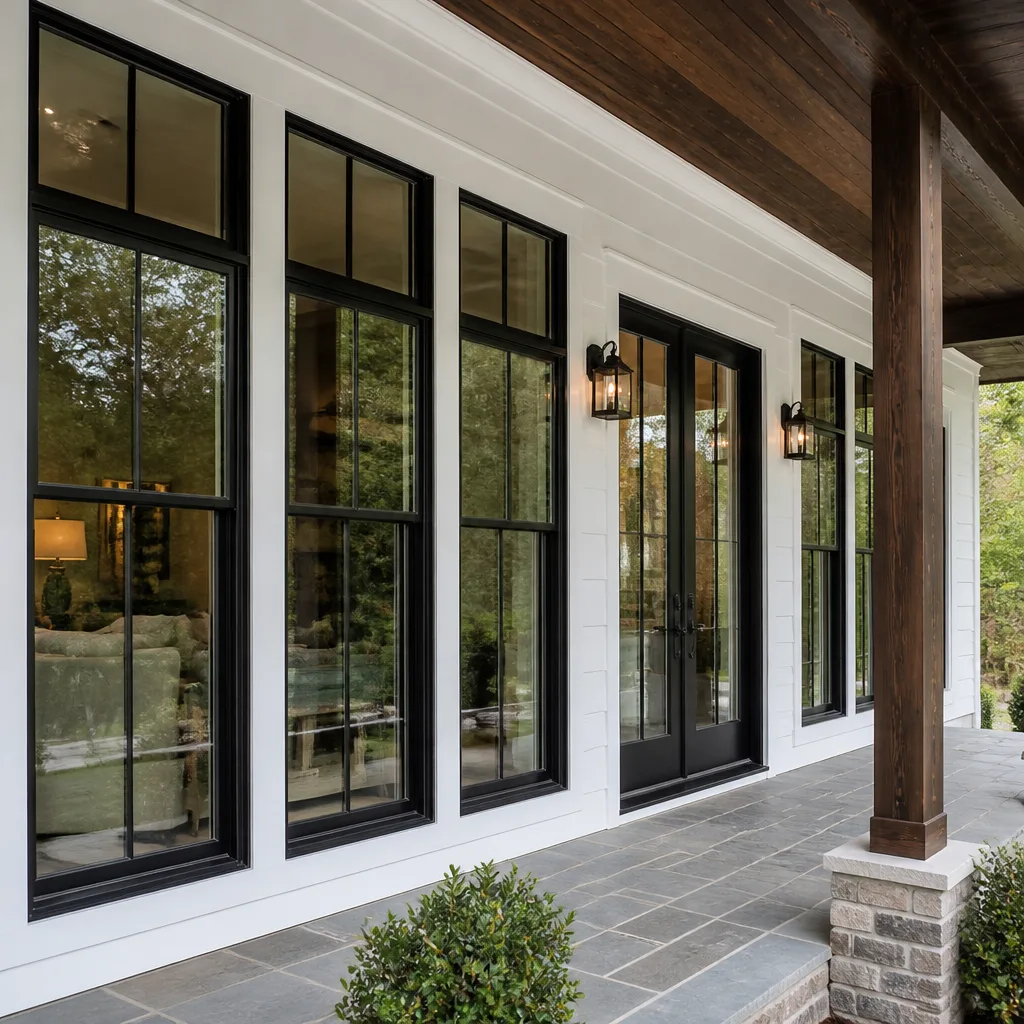 Windows & doors
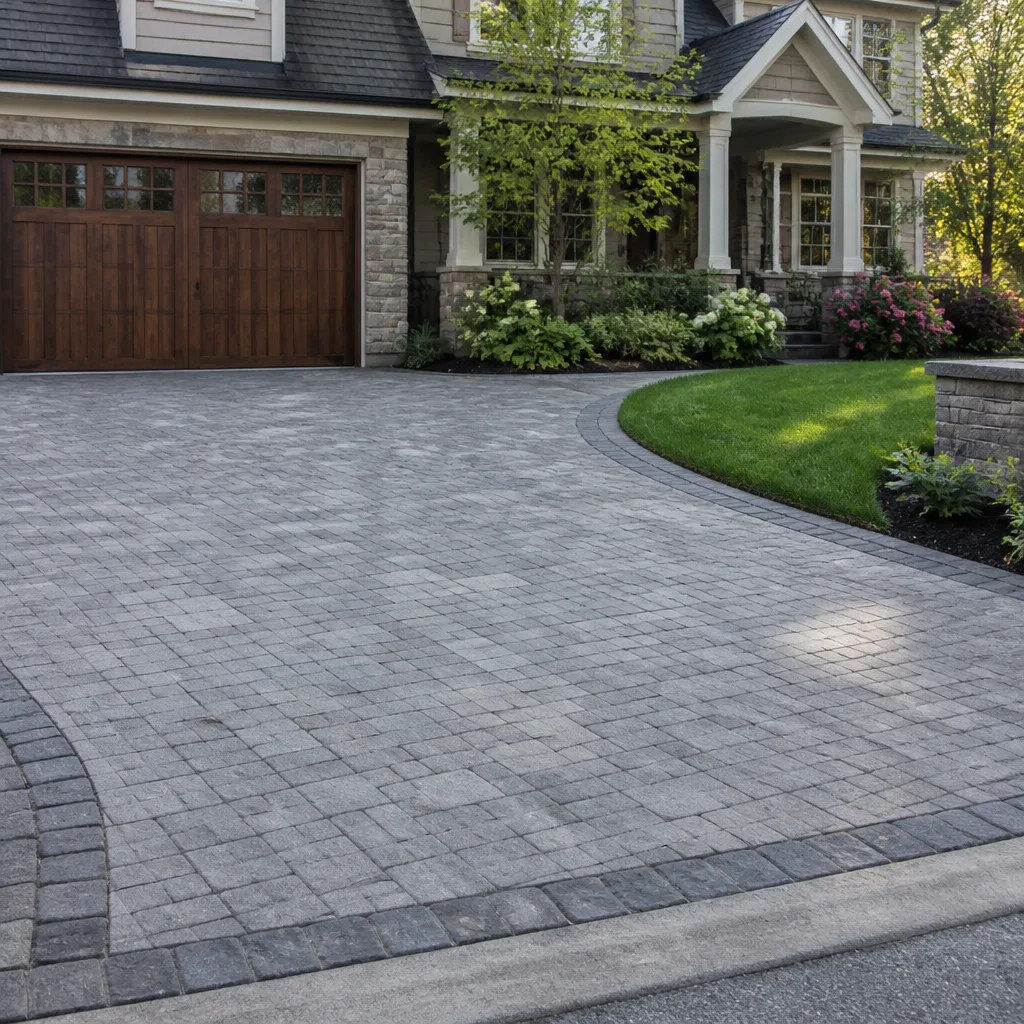 Driveway & pavers
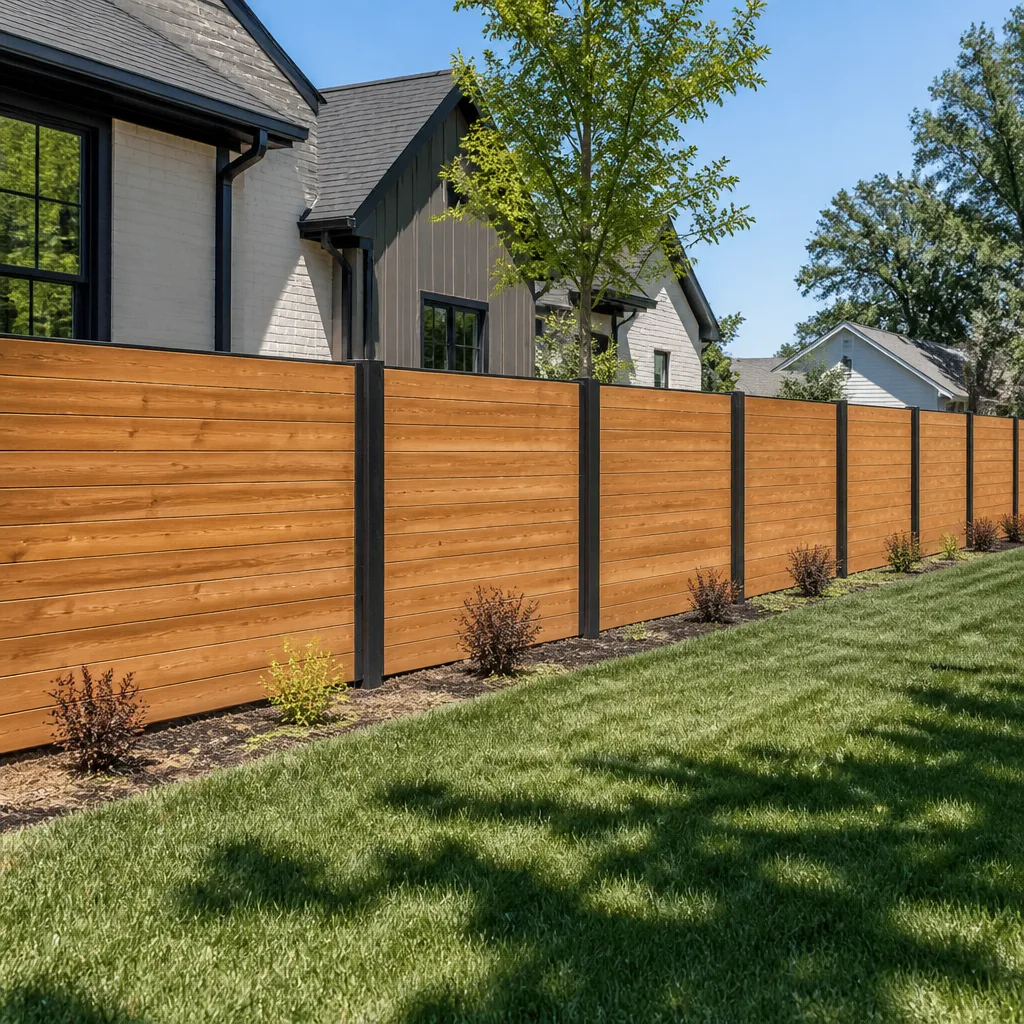 Fence
Free written scope consultation - allowances, timeline, and change-order rules on paper before a single trade is scheduled
Styles & brands we work with
- Kitchen remodeling
- Bathroom remodeling
- Home additions & ADU
- Roofing
- Windows & doors
- Driveway & pavers
- Fence
See the difference
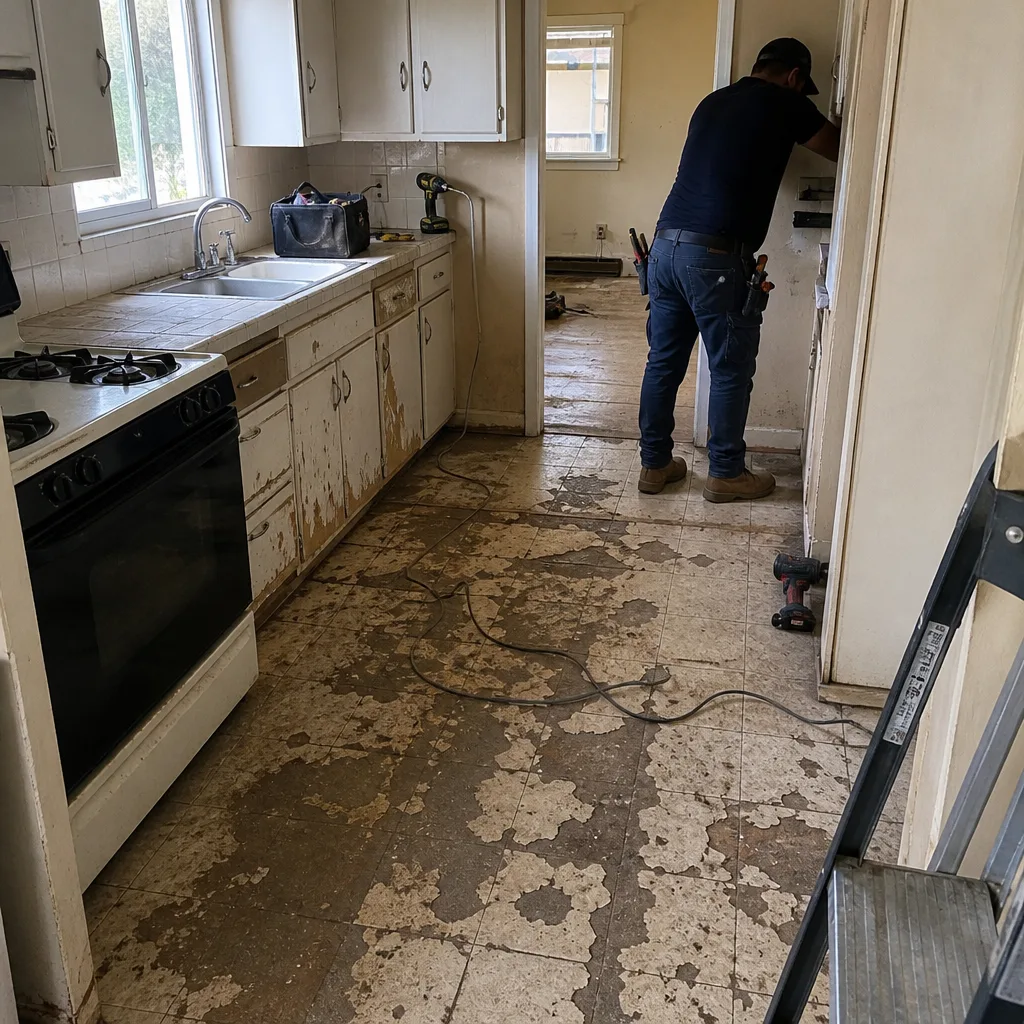 Before
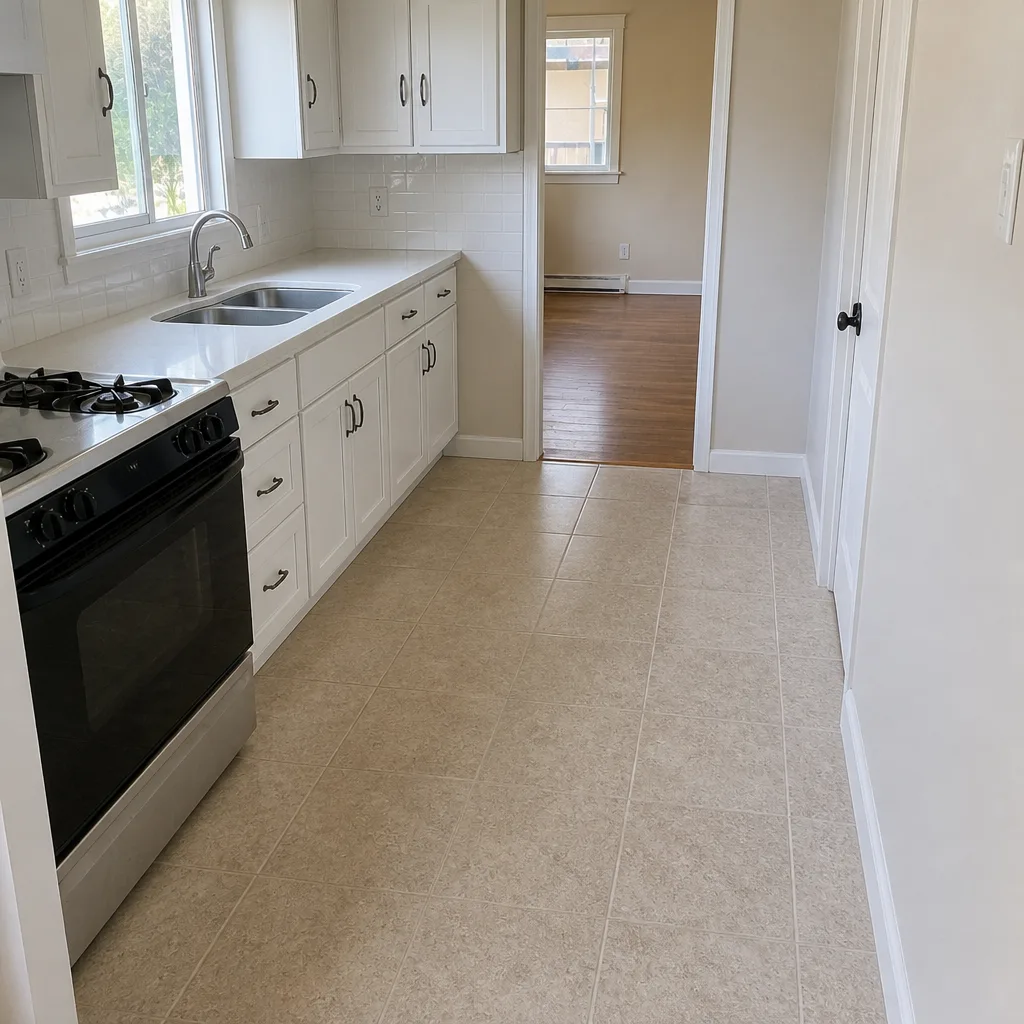 After
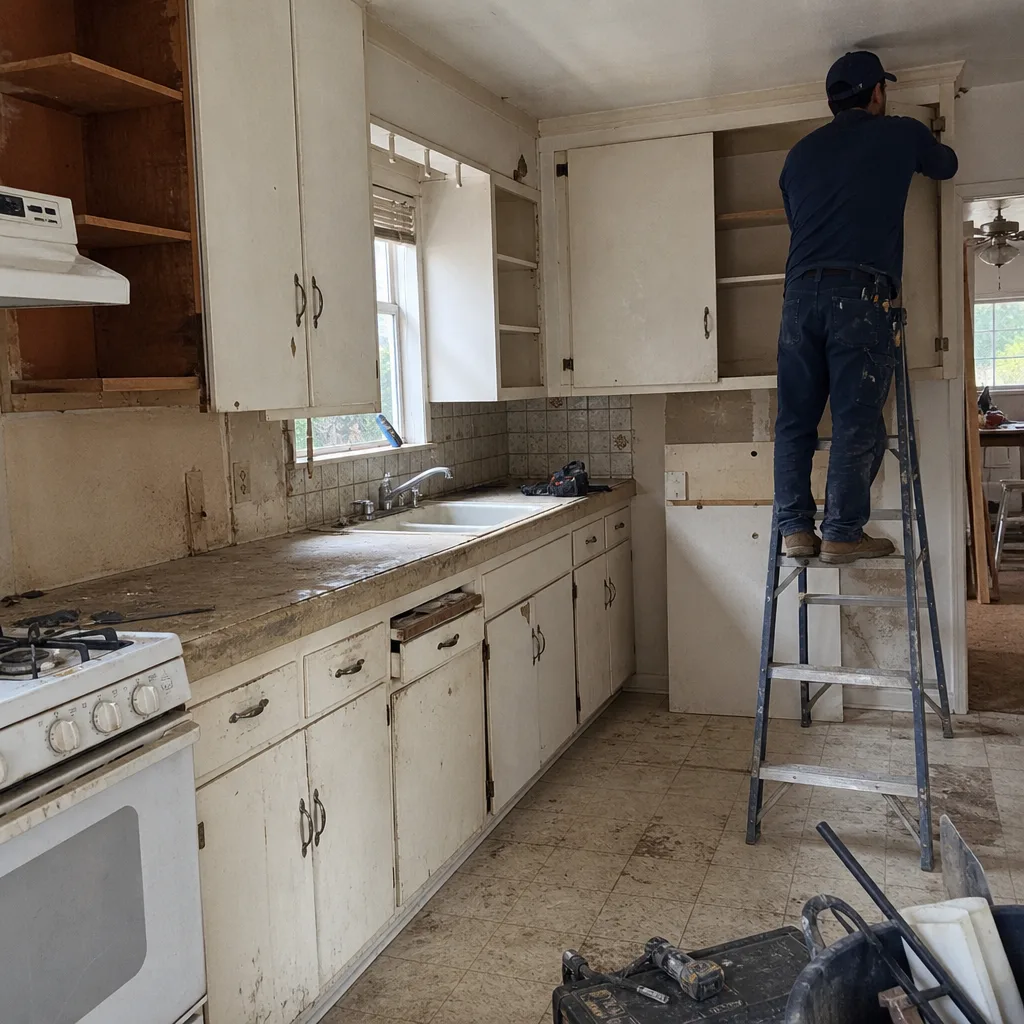 Before
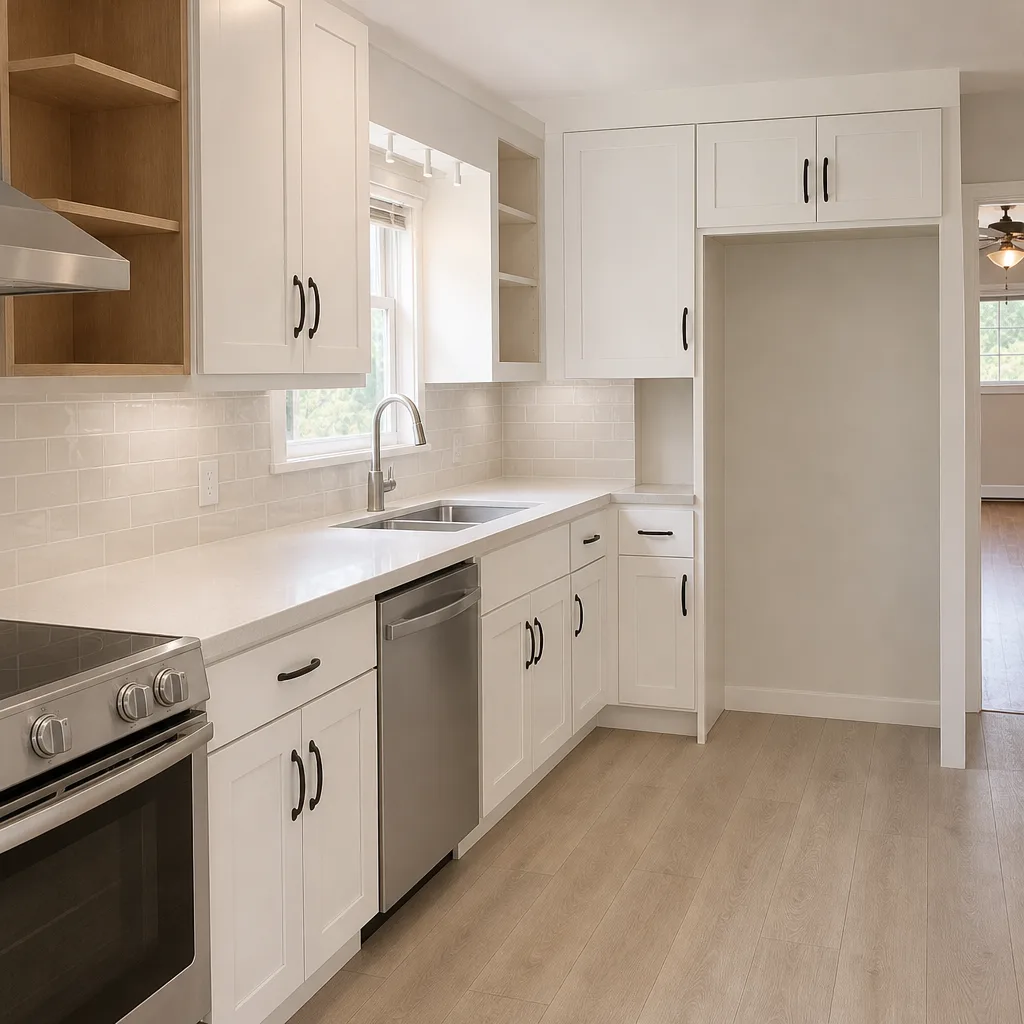 After
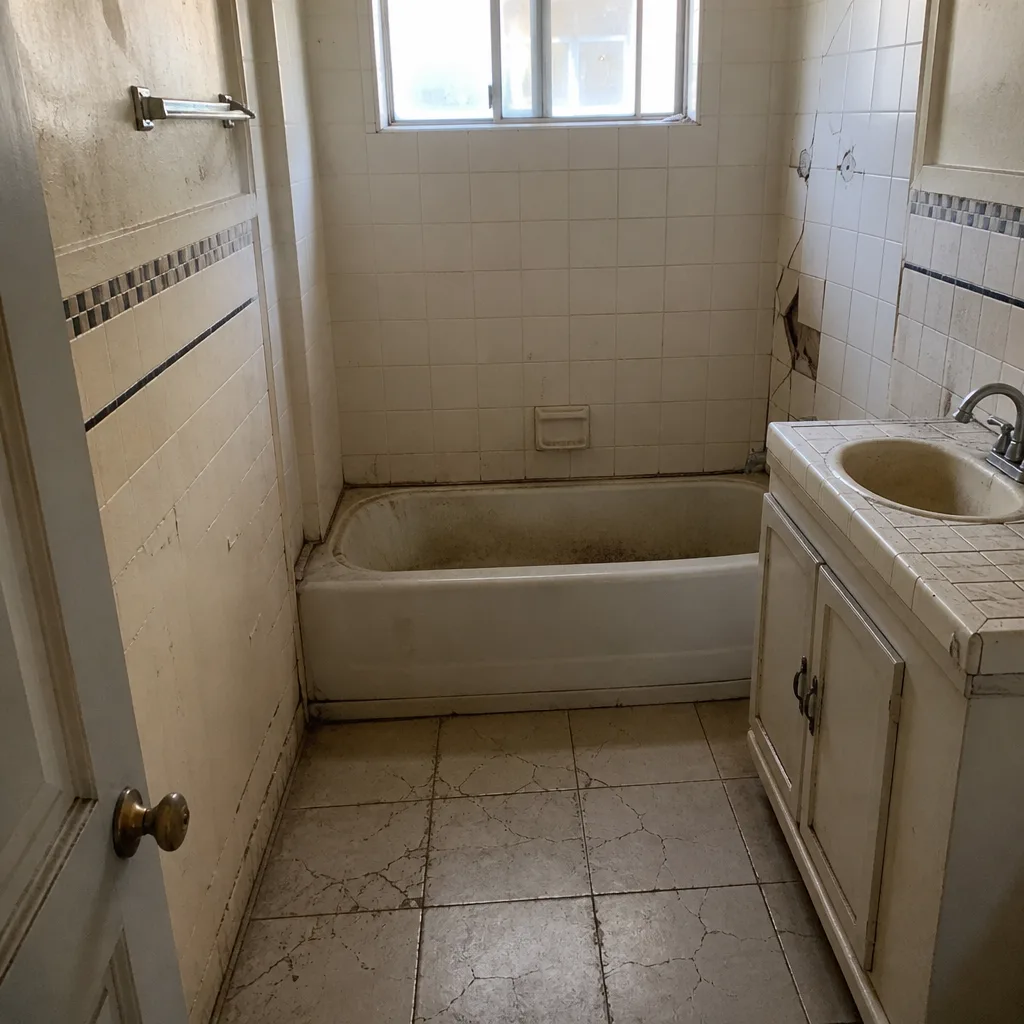 Before
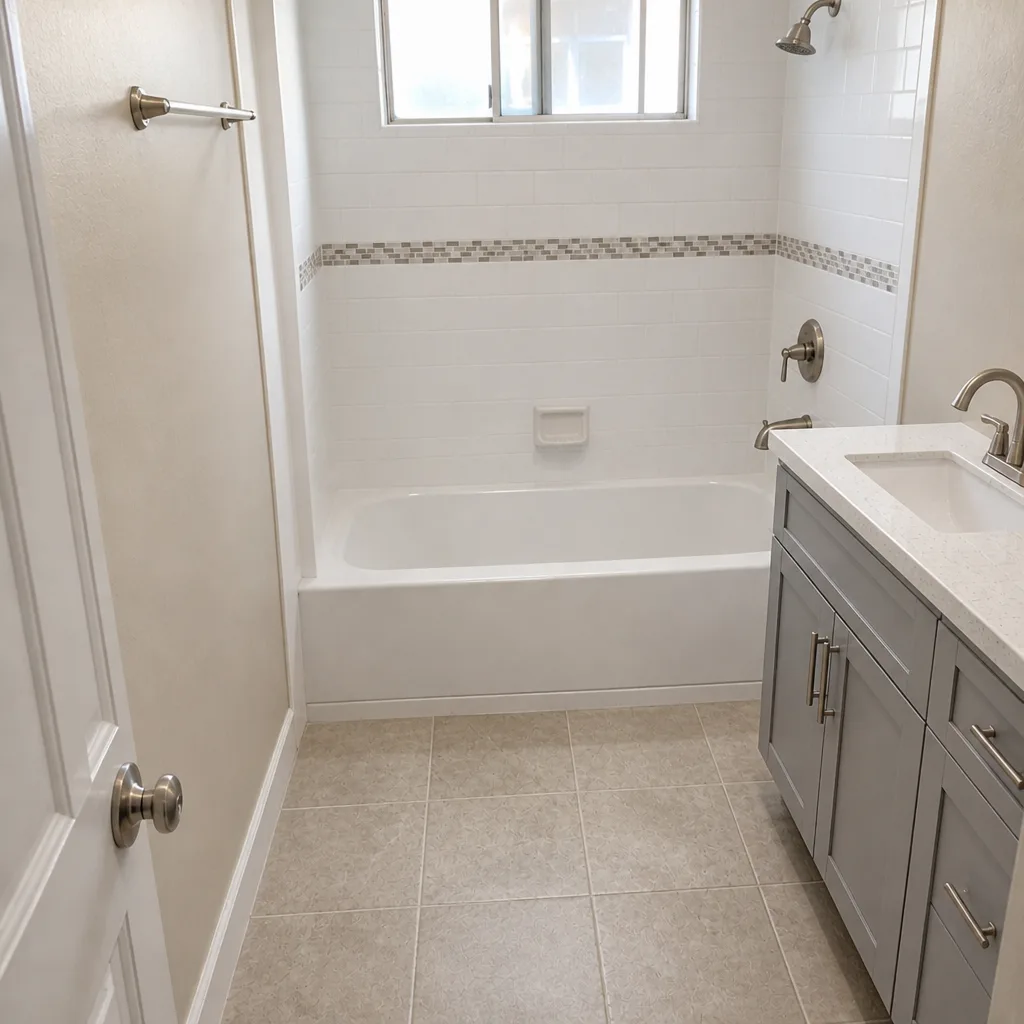 After
Home Addition vs ADU in Glendale: Which One Actually Fits Your Lot?
For most Glendale homeowners on a flat, clean-title parcel, an ADU is the faster, simpler path. Choose an ADU unless you need the new space attached to the main house and connected to its mechanical systems, in which case a home addition makes more sense. That’s the honest short answer for the flatland streets. The answer changes once your lot climbs into the Verdugo Mountains or the San Rafael Hills. If you’re weighing a Home Additions & ADU, the deciding factor in Glendale usually isn’t square footage or budget. It’s what’s already sitting on your property records. Call (844) 560-4526 and we’ll walk you through which path fits your parcel.
Why Glendale’s Hillside Lots Change the Answer
Here’s what the comparison articles leave out. On a hillside parcel with an undocumented patio cover, a non-engineered deck, or an unpermitted addition from the 1980s, Glendale’s building department will ask for engineering and as-built drawings before they’ll open either an addition file or an ADU file. The “ADU is easier” rule doesn’t survive contact with that requirement.
We see this constantly on the streets off Glenoaks and up in Chevy Chase Canyon. A homeowner hears that state law limits how much discretion the city has over ADUs, which is true, and expects a lighter review. Then the plan checker flags the old deck tie-backs that were never engineered to begin with. Now both projects start with the same structural verification step, and the timeline difference that made the ADU attractive narrows to almost nothing.
The order of work looks like this on a flagged parcel:
- Title and permit-history pull to see what the city already has on file
- Site visit to measure and document any unpermitted structures
- Engineering as-builts for anything structural the city doesn’t recognize
- Permit file opened, then the actual addition or ADU design review
- Chapter 7A fire-zone detailing folded into the plans before submittal
Skip step three and you’ll get a correction letter instead of a permit. That’s the part we’d rather tell you before you sign a design contract than after.
A Side-by-Side Comparison for Glendale Parcels
The two paths differ in ways that matter in Glendale’s specific housing stock, where 1920s-40s Spanish Colonial and Craftsman bungalows sit a few blocks from 1960s stucco tract homes. Here’s how they line up:
| Factor | Home Addition | ADU |
|---|---|---|
| Typical cost range in Glendale | $45,000-$130,000 | $90,000-$220,000 (new construction); $30,000-$80,000 (garage conversion) |
| Attached to primary structure | Yes, shares conditioned space and mechanicals | No, metered and evaluated separately |
| Title 24 energy compliance | Can trigger a whole-house upgrade | Evaluated on its own |
| Property tax treatment | Adds to primary residence assessment | Detached ADU assessed separately under Prop 13 rules |
| Chapter 7A fire hardening | Required in Very High Fire Hazard Severity Zones | Required in Very High Fire Hazard Severity Zones |
| Prior unpermitted work on parcel | Engineering as-builts required | Engineering as-builts required |
| City discretion over approval | Standard review | Limited by state law on eligible parcels |
Notice the two rows where they’re identical: fire hardening and the as-built requirement. Those are the two most people assume apply only to additions or only to ADUs. They apply to both.
The Title 24 Difference That Catches Older Glendale Homes
A home addition raises the conditioned square footage of the primary structure. In Glendale’s older Craftsman and Spanish Colonial stock, that can push the whole house into a Title 24 energy compliance upgrade. We’ve seen a modest addition trigger window replacement to dual-pane and upgraded insulation because the existing building was already close to the threshold. Brands like Mr-Glass and Therma-Tru come into play here, and impact-rated windows do double duty on fire-zone properties.
An ADU sidesteps that. It’s metered and evaluated on its own, so the primary house keeps its current energy status. On a 1930s bungalow near Adams Hill, that single distinction can swing the budget by tens of thousands before a single nail is driven. We price it as a line item on the estimate so you can see it, not bury it in a lump sum.
Fire-Zone Costs Apply Either Way
Much of Glendale sits in Very High Fire Hazard Severity Zones across the Verdugos and the San Rafael Hills. Under Chapter 7A, ignition-resistant siding, ember-resistant vents, Class A roofing, and tempered glazing apply to additions and ADUs alike. That wildland-urban interface reality makes fire-hardening a routine construction line item here rather than a specialty add-on. If someone quotes you an ADU as “cheaper because it’s simpler,” ask them where the Chapter 7A costs are on that bid. If they’re not there, they’ll show up later as a change order you didn’t plan for.
The Tax and Value Picture
An addition increases your primary residence’s assessed value. A detached ADU is assessed separately under Prop 13 rules. Which is better depends on whether you plan to rent the ADU, house a family member, or eventually sell. We’re not tax advisors, but we can lay out how each project type gets assessed so you can ask the right questions of your accountant before you commit. That conversation belongs before design, not after framing.
Where the Final Invoice Actually Diverges
Permit-triggered scope is where most bids fall apart. A contractor quotes a number, the city asks for as-builts or a fire-zone upgrade, and the original quote quietly grows legs. Every scope, allowance, and price change from Barrett & Sons Construction Glendale arrives as a written change order before work happens. Ask any other contractor how they handle permit-triggered scope additions. The answer tells you whether their number is real. Additions and ADUs also tie into the rest of what we build, from kitchen remodeling and bathroom remodeling to roofing and windows and doors, so the new space matches the house rather than fighting it.
Our technicians have up to 28 years of experience, every eligible job gets permits pulled and inspections signed, and every completed job carries the written 90-Day Done Right Promise. If something needs fixing, one call brings us back.
Key Takeaways
- On flat, clean-title Glendale parcels, an ADU usually moves faster than a full addition.
- On hillside parcels with prior unpermitted work, both paths hit the same engineering as-built requirement, leveling the timeline.
- An addition can trigger a whole-house Title 24 upgrade; an ADU is evaluated separately.
- Chapter 7A fire hardening applies to both project types in Glendale’s Very High Fire Hazard Severity Zones.
- Written change orders on every scope and allowance keep the final invoice tied to the original quote.
FAQs
Not necessarily. A detached ADU in Glendale typically runs $90,000-$220,000, while a home addition runs $45,000-$130,000, so a garage conversion at $30,000-$80,000 is often the lowest-cost path to separate living space. Cost depends on square footage, fire-zone detailing, and whether the parcel needs engineering as-builts. Call (844) 560-4526 for an exact quote – estimates are free.
You can, but expect the city to require engineering and as-built verification for the unpermitted work before they’ll open the ADU permit file. That’s true on hillside streets off Glenoaks and in Chevy Chase Canyon more than anywhere else in Glendale. Budget for the as-built step either way. Call (844) 560-4526 and we’ll help you figure out what’s on your property records first.
An addition adds to your primary residence’s assessed value, while a detached ADU is assessed separately under Prop 13 rules, so the tax impact differs. Which lands better depends on your plans for the space and your long-term hold. We can walk you through how each project type gets assessed. Call (844) 560-4526 to talk it through before you commit to a design.
They apply to both. In Glendale’s Very High Fire Hazard Severity Zones, Chapter 7A requires ignition-resistant siding, ember-resistant vents, Class A roofing, and tempered glazing on additions and ADUs alike. Treat fire-hardening as a standard line item, not an ADU-specific surprise. Call (844) 560-4526 for a written estimate that shows it.
If you’d rather have it looked at, Barrett & Sons Construction Glendale offers a no-pressure assessment in Glendale – call (844) 560-4526. We’ll pull your permit history, look at the lot, and tell you which path fits before you spend a dime on design.
Written by the team at Barrett & Sons Construction Glendale, serving Glendale, CA.