
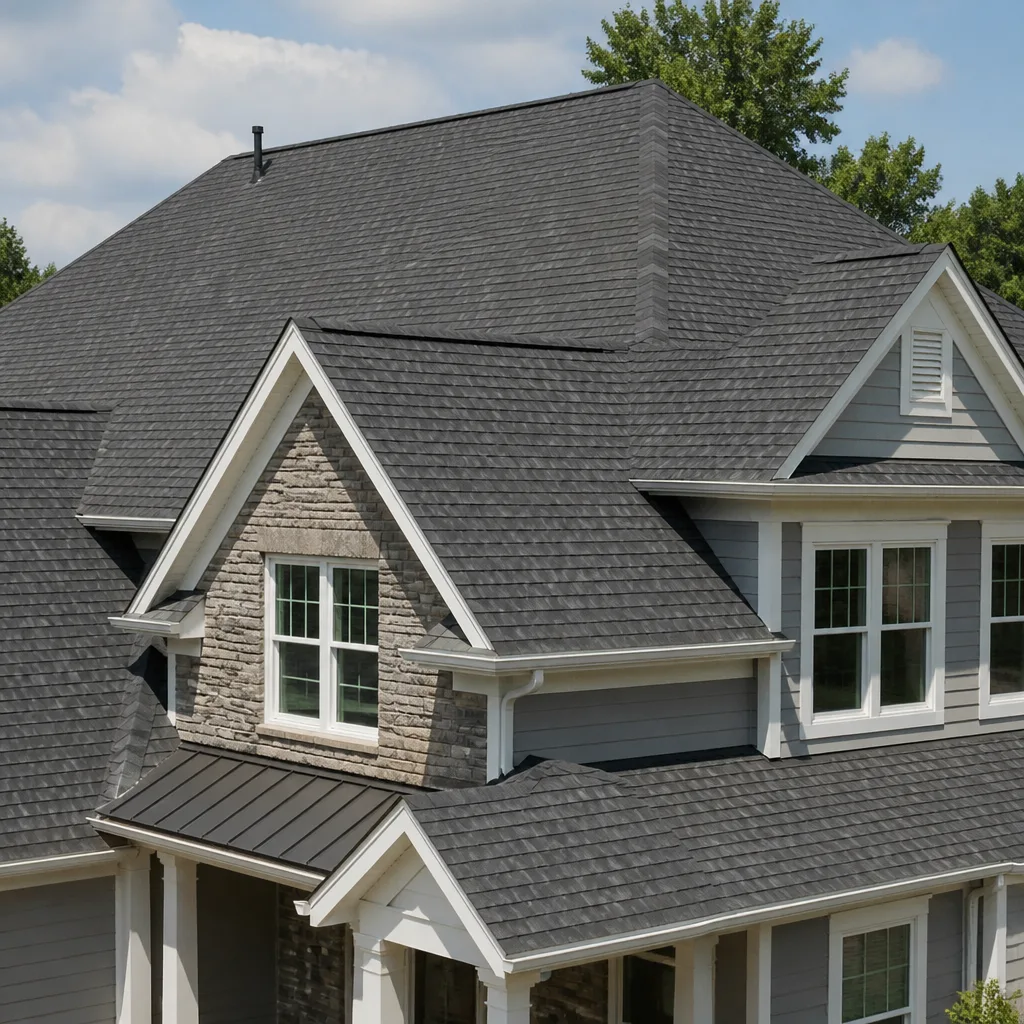
 Roofing
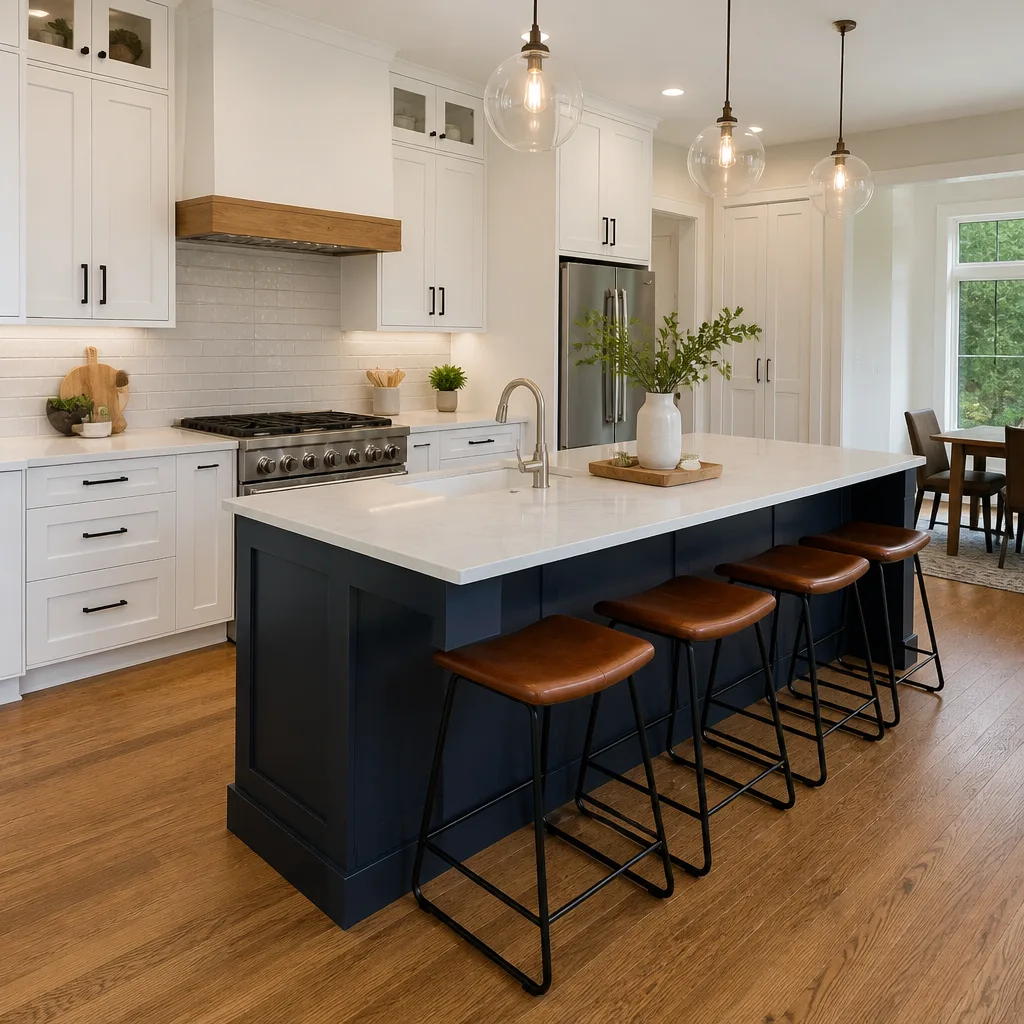 Kitchen remodeling
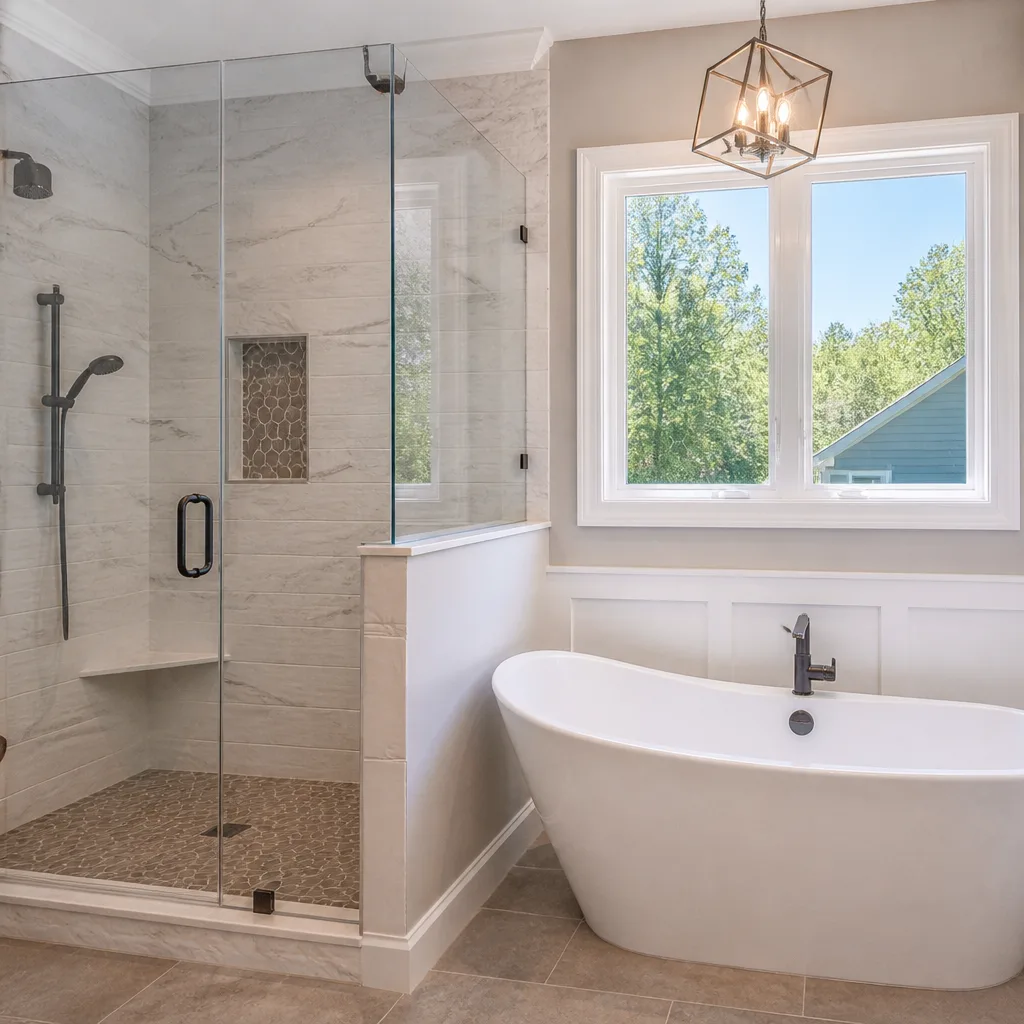 Bathroom remodeling
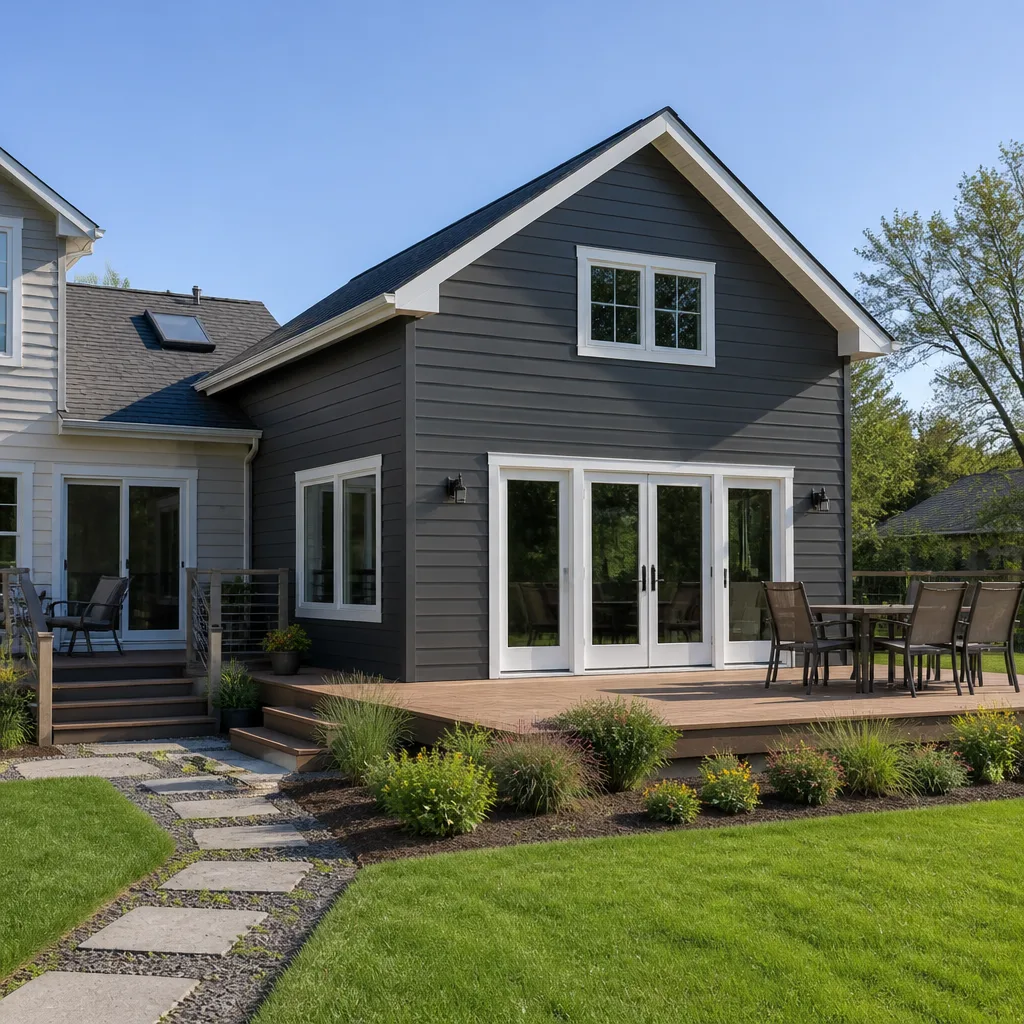 Home additions & ADU
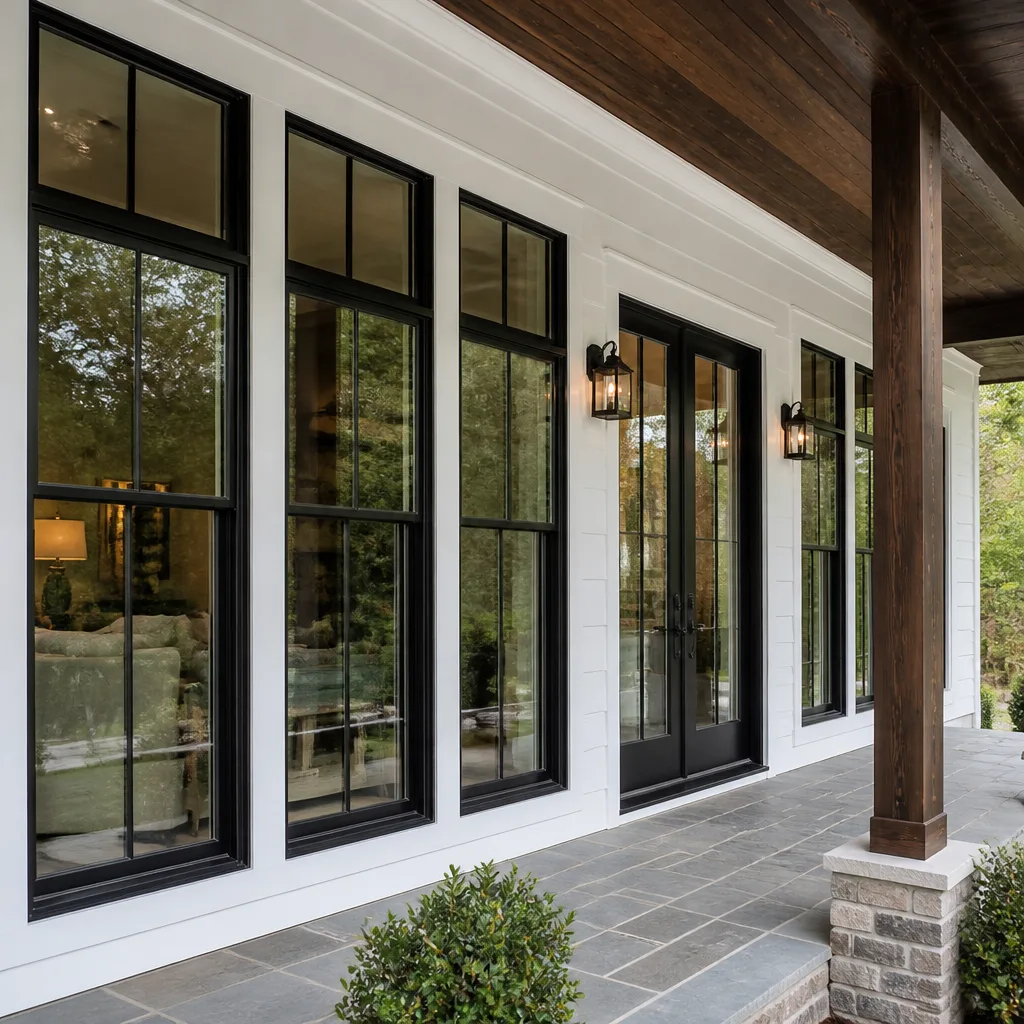 Windows & doors
 Driveway & pavers
 Fence
Free written scope consultation - allowances, timeline, and change-order rules on paper before a single trade is scheduled
Therma-Tru Roofing: The Glendale Owner’s Guide
If you’re searching for Therma-Tru roofing in Glendale, here’s the honest answer: Therma-Tru is a door and entry-system manufacturer, not a roofing line, so most failures people call us about are actually threshold pans, door surrounds, and flashing details where a Therma-Tru door meets the roof overhang or porch roof. Weatherproofing repairs on those transitions typically run $400 to $1,800 in Glendale, and a full roof replacement runs $8,000 to $20,000 depending on pitch and material. We’re an independent contractor and not affiliated with Therma-Tru. A quick note before the roofing part: we also install KraftMaid, Cambria, and Silestone cabinets and counters if your project turns into something bigger.
Most owners find the problem the same way. During a January storm, water starts weeping above the door frame, or a drip lands on the threshold. You look up, see a stained ceiling patch inside, then notice the metal flashing above the door is lifted or the caulk seam is cracked open. By then the wood behind it has been wet for a while. Glendale’s dry summers and wet winters are hard on flashing seams. Everything looks fine for eight months, then the first real rain finds the gap. That’s the moment the phone rings.
Which Therma-Tru Models This Applies To
Therma-Tru entry systems are the doors in question, so the roofing part applies wherever a Therma-Tru door sits under a porch roof, covered entry, or second-story overhang. That means the Fiber-Classic, Smooth-Star, and Classic-Craft lines, plus the sidelite and transom configurations that put more frame surface against the wall. The part at issue isn’t a door component at all. It’s the flashing, pans, and surround work that keeps water out of the wall where the door meets the eave.
The doors themselves aren’t the failure point. The roofing detail above them is. And identifying the door is easy: the Therma-Tru label is on the hinge jamb or the top of the door slab, and it lists the series and the size. Write down that code before you call anyone. On the flashing side, the specs that matter are the top-of-door height, the wall cladding type, and whether you have a head flashing or a full sill pan. OEM flashing kits cost more than aftermarket equivalents but match the door’s intended weather gasket exactly. For most Glendale owners, cutting in a proper aftermarket head flashing with a continuous sealed sill pan costs less and performs the same. The door is Therma-Tru. The flashing is a roof detail. That’s the line we walk on every one of these calls.
Styles & brands we work with
- Kitchen remodeling
- Bathroom remodeling
- Home additions & ADU
- Roofing
- Windows & doors
- Driveway & pavers
- Fence
Signs Your Therma-Tru Roofing Is Failing
- Water staining on the ceiling or wall above the door. That’s the head flashing failing to shed water past the door frame, and the wet spot shows up inside because the water has been tracking behind the wall for weeks.
- Lifted, curled, or separated flashing above the entry. Wind and thermal movement pop the metal loose over time. Once the seam opens, the next rain goes straight behind the siding.
- Cracked or missing caulk at the door-to-wall joint. A failed caulk line is the most common cause of water intrusion on porch roofs. It looks cosmetic until it isn’t.
- Sagged or soft sheathing near the threshold. This means the sill pan and surrounding decking have been wet for a while. By the time you feel softness, the wood underneath has started to go.
- Daylight around the door frame or roof edge. Gaps mean the surround and flashing have pulled away. That’s a seam you can see, which is one you should fix before winter.
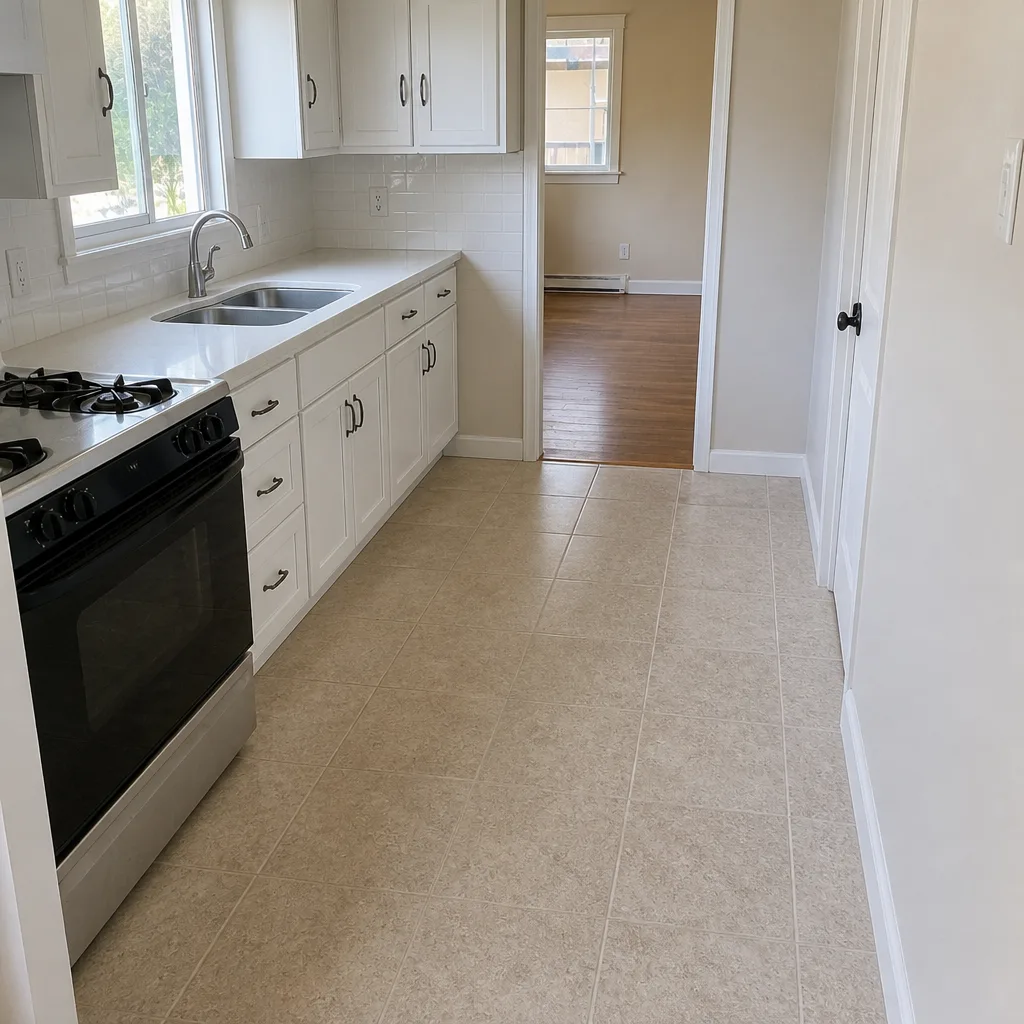
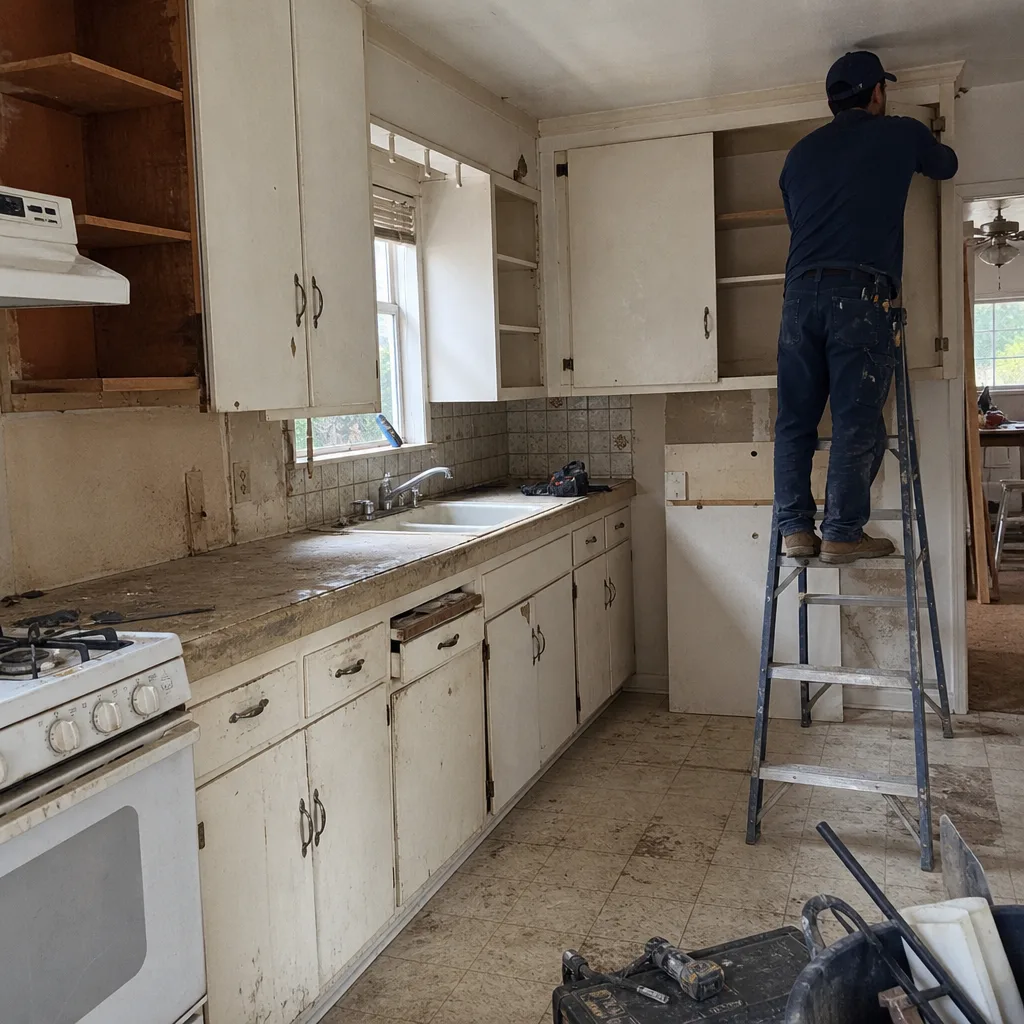
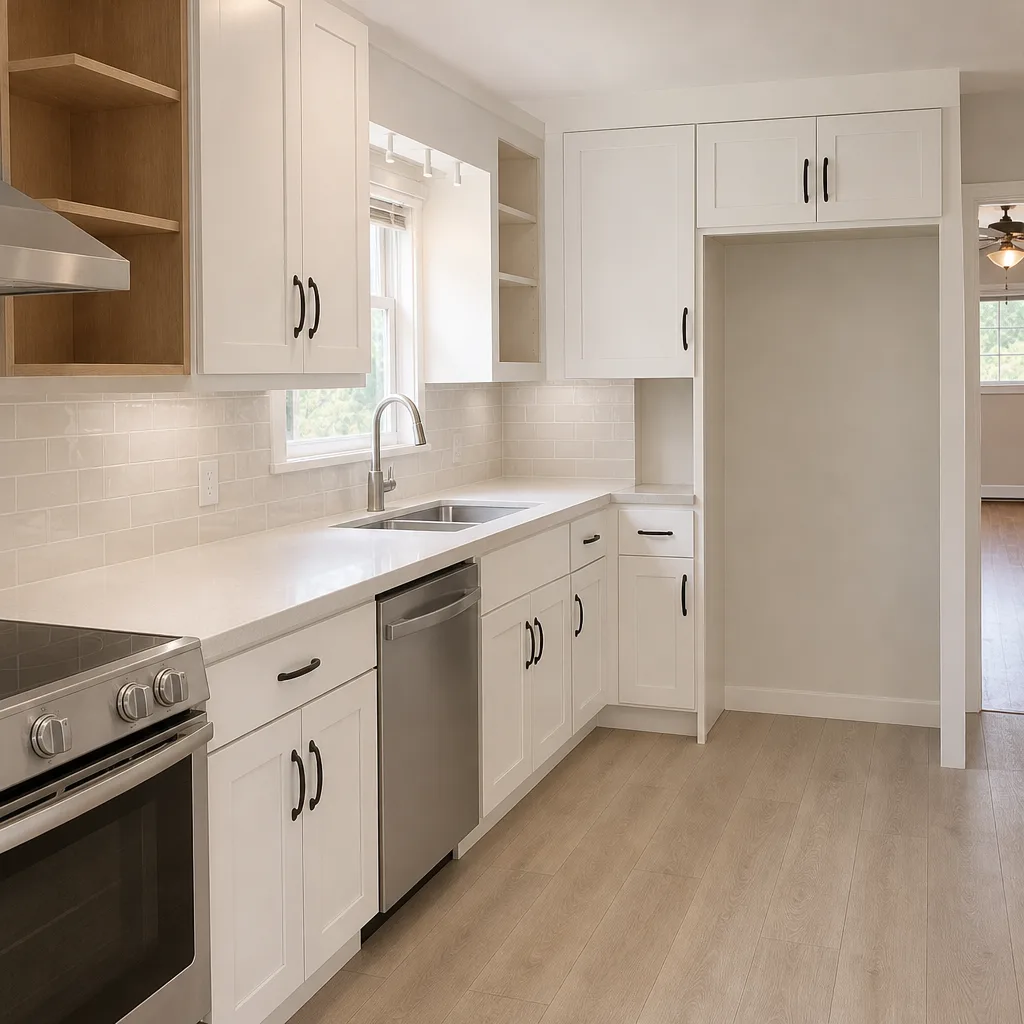
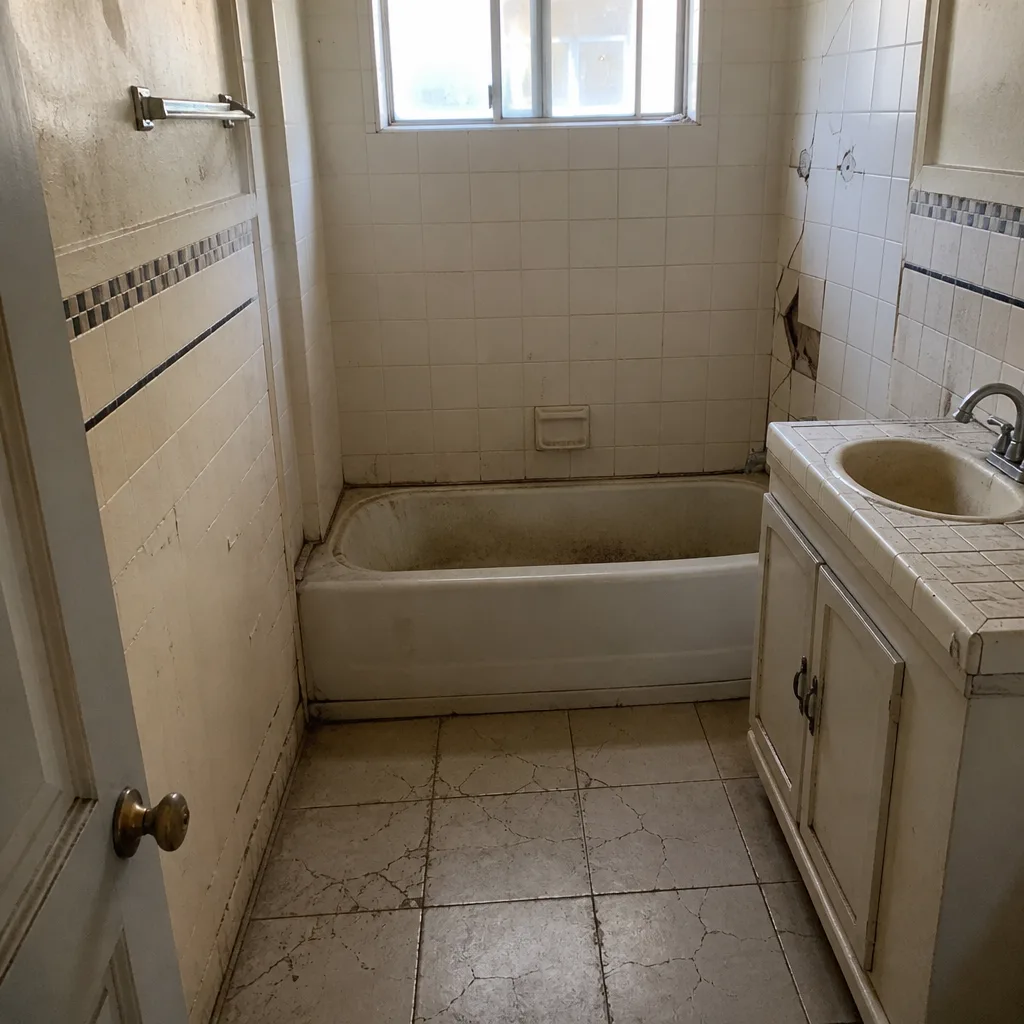
See the difference
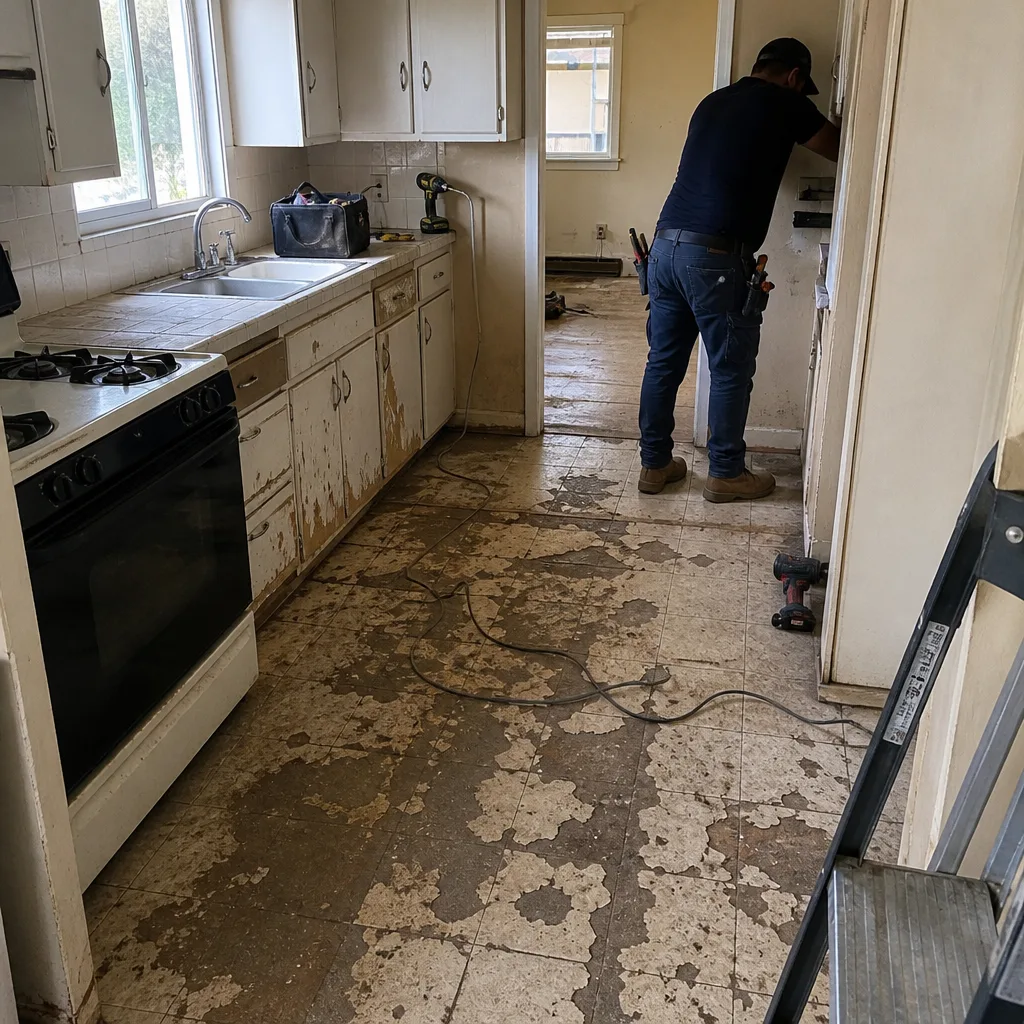 Before
 After
 Before
 After
 Before
 After
Replacement Cost & What’s Included
For a Glendale repair on the flashing and surround above a Therma-Tru door, plan on $400 to $1,800. Most jobs land near the middle. The low end covers removing and resetting head flashing with fresh sealant. The high end covers replacing rotted sheathing, installing a continuous sill pan, and re-flashing a full section of roof. If the roofing itself is failing above the door, a general roof repair runs in the same range, and a full roof replacement runs $8,000 to $20,000 on a typical Glendale home.
What drives the range is the amount of hidden damage once we pull the flashing back, the pitch and accessibility of the roof, and whether the sheathing has to come out. Every job we quote comes with scope in writing, and if the wood turns out worse than the bid, you get a written change order before we touch another board. No surprise invoice at the end.
Tear-off and removal: included. New flashing and sill pan: included. Sealant and weather gasket: included. Workmanship coverage: backed by our 90-Day Done Right Promise. Permits: pulled when the job requires them, with inspection signed off.
DIY or Call Us?
This part is not in the same danger class as garage-door springs or gas lines. Reaching a porch roof with a ladder and checking a caulk seam is a reasonable weekend project for someone who’s comfortable up there. What you can safely do yourself: look for cracked caulk, wipe a seam dry and press a fresh bead, clear leaves from the head flashing, and check for loose fasteners by hand.
Where it goes wrong is behind the flashing. Roof pitch means a fall risk on a wet or mossy surface. Under the metal, the sheathing may be rotted through, and a self-tapping screw into soft wood holds nothing. If you’re seeing daylight around the frame or staining inside, the actual problem is behind the flashing and you need a trained eye on it. The permit inspector works for you, not for us, and on the jobs that require a permit we want that inspection signed off. If the flashing is loose or the wood is soft, call us at (844) 560-4526 and we’ll take a look.
FAQs
How long does the flashing above a Therma-Tru door last in Glendale? A properly installed head flashing and sill pan should last 15 to 25 years in Glendale’s climate. The weak link is the sealant, which typically needs refreshing every 5 to 7 years because the dry summers and wet winters work it in both directions.
Can it be repaired instead of replaced? Yes, in most cases. If the sheathing underneath is sound, we can reset the flashing and re-seal the surround without replacing the door or the roof section. That’s why we look under it first. Call (844) 560-4526 for an exact quote and we’ll tell you honestly which one you need.
How long does the swap take? A flashing reset and seal on a single door takes half a day to a full day. If we’re pulling sheathing and reinstalling a sill pan, plan on one to two days. Weather matters, so we schedule around the forecast.
How do you figure out the right part for my door? We start with the Therma-Tru model code from your door’s hinge jamb or slab label. Then we match the flashing to the door’s size, wall type, and roof detail. For exact compatibility, call us at (844) 560-4526 and we’ll walk you through it.
Ready to get this fixed? Call Barrett & Sons Construction Glendale at (844) 560-4526 for a free estimate. We’re an owner-operated, licensed and insured contractor serving Glendale and nearby areas. Our technicians have up to 28 years of experience. Every eligible job gets permits pulled, inspections signed, and our 90-Day Done Right Promise in writing. We also offer $40 Off Any Repair Over $200, a free second opinion on any written estimate, no trip charge inside the county, and a permanent 10% Senior & Veteran discount.
Written by the team at Barrett & Sons Construction Glendale, serving Glendale and nearby areas.