

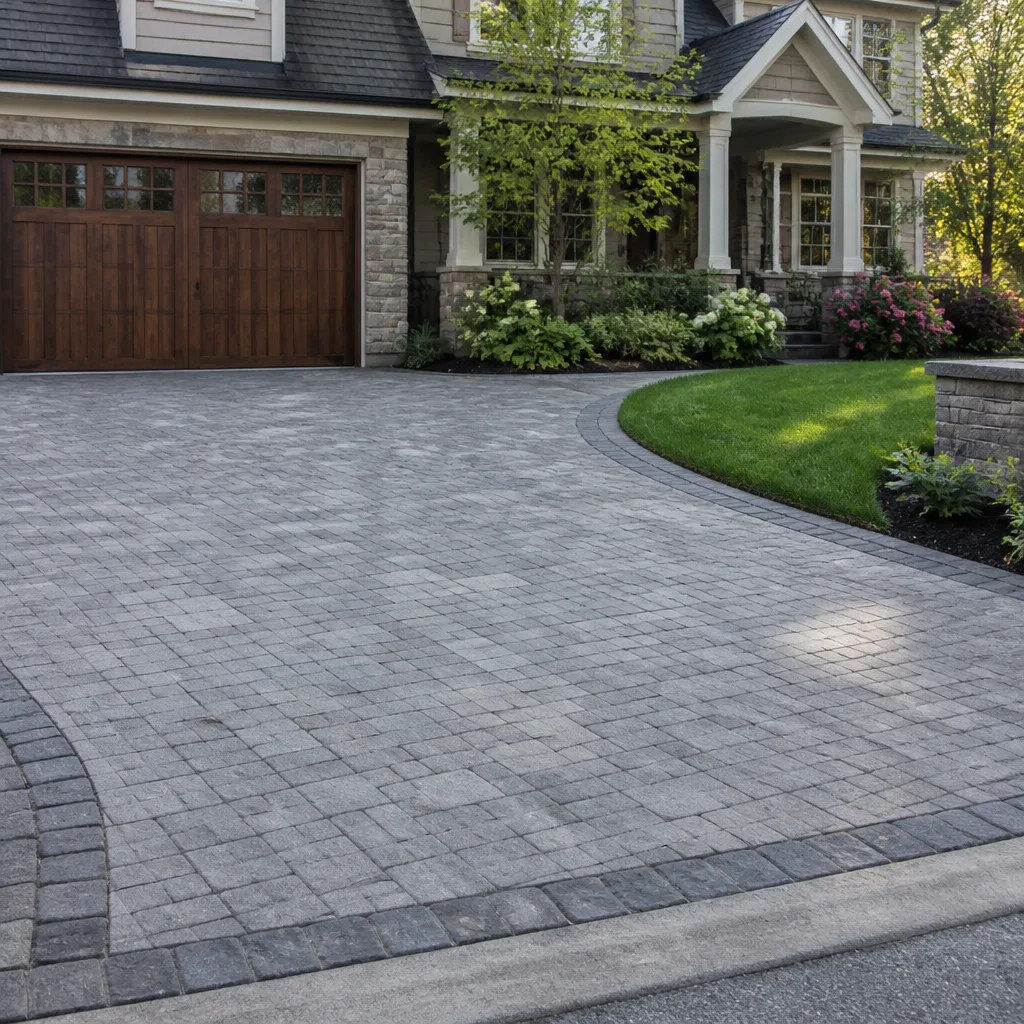
 Driveway & pavers
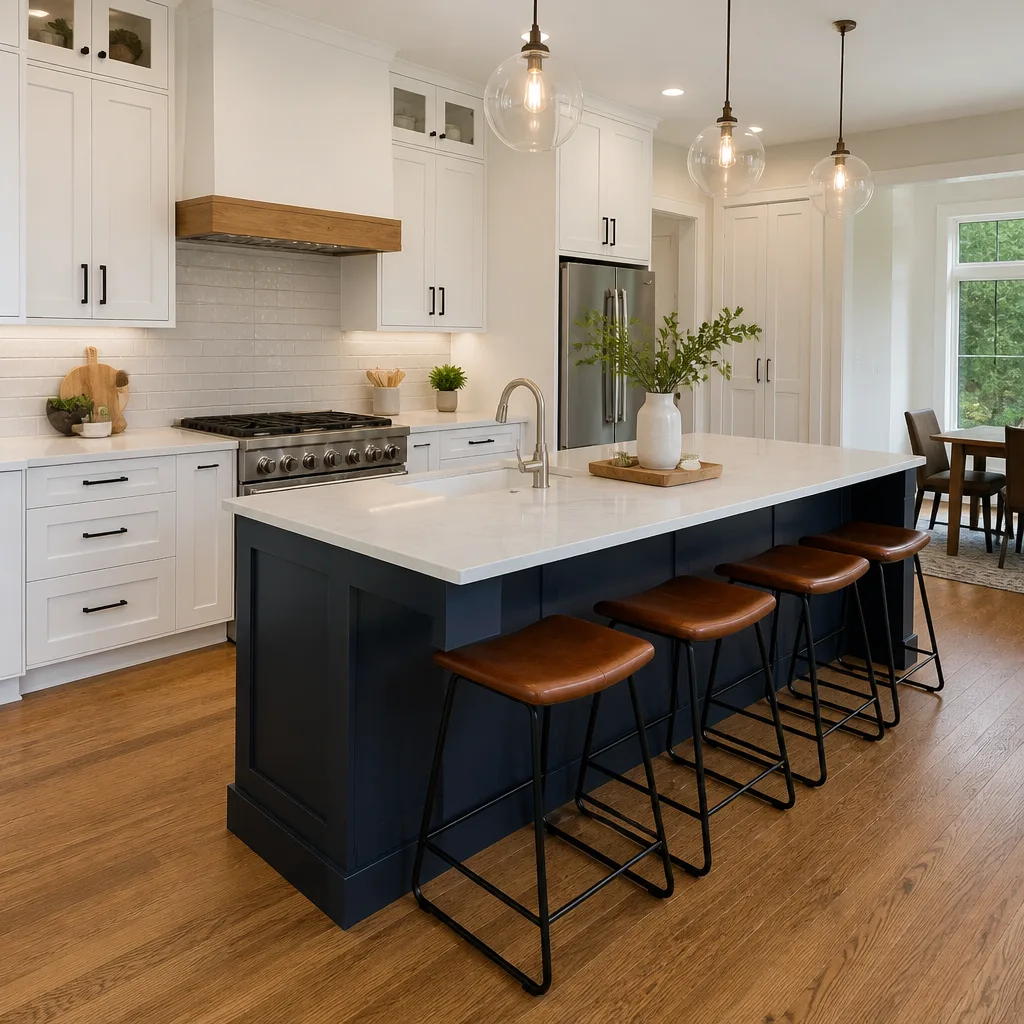 Kitchen remodeling
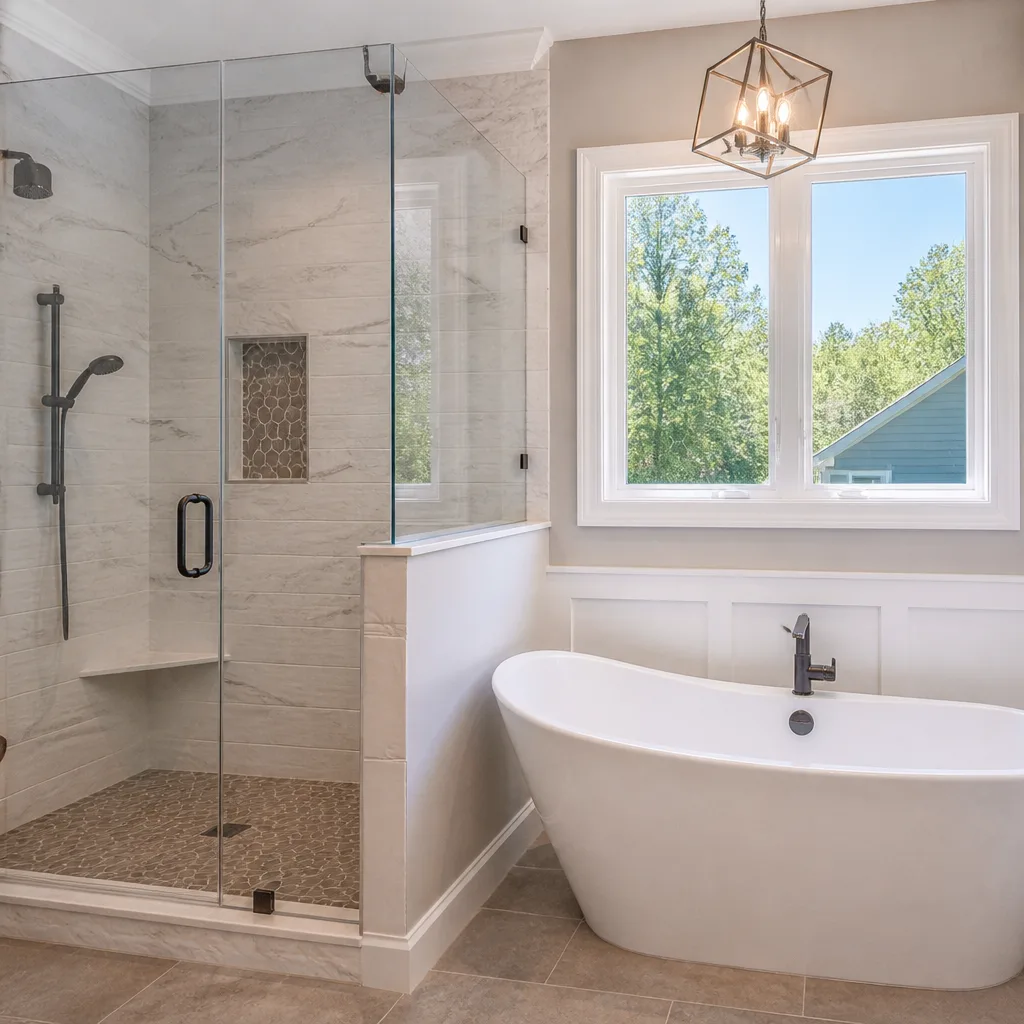 Bathroom remodeling
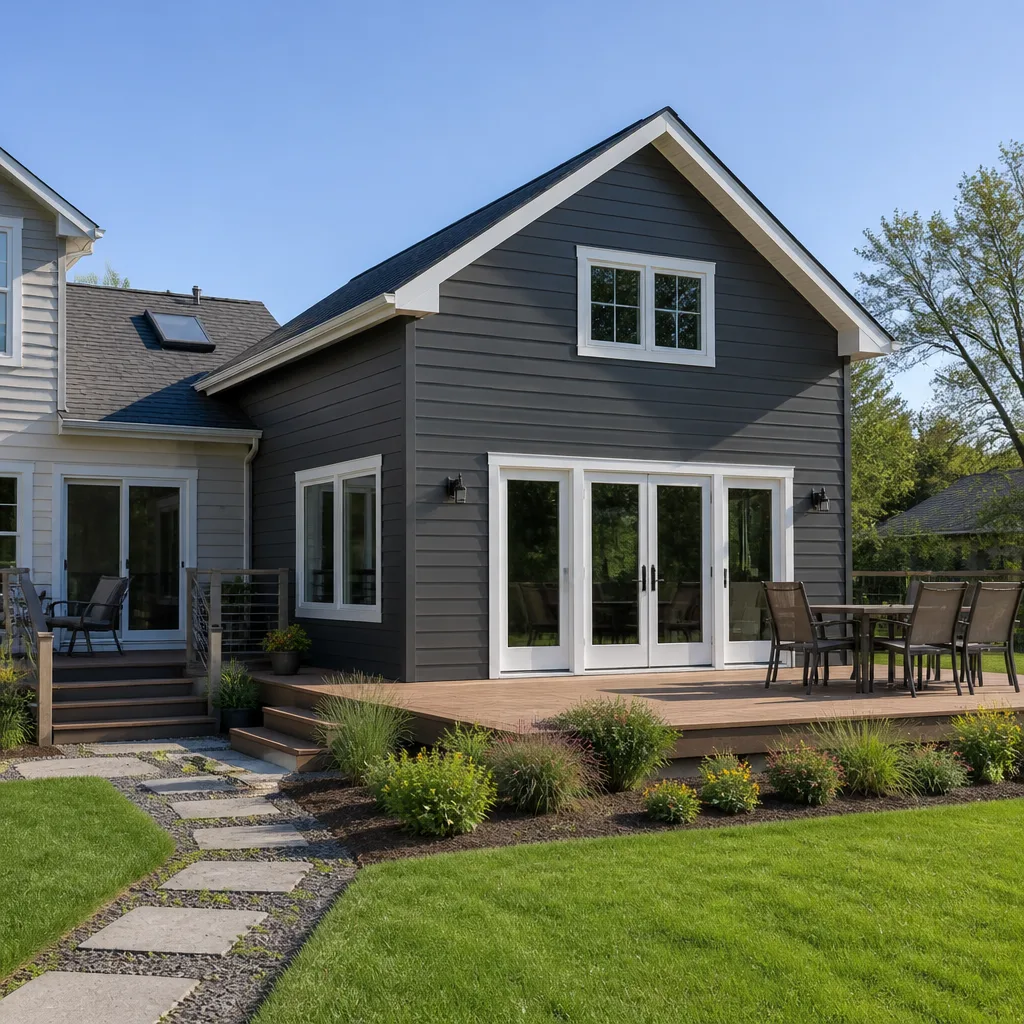 Home additions & ADU
 Roofing
 Windows & doors
 Fence
Free written scope consultation - allowances, timeline, and change-order rules on paper before a single trade is scheduled
Barrette Driveway & Pavers: The Glendale Owner’s Guide
We install and repair Barrette driveway and paver systems across Glendale, and installed projects here typically run $7,000 – $18,000 for a full paver driveway depending on square footage, base prep, and drainage corrections. Barrett & Sons is an independent service provider, not affiliated with Barrette, so we match the right Barrette-compatible product to your existing layout and put the scope in writing before we touch a single paver. Most Glendale owners find out something is wrong the same way: a low spot holds water after a winter rain, a paver edge lifts near the apron, or a joint starts pumping sand onto the sidewalk every time the car pulls in.
Which Barrette Models This Applies To
Barrette’s hardscape line runs through several paver families and profile systems, and the part that actually fails is usually the edge restraint, the polymeric joint sand, or a base course that was under-built. Matching the right replacement isn’t guesswork if you know what to look for. Check the original install paperwork first; if that’s gone, measure the paver face dimensions and note the finish and color family, because Barrette keeps finishes consistent within a series but shades shift slightly across production runs.
Three things to identify before ordering:
- Paver profile and thickness. Standard Barrette pavers sit in a set thickness band, and patching with a mismatched thickness means a lip that catches tires and holds water.
- Edge restraint type. Barrette systems commonly use a spiked edge restraint; if yours is nailed, glued, or missing entirely, that’s often the real failure point, not the pavers themselves.
- Joint sand spec. Polymeric sand rated for the joint width you have. Too narrow a joint with a coarse sand means it washes out in Glendale’s dry-season irrigation runoff and monsoon bursts.
On the OEM-versus-aftermarket call: Barrette’s own edge restraints and joint sand are worth matching when your field pavers are still sound, because a compatible restraint keeps the field locked. Where the pavers themselves are spalling or cracked beyond a few units, a quality aftermarket equivalent in the same thickness and finish family is a reasonable path and easier to source in smaller quantities. We’ll tell you which side of that line you’re on before you spend anything.
Styles & brands we work with
- Kitchen remodeling
- Bathroom remodeling
- Home additions & ADU
- Roofing
- Windows & doors
- Driveway & pavers
- Fence
Signs Your Barrette Driveway & Pavers Is Failing
Glendale’s clay-heavy soil, expansive in wet winters and shrinking hard in summer, punishes a weak base faster than most owners expect. Here’s what the failure looks like and what’s underneath it.
- Ponding after rain. Water sitting in one corner or a low seam for more than a day points to a settled base or a drainage slope that was never graded away from the garage. The paver is the messenger; the base is the problem.
- Loose or rocking units. A paver that flexes underfoot has lost its bedding sand or the restraint that held the field tight. Left alone, one loose paver becomes a run of them within a season.
- Sand washing out of the joints. Polymeric sand breaking down and pumping out is often UV and irrigation exposure, common on south-facing Glendale driveways that bake all summer.
- Edge heave at the apron or walk. The edge restraint has pulled free from the spike or the base it anchors into. This is the single most common call we get on Barrette systems.
- Efflorescence and surface spalling. A white haze that won’t rinse away can be trapped moisture working through the paver, and flaking faces suggest freeze-thaw or salt exposure that a sealed system would have shrugged off.
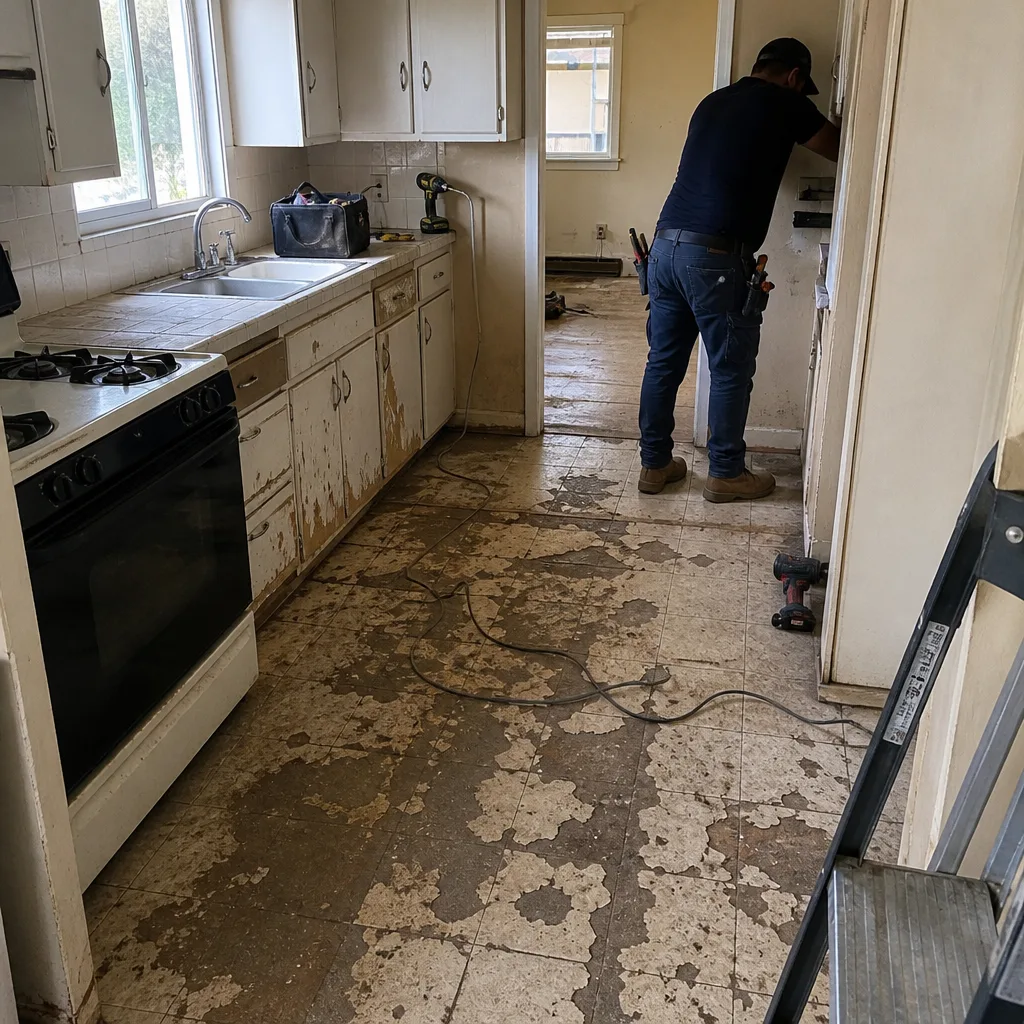
See the difference
 Before
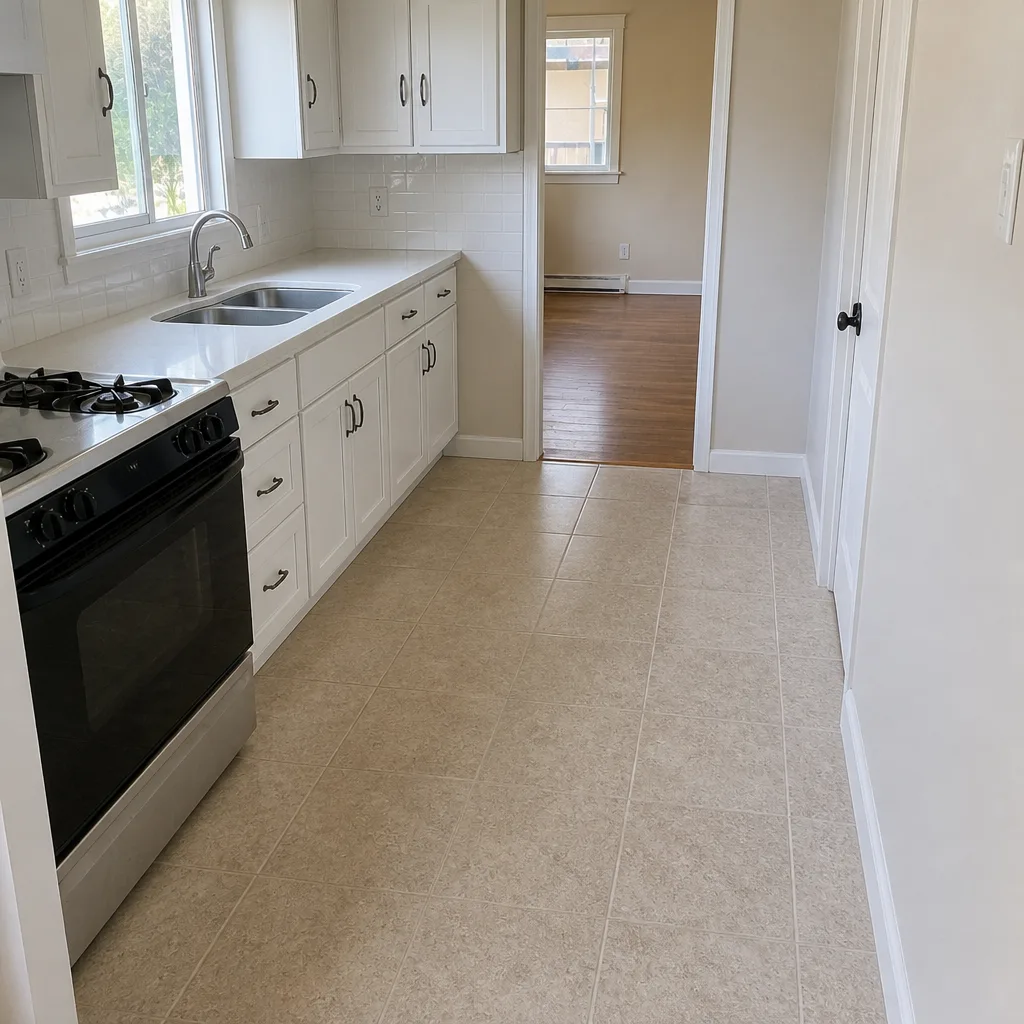 After
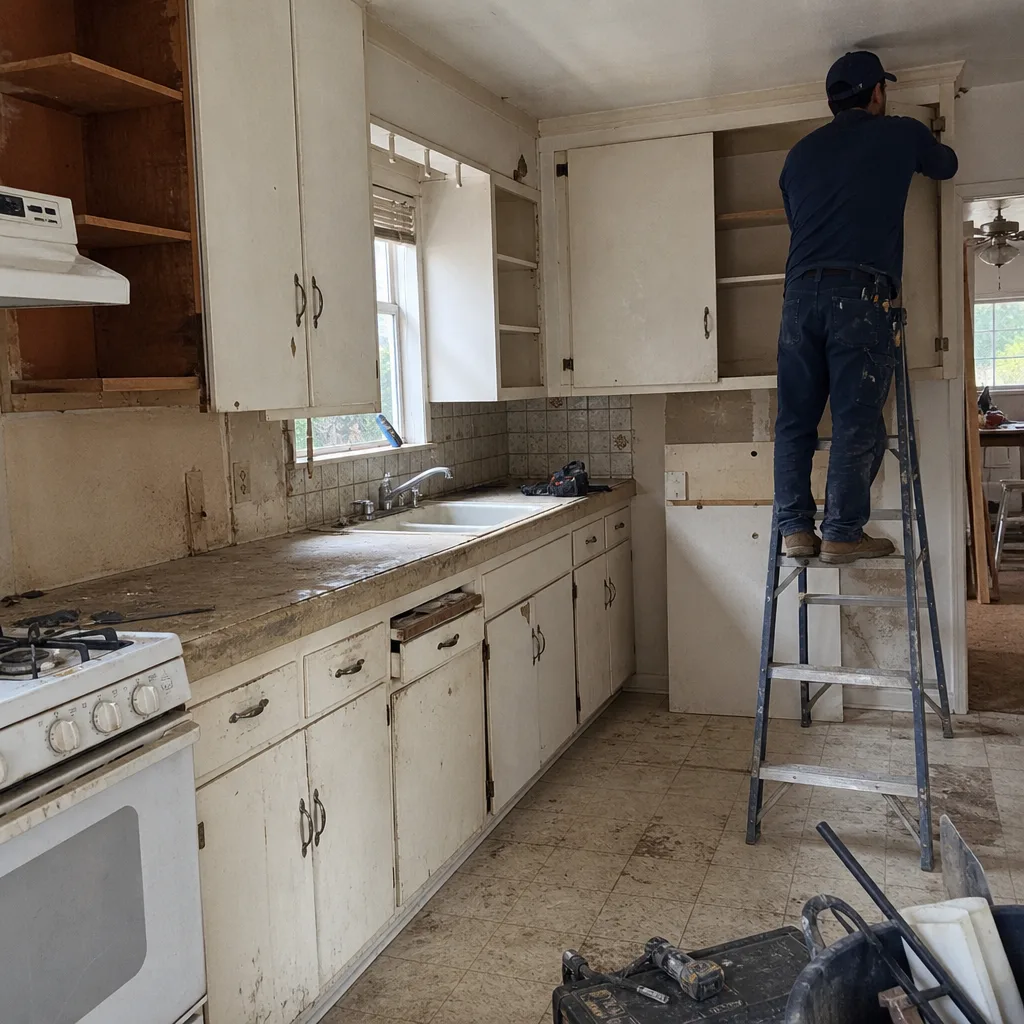 Before
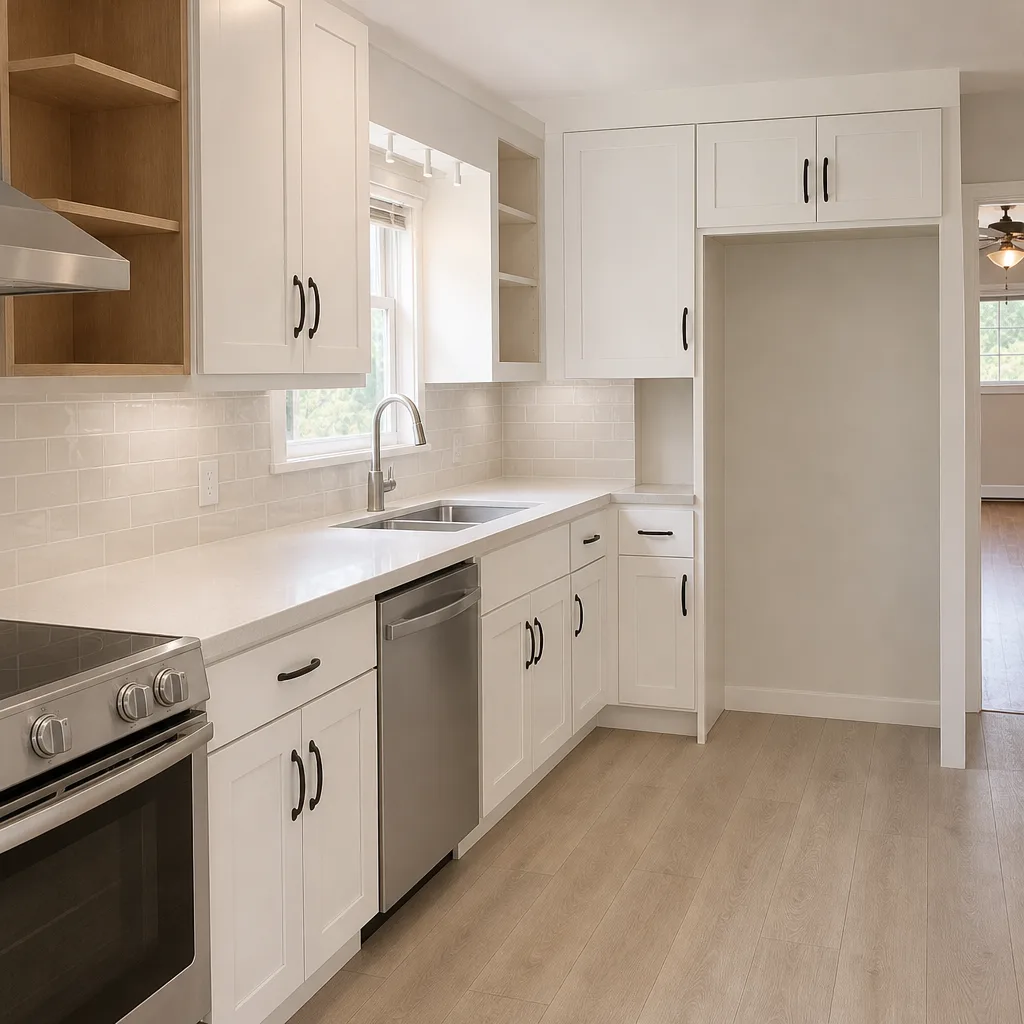 After
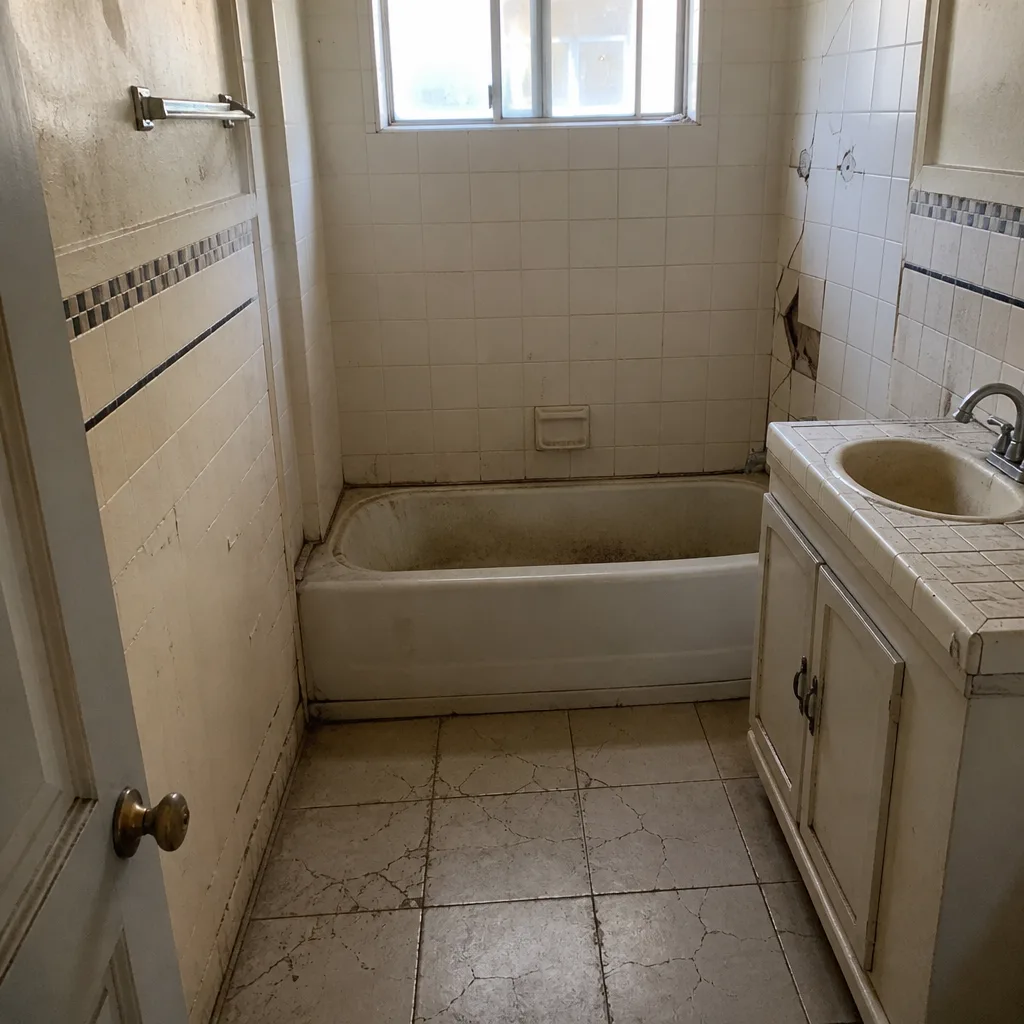 Before
 After
Replacement Cost & What’s Included
Barrette-compatible paver work in Glendale prices out like this, installed, with base prep, restraint, joint sand, and cleanup included:
- Full paver driveway installation: $7,000 – $18,000
- Driveway replacement: $5,000 – $14,000
- Paver patio installation: $3,500 – $11,000
- Driveway sealing: $250 – $700
The range moves on square footage, how much base has to come out and be re-compacted, drainage corrections, and whether the existing restraint can be reused. We quote the part, the labor, and the disposal as separate lines so you can see exactly where the money goes. Every eligible job gets the permit pulled and the inspection signed, and the whole thing is backed by our written 90-Day Done Right Promise. If a price has to change mid-job, you get a written change order before any work proceeds.
DIY or Call Us?
You can safely check a few things yourself: walk the drive and note which units rock, look at the edge restraint along the apron and sidewalk for gaps, and hose down a low spot to watch where the water actually goes. That information helps us quote accurately and costs you nothing.
Where DIY goes wrong is the base. Lifting pavers to re-sand or reset a restraint sounds simple until you discover the bedding layer was under-compacted, and now you’re rebuilding a base in sections with a plate compactor you rented for the afternoon. A paver that never sits flat again is the usual result, and it’s a bigger bill than the one you avoided. If your driveway has a settling base, active drainage problem, or failing restraint, call us at (844) 560-4526 and we’ll take an honest look.
FAQs
A properly installed Barrette paver field should hold up for decades, and the pavers themselves rarely fail first. What fails in Glendale is the base, the joint sand, and the edge restraint, which is why re-sanding and restraint repair every several years extends the whole system. Call (844) 560-4526 for a free estimate if yours is past due.
Often, yes. If the pavers are sound and the problem is isolated to a settled section, a lost restraint, or washed-out joints, a targeted repair is the right call and far cheaper. Full replacement makes sense when spalling or cracking runs across the field. We’ll tell you which one you need, with the numbers to back it up – the free second opinion on any written estimate is a good place to start.
A single-section repair is usually a day or two; a full driveway replacement typically runs several days to a week depending on square footage, base work, and weather. We give you a realistic schedule in writing before we start, not a guess on the phone.
We measure the paver profile and thickness, identify the restraint type, and match the joint sand to your joint width, then order the correct product for the job. If the exact Barrette unit isn’t available, we source a quality equivalent in the same thickness and finish family and tell you plainly before you commit. Call (844) 560-4526 to schedule your free estimate.
Written by the team at Barrett & Sons Construction Glendale, serving Glendale and nearby areas.