
Last updated November 17, 2026
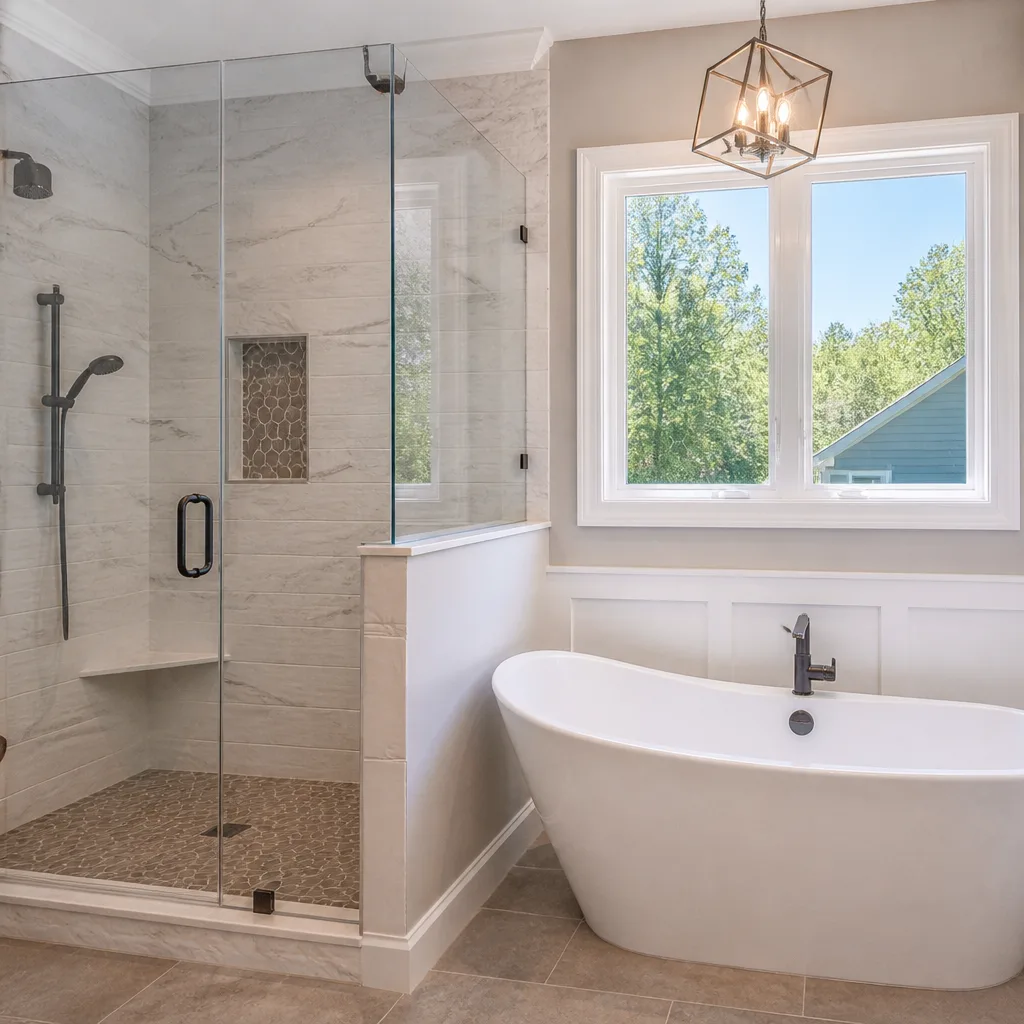 Bathroom remodeling
 Kitchen remodeling
 Home additions & ADU
 Roofing
 Windows & doors
 Driveway & pavers
 Fence
Free written scope consultation - allowances, timeline, and change-order rules on paper before a single trade is scheduled
The Complete Bathroom Remodeling Guide for Glendale Homeowners
About 60% of Glendale’s housing was built before 1970, which means the bathroom you’re remodeling has a good chance of hiding plumbing that hasn’t been touched since Eisenhower. That half-tile wall you want gone? There’s a decent chance there’s galvanized steel behind it, and a cast-iron drain underneath that weighs more than your refrigerator. In our experience, more than half of the full-gut bathrooms we open in Glendale turn up something the homeowner didn’t budget for. This guide walks you through what’s likely behind your walls, how Glendale permits work, how to sequence the job so your household isn’t sharing one bathroom for months, and what three honest tiers of cost actually look like.
Quick Answer
A bathroom remodel in Glendale typically runs $12,000 to $28,000 for a cosmetic refresh, $35,000 to $65,000 for a full gut with the existing layout intact, and $60,000 to $110,000 or more when you move plumbing fixtures or change the room’s footprint. The wild card on any Glendale home built between 1940 and 1975 is what’s behind the walls: galvanized supply lines, cast-iron drains, and old wiring frequently turn a $40,000 job into a $55,000 one. Get a plumber’s assessment before you sign a final price, not after demo.
Styles & brands we work with
- Kitchen remodeling
- Bathroom remodeling
- Home additions & ADU
- Roofing
- Windows & doors
- Driveway & pavers
- Fence
Table of Contents
- What’s Behind Your Glendale Bathroom Walls
- Galvanized vs. Copper vs. PEX: What It Means for Your Budget
- Do You Need a Permit for a Bathroom Remodel in Glendale?
- How to Sequence a Remodel So You’re Not Bathroom-less for Months
- Ventilation and California Title 24: What Your Fan Needs
- The Honest Cost Range for a Glendale Bathroom Remodel
- How to Choose a Bathroom Contractor in Glendale
What’s Behind Your Glendale Bathroom Walls
Glendale’s housing stock tells a story. The neighborhoods north of the 134, up around Verdugo Woodlands and along the foothills, are full of 1920s and 1930s Spanish Colonial and Craftsman homes. South Glendale and the pockets around Adams Square and Chevy Chase skew toward 1940s and 1950s tract construction. Then there’s the 1960s and early 1970s ranch stock out toward the Verdugo Wash and up into the hills. Each era hid different things behind the tile.
What we routinely find when we open a Glendale bathroom wall:
- Galvanized steel supply lines in homes built before roughly 1960. These corrode from the inside out. Flow drops, water turns rusty, and joints fail. They can look fine from the outside and be nearly closed off inside.
- Cast-iron drain lines, common from the 1920s into the 1970s. Long-lasting, but they scale up, crack at the joints, and bellies form. If your drain is slow now, it won’t get better after the remodel.
- Original wiring, sometimes aluminum branch circuits in the late 1960s and early 1970s stock. Bathrooms need GFCI protection, and old cloth-wrapped or aluminum wiring won’t pass a modern inspection without rework.
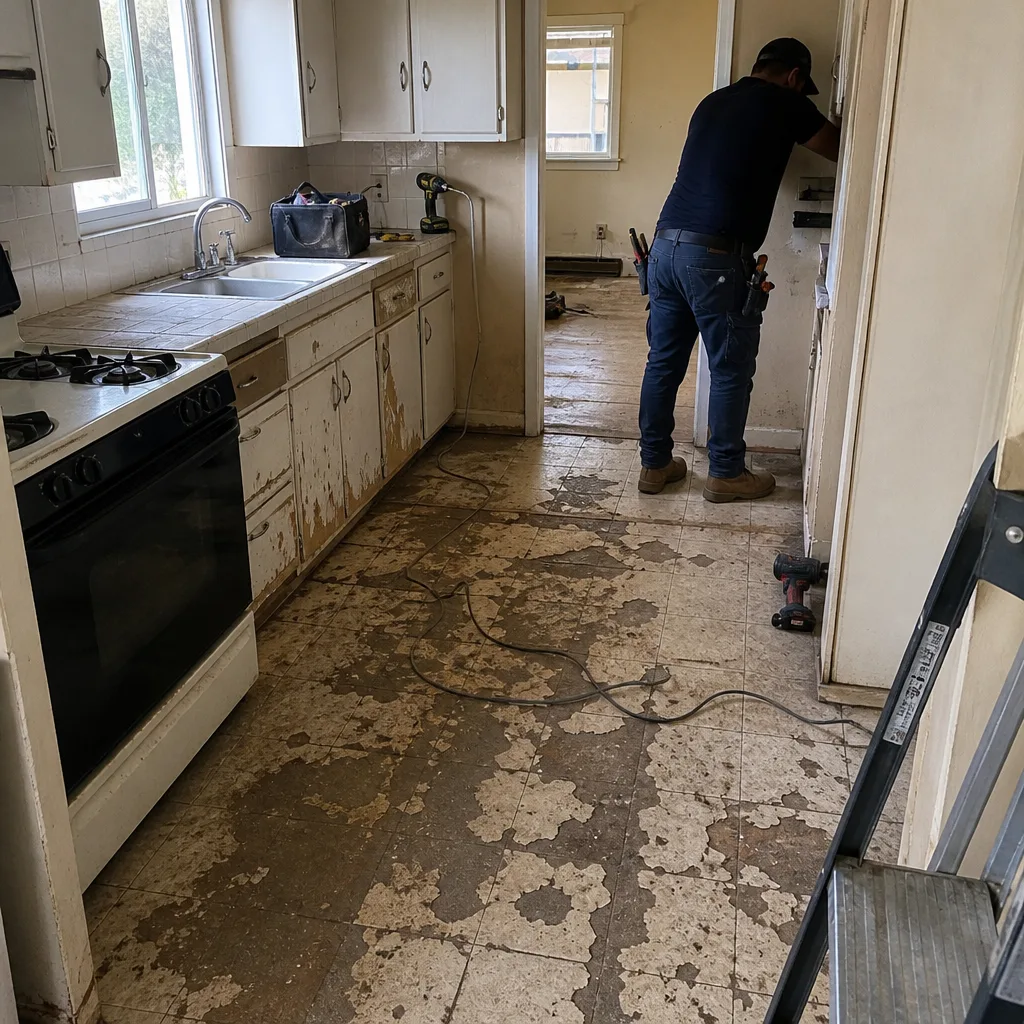
- No proper waterproofing behind the tile. Older showers were built on a mud bed and tar paper, and the waterproofing has long since failed. Water damage to the framing beneath is common once you pull the tile.
- Framing surprises, from notched or cut joists to walls that were never really square. Cosmetic work hides this; a full gut doesn’t.
This isn’t a reason to avoid remodeling. It’s a reason to plan for it. A contractor who’s worked in Glendale long enough knows what each neighborhood era tends to hide and prices accordingly up front, in writing.
Galvanized vs. Copper vs. PEX: What It Means for Your Budget
The single biggest variable in a Glendale bathroom remodel budget is the plumbing you find. Here’s the plain-English version of each.
Galvanized steel
Installed widely before 1960. Corrodes internally. When we open a wall and find galvanized, the question isn’t whether to replace it but how far to take it. Replacing just the bathroom run is cheaper but leaves the rest of the house on old pipe. Replacing the full supply line is a bigger ticket. Expect a plumber’s assessment with a camera and pressure test before you commit to a number.
Copper
Better, but not immortal. Copper from the 1960s and 1970s can develop pinhole leaks, especially in areas with harder water. It usually passes inspection and lasts, but a section that’s failing should be replaced while the wall is open.
PEX
The modern standard, and what any smart remodel installs in new work. Flexible, freeze-resistant, fewer joints to leak. If your Glendale home already has PEX, you’re ahead of the game. If you’re opening the wall anyway, running PEX to the fixtures is often the right call.
Cast-iron drains
Old cast iron drains the whole house, not just the bathroom. A camera inspection before you demo tells you whether the drain is sound or whether it needs relining or replacement. Doing this while the floor is open is far cheaper than doing it after the new tile goes down.
The step-by-step approach we recommend
- Before final pricing, have a licensed plumber inspect the supply lines and camera the drain.
- Ask for written findings: what’s there now, what condition it’s in, and what it will cost to address.
- Get the plumber’s scope in writing on the same contract as the remodel, so a surprise behind the wall doesn’t become a surprise invoice at the end.
- If the drain and supply require replacement, re-sequence the remodel so that work happens first.
An allowance that isn’t on paper is a surprise waiting for a date. That’s as true of plumbing as it is of anything else.
Do You Need a Permit for a Bathroom Remodel in Glendale?
Yes, in more cases than most homeowners expect. In Glendale, cosmetic-only work (new paint, new tile over the same substrate, swapping a vanity or a light fixture on the existing circuit) generally does not require a building permit. Anything that moves a drain, changes a fixture location, alters the plumbing, adds or relocates electrical, or changes ventilation ducts does.
What triggers a permit in Glendale:
- Moving a toilet, sink, or shower to a new location
- Replacing the shower valve or converting a tub to a shower (this is plumbing work)
- Adding or relocating lighting or outlets, or adding GFCI protection
- Changing the exhaust fan or ducting
- Removing or installing a wall, or opening the framing to address water damage
- Any work that touches the structural framing of the room
What usually does not:
- Painting, wallpapering, or new caulk and grout
- New vanity in the same spot with the same plumbing hookups
- New fixture replacement (faucet, toilet, mirror) in the same location
- New tile over a sound existing substrate, no plumbing change
The permit inspector works for you, not for the contractor. That inspection is the only point in the whole project where someone with no financial stake verifies that the work meets code. Skipping it saves a little money up front and costs it later at resale. The last contractor most customers used told them permits were optional. They aren’t.
How to Sequence a Remodel So You’re Not Bathroom-less for Months
A full gut bathroom in a single-family home with two baths is manageable. A full gut in a one-bath ranch is a project in itself. Here’s how we sequence to minimize the days your household is stuck with no functioning bathroom.
- Plan for 4 to 8 weeks of the bathroom being out of commission on a full gut, not counting permitting time. If that’s untenable, consider a phased remodel or a short-term rental nearby.
- Get all materials delivered before demo starts. The single biggest cause of idle time in a Glendale bathroom remodel is waiting on tile, fixtures, or the vanity. The tile setter can’t set tile that isn’t there.
- Do the plumbing and electrical rough-in first, while the walls are open. This is where you absorb discovered issues (galvanized pipe, old wiring) with the least disruption.
- Get the rough-in inspection done before anything closes up. No tile, no drywall, no exceptions.
- Drywall, waterproofing, then tile. Waterproofing failures are the leading cause of Glendale shower failures we get called back to fix. It’s the step that should never be rushed.
- Set the fixtures, finish the trim, then the final inspection. The last week is the fastest and the most visible, but it only goes fast if the earlier weeks went to plan.
If you only have one bath, set up a temporary toilet and sink before demo begins. A mid-remodel Glendale household with no working bathroom on day three is a very bad place to be. Any contractor who hasn’t walked you through this is flying by the seat of their pants.
Ventilation and California Title 24: What Your Fan Needs
California’s Title 24 energy code sets the standard for how much air a bathroom exhaust fan must move and where that air goes. For bathrooms, the practical requirement for most Glendale homes is a fan rated at a minimum of 50 cubic feet per minute (CFM) for intermittent operation, and the fan must exhaust to the outside, not into the attic. This is where a lot of older Glendale bathrooms fail.
Why it matters: a fan that dumps moist air into an unconditioned attic causes condensation on the underside of the roof sheathing. Over years, that leads to mold, rot, and eventually a roof repair bill that dwarfs anything the remodel cost. If your exhaust duct terminates in the attic or under a vented soffit, that’s a problem worth fixing while the ceiling is open.
What to plan for:
- A fan rated for the bathroom’s square footage and the length of the duct run. A long, winding duct kills a fan’s effective CFM. The rated number is not the delivered number.
- Rigid or semi-rigid metal duct, insulated, running the shortest path possible to an exterior wall or roof cap.
- A control that meets Title 24, which typically means a timer or a humidistat, not just an on-off switch.
- An Energy Star rated fan, which the code generally expects for new installations.
Glendale’s summers are dry, but the winter showers and the occasional damp marine layer do their work slowly. A proper fan sized and ducted right is the difference between a bathroom that lasts 30 years and one that’s back open in ten.
The Honest Cost Range for a Glendale Bathroom Remodel
Three tiers, three very different projects. All prices are current Glendale-area ranges for a standard 5-by-8 or 5-by-9 bathroom. Add 20% to 30% for a larger primary bath, and more if you’re opening load-bearing walls.
| Scope | Typical Price | Timeline | What You Get |
|---|---|---|---|
| Cosmetic refresh | $12,000 – $28,000 | 2 – 3 weeks | New paint, tile floor, vanity, fixtures in place, re-grout, new exhaust fan if needed. No plumbing moves. |
| Full gut, existing layout | $35,000 – $65,000 | 4 – 7 weeks | Down to the studs, new waterproofing, tile, tub or shower pan, vanity, fixtures, electrical. Plumbing stays put where possible. |
| Full gut with layout change | $60,000 – $110,000+ | 6 – 10 weeks | Moving the toilet, sink, or shower. Drain relocation, new supply runs, electrical moves, structural changes if needed. |
Where the money actually goes
- Tile and stone: $4,000 – $14,000 depending on material and pattern. Subway tile is at the low end; large-format porcelain or marble-look porcelain at the high end.
- Shower plumbing and fixtures: $1,500 – $6,000 for the trim and valve. Not where I’d skimp; a failed shower valve is a wall-open repair.
- Vanity and countertop: $800 – $5,000.
- Exhaust fan and ductwork: $350 – $1,200, more if the duct needs new routing.
- Plumbing repair or re-pipe: $3,000 – $12,000 if galvanized is present. This is the line item most Glendale homeowners don’t see coming.
- Electrical: $800 – $2,500 for GFCI, lighting, and fan. More if the circuit needs re-pulling.
The point of itemizing is not to scare you off. It’s to make sure every line of that range is on the contract, in writing, before demo. The written change order is how we keep the price you were quoted the price you pay, and it’s the thing most national outfits skip.
How to Choose a Bathroom Contractor in Glendale
The test for a Glendale bathroom contractor isn’t the pitch. It’s whether the specifics are in writing before the first hammer swings.
- Permits: Will they pull them on a scope that requires them? If the answer is “permits aren’t really necessary,” walk.
- Written scope and allowances: Every material selection, every allowance, every “if we find X, we do Y” should be on paper.
- Written change orders: Any change in price, before the work touches the job. Not a verbal agreement and a bill at the end.
- Verified credentials: A license you can look up and a face you’ll see again. Ask anyone on your street. Ask for references from Glendale jobs within the last year.
- A verifiable address and phone that a live person actually answers. Not a call center.
- A real warranty. Every good remodel comes with one, in writing.
Our 90-Day Done Right Promise is written on every contract we issue. If we missed something, one call brings us back. That’s not a slogan. It’s a term of the deal.
Common Mistakes to Avoid
- Signing a price before the plumber has looked at the pipes. In Glendale homes built before 1970, the pipes are the biggest unknown. A contractor who quotes a full gut without assessing them is guessing, and the guess costs you.
- Assuming cosmetic work needs a full permit. Glendale’s building department only requires permits for plumbing, electrical, framing, and ventilation changes. Knowing the difference saves you time and money, and it keeps you inside the code.
- Skipping the rough-in inspection. Once tile is up, the inspector can’t see the work. That inspection is the only independent verification you get.
- Choosing tile before choosing the shower valve. Fixture selection drives rough-in dimensions. Doing it backwards costs weeks and sometimes a re-do.
- Venting the exhaust fan into the attic. Common in older Glendale homes, and a leading cause of moisture damage to the roof deck. Always to the exterior.
- Buying the vanity last. It has to fit the rough opening in the wall and match the plumbing. Measure first, order second.
- Going with the cheapest bid. We’ve seen change orders on Glendale jobs that ran to 40% of the original contract because the price didn’t account for what a careful contractor would have anticipated. Cheapest is almost always cheapest only at the start.
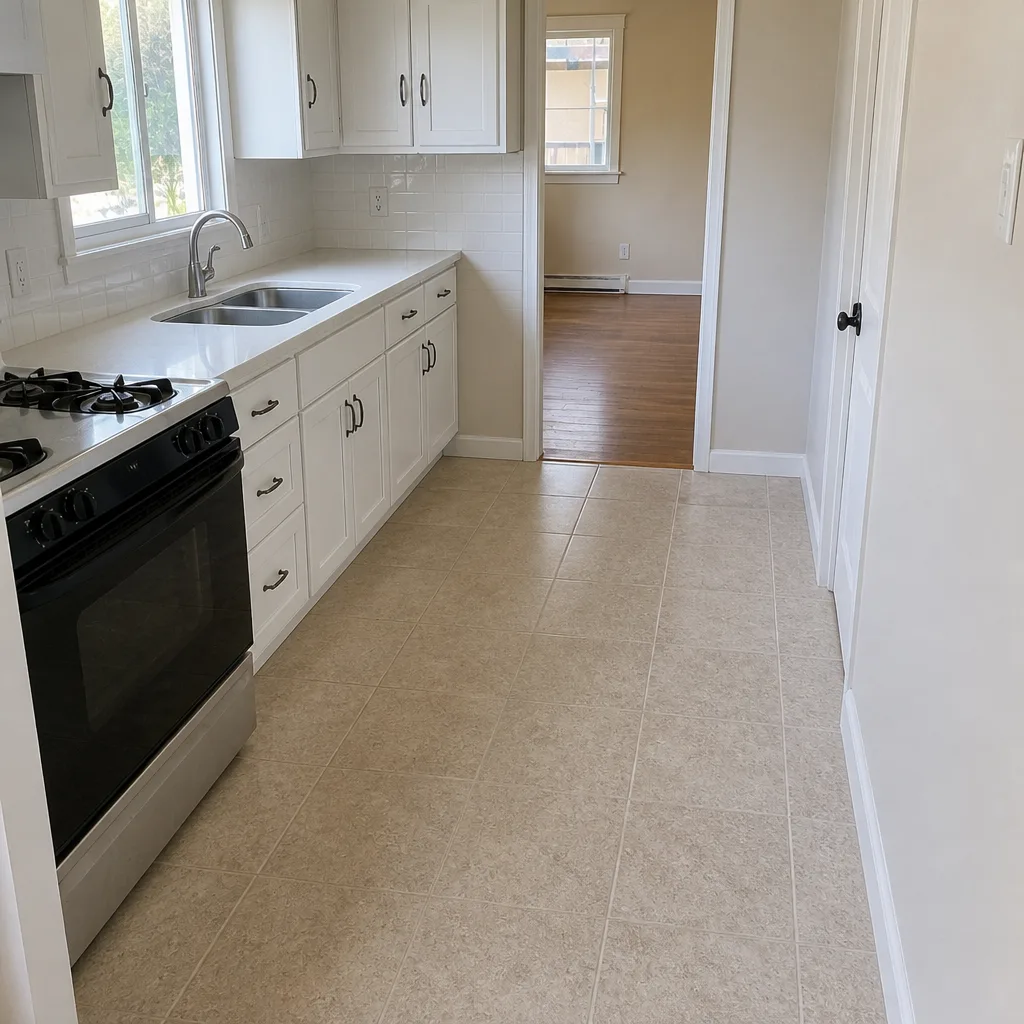
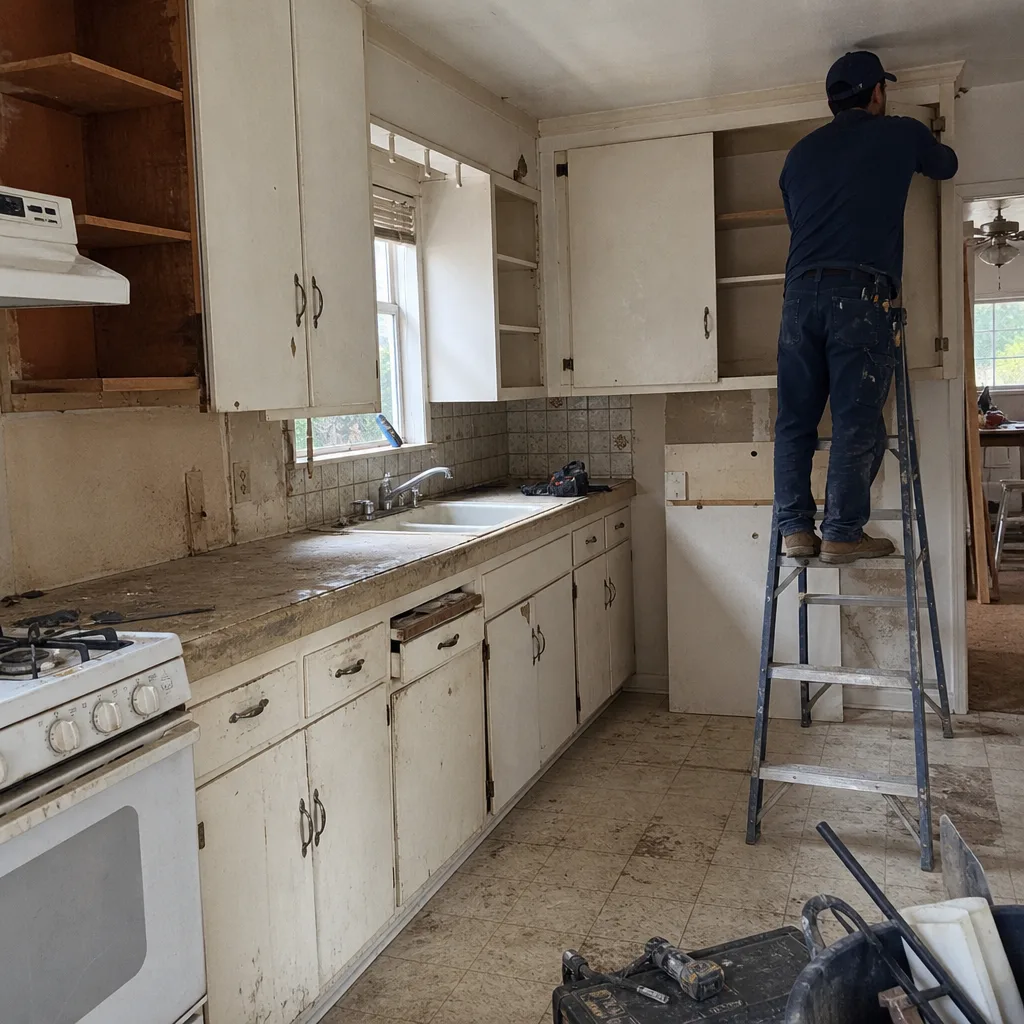
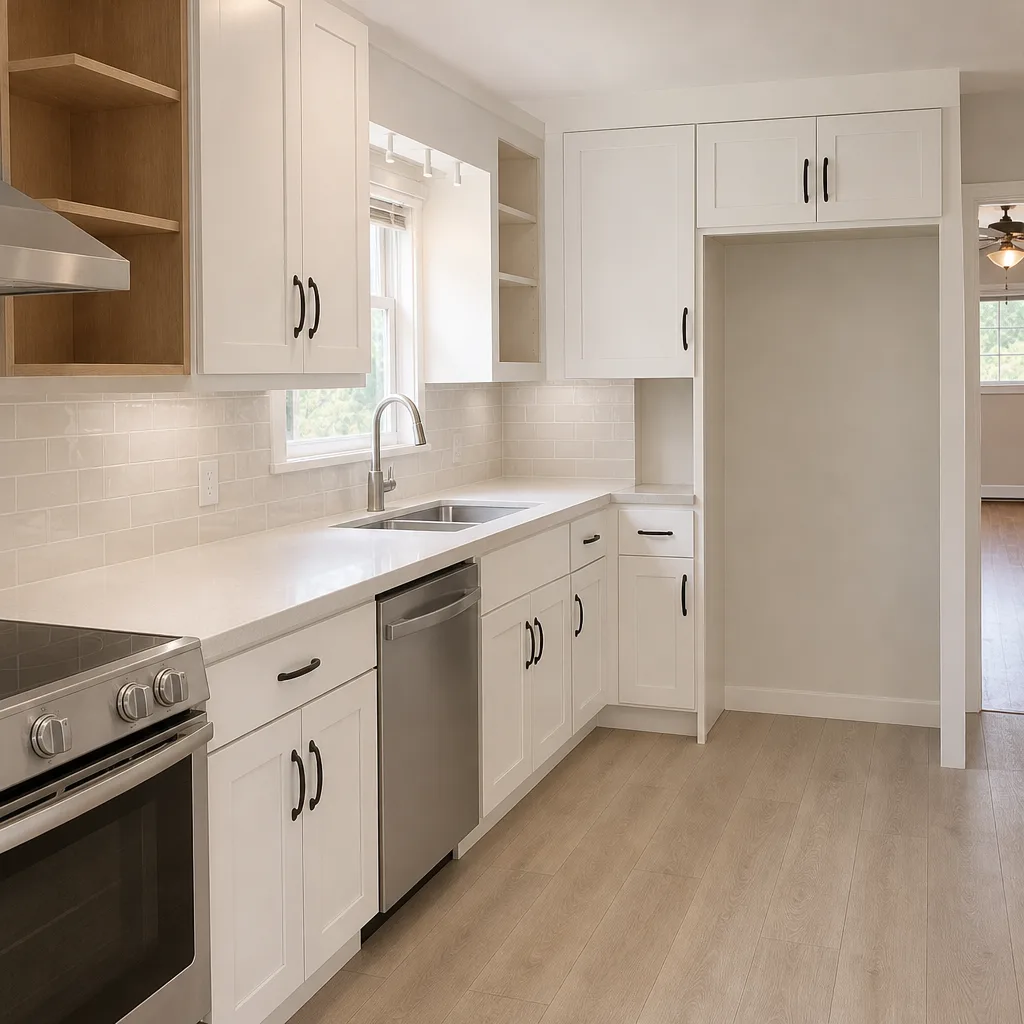
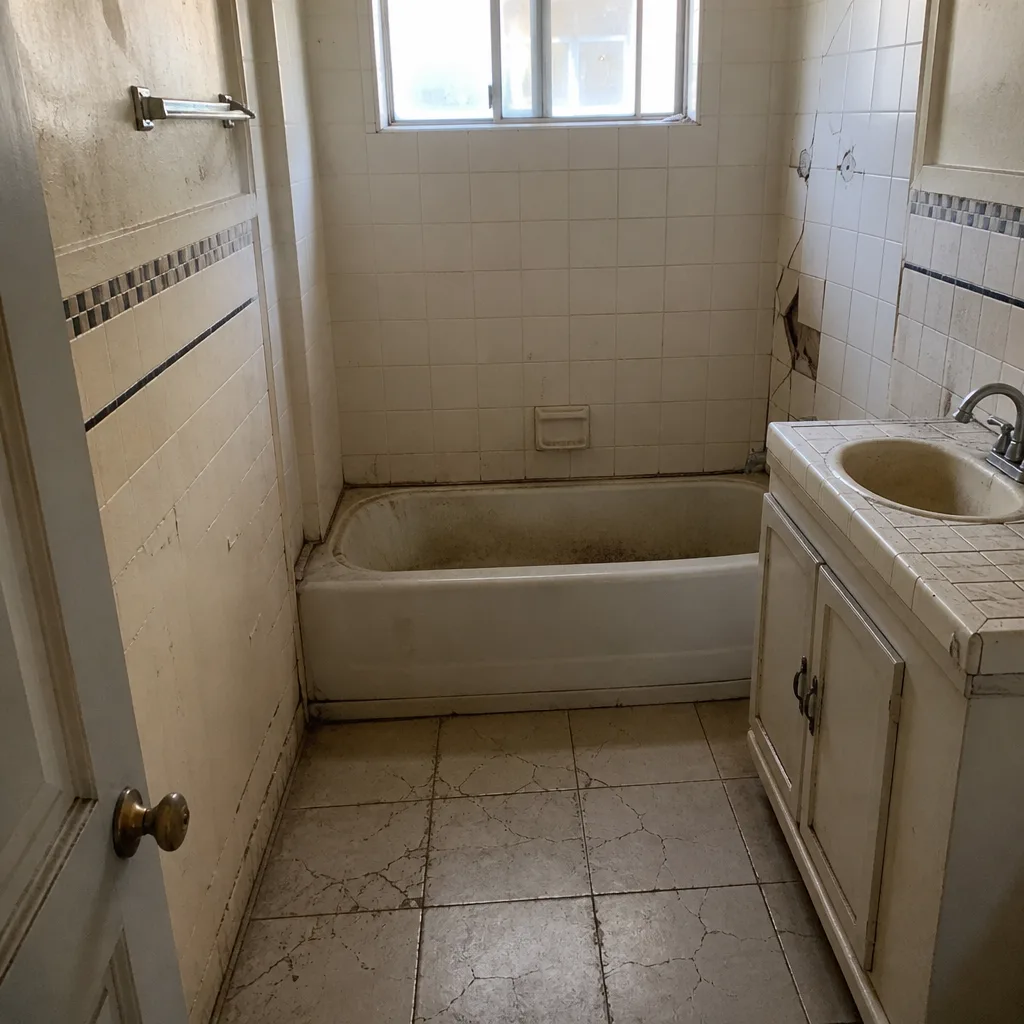
See the difference
 Before
 After
 Before
 After
 Before
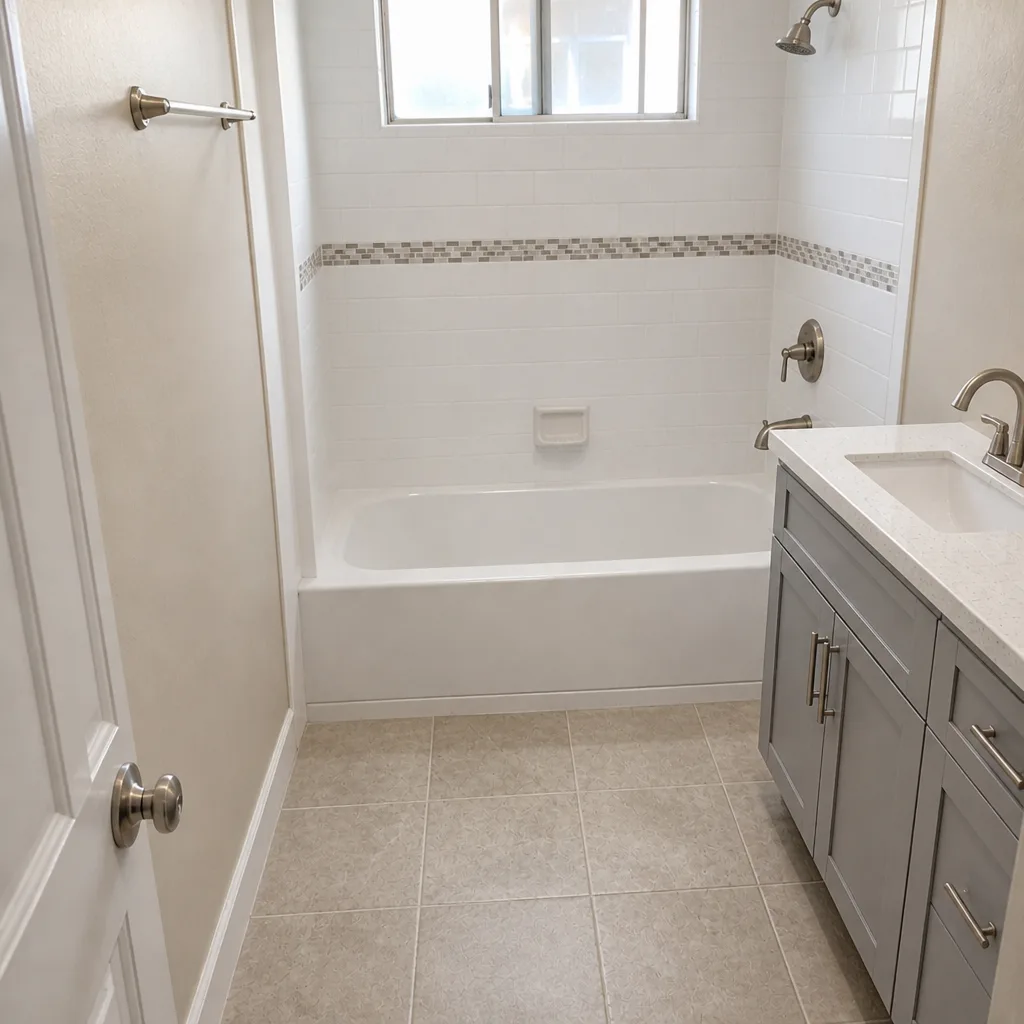 After
When to Call a Professional
Call a professional the moment the scope moves past paint and fixtures. If you’re moving a drain, changing a shower valve, replacing a tub with a walk-in shower, adding GFCI circuits, or opening the wall to address water damage, that’s licensed trade work under Glendale code. It’s also the work most likely to uncover something hidden, which is exactly where a contractor’s written scope and change-order discipline earn their keep. If you’re planning a larger job that touches the bathroom, the roof, or the structure of the house, it’s worth looking at our Barrett & Sons Construction Glendale home page and our guides to Home Additions & ADU in Glendale as well. Barrett & Sons Construction Glendale offers free estimates in Glendale. Call (844) 560-4526.
Frequently Asked Questions
A cosmetic refresh runs $12,000 to $28,000, a full gut with the existing layout runs $35,000 to $65,000, and a full gut with a layout change runs $60,000 to $110,000 or more. The biggest swing factor in Glendale is plumbing surprises behind the wall in pre-1975 homes. Call (844) 560-4526 for an exact quote; estimates are free.
Only on paper, and only before the work touches the job. Any scope change on a Barrett & Sons job is a written change order issued before a nail moves. If the plumber opens the wall and finds galvanized pipe, you see the number first, and you decide.
Yes, on every job in Glendale where the scope requires one. That covers plumbing, electrical, framing, and ventilation changes. Cosmetic work like paint and tile over a sound substrate typically doesn’t need one, and we’ll tell you plainly which category your project falls into.
A cosmetic refresh is 2 to 3 weeks, a full gut with the existing layout is 4 to 7 weeks, and a full gut with a layout change is 6 to 10 weeks. Add time if plumbing re-pipe or structural work comes up. The single biggest delay in most jobs is waiting on materials the homeowner hadn’t selected yet.
Not always, but often. Homes built before roughly 1960 typically have galvanized supply lines, which corrode from the inside and are at or past their service life. Homes from the 1960s and 1970s usually have copper, which can develop pinhole leaks, or aluminum wiring, which may need rework. A camera and pressure test before final pricing tells you where you stand.
At minimum, a fan rated for the bathroom’s size and duct run, exhausting to the exterior, usually with a timer or humidistat control and an Energy Star rating. The most important part is the duct routing: exhaust that terminates in the attic instead of outside causes moisture damage that can cost more than the fan installation.
The Bottom Line
Bathroom remodels in Glendale come down to three numbers: what’s on the contract at signing, what’s behind the wall at demo, and what you actually paid at the end. The gap between the second and third is where most homeowners get hurt. Get a plumbing assessment before you sign, insist on written scope and written change orders, pull the permits, and vent the fan to the outside. Do those four things and a bathroom remodel in Glendale is a predictable, survivable project. Skip them and you’re rolling dice on a house that’s old enough to have opinions. We’ve been running crews in Glendale homes for years, and the jobs that go smoothly are the ones where the scope was in writing from the start. If you’re ready to plan yours, call Barrett & Sons Construction Glendale at (844) 560-4526 for a free estimate, or explore our work on Driveway & Pavers in Glendale and Fence Installation in Glendale while you’re at it.
Written by the team at Barrett & Sons Construction Glendale.