
Last updated November 17, 2026
 Home additions & ADU
 Kitchen remodeling
 Bathroom remodeling
 Roofing
 Windows & doors
 Driveway & pavers
 Fence
Free written scope consultation - allowances, timeline, and change-order rules on paper before a single trade is scheduled
Fence Installation Warning Signs Every Homeowner Should Know
A fence that’s going to fail in three years usually looks fine on the day it’s finished. The boards are straight, the gate swings, the color matches the brochure. The mistakes are buried in the ground where you can’t see them: a post set sixteen inches deep in soil that needs thirty, no gravel in the hole, a permit that was never pulled. In our experience around Glendale, the fence jobs that go bad are almost never the ones that looked bad on day one. They’re the ones where the crew cut corners you weren’t watching for. What follows is the short list of warning signs to check before the crew ever arrives, not after the fence leans.
Quick Answer
The biggest fence installation warning signs are a contractor who won’t call 811 before digging, posts set too shallow without a concrete footing, a quote missing line items for concrete and gravel, no permit pulled, and any price change delivered verbally instead of in a written change order. If you spot even two of these in Glendale, slow down and ask questions before you sign anything. A fence is a fifteen-to-twenty-year purchase; the warning signs show up before the crew does, not after.
Styles & brands we work with
- Kitchen remodeling
- Bathroom remodeling
- Home additions & ADU
- Roofing
- Windows & doors
- Driveway & pavers
- Fence
Table of Contents
- Post depth and footing: what to verify before concrete is poured
- Why a contractor who skips the 811 call puts the liability on you
- What a real permit pull looks like versus “we’ll handle it”
- Red flags hiding in the quote itself
- The written change-order rule
- Material substitutions and mystery brands
- Timeline promises that don’t match the work
- Common mistakes to avoid
Post depth and footing: what to verify before concrete is poured
Here’s the number that matters most and the one most homeowners never ask about: how deep are the posts going, and what’s in the hole besides dirt? In Glendale’s soil – which runs from sandy loam near the Verdugo Wash to harder clay up toward the foothills – a fence post set less than two feet deep in concrete is asking for trouble. The rule of thumb most experienced fence builders work from is one-third of the post’s above-ground height buried below grade, and a minimum of two feet no matter how short the fence. For a six-foot privacy fence, that’s a hole roughly two and a half to three feet deep, widened at the base so the concrete forms a bell that resists frost heave and wind lift.
Before a single bag of concrete goes in, you should be able to look down the hole and see three things: depth past the two-foot mark, a wider base than the top, and a two-to-three-inch layer of gravel at the bottom for drainage. Glendale doesn’t get much rain, but when it does – those December storms that dump an inch in an afternoon – water needs somewhere to go. A post sitting in a bowl of clay with no gravel becomes a rotten post in five years.
How to verify without being a pest:
- Ask the crew lead, before digging, how deep the posts will be set and how much concrete goes in each hole.
- Watch the first two holes get dug and check the depth yourself with a tape measure or a marked stake.
- Confirm you see gravel going in before the concrete.
- Ask whether the posts are pressure-treated ground-contact rated (look for “UC4A” or “ground contact” on the end tag), not just standard treated lumber.
If the crew brushes you off on any of these, that’s warning sign number one. A contractor with confidence in their work will happily show you the hole. If you want to compare what a proper installation looks like end to end, our fence installation in Glendale page walks through the sequence we use.
Why a contractor who skips the 811 call puts the liability on you
Before anyone digs in California, someone is legally required to call 811, the free underground utility locating service, at least two working days ahead. The call is free. The service is free. The marks are free. And yet it’s one of the most commonly skipped steps in fence work, because it costs the contractor a two-day delay and a little paperwork. Skipping it is not a shortcut you want to inherit.
Here’s why: if a crew hits a gas line, a water main, an electrical conduit, or a fiber optic cable while setting posts on your property, the liability lands on the property owner in most cases. The contractor’s insurance may cover part of it, but you can end up negotiating with the utility, the city, and possibly your own homeowner’s policy. In Glendale, where lots in neighborhoods like Adams Hill and Chevy Chase sit on hillsides with buried utilities running at odd angles, this isn’t a theoretical risk. We’ve seen irrigation lines, old galvanized water service, and once a defunct gas stub get struck by crews who “knew the yard.”
What a legitimate 811 call looks like:
- The contractor asks you to confirm the service address and any known lines (pool, sprinkler, gas stub to a grill) a few days before the dig.
- You see painted marks or small flags appear in the yard two days before work starts.
- The crew lead can point to the ticket number or the marks when you ask.
- If the marks are missing or unclear, the crew waits rather than digs around them.
If a contractor tells you “we don’t need to call, we know where the lines are,” that’s a warning sign worth stopping work over. It’s not a shortcut. It’s a liability transfer, and it’s aimed at you. The same discipline shows up in how a company handles every part of a job – which is part of why we keep permits and inspections in writing on every eligible job.
What a real permit pull looks like versus “we’ll handle it”
In Glendale, most fence installations over six feet tall, or any fence on a property line, or any fence in a front setback, requires a permit from the city’s Community Development Department. The exact rules depend on your zoning, your lot, and the height and location of the fence, but the general principle is simple: if the fence is more than a decorative garden border, there’s a decent chance a permit is required.
The warning sign is a contractor who says “we’ll handle the permit” and then never mentions it again. That vague promise usually means one of two things: they’re going to build without one, or they’re going to ask you to pull it yourself after the fact. Neither is what you agreed to.
Here’s what a real permit pull looks like:
- You receive a copy of the permit application or the issued permit before work starts, with the address and scope matching your job.
- The contractor pulls the permit under their license, not yours, so the inspection record follows them.
- If the city requires a site plan or setback measurements, you’re asked for that information upfront, not after the crew shows up.
- After the job, you receive a copy of the signed inspection card.
Why does this matter so much? Because an unpermitted fence can cause you grief at resale, and worse, if a future owner of your property has a dispute over a code violation, the paperwork trails back to you. The permit inspector works for you, not for the contractor. That’s the whole point. If a company treats the permit as a nuisance, they’ll treat the rest of the job the same way.
Red flags hiding in the quote itself
Before the crew ever shows up, the quote tells you almost everything. A legitimate fence quote is itemized. It lists posts, panels, rails, concrete, gravel, fasteners, gate hardware, and labor separately. A vague quote that says “install 120 linear feet of fence: $X” is not a quote. It’s a guess dressed up as a number, and the gaps will get filled in one of two ways: with cheap materials during the build, or with a surprise invoice at the end.
Here are the missing line items that matter most in Glendale:
- Concrete – how many bags per post, and what PSI rating. A good quote specifies it. Around 60 pounds of concrete per post is standard for a six-foot privacy fence.
- Gravel base – the drainage layer at the bottom of each hole. Missing from most cut-rate quotes.
- Post caps – a small item, but the difference between a post that lasts fifteen years and one that rots from the top down in eight.
- Gate hardware – hinges, latch, and any self-closing spring. Gates are the first thing to fail on a badly built fence, because the hardware and the post on the hinge side take more load than anything else.
- Old fence removal and disposal – the dumpster fee alone runs a couple hundred dollars in Glendale. If it’s not in the quote, it’s going to show up somewhere.
- Permit fee – listed separately from labor, or clearly noted as included.
One more quote red flag: a phone bid with no site visit. A contractor who quotes a fence over the phone without seeing the yard, the slope, the access, and the existing fence line is guessing. On a hillside lot in Glendale – and there are plenty – that guess is where the “price change” starts.
The written change-order rule
This is the single biggest warning sign we see homeowners miss: a price that changes mid-job without a piece of paper to go with it. The crew discovers rock in the post holes. The property line is off by two feet. The gate needs a heavier post than expected. Any of these can legitimately add cost. What matters is how the change arrives.
If it arrives verbally – a crew lead saying “this is going to be a couple hundred more, we’ll square up at the end” – stop the work. Not forever, but until there’s a written change order signed by both sides that describes the scope change and the new price. An allowance that isn’t on paper is a surprise waiting for a date. The written change order protects both sides: it tells you exactly what’s being added, and it locks the contractor into the number they quoted in the first place.
The rule to hold onto: no work, no material, no price change happens without a piece of paper in your hand first. Any contractor who resists this – who says “we don’t do that, we’re not a big company” – is telling you something important. The written change order isn’t corporate bureaucracy. It’s the simplest courtesy between two people who trust each other.
Material substitutions and mystery brands
A fence is going to sit in Glendale sun for fifteen to twenty years. The brand of the panels, the vinyl, or the composite matters. So does the warranty. When you sign a quote, it should name the material brand and the finish, not just “premium vinyl” or “composite.” Brands like Boral make composite fence systems with a published warranty you can look up. PGT and CGI are known in the window and door trade, and the same principle applies: if the material isn’t named, you don’t know what you’re getting, and you won’t find out until it’s installed.
Warning signs in materials:
- The quote names no brand, or names a brand you can’t find online.
- The crew shows up with panels or posts in an unmarked truck, no manufacturer tags on the end caps.
- You’re told “it’s the same manufacturer, just a different line” when you ask about the difference.
- The warranty is “through the installer” rather than a manufacturer warranty you can register.
If you’re comparing fence brands for a Glendale install, ask for the manufacturer’s published warranty document before signing. A contractor confident in their materials will hand it to you without blinking.
Timeline promises that don’t match the work
A 200-foot privacy fence with two gates is a two-to-four-day job with proper curing time for the concrete, depending on crew size and site access. If a contractor promises it in a single day, they’re skipping steps – usually the curing, which means the posts aren’t set before panels go on, which means the fence is loose before the panels finish drying. A fence installed over uncured concrete settles unevenly. Three months later, the gate drags.
Warning signs on timeline:
- “We can do it in a day” on a job that needs three.
- No mention of curing time between post-setting and panel installation.
- No contingency for the 811 wait (two days) or the permit wait (varies, but weeks, not hours).
- A crew that shows up unannounced on a completely different day than scheduled, without a call ahead.
None of this is a knock on speed. Some jobs do go fast when the prep was done right. But a fast job that skips 811, skips the curing window, and skips the inspection isn’t a bargain. It’s a repair bill on a three-year delay. For the full picture of what a properly sequenced install looks like, the Barrett & Sons Construction Glendale home page lays out how we run jobs from the first call to the final walk-through.
Common Mistakes to Avoid
- Paying more than a modest deposit upfront. A 30% deposit is normal for material. A 50% or more deposit before a single hole is dug is a cash-flow signal worth questioning, and in Glendale it’s how a lot of homeowners end up with half a fence and no crew.
- Accepting a phone bid without a site visit. Slopes, property lines, and access differ property to property. On Glendale hillside lots, the difference can be thousands of dollars; a phone number is a guess.
- Skipping the property line survey. In older Glendale neighborhoods, fence lines and property lines drift. A fence built two feet over your neighbor’s line is a legal problem, not just a neighborhood one.
- Hiring a crew that won’t call 811. The call is free and required by state law. A crew that skips it is telling you about the rest of their work habits.
- Letting a price change go verbal. Any addition to the bill arrives in writing, signed, before work proceeds. Full stop.
- Letting the old fence removal fee sneak in at the end. If it’s not in the original quote as a line item, ask about it upfront.
- Not asking for the manufacturer warranty document. A fence brand without a published warranty is a fence brand that won’t be there to honor it.
See the difference
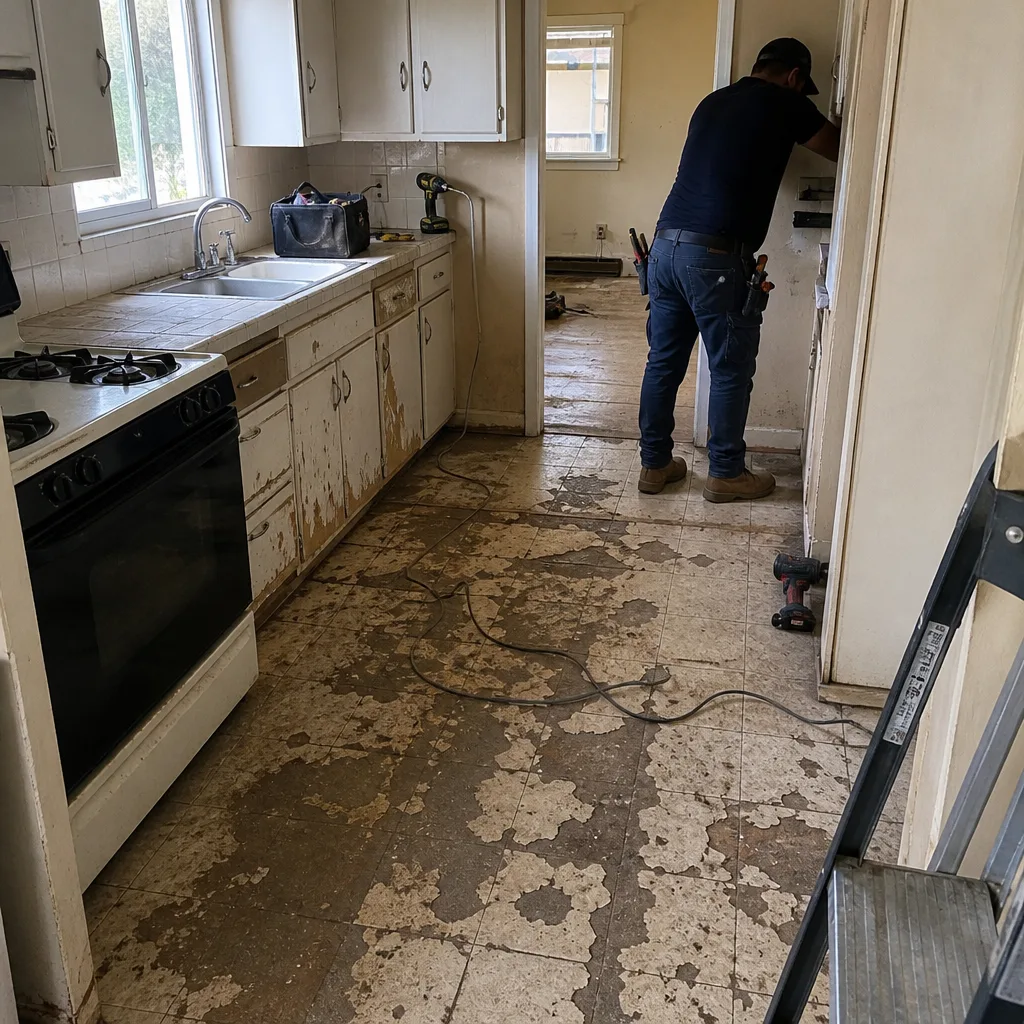 Before
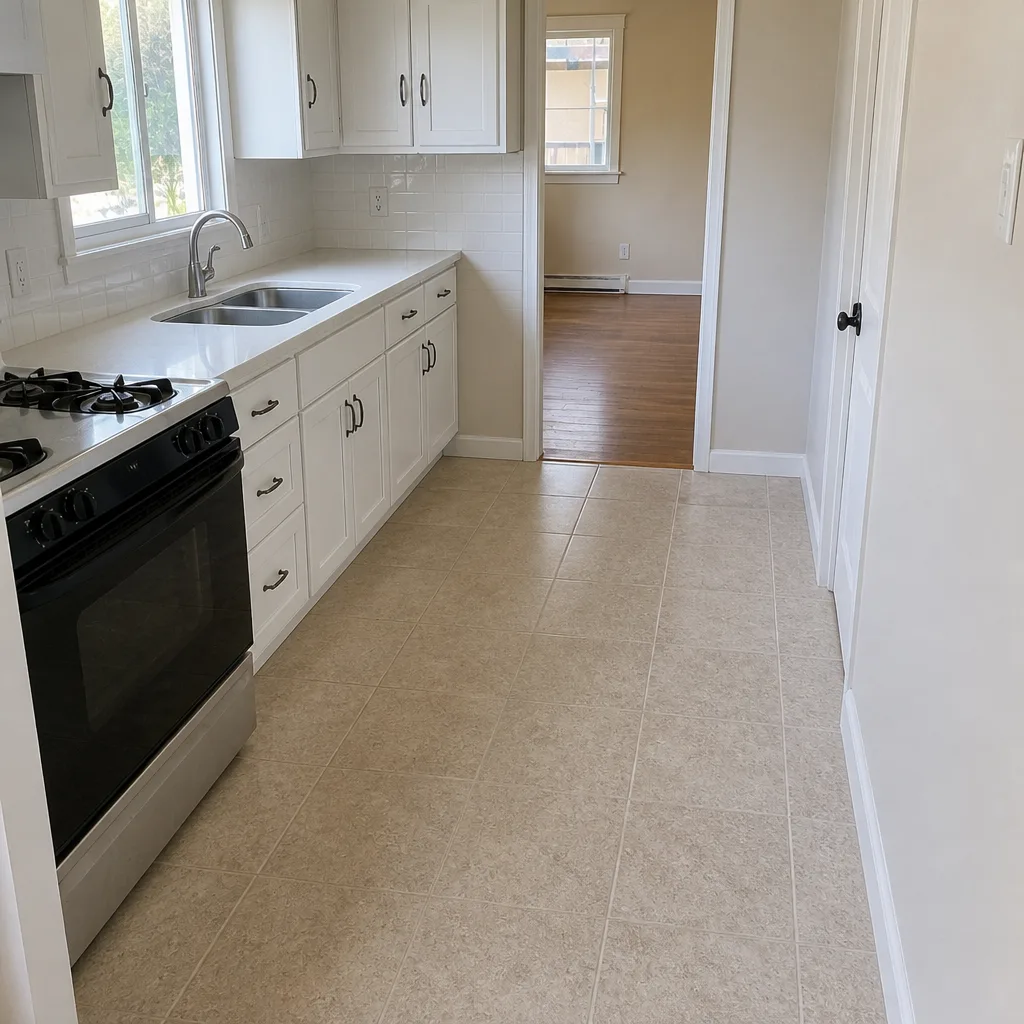 After
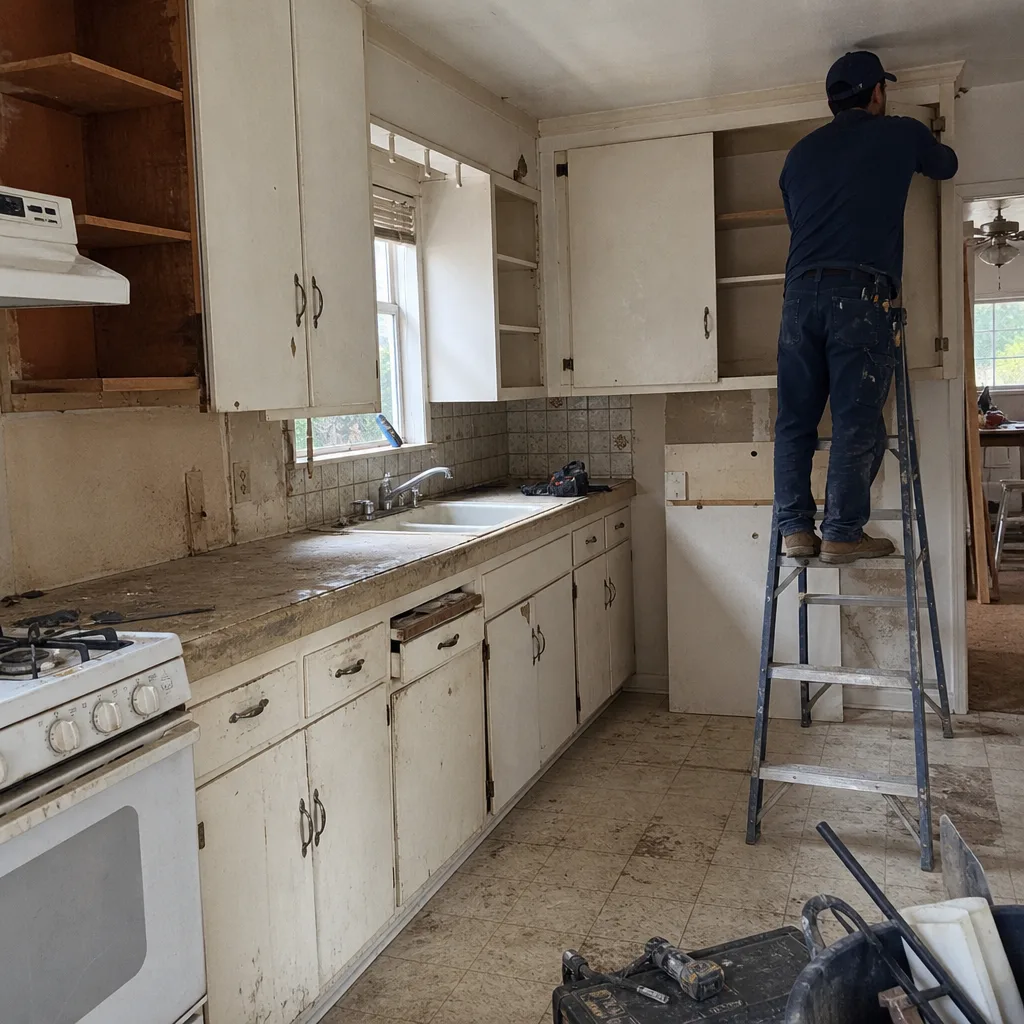 Before
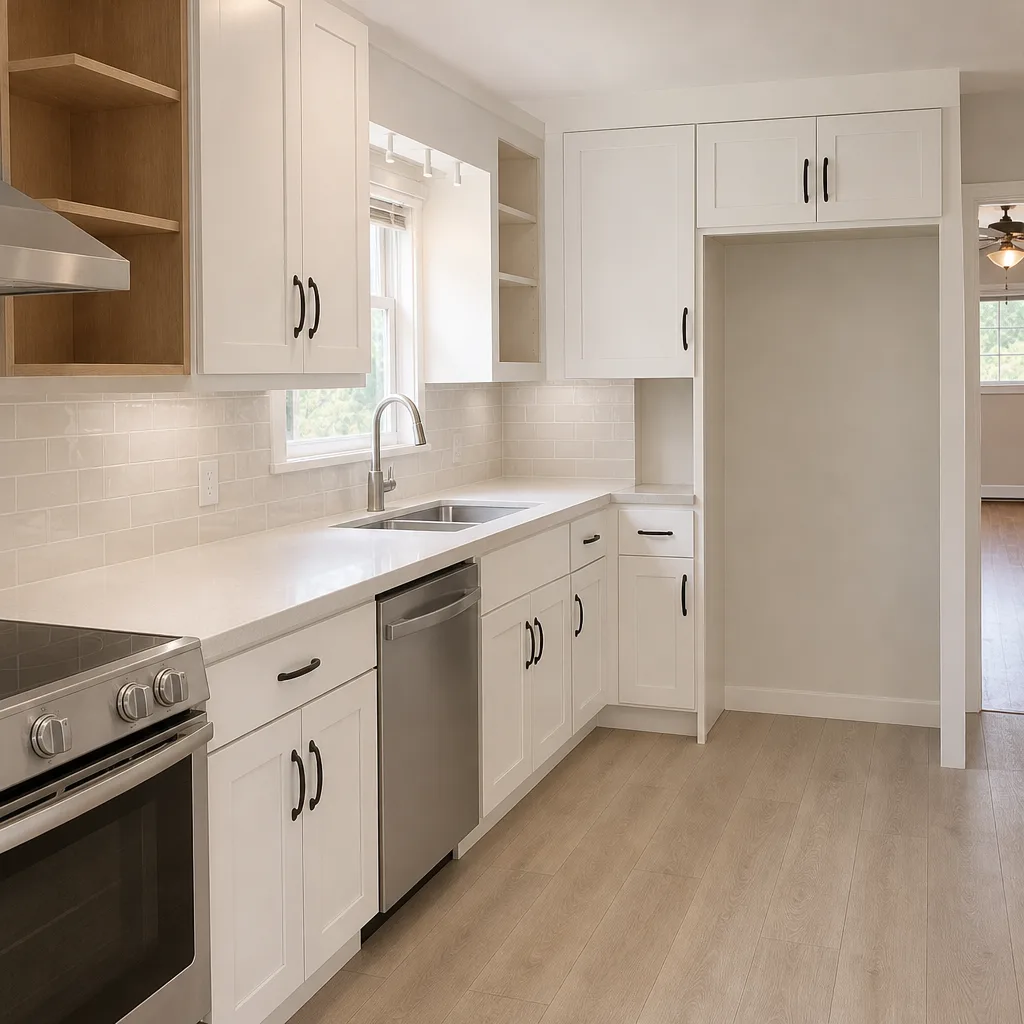 After
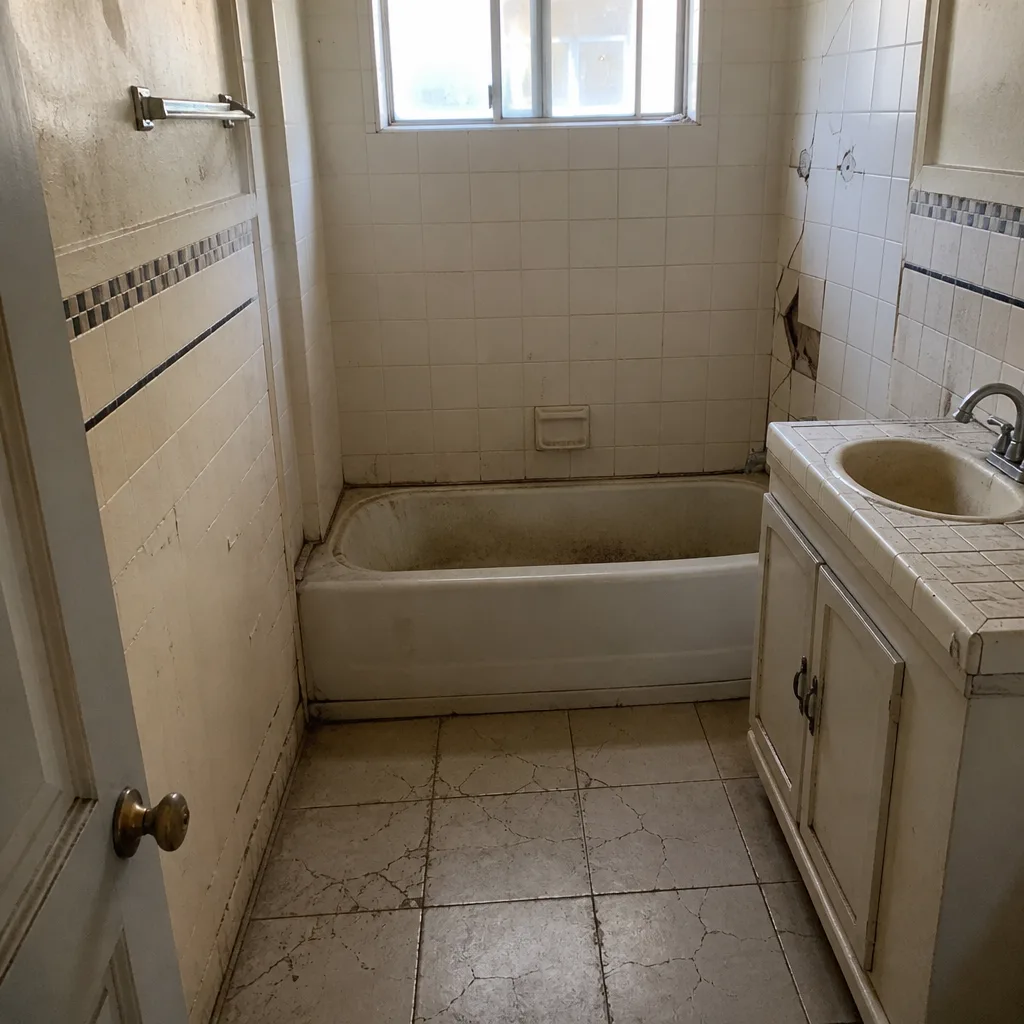 Before
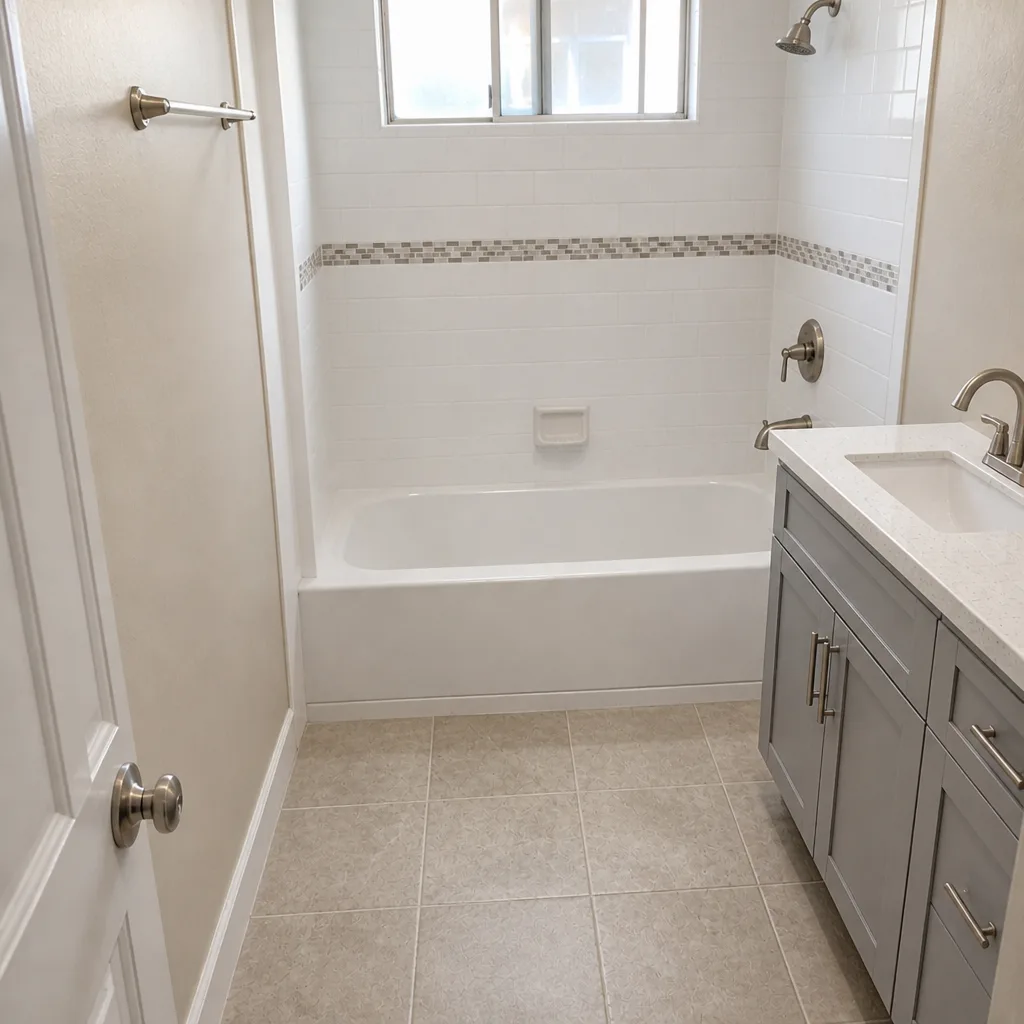 After
When to Call a Professional
If the yard is small, flat, and clear of utilities, a homeowner with carpentry experience can sometimes handle a low decorative fence. But most fence jobs around Glendale aren’t that. Hillside lots, buried irrigation, gas stubs, tight property lines with neighbors, and a permit that needs to be pulled are all reasons to bring in a licensed crew. Call a professional when the fence is over four feet tall, when there’s any chance of buried utilities, when the property line is unclear, or when the fence is on a slope that could slump. Barrett & Sons Construction Glendale offers free estimates in Glendale – call (844) 560-4526, and a live person picks up. You’ll get a written, line-item quote with every allowance visible and a written change order for anything that shifts mid-job.
Frequently Asked Questions
Posts should be set a minimum of two feet deep, and for a six-foot privacy fence, two and a half to three feet is better, with a wider gravel base at the bottom for drainage. Glendale’s clay-heavy soil near the foothills holds water longer than sandy soil, so the base matters. Before the concrete goes in, ask the crew lead to let you see the depth of the first two holes.
Often yes, especially for fences over six feet tall, fences on a property line, and fences in a front setback. The exact requirement depends on your zoning and fence location, but the general rule is that most privacy fences need one. A legitimate contractor pulls the permit under their own license and gives you a copy of the signed inspection card after the job. Call (844) 560-4526 for a free estimate and we’ll walk through your specific lot.
811 is the free national underground utility locating service, and in California a contractor is legally required to call it at least two working days before digging. Skipping it can result in striking a gas line, water main, or electrical conduit, and the liability often lands on the property owner. If a contractor says they don’t need to call, that’s a warning sign worth stopping work over.
It should only change if something on the site genuinely changes, like rock in the post holes or a property line correction, and any change should arrive as a written change order signed before the work proceeds. A verbal price adjustment mid-job is the biggest warning sign in the whole process. Call (844) 560-4526 for a free, line-item estimate with every allowance visible on paper.
A typical 200-foot privacy fence with two gates takes two to four days with a proper crew, depending on site access and how much old fence needs removing. That includes a curing window between setting posts and hanging panels. A one-day promise on a job that size usually means the crew is skipping concrete cure time, which is exactly the step that keeps the fence straight for years.
You should get two warranties: a manufacturer warranty on the panels and posts, which you can register yourself with the brand, and a written workmanship warranty from the contractor. If the only warranty offered is a verbal “we stand behind it,” ask for it in writing. Our 90-Day Done Right Promise is written on every contract – if it’s not done right, Tom comes back and makes it right, one call. Ask about it when you call (844) 560-4526.
The Bottom Line
The warning signs in a fence job almost always show up before the crew does. A contractor who won’t call 811, posts set less than two feet deep, a quote missing concrete and gravel line items, a permit that never materializes, and a price that changes verbally mid-job – each one is a small decision that means a big problem three years from now. In Glendale, where our soil, slopes, and permitting rules all make a difference, those small decisions are the whole game. If you want a written, line-item quote with permits pulled and every price change in writing before it happens, Barrett & Sons Construction Glendale offers free estimates – call (844) 560-4526.
If you’re planning the wider yard around the new fence, it’s worth looking at how Driveway & Pavers in Glendale and a fence line can get planned together so the crew isn’t tearing up finished work to set a post. And if a gate-and-fence project is part of a larger backyard buildout – a detached structure, a pool cabana, or a guest unit – our team at Home Additions & ADU in Glendale can help you plan the permits and sequencing so nothing gets pulled apart twice.
Barrett & Sons Construction is the owner-operated alternative to outfits that quote one price on the phone and hand you a different bill at the door. We pull permits and inspections on every eligible job, issue written change orders for any price change before work proceeds, and back all of it with the written 90-Day Done Right Promise. Calls are answered by a live person. Ask anyone on your street – or look up the license number yourself.
Written by the team at Barrett & Sons Construction Glendale.