

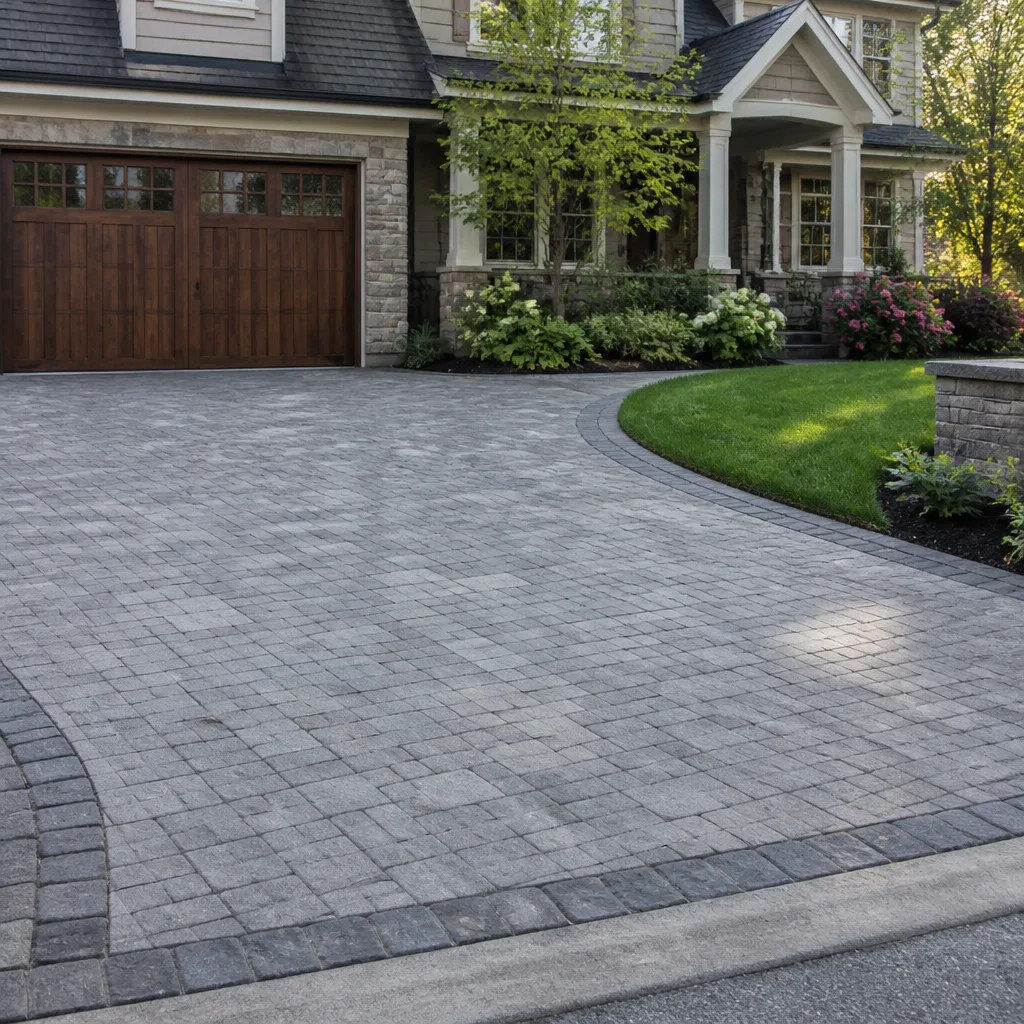
 Driveway & pavers
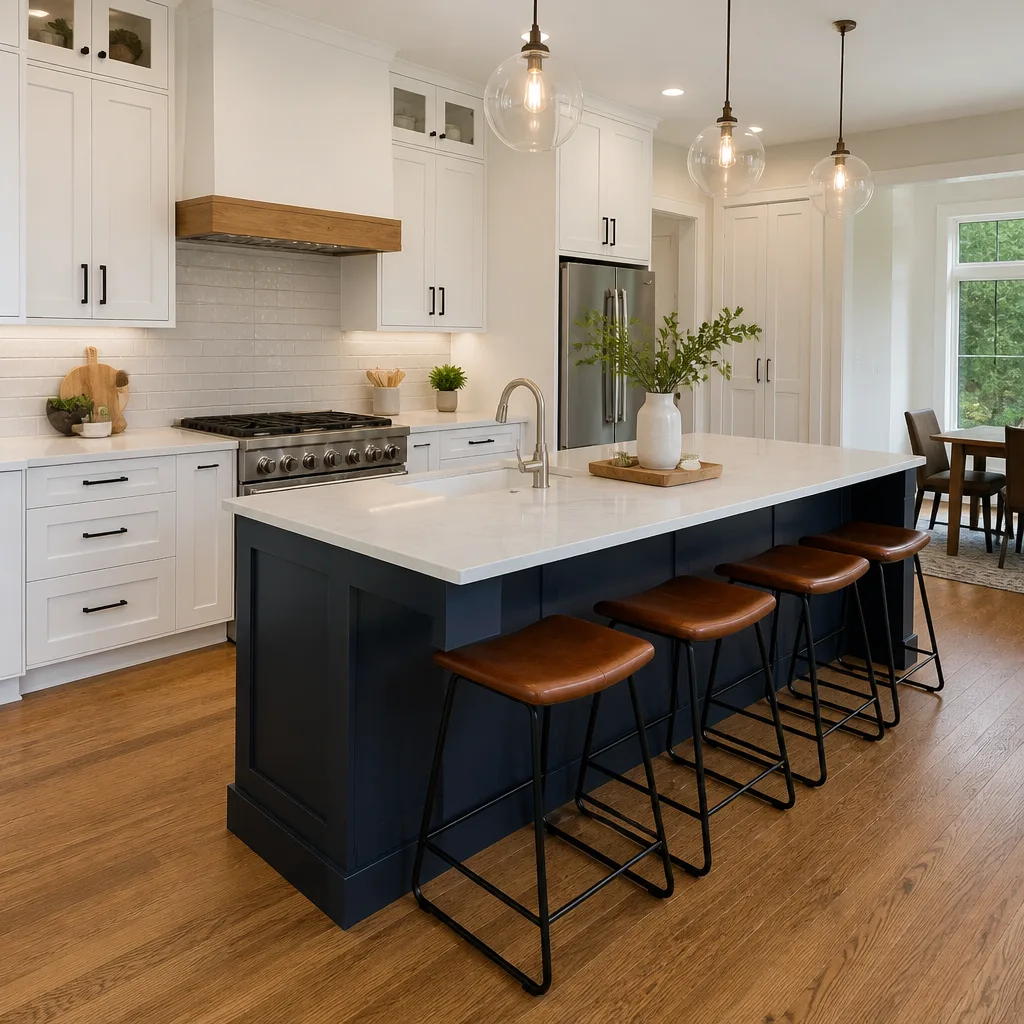 Kitchen remodeling
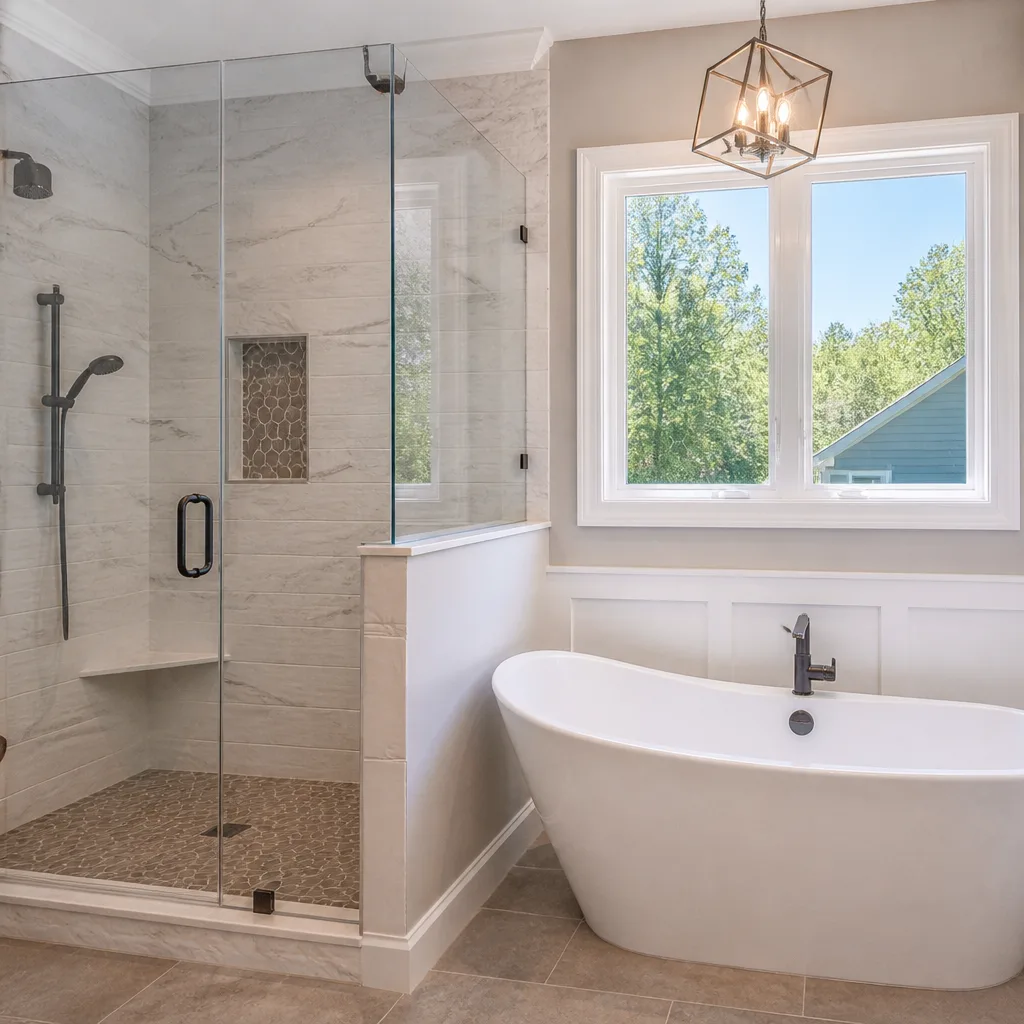 Bathroom remodeling
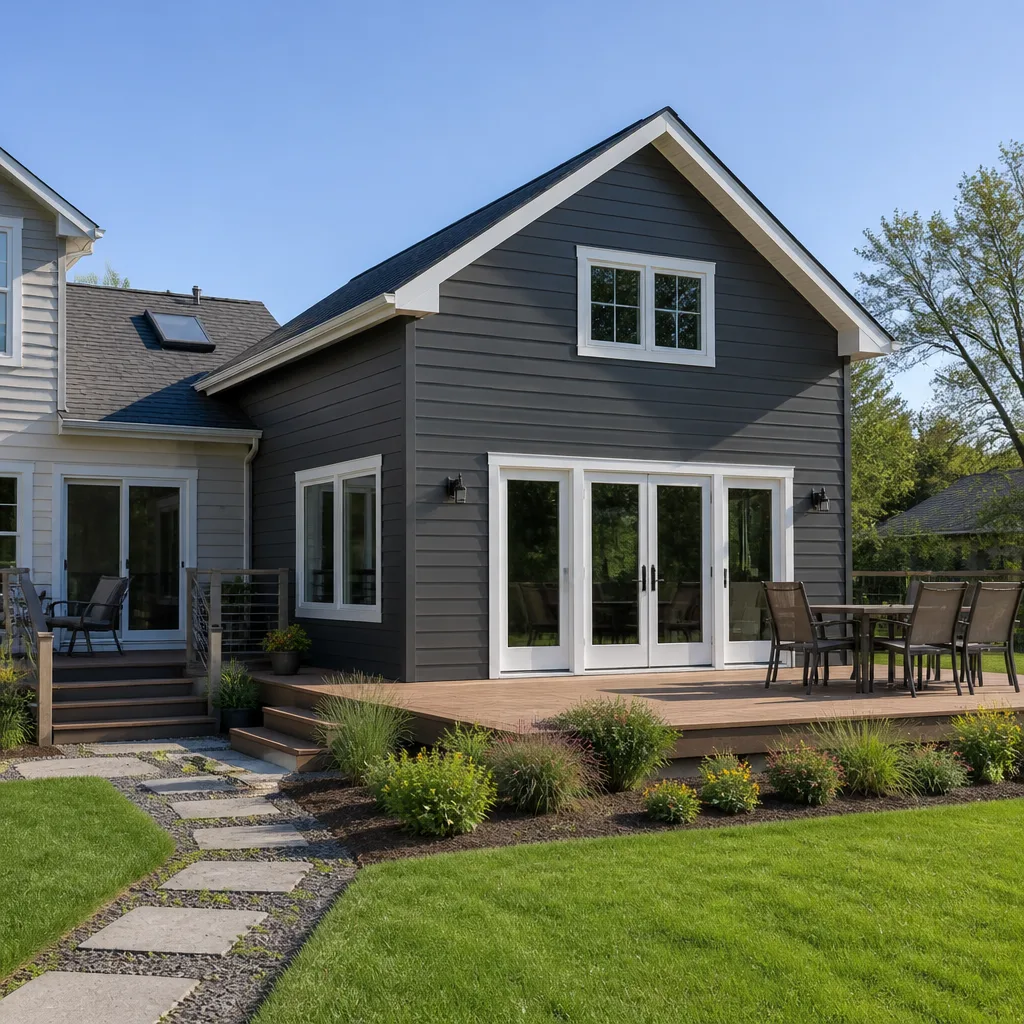 Home additions & ADU
 Roofing
 Windows & doors
 Fence
Free written scope consultation - allowances, timeline, and change-order rules on paper before a single trade is scheduled
Tuff Shed Driveway & Pavers: The Glendale Owner’s Guide
Tuff Shed doesn’t pour driveways or lay pavers, so what you own around the shed is your own hardscape: the apron, the approach pad, and the paver border the installer put down to transition from the street to the slab. In Glendale, replacing a failing approach pad next to a Tuff Shed runs about $7,000 – $18,000 for pavers or $4,500 – $12,000 for a fresh concrete pour, and sealing a pad that’s still sound runs $250 – $700. Those ranges cover removal, subbase, drainage corrections, and finish. Every job gets a written line-item quote before anything gets torn out.
Owners usually figure this part is finished when the shed door starts dragging or when water pools against the slab after the first real rain. Sometimes the giveaway is a crack line that runs straight from the paver edge to the shed foundation, or pavers that heave a good half inch in summer and drop back down by December. Glendale sits on the edge of the Verdugo foothills, and the clay-heavy soil up around Chevy Chase Canyon and the hillside streets off Glenoaks moves more than people expect. That movement doesn’t care what the shed company sold you. It goes after the hardscape first.
Which Tuff Shed Models This Applies To
Here’s the compatibility gotcha nobody explains at purchase: Tuff Shed buildings come in a wide spread of footprint sizes and slab specs across their product lines – the smaller utility and garden units, the mid-range Premier and Tahoe series, and the larger two-story or cabin-style buildings. What changes your driveway and pavers job isn’t the shed model. It’s the slab. A Tuff Shed installed on their poured concrete foundation has a different edge detail and height than one set on a customer-provided pad or on skids. The apron has to meet that edge at the right grade, or you’ll get ponding and foundation moisture either way.
Before quoting, we measure three things on site: the slab height above grade, the exact approach width at the door opening, and how far the shed sits from the property line. Then we check the label on the building itself. Tuff Shed tags their units with a model and serial identifier, usually inside the door frame or on a corner post, and that label tells us the footprint. With that, we know whether you’re matching to an existing pad or rebuilding the transition from scratch.
On OEM versus aftermarket: for pavers and concrete there’s no “OEM.”
The building manufacturer doesn’t make hardscape, so the right matchup is the paver or concrete spec that suits the slab and the Glendale soil. For matching pavers we work with Belgard and Techo-Bloc, both of which hold their color and hold their line against the heave and settle that the local clay throws at them. That’s a better answer than chasing an exact match to whatever generic paver the original installer used.
Styles & brands we work with
- Kitchen remodeling
- Bathroom remodeling
- Home additions & ADU
- Roofing
- Windows & doors
- Driveway & pavers
- Fence
Signs Your Tuff Shed Driveway & Pavers Is Failing
Five things we see most often on Tuff Shed approaches across Glendale. Each of them points to a specific cause, and each one gets worse with the next rain if you leave it.
- Ponding against the slab. Water sits in the same low spot after every storm instead of running off. That low spot is a grading failure: the apron was never pitched away from the shed, so water works into the foundation edge and the subbase underneath.
- Pavers that heave or rock underfoot. You feel the edge lift when you walk across, and in summer the joints open wider. Glendale’s clay soil expands and contracts with the wet-dry cycle, and if the base wasn’t compacted and drained properly, it pushes the pavers up and drops them back.
- Cracks that run from the paver border into the shed foundation. A crack that starts at the hardscape edge and heads toward the slab usually means the two surfaces are moving independently. That’s a joint and base problem, not a cosmetic one.
- Sunken approach pad at the door opening. The shed door scrapes or drags on the apron when you open it. The pad settled under the door threshold, and the settlement pushes the door frame out of square over time.
- Weeds and washed-out joints at the transition. Paver sand and base material are escaping where the hardscape meets the shed or the street. Once the joint opens, water goes in and the base erodes from underneath.
See the difference
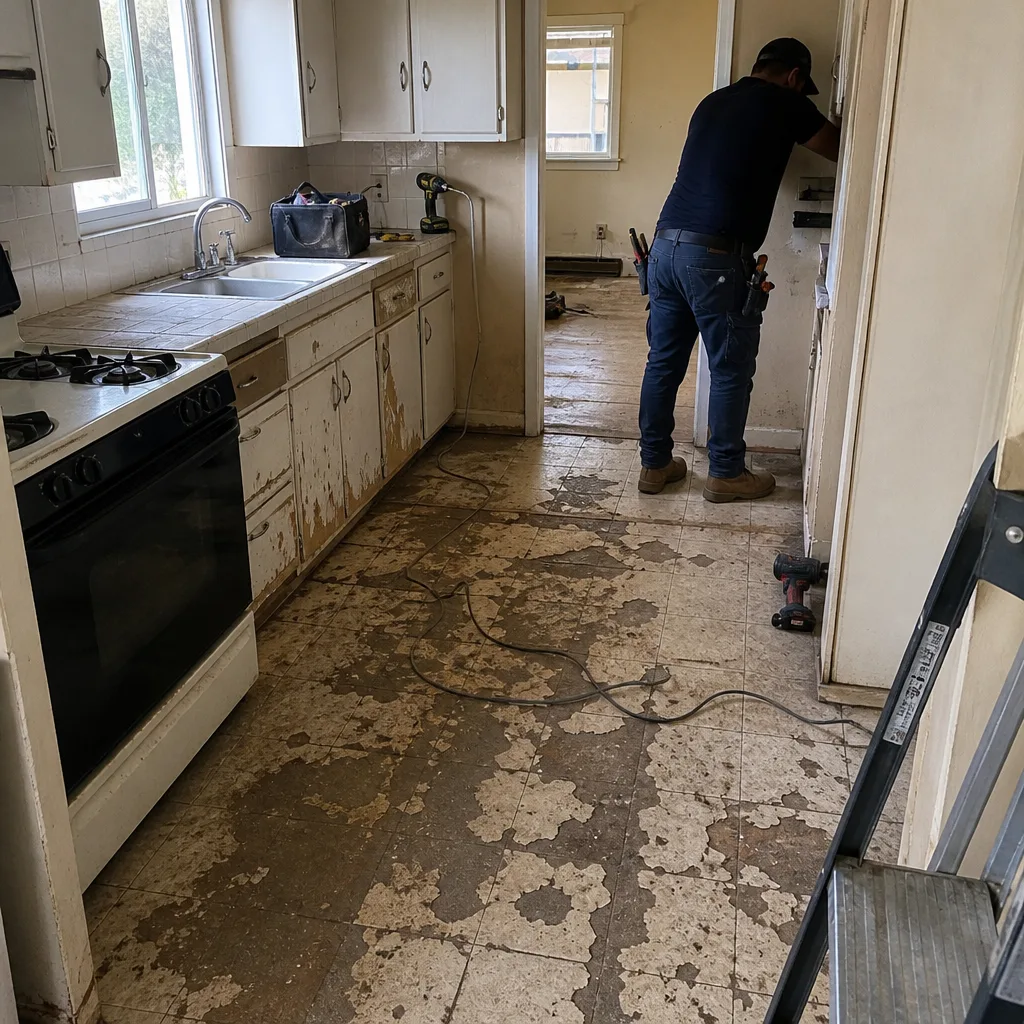 Before
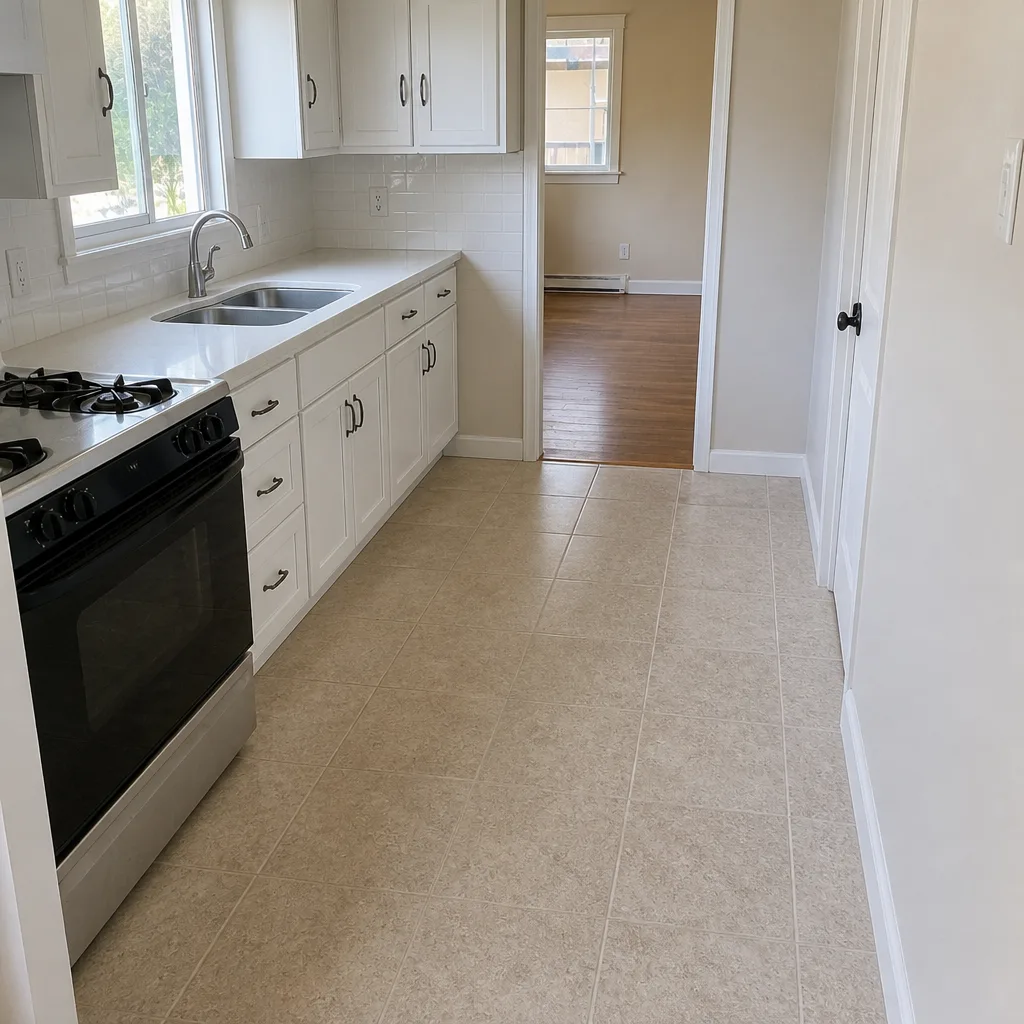 After
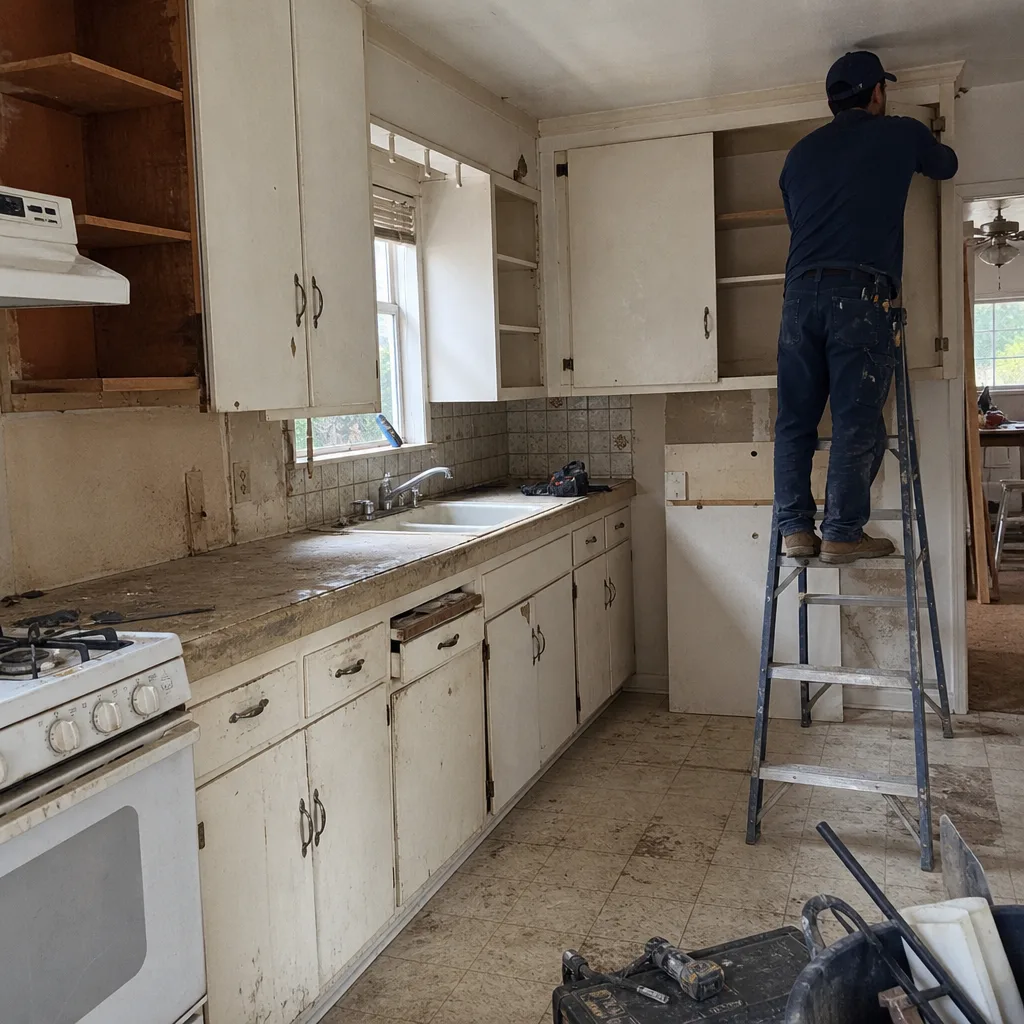 Before
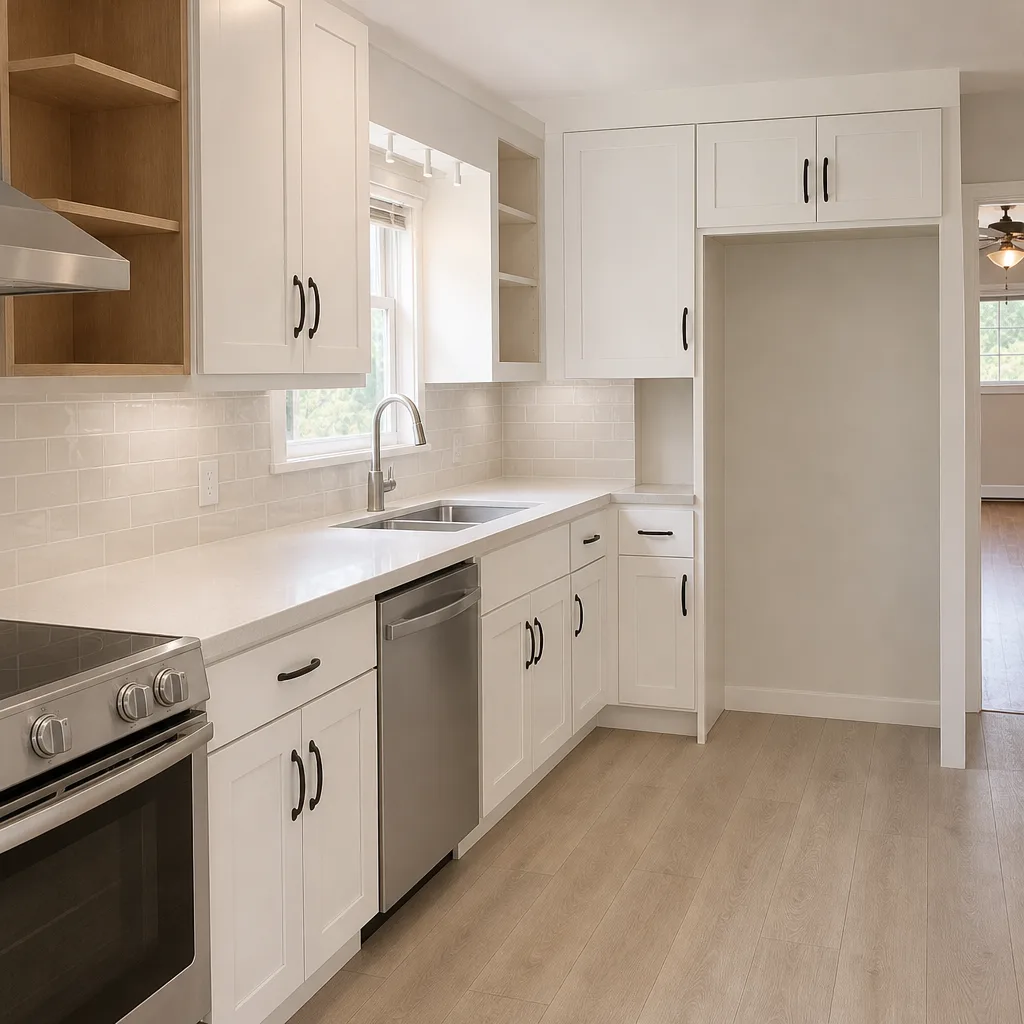 After
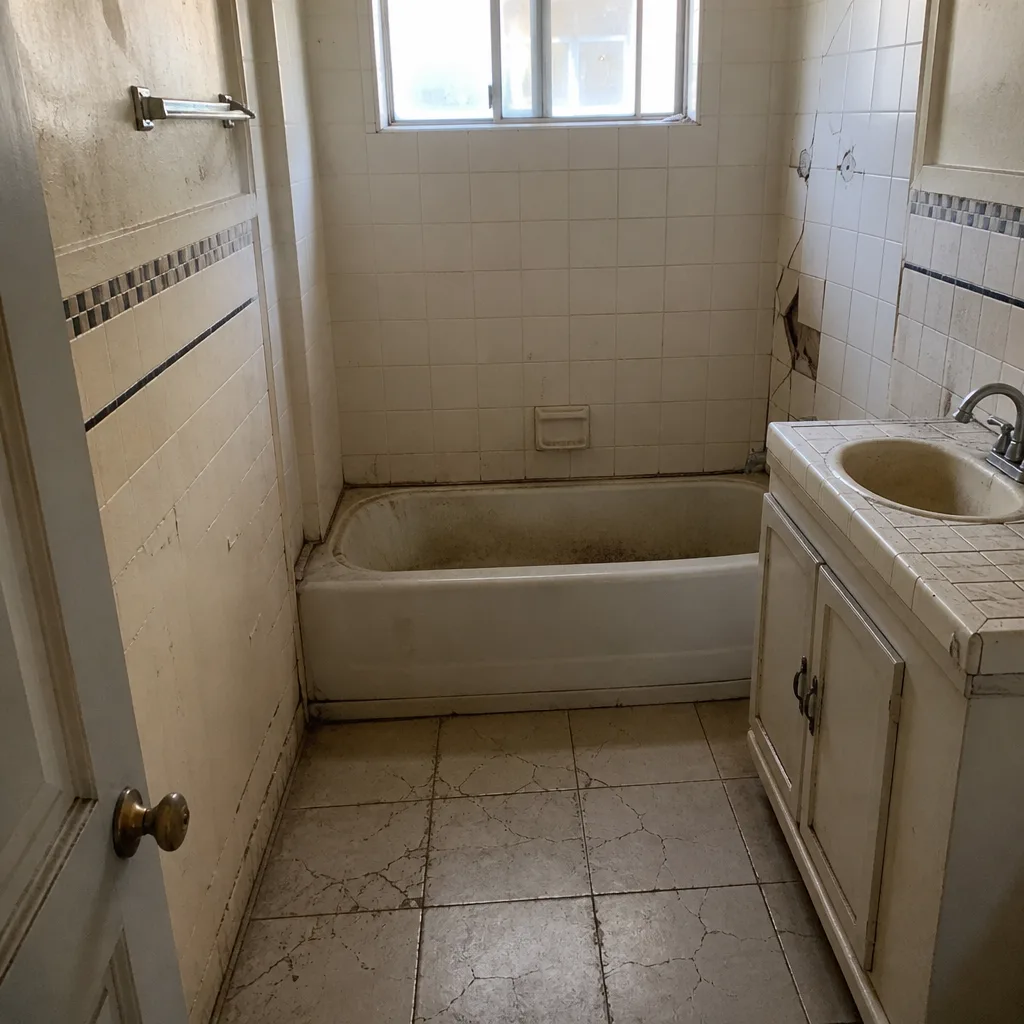 Before
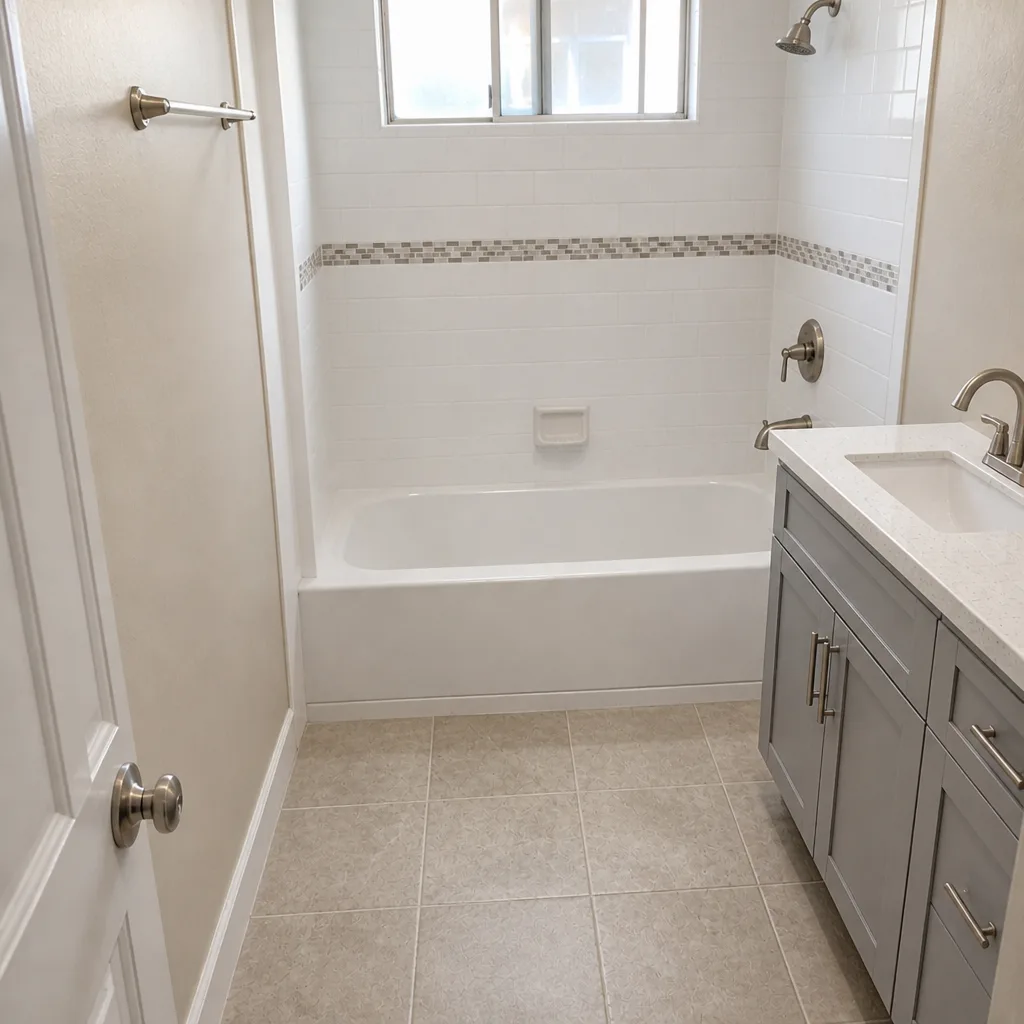 After
Replacement Cost & What’s Included
In Glendale, what you pay depends on footprint, material, and how much subbase has to come out. The ranges below are market-calibrated for this city and include removal, haul-off, base prep, and finish for the approach area around a Tuff Shed.
| Work | Installed range in Glendale |
|---|---|
| Paver driveway installation | $7,000 – $18,000 |
| Concrete driveway installation | $4,500 – $12,000 |
| Driveway replacement | $5,000 – $14,000 |
| Paver patio installation (shed-adjacent) | $3,500 – $11,000 |
| Driveway sealing | $250 – $700 |
What drives the number up: expansive clay that forces a deeper base, a slope that needs a retaining edge, and hard access for equipment on a narrow Glendale street. What keeps it down: a sound subbase that lets us reuse what’s already there. Every quote is line-item and every change order comes in writing before a shovel moves, so there’s no surprise on the final invoice. Every job we finish is backed by the written 90-Day Done Right Promise.
DIY or Call Us?
You can safely check a few things yourself: eyeball where water pools after rain, walk the pavers to feel for rocking, and look at whether the shed door clears the pad. Those tell you a lot. What you shouldn’t tackle alone is re-setting base and grade next to a loaded slab. Get the base compaction and the pitch away from the shed wrong, and you’ll be tearing it out again next year, with a wet foundation to show for it.
We install Tuff Shed-compatible driveway and pavers as an independent contractor; we’re not affiliated with Tuff Shed, and we don’t claim any parts in stock or carried on a truck. What we bring is the right material sourced for your specific job, crew members who show up with a BG check and a name, and the honest conversation up front. Our technicians have up to 28 years of experience. We’re proud to have served Glendale for over 29 years, and Tom Barrett still answers the phone himself. Call (844) 560-4526 for a free estimate and a written second opinion on any quote you’ve already got.
FAQs
How long do driveway and pavers around a Tuff Shed last in Glendale? Expect 20 to 30 years for properly installed pavers and 15 to 25 years for a concrete pad, but the subbase matters more than the finish. In Glendale’s clay soil, a pad that skips proper compaction and drainage can fail in under 10 years. Call (844) 560-4526 for a quote, which is always free.
Can the pavers be repaired instead of fully replaced? Often yes. If the base is sound and only a few pavers have heaved or settled, we can lift, re-level, and re-set them at a fraction of a full replacement. If the failure is in the subbase, patching just delays the problem; a full look at the base is the honest place to start.
How long does the swap take? A driveway sealing runs one day. Most driveway and pavers jobs in Glendale take 2 to 5 days depending on square footage, removal, and how much base we rebuild, and most planned installs are scheduled ahead rather than same-day. We’ll give you a written timeline with your quote.
How do you source the material? We work with Belgard and Techo-Bloc for pavers and matched concrete for slab work, chosen to fit your Tuff Shed’s slab height and the local soil. For nearby trades we also carry KraftMaid, Cambria, and Silestone where they come into a job. All premium brands you can look up. Call (844) 560-4526 for a free estimate and we’ll walk you through the material choices for your Glendale home.
Written by the team at Barrett & Sons Construction Glendale, serving Glendale and nearby areas.