
Last updated November 17, 2026
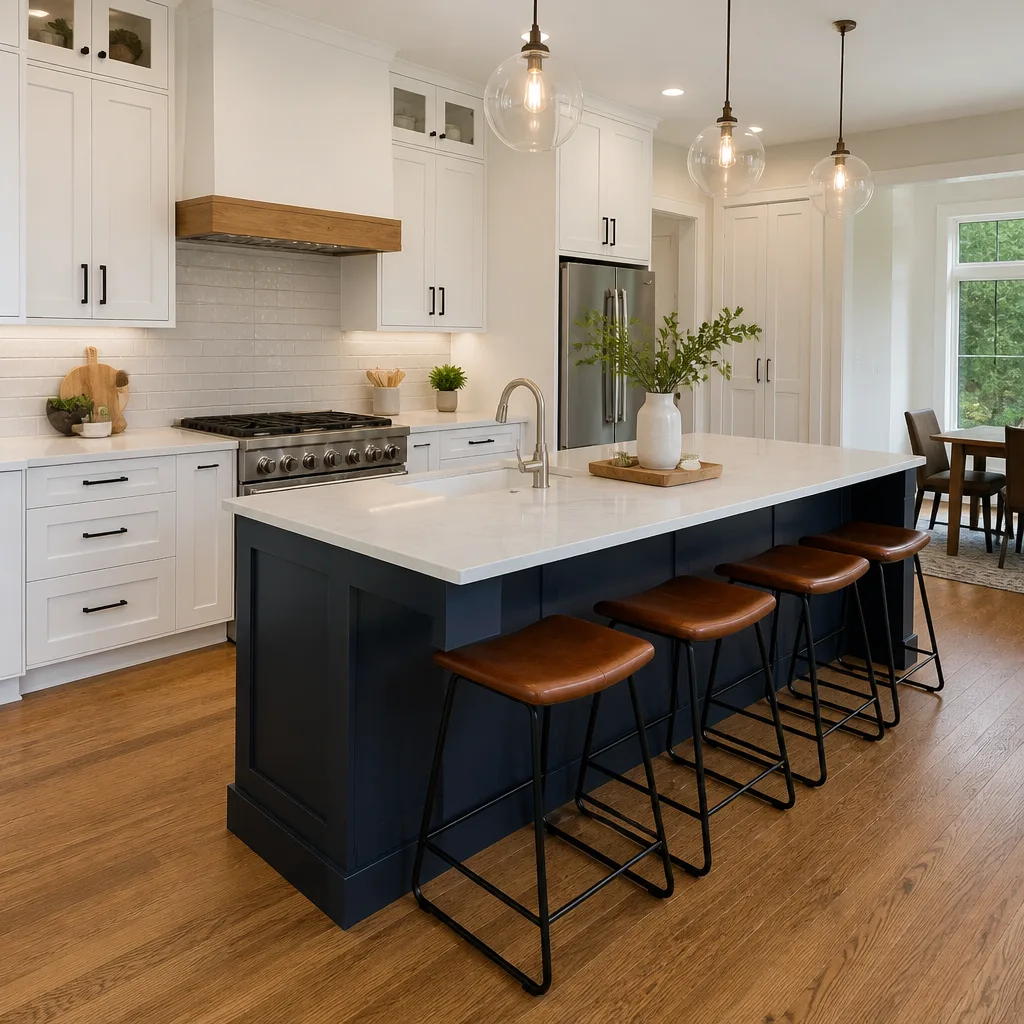 Kitchen remodeling
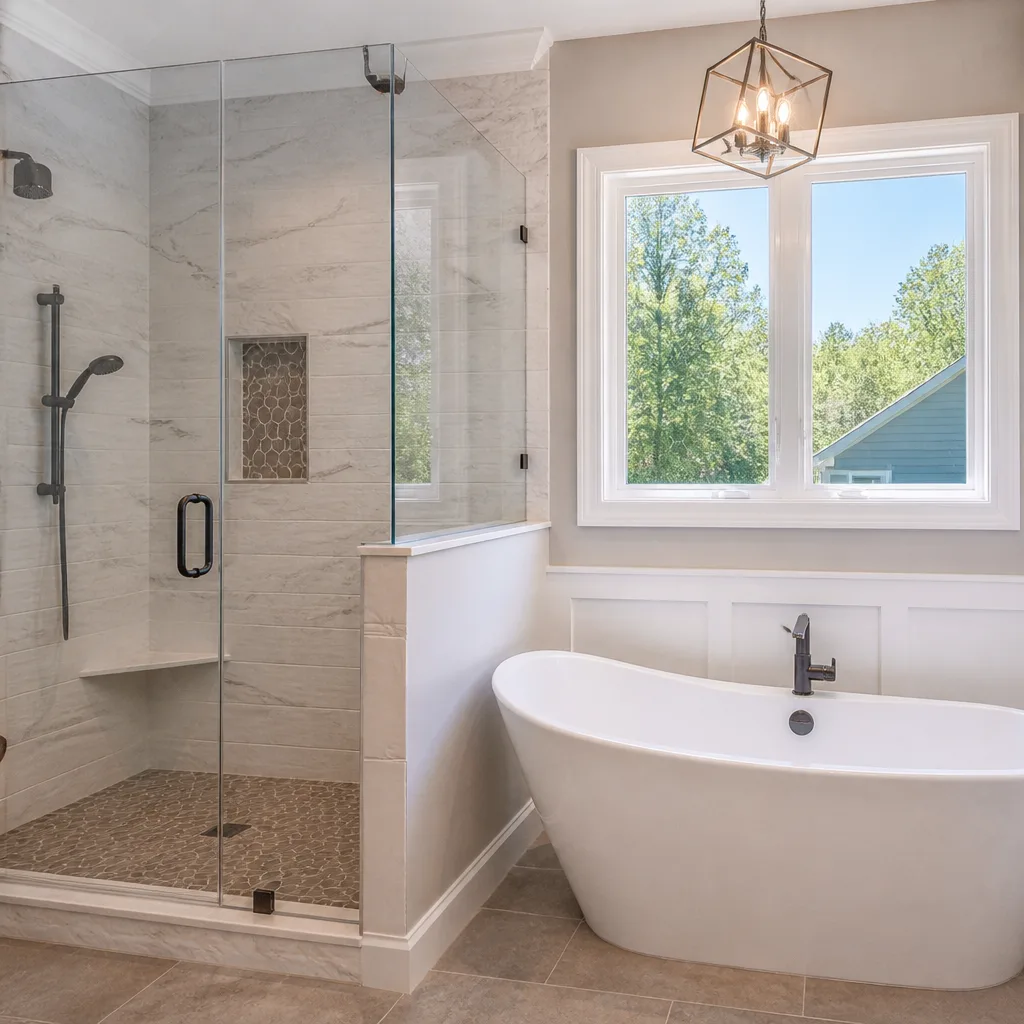 Bathroom remodeling
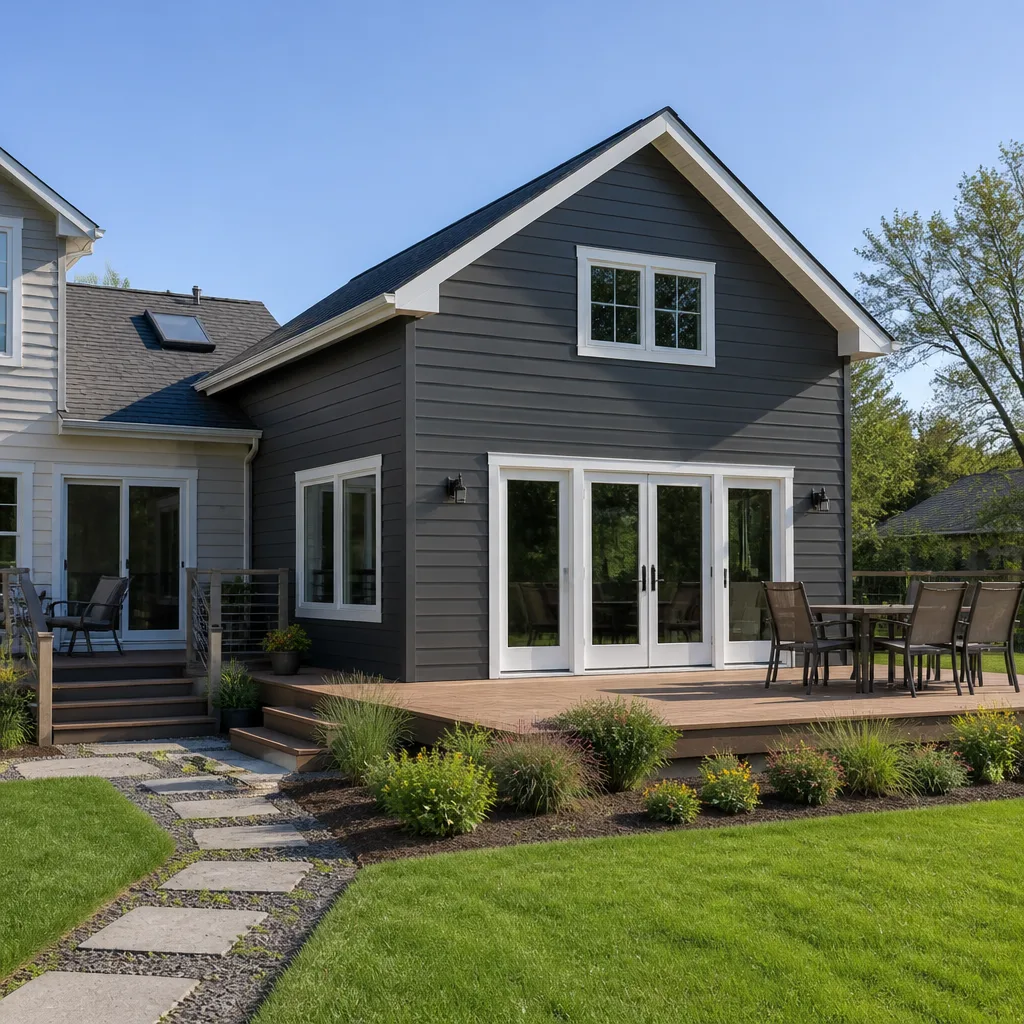 Home additions & ADU
 Roofing
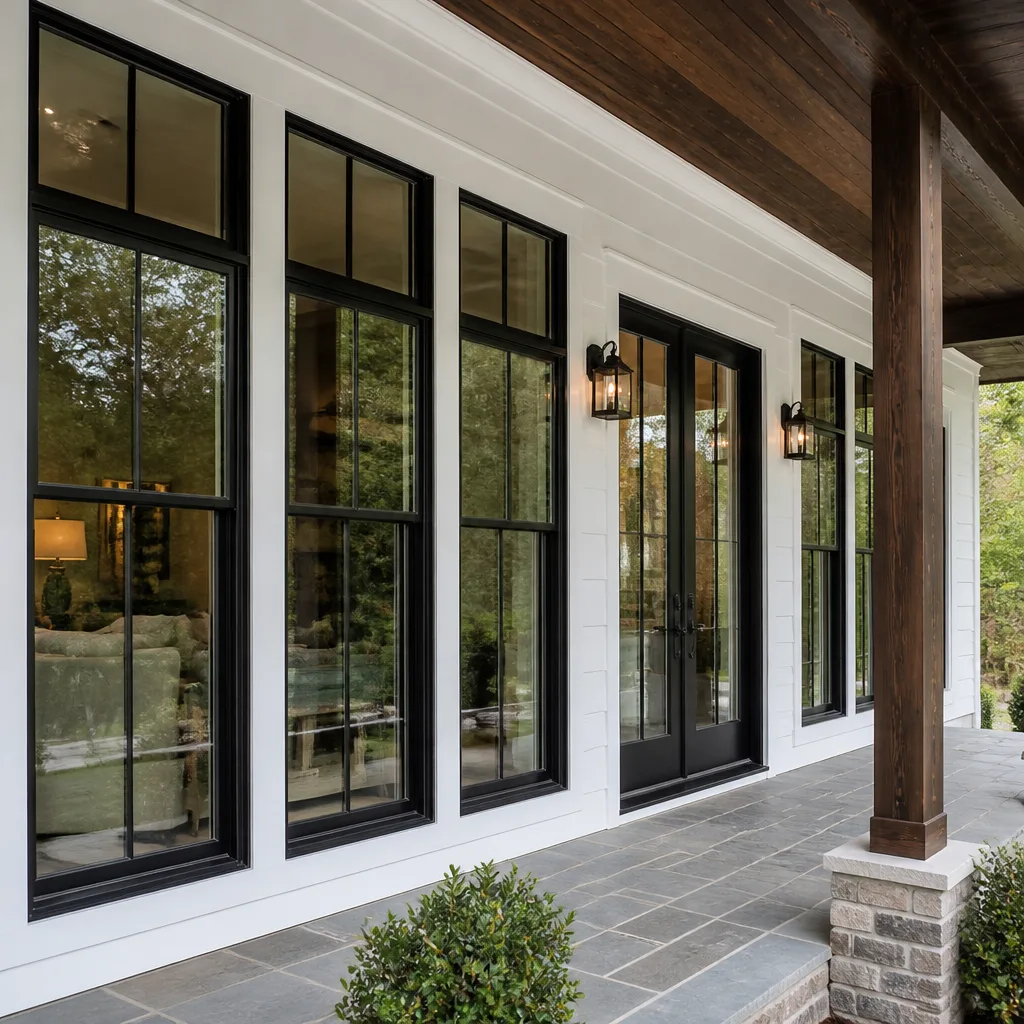 Windows & doors
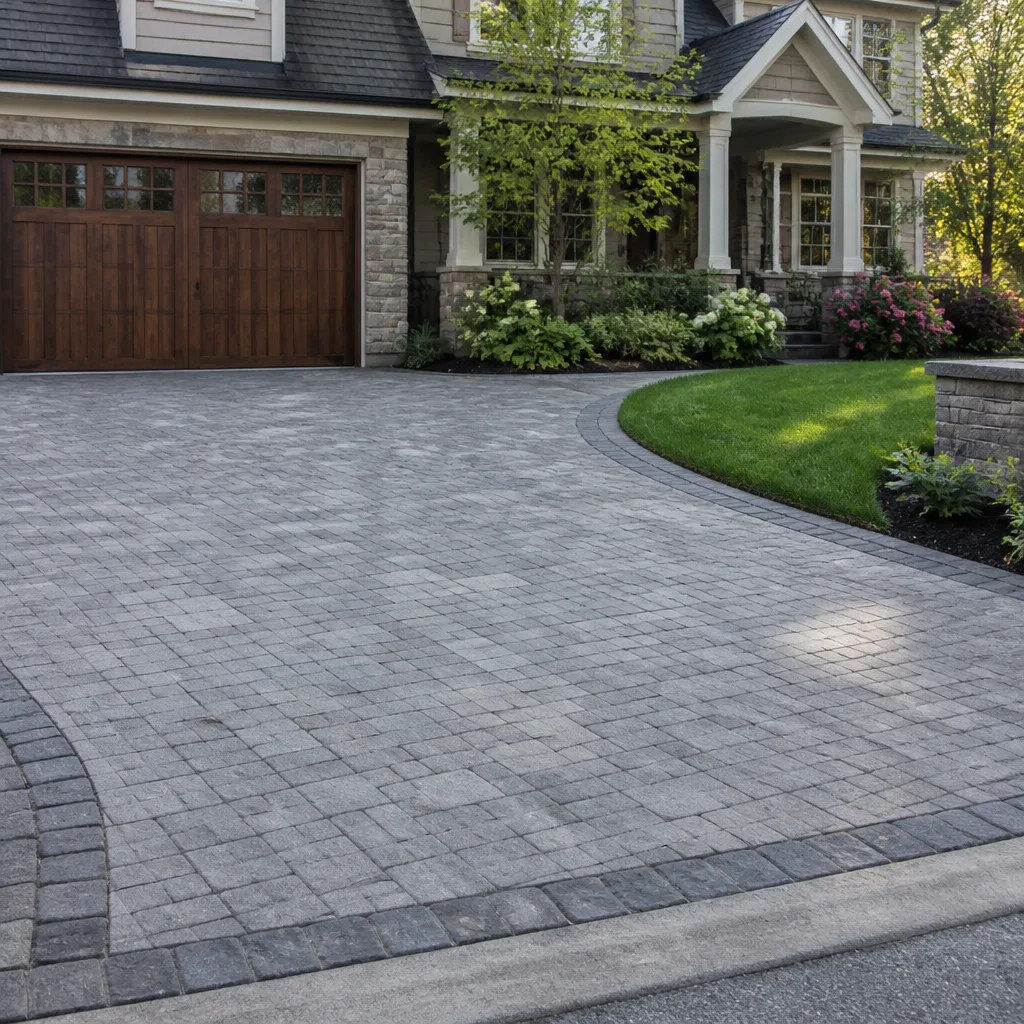 Driveway & pavers
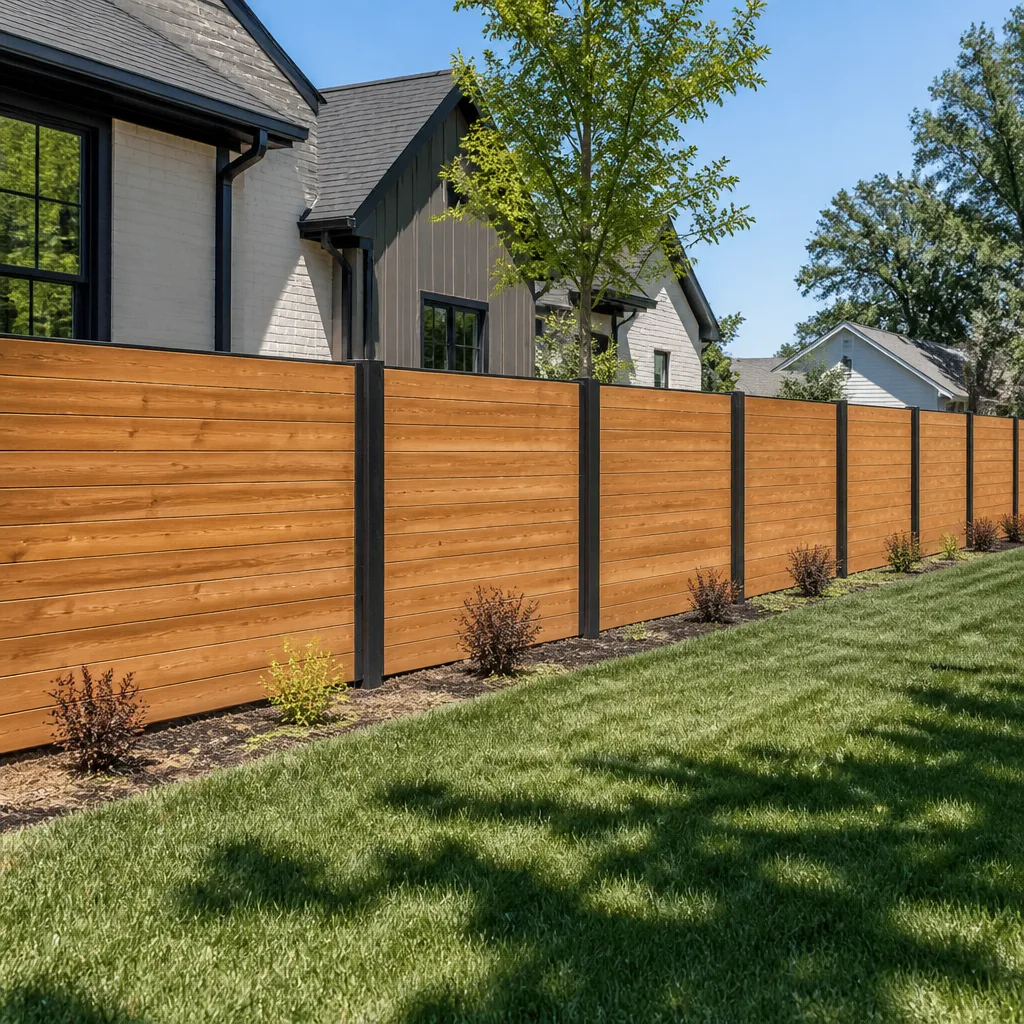 Fence
Free written scope consultation - allowances, timeline, and change-order rules on paper before a single trade is scheduled
How to Hire a Construction Contractor in Glendale: A Step-by-Step Guide
California’s CSLB database will confirm a contractor is licensed. It won’t tell you that the license classification on file doesn’t cover the work they’re quoting you. That gap is how homeowners end up with an unpermitted addition, a failed inspection, and a contractor who disappears when the city catches up. The advice to “check the license and get three bids” leaves out the part that actually protects you. In this Glendale guide, you’ll learn how to match a license classification to the real scope of work, why permit fees belong in every bid, what contract language to demand before signing, and how to verify permits directly with the city.
Quick Answer
Hiring a construction contractor in Glendale means verifying more than an active CSLB license. You need to confirm the license classification covers your specific scope, require permit fees and written change orders in the contract, tie payments to milestones instead of dates, and pull permit history through Glendale’s Building & Safety division. A contractor who passes all four checks is one you can sign with confidence. Skip any of them and you’re exposed, no matter how good the bid looks.
Styles & brands we work with
- Kitchen remodeling
- Bathroom remodeling
- Home additions & ADU
- Roofing
- Windows & doors
- Driveway & pavers
- Fence
Table of Contents
- Why an Active License Isn’t Enough in Glendale
- The Permit Fee Problem in Glendale Bids
- Contract Language to Require Before You Sign
- How to Verify Permits With Glendale Building & Safety
- What a Name-on-the-Truck Contractor Signals
- The Step-by-Step Hiring Process
- Glendale-Specific Risks Most Guides Skip
Why an Active License Isn’t Enough in Glendale
The CSLB license lookup tells you a contractor has a valid license. It doesn’t tell you the classification covers your project. That distinction matters more in Glendale than most homeowners realize, because the work here spans classifications the average resident never thinks to check.
California separates contractor licenses by classification. A Class A covers general engineering. A Class B covers general building. A Class C-39 covers roofing specifically, C-36 covers plumbing, and C-10 covers electrical. A contractor holding a Class B can generally take a whole-house project that involves multiple trades. A roofer holding only a C-39 can’t legally take your full remodel. When someone quotes you a kitchen and a roof under one contract, check that the classification actually permits both.
Here’s where it goes wrong in Glendale. Many homes in neighborhoods like Adams Hill and Pelanconi date to the 1920s and 1930s, and additions to those homes often trigger structural, electrical, and plumbing work all at once. A contractor holding a narrow specialty license can quote the whole job, then subcontract the trades they aren’t licensed for. That’s legal in some cases, but if the subcontractor isn’t properly licensed or the permits are filed under the wrong classification, the inspection fails and you’re the one holding the bag.
What to do: pull the contractor’s record on the CSLB site, note every classification listed, and match it to the work on your bid. If a scope item doesn’t match a classification on file, ask who’s licensed to perform it and request their license number too. In Glendale, that single step catches more problems than any other.
The Permit Fee Problem in Glendale Bids
A bid that excludes permit fees is a red flag in Glendale, where permit costs are non-trivial and legally required for most structural, electrical, plumbing, and addition work. The permit fee isn’t optional and it isn’t a formality. It’s a real line item that a legitimate contractor factors into the price before you sign.
Why does this matter? Because a low bid that leaves out permits looks competitive until you’re the one paying the city separately and discovering the contractor never intended to pull the permit at all. When a contractor skips the permit, they skip the inspection. When they skip the inspection, you get work that may not meet code and a house that fails when you try to sell it.
Glendale permit fees vary by scope and valuation, but the principle holds regardless of the project size. Here’s what a complete bid should show:
- Permit fees as a separate line item with the estimated cost stated, not buried in a lump sum.
- Who pulls the permit – the contractor should pull it, not hand you the paperwork.
- Inspection scheduling written into the scope of work.
- Allowances and their dollar limits spelled out, because an allowance that isn’t on paper is a surprise waiting for a date.
- Change order procedures described in the contract, not promised verbally.
We’ve seen homeowners in Glendale get a bid that was several thousand dollars below the others for exactly this reason: no permit line, no allowance detail, no change order language. That gap wasn’t a discount. It was a deferred cost they paid later. For more on how a properly scoped addition should be priced, see our guide to Home Additions & ADU in Glendale.
Contract Language to Require Before You Sign
The contract protects you more than any handshake and any promise. Three elements belong in every construction contract in Glendale: written change orders, lien releases, and a payment schedule tied to milestones rather than calendar dates.
Written change orders. Every scope change, every allowance adjustment, every price change should arrive as a written change order before work proceeds. Verbal change orders are the single most common source of contractor disputes. If a crew member says something’s going to cost more, nothing should happen until that number is on paper and signed. No surprise invoices at the end.
Lien releases. A mechanics lien lets an unpaid subcontractor or supplier place a claim on your property. You can be paid in full with your contractor and still face a lien from a supplier who never got paid. Insist on conditional lien releases as payments are made and a final unconditional release when the job closes. This protects you even if the contractor’s own bookkeeping goes sideways.
Payment tied to milestones. A payment schedule based on calendar dates rewards the contractor for showing up, not for finishing. Milestones reward completion. A reasonable schedule might tie a payment to framing inspection signed, another to rough plumbing and electrical approved, another to final inspection passed. Never pay a large sum up front, and never make the final payment before the final inspection clears.
Ask for all three in writing before signing. A contractor who pushes back on any of them is telling you something useful about how the job will go.
How to Verify Permits With Glendale Building & Safety
You can confirm a contractor has actually pulled permits on past jobs in Glendale by calling the city’s Building & Safety division directly. This is the step almost no homeowner takes, and it’s the step that separates a claim from a fact.
Here’s the process:
- Ask the contractor for addresses of two or three recent Glendale jobs similar to yours.
- Call Glendale’s Building & Safety division and ask whether permits were pulled for those addresses, what the permit covered, and whether inspections were signed off.
- Cross-check the classification on the permit against the contractor’s CSLB record. If the permit was filed under a classification that doesn’t match the work, that’s a problem.
- Ask about open permits at those addresses. An open permit means the job was never fully inspected, which tells you the contractor left something unfinished.
- Ask whether the contractor appears on the permit as the responsible party or as a subcontractor. The name on the permit is the name on the hook.
The permit inspector works for you, not for the contractor. That’s why a legitimate contractor welcomes the inspection and a corner-cutter avoids it. When we pull permits on a Glendale job, we hand the homeowner the permit number so they can check for themselves. If a contractor won’t give you addresses, or the city has no record of permits on jobs they say they did, you have your answer.
What a Name-on-the-Truck Contractor Signals
A name-on-the-truck contractor signals that the person responsible for your job has a reputation to protect in the same town you live in. That’s a different accountability structure than a general contractor who subcontracts every trade and rarely appears on site.
When a general contractor subs out all the work, the person who quoted your job may never return after the contract is signed. You meet a salesperson, you sign, and the crews that show up are strangers answering to a different company. When something goes wrong, the person who promised to fix it is two levels of subcontract away. Nobody owns the problem.
A contractor whose name is on the truck, whose address and license number are published, and who answers his own phone has put something real on the line. He can’t hide behind a call center. He’ll see you at the hardware store. He lives close enough to come back if something’s wrong.
At Barrett & Sons Construction, Tom Barrett publishes his name, address, and license number so you can look them up before you sign anything. His sons run the crews, and every eligible job includes permits pulled and inspections signed. The crews are background-checked and carry the Barrett & Sons name on every visit. That’s what a name-on-the-truck contractor actually means: a real person accountable to a real community. If you want to see how that plays out across a full project, look at our Driveway & Pavers in Glendale work, where the same accountability applies.
The Step-by-Step Hiring Process
Here’s the full sequence, in order. Each step catches a different problem, and skipping any of them leaves a gap.
- Define the scope in writing before you call anyone. A clear scope keeps bids comparable and prevents the “we didn’t know you wanted that” conversation later.
- Verify the CSLB license and classification. Look up every bidder’s record and match classifications to the actual scope of work.
- Ask for proof of insurance and bond. California requires licensed contractors to carry both. Request certificates and confirm the coverage is current.
- Get three written bids that include permit fees. A bid without a permit line is not a bid; it’s a number that will grow.
- Review the contract for change order language, lien releases, and milestone payments. All three in writing before you sign.
- Call Glendale Building & Safety to confirm past permit history. Ask for two or three recent local addresses and check each one.
- Get a written workmanship warranty. A real warranty is on the contract, not in a brochure. Ours is a 90-Day Done Right Promise written on every job: if it’s not done right, one call brings Tom back.
- Confirm who will be on site. Ask whether the person who quoted the job will be there. A name-on-the-truck contractor will be.
This process takes a few extra hours. It’s the cheapest insurance you’ll ever buy on a five-figure job.
Glendale-Specific Risks Most Guides Skip
Glendale has a few local conditions that make contractor hiring different from the generic advice you’ll read online. Knowing them helps you ask better questions.
Older housing stock. Large parts of Glendale were built between the 1920s and the 1950s. Older homes have older wiring, cast-iron plumbing, and framing that may not match current code. A contractor who doesn’t factor this in quotes you a number that changes once the walls open up. That’s where written change orders matter most. In Glendale, we regularly see scope surprises on homes built before 1960, and the honest way to handle them is a written change order before the work proceeds.
Hillside and slope conditions. Neighborhoods near the Verdugo foothills include slope conditions that affect foundations, drainage, and retaining structures. Additions in these areas need geotechnical review and sometimes engineered plans. Ask whether the contractor has done hillside work before and whether the bid accounts for the engineering.
ADU and addition demand. Glendale has seen a wave of accessory dwelling unit projects in recent years, and prefab options from builders like Abodu and Mighty Buildings have entered the market. Prefab reduces site time but still requires local permits, a foundation, utility connections, and inspection. The contractor who installs it is still responsible for the permit. If you’re considering an ADU, see how we handle the local permitting side at our Home Additions & ADU page.
Seismic and fire considerations. Glendale sits in a high seismic zone and abuts designated very high fire severity areas. Roofing, structural work, and additions need to account for both. A contractor installing a roof in Glendale should know which roofing assemblies meet local requirements; GAF and CertainTeed are two brands we install because the specifications are documented and verifiable. For exterior work like fences and hardscape, check our Fence Installation in Glendale guide.
Common Mistakes to Avoid
- Checking that the license is active but not that the classification matches. An active C-39 roofing license doesn’t cover an addition. Match the classification to the scope before you trust the bid.
- Accepting a bid that leaves out permit fees. In Glendale, permit fees are real money and legally required. A bid without them is a bid that will grow.
- Signing a contract with no written change order language. If it isn’t on paper, it isn’t agreed to. Verbal price changes are how a friendly project turns into a dispute.
- Paying a large deposit up front. A milestone payment schedule protects you. A big cash deposit on day one puts all the risk on your side of the table.
- Failing to verify permit history with the city. Asking a contractor about past permits only gets you their version. Calling Glendale Building & Safety gets you the record.
- Hiring a general contractor who never appears on site. If the person who quoted the job is gone once the contract is signed, nobody is accountable when something goes wrong.
- Skipping the workmanship warranty check. A warranty that isn’t in the contract is a warranty that doesn’t exist. Ask to see it in writing before you sign.
See the difference
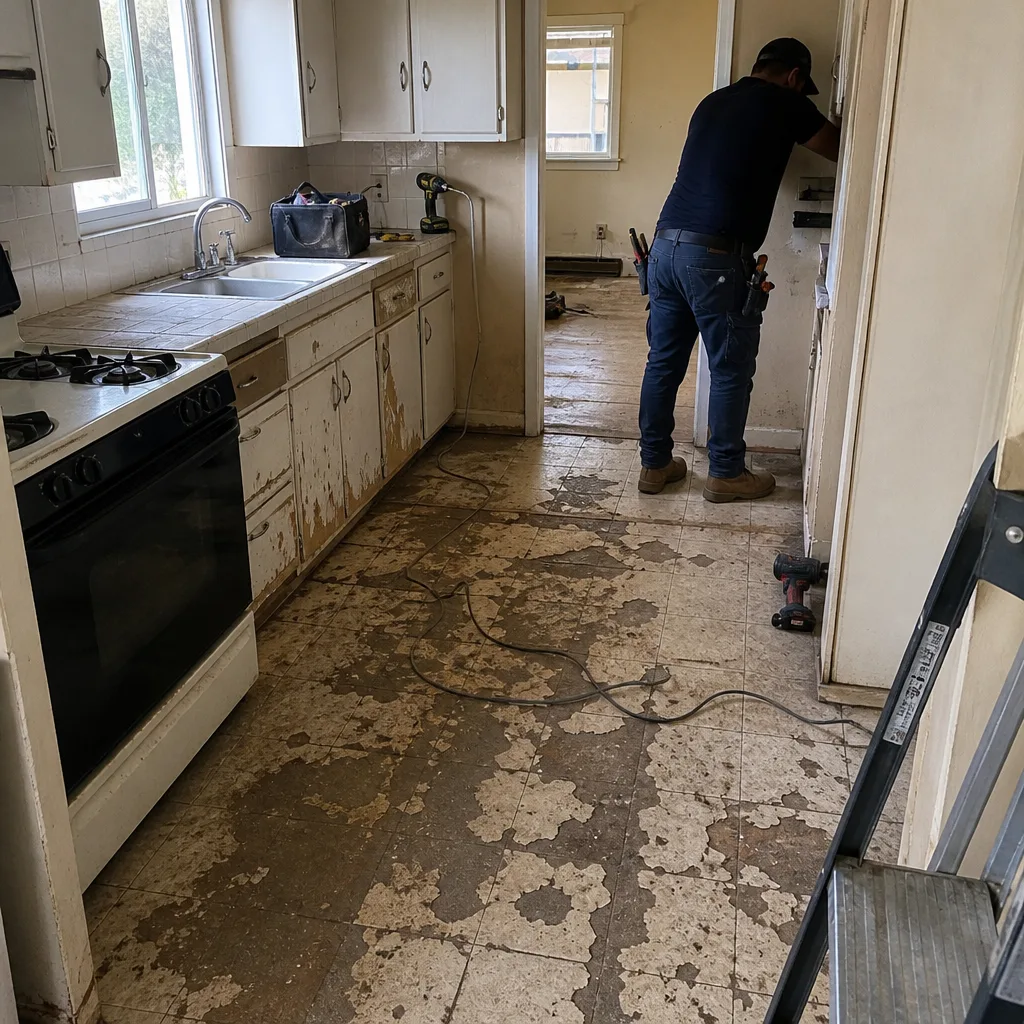 Before
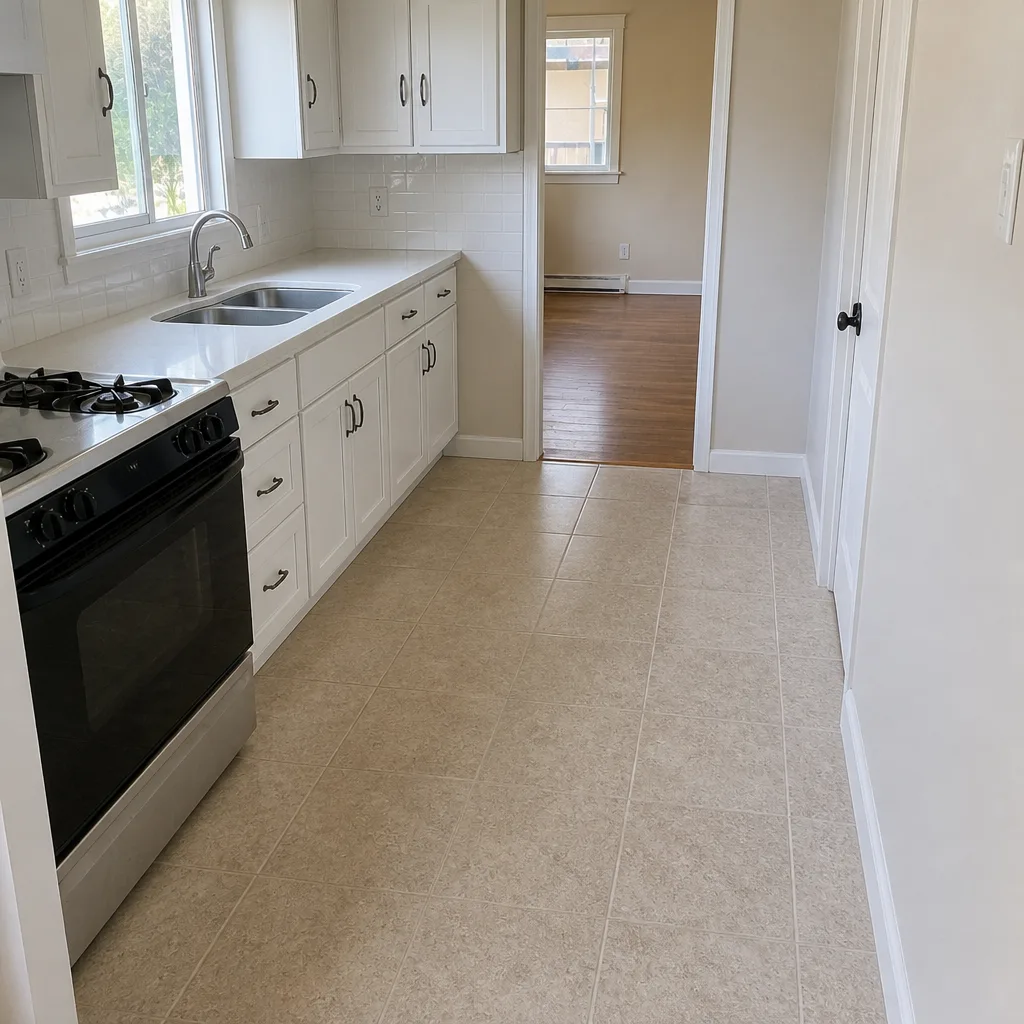 After
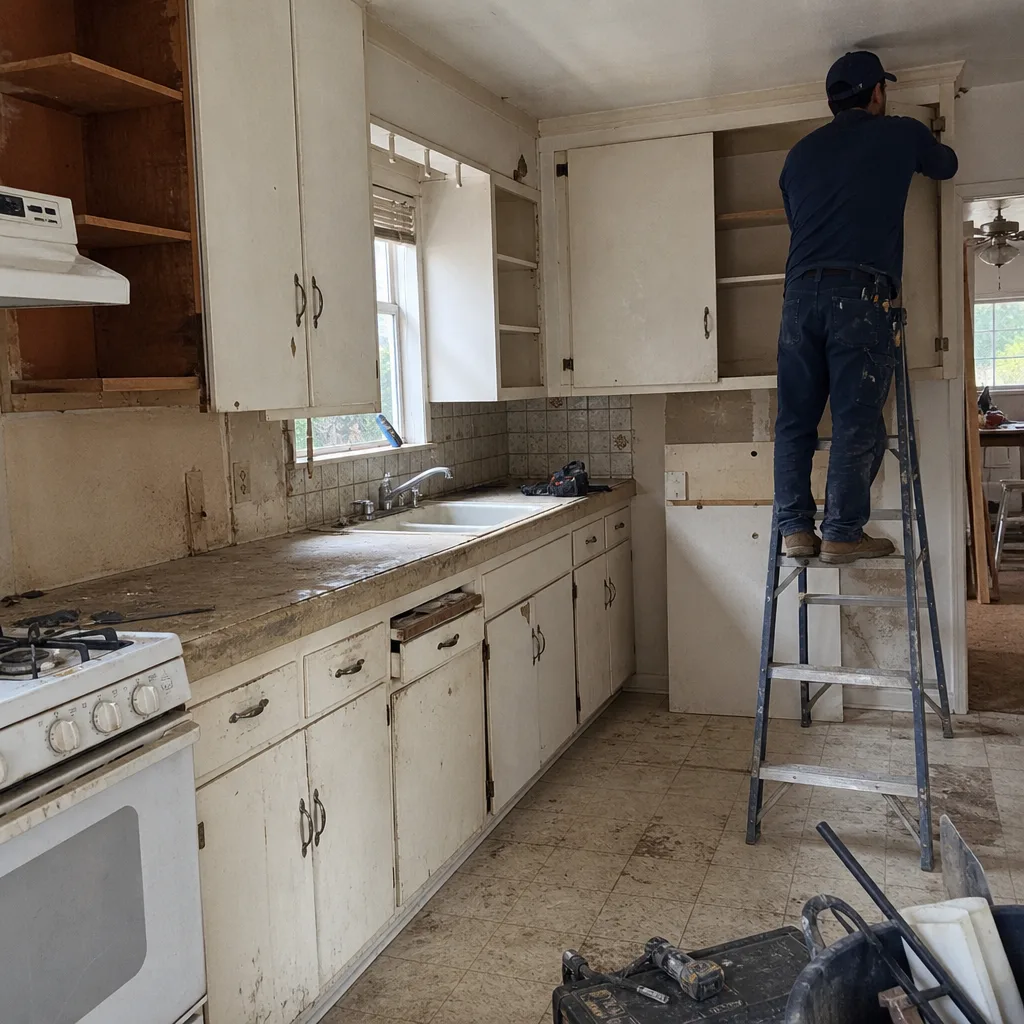 Before
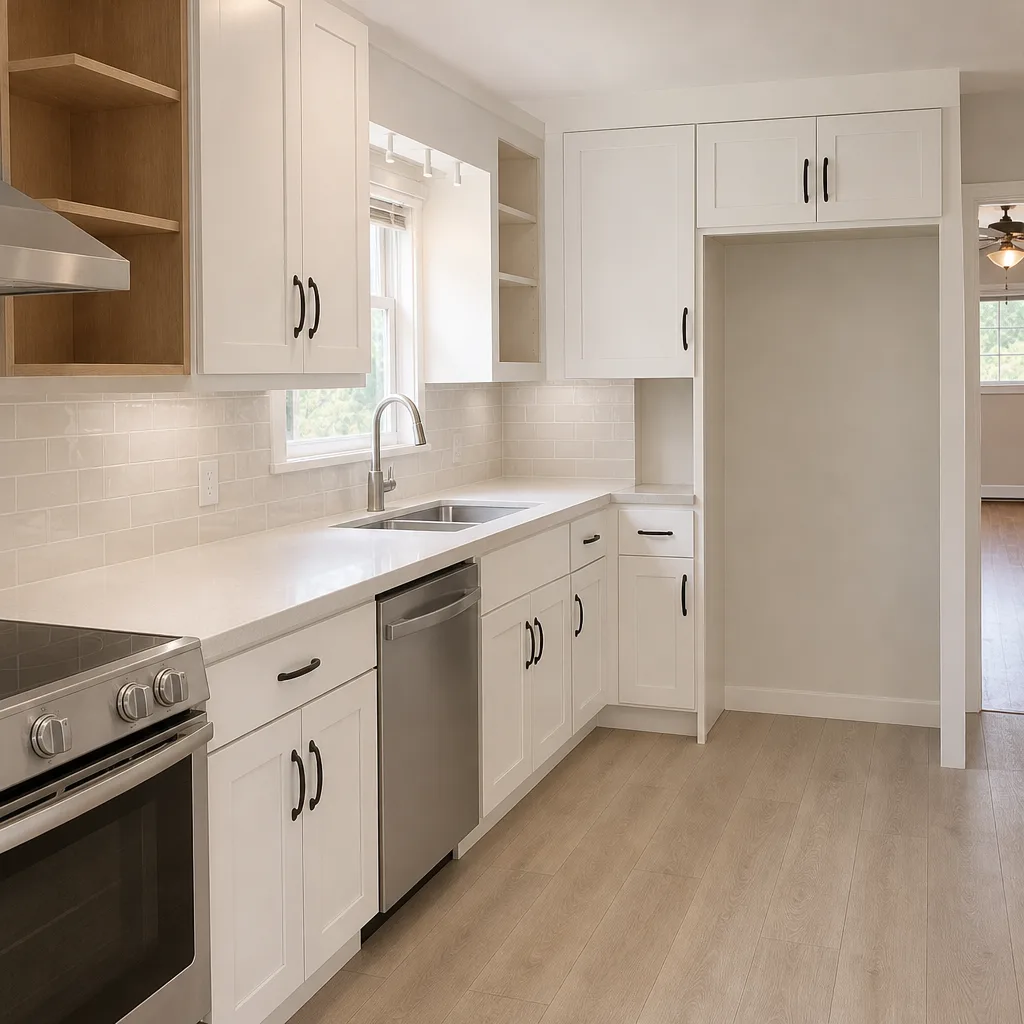 After
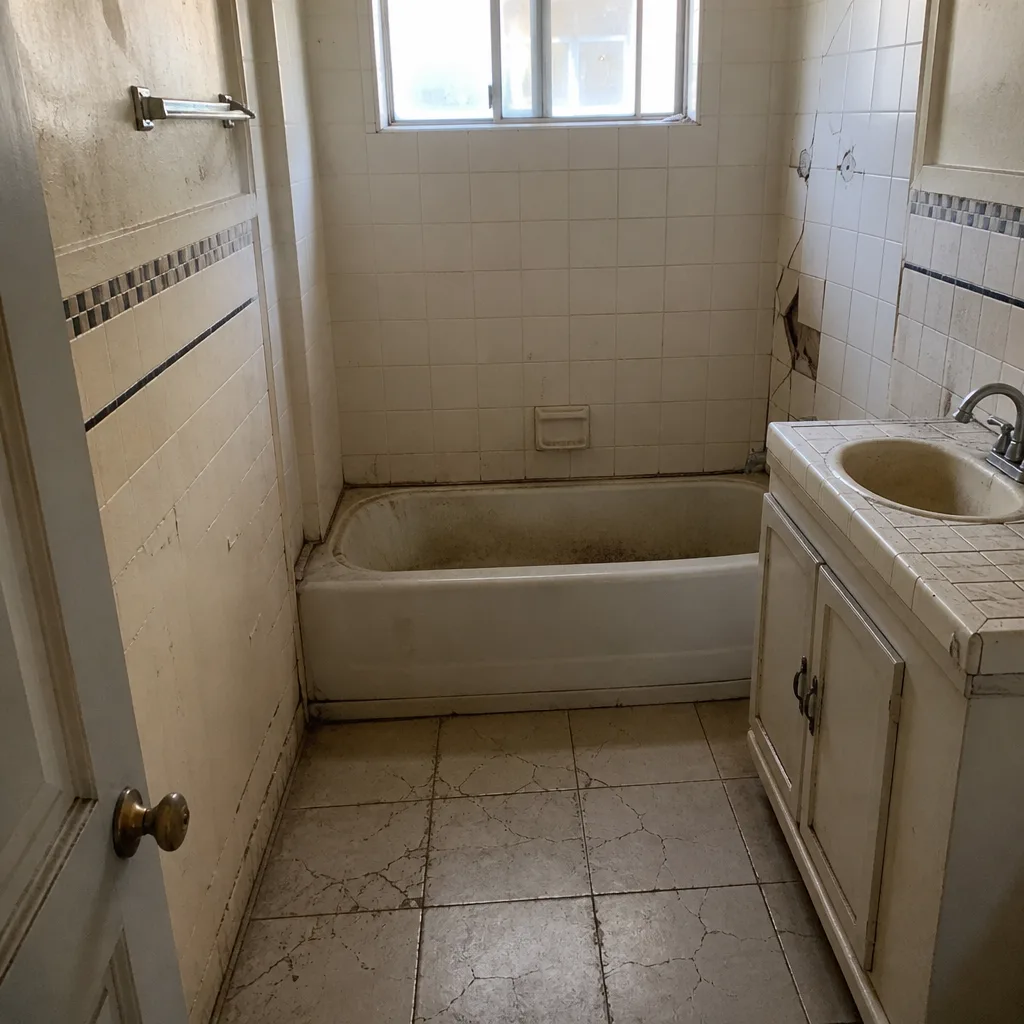 Before
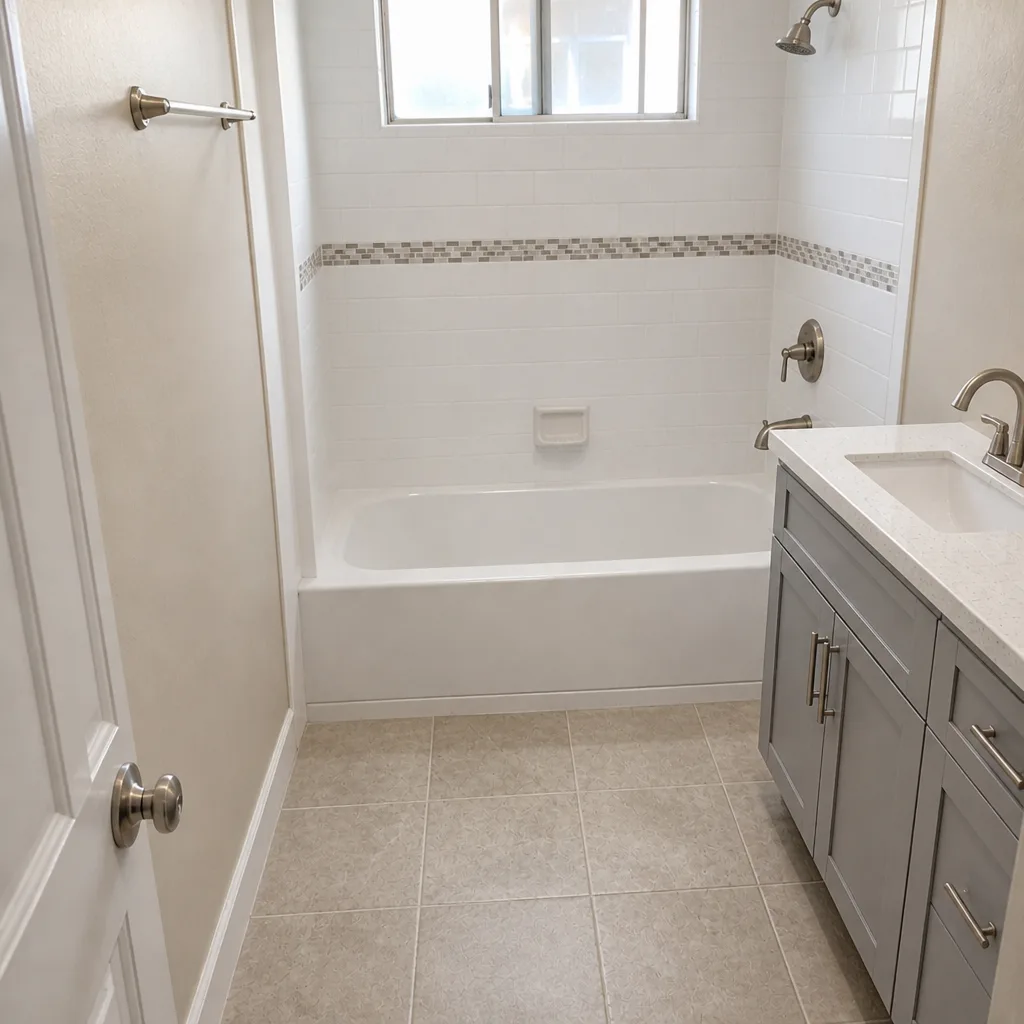 After
When to Call a Professional
Some Glendale projects are fine to handle yourself: a gate repair, a small patch of decking, a fence board that worked loose. Others need a licensed contractor because the risk and the code requirements are real. Structural work, anything touching the electrical panel, gas lines, additions, roof replacements, and any project that requires a permit should be done by a licensed professional with the right classification. In our experience, the jobs that get skipped and then redone cost the homeowner more than doing it right the first time. Barrett & Sons Construction Glendale offers free estimates in Glendale. Call (844) 560-4526 to schedule yours, and you’ll get a written line-item quote with permit fees included, fixed pricing, and a written change order before any scope change touches the job.
Frequently Asked Questions
Look up the contractor on the CSLB website and read every classification listed on the record, then match those classifications to the actual work in your bid. An active license isn’t enough; the classification has to cover your scope. For example, a C-39 roofing license doesn’t authorize a full addition. Call (844) 560-4526 if you want us to walk you through what a Glendale project typically requires.
Yes. Permit fees should appear as a separate line item in every bid, and the contractor should pull the permit, not hand you the paperwork. A bid that excludes permit fees is a red flag in Glendale, where permit costs are non-trivial and legally required for most structural and addition work. Call (844) 560-4526 for an exact quote with permit fees spelled out; estimates are free.
Ask the contractor for two or three recent Glendale addresses, then call the city’s Building & Safety division and ask whether permits were pulled for those addresses, what they covered, and whether inspections were signed off. Also ask about open permits, which indicate unfinished inspections. That record is public. A contractor who welcomes the check is one worth hiring.
It shouldn’t change without a written change order you sign first. On older Glendale homes, discovering unexpected conditions behind the walls is common, but the honest way to handle it is to stop, document the change in writing, and get your agreement before proceeding. Any contractor who wants to hand you a bigger invoice at the end without a written change order is showing you how they work. Call (844) 560-4526 to see a written change order process in action.
A kitchen remodel typically runs six to ten weeks, a bathroom four to six, a roof replacement one to three days depending on size and material, and a home addition several months once permits are approved. The permit approval timeline itself can add weeks. Ask any contractor for a written schedule tied to milestones, not calendar dates, so the payment schedule follows completion.
Don’t sign anything until you understand who is licensed to perform each scope item. Either find a contractor whose classification covers the full job, or ensure the subcontractors on the project are properly licensed and their license numbers appear in your contract. If a contractor is vague about this, walk away and call (844) 560-4526 for a free second opinion on the bid.
The Bottom Line
Hiring a construction contractor in Glendale comes down to four verifications most guides leave out. Match the CSLB classification to the actual scope of work. Require permit fees in every bid. Demand written change orders, lien releases, and milestone payments in the contract. And call Glendale Building & Safety to confirm past permit history before you sign. Do all four and you’re protected. Skip any one and you’re exposed. If you want a contractor who publishes his name and license number so you can check both, and who puts the 90-Day Done Right Promise on every contract, call Barrett & Sons Construction Glendale at (844) 560-4526 for a free estimate. Proudly serving Glendale and the surrounding communities from our home base, with a live person answering the phone around the clock.
Written by the team at Barrett & Sons Construction Glendale.