
Last updated November 17, 2026
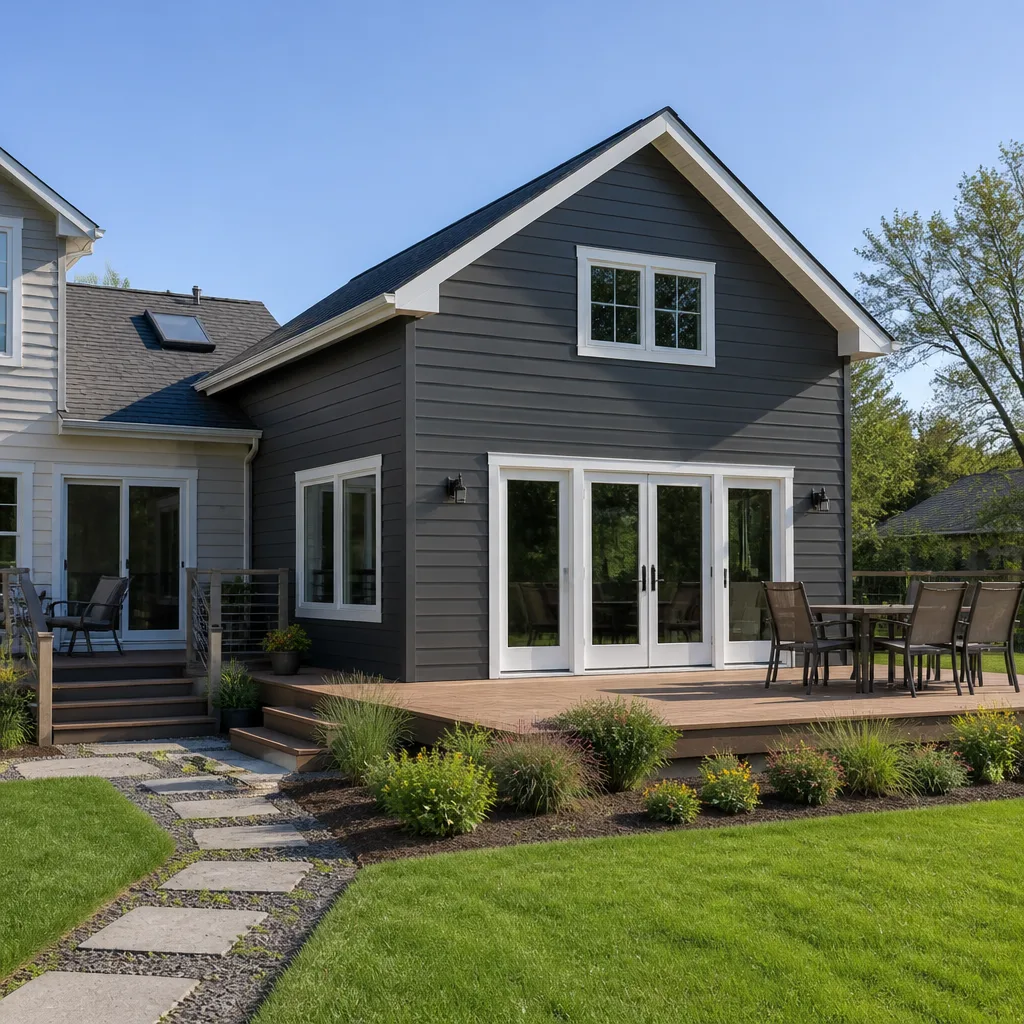 Home additions & ADU
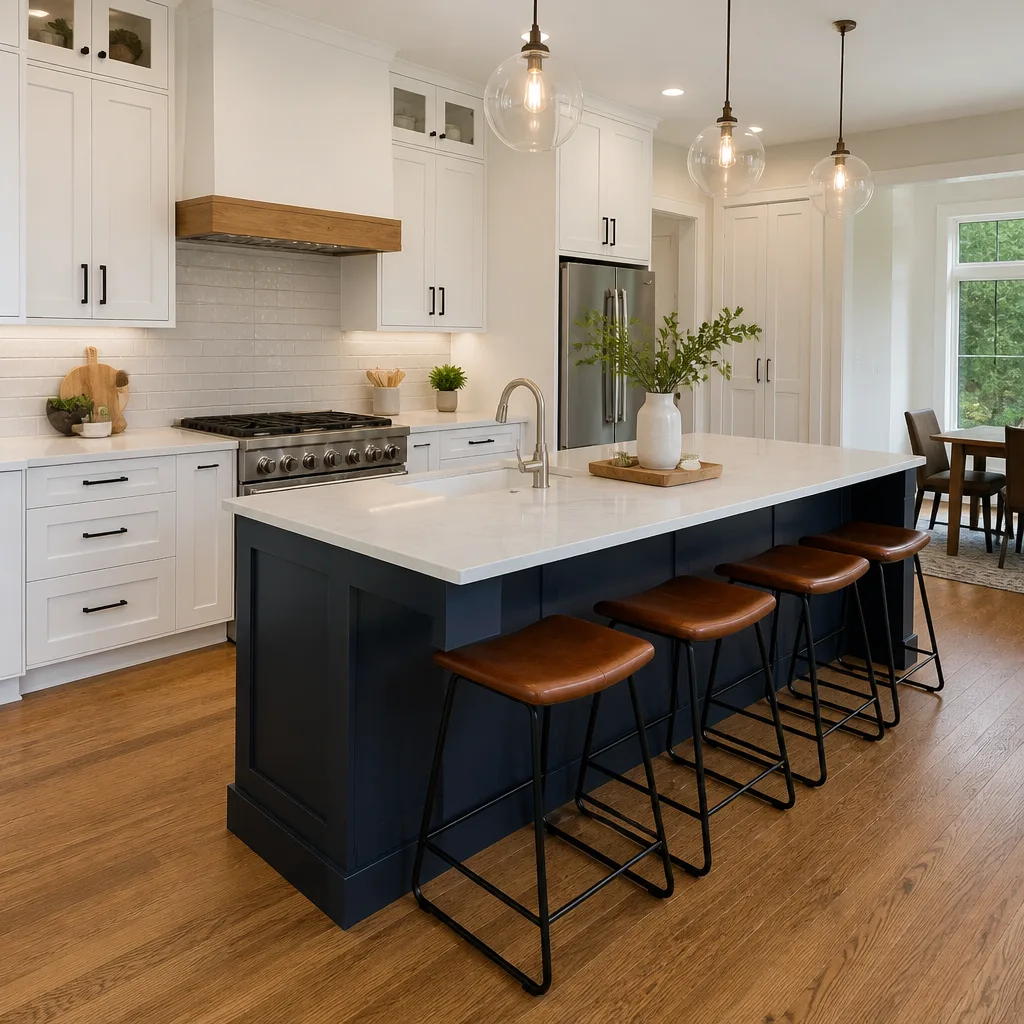 Kitchen remodeling
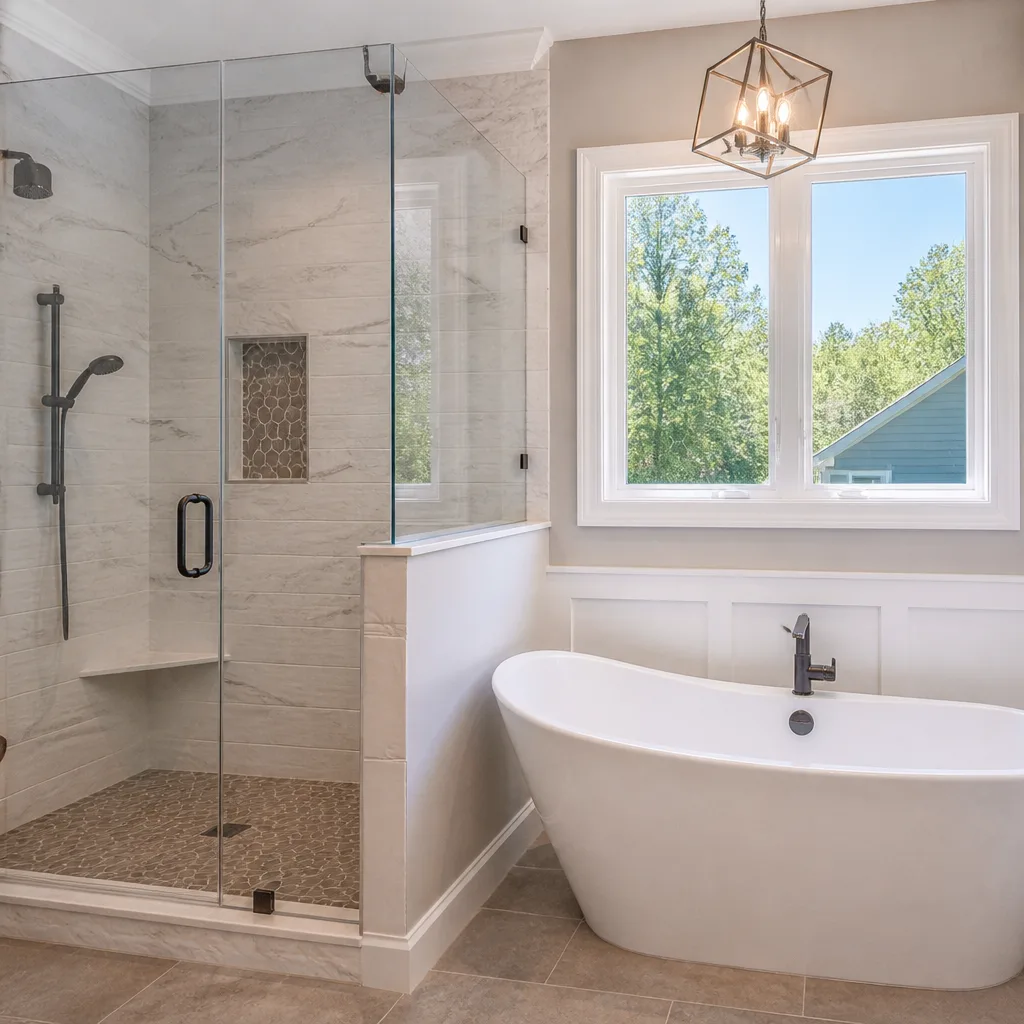 Bathroom remodeling
 Roofing
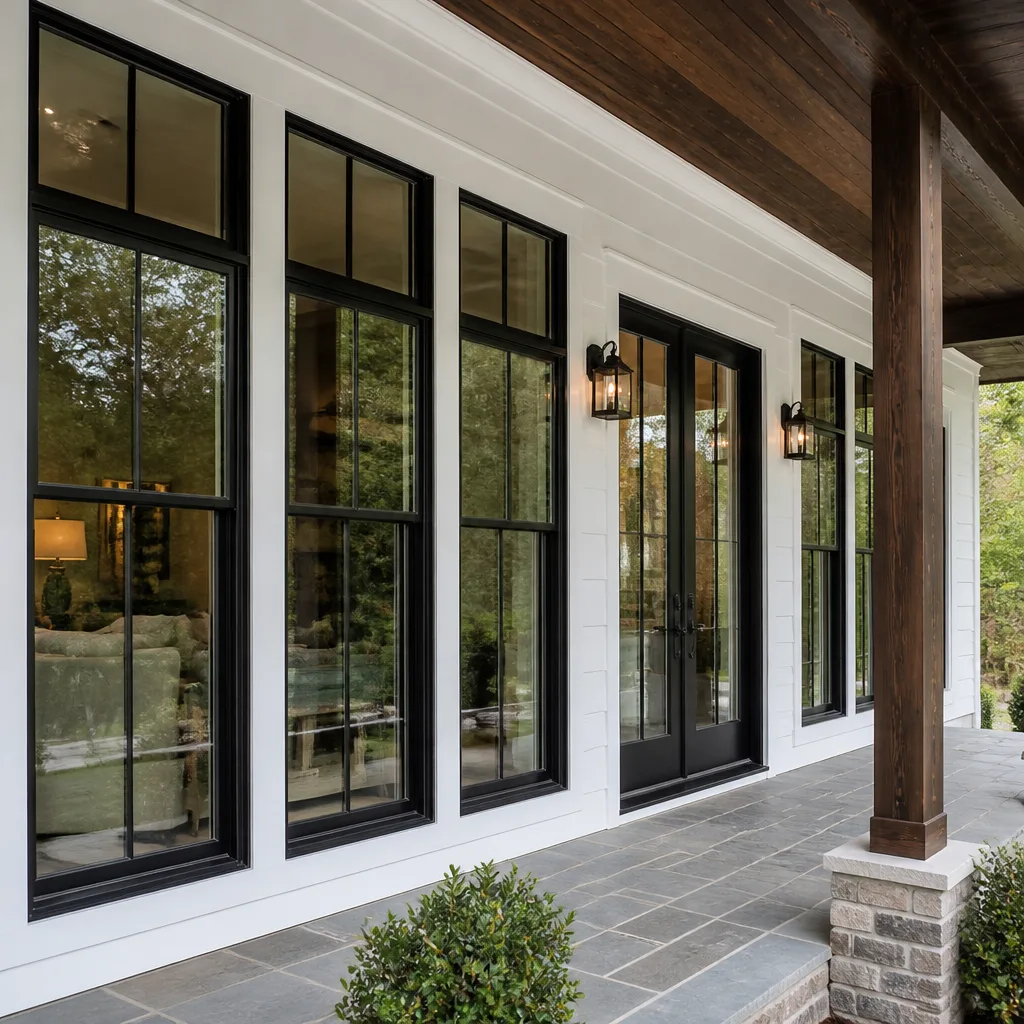 Windows & doors
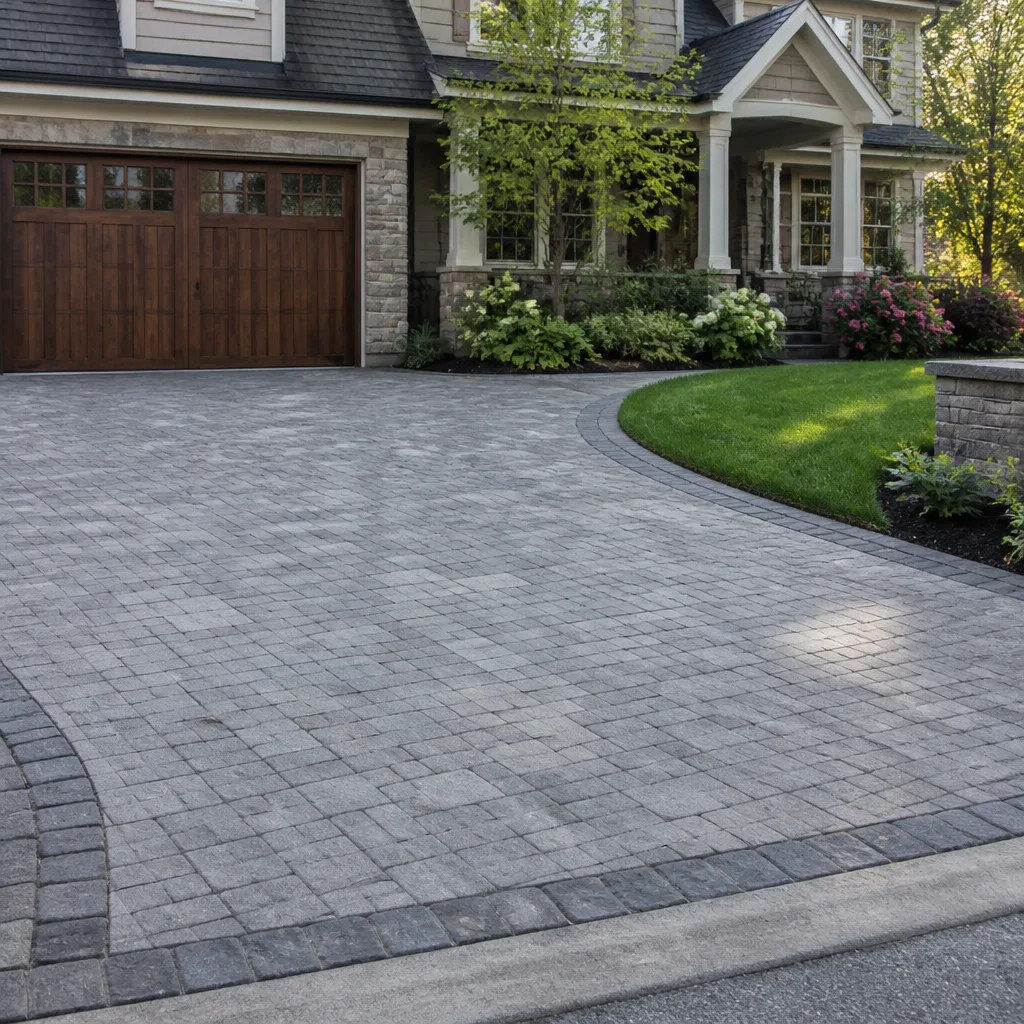 Driveway & pavers
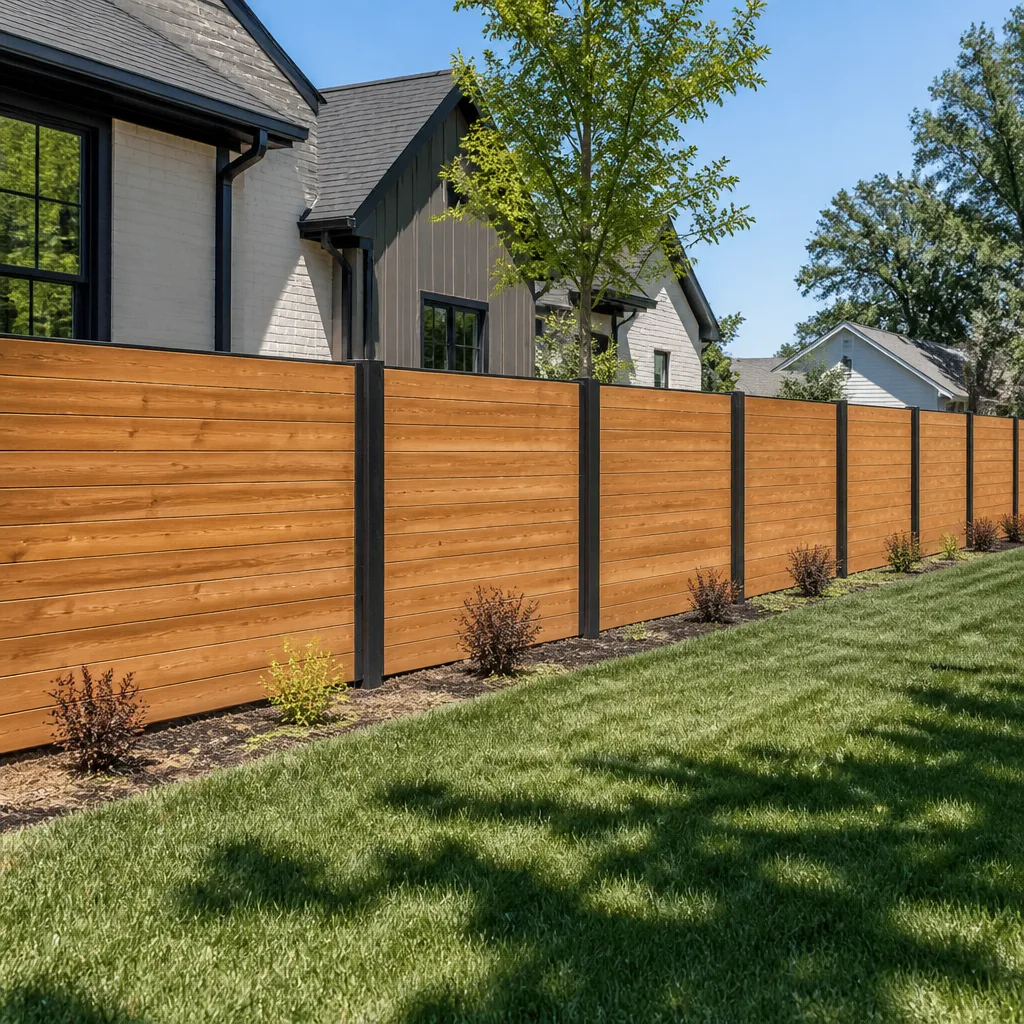 Fence
Free written scope consultation - allowances, timeline, and change-order rules on paper before a single trade is scheduled
Seasonal Construction Care for Glendale: Year-Round Homeowner’s Guide
Glendale gets about 19 inches of rain a year, which sounds mild until you learn that roughly 70% of it lands in a 90-day window. That means the caulking, drainage, and exterior seals that looked fine in October are actively failing by February, and most homeowners don’t notice until they see water inside. Glendale doesn’t run on four gentle seasons. It runs on four maintenance windows: Santa Ana wind season, the winter rain concentration, intense summer UV, and fire season. This guide maps construction care to that real calendar, so you’re preventing failures instead of chasing them.
Quick Answer
Seasonal construction care in Glendale means inspecting and sealing in September before Santa Ana winds, checking stucco, drainage, and retaining walls in March after the rain season, protecting south- and west-facing surfaces from UV damage in summer, and hardening for fire season with ember-resistant vents and defensible space. Spreading a few checks across the year prevents the reactive repairs that cost the most.
Styles & brands we work with
- Kitchen remodeling
- Bathroom remodeling
- Home additions & ADU
- Roofing
- Windows & doors
- Driveway & pavers
- Fence
Table of Contents
- Why Glendale’s Calendar Isn’t the One in the Almanac
- The September Checklist: Before the Santa Ana Winds
- The March Inspection: After the Rain Season
- Summer UV Care on South and West Exposures
- Fire Season Construction Considerations
- Building a Maintenance Log That Surfaces Patterns
- Common Mistakes to Avoid
- When to Call a Professional
Why Glendale’s Calendar Isn’t the One in the Almanac
Most seasonal maintenance advice you’ll find was written for places with a real freeze-and-thaw cycle. Glendale is different. Our hillside neighborhoods like Chevy Chase and the Verdugo Woodlands sit close enough to the mountains that wind and heat behave differently block by block. A homeowner on a south-facing slope in Glendale can watch paint and deck coating break down a full season faster than a neighbor two streets over in the shade.
The four forces that drive construction wear in Glendale are the Santa Ana winds, winter rain concentration, summer UV intensity, and fire season. Each one attacks a different part of the house.
- Santa Ana winds push debris against screens and vents and drive wind-blown rain into exterior joints.
- Winter rain arrives fast, so drainage and seals that never saw heavy volume get tested quickly.
- Summer UV breaks down coatings, caulk, and paint on the exposures that take the most sun.
- Fire season turns vents, decks, and the first five feet around the house into structural concerns.
Once you understand that rhythm, maintenance stops being a generic checklist and becomes a set of timely decisions. Our crews have watched this pattern hold across Glendale for years, and the homeowners who fare best treat each window as a date on the calendar, not a suggestion.
The September Checklist: Before the Santa Ana Winds
September is the window before the winds pick up. Wind-driven failures almost always start with something that was already loose, cracked, or clogged. Handle these three areas and you remove most of the wind’s leverage.
- Clear debris from the roof and gutters. Wind turns loose leaves, twigs, and shingles into impact damage. Pay attention to valleys and anything beneath trees.
- Check vent screen integrity. Attic and foundation vents with torn screens become entry points for debris and, later, embers. Replace torn screens before the wind finds them.
- Inspect exterior joints. Walk the perimeter and press on the caulk around windows, doors, and penetrations. Hairline gaps that look harmless in still air open under pressure.
In our experience, the September inspection is the one homeowners skip and the one that pays the most. A half hour of clearing and a tube of sealant in September prevents the February phone call about a leak. If your roof is at the age where it’s shedding granules or has visible shingle damage, that’s a bigger conversation worth having before the weather turns.
The March Inspection: After the Rain Season
March is when the season’s damage shows itself. Ninety days of concentrated rain leaves a signature across the exterior, and if you learn to read it, you catch problems while they’re still small.
Stucco cracks. Saturation opens cracks that were closed all summer. Walk the walls and mark anything wider than a hairline. Stucco is common on Glendale’s mid-century homes, and small cracks that let water into the wall assembly are the ones that grow into bigger repairs.
Foundation drainage. Water should move away from the house, not sit against it. Check that downspouts discharge well clear of the foundation and that the soil hasn’t settled into a low spot.
Retaining wall weep holes. Hillside lots in Glendale rely on retaining walls to manage water. The weep holes that let water drain from behind the wall get clogged with soil and roots over time. If you see standing water behind a wall or bulging, that’s a structural concern, not a cosmetic one, and it’s worth a professional look.
Post-rain is also a good time to look at fences and gates. Wood swells, gate hardware loosens, and posts pull. For anything along a property line, Fence Installation in Glendale covers what a proper footing and material choice look like.
Summer UV Care on South and West Exposures
Glendale’s summer sun does the slow damage that shows up years later. South and west exposures take the brunt, and the surfaces that fail first are coatings, painted wood trim, and flat roof membranes. This season is about protection, not repair.
- Deck coatings. If a deck coating looks chalky or faded, it’s lost its UV protection and needs a recoat before the surface itself dries out and cracks.
- Painted wood trim. Failing paint on fascia and window trim lets moisture in, which is exactly the surface you want sealed before fire season and rain return.
- Flat roof membrane. On homes with a flat or low-slope roof section, the membrane takes UV all day. Check for cracking, ponding, and seam separation in summer rather than waiting for the leak.
Heat also stresses caulk lines and door and window seals. A quick touch-up on the sun-facing side in June saves a larger repair in December. If you’re planning a bigger exterior refresh, this is the season to talk through options with Barrett & Sons Construction Glendale home, so the work is scheduled around the weather rather than against it.
Fire Season Construction Considerations
Fire season is a construction issue, not just a landscaping one. Glendale sits in a high fire severity area, and the state’s defensible space rules apply to the structure as much as to the vegetation around it. Two of the most effective moves cost surprisingly little.
Ember-resistant vents. Most home loss in wildfire starts with embers, not a wall of flame. Embers get pulled into attic and foundation vents. Replacing standard vent screens with ember-resistant vents is one of the highest-value upgrades you can make.
Non-combustible deck materials. If you have a wood deck, the first few feet and the underside are where embers collect. Non-combustible decking and keeping the space beneath the deck clear matter more than most homeowners realize.
Defensible space requirements under state law cover the zone closest to the house first, then extend outward, with the exact distances depending on hazard classification and local rules. For a structural hardening plan, Home Additions & ADU in Glendale covers how new construction and additions are built to current fire standards. A home addition or outbuilding in a fire zone is also a moment to make sure the assembly itself is ember-aware.
Building a Maintenance Log That Surfaces Patterns
A running maintenance log is the simplest tool for turning reactive repairs into a plan. It doesn’t need software. A notebook or a shared document works. What matters is that it captures the right details.
- Date and what was checked. Record the month and the specific area, not a vague note.
- What you observed. “Stucco crack, west wall, 18 inches” is useful a year later; “fixed wall” is not.
- What was done and by whom. Note materials and whether it was a DIY patch or a contractor repair.
- Cost and receipts. This helps you see when a series of small repairs means a replacement is coming.
- The next scheduled check. Note the date you intend to look again.
After a couple of years, patterns emerge. A log that shows recurring moisture problems in the same corner tells you something the individual repairs didn’t. A pattern of roof patching over three seasons tells you it’s time to plan for replacement instead of another patch. In Glendale, where the rain is concentrated and the sun is relentless, that pattern information is worth more than the sum of the repairs.
Common Mistakes to Avoid
- Treating the year like a single season. Homeowners who only check the house in spring miss the September wind prep entirely, then spend February chasing leaks that a half hour of September clearing would have prevented.
- Letting small stucco cracks ride. A hairline crack in Glendale stucco can look harmless and still funnel water into the wall behind it. Water that gets in during a February storm doesn’t announce itself until the drywall inside starts to stain.
- Ignoring the weep holes on retaining walls. On our hillside lots, a clogged weep hole turns a drainage wall into a wall holding back pressure it wasn’t designed for. That’s a repair that grows quickly.
- Skipping the summer recoat. Failing coatings on decks and trim on south and west exposures are the most predictable failures in Glendale. They show up every year on the same surfaces.
- Overlooking the vents when fire season planning. It’s easy to focus on brush clearance and forget that embers enter through attic and foundation vents. Hardening the structure is part of the job.
- Never documenting anything. Without a log, every repair is a one-off, and you can’t see the pattern until a replacement is the only option.
- Letting a fence rot unseen. Posts set in soil stay wet longer after a Glendale rain season than homeowners expect. A loose post catches wind earlier than you’d think.
When to Call a Professional
Some of this work you can handle. Clearing gutters, touching up caulk, and keeping a log are homeowner jobs. Other situations call for a trained pro: stucco cracks that keep returning in the same spot, water pooling against a foundation or behind a retaining wall, a flat roof showing ponding or seam separation, a deck whose framing is soft, or any work in a fire zone where the assembly has to meet current standards.
Barrett & Sons Construction Glendale offers free estimates in Glendale. Every eligible job includes permits pulled and inspections signed, and any price change arrives as a written change order before work proceeds. If you’re not ready to commit, take us up on a free second opinion on any written estimate you already have. Call (844) 560-4526 to talk through what you’re seeing.
See the difference
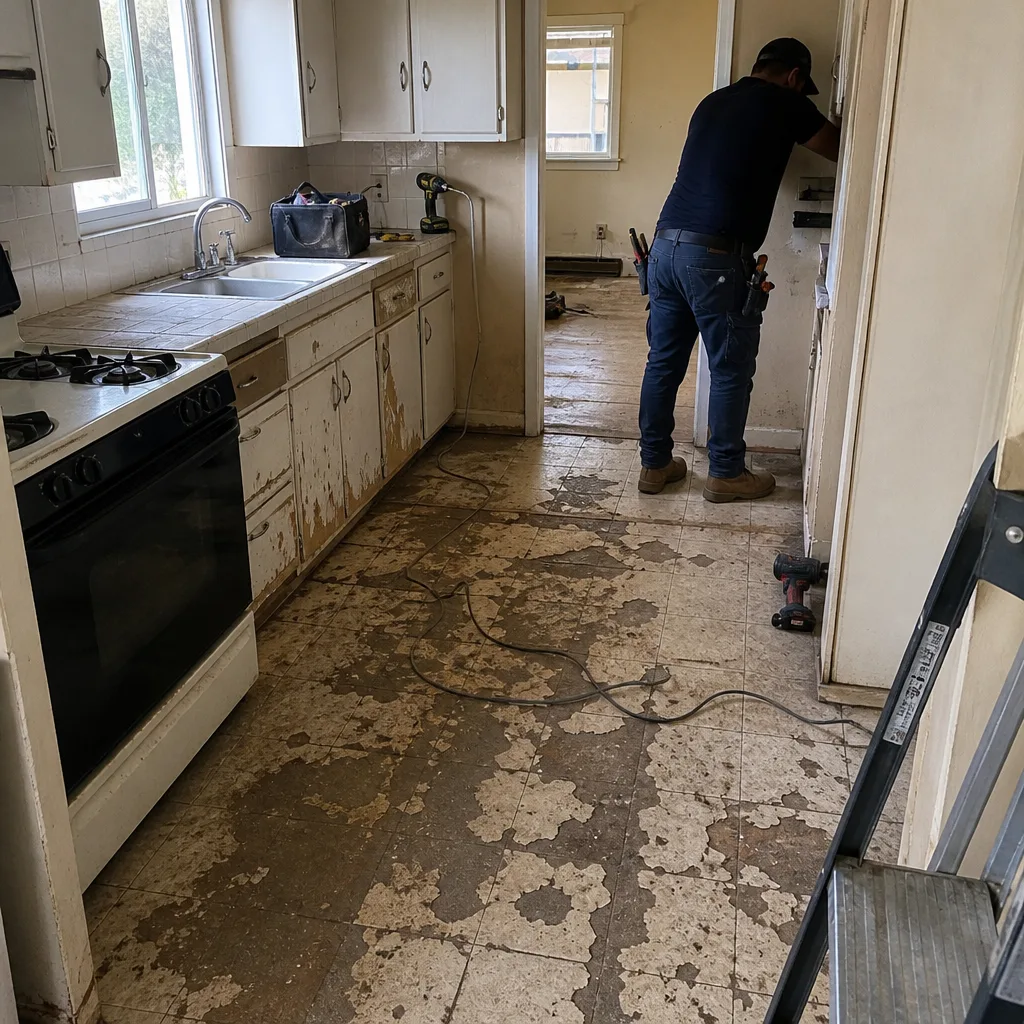 Before
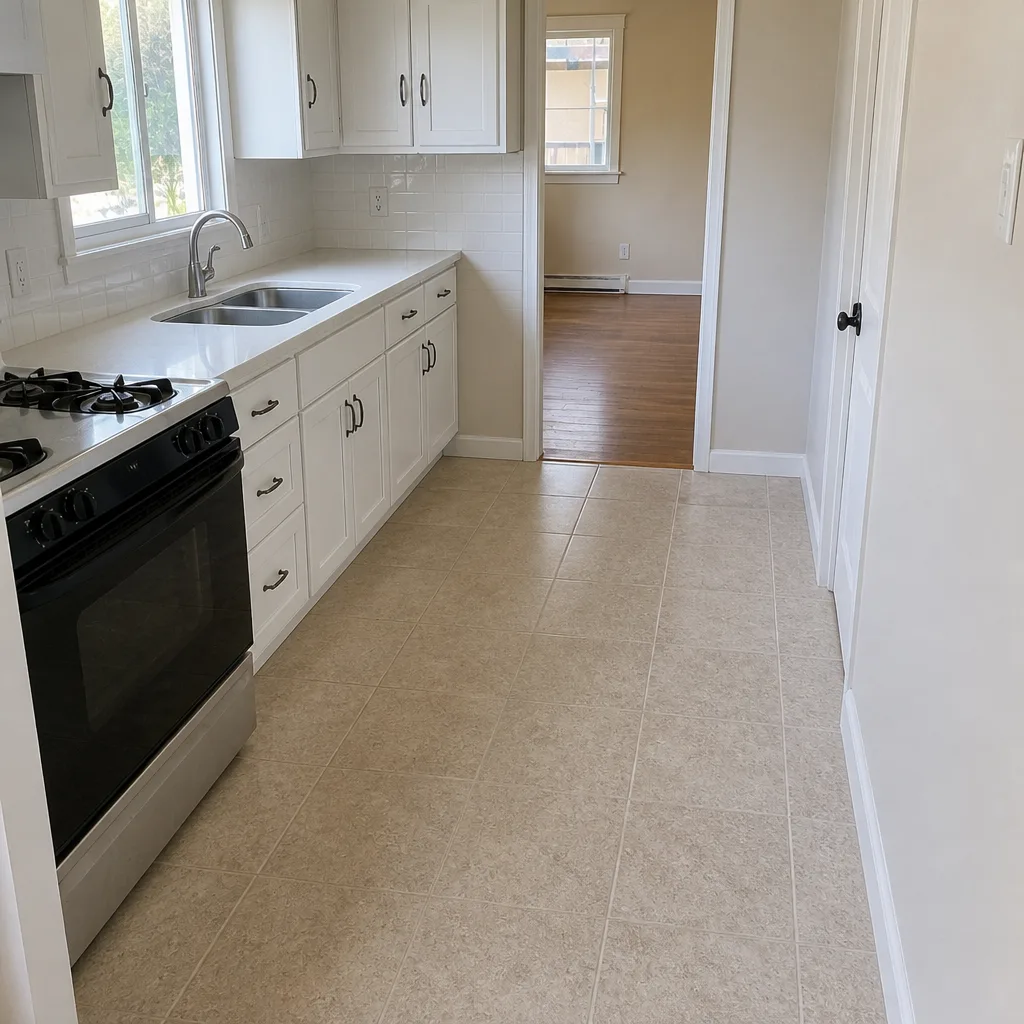 After
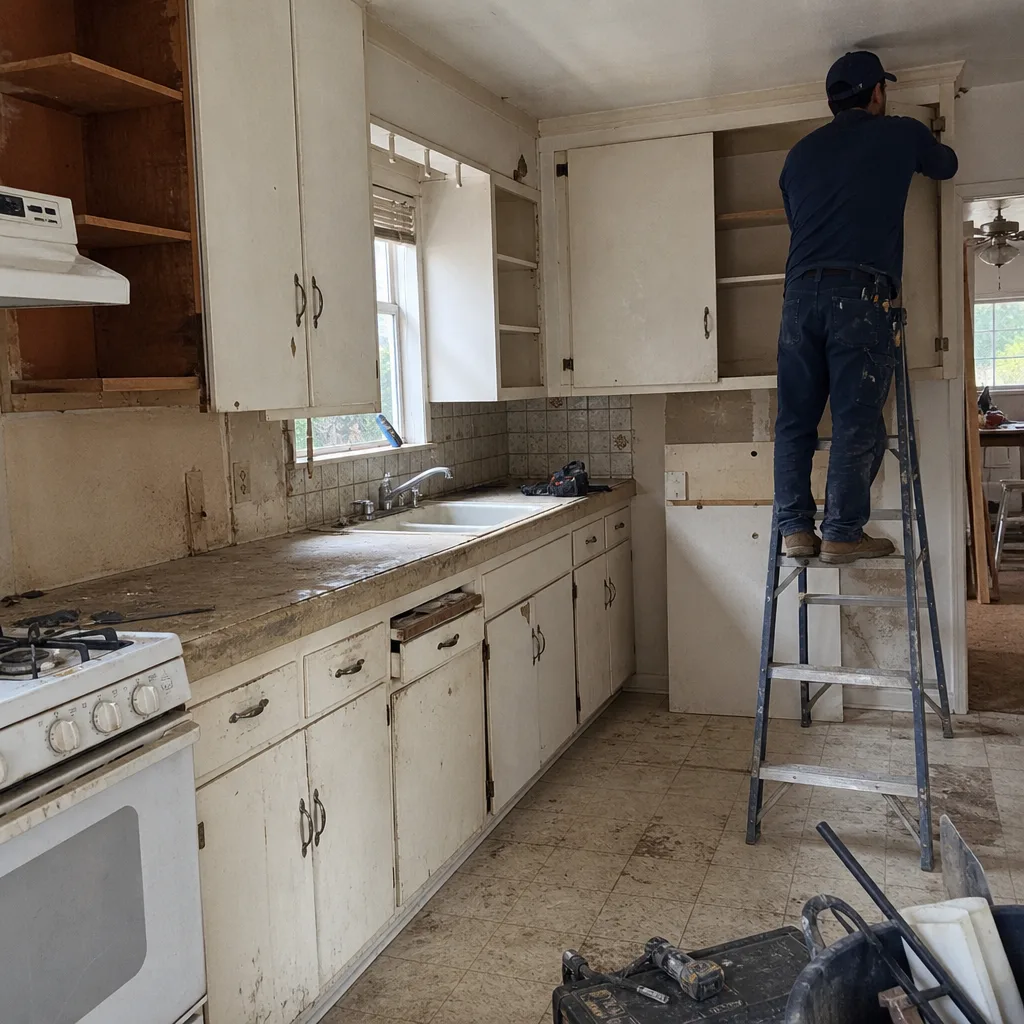 Before
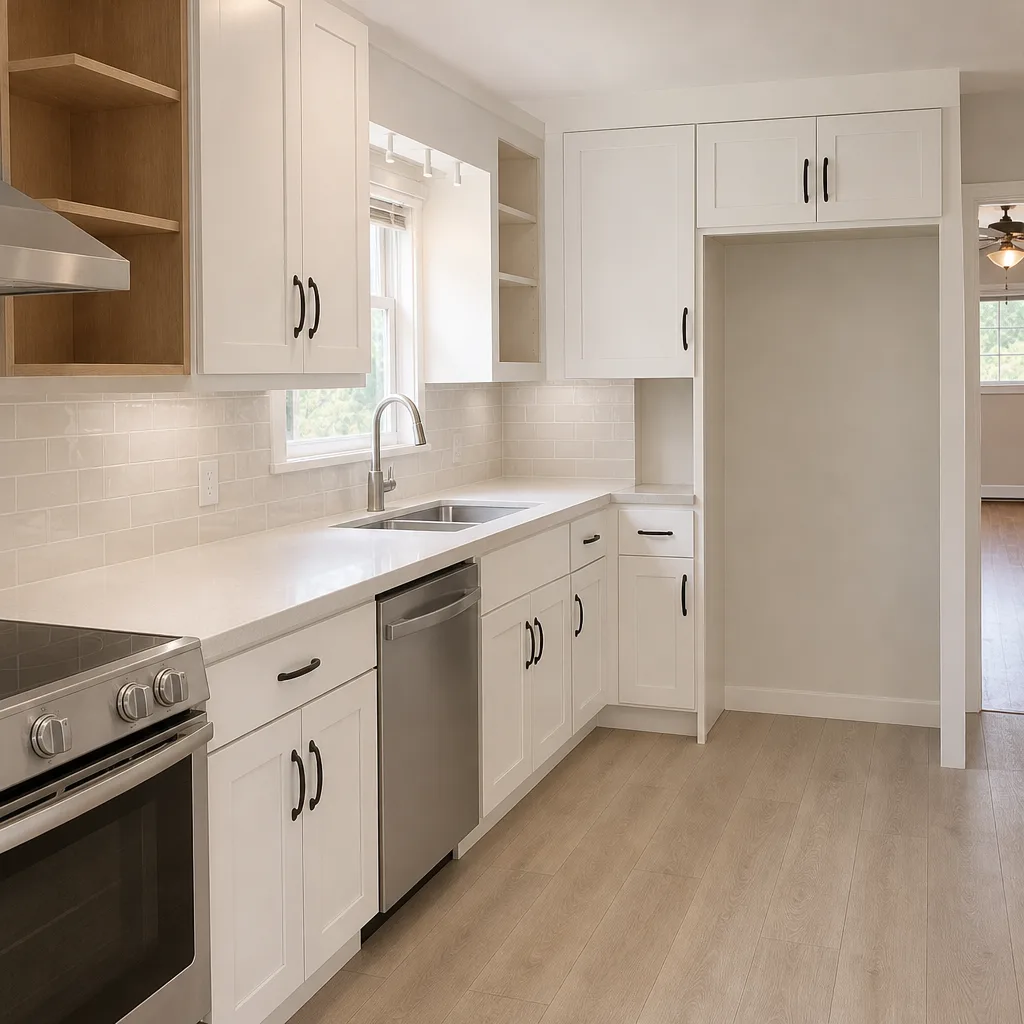 After
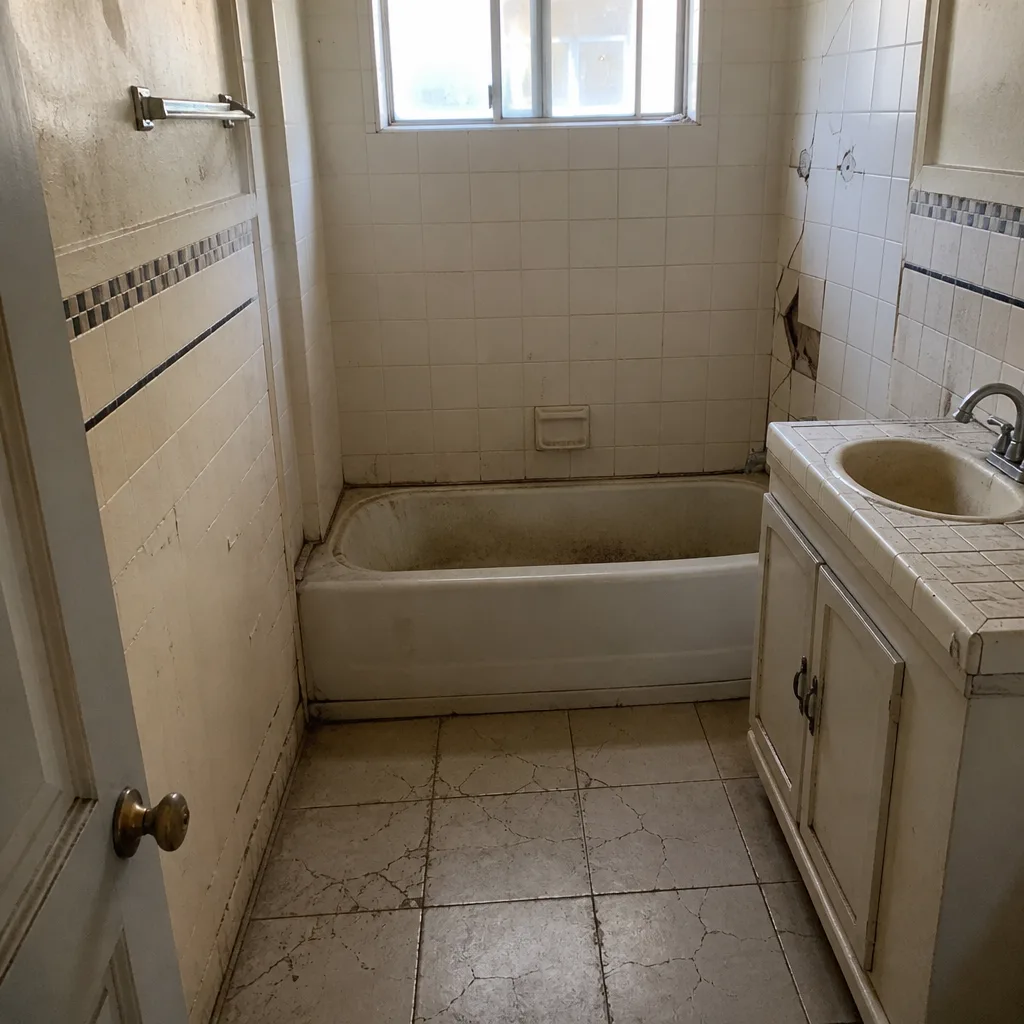 Before
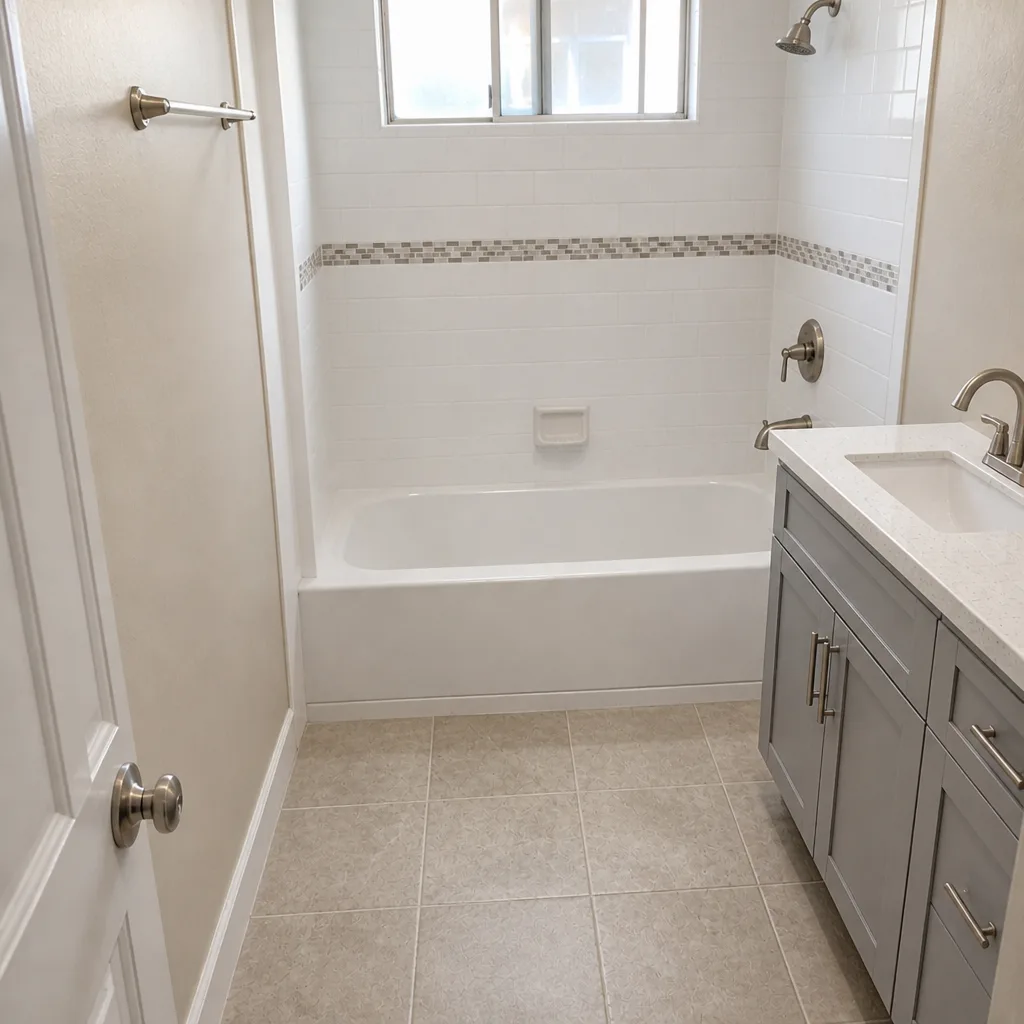 After
Frequently Asked Questions
Clearing debris and checking exterior joints before the Santa Ana winds in September is the highest-value task. Wind finds every loose joint, clogged gutter, and torn vent screen, and those are the openings that let water and debris in for the rest of the year. A September walk-around prevents more damage than any single repair. Call (844) 560-4526 if you want a professional eye on what you’re seeing.
March, right after the rain season. Concentrated winter rain opens cracks that stayed closed all summer, so post-rain inspection catches the damage while it’s still cosmetic. Mark anything wider than a hairline, and if a crack returns in the same spot year after year, get it looked at before it reaches the wall interior.
Recoat before the surface fails, not after. If the deck coating looks chalky or the paint on trim is chalky, it’s lost its UV protection. Summer is when that damage is most active in Glendale, so a recoat in late spring or early summer protects the material through the hardest months. For anything structural, call (844) 560-4526 for an estimate first.
A lot. Embers get pulled into vents and collect under decks, so ember-resistant vents and non-combustible deck materials are construction choices, not landscaping ones. Defensible space rules also apply to the structure itself, and Glendale homes near the foothills fall under them. A structural hardening plan from a licensed contractor and the state’s defensible space guidance are the two things to review.
Some don’t, but structural work, roof replacement, additions, and work in a fire zone often do. The permit inspector works for you, not for the contractor, which is why every eligible job we do carries pulled permits and signed inspections. When in doubt, ask before the work starts, and get that answer in writing.
Yes. Booking a pre-wind inspection in late summer or a post-rain inspection in early spring ahead of time is the practical way to catch up. Call (844) 560-4526 to schedule your free estimate or second opinion, and we’ll tell you what we see and what can wait.
The Bottom Line
Glendale’s four maintenance windows are the wind season, the rain concentration, the summer UV, and fire season. Each attacks a different part of the house, and each is easier to handle before it does damage. Clear and seal in September, inspect stucco and drainage in March, protect exposed surfaces in summer, and harden the structure for fire season. Keep a simple log so patterns show up before failures do. Barrett & Sons Construction Glendale pulls permits, puts every price change in writing, and stands behind the work with a written 90-Day Done Right Promise.
Call (844) 560-4526 to schedule your free estimate in Glendale. If you already have a written estimate, we’ll give you a free second opinion, and there’s no trip charge inside the county.
Related Pages
- Barrett & Sons Construction Glendale home
- Driveway & Pavers in Glendale
- Fence Installation in Glendale
- Home Additions & ADU in Glendale
Written by the team at Barrett & Sons Construction Glendale.