
Last updated November 17, 2026
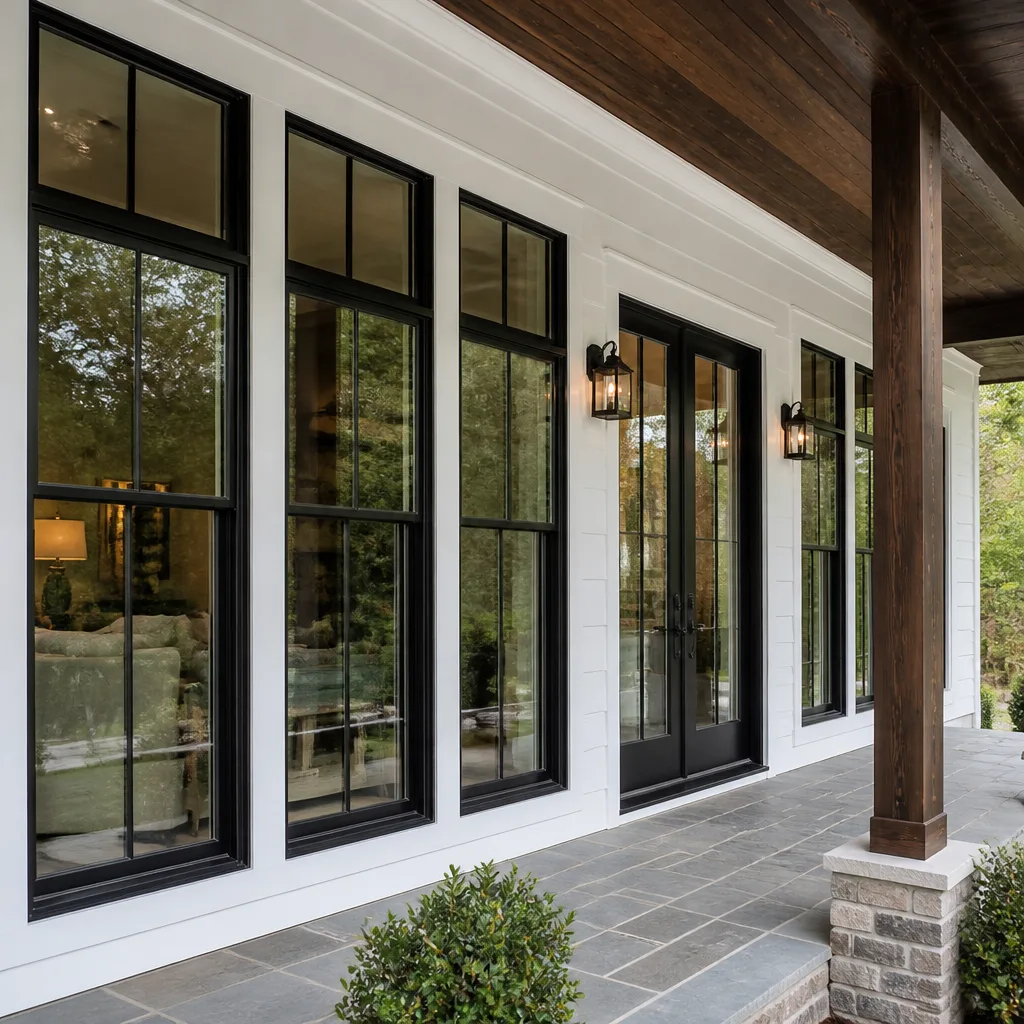 Windows & doors
 Kitchen remodeling
 Bathroom remodeling
 Home additions & ADU
 Roofing
 Driveway & pavers
 Fence
Free written scope consultation - allowances, timeline, and change-order rules on paper before a single trade is scheduled
Windows & Doors Warning Signs Every Homeowner Should Know
A utility bill that’s crept up over three years without an obvious reason is one of the most reliable signals that window seals have failed. Fogged glass is the visible version of the same problem, but the energy loss starts long before you can see it. Most homeowners we talk to in Glendale don’t notice the decline because it happens one season at a time, and the things that actually fail – weatherstripping, the seal between panes, the lock strike, the door frame itself – each have a different tell. This guide connects the specific thing you’re seeing or feeling to the actual problem underneath it, so you know whether you’re looking at an afternoon fix or a replacement.
Quick Answer
The main warning signs you need new windows or doors are fogged or failing double-pane glass, drafts you can feel around a closed window, an entry door that no longer latches cleanly, visible water staining at the sill or exterior trim, and a sliding door or window lock that engages but doesn’t actually hold. Condensation between the panes means the sealed unit has failed and needs replacement; condensation on the room-side surface usually means a ventilation issue first. Getting the cause right matters more than the symptom, because the fix for one is completely different from the fix for the other.
Styles & brands we work with
- Kitchen remodeling
- Bathroom remodeling
- Home additions & ADU
- Roofing
- Windows & doors
- Driveway & pavers
- Fence
Table of Contents
- Why Your Energy Bill Is the First Sign
- Drafty Window, Failed Seal, or Warped Frame: Telling Them Apart
- Entry Door Locks and Latches: Reading the Sound
- Interior vs. Between-the-Panes Condensation
- Interior Sill Staining vs. Exterior Trim Staining
- The Security Warning Signs Homeowners Overlook
- What Glendale Sun and Dry Heat Do to Windows & Doors
- When to Repair and When to Replace
Why Your Energy Bill Is the First Sign
Energy use climbs quietly. A window that sealed tight when it was new loses a little of that seal every summer, and in Glendale the summers run long and dry. We’ve watched homeowners blame a new appliance, a rate hike, or a thermostat change for a bill that reads 15 to 20 percent higher than three years ago – when the real culprit was a handful of failed insulating glass units letting the cool air leak out of the living room.
Here’s the counterintuitive part: your worst window is rarely the one that looks the worst. A window facing west into the afternoon sun in Eagle Rock or Glenoaks can have a failed seal you won’t see until the glass fogs on a cold morning, while the one that fogs visibly might be sitting in more shade and leaking less heat overall.
Try this to find the actual offenders:
- Pull your last three years of electric bills and compare the same month to the same month, not month to month.
- On a windy evening, hold a lit stick of incense near each window’s perimeter and watch the smoke. A flicker at the weatherstripping is a different problem than a flicker at the glass.
- Feel the glass itself across the pane. A cold or warm spot in one corner often tracks to a failing seal, not the frame.
- Walk the doors the same way. The bottom sweep and the strike side are the two places that leak most.
If the bill is up and the smoke test finds nothing, the loss is likely sealed inside the glass, and that’s a replacement conversation, not a caulk-and-go.
Drafty Window, Failed Seal, or Warped Frame: Telling Them Apart
This is the distinction that trips up most homeowners, and it decides whether you spend $40 on weatherstripping or several hundred per window. Three different problems all feel like “a draft.”
Weatherstripping and caulk failure
If you feel air moving around the edges of the sash, at the corners of the frame, or under the sill, the draft is coming in at a gap and not through the glass. Weatherstripping dries out and cracks, and caulk shrinks. This is the cheapest fix, and in a 20-year-old Glendale house it’s often the whole story. Replace the stripping, re-caulk the exterior seam, and the draft goes away.
Failed IGU (insulating glass unit) seal
If the glass itself feels noticeably colder or warmer than the surrounding panes, or you can see a hazy cloud building between the two panes, the seal around the insulated glass has failed. The argon or gas fill has leaked out and moisture has gotten in. No amount of caulk fixes this. The glass unit has to be replaced – sometimes just the sash, sometimes the whole window depending on the model.
Warped frame beyond adjustment
If the sash binds when you try to open it, drags on one corner, or won’t sit flush when latched no matter how you adjust the hinges or the lock, the frame itself has moved. In wood frames, warping from heat and moisture is common. In vinyl, it can be heat distortion. Once a frame has warped past what the adjustment points allow, you’re looking at frame repair or replacement.
The one-line test: air at the edges means weatherstripping; fog or a cold spot in the glass means the seal; a sash that won’t move or latch cleanly means the frame. When we look at windows across Glendale, those three causes show up in a pretty predictable pattern depending on the age and exposure of the house.
Entry Door Locks and Latches: Reading the Sound
Your front door is telling you things every day if you listen. The change is slow, so the new normal sneaks up on you. Three sounds mean three different things.
- The deadbolt grinds or catches a bit before it sets. The strike plate on the frame has drifted slightly. The door swells and settles with the seasons, and over a few years the hole in the strike plate no longer lines up. This is one of the easiest fixes there is – a chisel, a screwdriver, and a strike plate you can nudge or replace. It is not a failing lock.
- The key turns sluggishly or the deadbolt feels loose or wiggly. That’s the mechanism inside the lock body wearing out. A worn lock cylinder will eventually fail completely, and it’s a security issue right now. Replace the lock set, not the door.
- The door closes but doesn’t latch without you lifting or pushing the handle. The frame has racked – the door opening is no longer square. The hinge side or the top corner has settled. You can sometimes nurse this along with hinge adjustments, but a door that has genuinely racked is a sign of a structural or settling issue that a lock won’t fix, and it’s a real security gap in the meantime.
Walk outside, close your door, and check the gap around all four sides. A gap that’s wider at one corner than the others is the racking sign. In Glendale homes built in the 1950s and 60s, we see hinge-side settling on the exterior doors far more than anything else.
Interior vs. Between-the-Panes Condensation
Water on glass is water on glass, right? No. The location of the moisture tells you two completely different stories.
Condensation on the room-side surface of the glass means warm, humid indoor air is hitting a cold pane. That’s a humidity problem, not a window problem. In a Glendale kitchen, bathroom, or a crowded living room in winter, this is common and usually benign. Improve ventilation – run the exhaust fan, crack a window, and bring the indoor humidity down – and the condensation goes away. It’s annoying but not an emergency.
Condensation between the panes means the sealed unit has failed. Moisture got into the gap, and the gas fill is gone. This one is a replacement, not a repair. The fogging will get worse, the window’s insulation value is compromised, and in extreme cases the glass can stress and crack.
Condensation on the exterior surface in the morning is actually a sign the window is working. Dew forming outside means the cold hasn’t gotten through. Leave it alone.
So the fix depends entirely on where you see the water. If it’s on the inside glass, ventilate first and see if it clears. If it’s trapped in the glass, the window is done for.
Interior Sill Staining vs. Exterior Trim Staining
Water stain location is the other easy thing to misread. Where the stain is doesn’t just tell you there’s a leak, it tells you which direction the water came from.
Staining at the interior sill or the inside trim usually means water is coming in from above and traveling down – a failing seal around the exterior window frame, a gap at the top where the flashing has failed, or water getting behind the siding and wicking in. The interior stain is where the water ended up, not where it got in. This is often a sign the window needs to be reset, resealed, or in older cases, the flashing around it is failing.
Staining on the exterior trim can mean the paint or caulk has broken down and water is soaking the wood from the outside. This is the cheaper of the two problems when you catch it early – reseal and repaint, and the trim survives. Left long enough, the trim rots through and the water gets inside, and now it’s the interior problem too.
Pay attention to the direction of the stain. A water mark at the top of the interior trim that runs down is different from one that pools at the sill. The top-down mark points to a flashing or seal issue above; the sill pool points to the frame itself. In a Glendale house that hasn’t had its exterior caulk checked in five or more years, one of these is almost always there to find.
The Security Warning Signs Homeowners Overlook
This is the part most guides skip. A window or door can feel fine and still be a security hole. Three signs your doors and windows are not actually secure:
- A door that closes but doesn’t latch without lifting the handle. You already noticed the grind and the lift. What you may not have realized is that this means the door can be pushed open with a shoulder from the outside when nobody’s home. The lock is engaging with the strike plate only when the door is lifted, and an intruder doesn’t lift.
- A sliding patio door you can lift up and out from the track. This is the one that catches people cold. A sliding door that seems to slide fine can, if the rollers or the track have worn, be lifted a half-inch from outside by an intruder and removed entirely. It is one of the most common ways sliding doors get bypassed. There is a fix – anti-lift blocks, a pin, or adjusting the rollers – but you have to know to look for it.
- A window lock that engages but doesn’t hold. You turn the latch and it feels like it catches, but the sash still moves a quarter inch when you push it. The latch is turning but the strike or pin isn’t actually preventing movement. On old double-hung windows especially, the meeting rail lock can engage without actually locking.
For a security check, close every door and window, then push on them firmly from the outside where possible, or push the sash from the inside while the lock is engaged. Any movement means the lock isn’t really locking. Barrett & Sons pulls permits and inspects on every eligible job, so a reset or replacement is done right, but the first step is knowing these three signs exist.
What Glendale Sun and Dry Heat Do to Windows & Doors
Glendale and the surrounding hills are hard on windows and doors in a way cooler, wetter places aren’t. Two pressures do most of the damage.
First, the sun. South- and west-facing windows in La Crescenta, Montrose, and the hills get intense afternoon sun for years. That heat bakes the seals on the IGU, cooks the caulk and weatherstripping, and distorts vinyl frames over time. The interior can be cool and the west-facing glass can still be the first to fail because the seal breaks down from the outside-in heat cycling.
Second, the dry air and the seasonal swing. Our humidity is low most of the year, but the night-to-day temperature swing and the occasional wet winter put wood frames through the wringer. Entry doors swell in a wet spring and shrink in the dry season, which is exactly what racks a frame and drifts a strike plate.
The combination means that in Glendale, we see failed glass and dried-out weatherstripping earlier than homeowners expect – often within a decade of a west-facing installation. The same house on a shaded, north-facing side of town might go twice as long. If you’re thinking about it, our Barrett & Sons Construction Glendale home page covers how we handle windows and doors alongside roofing, so you can look at water intrusion as one system, not a series of one-off fixes.
When to Repair and When to Replace
The honest test is whether the fix addresses the cause. Repair handles a problem at the surface; replacement is for a problem in the window’s structure. Here’s how we sort it.
Repair is usually the right call when:
- The draft is at the edges and the glass is clear. Re-strip, re-caulk, done.
- The lock or strike plate is worn or drifted, but the frame and door are square.
- The exterior trim needs resealing and repainting, and the interior is dry.
- The window sticks because of paint or debris, not warping.
Replacement is usually the right call when:
- There’s fog or moisture between the panes – that glass unit is gone.
- The frame has warped past adjustment and the sash won’t sit flush or latch.
- Water is inside the wall from a failed flashing and the window can’t be reset reliably.
- The window is a security hole that adjustment or hardware can’t close – a sliding door that can be lifted off its track, for example.
When replacement is the call, we install windows and doors in the premium brands homeowners can look up and verify – Andersen and Marvin – and we quote scope, allowances, and price in writing before anything moves. For a project that touches other parts of the house, look at our Home Additions & ADU in Glendale page and our Driveway & Pavers in Glendale work so you can see a whole exterior handled by the same crew. If a fence or hardscape is part of the plan too, our Fence Installation in Glendale page has the details.
Common Mistakes to Avoid
- Caulking over a failed IGU. Caulk fixes gaps at the frame. It does nothing for moisture already sealed between the panes, and it hides the real problem for another season while you replace a sash that no longer holds a seal.
- Assuming a drafty window needs replacing. Half the drafts we look at in Glendale are weatherstripping and caulk, not glass. Start with the edges and the seal before you spend the money on replacement.
- Ignoring the strike plate drift until the deadbolt stops working. A drifting strike plate is cheap to fix and a worn lock is not. Catching it early saves the whole lock set.
- Treating between-the-panes fog as interior humidity. It’s not – the seal is gone and only new glass fixes it. Ventilating won’t clear it.
- Missing the lift-the-sliding-door problem. A worn track or rollers can let an intruder lift the door out from outside. Anti-lift hardware or roller adjustment closes it. Homeowners rarely think to test for it.
- Waiting on interior water staining past the first wet season. Water that made it to the interior sill has been in the wall. Deal with it early, before the framing and insulation need work too.
- Choosing a quote that isn’t in writing. An allowance that isn’t on paper is a surprise waiting for a date – so before work starts, get the price and the scope in writing from whoever you hire.
See the difference
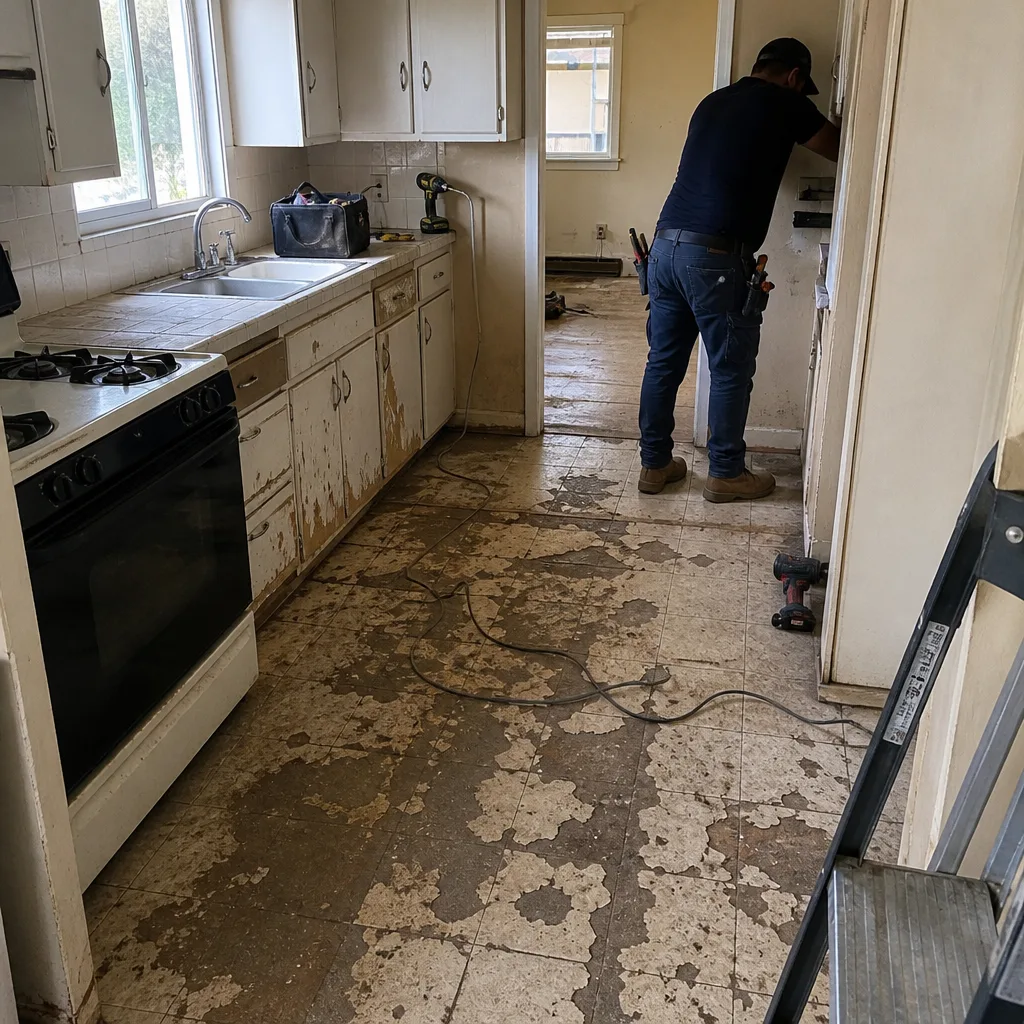 Before
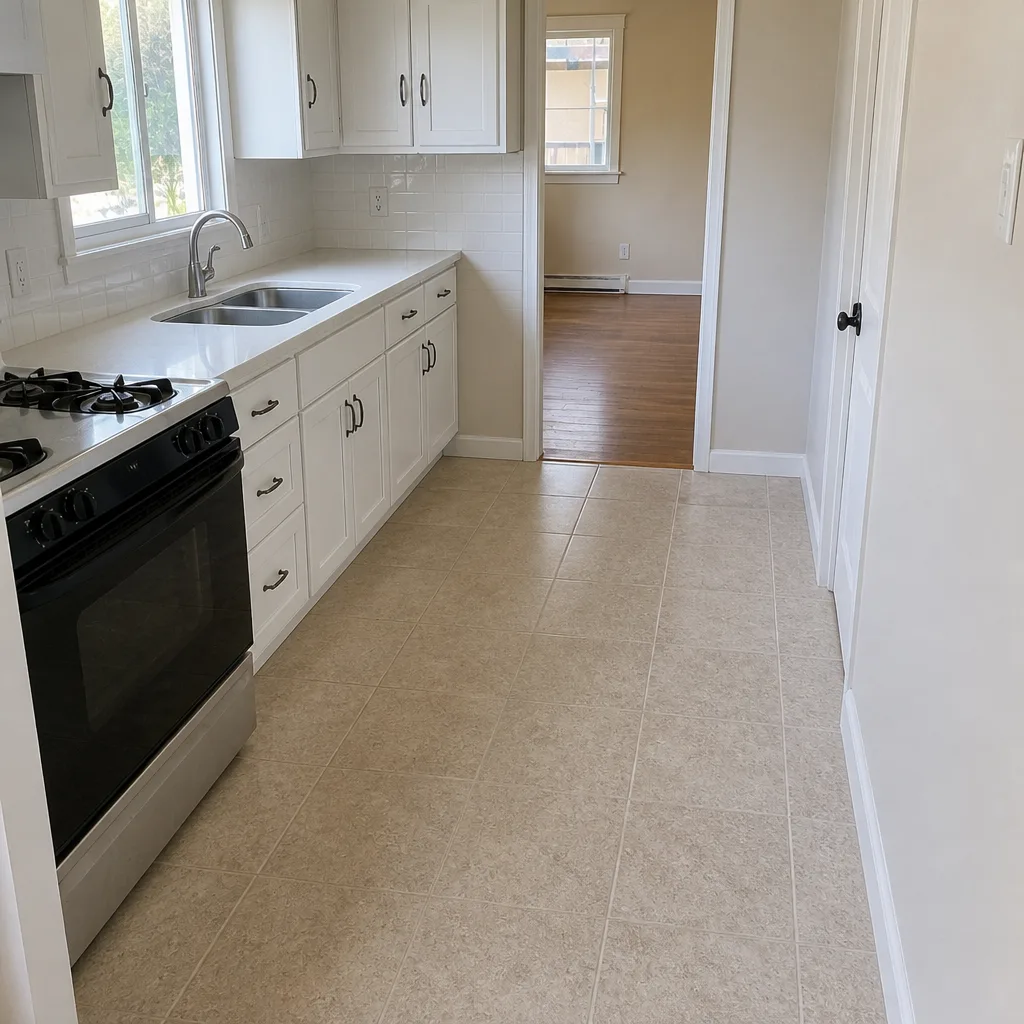 After
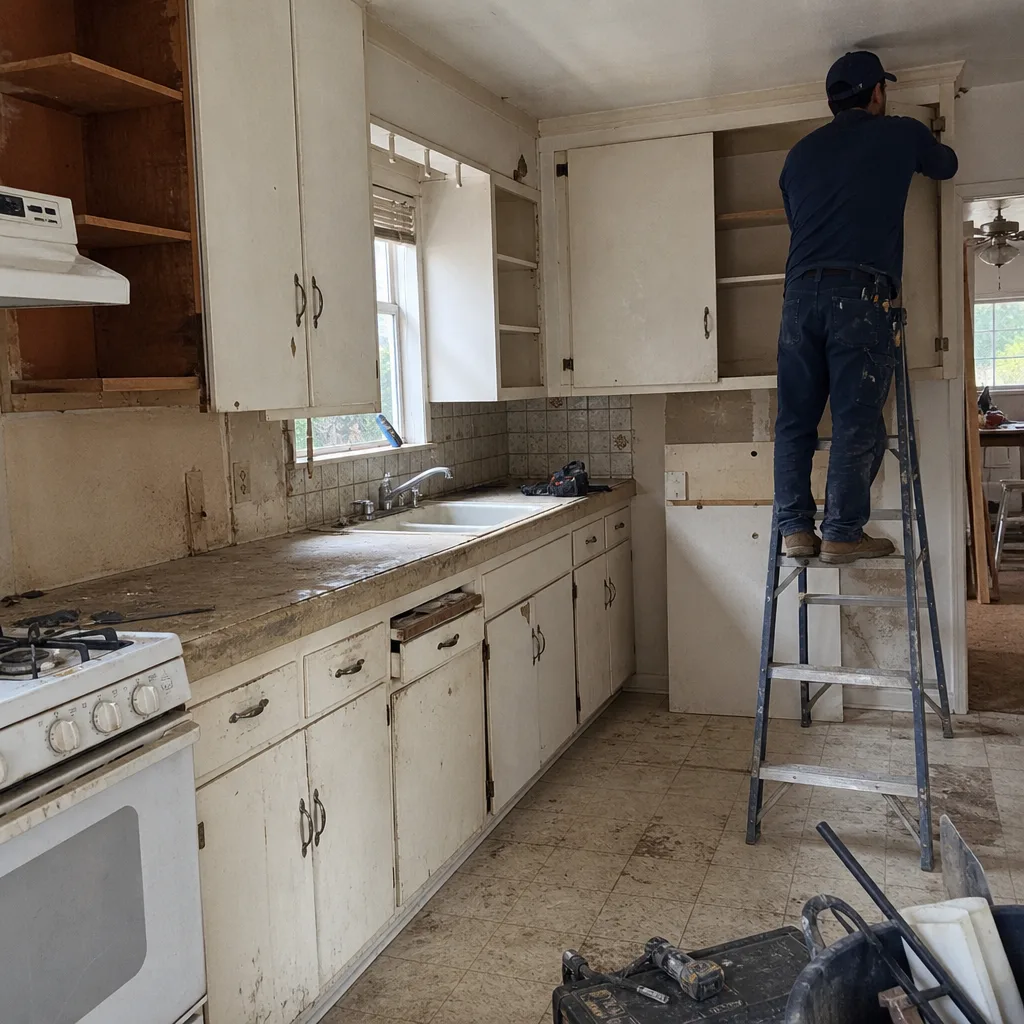 Before
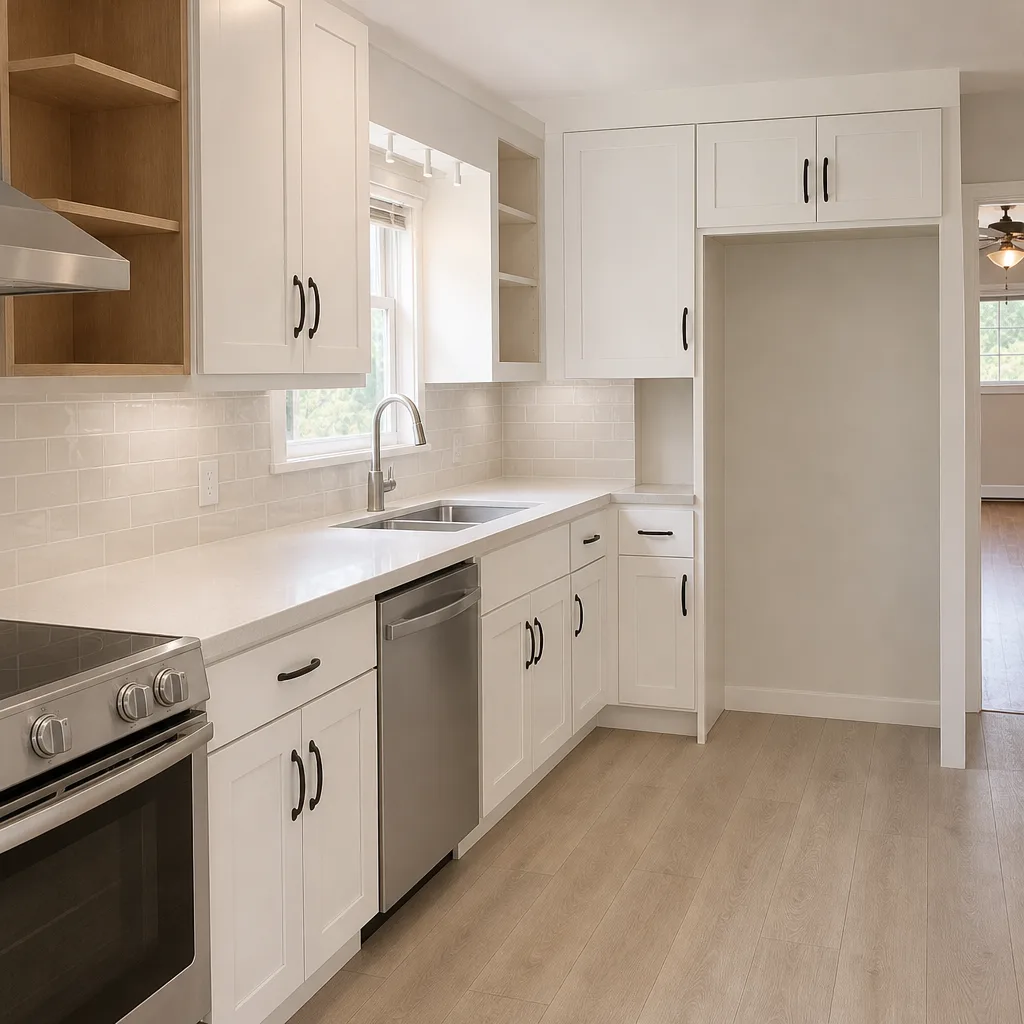 After
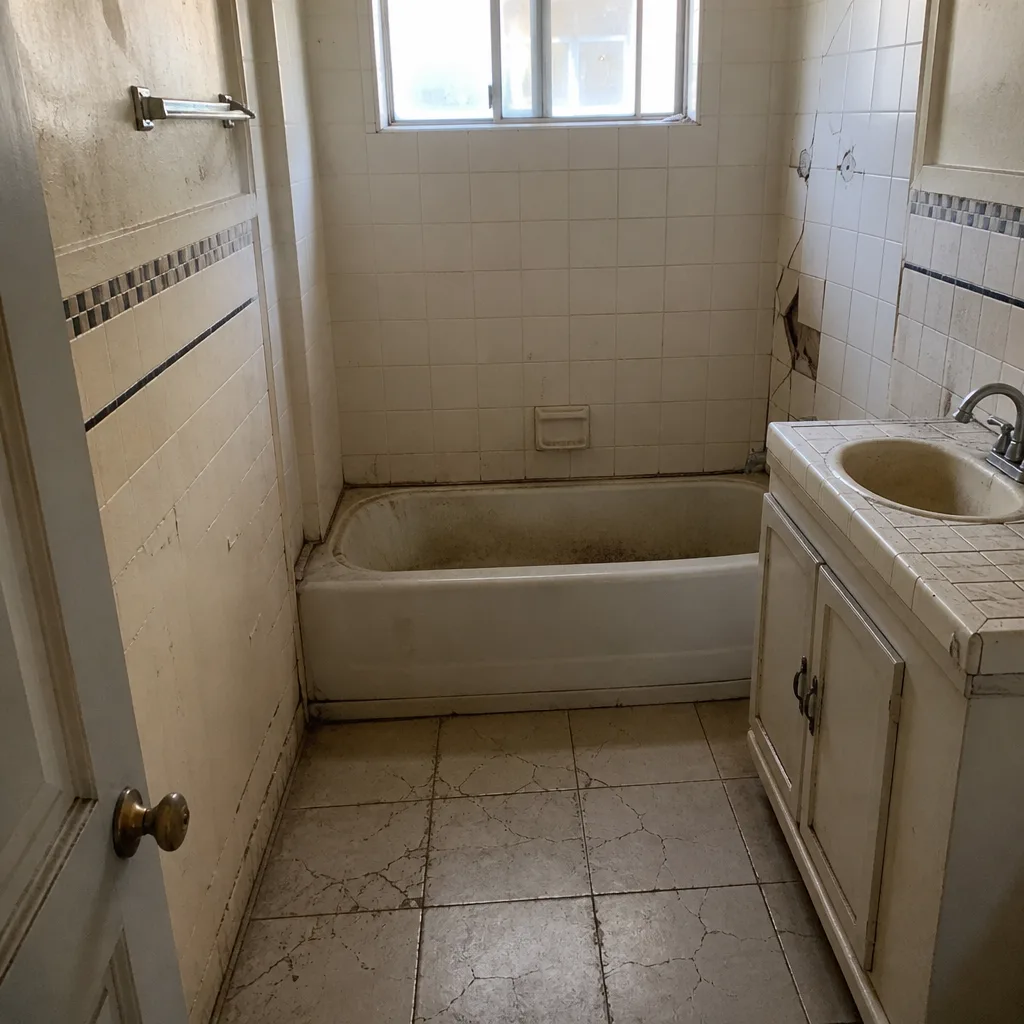 Before
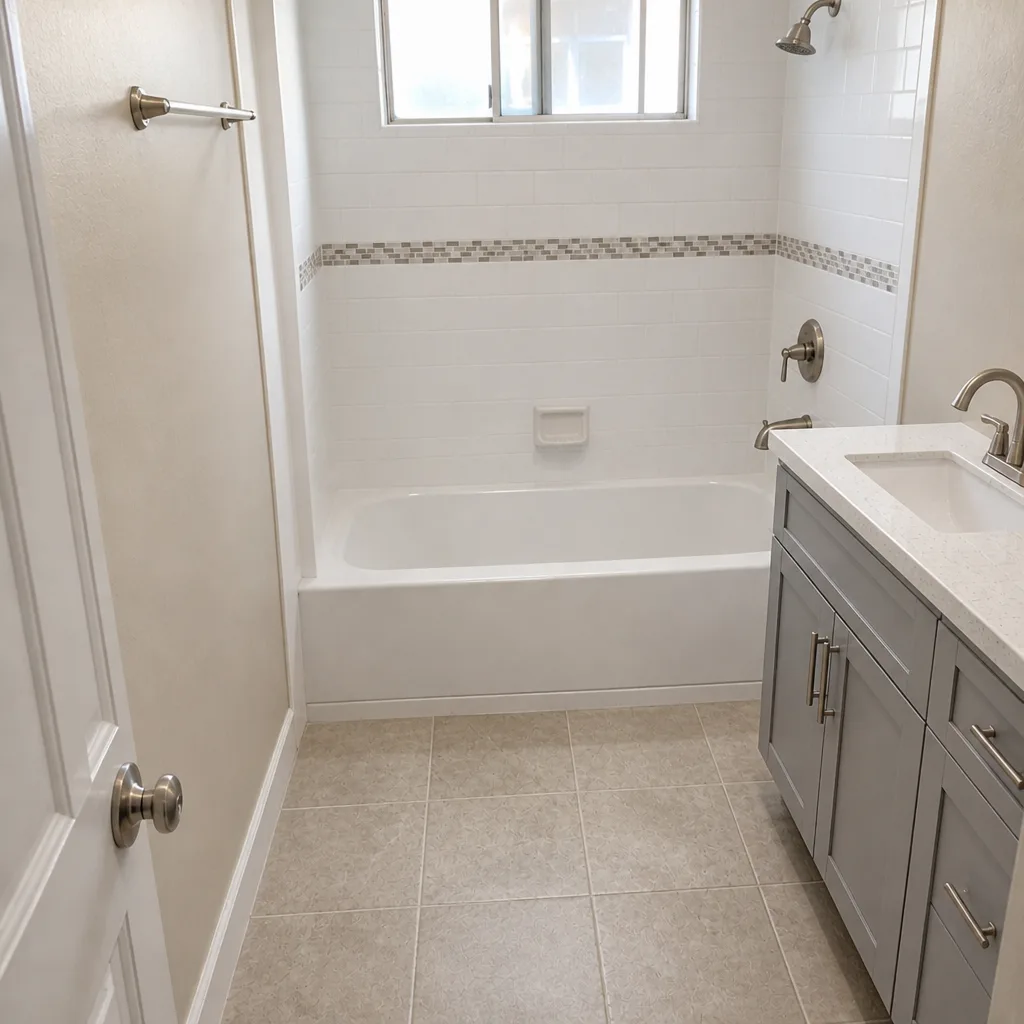 After
When to Call a Professional
Call a professional when you’ve found moisture between the panes and the glass is failing, when an exterior door won’t latch without lifting, or when you see water staining inside a wall or at an interior sill. Those are the signs a trained eye should look at, because water and racking have a way of being more than they seem once the trim comes off. The DIY-friendly checks are the smoke test, the pencil-on-sash test, and resealing exterior trim. The moment the problem is structural, in the glass, or in a wall, it’s a professional job. In our experience, catching these in the right season saves both money and the risk of a failed window letting water into the wall. If you’re not sure what you’re seeing, get an eyeball on it before you spend money in the wrong direction.
Barrett & Sons Construction Glendale offers free estimates in Glendale – call (844) 560-4526 to schedule a look. We’ll tell you straight whether it’s a repair or a replacement, and the answer will be in writing.
Frequently Asked Questions
How do I know if my window seal has failed in Glendale?
The clearest sign is condensation or fogging between the two panes, which means the sealed unit’s gas fill is gone and it needs replacement. You can also feel the glass itself across the pane – a cold or warm spot toward one corner often tracks to a failing seal even before you see it. If the fog is on the room-side surface instead, that’s usually a ventilation issue first. Call (844) 560-4526 if you want an exact answer, and estimates are free.
Why does my entry door latch only when I lift the handle?
That’s a sign the door frame has racked – a corner of the opening has settled slightly out of square, or the hinge side has drifted, so the door only lines up with the strike plate when you lift it. It’s a security problem because the door will push open from the outside when it’s not lifted. It can sometimes be nursed with hinge adjustment, but a genuinely racked frame needs a professional look. Call (844) 560-4526 for a free estimate.
Is condensation on the inside of my windows a problem?
Usually not, as long as it clears when you ventilate. Water on the room-side surface means warm, humid indoor air is hitting the cold glass – run the exhaust fan, bring the humidity down, and it goes away. Water between the panes is the real problem and means the unit has failed. If you’re not sure which you’re seeing, call (844) 560-4526 and we’ll sort it out.
Can a sliding patio door be lifted off its track from outside?
Yes, and it’s one of the most common ways sliding doors are bypassed. Worn rollers or a worn track can let the door lift up and out from the outside even when it seems to lock. Anti-lift blocks, a security pin, or roller adjustment closes the gap. Test it by pushing the door up while it’s closed – any lift means the fix is needed. Call (844) 560-4526 for a free estimate on securing it.
Should I repair or replace a window in a Glendale house with water staining?
It depends on where the stain is. Staining on the interior sill means water traveled in from above, often a failing flashing or seal around the frame. Exterior trim staining usually means paint and caulk have broken down and can be resealed if caught early. Once water is in the wall, the answer is a professional look before it goes further. Call (844) 560-4526 for an estimate in Glendale.
Do you pull permits on window and door replacement in Glendale?
Yes – every eligible job gets permits pulled and inspections signed. It’s a written part of how we work, and the city inspector’s sign-off is one of the things that protects you. Price changes make it into a written change order before work happens, and every completed job is backed by our 90-Day Done Right Promise. Call (844) 560-4526 to start with a free estimate.
The Bottom Line
The warning signs on your windows and doors are specific, and the fix depends on which one you’re seeing. Air at the edges is weatherstripping and caulk. Fog between the panes is a failed seal and a replacement. A drafty west-facing window in Glendale that’s fogging on the inside is a ventilation issue first. A door that won’t latch without lifting is a racked frame and a security gap. Water at the interior sill came from above; water at the exterior trim came from outside. Match the symptom to the right cause, and you’ll know whether it’s a repair or a replacement before you spend a dollar. When you’re ready to have it looked at, that’s the call we take.
Barrett & Sons Construction Glendale has been watching these problems show up in Glendale and the surrounding hills for a lot of years – founded in 1998, owner-operated from day one, and backed by a written 90-Day Done Right Promise on every job. Whether it’s a single window or a full exterior, we’ll walk the house with you, give you a written scope and price, and tell you honestly whether you’re looking at a repair or a replacement. Call (844) 560-4526 to schedule your free estimate.
Written by the team at Barrett & Sons Construction Glendale.