
Last updated November 17, 2026
 Kitchen remodeling
 Bathroom remodeling
 Home additions & ADU
 Roofing
 Windows & doors
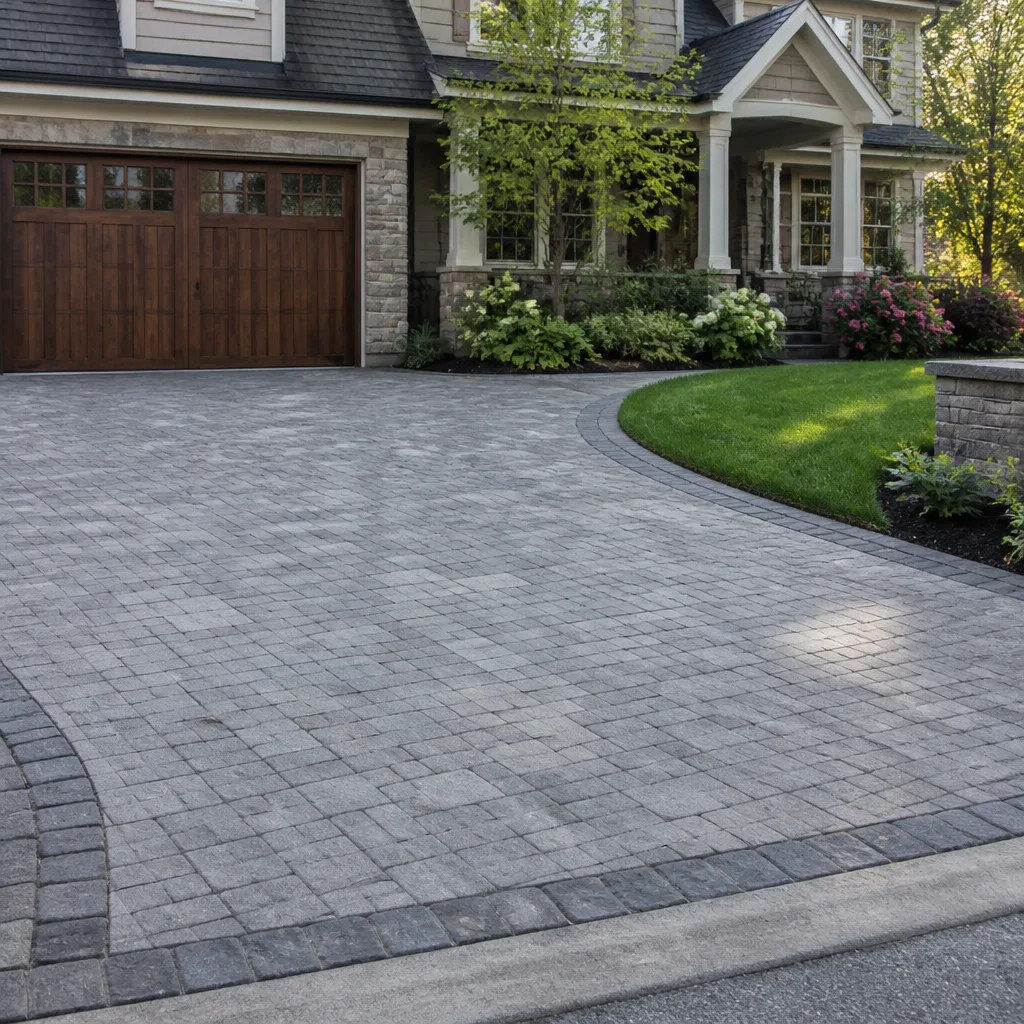 Driveway & pavers
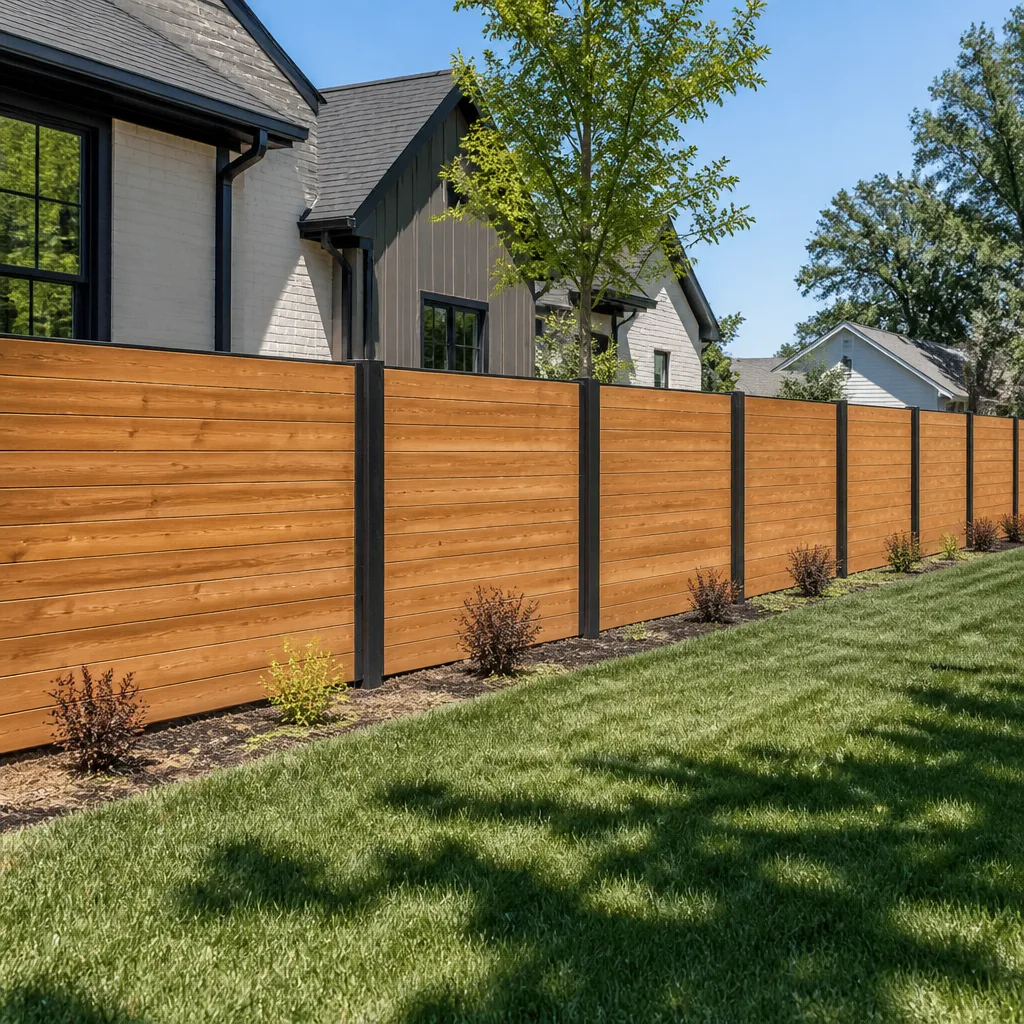 Fence
Free written scope consultation - allowances, timeline, and change-order rules on paper before a single trade is scheduled
Construction Permits, Codes & Inspections in CA: What You Need to Know
Here’s the part most homeowners learn the hard way: California writes the building code, but your city decides how you actually get a permit. In Glendale, that difference has real teeth. Glendale is one of the few LA-area cities that still sends certain projects to an over-the-counter plan check appointment instead of letting you file and wait online, and plenty of homeowners lose three to six weeks sitting in the wrong queue before anyone tells them so. This guide walks through how Glendale’s process actually runs, from the project values that trigger plan check to what happens when an inspection fails, plus the title and legal trouble that follows unpermitted work.
Quick Answer
In California, construction permits are required for most structural, electrical, plumbing, and mechanical work, and they’re issued by your city or county, not the state. In Glendale, CA, smaller like-for-like jobs can often be permitted over the counter, while additions, ADUs, and anything touching structural or energy compliance go through plan check, sometimes by appointment. Inspections are scheduled separately, failed inspections get re-inspections, and unpermitted work can stall a home sale and leave you legally on the hook.
Styles & brands we work with
- Kitchen remodeling
- Bathroom remodeling
- Home additions & ADU
- Roofing
- Windows & doors
- Driveway & pavers
- Fence
Table of Contents
- State-Mandated, Locally Run: How California Permits Really Work
- Which Glendale Projects Need Plan Check vs. Same-Day Permits
- Title 24 Energy Compliance and Glendale’s Local Amendments
- What Happens When an Inspection Fails in Glendale
- Unpermitted Work, Title Insurance, and Escrow
- Who’s Liable When a Contractor Skips the Permit
- How to Verify a Contractor Before You Sign
State-Mandated, Locally Run: How California Permits Really Work
California adopts a statewide building code, but each city and county administers it with local amendments, local fees, and local timelines. Glendale’s building department answers to Glendale, and that’s why the experience of pulling a permit in Glendale is meaningfully different from doing it in Burbank or Pasadena, even though all three operate under the same state code. The rules look similar on paper. The process doesn’t.
What actually varies from city to city:
- Plan check thresholds. The dollar value and scope that push a project from counter issuance into full plan review differ by jurisdiction.
- Submittal method. Some cities accept everything online; Glendale still requires an in-person appointment for certain project types.
- Local amendments. Cities layer their own rules on top of Title 24, especially around energy compliance for additions and ADUs.
- Inspection scheduling. Re-inspection windows, fees, and how fast you can get back on the calendar are all city-specific.
We’ve seen homeowners spend weeks preparing an online submittal for a Glendale project that was never eligible for online review in the first place. The work was fine. The queue was wrong. Knowing which track your project belongs on before you file is worth more than any tip about speeding up the review itself.
Which Glendale Projects Need Plan Check vs. Same-Day Permits
Glendale splits projects into two rough tracks: over-the-counter issuance for straightforward, like-for-like work, and plan check for anything that changes structure, square footage, or energy performance. The threshold isn’t a single dollar figure you can memorize. It’s a combination of scope and value, and the counter staff make the call. That said, here’s the general shape of it.
Typically over-the-counter in Glendale:
- Water heater replacements with like-for-like swap
- Re-roofing with the same material type and no structural change
- Minor electrical repairs and panel replacements of equal amperage
- Fence replacements within height limits
- Simple plumbing repairs
Typically requires plan check:
- Room additions and second-story additions
- ADUs and junior ADUs, which get their own review track under state law but still pass through Glendale’s local plan check
- Structural alterations, load-bearing wall removals, and foundation work
- Window and door changes that affect energy compliance
- Any project crossing a value threshold the city sets, which changes over time
Here’s the counterintuitive part: Glendale is one of the few cities in the LA area that still schedules an over-the-counter plan check appointment for certain project types. That means you can’t always just upload documents and wait. You show up, you sit with a plan checker, and you get answers in the room. Homeowners who submit online expecting a standard turnaround often lose weeks before anyone tells them they’re in the wrong system. Our crews handle this regularly on Home Additions & ADU in Glendale projects, and it’s why we schedule the appointment before we schedule the demolition.
If you’re planning a driveway, fence, or hardscape, the permitting picture is usually simpler. You can read more about how those projects move through the city on our Driveway & Pavers in Glendale and Fence Installation in Glendale pages.
Title 24 Energy Compliance and Glendale’s Local Amendments
Title 24 is California’s energy code, and it governs how much energy a building can use, how it’s insulated, how it’s lit, and how it’s ventilated. On a straight re-roof or a like-for-like water heater swap, it rarely changes the project much. On an addition or an ADU, it changes everything. Every wall, window, door, and HVAC unit has a performance requirement, and Glendale reviews those requirements at plan check.
What we see most often on Glendale additions:
- Window performance. Aesthetic choices that don’t meet the U-factor and solar heat gain requirements get kicked back. We install Andersen and Marvin units because the spec sheets are documented and the plan checker can verify them without a phone call.
- Insulation and air sealing. Additions have to meet current envelope standards, not the standards that applied when the house was built in the 1950s or 1960s. Older Glendale homes frequently need the addition’s thermal boundary detailed carefully.
- HVAC sizing and duct design. A new addition on an existing system usually requires a Manual J load calculation, which means the mechanical subcontractor has to be part of the plan check conversation.
- Local amendments. Glendale layers its own requirements on top of the state code. The specifics change, so what applied to a neighbor’s ADU two years ago may not apply to yours.
This is where an inexpensive contractor becomes expensive. If the plans don’t address Title 24 on the front end, the corrections come back at plan check and stall the job. We put the energy compliance detail in writing before submittal so there’s nothing to renegotiate after the plans get reviewed.
What Happens When an Inspection Fails in Glendale
An inspection failure isn’t the end of your project, but it does reset the clock. The inspector writes up the deficiency, you correct it, you schedule a re-inspection, and the city gets back on the calendar. The re-inspection fee depends on the city’s fee schedule. What you can control is how fast you turn the correction around.
Here’s how a typical fail-and-reinspect cycle runs in Glendale:
- The inspector documents the deficiency on the inspection record, usually with a photo and a plain-language note.
- Your contractor corrects the work and documents the correction with new photos.
- You schedule the re-inspection through the city’s system, which may be a few business days out or longer depending on inspection volume.
- The re-inspection happens. If it passes, the permit advances to the next phase. If it fails again, the whole cycle repeats and the fee may increase.
The mistakes we see most often that cause failures aren’t dramatic. Missing fire blocking. Framing not nailed to spec. An electrical box not at the right height. Insulation installed before the rough-in inspection. Inspectors in Glendale are looking for the same things inspectors look for everywhere, but they’re looking at them on your job and they’ll write them up. The good news is that a failed inspection is the system working. The permit inspector works for you, not for the contractor, and that’s the entire point.
One more thing: failed inspections cost days, and days add up. On an addition, a single failed rough framing inspection can push the whole schedule by a week or more because every subsequent trade waits their turn. That’s true in Glendale and everywhere else in the LA area.
Unpermitted Work, Title Insurance, and Escrow
This is the part sellers want to skip and buyers find out about too late. When you sell a home in Glendale, the buyer’s title company and lender ask whether all work on the property was permitted. If it wasn’t, you have a problem, and it’s not a small one. Unpermitted work discovered during a sale can hold up title insurance, and a lender may refuse to fund the loan until it’s resolved.
What typically happens:
- The title company flags the discrepancy and requires documentation or a disclosure.
- The buyer’s lender may require the work to be permitted retroactively, which involves opening a permit, exposing the work for inspection, and paying current fees.
- If the work doesn’t meet current code, the buyer may demand a credit, or the loan may be declined.
- Either way, escrow stalls until someone eats the cost or the time.
Glendale has a lot of housing stock from the 1940s through the 1970s, and a fair amount of it was modified over the years without permits. Finished garages turned into living space. Additions built by a brother-in-law. Bathrooms moved without a plumbing permit. Every one of those is a landmine at resale. We’ve stood in Glendale driveways with sellers who learned about an unpermitted addition two weeks before closing, and the fix always costs more than the permit would have.
The simplest answer is the obvious one: permit the work on the front end. Every eligible job we take on gets permits pulled and inspections signed, and we tell every homeowner why before they sign.
Who’s Liable When a Contractor Skips the Permit
Here’s the part that surprises people. Under California law, the permit requirement falls on the property owner, not the contractor. If your contractor pulls a permit, that’s a service they’re providing. If they don’t, the homeowner is the one on the hook with the city, and it’s the homeowner’s property that carries the unpermitted record forward to the next buyer.
What that means in practice:
- You can be cited by the city for work done without a permit, regardless of who did it.
- You can be required to remove the work or bring it into compliance at your own cost, including opening walls for inspection.
- You can lose insurance coverage on the affected portion of the home if the work is the cause of a loss.
- You can be sued by a future buyer for failing to disclose known unpermitted work.
Anyone who tells you permits are optional is telling you who they think will eat the risk. It won’t be them. It’ll be you. Every contractor you hire in Glendale should be willing to show you the permit number and the inspection record, and every scope change should arrive as a written change order before work continues, not after.
How to Verify a Contractor Before You Sign
California makes verification easy if you know where to look. A licensed contractor publishes their license number, and you can look it up in minutes. There’s no good reason a contractor on a Glendale job can’t give you a license number you can verify, a written scope, and a written price before work starts.
- Look up the license number with the state licensing board, not on a business card.
- Confirm they pull permits on eligible jobs and put that commitment in the contract.
- Get the scope in writing, including allowances, before work starts.
- Ask who will be on-site. If the answer is “our dispatch will let you know,” that’s an answer worth walking away from.
- Confirm what happens if something’s wrong, in writing, after the job is done.
Brand depth matters here too. When a contractor installs Barrett & Sons Construction Glendale home brands like Belgard or Unilock on a driveway, GAF or CertainTeed on a roof, or KraftMaid and Cambria in a kitchen, the materials are documented and the warranties are real. Mystery brands off a van are a different conversation. And on fence and hardscape borders, brands like Bufftech and ActiveYards give you a paper trail the next owner can verify.
Common Mistakes to Avoid
- Filing online when the project needs an in-person plan check appointment. Glendale is one of the few LA cities that still requires over-the-counter review for certain project types, and submitting through the wrong channel costs weeks before anyone notices.
- Assuming the contractor will handle permits. They may, but under California law the responsibility lives with the property owner. Get the promise in writing, not in conversation.
- Skipping Title 24 review on additions and ADUs. Energy compliance isn’t optional, and plans that ignore it come back as corrections that stall the whole project.
- Starting work before inspection clearances. Covering framing or insulation before rough-in inspections pass is the most common reason we see jobs fail in Glendale.
- Ignoring the corner-of-the-closet remodel from twenty years ago. Unpermitted work becomes a title insurance problem when you sell, and the cost of fixing it later is always higher.
- Accepting verbal change orders. An allowance that isn’t on paper is a surprise waiting for a date, and the surprise always arrives at the end.
- Hiring on phone price alone. A phone quote with no site visit and no written scope is a number, not a price.
See the difference
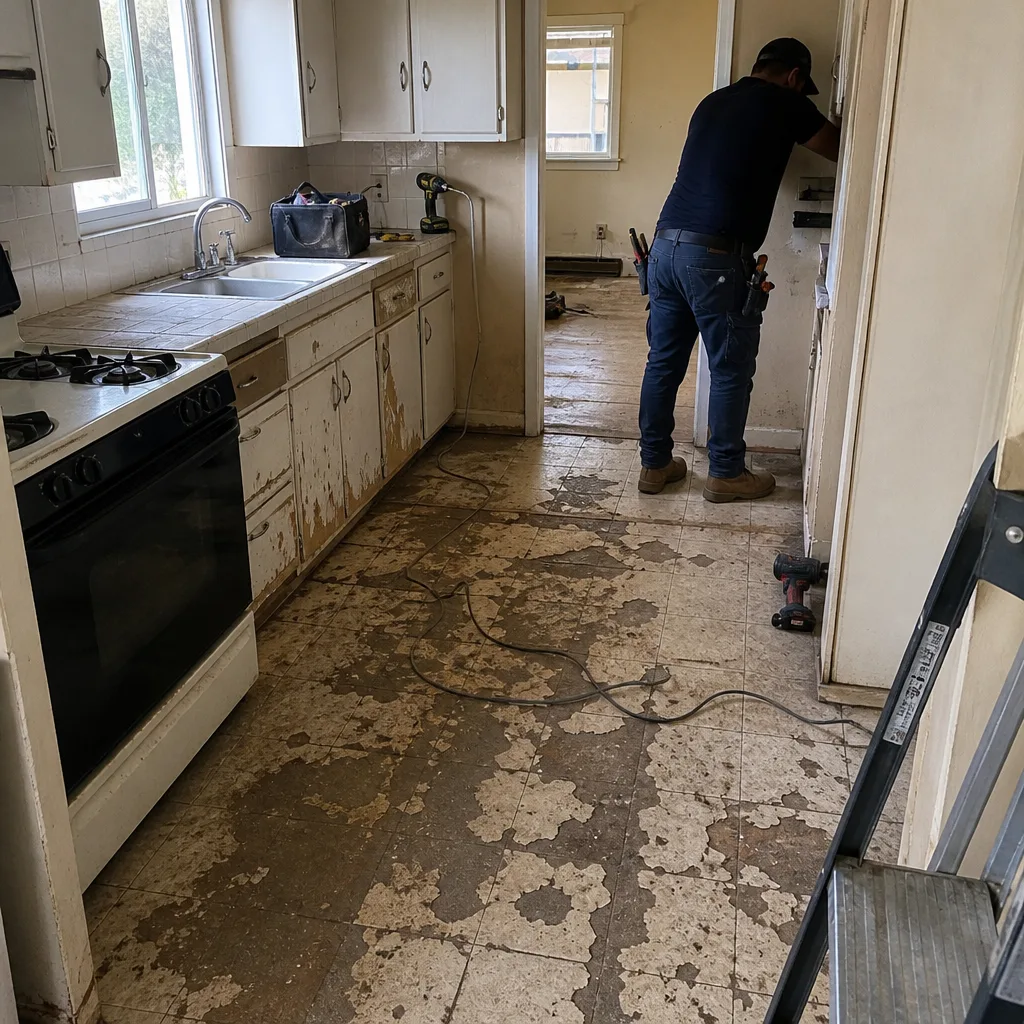 Before
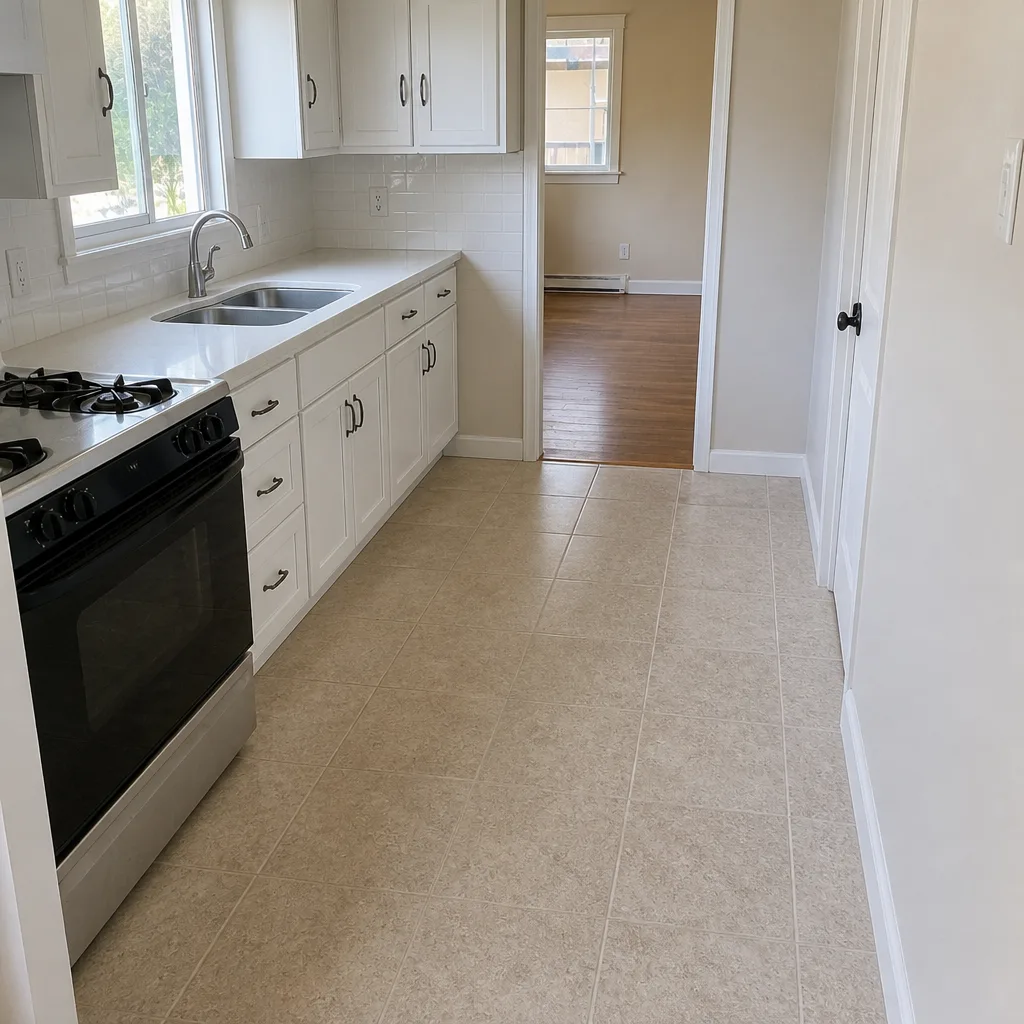 After
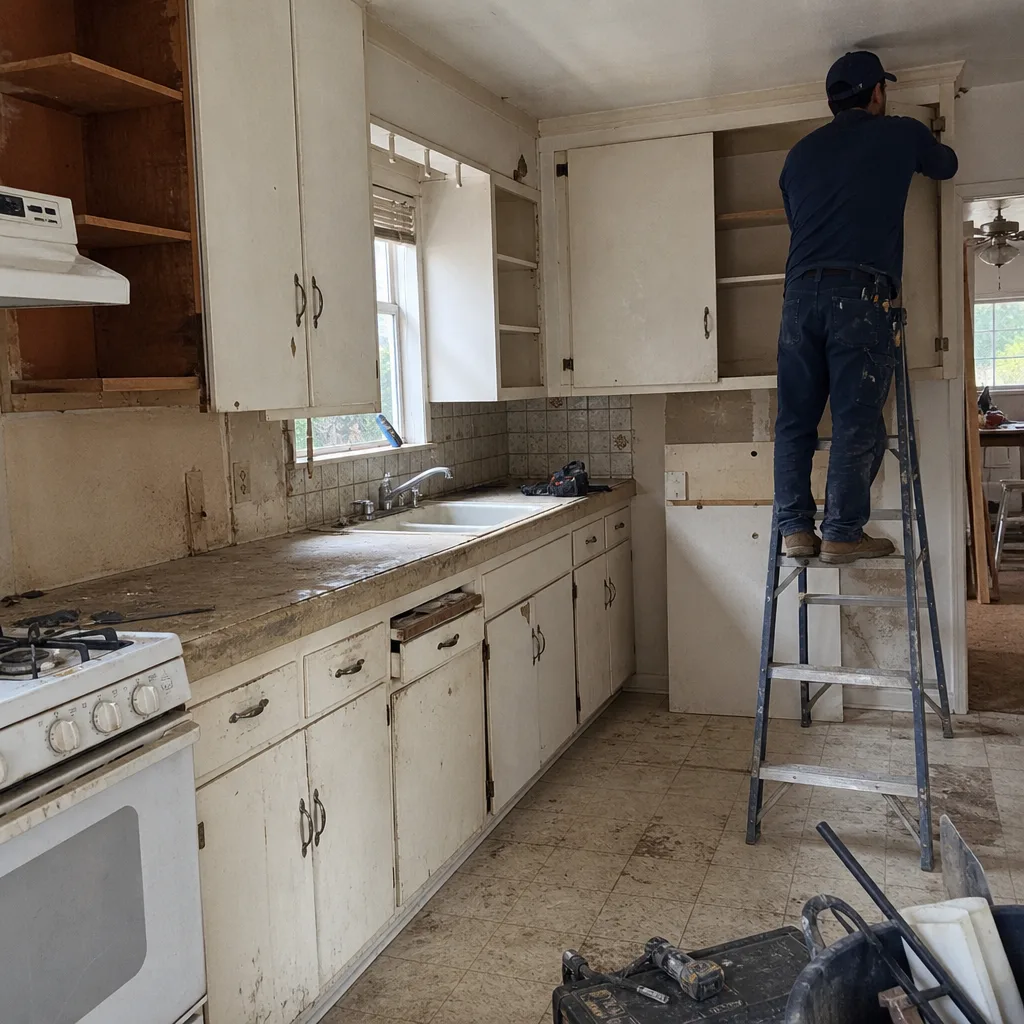 Before
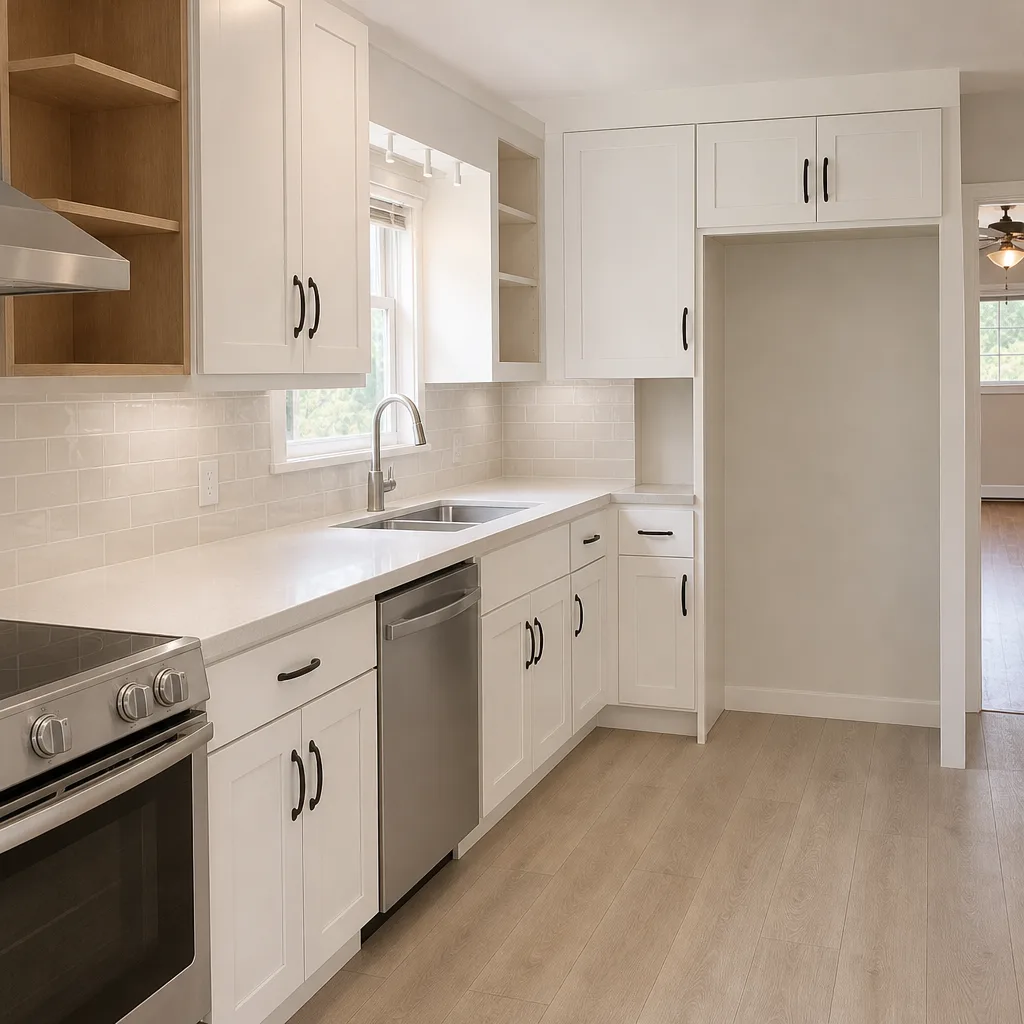 After
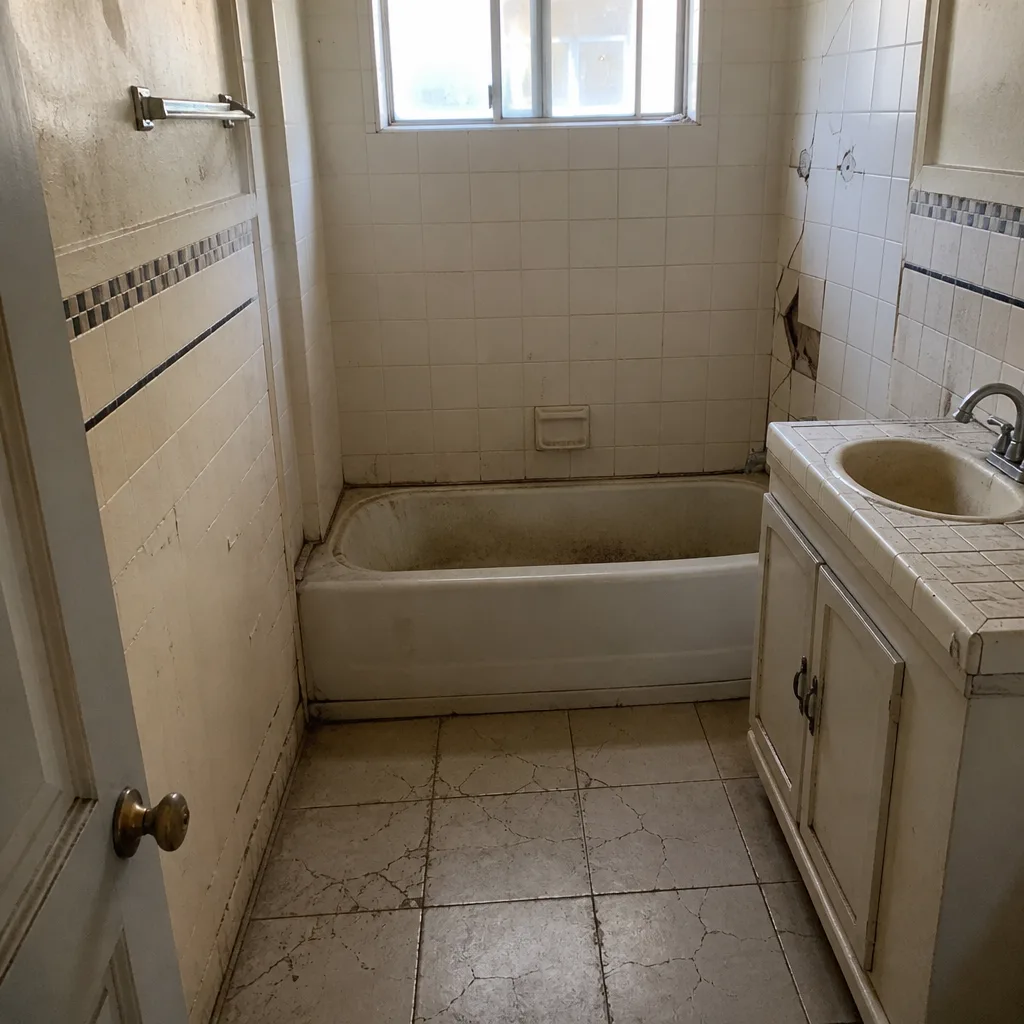 Before
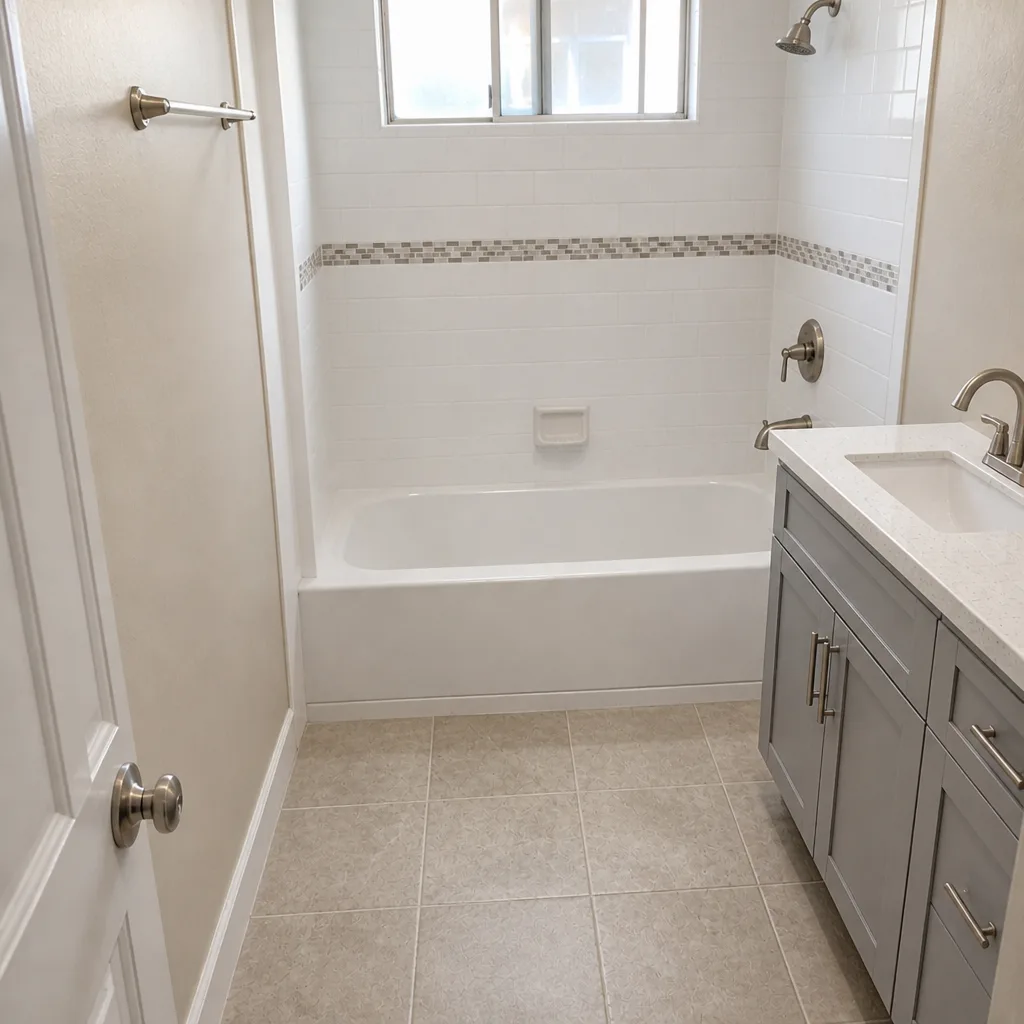 After
When to Call a Professional
Call a licensed, owner-operated contractor when your project involves structure, an addition, an ADU, an electrical panel, plumbing relocation, or anything that will require Title 24 review or a plan check appointment. Those are the projects where an experienced crew earns its keep and a cheap quote gets expensive. Call even if the project looks simple. Roofing, window replacement, and driveway work each have their own permit thresholds, and knowing which applies before you buy material prevents a job from stalling at inspection. Barrett & Sons Construction Glendale offers free estimates in Glendale, written scope and allowances before work starts, permits pulled and inspections signed on every eligible job, and the written 90-Day Done Right Promise on every completed project. Call (844) 560-4526 to schedule your free estimate.
Frequently Asked Questions
Permit fees in Glendale are set by the city and typically scale with project valuation, so a small like-for-like repair costs far less than an addition or an ADU of the same size in square footage. Plan check fees, inspection fees, and re-inspection fees may be separate line items, and the exact figure depends on the scope filed. Call (844) 560-4526 for an exact quote on your project, estimates are free.
Yes. An ADU in Glendale requires a permit and goes through plan check, including Title 24 energy compliance review. California streamlines ADU review at the state level, but Glendale still applies its own amendments, so what passed on a neighbor’s project two years ago may not apply to yours. Call (844) 560-4526 for a free estimate and a written scope.
Sometimes, yes, but only for straightforward like-for-like work that qualifies for over-the-counter issuance. Projects that change structure, square footage, or energy performance go to plan check, and certain project types in Glendale still require an in-person appointment rather than an online submittal. Filing in the wrong channel is the single most common cause of delay we see.
Title insurance and lender requirements usually surface unpermitted work during escrow, and the fix involves opening a permit, exposing the work for inspection, and paying current fees. If the work doesn’t meet current code, the buyer may demand a credit or the loan may be declined. It stalls the sale and it costs more than permitting on the front end would have.
The property owner carries the liability under California law. A contractor who skips permits is passing the risk to you, and the consequences can include citations, compliance orders, insurance coverage gaps, and disclosure obligations at resale. Put the permit commitment in the contract, not just the conversation.
It shouldn’t, and on our jobs it doesn’t without a written change order issued before the work proceeds. Scope, allowances, and any price change arrive on paper first, which means there are no surprise invoices at the end. Call (844) 560-4526 for a free estimate written out line by line.
The Bottom Line
California’s permit system is state-mandated but locally run, and Glendale runs it with its own thresholds, its own plan check appointments, its own Title 24 review, and its own inspection calendar. If you’re planning work in Glendale, file in the right channel, get the permit pulled before anyone lifts a hammer, and put the scope, the allowances, and every change order in writing. Unpermitted work is a sale-killer and a legal liability that lands on the homeowner, not the contractor. And if a contractor tells you permits are optional, believe them, because they’ve just told you who’s going to eat the risk.
Barrett & Sons Construction Glendale has been owner-operated and name-on-the-truck since 1998. Our technicians have up to 28 years of experience, every eligible job gets permits pulled and inspections signed, every change order arrives in writing before work moves, and every completed job is backed by the written 90-Day Done Right Promise. Live person on the phone 24/7, no voicemail box. Call (844) 560-4526 today to schedule your free estimate.
Written by the team at Barrett & Sons Construction Glendale.