
Last updated November 17, 2026
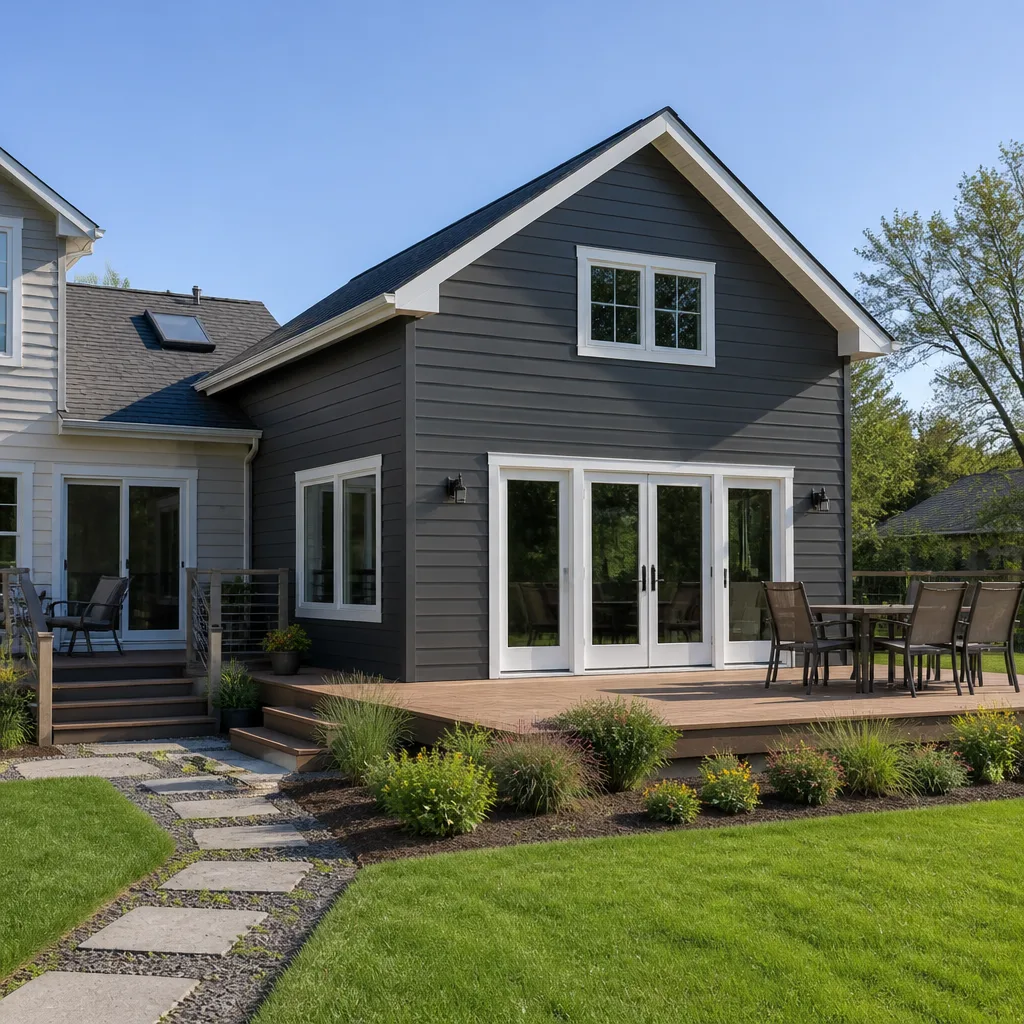 Home additions & ADU
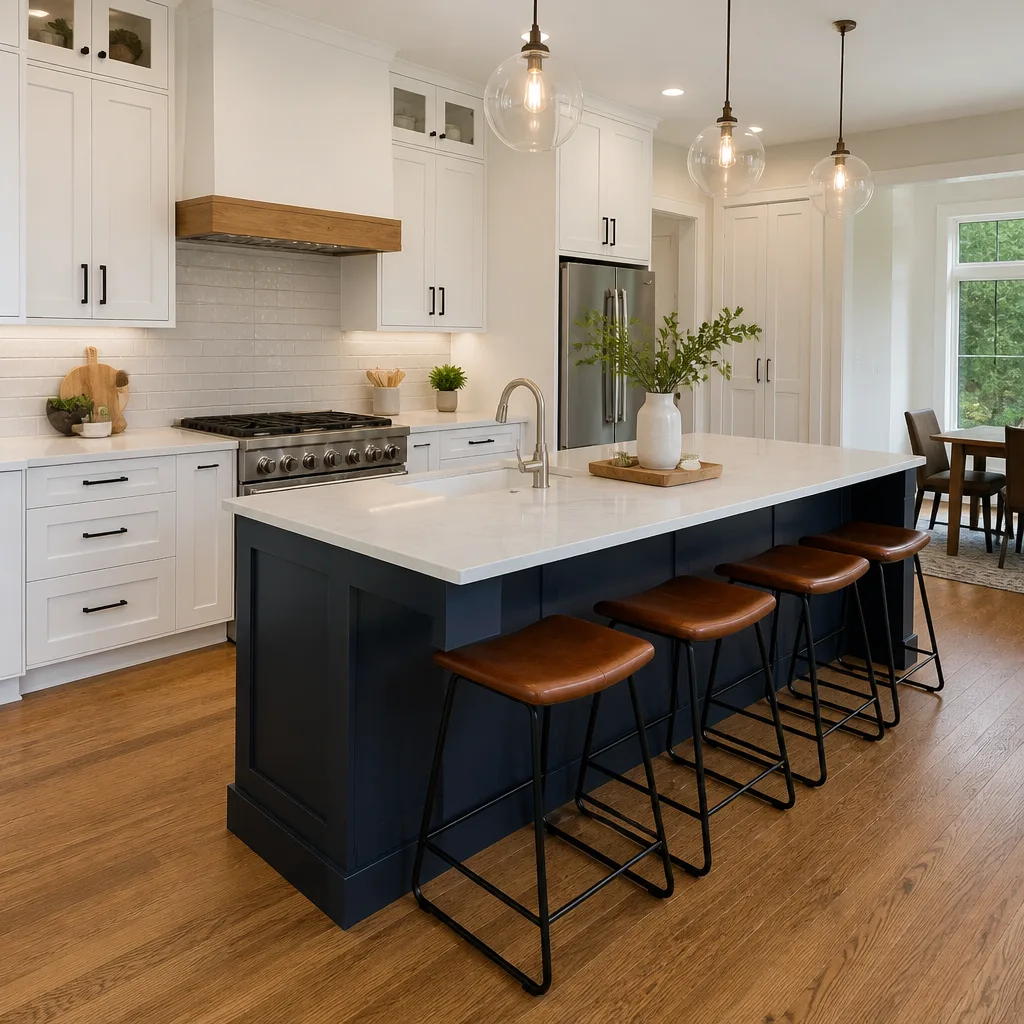 Kitchen remodeling
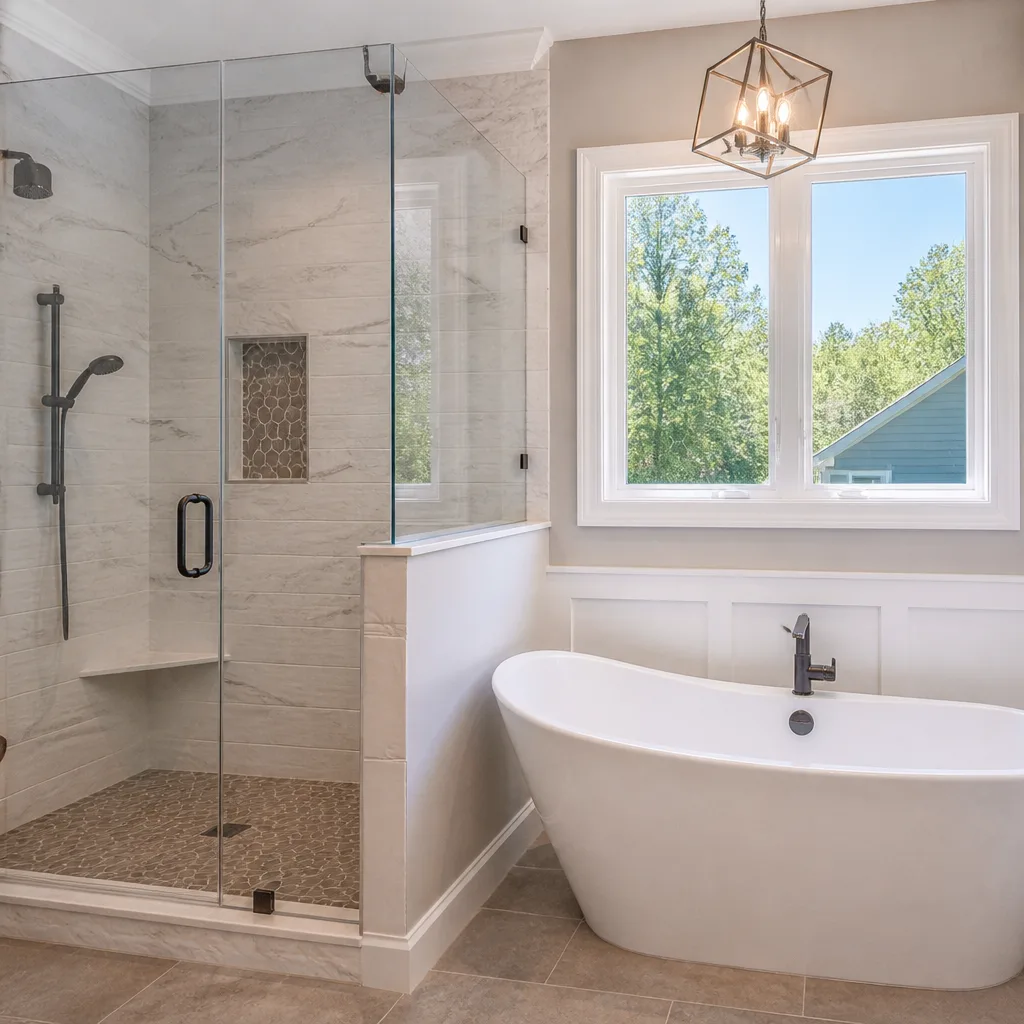 Bathroom remodeling
 Roofing
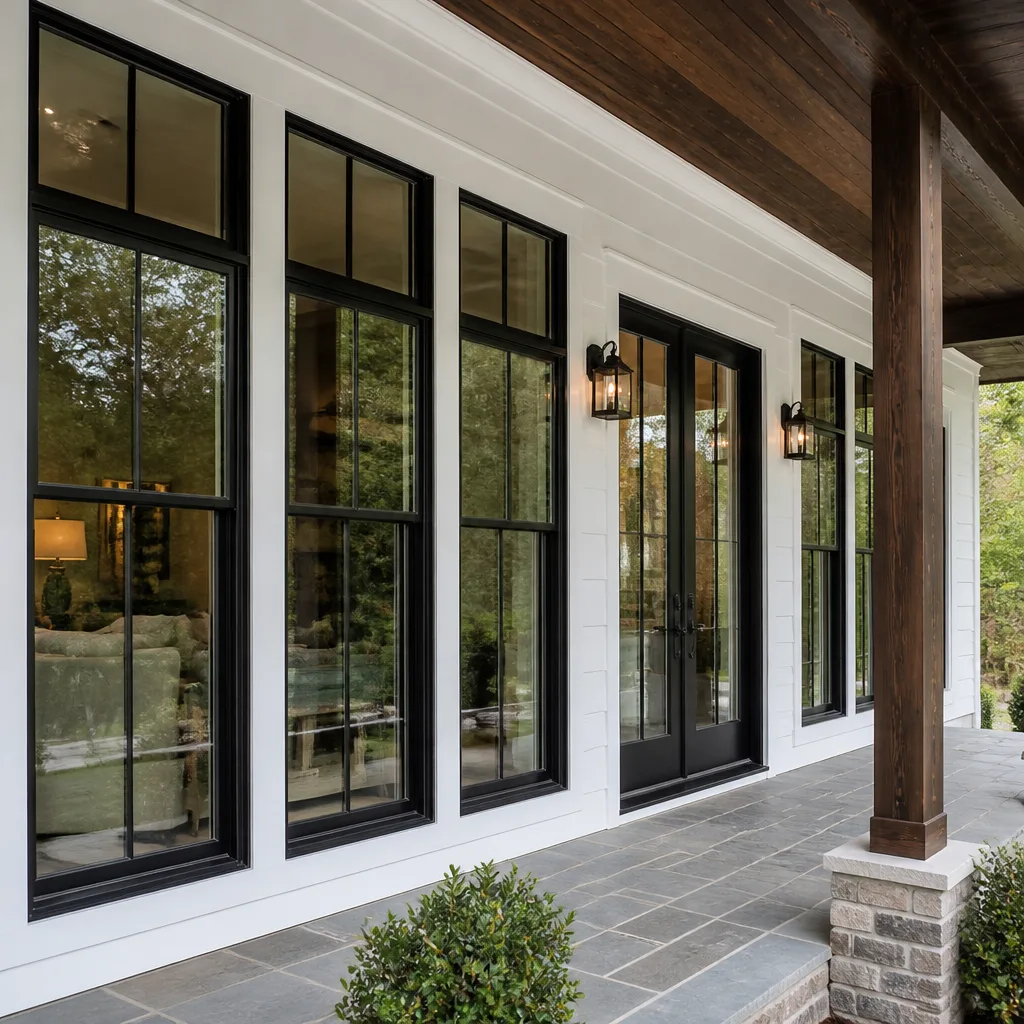 Windows & doors
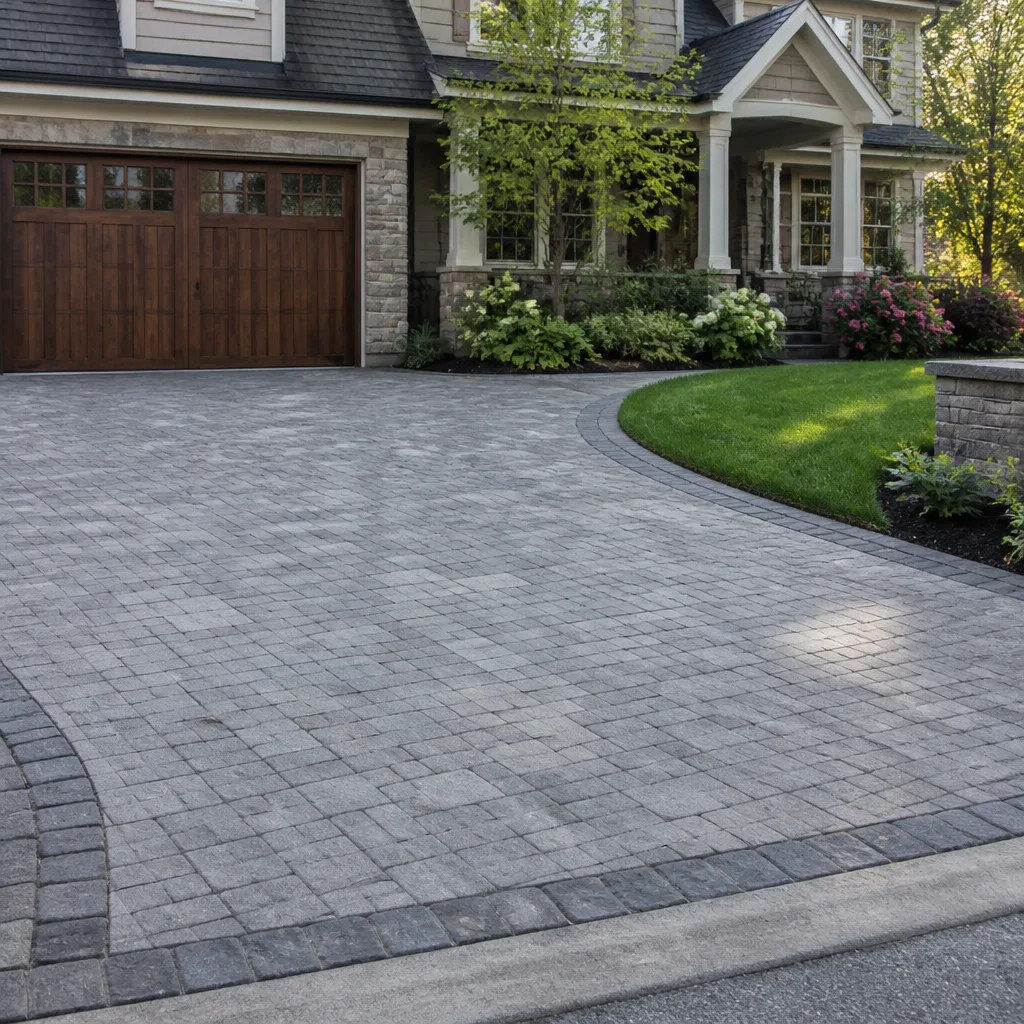 Driveway & pavers
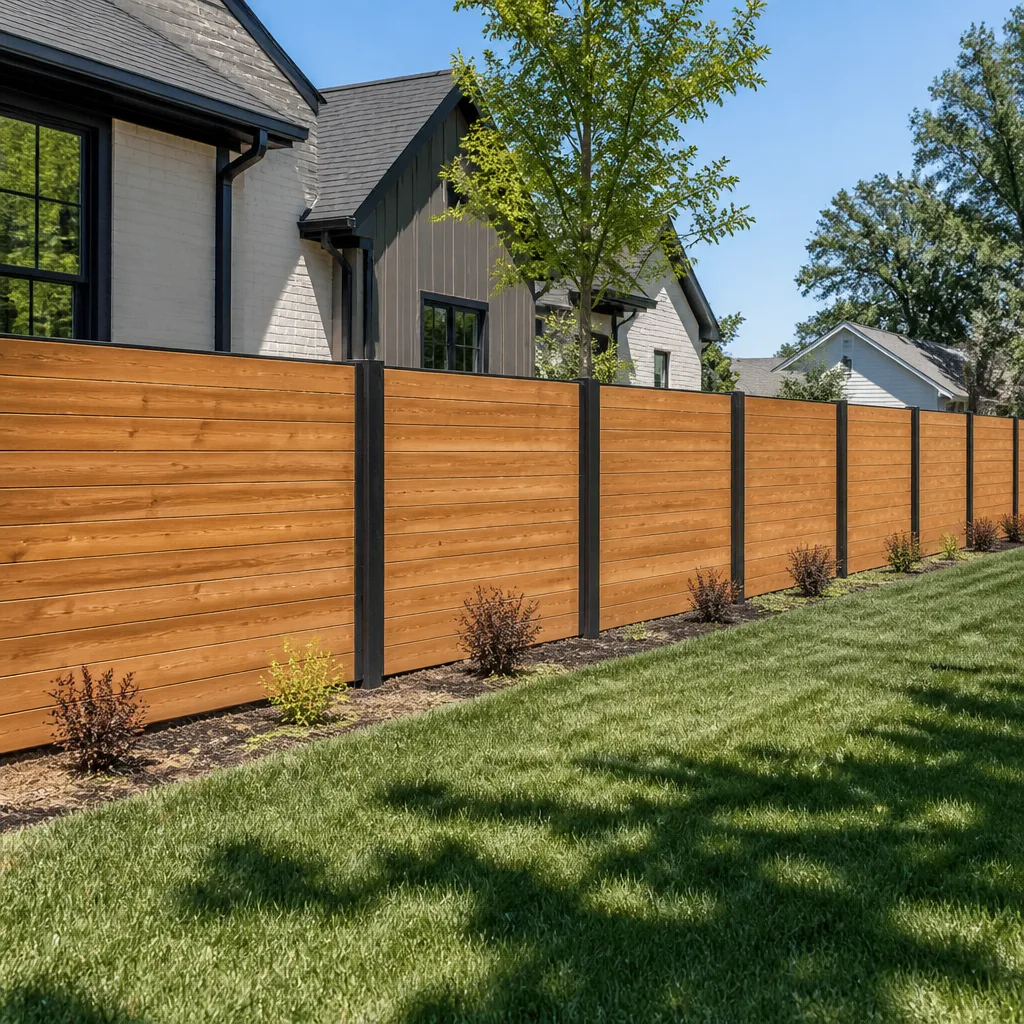 Fence
Free written scope consultation - allowances, timeline, and change-order rules on paper before a single trade is scheduled
DIY vs Professional Construction: The Glendale Homeowner’s Decision Guide
In California, you can legally act as your own general contractor on your own home. That’s the part most people know. The part they don’t: the moment you sell, unpermitted or owner-performed work that doesn’t pass inspection can be ordered torn out and redone at your expense, and the bill often lands higher than the professional quote you turned down years earlier. This guide walks the actual legal and practical line for Glendale homeowners – which projects you genuinely can self-perform, which ones the city and the state won’t let you touch, and where the cost of a mistake on a hillside lot or an older house outruns any savings. You’ll get a cost framework, the Glendale-specific trouble spots, and a straight answer on when to hire.
Quick Answer
In Glendale, capable homeowners can safely self-perform cosmetic work like interior painting, tile on flat floors, fencing under the height threshold, and landscaping. Anything involving electrical panel work, gas lines, structural changes, or a building permit that triggers inspection is a different matter – those either legally require a licensed contractor or expose your sale to real liability if the work fails inspection. The dividing line isn’t your skill, it’s the permit and the liability.
Styles & brands we work with
- Kitchen remodeling
- Bathroom remodeling
- Home additions & ADU
- Roofing
- Windows & doors
- Driveway & pavers
- Fence
Table of Contents
- Where Glendale Draws the Legal Line
- How the Owner-Builder Permit Actually Works
- The Glendale Conditions That Compound DIY Mistakes
- A Real Cost Comparison Framework
- Projects That Make Sense to Self-Perform
- Projects Where the Permit Does the Work
- When to Call a Professional
- Frequently Asked Questions
Where Glendale Draws the Legal Line
California is what’s called a “self-certifying” state for homeowners: you can pull permits and do work on a home you actually live in, without holding a contractor license. That’s real freedom, and it’s the reason a lot of DIY advice online sounds confident. But the freedom has hard edges, and Glendale enforces them.
Three categories land firmly on the professional side no matter how handy you are:
- Electrical panel work and service upgrades. Replacing a panel, adding a subpanel, running new service – these require a licensed electrician in most jurisdictions, and the utility won’t energize new service without a signed inspection. Glendale has a lot of older homes with 100-amp panels that need upgrading before an EV charger or an ADU can go in. That’s licensed work.
- Gas lines. Any new gas line, relocation, or appliance connection beyond a simple swap requires a licensed plumber and a pressure test that the city inspects. A gas leak isn’t a callback, it’s a hazard. Don’t touch it.
- Structural changes. Removing a wall, cutting a beam, adding a header, altering a foundation – these need stamped plans and a licensed contractor or engineer of record. The permit inspector works for you here, not against you; that signature is what a future buyer relies on.
The rest – cosmetic remodel, flooring, painting, fencing under six feet, landscaping – sits in the grey zone where a careful homeowner can operate. The question is whether the savings justify the risk. More on that below.
How the Owner-Builder Permit Actually Works
When you pull a permit as an owner-builder, the city records you as the contractor of record. You sign the application, you take on the liability, and you’re responsible for the work meeting code. That’s the trade: you save the contractor’s markup, and you accept the same exposure the contractor would have carried.
Here’s where it bites. California law requires a seller to disclose any work done in the past several years that required a permit, and to disclose whether permits were obtained and finaled. If you did the work as owner-builder and it never got signed off – or it got signed off but later fails a buyer’s inspection – the buyer can demand it be brought to code, or walk. In a Glendale market where a surprising share of homes have been touched by owner-builders over the decades, buyers and their agents have learned to look closely at the permit history.
The practical upshot: an owner-builder permit is a real option for cosmetic or straightforward work. It is not a way to dodge a permit on structural, electrical, or gas work. And if you plan to sell within a few years, weigh the future disclosure against whatever you’d save now.
The Glendale Conditions That Compound DIY Mistakes
Glendale isn’t a flat grid of identical tract homes. The city climbs into the Verdugo foothills, and that geography has consequences for anyone doing their own work. We’ve seen the same handful of issues come up again and again.
- Hillside lots and slope stability. A lot of Glendale homes sit on graded slopes. Water management – drainage, retaining walls, footing depth – matters far more here than on a flat lot. A DIY paver patio that sends runoff toward the foundation can undermine a hillside footing over a couple of wet winters.
- Pre-1978 materials. Glendale has a large stock of mid-century homes. Disturbing walls, ceilings, or tile in a pre-1978 house can release lead paint or asbestos-containing materials. That’s not a job for a mask and a pry bar – it’s a licensed abatement question before the demo even starts.
- Expansive soil. Parts of the Glendale area sit on clay-heavy expansive soils that swell and shrink with moisture. A foundation pour or slab that ignores soil conditions will crack. This is exactly the kind of hidden condition where a contractor’s experience pays for itself.
- Aging infrastructure. Older Glendale homes often have original galvanized plumbing, undersized panels, and knob-and-tube remnants buried behind drywall. What looks like a simple bathroom refresh can reveal a whole wiring job once the wall is open.
None of that means don’t touch your house. It means the margin for error is thinner in Glendale than in some newer suburbs, and the consequences are bigger when you get it wrong.
Extra care on the big-ticket trades
When a project reaches the trades that carry real safety risk – electrical service, gas, or roof work at height on a steep pitch – a trained professional is the right call, full stop. We’ll always say so plainly. A 90-pound bundle of shingles on a two-story foothill roof is not a weekend learning project.
A Real Cost Comparison Framework
The mistake people make in the DIY-vs-hire math is comparing the wrong numbers. They look at materials plus maybe a tool rental and call that the DIY cost. The honest comparison includes your time at a real rate, the tools you don’t own yet, the callbacks you can’t predict, and the permits you might skip – which have a way of resurfacing later.
Here’s how we’d frame it for a Glendale homeowner:
- Materials at full retail. Contractors buy at trade pricing. A DIYer often pays more per unit on the same brand.
- Tool rental or purchase. A tile saw, a framing nailer, a compactor, scaffolding – these add up fast and you own them after.
- Your time, priced honestly. An experienced trade does in a day what a first-timer takes a weekend to do, and the finish quality shows. Value your weekends.
- Realistic error rate. Across most home projects, a first-time DIYer hits a redo on some part of the job – a bad cut, a wrong mix, a tile that won’t lie flat. Budget for one do-over and the savings often evaporate.
- The permit line item. Skipped permits don’t disappear; they reappear at sale, at inspection, or at insurance claim time, and can cost more than pulling them would have.
When you stack those honestly, the gap between DIY and a written contractor bid narrows fast – especially on anything with a permit attached. For the big exterior projects, our breakdowns on Driveway & Pavers in Glendale and Fence Installation in Glendale show what that line-item bid actually looks like.
Projects That Make Sense to Self-Perform
We’re not in the business of talking every homeowner out of the toolshed. There’s a real list of projects where a careful Glendale homeowner can save money without inviting a permit inspection or a future buyer’s anger:
- Interior painting on sound walls and ceilings.
- Tile work on a flat, dry floor where the substrate is already good.
- Fencing at or under the six-foot height threshold, on your own property line, where the uphill neighbor’s grade doesn’t complicate it.
- Basic landscaping, planting, mulching, and non-structural garden walls.
- Swapping a light fixture or a faucet on the same connection (not new wiring or a new valve location).
- Cosmetic trim, shelving, closet build-outs.
Those are the jobs where a mistake is annoying, not dangerous, and where the finish is easy to verify. If your project lives on this list, you have our blessing and our best estimate if you change your mind.
Projects Where the Permit Does the Work
Some projects cross into a category where the city’s inspection is the single most valuable thing you’re buying – more than any brand of material. On these, the permit is the point.
- Roofing a home in Glendale. A reroof has to meet current code, and the inspection is what confirms the underlayment, flashing, and ventilation are right. A roof is the one place where a skipped step can destroy the interior a year later. If you’re pricing it, our guide on Barrett & Sons Construction Glendale home covers how a reroof scope gets built on paper.
- Home additions and ADUs. The permit and inspection process is deep here – plans, structural, sometimes hillside review. This is where DIY stops being an option entirely, and where the plan set has to be right before the first shovel. Details live on our Home Additions & ADU in Glendale page.
- Kitchen and bathroom remodels. Once you relocate a sink, add a circuit, or move a wall, you’ve left cosmetic territory. The permit keeps the work insurable and sellable.
Windows and doors are their own category. A straight swap can be a homeowner job, but rough openings, flashing, and header work on older Glendale homes usually aren’t. We handle that trade under the same written scope we use across the trades we touch – names like ES Windows and Mr-Glass are brands you can look up.
See the difference
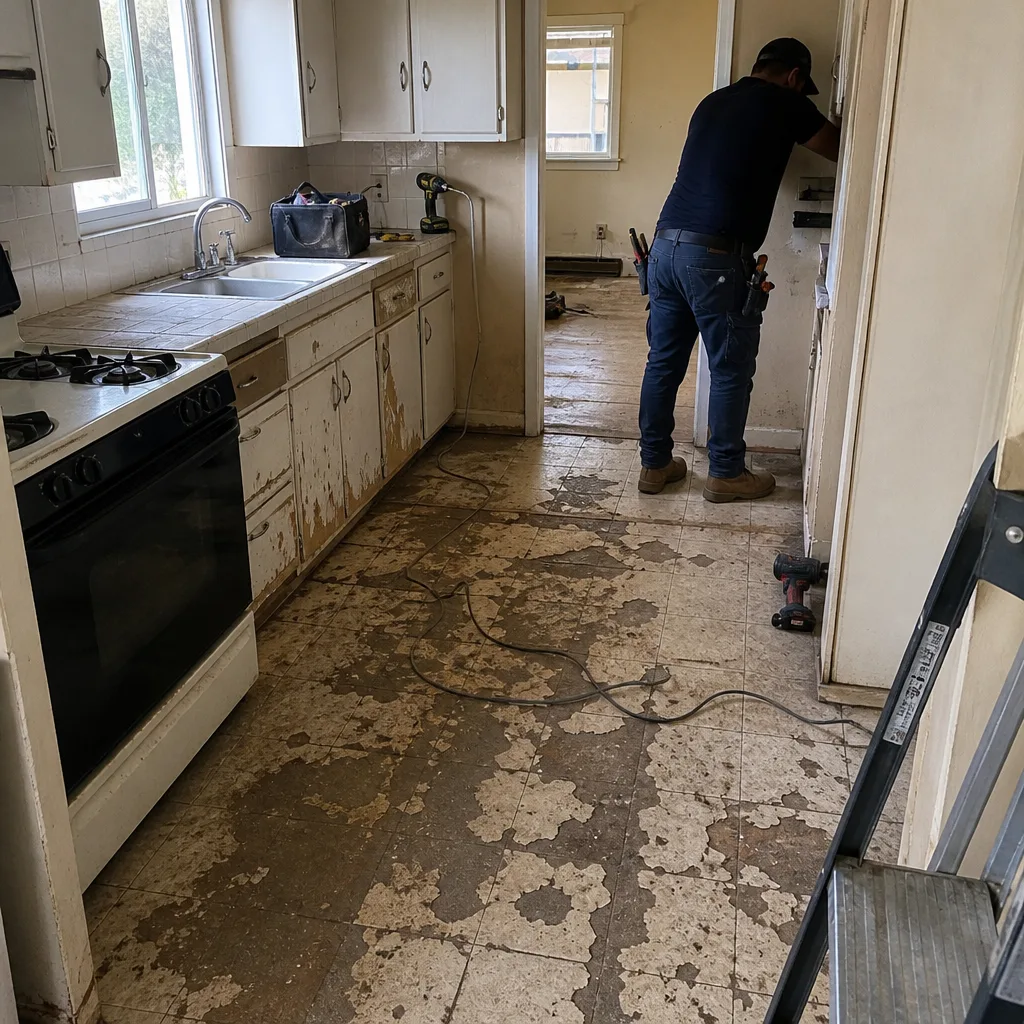 Before
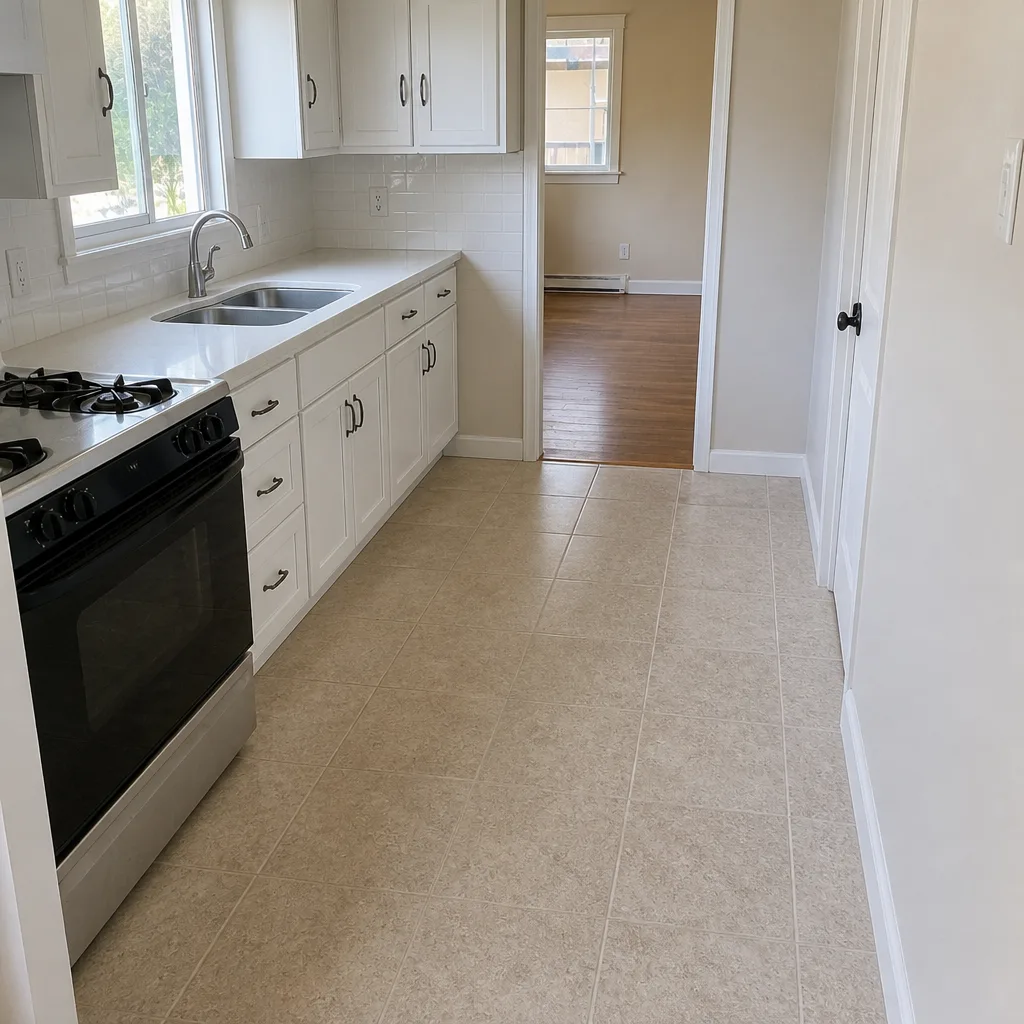 After
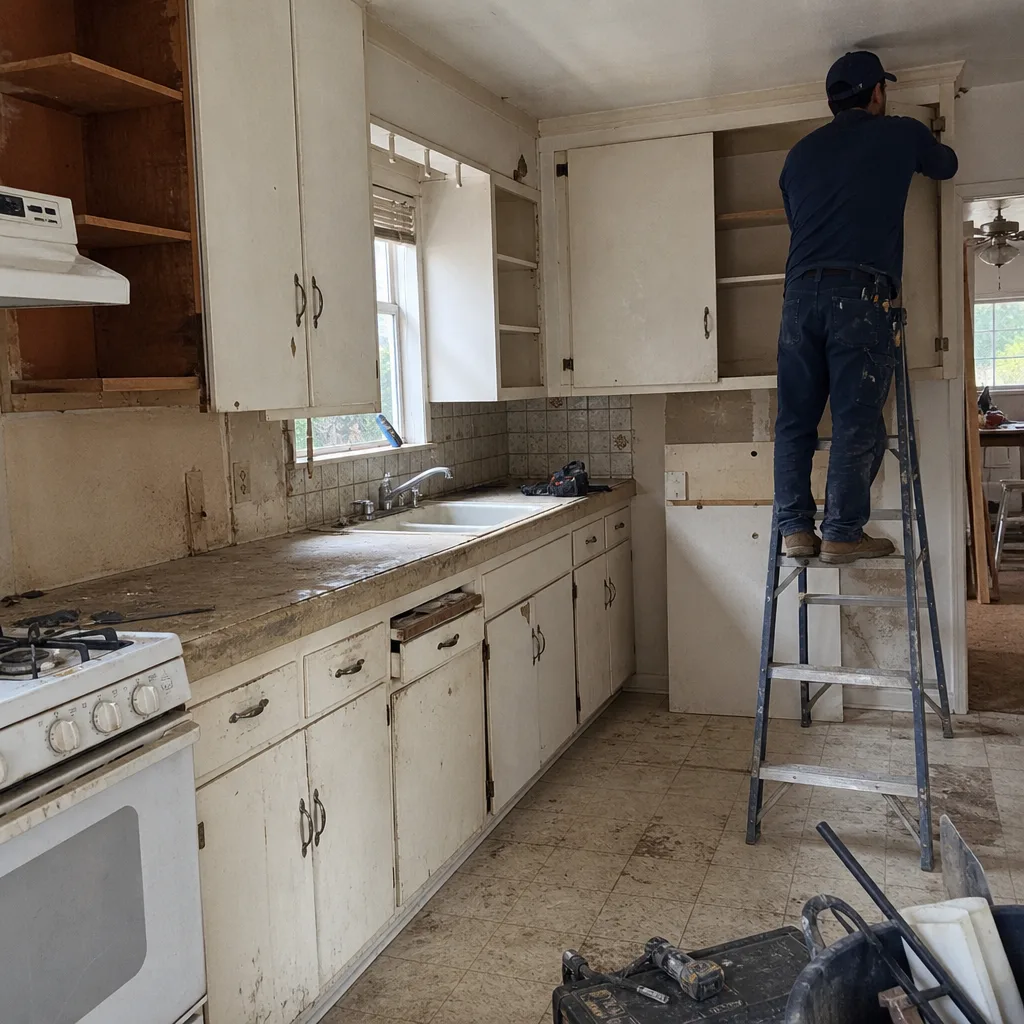 Before
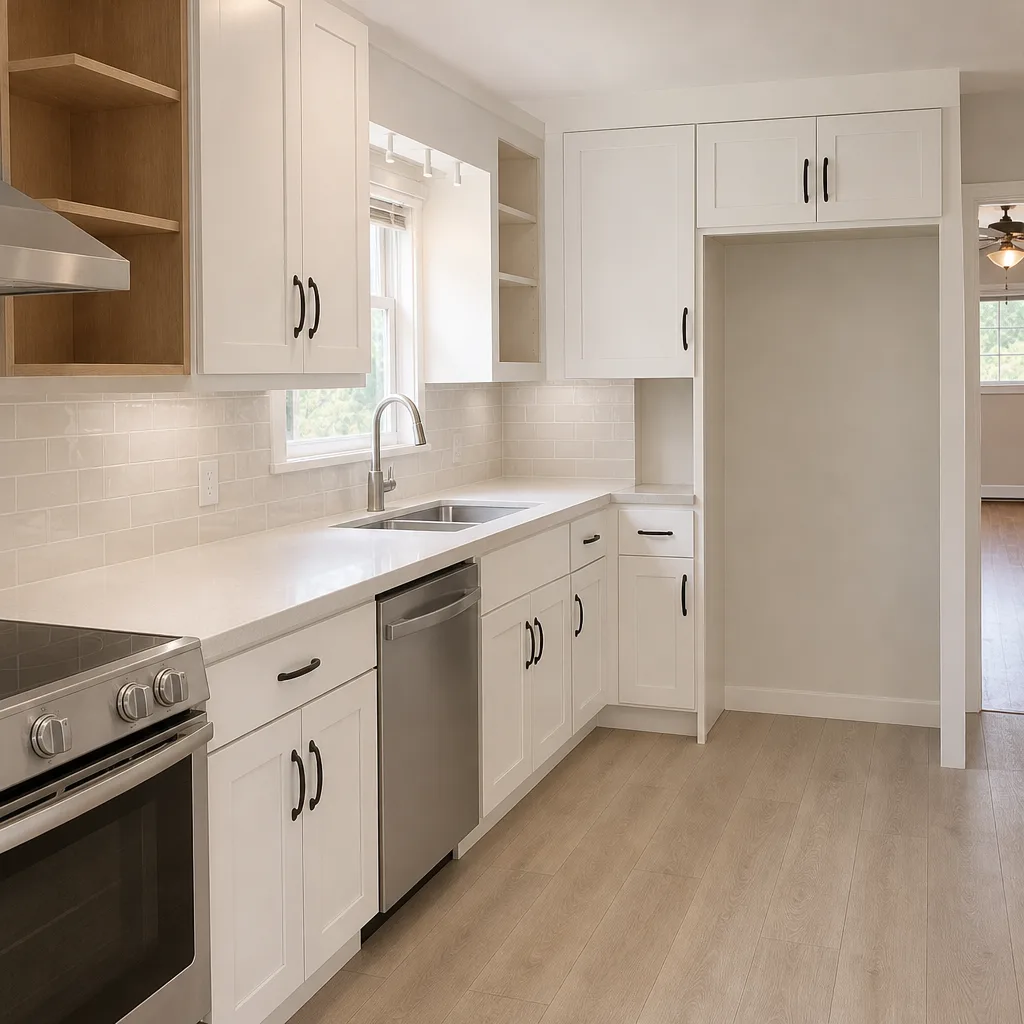 After
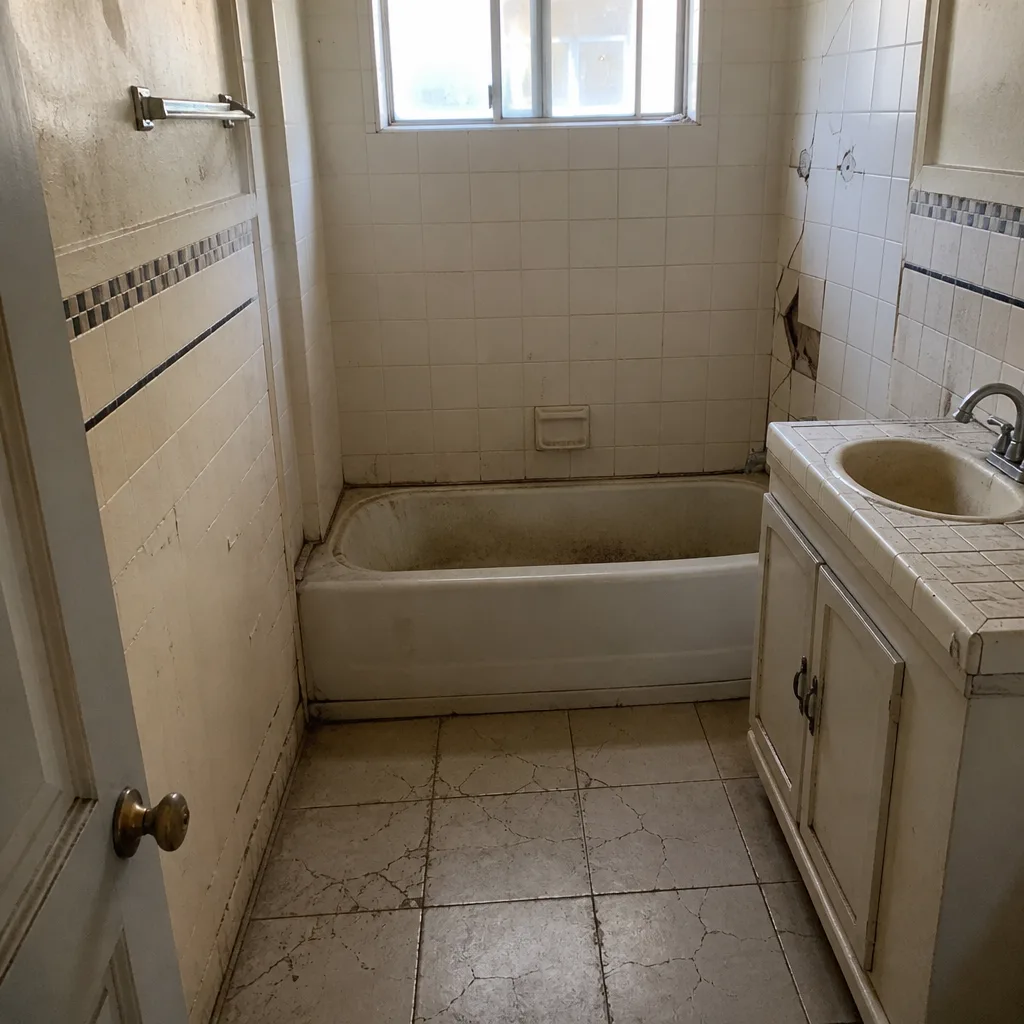 Before
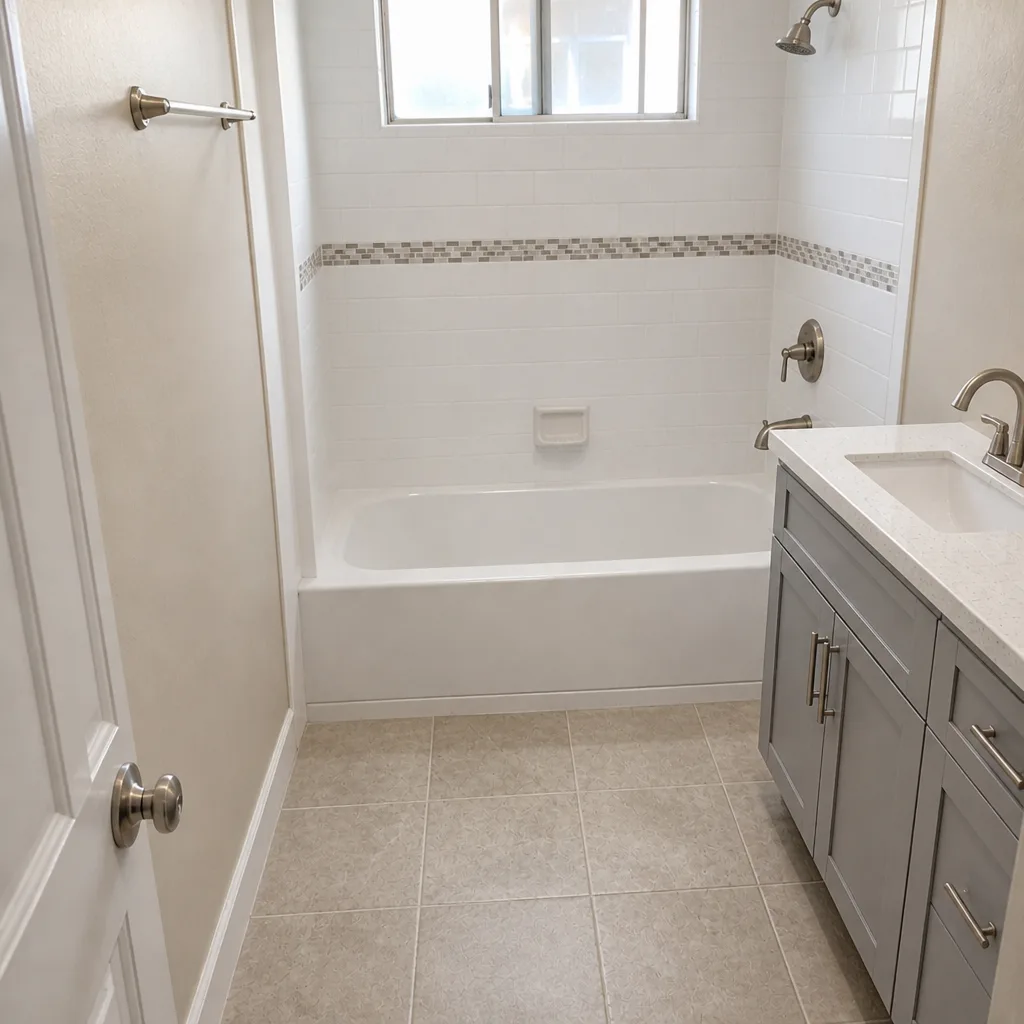 After
Common Mistakes to Avoid
We’ve been asked to fix the same mistakes more times than we can count. Each one has a Glendale flavor to it.
- Pulling an owner-builder permit, then selling within a couple of years without finaled inspections. The buyer’s inspector finds it, and the fix is on your dime. Get the final sign-off before you list.
- Refinishing a bathroom in a pre-1978 house without a lead or asbestos check. Disturbed tile or drywall in an older Glendale home can turn a cosmetic job into an abatement.
- Draining a hillside patio toward the foundation. Slope drainage on a foothill lot is the single most common self-inflicted problem we see. A winter of rain finds every low spot.
- Upgrading a panel or adding an EV charger yourself. Beyond the safety risk, the utility can refuse to energize until a licensed electrician’s work passes inspection.
- Skipping a written scope then getting surprised when the price changes. Our rule is simple: scope, allowances, and any change order are in writing before work happens – because the allowance that isn’t on paper is a surprise waiting for a date.
- Choosing the cheapest bid with no line items. A number on the phone means nothing without what’s in it. Ask for a written, itemized estimate every single time.
- Assuming the permit is optional. It isn’t, and the last contractor who tells you otherwise is telling you something about themselves.
When to Call a Professional
Call us when the project touches a permit, a panel, a gas line, a structural change, or any roof at height. In Glendale, that covers electrical upgrades on older homes, hillside drainage and grading, pre-1978 abatement questions, and any remodel where the walls are coming open. If you’re within a few years of selling, that’s another reason to hire – finaled permits today protect the sale tomorrow. A free, no-obligation second opinion on a written estimate you already have is one of the services we offer as a matter of course, and there’s no trip charge inside the county. Barrett & Sons Construction Glendale offers free estimates in Glendale – call (844) 560-4526.
Frequently Asked Questions
Yes, in many cases you can – California lets a homeowner act as their own contractor on a home they live in. The catch is that you become the contractor of record and carry the liability; work that requires a permit still requires the inspection, and some categories like electrical service and gas lines effectively require a licensed trade. When in doubt, ask the Glendale building department before you start.
If you’re moving plumbing, adding or upgrading electrical, or changing the layout, yes – a permit and inspections are required. A purely cosmetic refresh with fixtures swapped in place often doesn’t trigger one, but confirm that specifically. Skipping the permit doesn’t save money; it moves the cost to your eventual sale.
You have to disclose it, and the buyer’s inspector will find it. The remedy is usually to bring the work to code – retroactive permits, sometimes tearing out and redoing – at your expense before or after the sale. That’s often the most expensive way to have saved a construction dollar. Get the permits finaled before you list.
On genuinely cosmetic, permit-free work, a careful homeowner can save a meaningful share of the labor line. On anything with a permit, a structural element, or a slope-drainage problem, the honest savings often turn negative once you add tool rentals, your time, one do-over, and the future liability. The savings depend on the project, not on your confidence.
Often, yes – mid-century homes can hold lead paint, asbestos materials, galvanized plumbing, and outdated wiring behind the walls. Those hidden conditions are exactly where a DIY opening of a wall turns into a much bigger job. Have an older home checked before you demo.
With us, no surprise invoices: every scope, allowance, and price change is a written change order before the work happens. If we open a wall and find something unexpected, you get it in writing and approve it first. Call (844) 560-4526 for an exact written quote – estimates are free.
The Bottom Line
The DIY-vs-hire question in Glendale comes down to three things: whether a permit is attached, whether the work involves a licensed trade, and whether the local conditions – hillside slope, older-home materials, expansive soil – turn a small mistake into a big one. Self-performing cosmetic, permit-free work can make sense. Anything with an inspection, a panel, a gas line, or a structural change belongs with a professional, because the exposure doesn’t go away when you finish – it waits for inspection or the next sale. That’s the line. Get a written estimate and know where you stand before a tool comes out.
Written by the team at Barrett & Sons Construction Glendale.