
Last updated November 17, 2026
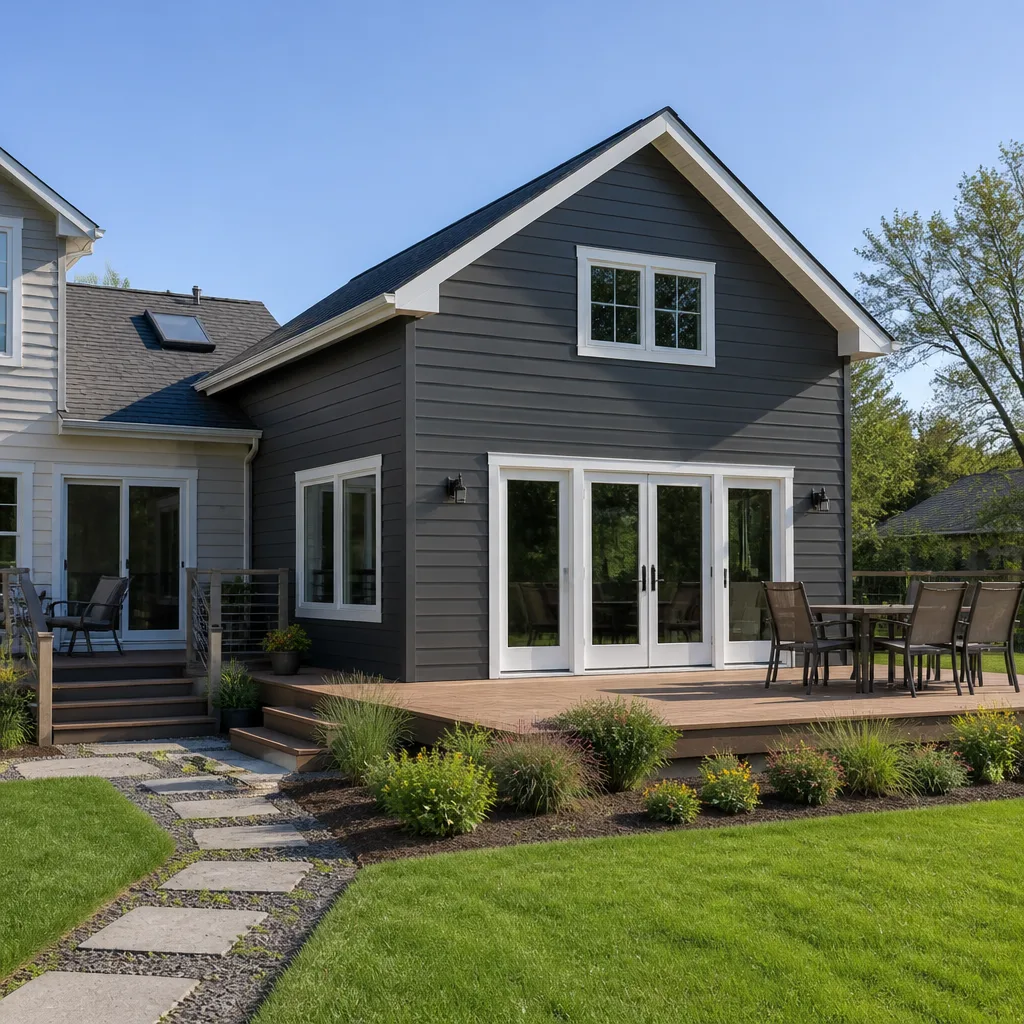 Home additions & ADU
 Kitchen remodeling
 Bathroom remodeling
 Roofing
 Windows & doors
 Driveway & pavers
 Fence
Free written scope consultation - allowances, timeline, and change-order rules on paper before a single trade is scheduled
DIY vs Professional Home Additions & ADU: What’s Safe to Do Yourself
Owner-builder permits exist in California, and you can legally use one for a home addition or an ADU in Glendale. But use one incorrectly and you can end up with an addition your insurance company won’t cover and a buyer’s lender won’t finance. Those two facts are why the DIY question is harder than it looks. Most homeowner guides skip them entirely and just tell you what tools to rent.
This guide draws the line honestly. We’ll cover what California’s owner-builder permit actually allows, the one-year resale rule most people have never heard of, which trades in an ADU will fail a Glendale inspection no matter how careful your work is, and where your own labor genuinely saves money without creating problems you can’t see. Barrett & Sons Construction has been pulling permits and passing inspections in Glendale since 1998, and we’ve watched both good and bad owner-builder projects go through this city’s plan check.
Quick Answer
You can legally act as an owner-builder for a home addition or ADU in Glendale, but the permit only covers work you do yourself on property you’ll live in, and the finished structure can’t be sold for one year without disclosure and lender risk. Structural work, electrical, plumbing, gas, and mechanical rough-in must pass inspection, and a homeowner’s DIY work will almost never pass a Glendale inspector who expects to see licensed trade sign-offs. Safe DIY: finish work, painting, landscaping, and post-inspection cleanup. Unsafe DIY: anything behind the drywall that carries a permit.
Styles & brands we work with
- Kitchen remodeling
- Bathroom remodeling
- Home additions & ADU
- Roofing
- Windows & doors
- Driveway & pavers
- Fence
Table of Contents
- What California’s owner-builder permit actually allows
- The one-year resale restriction most homeowners don’t know about
- The trades that will not pass a Glendale inspection, no matter how good your work is
- Where owner labor genuinely saves money
- How to structure a hybrid contract
- The insurance gap that opens when unlicensed work is discovered
- Glendale ADU zoning in plain English
- Common mistakes to avoid
What California’s owner-builder permit actually allows
California Business and Professions Code Section 7044 lets a property owner pull a building permit for work on their own residence without holding a contractor license. That’s the escape hatch a lot of DIY guides lean on. What they leave out is the fine print: the property must be the owner’s principal residence, the owner must perform or supervise the work themselves, and the owner cannot hire unlicensed helpers to do the structural work while calling it owner-builder. Labor performed by anyone else on an owner-builder permit has to be done by a licensed contractor or by the owner themselves.
In Glendale, the Building & Safety division reviews owner-builder applications carefully. Here’s what the permit does and doesn’t cover:
- Does cover: construction of the addition or ADU itself, if the owner is the one building it or directly overseeing licensed trades.
- Does cover: the owner’s own labor on framing, drywall, finish carpentry, painting, and site work.
- Does not cover: hiring a neighbor or a handyman to do structural or trade work and calling it DIY.
- Does not cover: rentable property. If it’s a rental, the owner-builder exemption doesn’t apply.
- Does not cover: signed trade certifications for electrical, plumbing, or mechanical, which inspections require.
We’ve seen Glendale homeowners get partway through an owner-builder ADU and discover that the electrical panel upgrade they planned to do themselves needs a licensed electrician to sign off before Glendale Water & Power will reconnect service. That’s the moment the plan usually changes. The work you can do yourself, and the work you can get signed off, are two different lists.
The one-year resale restriction most homeowners don’t know about
This is the part almost nobody tells you. California Civil Code Section 1102.6 requires a seller who has been an owner-builder within the prior year to disclose that fact in writing to a buyer, and to provide a detailed list of the work performed. More importantly for practical purposes: most mortgage lenders will not finance a recently completed owner-builder addition unless the work is fully permitted and inspected. FHA and VA loans in particular get strict about this. If you built your ADU yourself last summer and try to sell in the spring, you’ve created a problem for your buyer’s lender, not just your own disclosure paperwork.
In Glendale’s market, where accessory dwelling units now affect resale value directly, a permitted and inspected ADU adds real square footage to the appraised measure. An owner-builder ADU with an incomplete final inspection adds a question mark. We’ve watched sellers sit on the market for extra months because their buyer’s underwriter wanted a final inspection sign-off that had never happened.
The workaround: complete the project, get the final inspection signed, and wait out the year before listing. That’s a real constraint if you were planning this as a quick value-add flip.
The trades that will not pass a Glendale inspection, no matter how good your work is
Here’s the hard truth about Glendale’s plan check and inspection process: it’s not reviewing your skill. It’s reviewing who signed the work. When a Glendale building inspector walks a permitted ADU, they need to see the rough-in signed off by a licensed electrician, plumber, and mechanical contractor before they’ll close the framing inspection. This is not negotiable, and it doesn’t matter if your electrical panel work is textbook.
The trades that require licensed sign-offs in an ADU or addition:
- Electrical rough-in and panel work. Glendale requires a licensed C-10 electrician to sign the job, including the panel upgrade, sub-panel, circuits, and any solar tie-in.
- Plumbing rough-in. Drain, waste, and vent, plus the water supply tie-in, need a C-36 licensed plumber. Even a DIY-friendly fixture swap after final is one thing; the rough-in is another.
- Gas line work. Any gas appliance, water heater, furnace, or range tie-in needs a C-36 plumber or qualified mechanical contractor. This carries a genuine safety risk, and we’d say so even if it were legal.
- HVAC rough-in and mechanical. Ductwork, mini-split lines, and venting all need a licensed C-20 contractor.
- Structural engineering and shear wall. Glendale sits in a seismic zone. Shear walls, hold-downs, and any structural modifications require a licensed engineer’s stamp on the plans before the permit issues.
The “no matter how good your work is” phrasing is not condescension. It’s the practical reality of what inspectors sign. They’re certifying the work to a standard the state recognizes, and that standard requires trade-specific licensure. This is a good thing. It’s also why the DIY shortcut that saves money on framing can cost you time and a re-inspection fee on the electrical.
Where owner labor genuinely saves money
There’s real money in owner labor, and it’s not in the trades. It’s in the labor categories where a careful homeowner with time can do solid work that either doesn’t require a permit sign-off or gets checked after final inspection.
Where our Glendale clients consistently save real dollars by doing it themselves:
- Painting. Interior and exterior painting after the final inspection is signed, on drywall you didn’t muddy yourself. A 500 square foot ADU runs about $3,000-$5,500 to paint professionally in Glendale; the paint cost is $400-$700.
- Flooring installation. LVP, laminate, or tile flooring after subfloor inspection. A mid-grade LVP install for a 500 square foot ADU runs $3,500-$6,000 installed; material alone runs $1,800-$3,200.
- Finish carpentry. Trim, baseboards, casing, closet shelving, door hardware.
- Landscaping and hardscape. Planting, sod, mulch, and low-voltage landscape lighting. If you want to lay pavers for a backyard patio, leading brands like Belgard and Techo-Bloc are available at local suppliers, and any paver path or patio work outside the ADU footprint usually doesn’t touch the ADU permit.
- Site cleanup and hauling. Typically $500-$1,500 in Glendale for a construction debris run.
- Assembly and final touches. Furniture, appliance installation (not gas), window coverings, cabinetry hardware.
Where the math changes on owner labor in Glendale specifically: drywall finishing and taping. It’s not licensed work and it doesn’t require a sign-off, but the visible quality is what buyers remember, and a poorly finished corner will show through any paint job. If you’re not confident with a trowel, hire that out. It’s typically $2,000-$4,000 on a 500 square foot ADU and worth every dollar.
How to structure a hybrid contract
The hybrid contract is the approach we’ve seen work well for Glendale homeowners who are capable and want to be involved. The contractor pulls the permits and handles the trades and structural work; the owner contributes labor in the agreed areas. Here’s how to structure it without creating problems for either side.
- Define the “owner contribution” in writing. The prime contract should list exactly what labor the owner is providing, and when. Anything not listed is the licensed contractor’s scope.
- Have the contractor pull the permit. Owner-builder permits don’t mix with a hired contractor on the same job. Once a licensed contractor is doing any permitted work, they pull the permit as the contractor of record.
- Schedule the owner’s work around the trade rough-ins. Owner labor happens between inspection passes, not during them. Painting happens after the final. Finish carpentry can happen after rough-in and before final, if the contractor agrees and the inspector is fine with it.
- Get a written change order format in the contract up front. If you decide mid-job to have the contractor take over a task you originally planned to do, that’s a change order. It should say what the task is, what it costs, and when it happens.
- Confirm insurance and liability on both sides. The contractor’s general liability doesn’t cover your own labor. Your homeowner’s policy doesn’t cover the contractor’s crew. Both need to be in place before day one.
- Agree on the inspection sequence in writing. Design-build contractors pass inspections in an order; make sure the schedule of inspections is written into the contract so your contribution slots into the right place.
Barrett & Sons routinely structures contracts this way for Glendale homeowners who want to contribute finishing labor. The 90-Day Done Right Promise is written on every contract and applies to the work our crews do. Owner contribution is documented in the same written scope, so both sides know whose work is whose.
The insurance gap that opens when unlicensed work is discovered
The worst-case scenario isn’t a failed inspection. It’s an insurance claim two years down the road that gets denied because the adjuster traces the damage back to unpermitted or unlicensed work. Standard homeowner’s policies contain “no coverage for damage arising from faulty or unpermitted improvements to the structure” language. In practice, when an adjuster investigates a fire that started at a sub-panel or a water loss from a shower drain, they look at the permit record. If the work was done under an owner-builder permit and the trade wasn’t licensed, or if the finish inspection was never signed, the claim can be denied or the insurer can non-renew the policy.
The “later discovery” scenarios we’ve watched play out in Glendale:
- Water damage. Slow leak under a DIY shower pan, discovered during a claim, traced to unpermitted plumbing rough-in. Adjuster sees no permit record. Denial.
- Fire. Electrical fault in an ADU sub-panel. Adjuster finds no licensed C-10 sign-off. Denial, and the claim becomes an out-of-pocket rebuild.
- Mold growth. Unpermitted bath fan venting into the attic rather than through the roof, common in unfinished ADU conversions, causes long-term moisture damage. Adjuster links to unpermitted mechanical work. Questionable coverage.
- Lender audit. Homeowner refinances two years after the owner-builder ADU. Lender’s underwriter discovers the ad valorem change wasn’t processed. Loan denied until a licensed contractor inspects and certifies the work.
The safe path is simple: use the owner-builder permit only for the parts of the project where DIY is legally recognized, and let the licensed trades do their own work with their own permits. If you want an unbiased second opinion on what work is actually permitted and inspected on a bid you’ve received, our Home Additions & ADU in Glendale service page walks through the process. We’ll also give a free second opinion on any written estimate you’ve already received.
Glendale ADU zoning in plain English
Glendale’s ADU rules are updated onsite at the Building & Safety counter and follow state ADU law (SB 9 and the ADU laws of 2020 and 2021). The essentials for a homeowner planning a project:
- Size. Detached ADUs up to 1,200 square feet per state law, subject to local setback requirements. Glendale allows a 4-foot side and rear setback in most single-family zones for ADUs.
- Height. 16 feet for a detached ADU in most zones, 18 feet if it’s within a half mile of a transit stop.
- Parking. Covered by state law exemptions in transit-rich areas. Glendale generally waives the parking requirement if the ADU is within a half mile of a transit corridor.
- Hillside properties. If your property is in the Verdugo hills or the Glendale hillside areas, expect an additional plan check stage for slope stability and grading. This is where a strong local team matters. Barrett & Sons has navigated Glendale hillside ADU plan check more times than we can count, and the geotech report alone can add four to six weeks.
- Fire. Detached ADUs need to meet Glendale Fire Department access requirements, including for any construction 100 feet or more from the street. This affects longer driveways and properties set back from the road.
- Historic districts. Properties within a historic district (including parts of the Adams Hill, Rossmoyne, and Verdugo Woodlands areas) have additional design review. Plan for an extra step.
The good news: Glendale is genuinely ADU-friendly at the policy level. The zoning is not the bottleneck. The permit process and the inspection sequence are where most homeowners get stuck.
Common Mistakes to Avoid
- Pulling an owner-builder permit while planning to hire a handyman for structural work. The permit doesn’t cover hired unlicensed help. When the inspector asks who framed the wall, “my neighbor who does this on weekends” is not the answer that gets you signed off.
- Doing the electrical or plumbing rough-in yourself and expecting to pass. No matter how clean the Romex runs are, Glendale wants a licensed C-10 or C-36 sign-off for the trade and rough-in inspections. Plan for this before you buy materials.
- Budgeting the tile, flooring, and landscaping without pricing the whole project. In Glendale, a 500 square foot ADU ranges $180,000-$320,000 all-in for a completed, permitted, inspected unit. If your own-labor budget only covers the finish, it’s not really a budget for the project.
- Forgetting the one-year resale disclosure. If you complete an owner-builder addition and try to sell within twelve months, the buyer’s lender may not close. Confirm your timeline before the permit issues.
- Not confirming the trade sign-offs before final inspection. Glendale inspectors require trade rough-in sign-offs in sequence. Missing one sign-off shuts down the final inspection and locks you out of occupancy.
- Venting a bath fan into the attic instead of through the roof. This is the most common unpermitted mechanical error we see in finished garages converted to ADUs. It causes moisture damage, and the fix requires roof work, which brings the entire permit back into question.
- Skipping the geotech report on hillside properties. If the property is on a slope, Glendale plan check won’t move without it. Waiting six weeks to find that out mid-project is a slow-moving disaster.
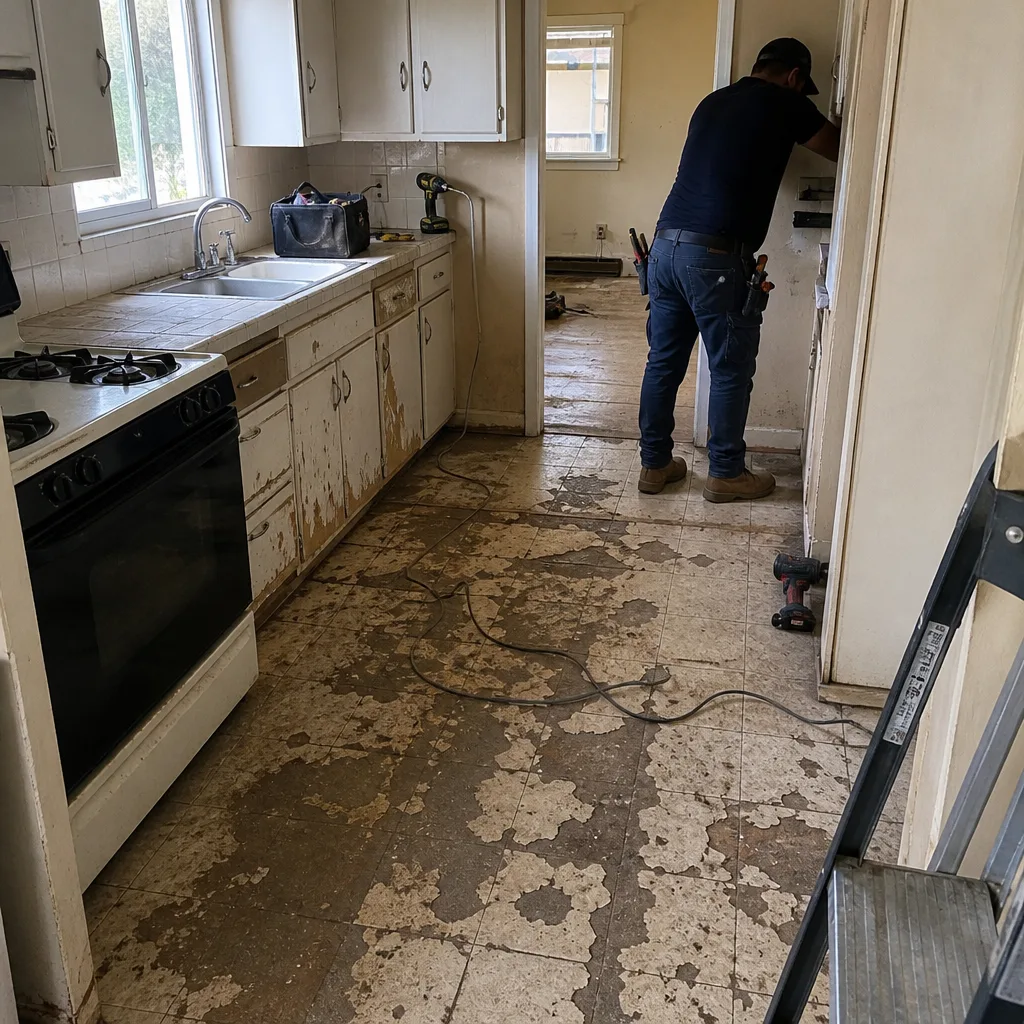
See the difference
 Before
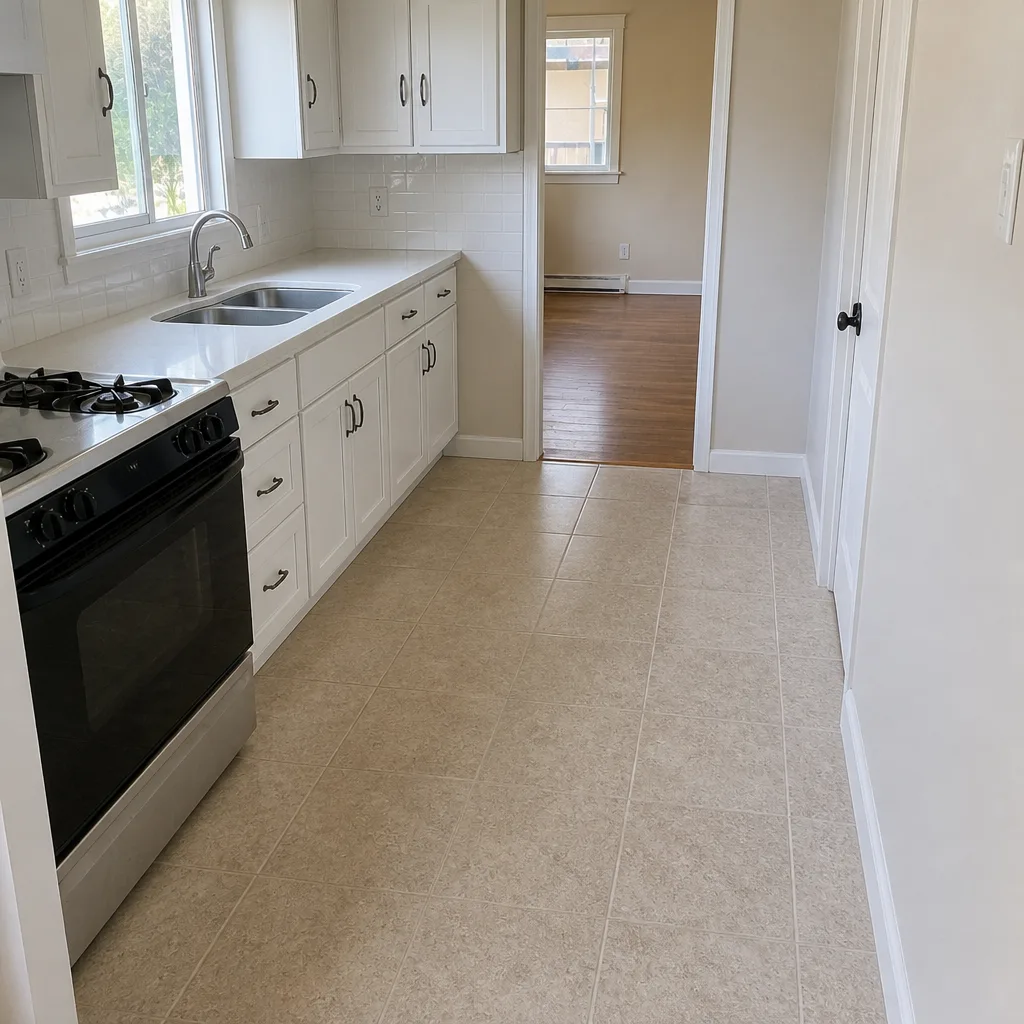 After
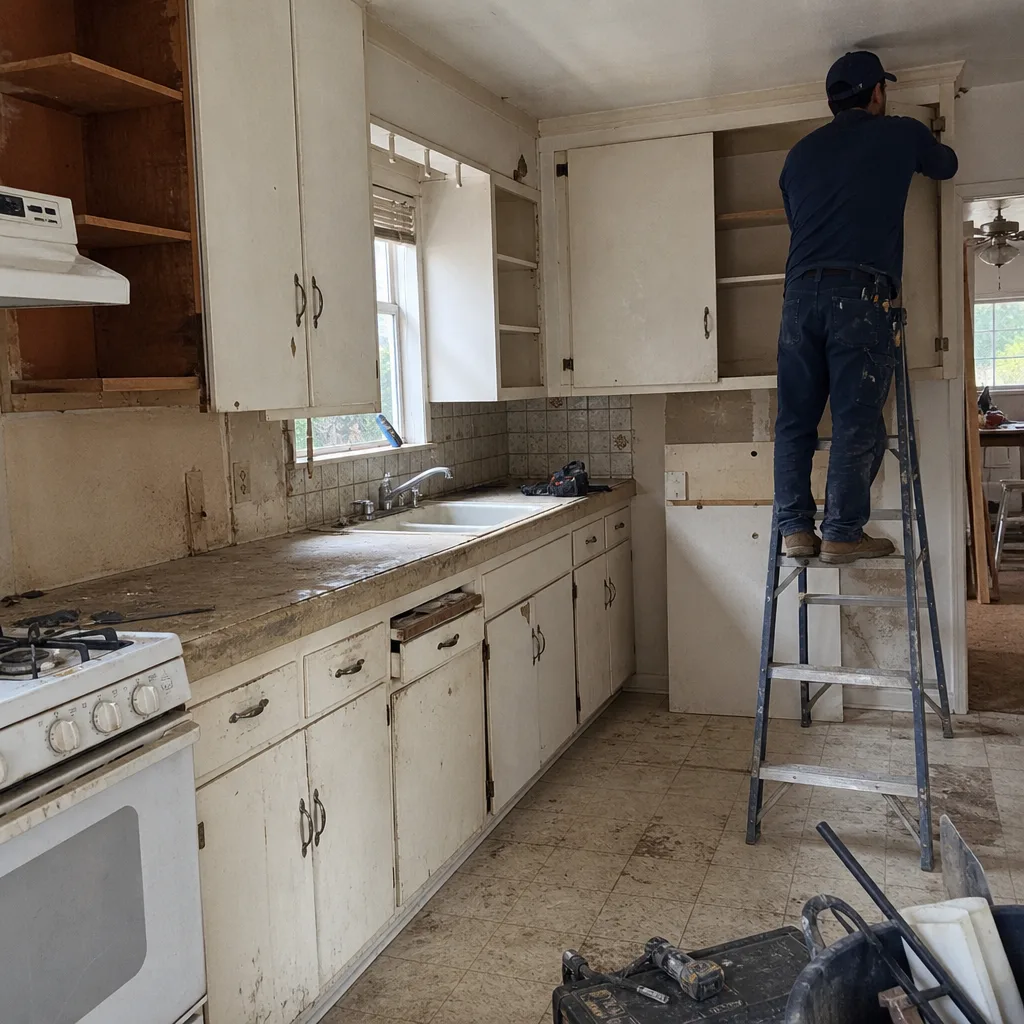 Before
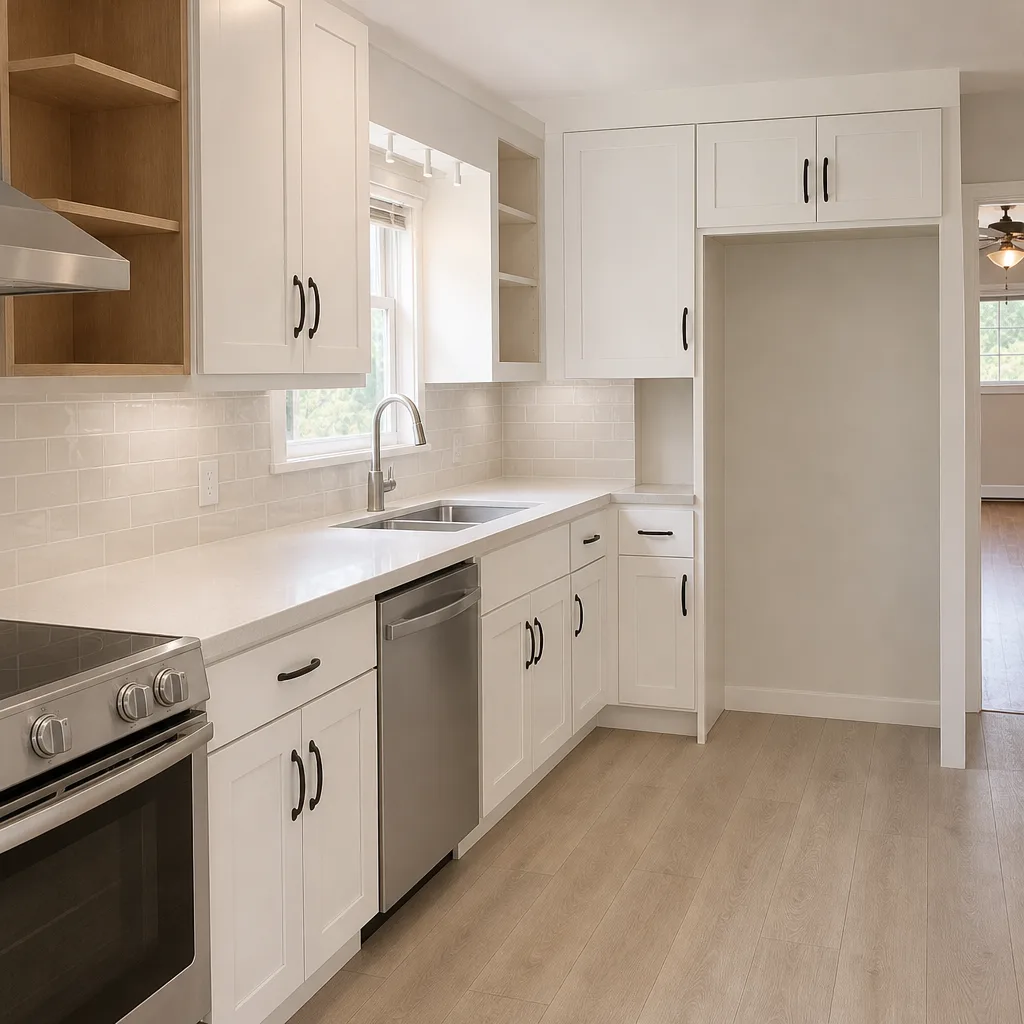 After
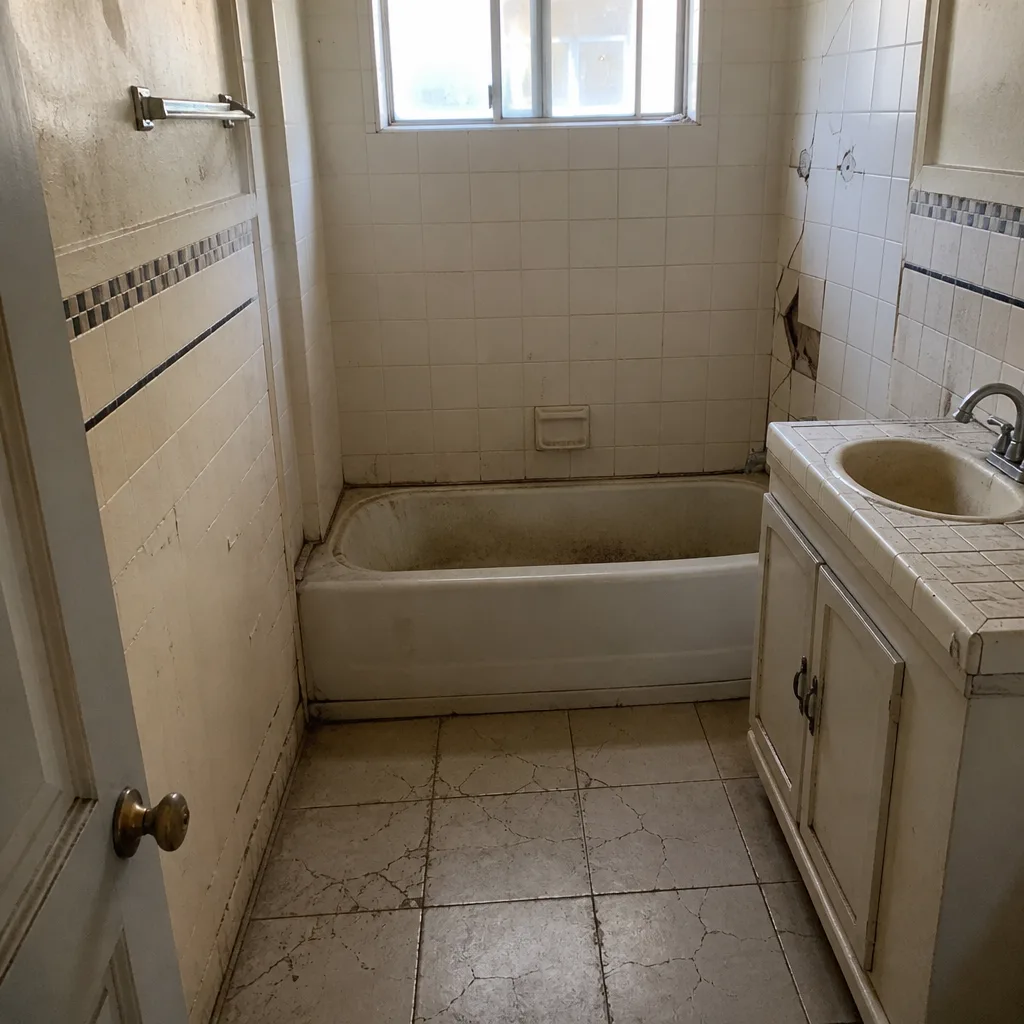 Before
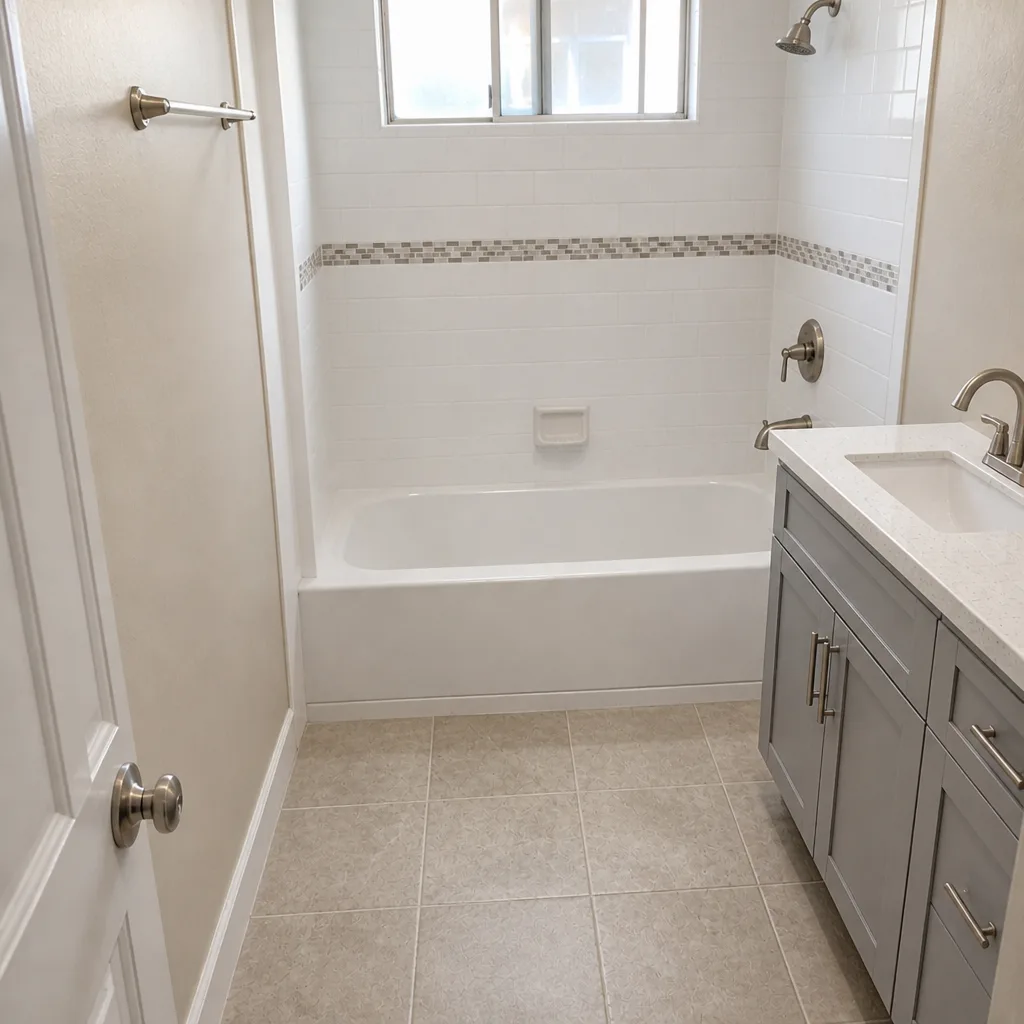 After
When to Call a Professional
Call in a licensed contractor for any of the following: the moment your project includes structural work, electrical, plumbing, gas, or mechanical rough-in; the moment the property is a rental; the moment your plan touches the seismic shear walls, which is essentially every addition in Glendale; the moment the property is on a slope or in a hillside area that triggers a geotech report; the moment your plan includes a permit that needs a licensed contractor of record to sign; and the moment you’re not sure which parts of the project are DIY and which aren’t. Hiring a licensed, insured contractor who pulls the permit doesn’t mean you can’t be involved. It means the parts that have to pass inspection are on the right sign-offs, and you’re free to put your own labor into the finish work where the savings are real.
If you’re considering a hybrid contract, or if you’ve received an estimate from another contractor and want an unbiased look, our team offers a free second opinion on any written estimate. Barrett & Sons Construction Glendale offers free estimates in Glendale. Call (844) 560-4526.
Frequently Asked Questions
Yes, as the owner-builder under California Business and Professions Code Section 7044, if the property is your principal residence and the work is performed by you or by licensed trades on the same permit. The owner-builder permit does not cover hired unlicensed labor, and it does not cover rental property. Confirm your specific situation with Glendale’s Building & Safety division before pulling a permit. For an assessment of your project scope, call (844) 560-4526 and we’ll give a free second opinion.
Often yes, but only if the work is fully permitted and final inspection is signed. The insurance gap opens when damage is traced back to unpermitted or unlicensed work at claim time, and a standard homeowner’s policy can deny coverage in that case. Confirm the coverage with your insurer in writing before you pull the permit. If you’ve received a bid for the work and want it reviewed, our free second opinion on any written estimate is available by calling (844) 560-4526.
California Civil Code Section 1102.6 requires seller disclosure of owner-builder work performed within the prior year, and most mortgage lenders won’t finance a recently completed owner-builder addition without full permit and final inspection documentation. In practice, you’ll want to wait out the year before listing to avoid a buyer’s financing problem. If you’re planning a Glendale addition and want to understand the permit and disclosure sequence, call (844) 560-4526 for a free estimate and a written scope.
Painting, finish carpentry, flooring installation, landscaping, low-voltage lighting, and final site cleanup are safe DIY. These either occur after final inspection or don’t require a trade sign-off. Electrical, plumbing, gas, mechanical, structural, and seismic shear wall work all require licensed sign-offs and will not pass Glendale inspection as owner work. If you want to plan a hybrid scope where the licensed contractor handles permitted work and you handle the finish, call (844) 560-4526.
A fully permitted, inspected 500 square foot ADU in Glendale typically runs $180,000-$320,000 all-in with a licensed contractor. Owner labor on the finish categories (painting, flooring, landscaping, cleanup) can realistically save $8,000-$18,000 of that total. Owner labor on the trades is not legally available, so the total savings ceiling is bounded. Call (844) 560-4526 for an exact estimate on your project – estimates are free.
Usually yes if the driveway widens or touches a public right-of-way, but a backyard paver patio typically does not require its own permit. Barrett & Sons installs Belgard and Techo-Bloc pavers as part of ADU-ready yards; see Driveway & Pavers in Glendale for what the permit picture looks like on the driveway side. If your fenced yard needs new perimeter fencing around the ADU, Fence Installation in Glendale covers the fence permit requirements. Call (844) 560-4526 for a free estimate that bundles the ADU, driveway, and fence scope.
The Bottom Line
Owner-builder permits exist in Glendale, and the work you can do yourself on your own residence is real and valuable. But it’s bounded: finish work, painting, flooring, landscaping, cleanup. What you can’t do legally is the trade work, the structural work, and any part of the project that needs a licensed sign-off – and that’s most of what an ADU actually is. The one-year resale rule and the insurance gap are the buried costs that make shortcuts expensive. The good news for a Glendale homeowner is that a hybrid contract – licensed contractor on permits and trades, your own labor on the finish – saves real money without creating the problems you can’t see. If you’re not sure which side of the line your planned contribution is on, that’s the right moment for a free estimate and a written scope.
Barrett & Sons Construction has been pulling permits in Glendale since 1998, and every price change arrives as a written change order before work begins. Every eligible job comes with permits pulled and inspections signed, and every completed job is backed by the written 90-Day Done Right Promise. If you’re weighing DIY and professional on a home addition or ADU in Glendale, call (844) 560-4526 for a free estimate and a written scope that spells out exactly what you can do yourself and what the licensed trades should handle. Start with the Barrett & Sons Construction Glendale home page, and if you want to see the paved patio or fence scope that often pairs with an ADU, take a look at our Belgard and Techo-Bloc paver work along the way.
Written by the team at Barrett & Sons Construction Glendale.