
Last updated November 17, 2026
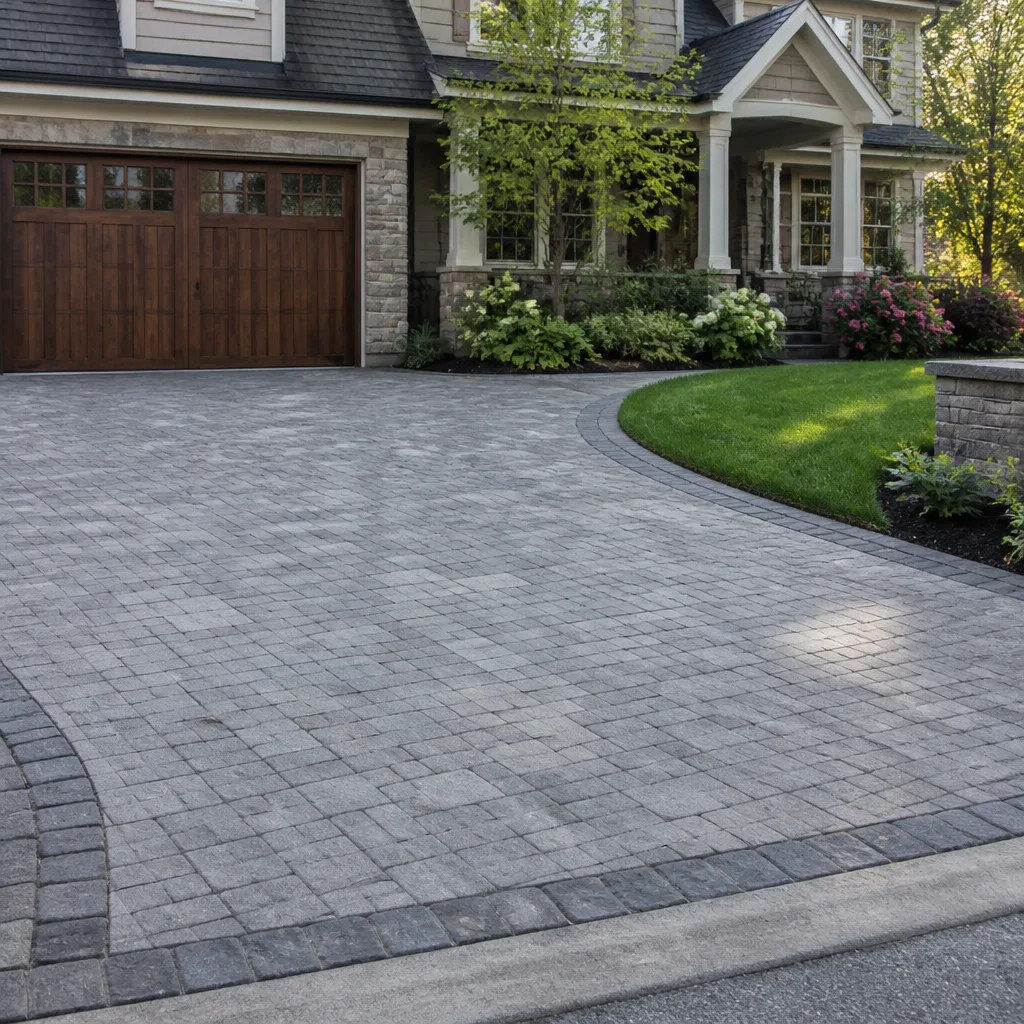 Driveway & pavers
 Kitchen remodeling
 Bathroom remodeling
 Home additions & ADU
 Roofing
 Windows & doors
 Fence
Free written scope consultation - allowances, timeline, and change-order rules on paper before a single trade is scheduled
Driveway & Pavers Maintenance Schedule: What to Do and When
Paver manufacturers publish 25-year lifespans assuming the joints stay locked and the surface stays sealed. Most Glendale driveways see their first joint failure by year four because nobody told the homeowner that polymeric sand needs one specific thing done every other fall. Here’s the part that doesn’t make it into the brochure: the pavers themselves are nearly indestructible. It’s the sand in the joints and the sealer on top that fail first, and both fail quietly. You won’t notice until a corner lifts after a rain or weeds start threading through a seam that was tight last spring. This guide lays out the full yearly schedule – roughly 90 minutes of work, divided across three tasks – so your surface looks sharp at year twenty instead of needing a reset in year seven. We wrote it for Glendale homeowners specifically, because the Santa Ana winds, dry summers, and winter rains here stress pavers in ways a generic guide never addresses.
Quick Answer
Plan on about 90 minutes of paver maintenance per year: blow off debris monthly, re-sand the joints every other fall before the rainy season, and reseal every two to three years after a water-bead test tells you the old coat has worn thin. The single most important task is the fall joint re-sand, because polymeric sand that’s lost its lock turns to mud when Glendale’s winter rains arrive.
Styles & brands we work with
- Kitchen remodeling
- Bathroom remodeling
- Home additions & ADU
- Roofing
- Windows & doors
- Driveway & pavers
- Fence
Table of Contents
- Why a Schedule Matters More Than Any Single Task
- The Fall Joint Re-Sand: Where Most Glendale Driveways Fail
- The 30-Second Water-Bead Test for Sealer
- Glendale’s Santa Ana Winds and Monthly Debris Clearing
- Which Weeds to Pull Immediately and Which Growth Is Harmless
- What ‘One Loose Paver’ Means on Your Calendar
- Your Month-by-Month Glendale Maintenance Calendar
- Common Mistakes to Avoid
Why a Schedule Matters More Than Any Single Task
No single maintenance step saves a paver driveway. The schedule does. A homeowner who seals religiously but ignores joint sand will watch the sealer crack at the seams within two seasons. A homeowner who re-sands every fall but never clears the winter grit will grind abrasive material into the surface with every tire turn. The tasks work as a system, and the system runs on timing.
Here’s what the system buys you. On a properly maintained surface, the pavers themselves last decades – 25 years is the low end for a quality concrete or clay paver installed over a correct base. Sealant and joint sand are consumables, like brake pads. You replace them on schedule and the driveway stays flat and locked. Skip them and the base underneath starts taking water, which is where the expensive work begins.
In our experience installing hardscape across Glendale, the driveways that need full resets are almost never the ones that were installed badly. They’re the ones installed well and left alone. The Driveway & Pavers in Glendale install is the easy part. Keeping it is 90 minutes a year.
Glendale’s climate makes the calendar non-negotiable. Our summers bake sealant. Our winter rain events come hard and fast off the Verdugo foothills, dumping weeks of water in a few storms. And the wind seasons in between sand-blast every surface with grit. A schedule tuned to that cycle beats a generic four-season plan every time.
The Fall Joint Re-Sand: Where Most Glendale Driveways Fail
Polymeric sand is the joint material that locks pavers together. It’s the reason a well-built driveway flexes without shifting. It’s also the first thing to go. Traffic, rain, and freeze-thaw cycles (yes, even in Glendale’s foothill pockets) break the sand’s bond, and once the bond breaks the material starts washing or blowing out of the joints. When the joints open, water gets under the pavers. When water gets under the pavers, the base softens. Once the base softens, you’re looking at lifting pavers, not re-sanding.
The fix is a fall re-sand, before the winter rains. Here’s the sequence, and yes, you can do it yourself without lifting a single paver:
- Wait for a dry stretch – usually two to three rain-free days in October or early November for Glendale.
- Blow out the joints thoroughly with a leaf blower on high, working from high side to low side.
- Sweep fresh polymeric sand into the joints with a stiff broom, corner to corner, until every joint is filled to within 1/8 inch of the paver face.
- Compact the surface with a hand tamper or plate compactor, going over the whole drive in overlapping passes.
- Sweep off the excess sand from the paver faces.
- Mist the surface with a fine spray until the sand settles and activates – the sand sets in seconds after contact, so work in small sections.
Two things get homeowners in trouble. First, skipping the compaction step leaves the sand loose and it washes out at the first rain. Second, over-wetting – hitting the surface with a full hose stream instead of a fine mist – floods the joints and pushes sand out of the low side before it sets. A misting nozzle is the way.
If the joints are wide enough that sand disappears as fast as you add it, don’t keep pouring sand in – you’re wasting product that’s going straight into the base. That’s the point where a paver needs to come out and the base graded. Call us before you spend a second bag.
The 30-Second Water-Bead Test for Sealer
Most homeowners reseal by calendar – a spring or fall timer. That’s the wrong trigger. The right trigger is the sealer’s actual condition, and you can check it in 30 seconds with a cup of water.
Here’s the test. Pour a small amount of water on a clean, dry section of the driveway and watch what it does.
- Water beads up and rolls off: the sealer is intact. Leave it alone. Doing nothing this year is the right move.
- Water spreads and darkens the surface slowly: the sealer is partially worn. Plan to reseal within the season.
- Water soaks in almost instantly: the sealer is gone. Reseal as soon as possible, and before winter if you’re already into fall.
Do this test in a high-traffic spot and a low-traffic spot, because sealers wear unevenly. The tire tracks at the driveway’s center will always be the first to go. That’s normal, not a defect.
When you do reseal, hold off on the joint sand re-sand until the sealant’s dry. Fresh sealant over loose sand locks the sand out of the joint. That’s why these tasks run in sequence, not simultaneously. On typical Glendale driveways, a quality sealer lasts two to three years, sometimes a bit longer on shaded north-facing surfaces and a bit shorter on a full-sun south face.
Glendale’s Santa Ana Winds and Monthly Debris Clearing
If there’s one Glendale-specific habit that pays off every year, it’s this: blow the surface clear once a month, no exceptions. The Santa Ana winds, which run through the fall and into the new year, transport grit and fine debris that settles into the joints and onto the surface. Every time a tire turns on a gritty paver, that grit acts like sandpaper on the joint edges. Six months of that and the joints start to round off and widen. Widened joints take more sand to fill, and sand that goes in faster comes out faster.
A leaf blower, five minutes, once a month, is the fix. We recommend keeping the nozzle about a foot from the surface so you clear grit without launching joint sand. For driveways near trees that shed pollen and leaf debris in spring, add a monthly sweep during the growing season too. Foothill properties in areas like Chevy Chase and Verdugo Woodlands get the double hit of leaf drop and wind grit – those driveways benefit from a second monthly pass in fall.
While you’re out there, do a quick visual sweep of the whole surface. Ten seconds of scanning catches things a monthly schedule would otherwise miss – an edge paver that’s tilted, a crack in a border stone, a joint that’s failed in one small section. Small fixes stay small. A loose paver fixed now is a 10-minute job. The same paver left alone through a winter is a 10-paver reset with base work by spring. That’s the difference between a $30 repair and a $900 one in our experience. You don’t need a magnifying glass. You need a routine.
Which Weeds to Pull Immediately and Which Growth Is Harmless
Not every green thing in your joints needs the same urgency. Some are cosmetic. Some are the beginning of structural failure.
Pull immediately, before they get a roothold:
- Dandelions and thistle. Their taproots drive into the joint and lever the paver apart.
- Any woody seedling – tree saplings, ivy, or bush starts. These are the worst offenders because a woody root thickens year after year and will lift a paver.
- Bermudagrass and other running grasses. Once a runner gets under a paver, it spreads through the base.
Usually harmless, handle at your convenience:
- Moss and lichen on shaded surfaces. Surface growth, no root system. A wire brush or a mix of dish soap and water clears it.
- Algae film on north-facing pavers that stay wet. Cosmetic. Gives the surface a green tint, comes off with a scrub.
- Annual weeds that pull up with a pinch of the fingers. No taproot, no damage.
The rule we use on jobs: if you can pull it without a tool, it’s cosmetic. If you need a tool, pull it now. Weeding monthly in the growing season, especially in Glendale’s warm springs, keeps the joint sand intact and prevents the widening that seeds the next round of weeds.
What ‘One Loose Paver’ Means on Your Calendar
A single loose paver, or a paver that rocks when you step on it, means the base under that one paver has lost compaction. Probably a bit of water got in through a joint that had failed above it, or the bedding sand settled unevenly after installation. Left alone, water gets under the paver and spreads to its neighbors. Within a season, a loose paver becomes three loose pavers. Within two seasons, the whole run needs lifting.
The fix, if caught early, is a 10-minute job:
- Lift the paver with two flat pry bars or a paver puller.
- Rake out the old bedding sand underneath, checking the base compaction by hand.
- Re-bed with fresh sand, compact, and reset the paver with a rubber mallet and a level.
- Sweep joint sand into the surrounding seams and mist.
- Walk on it after an hour, drive on it the next day.
If the paver lifts easily but you find the base under it is soft or muddy, stop. That’s not a maintenance fix – the base needs re-grading, and any paver re-set on soft base will do the same thing again in a month. We’ve fixed a lot of “one loose paver” situations over the years, and the ones that came in on the maintenance schedule never needed more than a hand tool. The ones that got ignored usually need a bobcat and a load of new base material.
Your Month-by-Month Glendale Maintenance Calendar
Here’s the whole schedule in one place. Follow this and your driveway stays locked and sealed on a 90-minute-per-year average. Times are estimates for a typical two-car residential driveway.
- January: After each rain, walk the surface and check for ponding water. Standing water after rain means a slope issue worth checking. 5 minutes per check.
- February: Blow off winter grit and leaves. Pull any early weeds. 10 minutes.
- March: Run the water-bead test. If the water soaks in, schedule a spring reseal. 5 minutes.
- April: Sweep off pollen and spring leaf drop. Pull any new weeds. 10 minutes.
- May: Full visual inspection of edges, borders, and joints. Note any loose or tilted paver. 10 minutes.
- June: Blow off surface grit. Check joints after the dry summer months have had a chance to dry them. 10 minutes.
- July: Run the water-bead test again. Summer heat stresses sealant faster than any other season. 5 minutes.
- August: Deep blow off, edge to edge. Pull weeds with any woody start. Address any noted loose paver. 15 minutes.
- September: Fall joint re-sand, before the rains. Full sequence: blow, sand, compact, mist. 45 minutes for most driveways.
- October: Post-sand inspection. Blow off any Santa Ana wind grit. 10 minutes.
- November: Check joints again after the first rain. Re-apply joint sand to any spots that washed out. 10 minutes.
- December: Winter walkthrough. Note any ponding, any loose pavers, any weed starts, and save a reseal window for spring if the water test says it’s time. 10 minutes.
Total, that’s roughly 145 minutes across the year – some tasks are annual, some are seasonal. If you hit the fall re-sand consistently, your driveway will be tight to the joints at every spring. If you skip it once, you’ll know by the following fall. Two of these calendars run in tandem: the one for the paver surface, and the one for the things around it – the fence along the driveway line, the edging borders, the drainage swales. For the fence side, our Fence Installation in Glendale page covers what a well-built fence needs to stay true at the driveway edge. And if additions or ADU projects are in your plans, the driveway approach will need coordination – we’ve handled that on hundreds of Home Additions & ADU in Glendale projects.
Common Mistakes to Avoid
- Resealing by the calendar instead of by the water-bead test. Sealing a still-intact surface wastes money and adds buildup that eventually cracks. Test first, then decide.
- Using full-pressure water on the joints. A pressure washer on the wrong setting will blow joint sand out faster than any weather could. Stay under 1,500 psi and use a fan tip at 12 inches or more.
- Skipping the fall joint re-sand because “there’s plenty of sand still there.” The sand that’s there is often the top layer of a worn-down joint. Compaction, not appearance, tells you when to re-sand.
- Using regular play sand in the joints as a stopgap. It sets loose and washes out at the first hard Glendale rain. Use polymeric sand made for pavers, not kids’ sandbox sand.
- Letting one loose paver go for a whole season. The paver won’t fix itself, and every rain event that hits the exposed base makes the eventual reset bigger and more expensive.
- Ignoring ponding water after a rain. Standing water on pavers is a sign the base is failing from below. If a section ponds for hours after the rain stops, that’s a grading issue worth a look.
- Pulling weeds with a screwdriver or trowel. You’ll widen the joint and pull the sand with the weed. Pinch-pull annual weeds, use a thin weeder for taproots, and re-sand after.
See the difference
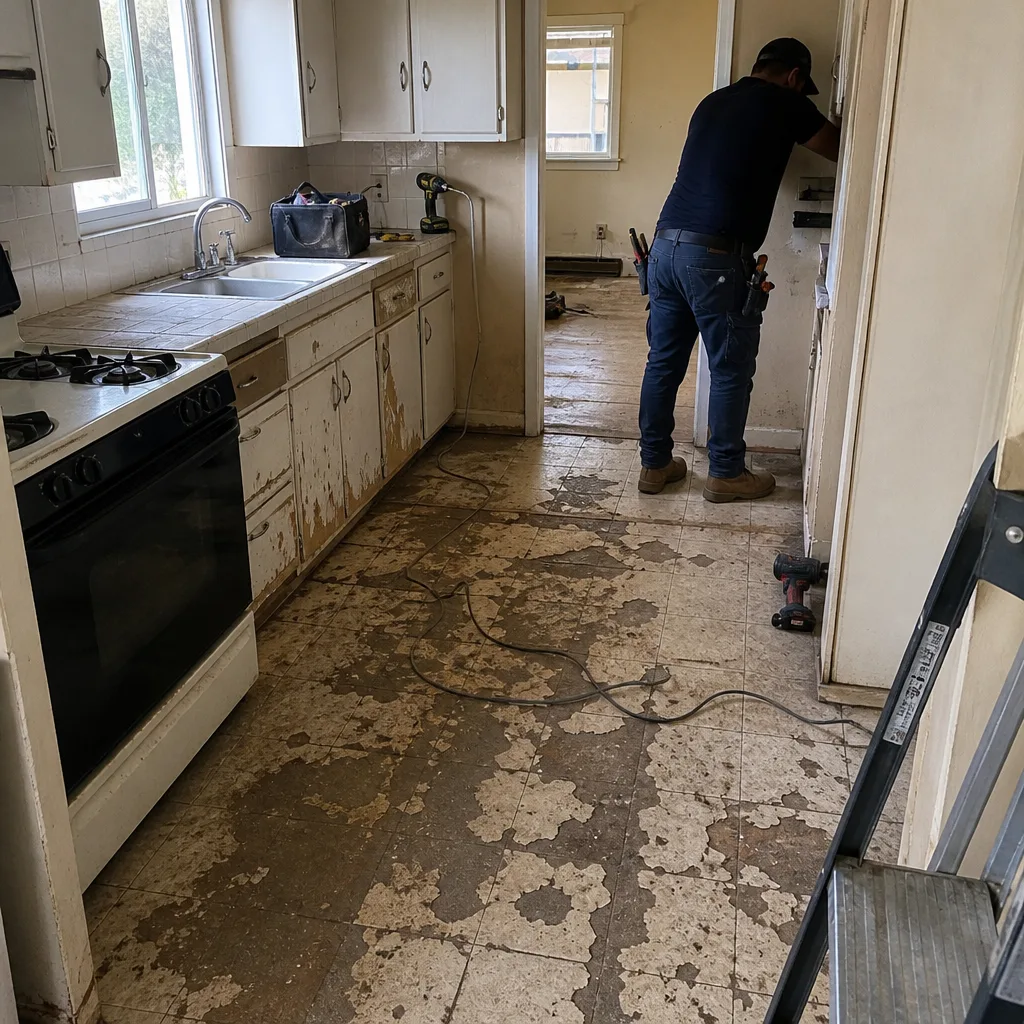 Before
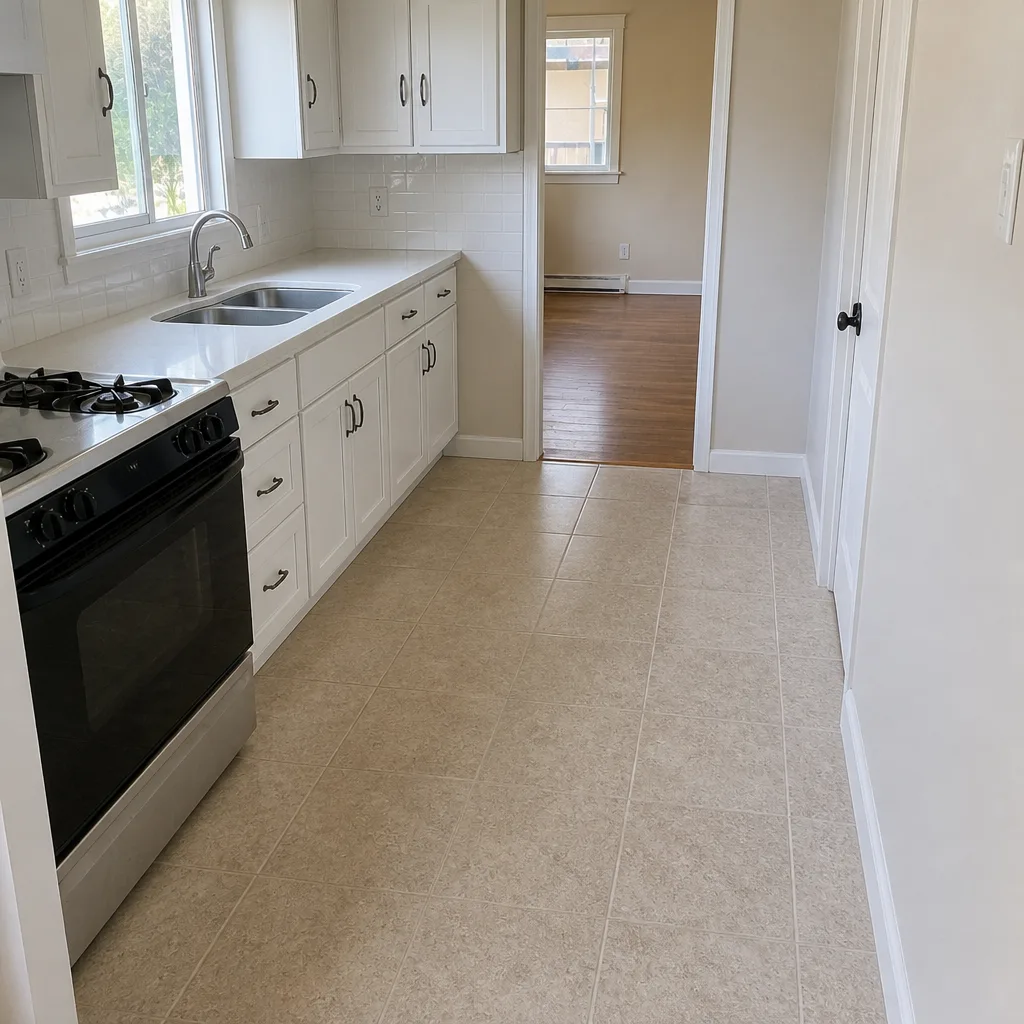 After
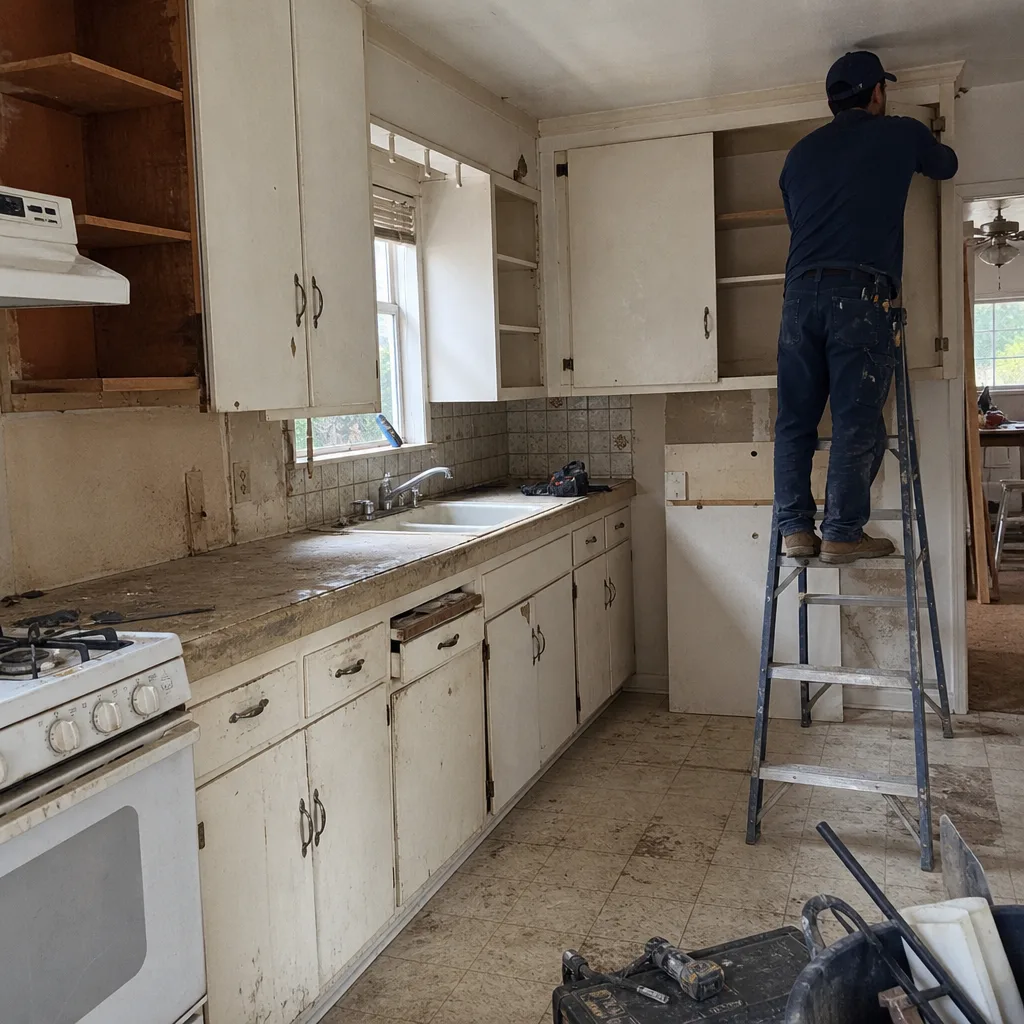 Before
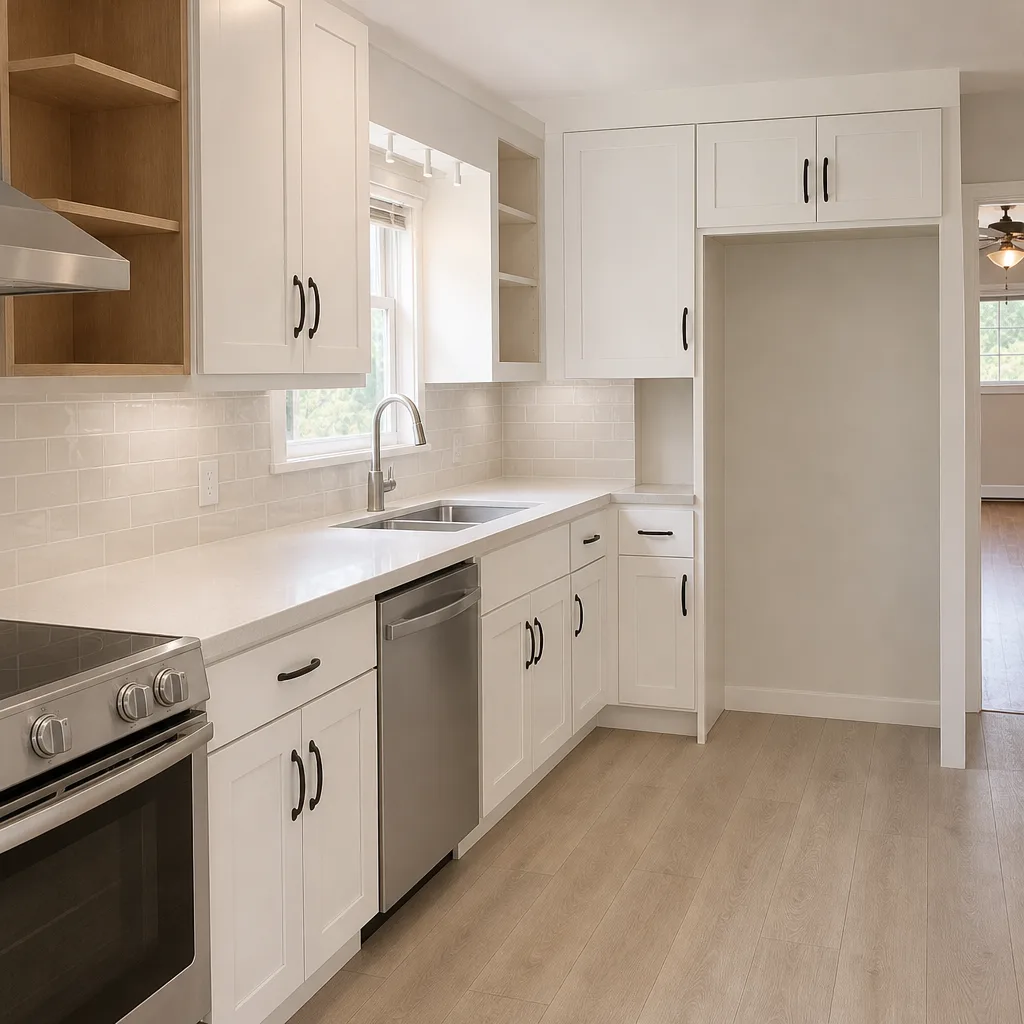 After
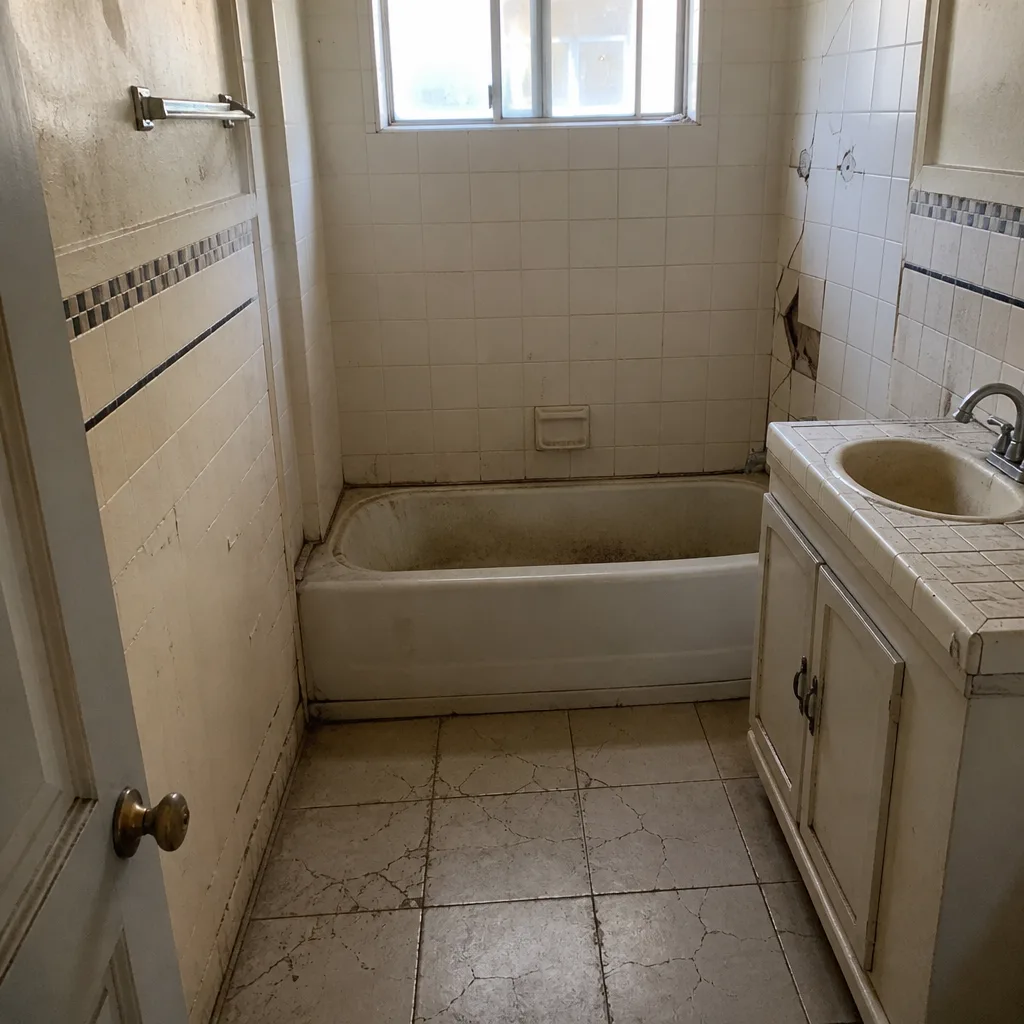 Before
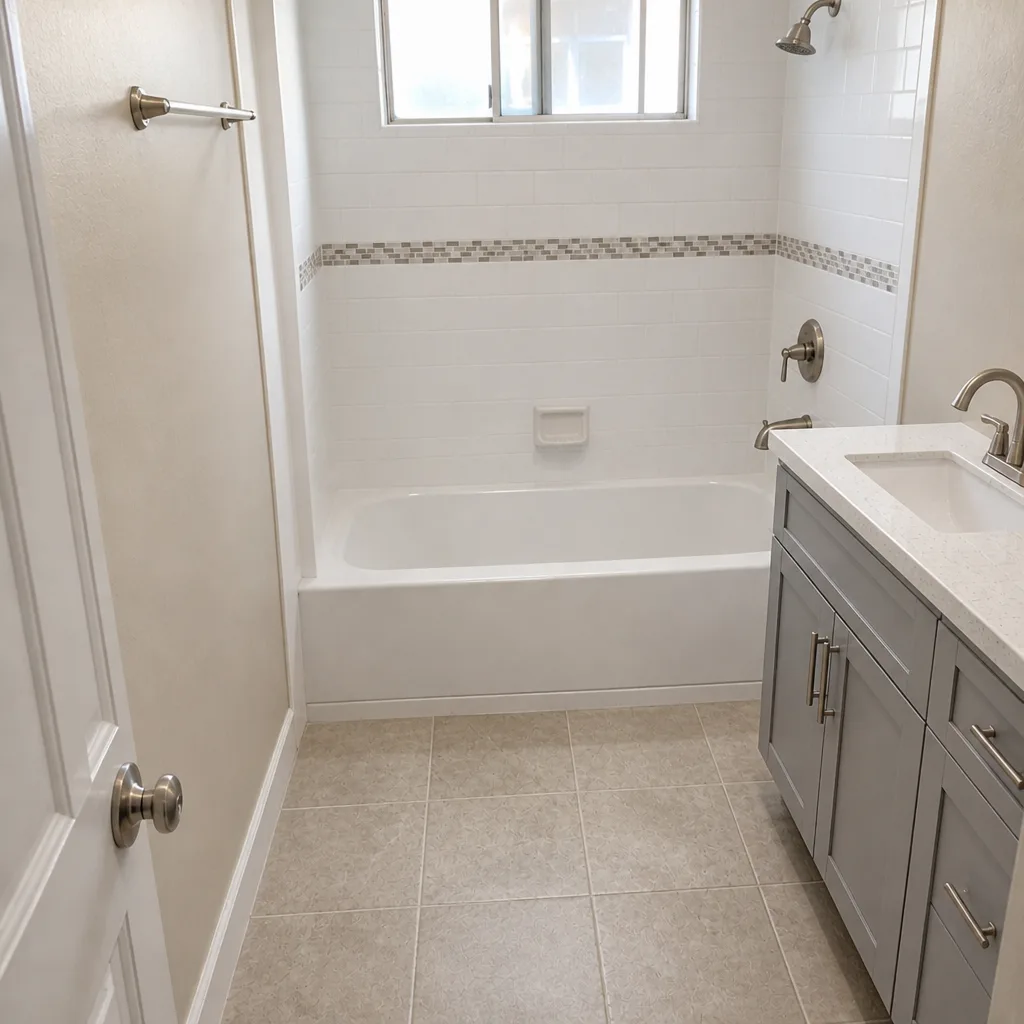 After
When to Call a Professional
The monthly tasks on this calendar are owner-appropriate for most Glendale homeowners: blowing, sweeping, weeding, and re-sanding. The bigger jobs – lifting more than a couple of pavers, base regrading, sealer application on a full drive, or any repair where the base has clearly failed – are worth a professional’s look. The signs to call us:
More than two pavers are loose in the same area. Ponding water stands on the surface more than a few hours after rain. The paver base is soft or muddy under a lifted paver. Joint sand disappears within a week of re-sanding. Edging borders are tilting or pulling away. Any of those point to a base or installation issue, not a maintenance issue – and it’s worth catching before a small repair becomes a full driveway reset.
Barrett & Sons Construction Glendale offers free estimates in Glendale – call (844) 560-4526. We pull permits where they apply, write every change order before work starts, and back every job with our 90-Day Done Right Promise. You’ll get a written estimate with line items you can compare, and a truck with a name on the side you can check up on. If it’s not driving damage, we’ll tell you on the call and you don’t pay for an estimate.
Frequently Asked Questions
Most Glendale driveways need resealing every two to three years, and the right trigger is the water-bead test, not a calendar. Pour water on a clean, dry surface: if it beads, you’re done; if it soaks in, it’s time. South-facing surfaces in full sun will need it a bit sooner than shaded north-facing ones. Call (844) 560-4526 for a free estimate on sealing, or if the water test is ambiguous, we’ll check it with you.
Do the fall re-sand in October or early November, before the winter rains arrive. The goal is to have the joints filled and locked before the first significant storm. Polymeric sand activates best in dry, mild weather, so wait for a two-to-three-day dry window. Spring is okay as a backup, but the fall window is the one that protects the base all winter long. Call (844) 560-4526 for a free estimate on a professional re-sand.
Weeds in paver joints almost always mean the joint sand has thinned or the polymeric sand’s bond has broken – weeds don’t grow in properly filled joints. Pull the weeds early, re-sand the affected joints, and keep the surface blown clean monthly. Sealing helps but doesn’t fully stop weed seed from landing on the surface. If you’re seeing weeds across the whole driveway, call (844) 560-4526 for a free estimate on a joint reset.
Yes, but carefully. Stay under 1,500 psi with a fan tip held at least 12 inches from the surface. High pressure and a direct-stream tip will blow out joint sand and etch the sealer. If your pavers are 10 years old or older, we’d recommend a light surface cleaning with a soft wash, not a pressure wash. Call (844) 560-4526 if you’d like an opinion on your specific surface.
A well-installed paver driveway with a maintenance schedule runs 20-25 years or more in Glendale, with joint sand and sealer replaced as consumables. The pavers themselves rarely fail. Most premature resets happen because the base took water through failed joints. If your driveway is at year 10 or beyond, schedule a free check. Barrett & Sons Construction Glendale offers free estimates and can walk the drive with you – call (844) 560-4526.
Polymeric sand contains a binder that activates with water and locks the grains together – joints stay tight, weeds stay out, and water runs off instead of soaking in. Regular play sand does none of that. It washes out at the first hard rain, feeds weeds, and lets water get under the pavers. Use polymeric sand made for pavers, not sandbox sand. Call (844) 560-4526 if you want a professional re-sand with the right product for Glendale’s climate.
The Bottom Line
A paver driveway stays sharp for two decades if it gets 90 minutes of attention a year. The three tasks that matter are: blow the surface clear once a month (especially during Santa Ana wind season), re-sand the joints every fall before the winter rains, and reseal every two to three years – but only when the water-bead test says to. Pull any weed with a taproot the moment you see it. Fix a loose paver in the same week you notice it. That’s the whole schedule. Follow it and your Glendale driveway stays flat, sealed, and weed-free year after year. If any task feels like more than maintenance, or if the drive has issues you’re not sure about, call us – estimates are free.
Barrett & Sons Construction Glendale has been part of this community for over 29 years, and we treat every driveway like it belongs to a neighbor, because it usually does. Every eligible job is permitted and inspected, every price change is a written change order before work moves, and every completed job is backed by our 90-Day Done Right Promise. If it isn’t right, one call brings us back. We publish our license and address because we expect you to check them – look them up. Live person on the line, day or night. When you’re ready for an estimate, call Barrett & Sons Construction Glendale at (844) 560-4526. We’ll come look at the drive, tell you what’s really going on, and put the price in writing. Free second opinion on any written estimate too. Tom’s sons and their crews carry the name on the truck, and they’ll be at the hardware store when you need a face to ask.
Written by the team at Barrett & Sons Construction Glendale.