
Last updated November 17, 2026
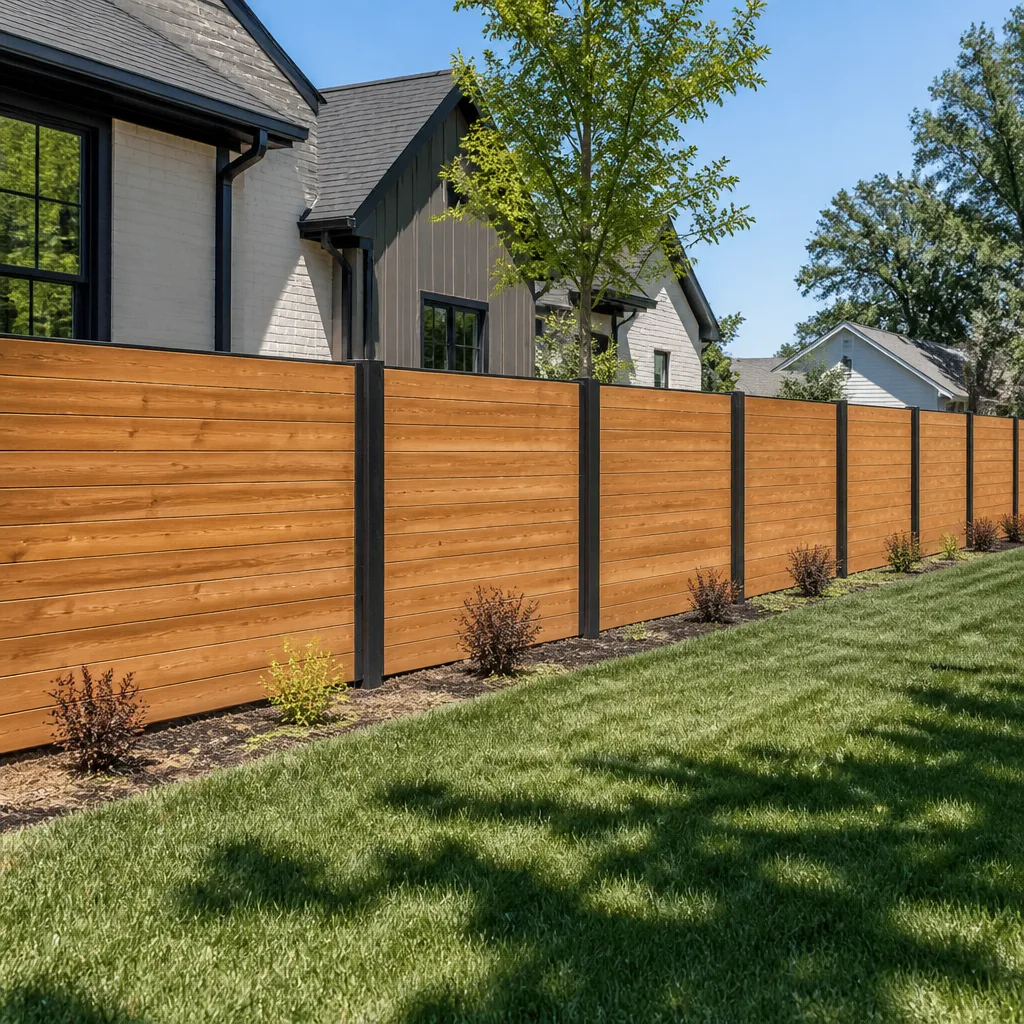 Fence
 Kitchen remodeling
 Bathroom remodeling
 Home additions & ADU
 Roofing
 Windows & doors
 Driveway & pavers
Free written scope consultation - allowances, timeline, and change-order rules on paper before a single trade is scheduled
Fence Installation Maintenance Schedule: What to Do and When
Glendale’s UV index is high enough that an unsealed wood fence loses its protective top layer in about 18 months. That means the finish that looked fine last spring has already been failing since fall, and you’ve been maintaining the appearance while the wood underneath absorbs moisture it shouldn’t. Most fence maintenance advice is written for a generic four-season climate and misses what actually stresses a fence here: nine months of intense sun, fall Santa Ana winds that hammer every post and rail, and clay soil that swells and shrinks with the wet-dry cycle. This guide gives you a Glendale-specific calendar built around those three threats, so you can double the service life of your fence without doubling the work.
Quick Answer
In Glendale, seal or restain a wood fence every 2 to 3 years, inspect post bases and grade twice a year (spring and after Santa Ana season in late fall), and check gate hardware every six months. Run a water-spray test each spring to decide whether this is a reseal year. Stagger these three tasks across the calendar instead of doing them all at once, and a cedar or redwood fence that would normally last 12 to 15 years can reasonably reach 20 or more. Skip the schedule in this climate and the sun and soil movement will shorten that lifespan considerably.
Styles & brands we work with
- Kitchen remodeling
- Bathroom remodeling
- Home additions & ADU
- Roofing
- Windows & doors
- Driveway & pavers
- Fence
Table of Contents
- The Three Threats Every Glendale Wood Fence Faces
- The Glendale Fence Maintenance Calendar
- The 30-Second Water-Spray Test for Sealant
- Post-Base and Grade Maintenance in Clay Soil
- Gate Hinge and Latch Hardware Checks
- The Split Board Dilemma: Filler, Swap, or Post Problem?
- Common Mistakes to Avoid
- When to Call a Professional
The Three Threats Every Glendale Wood Fence Faces
Wood fencing in Glendale doesn’t fail because wood is weak. It fails because three specific pressures hit at the same time, and generic maintenance advice only addresses one of them.
UV bleaching. Glendale gets roughly 280 sunny days a year, and the UV load from March through November is relentless. UV breaks down lignin, the natural glue that holds wood fibers together. The visible symptom is that silvery-gray cast that shows up on top rails and the sun-facing side. The invisible symptom is that the wood surface becomes porous and starts drinking moisture it can’t shed.
Santa Ana wind stress. Each fall, dry Santa Ana winds push through the Verdugo corridor with gusts that work every fastener in the fence loose. Pickets rattle, rails flex, and posts take lateral loads they weren’t designed for. The wind exposure in foothill neighborhoods above Glenoaks and in the Chevy Chase Canyon area is noticeably worse than in flatter parts of the city.
Wet-dry soil movement. Much of Glendale sits on expansive clay soil, and a wet winter followed by a dry summer causes the ground to swell then shrink. That movement works post footings in ways a fence in sandy soil never experiences. Posts lean, rails pull, and grade slowly creeps up the base of the post.
Here’s the good news: these three threats peak at different times of year. UV damage accumulates spring through fall. Wind damage happens mostly in a six-week window in October and November. Soil movement is a winter-into-spring concern. Staggering your maintenance to hit each threat at its peak is what saves you work and money.
The Glendale Fence Maintenance Calendar
This is the schedule we recommend for wood fencing in Glendale. It’s built around when each threat actually shows up, not a generic quarterly checklist you’d find on a fence manufacturer’s site.
Late February to mid-March: The Spring Inspection
- Walk the entire fence line and press on each post near the base. Any post that moves more than a half inch should be flagged.
- Run the water-spray test (covered below) on two or three test sections of pickets and rails.
- Check the soil grade line at every post. It should sit about 2 inches below the base of the wood.
- Look at the top rail and sun-facing side for graying, checking, and any raised grain. This is where UV damage shows first.
- Test every gate hinge and latch for play or wobble.
April to May: Seal or Restain
If the water test says reseal, this is the window. Temperatures are warm but not punishing, and the fence has had time to dry out from the winter. Applying a quality penetrating oil or water-based stain now gives the wood the maximum amount of protected season before the hardest UV months hit.
June to August: Mid-Season Glance
No heavy work here. Just look for any pickets that have shifted or split badly and any hardware that’s worked loose. Keep the sprinklers from spraying directly on the fence if you can.
Late October to November: The Post-Santa Ana Check
As soon as the fall winds settle, walk the fence again. Re-tighten every gate hinge bolt. Push on posts that felt solid in spring and see if the wind has loosened anything. This is the single most overlooked step on the calendar, and it’s the one that saves the most expensive repairs.
December to January: Drainage and Grade
Winter rains are when bad drainage does the most damage. Make sure water is shedding away from the fence line, not pooling at the base of posts. Replace any soil that has washed away from a footing.
If you’re planning a new fence rather than maintaining an old one, our Fence Installation in Glendale page covers material options, footing practices, and permitting. A well-installed fence with the right drainage makes this whole schedule much easier to keep.
The 30-Second Water-Spray Test for Sealant
You don’t need to guess whether your fence needs sealing this year. You need a spray bottle of water and 30 seconds. The test is identical to the one used on pavers and stone, and it tells you exactly what the wood is doing.
- Fill a spray bottle with plain water.
- Mist a small section of a picket or rail on the sun-facing side. Pick a spot that’s dry and roughly at hand height.
- Watch what the water does for 20 seconds.
If the water beads up and rolls off, the sealant is still doing its job. Skip sealing this season and check again next spring.
If the water darkens the wood and soaks in within a few seconds, the sealant has failed. Reseal this season, ideally in the April to May window.
If the water beads in some areas and soaks in others, you’re looking at partial failure. UV exposure varies dramatically across a fence, because the sun-facing side takes far more punishment than the shaded side. Spot-treating the failing sections can get you through a season, but a full reseal is probably coming next year.
Run the test in three places: the top rail, the sun-facing pickets, and a spot on the shaded side. The top rail is almost always the first to fail, because it catches full sun and rain. It’s also the piece most homeowners never check, because it’s above eye level. That’s why a fence can look fine from the street while the most important structural element is already unprotected.
Post-Base and Grade Maintenance in Clay Soil
The rule for soil grade around a wood post is simple: soil should sit about 2 inches below the base of the post, meaning the bottom of the post where the wood actually starts, not the footing that’s buried under it. Why the gap? Wood rots when it stays in constant contact with soil moisture. Those 2 inches of exposed post allow the wood to dry between rains and let you see what’s happening at the post base before it becomes a problem.
In much of Glendale, the clay soil fights you on this. Clay swells when wet, which pushes soil upward against the post base. It shrinks when dry, leaving cracks you can see. Over a season or two, mulch and landscape soil gradually creep up against the post. What started as a 2-inch gap is now a zero-inch gap, and the post base is drinking moisture year-round.
Here’s what to do each spring:
- Dig out any soil or mulch that has risen up against the post. A hand trowel is usually enough.
- Reshape the surrounding grade so it slopes away from the post, not toward it. Standing water is the enemy.
- If a post base feels soft or spongy when you probe it with a screwdriver, that’s rot. Flag it for professional evaluation. A soft post can’t be saved with sealer.
- Recheck after heavy winter rains and again after the Santa Ana dry season.
If your yard has serious drainage issues, a simple French drain or grade correction can make an enormous difference to fence life. It also helps your Driveway & Pavers in Glendale work, since poor drainage does the same damage to hardscape foundations.
Gate Hinge and Latch Hardware Checks
Gates fail for a reason most people don’t expect: the hardware works itself loose over six to twelve months, the gate sags by a fraction of an inch, the sag puts extra leverage on the post, and eventually the post itself is pulled out of plumb or cracked. The expensive repair is fixing the post or the hinge. The cheap repair is tightening the hardware twice a year.
Here’s the twice-annual hardware check:
- Open the gate and stop it at various points to see if it moves on its own. A gate that swings freely is in good shape; one that sticks in one spot or swings shut hard is sagging.
- Grab the latch and the hinges and try to wiggle them. Any movement means loose screws, and every loose screw needs tightening.
- Check that the gate sits level – use a spirit level against the top of the gate frame.
- Check the diagonal brace, if you have one. The brace is what keeps the gate from sagging, and a loose brace is why many gates misalign.
- Tighten with a screwdriver or wrench, but don’t overtighten. If the wood feels soft where a hinge is attached, use a slightly larger screw rather than a longer one – you don’t want to drive through the post.
Do the check in the spring and again in late fall after Santa Ana season. Late fall is the more important one, because the wind has just been loading the gate for weeks. If you catch a loose hinge then, you’ve prevented a spring repair.
The Split Board Dilemma: Filler, Swap, or Post Problem?
Cracks in wood aren’t all the same. Some are cosmetic, some are structural, and some are telling you something is wrong with the post or rail underneath. Here’s how to sort them.
Cracks that get wood filler (or just leave it alone): Small hairline checks running along the grain, especially near the top of a picket, are normal wood movement and nothing to worry about. If you want to fill them for appearance, use an exterior-grade wood filler or an epoxy-based filler and sand smooth. Note that the filler won’t stop the checking. It just hides it.
Cracks that mean a board swap: Any split that runs through the board end-to-end, any crack wide enough to see daylight through, and any picket that has gone visibly loose and wobbly at the top. These are structural – a cracked or loose picket lets water into the rail behind it. Replace the board.
Cracks that mean a post or rail problem: A picket splitting near the top or bottom where it attaches to the rail, or multiple pickets splitting in the same area, or cracks radiating from the point where a nail or screw is driven. These are signs the rail or post is drying out and shrinking, or a hardware failure is loading the boards. If you find multiple pickets splitting along one horizontal rail, that rail is the problem, not the boards.
One more sign: a split that runs at a diagonal, from one corner of a board toward the other. That’s usually a sign the structure is twisting, and it means a post is moving.
If the split pattern is concentrated on the sun-facing side of the fence, it’s almost certainly accelerated by UV drying. That’s the case for getting the sealant schedule right. It’s also why Glendale fences often split earlier than fences in cooler climates.
Common Mistakes to Avoid
- Sealing in full summer. Applying stain or sealer in July in Glendale can actually bake the wood, with the finish flashing off before it soaks in. Seal in spring or fall.
- Skipping the water test and resealing on a schedule. You’ll either waste money sealing a fence that didn’t need it, or skip a fence that was already failing. Test first.
- Letting soil creep up against the post base. In clay yards this happens every season. Two inches of exposed post is the difference between a 20-year post and a 10-year one.
- Ignoring gates until they sag. Re-tighten hardware twice a year, or you’ll eventually replace a post to fix a hinge.
- Filling structural cracks with wood filler. Filler hides a problem that needs a board swap or post repair. It also stops you from noticing that the problem is structural.
- Overlooking the top rail. It gets the most sun and the most rain, and it’s the element most homeowners never look at.
- Skipping the fall check. Santa Ana winds are the only real test your fence gets against lateral load. After the season passes, walk it. It’s the cheapest inspection you’ll ever do.
See the difference
 Before
 After
 Before
 After
 Before
 After
When to Call a Professional
Several situations in this schedule call for a professional rather than a homeowner with a rag and a bucket. If any post in the fence line moves more than an inch when you push it, if you find rot at the base of a post, if the fence is leaning, or if you’re facing multiple picket replacements, get an estimate. Post replacement and re-setting in clay soil is difficult work, and doing it wrong in Glendale’s soil is how homeowners end up back at the same problem in two years. Also call if the fence is a safety or privacy concern and you’re not sure whether repair or replacement is the right answer – replacement decisions in Glendale often depend on footing condition and installation method.
Barrett & Sons Construction Glendale offers free estimates in Glendale – call (844) 560-4526 to schedule one. We’ve seen enough fences to know when the problem is cosmetic and when it’s structural.
You can also look at our Driveway & Pavers in Glendale and Home Additions & ADU in Glendale pages for adjacent outdoor work, or visit the Barrett & Sons Construction Glendale home to see the full scope of what we do.
Frequently Asked Questions
Every 2 to 3 years. The high UV index in Glendale is the main reason. A good penetrating oil or water-based stain typically gives 2 to 3 years of protection in this climate, and the water-spray test will tell you every spring whether this is a reseal year.
April and May are ideal. The fence has dried out from winter, temperatures are warm but not extreme, and you get the protection in place before the hardest UV months. Early fall is a solid second window if you missed spring.
Repair if the posts are solid and you’re facing board swaps or hardware tightening. Replacement if posts are moving, leaning, or have rotted at the base. In Glendale’s clay, one or two bad posts can sometimes be replaced individually, but if most posts are moving, replacement is usually the better value.
Glendale’s expansive clay soil swells when wet and shrinks when dry. Over a couple of seasons, that movement works the footing and lets the post go out of plumb. Poor drainage around the post base is usually the accelerant.
In most cases, a fence under 6 feet tall doesn’t need a permit, and a fence under 30 inches tall on the property line is generally exempt. Height, location, materials, and corner-visibility rules can affect this. Always check with the city before building, and ask a contractor to pull any permit that’s required.
Typical ranges: a full fence wash, stain, or seal job is around $1,200 to $3,500 depending on fence length and finish; post repair or replacement is around $150 to $400 per post; and hardware tightening runs $75 to $200. Costs vary with access, fence condition, and design – call (844) 560-4526 for an exact quote.
The Bottom Line
A wood fence in Glendale faces three specific pressures: UV bleaching, Santa Ana wind stress, and clay soil movement. The maintenance schedule that works here treats each as its own problem on its own timeline – water-spray test and post-base inspection in spring, seal in April or May, walk the fence after Santa Ana season in late fall, and tighten gate hardware twice a year. That schedule doesn’t actually take more work than generic seasonal advice. It just puts the work where the threats are. Do it, and a well-built fence can comfortably reach the upper end of its lifespan.
If you’re not sure whether your fence is on schedule or already past it, invite us over. Barrett & Sons Construction Glendale pulls a permit and signs an inspection on every fence we build, and our estimate is free. Call (844) 560-4526 to schedule yours.
Written by the team at Barrett & Sons Construction Glendale.