
Last updated November 17, 2026
 Fence
 Kitchen remodeling
 Bathroom remodeling
 Home additions & ADU
 Roofing
 Windows & doors
 Driveway & pavers
Free written scope consultation - allowances, timeline, and change-order rules on paper before a single trade is scheduled
Fence Installation Troubleshooting: Common Problems and How to Fix Them
A leaning fence post is never just a leaning post. In our experience across Glendale, it’s one of three things: a concrete footing that failed, an installation that didn’t go deep enough, or soil movement. Those three causes have three completely different fixes, and you can confirm two of them in an afternoon without digging up a single bag of concrete. What follows is the same diagnostic path we walk homeowners through before we ever quote a repair: how to read a lean, why cedar and redwood cup on the sun-side of a Glendale yard, how to tell hinge failure from post movement, and which discoloration patterns mean surface weathering and which mean the post base is rotting underground.
Quick Answer
Most fence problems trace to one root cause you can verify yourself: a footing that didn’t bond to the post, an installation that didn’t go deep enough for the soil, or movement in the ground itself. Run a string line and a level test to find where the post is leaning – at the base, mid-post, or top – because that tells you whether you re-pour, re-brace, or just replace hardware. If the footing is sound and the post is straight, most gates, warped boards, and discoloration are simpler fixes than homeowners expect.
Styles & brands we work with
- Kitchen remodeling
- Bathroom remodeling
- Home additions & ADU
- Roofing
- Windows & doors
- Driveway & pavers
- Fence
Table of Contents
- The two-minute string line and level test
- Why posts lean: footing, depth, or soil movement
- Why cedar and redwood boards cup and warp
- Diagnosing gate sag: hinges, posts, or frame
- Did the concrete bond to the post or just pour around it?
- Reading wood discoloration patterns
- Common mistakes to avoid
- When to call a professional
The Two-Minute String Line and Level Test
Before you call anyone, find out where the post is actually leaning. This one test tells you what kind of problem you’re dealing with, and it’s the same first step a crew takes.
- Drive a stake at each end of the fence run and pull a string line tight along the face of the posts, about a foot off the ground.
- Stand at one end and sight down the string. A post leaning off the line is out of plumb; a post that touches the string at the bottom but drifts at the top is leaning differently.
- Hold a 4-foot level against the post at three points: at the base just above the soil, at mid-post, and at the top. Note which point the bubble runs off.
- If only the top is off, the post itself may be warped or the cap is loose. If the base is off, the footing or soil has moved. If the whole post leans in one clean direction, it’s almost always footing or depth.
Write down what you find. That three-point reading is exactly what we need to quote a repair accurately, and it stops a homeowner from paying to replace a post that just needed a brace. In Glendale, where a lot of yards sit on clay-heavy soil that swells after winter rain, the bottom-of-post reading is the one that matters most.
Why Posts Lean: Footing, Depth, or Soil Movement
A leaning post has three possible causes, and the fix is different for each. Getting the cause right saves you from tearing out a footing that was fine.
- Failed footing: The concrete cracked, was undersized, or the post shifted inside it. The soil around it is stable but the concrete didn’t hold. Fix: re-pour or brace, depending on how far it’s gone.
- Not deep enough: The post was set too shallow for the frost line or the soil type. Shallow posts move first. Fix: pull and reset deeper, or sister a new post alongside.
- Soil movement: Expansive clay, poor drainage, or a slope pushing the base. The footing is fine but the ground under it shifted. Fix: address drainage first, then re-brace or re-set.
Glendale’s clay soils expand when wet and shrink when dry, and that cycle works a shallow footing loose over a few seasons. Fences on the downslope side of a yard, where runoff collects, lean first. If your fence is on a hill, check the uphill posts before you assume the worst about all of them.
The string line test above tells you which of the three you’re facing. If the post moved as a unit with its concrete, it’s a footing problem. If the post twisted inside solid concrete, it’s bonding. If the concrete itself tilted, it’s soil. For a full breakdown of how a proper install prevents all three, see our Fence Installation in Glendale page.
Why Cedar and Redwood Boards Cup and Warp
Cedar and redwood cup because one face dries faster than the other. On a Glendale fence, the sun-side boards take direct afternoon heat on one face while the shaded face stays cooler and damper. The sunny face shrinks, the shaded face doesn’t, and the board curls toward the dry side. That’s why the boards on the west and south runs cup first while the north-facing boards stay flat for years.
A correct installation limits this in three ways:
- Bark-side out. Boards are set with the bark side facing out so they cup away from the fence line instead of trapping water against the rails.
- Proper spacing. A small gap between boards lets air move and both faces dry evenly. Butt-tight boards trap moisture and cup faster.
- Quality lumber. Boards from a reputable mill – we install Barrette and Master Halco systems where the material specs are published – come with grain and moisture content that hold up better than bargain-bin stock.
If boards are already cupped, a few loose ones can be backed out, flipped, and re-fastened. Once a whole run is curling, replacement is the honest answer. We see this most on older fences in the sun-exposed lots around Glendale where a cheap install used green lumber that shrank hard in its first summer.
Diagnosing Gate Sag: Hinges, Posts, or Frame
A sagging gate has three possible culprits, and there’s a visual test for each that takes under a minute. Get this right and you avoid replacing a gate that just needed new hinges.
- Test the hinges. Open the gate halfway and let go. If it drops and swings on its own, or if you can wiggle the hinge plates by hand, the hinges are worn or the screws have pulled. Fix: replace hinges or step up to longer screws that bite into solid wood.
- Test the post. With the gate closed, push and pull the hinge post. Any movement at the base means the post is the problem, not the gate. Fix: re-brace or re-set the post. A gate hung on a moving post will sag again no matter how many hinges you replace.
- Test the frame. Lay a straightedge corner to corner on the gate frame. If it rocks, the frame is racking – the diagonal has lost its square. Fix: add or tighten a diagonal brace or turnbuckle.
In our experience the hinge post is the usual culprit on Glendale gates, especially where the gate hangs off a corner post that also carries the fence load. Steel and aluminum gates from Ameristar and Jerith fail differently – the frame holds but the hinges and latch hardware wear – so check the hardware first on metal gates.
Did the Concrete Bond to the Post or Just Pour Around It?
This is the difference between a footing that holds and one that lets the post shift inside a concrete collar. A footing that bonded grips the post like a fist. A footing that just poured around it is a sleeve the post slides in.
Here’s how to tell, without breaking concrete:
- Push the post hard at shoulder height. If the post moves but the concrete around its base stays put, the footing never bonded. You’ll often see a hairline gap open between post and concrete.
- Look at the top of the footing. A bonded post shows no crack ring around it. A poured-around post often has a visible gap or a ring of cracked concrete at the post face.
- Check for a raised collar. If the concrete sits proud of the soil and the post wobbles inside it, it’s a sleeve, not a bond.
If the footing didn’t bond, you don’t always re-pour. A post that’s still sound can be braced or re-set with an epoxy anchor, which is cheaper and faster. If the post itself is soft at the base, the fix is to pull it and re-pour a proper footing. This is one place where the cheap fix and the right fix part ways, and it’s worth getting a second opinion before you break up good concrete. Our Driveway & Pavers in Glendale work runs into the same footing questions, since drainage and soil prep decide whether anything set in the ground stays put.
Reading Wood Discoloration Patterns
Not all discoloration is a problem. Some is normal weathering, some is a warning. The pattern tells you which.
- Even silver-gray on the sun-side face: surface weathering. The wood’s lignin is breaking down under UV. Cosmetic only. A stain or sealer slows it.
- Dark streaks and patches near the top and rails: moisture intrusion. Water is getting behind the boards and sitting. Check for a failed cap, a clogged gap, or boards set bark-side in.
- Black or green growth low on the boards: algae or mold from trapped damp. Usually a drainage or airflow problem, not rot yet.
- Soft, dark, crumbly wood at the post base, at or below soil line: the post is rotting underground. This is the one to act on. Probe the base with a screwdriver; if it sinks easily, the post is compromised.
Rot at the base is the most common hidden failure we find on Glendale fences, and it’s easy to miss because the boards above look fine. Probe every post base once a year, especially on fences older than ten years. If a post is soft at the base, the repair is a new post or a sistered brace before the fence leans. It’s cheaper to fix one post than to re-hang a gate or rebuild a run.
Common Mistakes to Avoid
- Replacing the post when the footing was fine. The string line and three-point level test tell you which part failed. Skip it and you’ll pay for a new post and a new pour when a brace would have done.
- Setting posts too shallow for Glendale clay. A shallow post on expansive soil moves within a couple of seasons. Depth matters more than people think, and it’s the cheapest thing to get right the first time.
- Butting boards tight. No gap means no airflow, and cupping follows. A small, even gap keeps both faces drying at the same rate.
- Replacing hinges on a moving post. New hinges on a post that shifts will sag again in weeks. Test the post before you touch the hardware.
- Ignoring a soft post base. Rot underground is the failure that takes down a whole run. Probe the base before you decide the fence is fine.
- Patching over a drainage problem. If water collects at the base of a slope, bracing the post without fixing the drainage just buys you time.
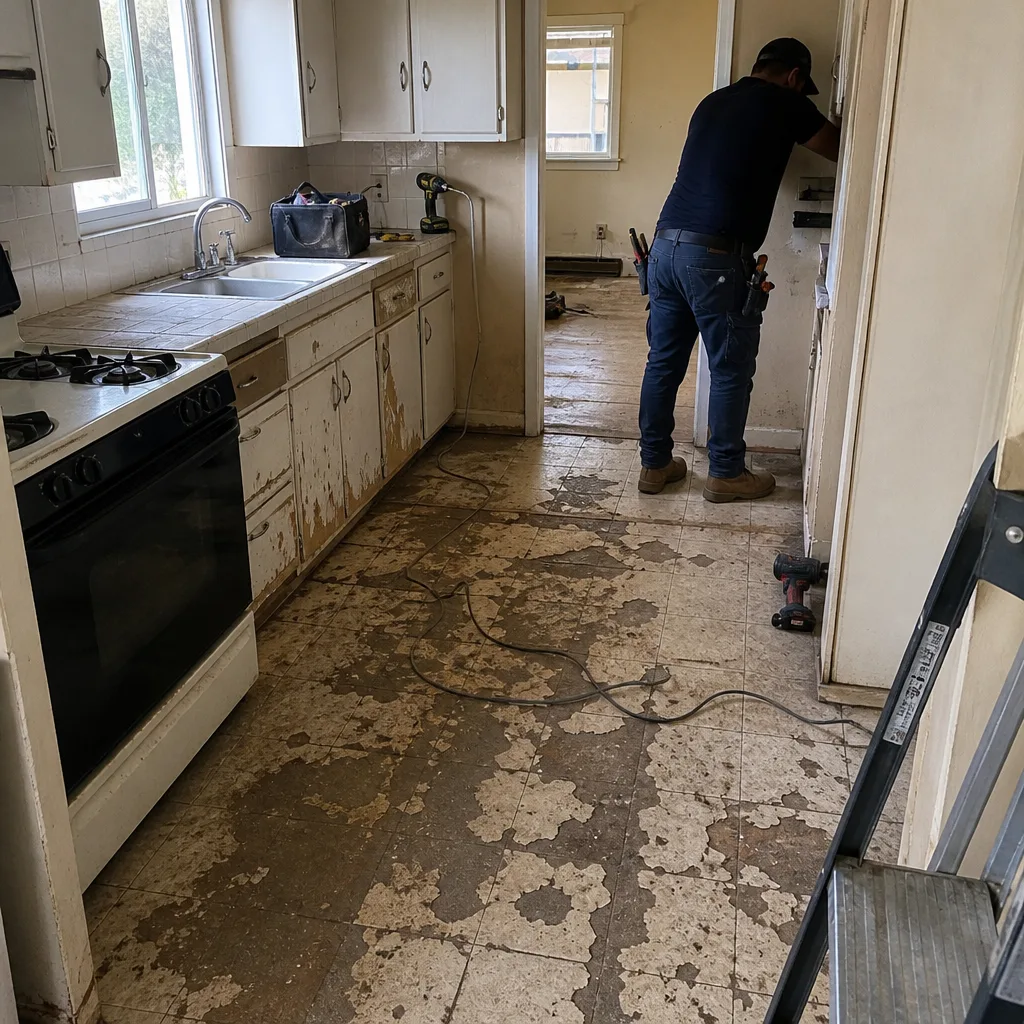
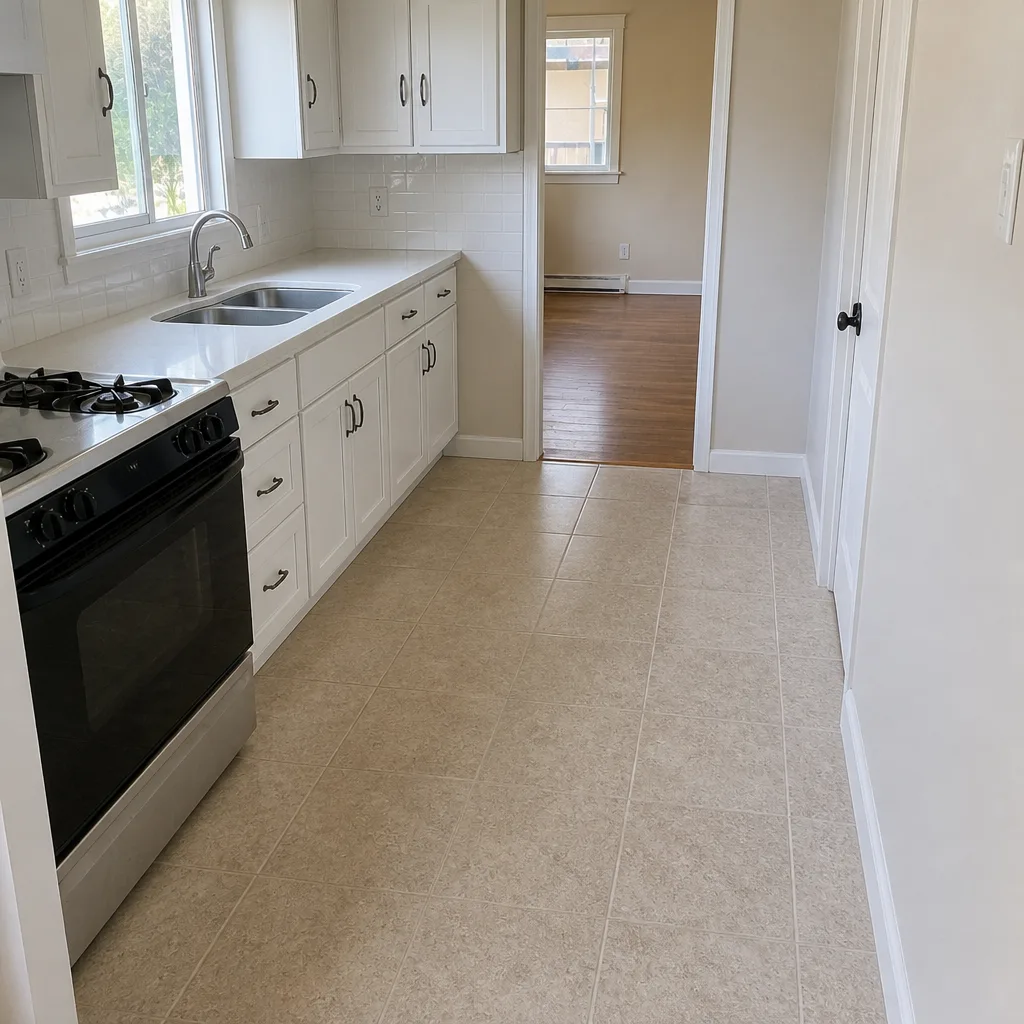
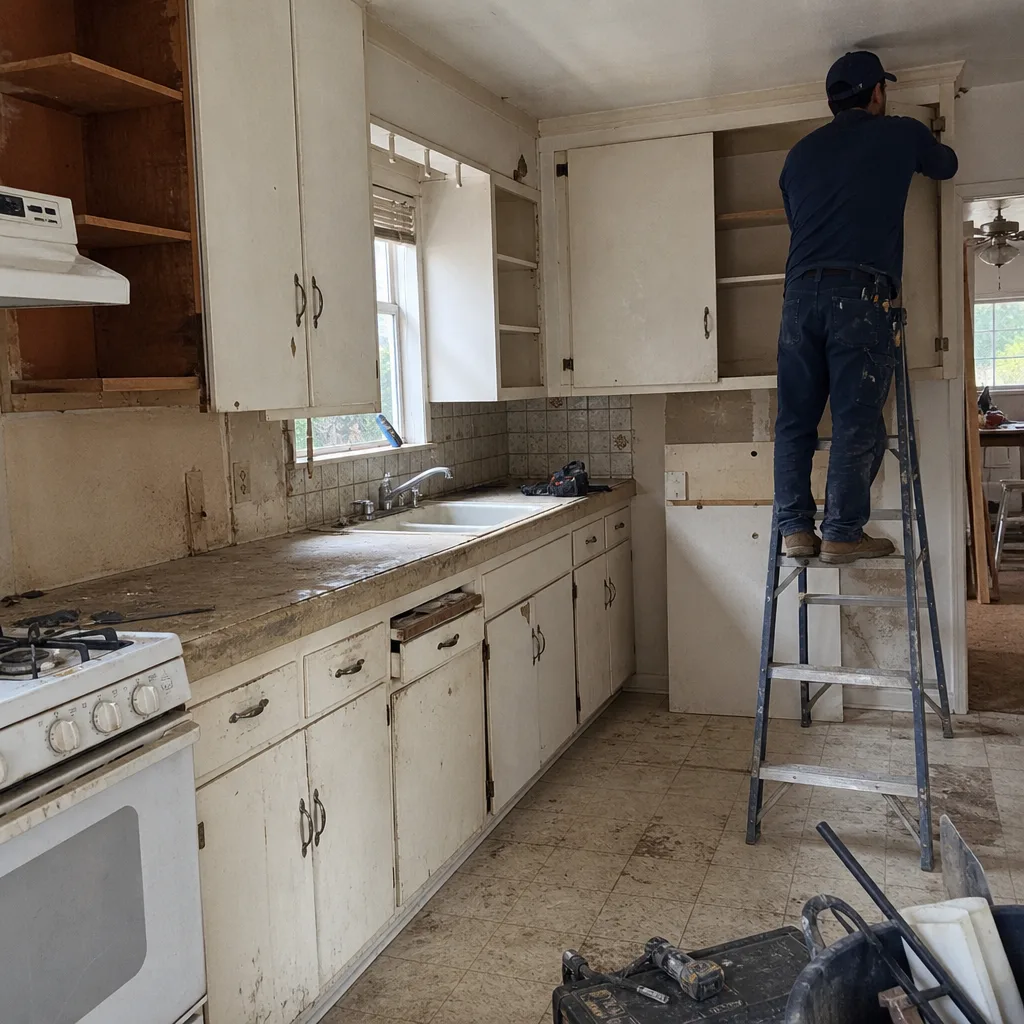
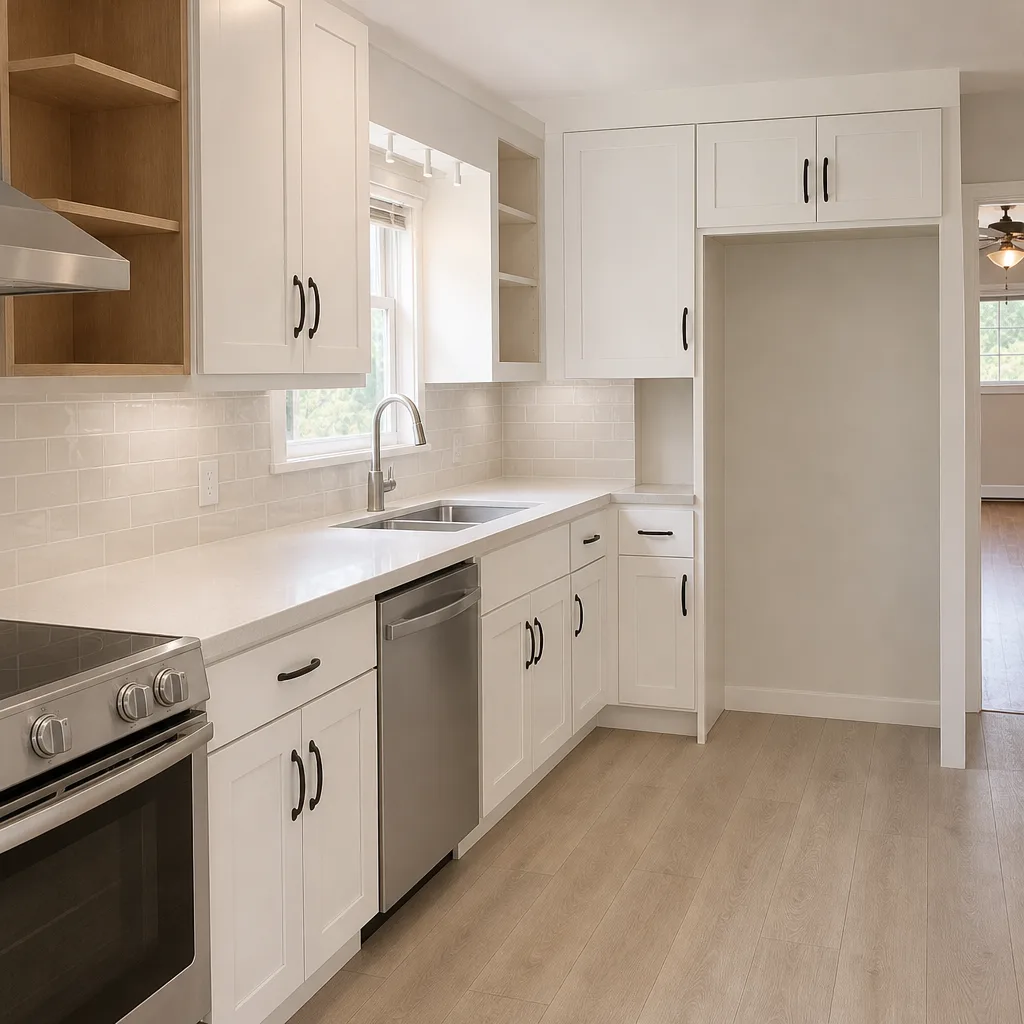
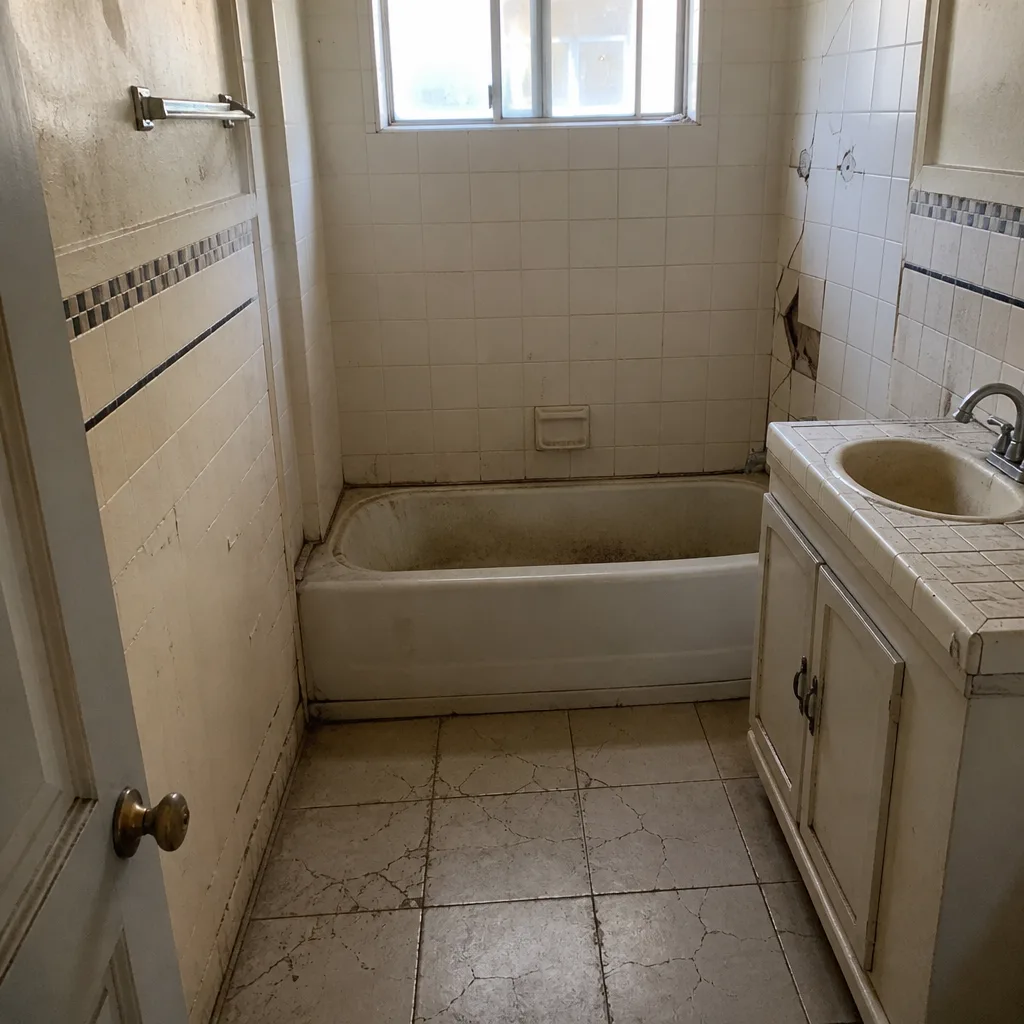
See the difference
 Before
 After
 Before
 After
 Before
 After
When to Call a Professional
Call a pro when the diagnosis points to a footing or a post base: a post that moves inside its concrete, concrete that tilted with the soil, or a post base that’s soft and rotting underground. Those fixes need the post pulled, the hole re-dug to the right depth, and a proper footing poured – and getting it wrong means doing it again next season. Same goes for a whole run that’s leaning, a gate post that shifts under load, or any fence on a slope or a property line where depth and drainage both matter.
Barrett & Sons Construction Glendale offers free estimates in Glendale – call (844) 560-4526 to schedule one. We pull permits where they’re required, put every price change in a written change order before work starts, and back the job with our 90-Day Done Right Promise. If you’d rather fix one board yourself, that’s fine by us – we’d rather you knew which problems are worth a call.
Frequently Asked Questions
Run a string line along the fence about a foot off the ground and hold a 4-foot level against the post at the base, mid-post, and top. If only the top is off, the post is warped or the cap is loose; if the base is off, the footing or the soil has moved. That reading tells you which fix applies. Call (844) 560-4526 for a free estimate if the base is off – estimates are free.
They’re warping because the sun-side face is drying faster than the shaded face, which makes the board cup toward the dry side. In Glendale, that’s the west and south runs. A correct install spaces the boards with a small gap and sets them bark-side out so both faces dry evenly. If a whole run is curling, call us for a look at (844) 560-4526.
No. Every scope, allowance, and price change arrives as a written change order before work happens, so there’s no surprise invoice at the end. If we find rot underground that wasn’t visible before, you see it in writing first. Call (844) 560-4526 to schedule a free estimate.
Yes – we pull permits and sign inspections on every job where they’re required. Fence work near a property line or a corner lot often has height and setback rules, and a licensed contractor handles that paperwork for you. Ask us about permits when you call (844) 560-4526 for your free estimate.
Test the post first: push and pull the hinge post with the gate closed. If the post moves at the base, the post is the problem and new hinges won’t fix it. If the post is solid, check the hinge play and the frame’s square. Call (844) 560-4526 and we’ll diagnose it on a free estimate visit.
A hinge or board repair is often a same-visit fix; a post reset or re-pour takes longer because the concrete needs time to cure before the fence load goes back on. We’ll tell you the realistic timeline in your written estimate. Call (844) 560-4526 to get that estimate scheduled.
The Bottom Line
Most fence problems come down to one verifiable root cause, and you can find it in an afternoon with a string line, a level, and a screwdriver. Read whether the lean is at the base, mid-post, or top. Probe the post base for hidden rot. Test the gate post before you blame the hinges. Those readings either confirm a simple repair or give a contractor exactly what’s needed to solve it right the first time. Barrett & Sons Construction Glendale has spent years reading fences the same way – if the diagnosis points to a footing or a rotting base, that’s the call worth making. Our technicians have up to 28 years of experience, and the Home Additions & ADU in Glendale and Barrett & Sons Construction Glendale home pages show the same written, permitted approach across every job.
Call (844) 560-4526 for a free estimate in Glendale.
Written by the team at Barrett & Sons Construction Glendale.