
Last updated November 17, 2026
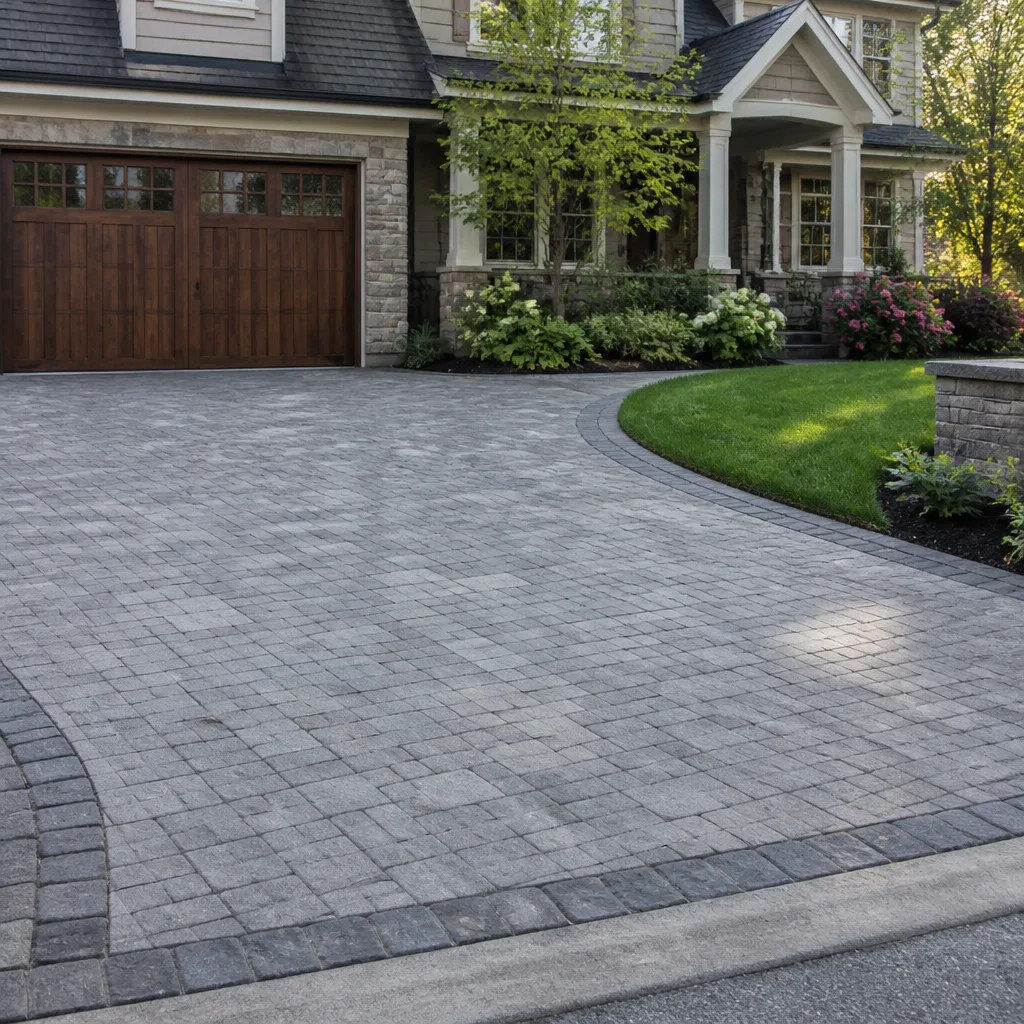 Driveway & pavers
 Kitchen remodeling
 Bathroom remodeling
 Home additions & ADU
 Roofing
 Windows & doors
 Fence
Free written scope consultation - allowances, timeline, and change-order rules on paper before a single trade is scheduled
Driveway & Pavers Troubleshooting: Common Problems and How to Fix Them
That sunken section near your garage apron almost certainly isn’t settling. It’s a drainage failure that’s been washing your base material into the street since day one, and re-leveling it without fixing the water path is like mopping the floor while the pipe still leaks. We’ve torn out pavers in Glendale that looked five years old on top and had eight inches of missing base underneath. Nine out of ten paver problems we’re called to aren’t paver problems at all. They’re base-prep problems that took a few winters to show up. This guide gives you a root-cause framework so you spend money once.
Quick Answer
Most sinking, spreading, and shifting paver driveways come from three causes: base material washing out under the pavers, failed edge restraint letting the field spread, or a surface that was never compacted correctly in lifts. Spot-repairing the visible symptom without diagnosing which of those three is happening means the problem returns within two seasons. Probe the base, inspect the edge, and check the water path before you authorize any repair.
Styles & brands we work with
- Kitchen remodeling
- Bathroom remodeling
- Home additions & ADU
- Roofing
- Windows & doors
- Driveway & pavers
- Fence
Table of Contents
- Settlement vs. Base Washout: The Screwdriver Test
- Why Edge Restraint Failure Spreads a Driveway
- Efflorescence vs. Staining: Which One Is Structural
- Crack Patterns That Reveal the Real Problem
- Joint Sand Loss and What It’s Telling You
- Drainage Problems Specific to Glendale Lots
- When a Spot Repair Is Legitimate (and When It Isn’t)
- Seasonal Maintenance That Prevents the Big Failures
Settlement vs. Base Washout: The Screwdriver Test
Settlement and washout both look like a dip in the drive, but they’re different problems with different fixes. Settlement happens when soil underneath compacts gradually and the whole assembly lowers in one area. Washout happens when water moves the base material out from under the pavers, leaving a void that the pavers then slump into. Settlement is usually slow and shallow. Washout is usually deeper, extends in a line, and tracks toward wherever the water exits the property.
Here’s the test any homeowner can do. It’s the first thing we run when a Glendale homeowner calls about a sunken driveway.
- Pick a day when the drive is dry and has been dry for at least 48 hours.
- Take a long screwdriver or a stiff piece of wire (a coat hanger works) and push it down into an open paver joint in the sunken area.
- Push until you hit resistance. If it goes down past two or three inches before hitting compact material, you likely have a void from washout.
- Repeat the test in a solid area of the driveway that isn’t sinking. Compare how far the probe travels. If the sinking area gives much more than the solid area, that’s your answer.
- Pull the probe out and check what it’s carrying. Gritty sand and small aggregate mean base is moving. Clean clay on the probe usually means you’re hitting native soil underneath.
If the probe on the sunken spot travels six inches before it hits anything solid, and the probe on the solid spot stops at two, you have a base problem, not a surface problem. In Glendale, we see this a lot on slopes off Chevy Chase Canyon and up toward the Verdugo foothills, where storm runoff concentrates and finds its way under anything that isn’t built tight. Re-sanding and re-leveling will fix the look for one rainy season. It won’t fix the void.
Why Edge Restraint Failure Spreads a Driveway
Edge restraint is the aluminum, steel, or concrete curb that runs along the outside of the paver field and locks it into place. Without it, the outside pavers have nowhere to hold. Every car tire pressing down on the field pushes those edge pavers outward a fraction of a millimeter. Multiply that by ten years of daily traffic and you get a driveway that looks like it’s spreading apart.
Most failed driveways we inspect in Glendale have one of three edge problems:
- Missing restraint entirely. The pavers were laid edge-to-edge against the soil, with nothing but the ground holding them. This fails first on driveways built before edge restraint became standard practice, and you’ll spot it by looking for a visible lip at the outer edge of the pavers.
- Restraint lifting away from the pavers. The aluminum or steel is still there, but it’s separated. That gap is where pavers escape. Press down on the outer edge of the driveway; if pavers move but the restraint doesn’t, the edge is failing.
- Restraint installed but not spiked. This is a quiet one. Some crews run edge restraint and skip the long spikes that anchor it into the base. The restraint looks correct for a few years until frost heave or traffic works it loose.
A driveway that’s spreading at the edges needs the restraint replaced, not just the pavers reset. Re-setting pavers without a working edge is a job you’ll be doing again. When we tear out and rebuild a spreading drive, we install fresh aluminum edge and spike it into compacted base every 8 to 12 inches. That’s not premium work, that’s baseline.
Efflorescence vs. Staining: Which One Is Structural
Efflorescence is the white, powdery haze that shows up on paver surfaces and dries as a chalky film. It’s water carrying dissolved salts from inside the paver up to the surface and evaporating. It’s cosmetic and it’s fixable. Surface staining, on the other hand, can hide structural trouble underneath, and it pays to know the difference.
Efflorescence will:
- Wipe off with a stiff brush or a dilute white vinegar wash.
- Show up as a uniform white haze, not a spot.
- Return in wet seasons and fade in dry ones.
- Appear more heavily in brand-new pavers in their first two years.
Structural staining will:
- Sit in one place and refuse to move with brushing or washing.
- Appear as dark rings, rust-colored streaks, or green-black organic growth in low spots.
- Track along a joint in a straight line, which usually means water is finding a path there.
In Glendale, where late-season rain comes hard and fast on dry soil, efflorescence in the first season after install is normal, not a defect. Rust-colored staining is the one to take seriously. It’s often the first sign that steel edge restraint or a drainage grate is failing and bleeding oxidation into the surface. If you see rust streaks on a driveway that isn’t near any metal, get an inspection, because there’s something under there that shouldn’t be. A good wash and reseal in the first two years keeps efflorescence manageable, and it’s also the point where we recommend a proper penetrating sealer on premium Belgard or Techo-Bloc surfaces to cut down on water absorption long-term.
Crack Patterns That Reveal the Real Problem
Not every crack means the same thing. The shape, direction, and location of the crack tells you what’s happening underground, or on top.
Long cracks running in a straight line parallel to the house or to the street are the drainage signature. Water is running under the driveway along a path, eroding base material and letting the assembly dip. These are the ones that come with the screwdriver test failure we walked through earlier.
Star cracks and spider patterns around one heavy spot are point-load failures. Someone parked a loaded trailer, a heavy truck, or a dumpster there, or a paver was bedded on a hard pack that couldn’t take the load. The fix is usually a spot replacement rather than a whole field rebuild, assuming the base is sound around it.
Perimeter cracks around the outer edge of a driveway are almost always edge restraint failure, covered above. The pavers cracked because they were the ones doing the spreading.
Random, scattered hairline cracks in normal traffic areas usually mean the pavers themselves are the problem, which points to low-grade concrete pavers that weren’t rated for a driveway application. Driving a car on pavers rated for a patio is a specific kind of failure that re-does the whole job once. Premium brands cut down on this, but installation underlayment does more.
Glendale-specific: we see perimeter cracks on driveways that bridge right up to a garage apron or property line without a proper expansion joint. Southern California has less thermal swing than the Northeast, but the concrete apron and the paver field still need a joint between them, or they fight each other and the paver cracks.
Joint Sand Loss and What It’s Telling You
Joint sand fills the gaps between pavers. It does two jobs: it locks the pavers together so they act as one surface, and it blocks water from getting under the drive. When joint sand washes out, the pavers start moving, and moving pavers open gaps that let more water in. A little sand loss in a hard rain is normal. Persistent sand loss in one area is a drainage clue.
Check the joints after a heavy rain in Glendale. If you can see pavers sitting two or three millimeters lower than the surrounding ones, or if the sand is gone from one section but intact everywhere else, water is getting under there. That’s a drainage problem, not a sand problem.
Re-sanding is a legitimate fix only when it’s done right:
- Clean the joints with a soft broom and a leaf blower, or a hose on low pressure.
- Dry the surface thoroughly. Wet joints won’t hold sand.
- Sweep polymeric joint sand (not loose builder’s sand) into the joints, working from the highest point of the drive down.
- Compact the field with a plate compactor to shake the sand into voids you can’t see, then top the joints off again.
- Mist the surface gently to activate the polymer, and let it set for 24 hours with no traffic.
Polymeric sand holds up dramatically better in Southern California’s wet-dry swings than regular sand, and it’s what we use on any driveway we install. If your joints are losing sand every year, that’s the switch to make.
Drainage Problems Specific to Glendale Lots
Glendale sits in a basin with steep foothills right up against it. That means a lot of driveways run downhill toward the street, and a lot of houses sit below the street grade. Water moving downhill on hard-packed soil builds velocity and pressure. A driveway that sheds a hundred gallons across the near edge during one storm doesn’t just get wet. It becomes a firehose pointed at whatever base material the pavers are sitting on.
Common drainage failures we see on Glendale driveways:
- No slope away from the garage. Water should run away from the house, not pool at the apron. If your apron slab is pitched toward the garage (or flat), water is walking into the framing.
- Downspout dumping onto the pavers. A single downspout delivering through one spot erodes base material in a specific line, which matches the “long crack parallel to the house” pattern above.
- Missing channel drain at the garage apron. On a downhill drive, a channel drain catches water before it reaches the garage door. If it isn’t there, water goes under the door.
- No permeable or channel path for hillside water. Above Glenoaks and toward Brand Park, driveways sit against hills that shed a lot of water. A paver field without a designed path for that water can only last so long.
Fixing a paver problem caused by drainage without fixing the drainage is a waste of money. The repair has to include the water path. If you’re re-grading, that’s a good time to look at additions and ADU work in Glendale, because grading at a foundation wall has to be coordinated with the addition footprint if you’re building one.
When a Spot Repair Is Legitimate (and When It Isn’t)
A spot repair is a legitimate choice when the failure is confined, the base around it is sound, and the cause is understood. It’s a band-aid when the base is bad, the edge is failing, or the drainage path hasn’t been addressed.
Legitimate spot repairs:
- A single star-cracked paver under a hot tub or trailer that was set on a sound base.
- One low corner of a driveway where a tree root from a landscaping bed pushed the base up two inches and the root is now removed.
- Removing one paver to access a utility line, then re-bedding it on fresh base with matching polymeric sand.
- Replacing a broken edge paver after the failed aluminum restraint has already been replaced.
Band-aids:
- Re-leveling a sunken section without probing the base and confirming what’s under it.
- Re-sanding a joint line that keeps washing out without confirming the water path.
- Adding pavers to a spreading edge without replacing the restraint.
- Surface sealing a paver field that’s still moving underneath.
The way to protect yourself is to ask one question before you authorize a spot repair: “What’s causing the failure, and what’s the fix for the cause?” If the contractor can’t answer that with a specific cause, they’re selling you a band-aid. When we open up a failure in a Glendale driveway, the cause is either on paper before we start or we’re not starting.
Seasonal Maintenance That Prevents the Big Failures
Paver driveways in Glendale don’t need much, but the four things below are the difference between a field that lasts decades and one that starts shifting in year five. We tell every homeowner to put these on a calendar.
- After every heavy rain season, walk the edges. Press down on outer pavers. If any move but the restraint doesn’t, call for edge inspection.
- Check joints after the first two or three rains of the year. Topped-off polymeric sand in fall prevents winter joint loss.
- Clear the channel drain before the wet season starts. A clogged channel drain at the apron is a drainage failure waiting to happen.
- Reseal every two to three years on premium pavers. Penetrating sealer slows efflorescence and cuts water absorption. Skip sealing on any paver that’s actively moving; the surface isn’t the problem.
A properly installed driveway on a properly compacted base is a twenty-five to forty year surface. A driveway built on bad base is a ten-year surface with a rotating maintenance bill. The maintenance above will tell you which one you own.
Common Mistakes to Avoid
- Re-leveling without probing the base. The screwdriver test takes ten minutes and tells you whether the fix is a spot repair or a rebuild. Skipping it costs two seasons of repeat work.
- Using regular builder’s sand in the joints. It washes out with the first heavy rain. Polymeric sand is the standard in Southern California and lasts years longer.
- Letting a downspout dump onto the pavers. In Glendale, one downspout delivering water onto a single point will erode base material faster than any car will ever compact it.
- Driving on new pavers before the polymeric sand has set. Twenty-four hours minimum. If the installer says drive on it right away, they used the wrong joint material.
- Sealing a moving driveway. Sealing traps the problem and hides the water path. Fix movement first, seal after.
- Deferring edge restraint replacement. The edge is where the whole field lives. A spreading driveway with a failed edge and a spreading driveway with a replaced edge are two completely different futures.
- Calling the cheapest guy after the first winter. A wrong base prep job is a full re-do. If you haven’t yet had the driveway installed, that’s the moment to check what a proper contractor quotes. It’s also worth seeing our own driveway and pavers page for Glendale before you get estimates, so you know what a real scope covers.
See the difference
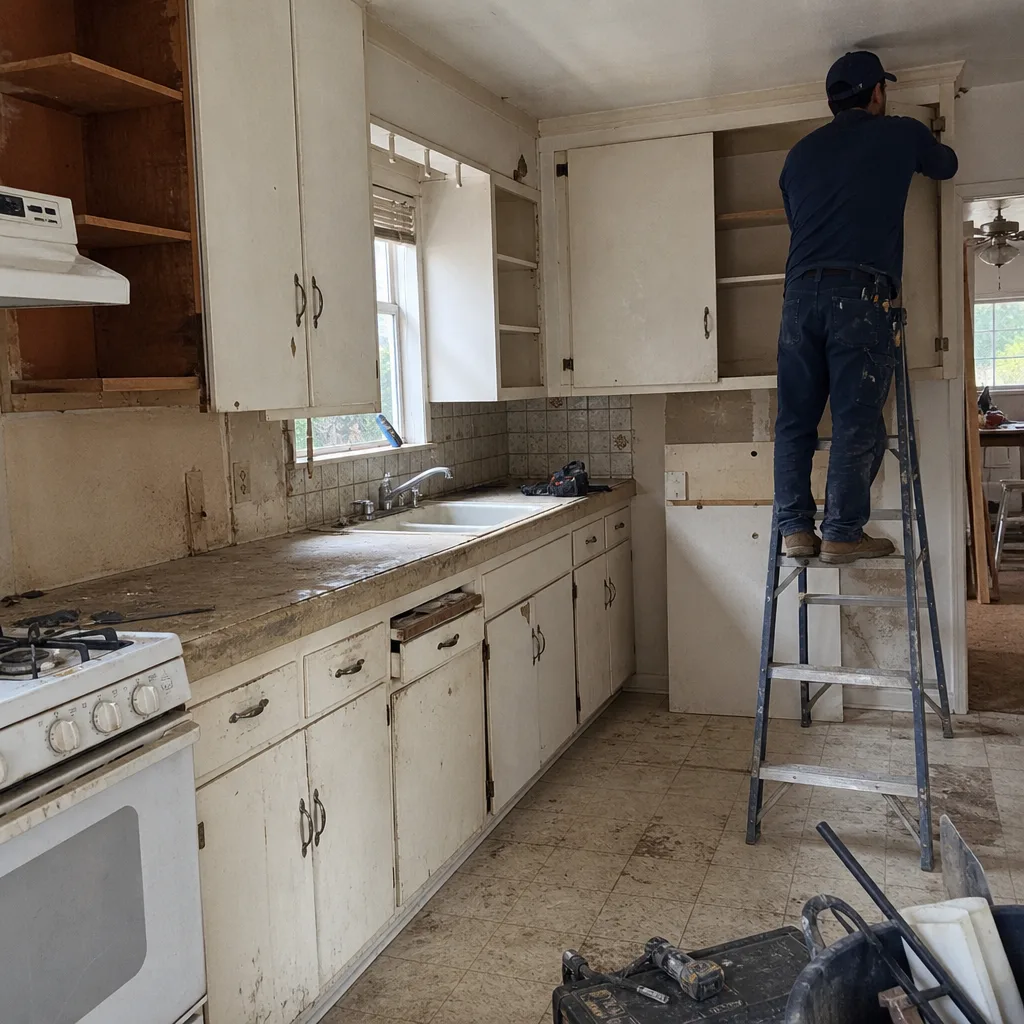
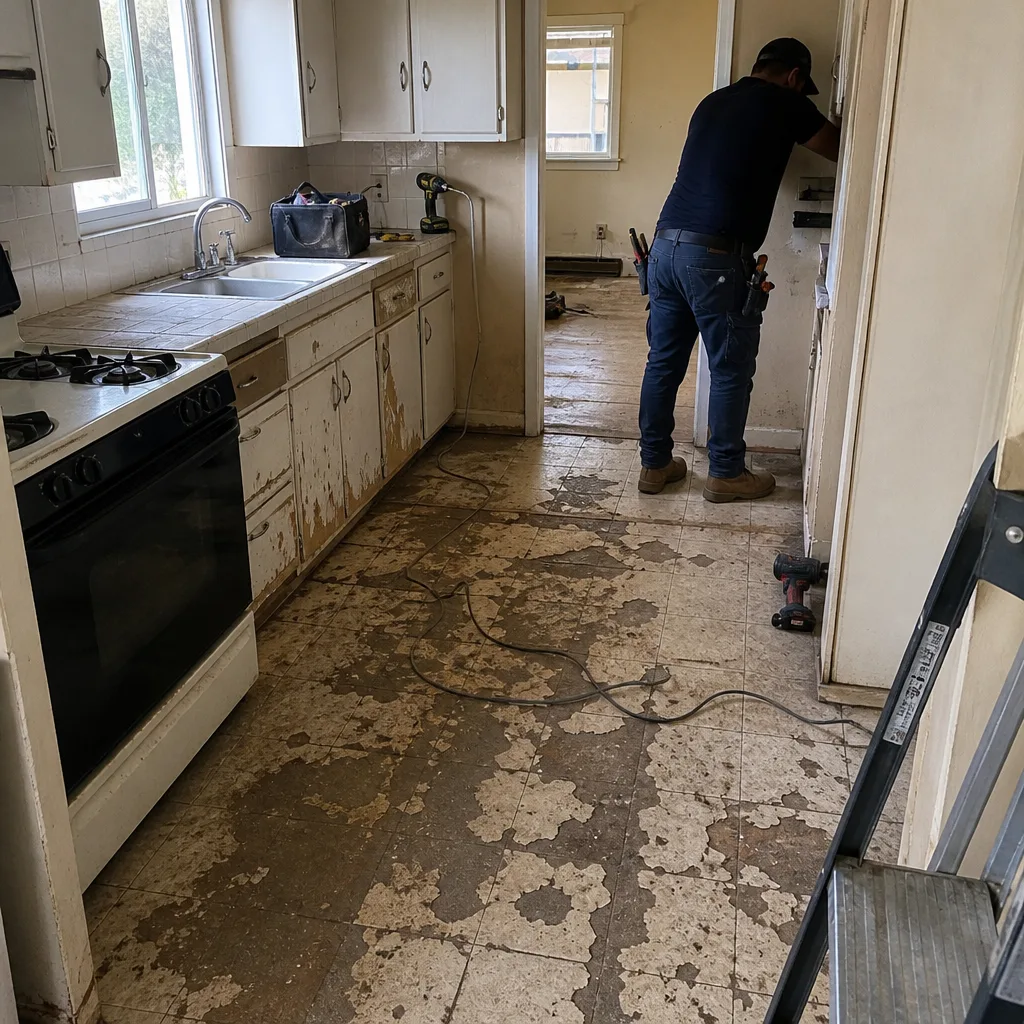 Before
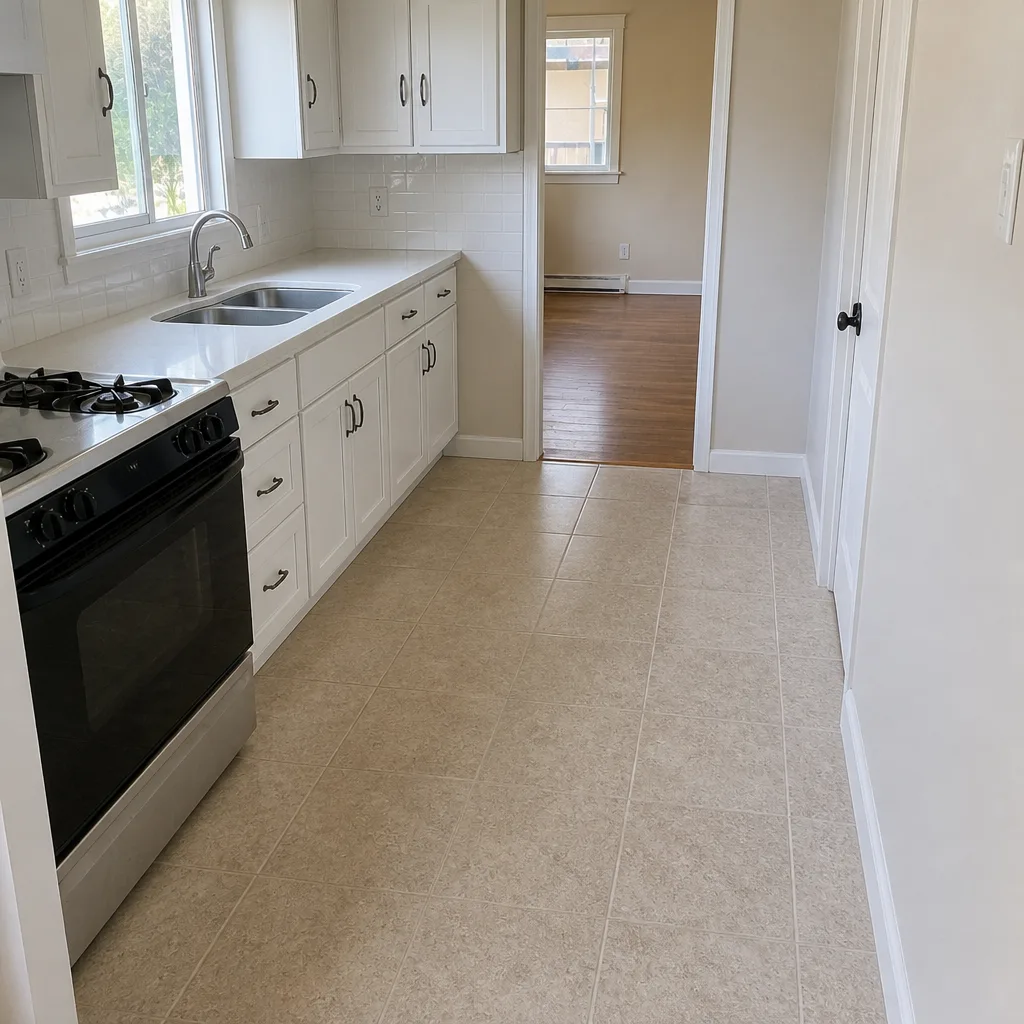 After
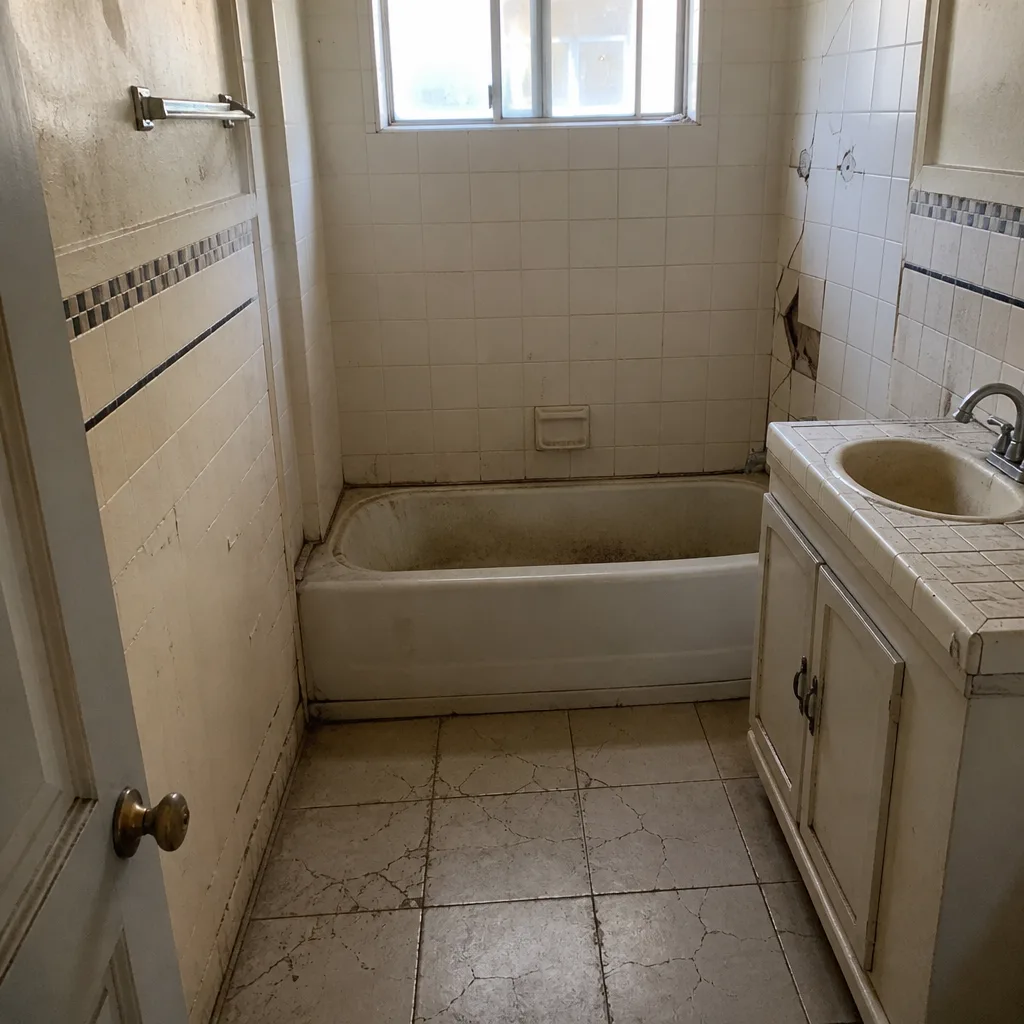
 Before
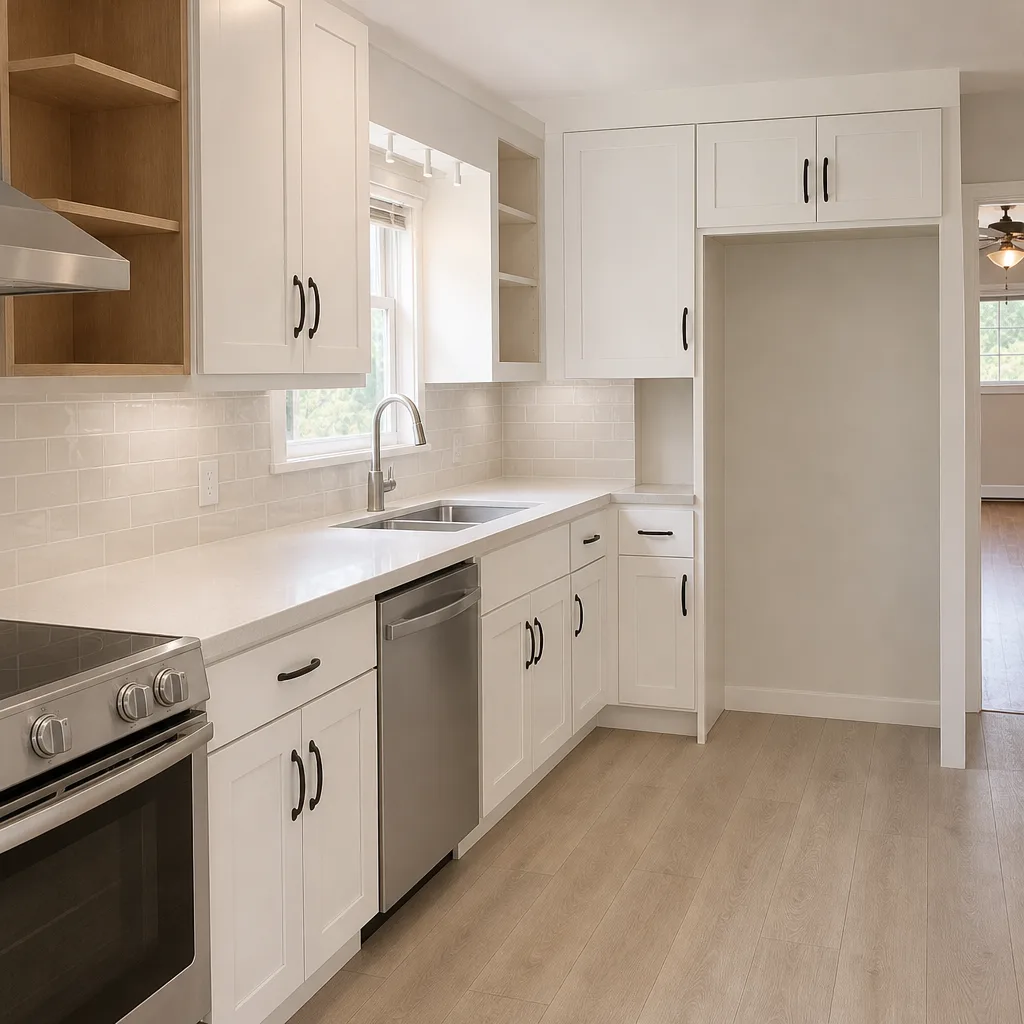 After
 Before
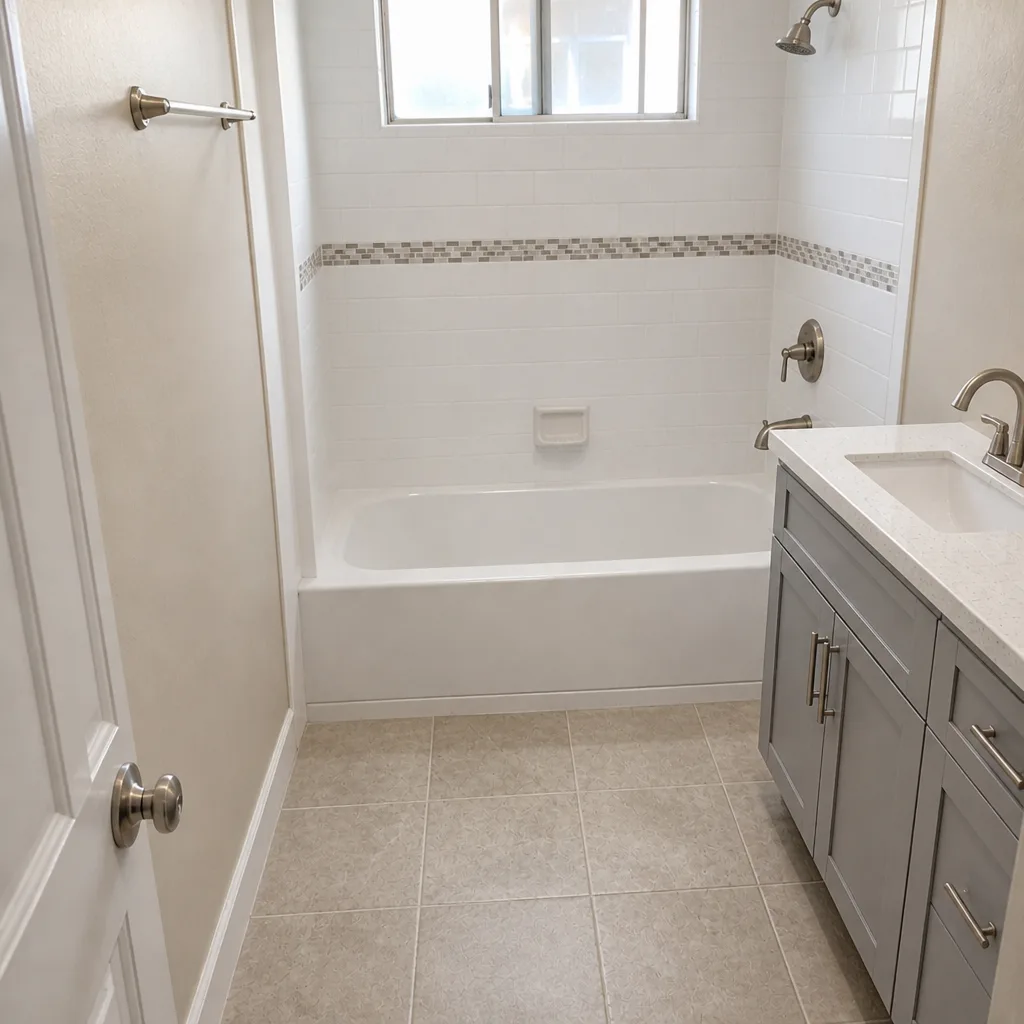 After
When to Call a Professional
Call a professional the moment you find a base void from the screwdriver test, an edge that’s lifting or unanchored, a crack that runs in a straight line across the drive, or water pooling anywhere near the garage door. Those are structural signs. This isn’t a job for a homeowner with a rubber mallet and a bag of sand, and it isn’t a job for the guy who knocked on the door. Steep grade failures and hillside drainage in Glendale need a proper base inspection and a plan. If you’ve already had one contractor quote a band-aid, get a second opinion on paper before you sign anything.
Barrett & Sons Construction Glendale offers free estimates in Glendale – call (844) 560-4526 to schedule yours. We publish our name, address, and license number, and every scope goes in writing before work starts.
Frequently Asked Questions
Almost always because base material under the pavers washed out or was never compacted well enough to hold the load. A screwdriver probe pushed into an open joint in the sunken area will tell you: if it goes deep before hitting resistance, you’ve got a void, and re-leveling the pavers won’t fix the underlying cause. Repairs that ignore the base fail again within two seasons. Call (844) 560-4526 for a free inspection if you want the exact cause diagnosed.
No, in most cases that’s efflorescence, which is a cosmetic salt film that wipes off with a stiff brush or a dilute white vinegar wash. It’s common on new pavers and after heavy rain. The one to watch for is rust-colored staining that won’t brush off, which usually means a steel edge or drainage piece is failing. If you see rust streaks, get it inspected. Call (844) 560-4526 to schedule a free estimate.
A spot repair in Glendale typically runs $400 to $1,200 depending on how many pavers have to come up, and a full edge replacement runs $12 to $25 per linear foot, plus re-bedding. A full re-do where the base has to be rebuilt is a different job entirely and prices accordingly. We put every line item in writing before work begins so nothing moves on you. Call (844) 560-4526 for a free written estimate.
Settlement is soil compacting slowly and lowering the whole assembly in an area. Washout is water carrying base material away and leaving a void the pavers fall into. Washout is deeper, more linear, and follows a water path. Settlement is usually shallow and broad. The screwdriver test tells you which one you have. Call (844) 560-4526 if you want a free diagnosis.
Glendale requires a permit for paver work that touches the public right-of-way, changes site drainage, or shares a property line. We pull every required permit and have the inspection signed before we call the job done. The permit inspector works for you, not for us. If a contractor tells you permits on a driveway job aren’t necessary, that’s a reason to look elsewhere. Call (844) 560-4526 for a free scope review.
Not without a written change order signed before the change happens. If we open the base and find worse material than quoted, you get a written change order with the specific scope, the specific price, and a chance to decide – not a surprise invoice at the end. Call (844) 560-4526 for an estimate that honors that standard.
Yes, if the pavers aren’t moving and the joints are sound. If any paver is shifting or the edge is lifting, don’t seal mask it, fix it first. Sealer over a moving field traps water and shortens the life of the surface. If you’re not sure which category you’re in, call (844) 560-4526 for a free second opinion on any written estimate you’ve received.
The Bottom Line
Nine out of ten paver driveway problems trace back to base prep, edge restraint, and drainage, not the pavers themselves. Diagnose before you repair: probe the base, inspect the edge, watch where the water goes, and read the crack patterns before you spend a dollar on the surface. In Glendale, the wet-dry swings and hillside grade make all three causes easy to spot if you know what to look for. Fix the cause and the symptom stays fixed. Fix the symptom and you’ll be calling somebody again next spring. The goal is to spend money once.
If you’re ready to get a real diagnosis on your driveway, Barrett & Sons Construction Glendale has been the owner-operated alternative in Glendale since day one – name on the truck, license number on the paperwork, and every scope in writing. We also install fences in Glendale if your repair work is part of a larger yard project, and we’re happy to look at both in one visit. Call (844) 560-4526 for a free estimate. Ask about our 90-Day Done Right Promise, our $40 Off Any Repair Over $200 standing offer, and the permanent 10% Senior & Veteran discount. A live person answers the phone around the clock, and we’ll give you a real answer on the first call.
Written by the team at Barrett & Sons Construction Glendale.