
Last updated November 17, 2026
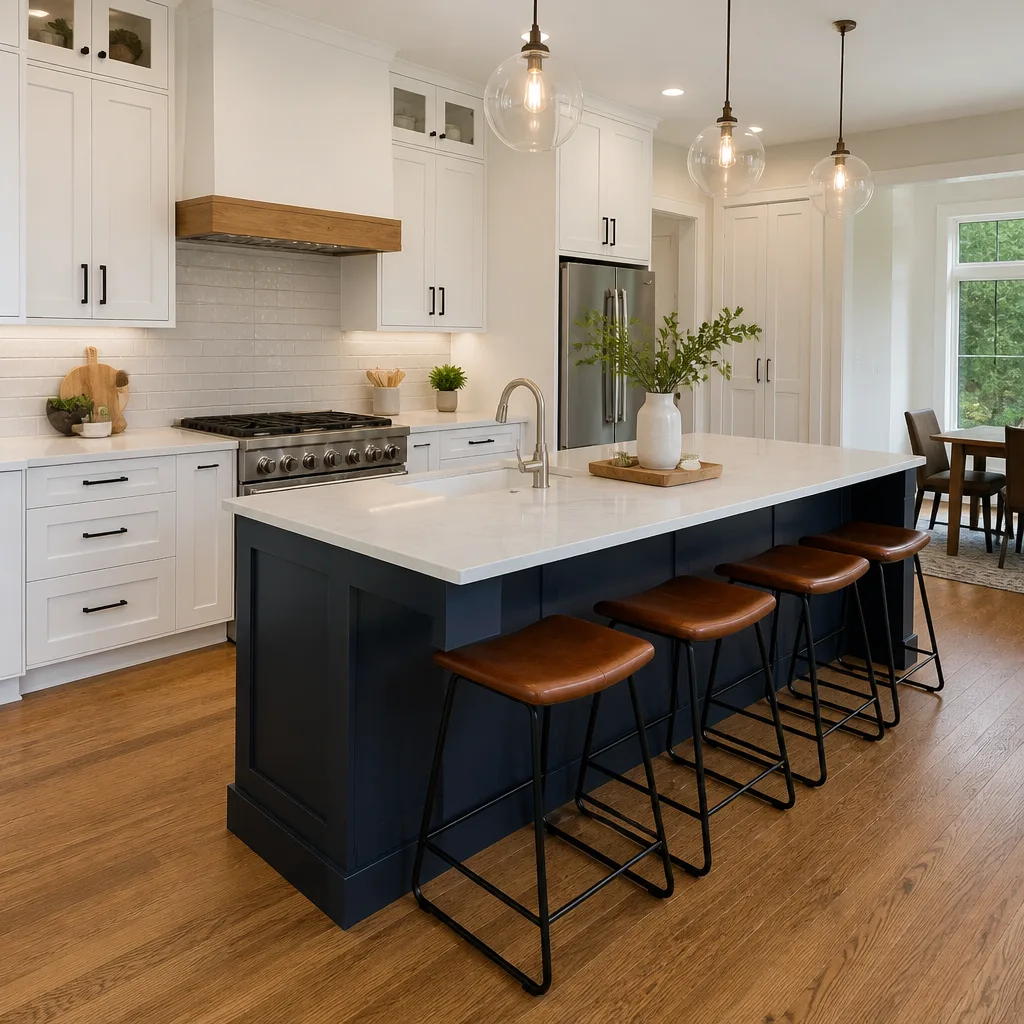 Kitchen remodeling
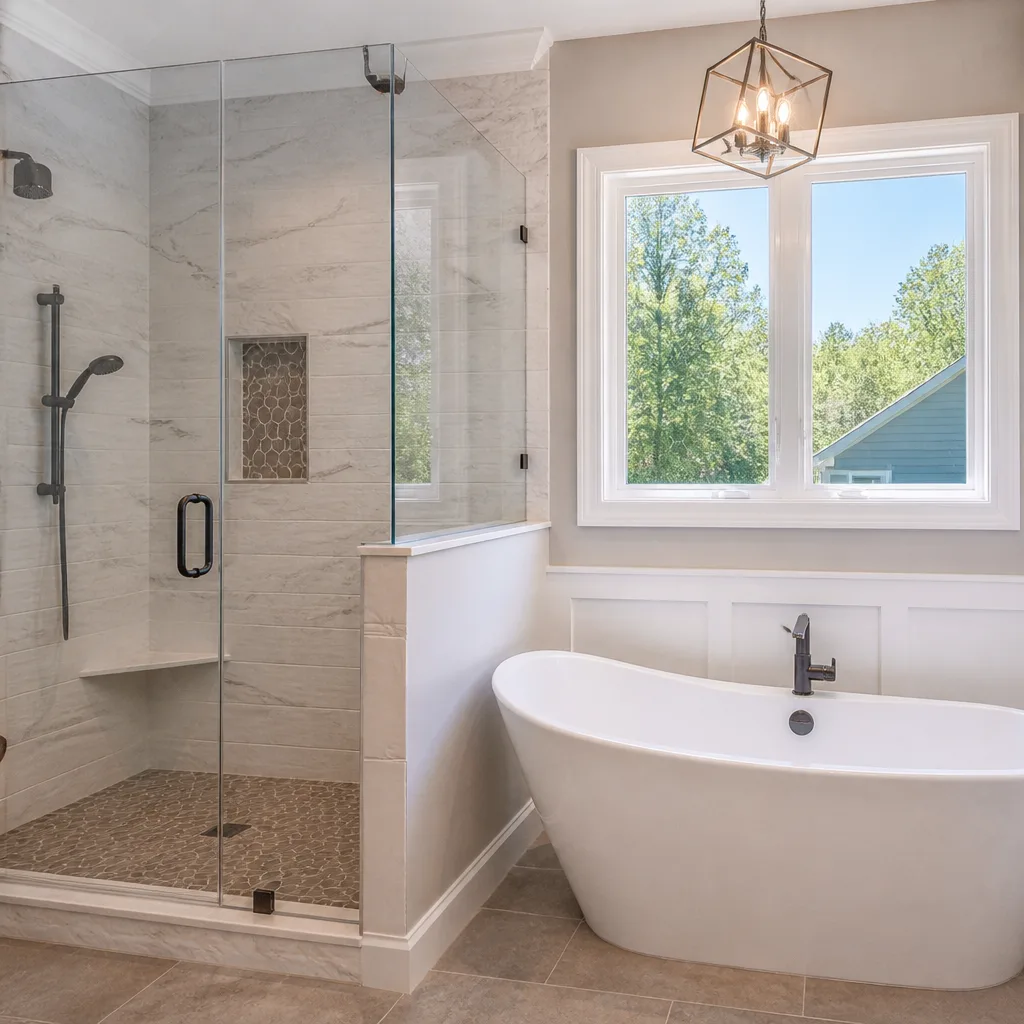 Bathroom remodeling
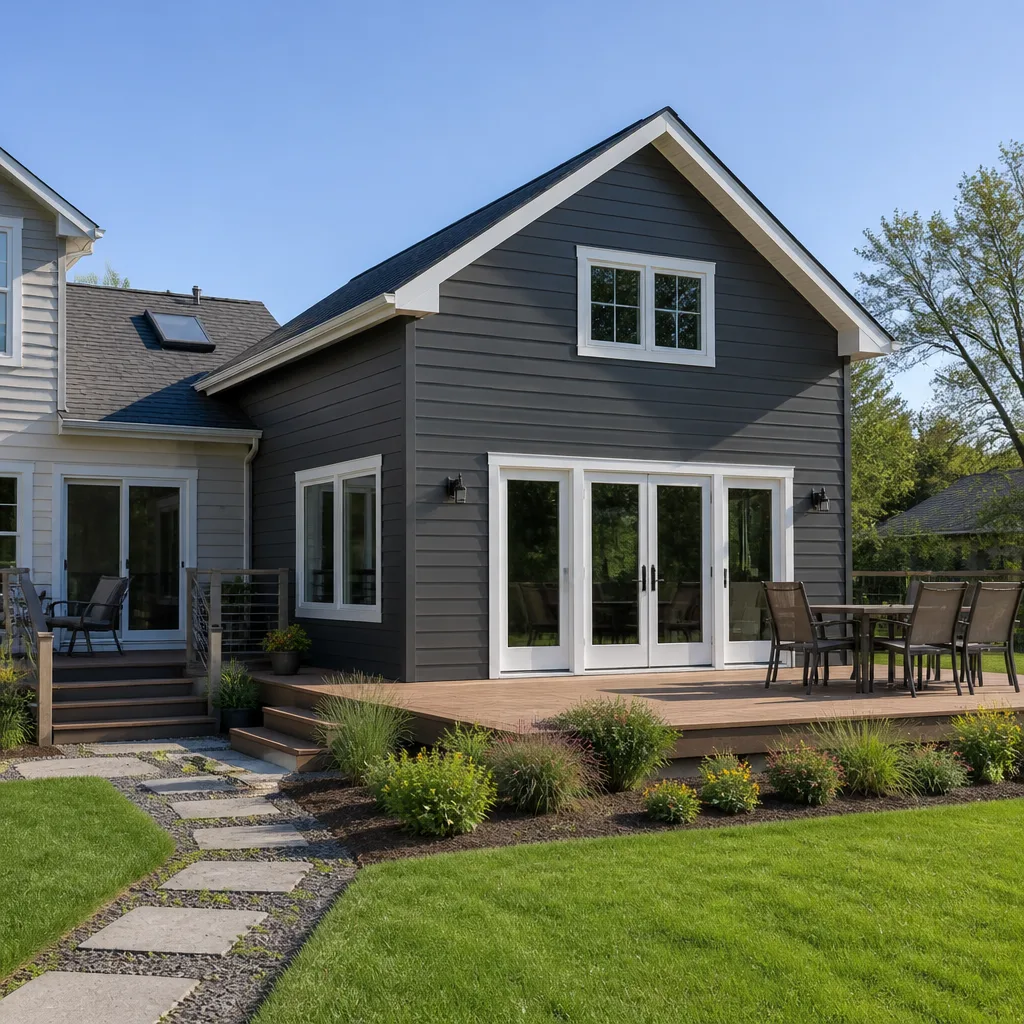 Home additions & ADU
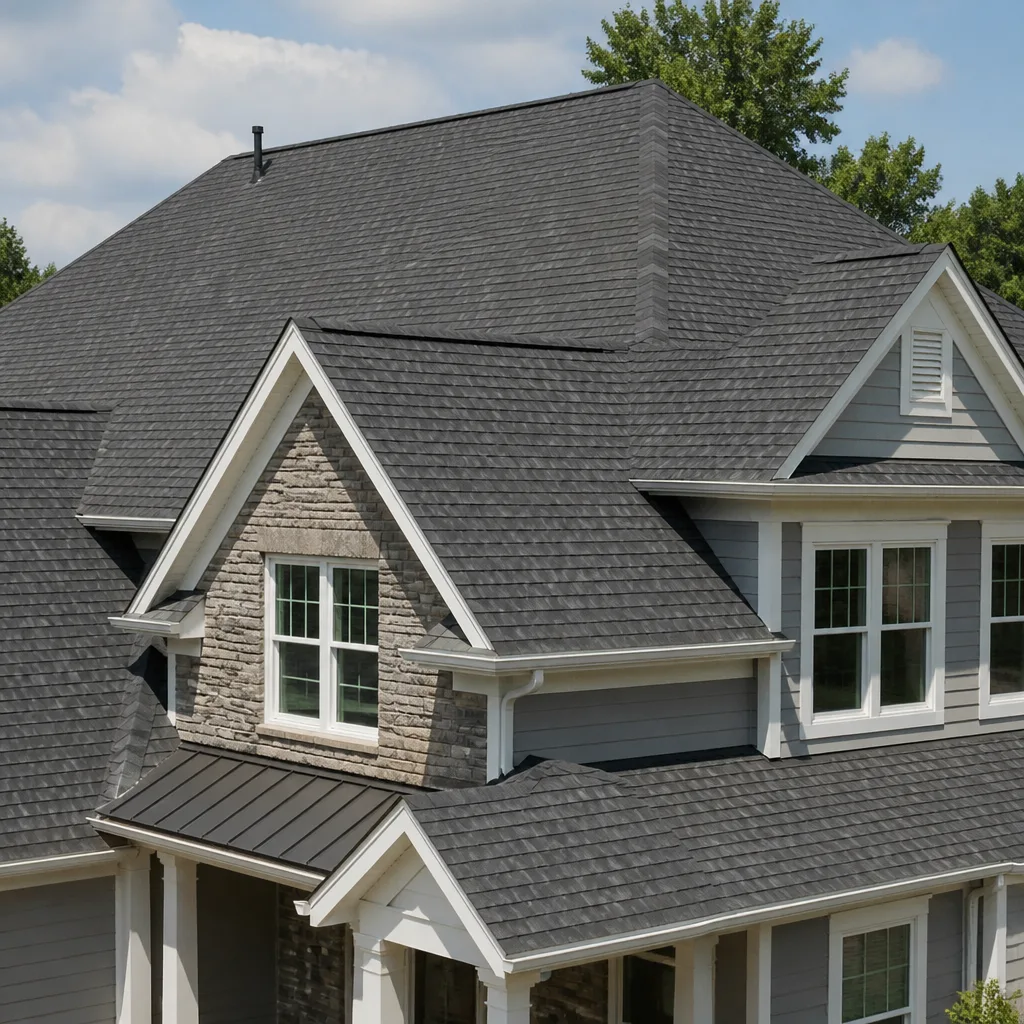 Roofing
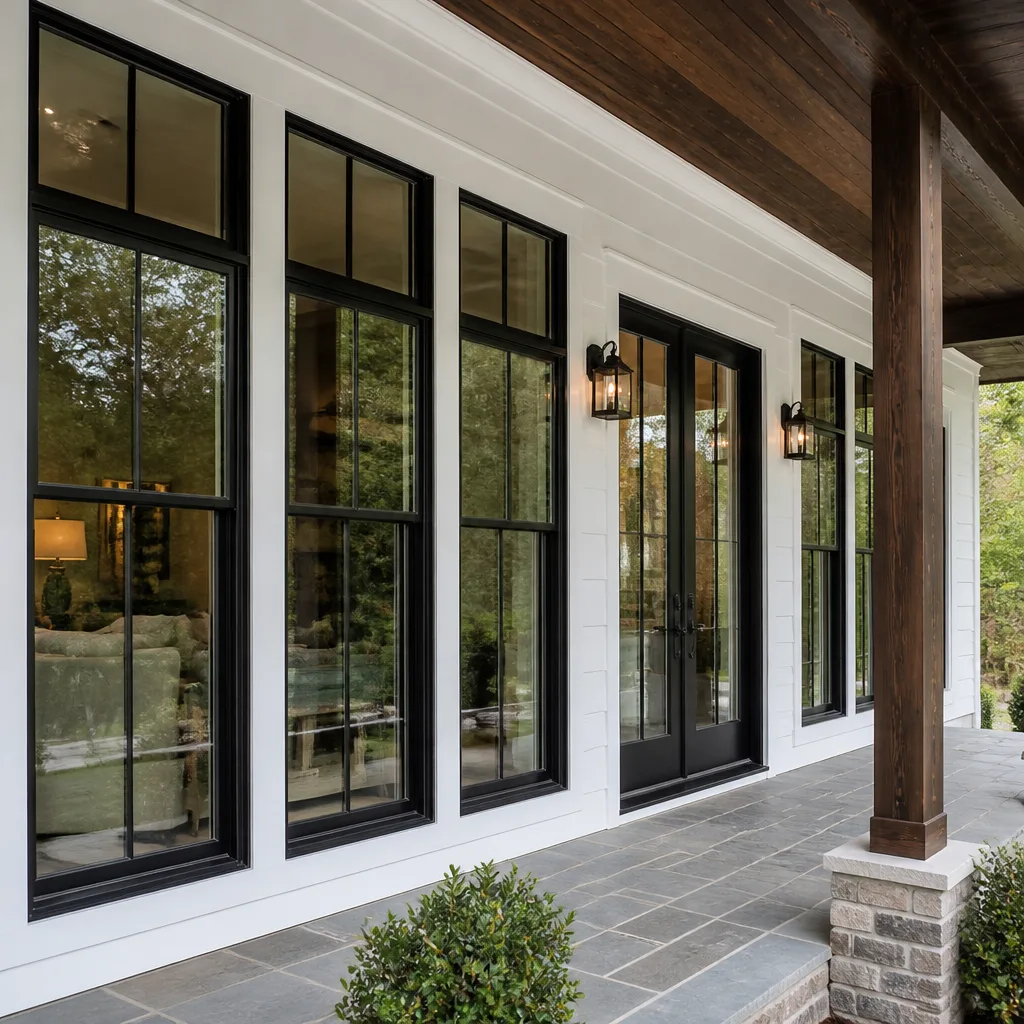 Windows & doors
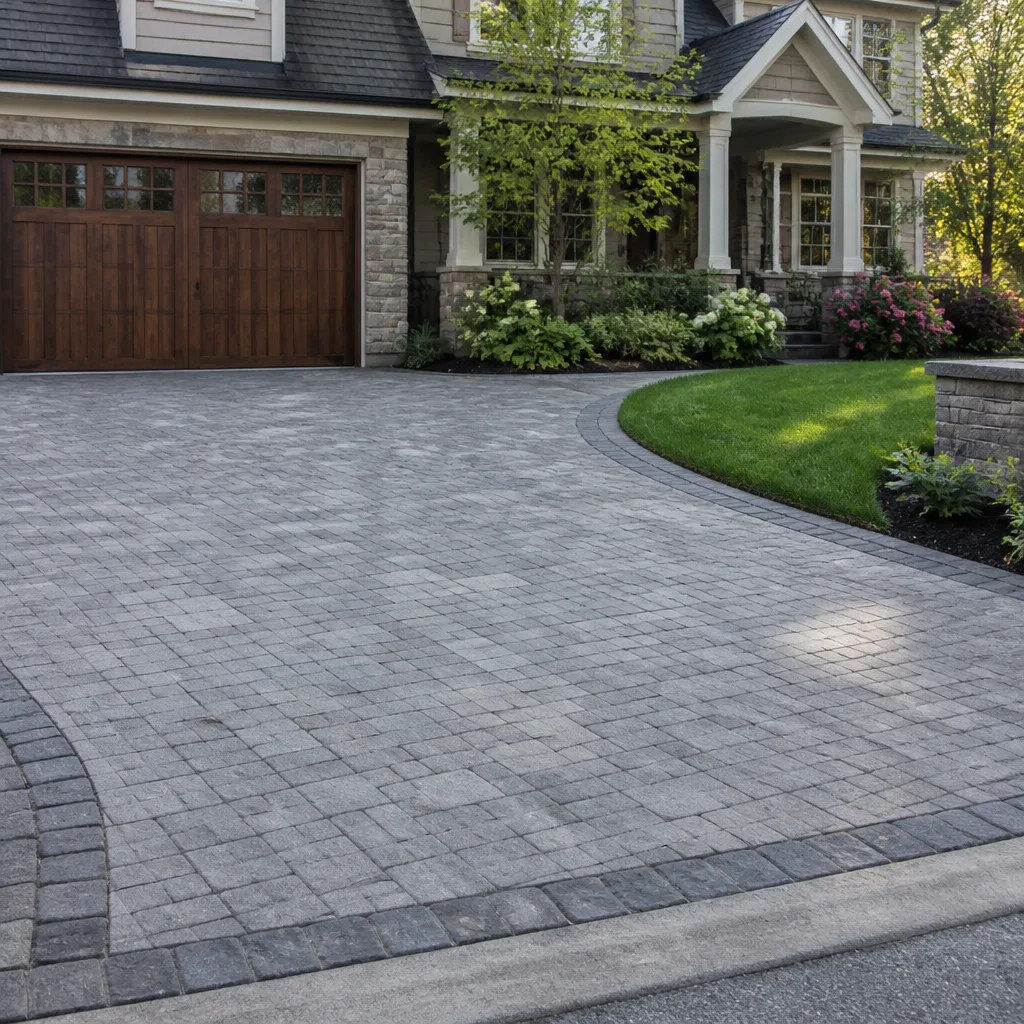 Driveway & pavers
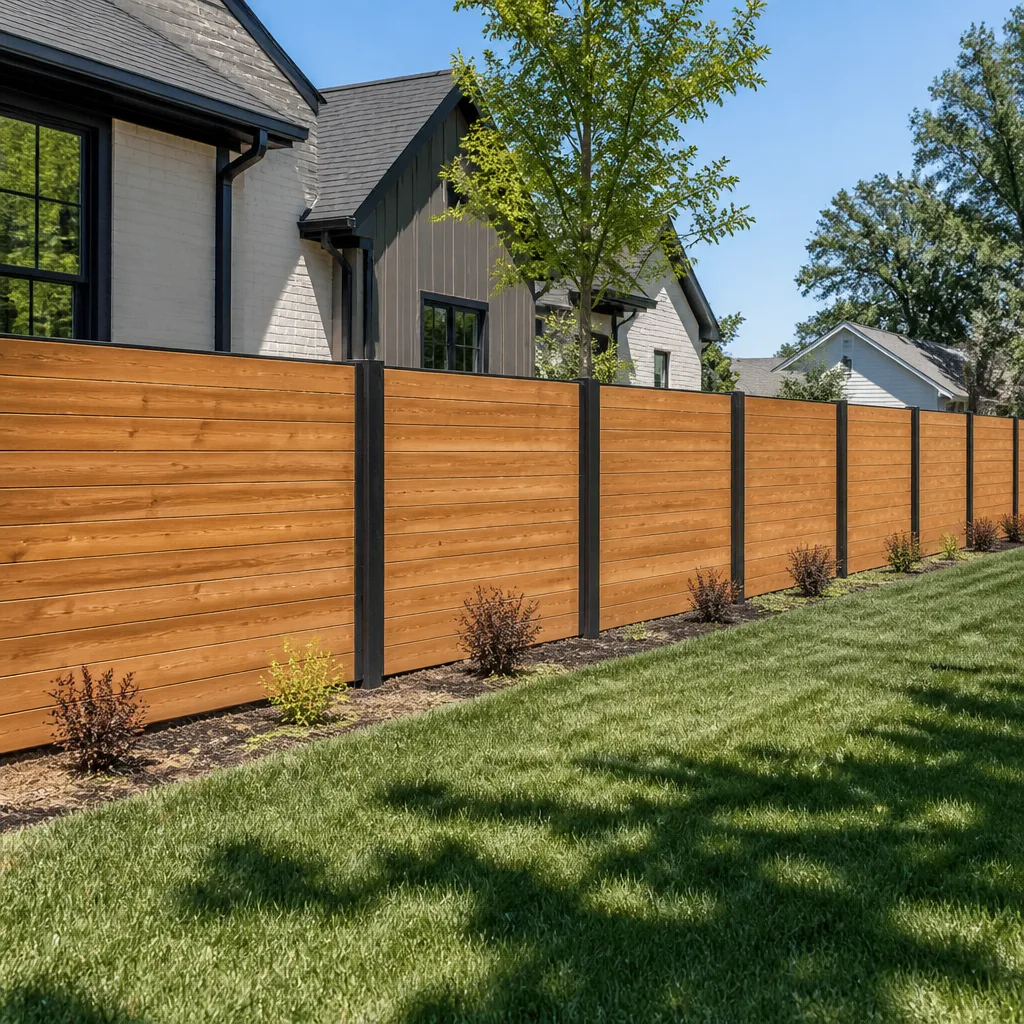 Fence
Free written scope consultation - allowances, timeline, and change-order rules on paper before a single trade is scheduled
Choosing the Right Construction Brand: A Buyer’s Guide for Glendale
A contractor who lets you choose the brand is showing you something. They’re confident enough in their work to let the material carry its own warranty, independent of their labor. The one who steers you away from brand names and says “we’ll use our standard stuff” usually has a margin reason, not a performance reason. That tell matters more in Glendale than in most places, because the same house has to handle 90-degree August afternoons, occasional Santa Ana wind events pushing grit against every exterior surface, and a winter rainy season that tests every roof seam and hardscape joint you own. This guide walks through how brand specification actually maps to contractor accountability, where the builder-grade-versus-premium gap is real in Glendale’s climate, and how to put brand language in writing so it survives the contract.
Quick Answer
The right construction brand in Glendale is the one whose warranty is documented, whose installation is specified in writing, and whose manufacturer recognizes your contractor as an authorized installer. Premium brands matter most on roofing, windows, and hardscape sealers, where Glendale’s UV load and winter rain push builder-grade materials to their failure point faster than in milder climates. Ask for the brand, the model line, and the written installation spec before you sign anything.
Styles & brands we work with
- Kitchen remodeling
- Bathroom remodeling
- Home additions & ADU
- Roofing
- Windows & doors
- Driveway & pavers
- Fence
Table of Contents
- What Brand Specification Really Signals About a Contractor
- Why Glendale’s Climate Changes the Brand Question
- Reading Material Warranties Alongside Contractor Warranties
- Where the Builder-Grade vs. Premium Gap Is Real in Glendale
- What “Approved Installer” Status Means and How to Verify It
- Putting Brand Language in Writing Before You Sign
- Reading a Contractor’s Brand Relationships as a Quality Proxy
- Common Mistakes to Avoid
What Brand Specification Really Signals About a Contractor
When a contractor names a specific brand and a specific model line in the estimate, several things get locked in at once. The material has a paper trail you can look up yourself. The manufacturer publishes performance specs that a third party can verify. And the contractor has, by writing it down, agreed to install that exact product rather than whatever is on the shelf that week. That’s the real signal: not the brand itself, but the willingness to commit to it in writing.
The opposite is what burned most homeowners in Glendale before they started asking these questions. “Premium shingles” on a proposal means nothing. “GAF Timberline HDZ” means something. “Top-quality windows” is a marketing phrase. “Andersen 100 Series with Low-E4 glass” is a manufacturing fact with published U-values and a documented warranty. We’ve seen far more disputes come out of vague language than out of brand disagreement.
There’s a second layer worth understanding. A contractor with working brand relationships has had to pass through a vetting process of their own. Some require nothing more than signing up. Others require insurance verification, installation training, and a track record of completed jobs before they’ll issue a certified installer number. A contractor carrying those credentials has accepted scrutiny the average unlicensed operator would refuse.
- Named brand + model line in writing – the material is verifiable and the contractor is committed.
- Named brand only – better than nothing, but substitute lines within the same brand can vary widely in quality.
- “Premium,” “top-grade,” “quality” – no commitment, no paper trail, no protection.
- Contractor-house brand – sometimes excellent, sometimes below builder-grade. Ask for the spec sheet.
Why Glendale’s Climate Changes the Brand Question
Material performance questions are always climate questions. In Glendale proper, homes in neighborhoods like Rossmoyne and Verdugo Woodlands sit on the higher side of the valley floor, catching more direct afternoon sun and more of the Santa Ana wind corridor than the neighborhoods closer to the Verdugo foothills’ shadow. That matters for roofing, sealer, and window film life.
Builder-grade asphalt shingles that hold up fine on a shadier property in a milder climate can fail at the adhesion line in six to eight years on a west-facing Glendale roof. Factory sealant on builder-grade windows often outlasts its warranty, but UV exposure through south-facing glazing in Glendale accelerates the seal fatigue that shows up as condensation inside the pane. And hardscape sealers, the ones sold to homeowners at big box stores, typically need reapplication every 18 to 24 months in Glendale versus the three to five years promised on the can.
Aged housing stock adds a second variable. Much of Glendale’s residential core was built between 1920 and 1965. Roof decking on those homes is often 1×6 skip sheathing rather than modern plywood. A roofing brand specified for new construction sometimes has a nailing pattern that doesn’t match old decking. Any contractor recommending a premium shingle on a 1940s Glendale roof should be able to tell you how they’ll handle the decking transition, in writing, before work starts. If they can’t, the brand choice is premature.
Reading Material Warranties Alongside Contractor Warranties
Two warranties exist on every job, and they don’t cover the same thing. The material warranty covers the material itself. The contractor warranty covers the labor and installation. A premium product warranty is only useful if the installation was documented correctly, because most manufacturers deny claims when they can’t verify the installing contractor followed the published spec.
Here’s how a warranty claim typically gets denied in Glendale. The homeowner calls the manufacturer about a leak. The manufacturer asks for the installation certificate. The contractor never filed it, or the fastener schedule was off, or the underlayment brand doesn’t match what the manufacturer requires for that shingle line. The claim is voided. The homeowner is now paying out of pocket for a repair on a product they paid a premium for.
- Read both warranty documents before signing. Material warranty and contractor warranty are separate. Ask for both on paper.
- Confirm the installation certificate will be filed. Ask the contractor who files it, when, and whether you’ll receive a copy.
- Check coverage length against your realistic ownership window. A 50-year shingle warranty rarely helps a homeowner who plans to sell in ten years. The labor warranty matters more in that period.
- Confirm what voids coverage. Most material warranties void on installation errors, not on material defects. A strong contractor warranty is your backstop when the material warranty doesn’t apply.
- Get the contractor warranty in writing on the contract. Verbal promises don’t survive a change of ownership or a Google search three years later.
That backstop is exactly the reasoning behind our 90-Day Done Right Promise, which is written onto every contract rather than buried in fine print. If something’s wrong in the first 90 days, one call brings us back. That’s shorter than most material warranties, and that’s the point. The material warranty only has value when the installation was done right, and the labor warranty is what enforces that.
Where the Builder-Grade vs. Premium Gap Is Real in Glendale
Premium materials aren’t worth the upcharge in every category. In some, the performance difference is real and measurable. In others, it’s mostly cosmetic. Here’s where the gap actually shows up in Glendale.
Roofing
This is the category with the largest real-world performance gap in Glendale. Premium architectural shingles from manufacturers like GAF and CertainTeed carry thicker mats, higher wind ratings, and more durable granules than builder-grade three-tab. On a west-facing Glendale roof taking Santa Ana wind and full afternoon sun, the difference in service life is measured in years, not months. The gap is real here.
Windows
Builder-grade vinyl windows in Glendale often fail at the seal, not the frame. Premium window lines like Andersen or Marvin use better gasket systems and more durable low-E coatings that handle UV exposure. The energy performance gap is real; the aesthetic gap depends on the home. On a 1920s Glendale bungalow, premium wood-clad windows also affect resale perception in ways a builder-grade vinyl unit won’t.
Hardscape Sealers
This is the category most homeowners underestimate. Glendale’s paver driveways and patios, especially unshaded west-facing surfaces, take punishing UV and traffic. Builder-grade sealers typically need reapplication every 18 to 24 months. Premium penetrating sealers often give three to five. Over a fifteen-year ownership window, the premium sealer more than pays for itself in reapplication labor. We work with Belgard and Techo-Bloc on the paver side and specify a matching sealer for each; that pairing matters more than the paver brand by itself.
Fencing and Doors
Fence line and entry doors have more manufacturer variation than most categories. Barrette makes premium aluminum fencing that’s worth specifying when the run is long and boundary lines are old, because the pickets and posts are engineered for wind load. Therma-Tru and Mr-Glass are worth asking about on entry door and glazing specs. On interior hardscape and fencing, brand matters in the same way: verification, not comfort.
The brand list we carry is deep, and it’s intentional. It’s not because we think the brand does the work; it’s because the brand has to be accountable for the material, and we’re accountable for the install. Driveway and pavers in Glendale is one place where that pairing shows up in every quote.
What “Approved Installer” Status Means and How to Verify It
Manufacturer-approved installer status, sometimes called certified installer or certified applicator, means the contractor has passed a manufacturer’s vetting process: insurance verification, installation training, sometimes a skills test, and a track record of completed jobs. Not every manufacturer requires all of these. Some sell the badge for a marketing fee. That’s why verification matters.
Here’s how to verify a contractor’s installer status in Glendale in about ten minutes.
- Ask for the installer number. Most manufacturer programs issue a unique installer ID or an approval number. If they can’t produce one, they probably aren’t enrolled.
- Look up the installer on the manufacturer’s website. GAF, CertainTeed, Andersen, and most premium manufacturers have a “Find an Installer” tool that lets you search by ZIP code. If your contractor isn’t listed, ask why.
- Confirm the program level. Many manufacturers have multiple tiers: a basic “registered” program, a certified program, and a top-tier master program. Ask which tier your contractor actually holds. The warranty terms differ.
- Check the state license independently. In California, that’s the CSLB lookup tool. Installer status on the manufacturer side and licensing on the state side are separate checks, and you want both.
- Ask what the installer status requires them to do. Some programs mandate a specific installation method and require the contractor to file installation certificates. Others don’t. Ask before you assume.
For your Glendale home, the practical answer is that installer status only matters if the contractor is actually in the program and the warranty requirements are actually being followed. A badge on a website is not verification. A searchable installer number is.
Putting Brand Language in Writing Before You Sign
The single most common problem we see in Glendale is brand substitution mid-project. The bid specifies one brand. The delivered material is another. The contractor says the spec is equivalent and the price is unchanged. The homeowner finds out weeks later that the “equivalent” product is not equivalent, and there’s no contractual language to enforce the original spec.
Here’s the language that prevents that. Every estimate we write includes brand, model line, and where applicable the specific SKU or part number for every material the homeowner will see on the finished job. When there are allowances (for something like custom cabinetry or stone selection), the allowance amount is written into the contract with a defined scope. An allowance that isn’t on paper is a surprise waiting for a date.
The substitution clause is what actually protects you. It should read something like this on the contract: “Any substitution of the specified material must be approved in writing by the homeowner before installation. Approved substitutions must be accompanied by a written change order documenting the brand, model, and price adjustment.” If the contract you’re signing doesn’t contain language like that, ask for it. A contractor who won’t put it in writing is telling you something about how they handle substitutions.
- Brand and model line on every material line item. Not just roofing, but underlayment, flashing, sealant, and fasteners.
- Installation spec referenced by manufacturer document number. So the warranty claim has a paper trail.
- Written change order required for any substitution. No verbal approvals, no “we’ll take care of it.”
- Photo documentation of the installation. Especially on concealed materials like underlayment and house wrap. Ask for it before the drywall goes up.
This is the same principle that runs through permits and inspections in Glendale. The permit inspector works for you, not for me. That’s why I like him. He checks the same things the material warranty depends on: the underlayment type, the fastener spacing, the installation sequence. A permit and an inspection signature are two more pieces of documentation that backstop the material warranty.
Reading a Contractor’s Brand Relationships as a Quality Proxy
A contractor’s brand relationships are a leading indicator of their quality standard, and it’s simpler than it looks. Premium brand relationships take time to build. A contractor who’s been through multiple manufacturer programs, kept them current, and worked through the warranty claim process enough times to know which brands stand behind their installers has, by that activity alone, demonstrated a quality standard that runs deeper than a marketing brochure.
The flip side is more telling. A contractor with no brand relationships and no installer status on the material side is running purely on their own word. Sometimes that’s fine, and especially on smaller repairs it doesn’t matter. But on a roof, a window replacement, or a full kitchen or bathroom remodel, the material is half the job. When something goes wrong at year eight, you want a manufacturer willing to stand behind the product because their records show the contractor did the install right.
We carry premium brands across every trade we touch, not because we think any one brand is universally best, but because we’re specifying material we can look up and stand behind. KraftMaid and Cambria in kitchens. GAF and CertainTeed on roofs. Andersen and Marvin on windows. Belgard and Techo-Bloc on hardscape. Barrett & Sons Construction Glendale puts those brand relationships on the estimate line by line, and asks the same standard of the material we install that we ask of our own crews.
The brand story you want a contractor to tell you, in the end, is not “we use the best brands.” It’s “here is the brand, here is the model, here is the warranty document, here is the installation spec, and here is the number you call if the manufacturer denies the claim.” The rest is marketing. The other pages in this guide – fence installation in Glendale, home additions and ADUs in Glendale – follow the same rule. The brand is on the estimate; the accountability is on us.
Common Mistakes to Avoid
- Accepting “premium” as a brand name. A proposal that says “premium shingles” or “high-quality windows” is telling you nothing. Insist on the manufacturer and the model line before you sign. In Glendale, the difference between two product lines from the same manufacturer can be three to five years of service life.
- Skipping the installer verification. An installer badge on a website isn’t verification. Look up the contractor on the manufacturer’s site and confirm the installer number. If they’re not listed, the warranty may still be valid but your claim pathway is much weaker.
- Not asking for the material warranty document up front. The warranty document tells you what voids coverage, what the claim window is, and how to reach the manufacturer. If the contractor can’t produce it before you sign, they may not know the coverage themselves.
- Accepting a substitution “of equal quality.” There’s no industry standard for “equal quality.” A substitution without a written change order is a change you didn’t agree to, priced at a number you didn’t negotiate.
- Overlooking the sealer on West-facing Glendale hardscape. Homeowners spend on premium pavers and skip the sealer, then reapply builder-grade product every 18 months because the surface takes so much UV. Specify the sealer with the same care as the paver.
- Letting an old house exist outside the brand decision. A 1940s Glendale home has decking and framing that affect which premium materials will actually perform. A contractor who specifies brand before looking at the substrate is guessing.
- Never reading the contractor warranty. The 90-day labor warranty matters more than the 50-year material warranty for the first three years after install. Ask for both documents, read both, and don’t sign until you understand which one covers what.
See the difference
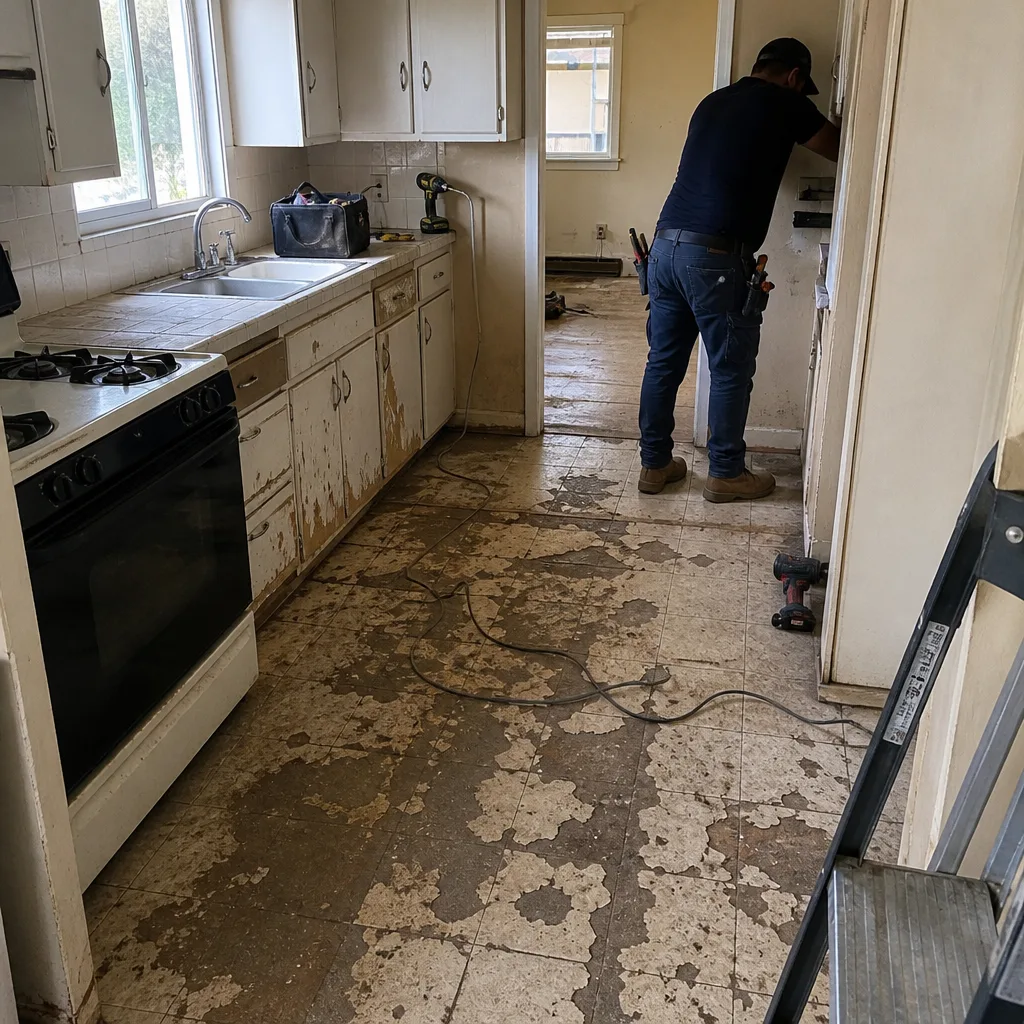 Before
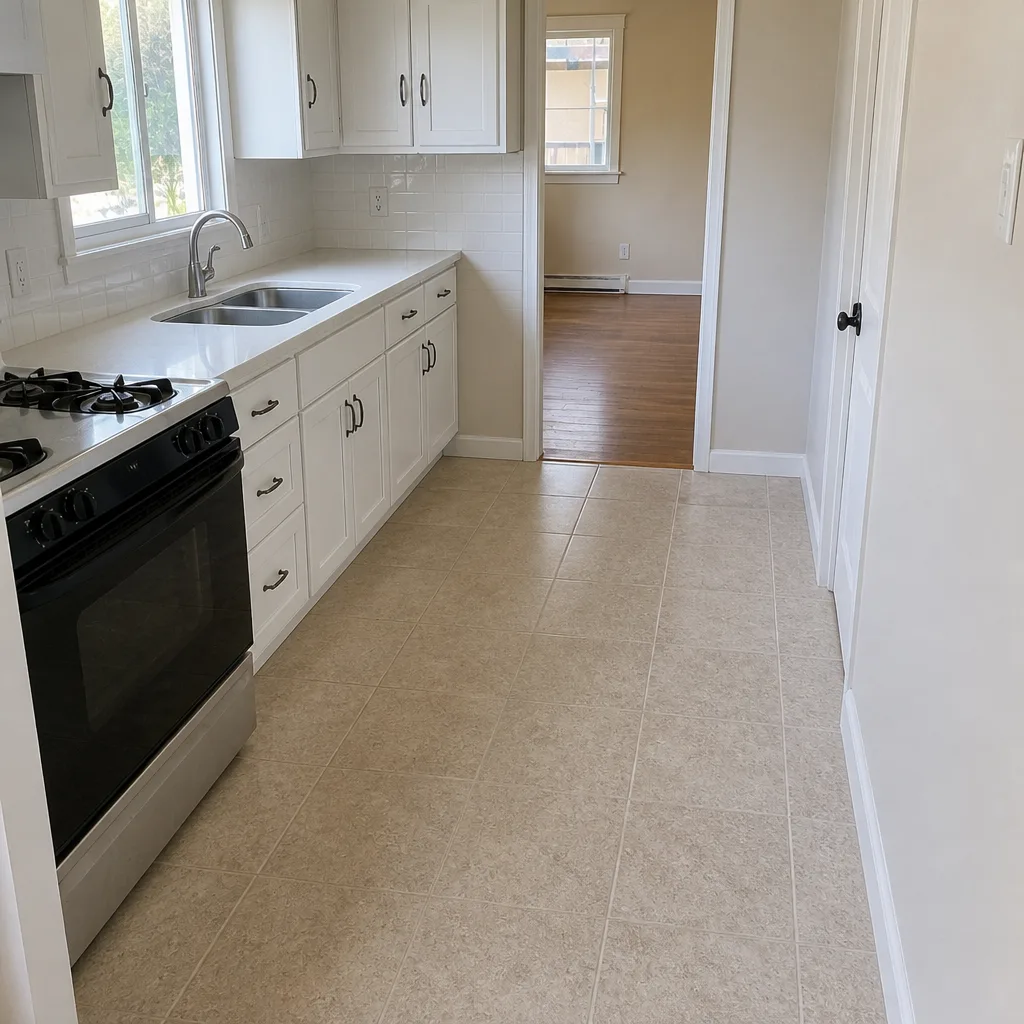 After
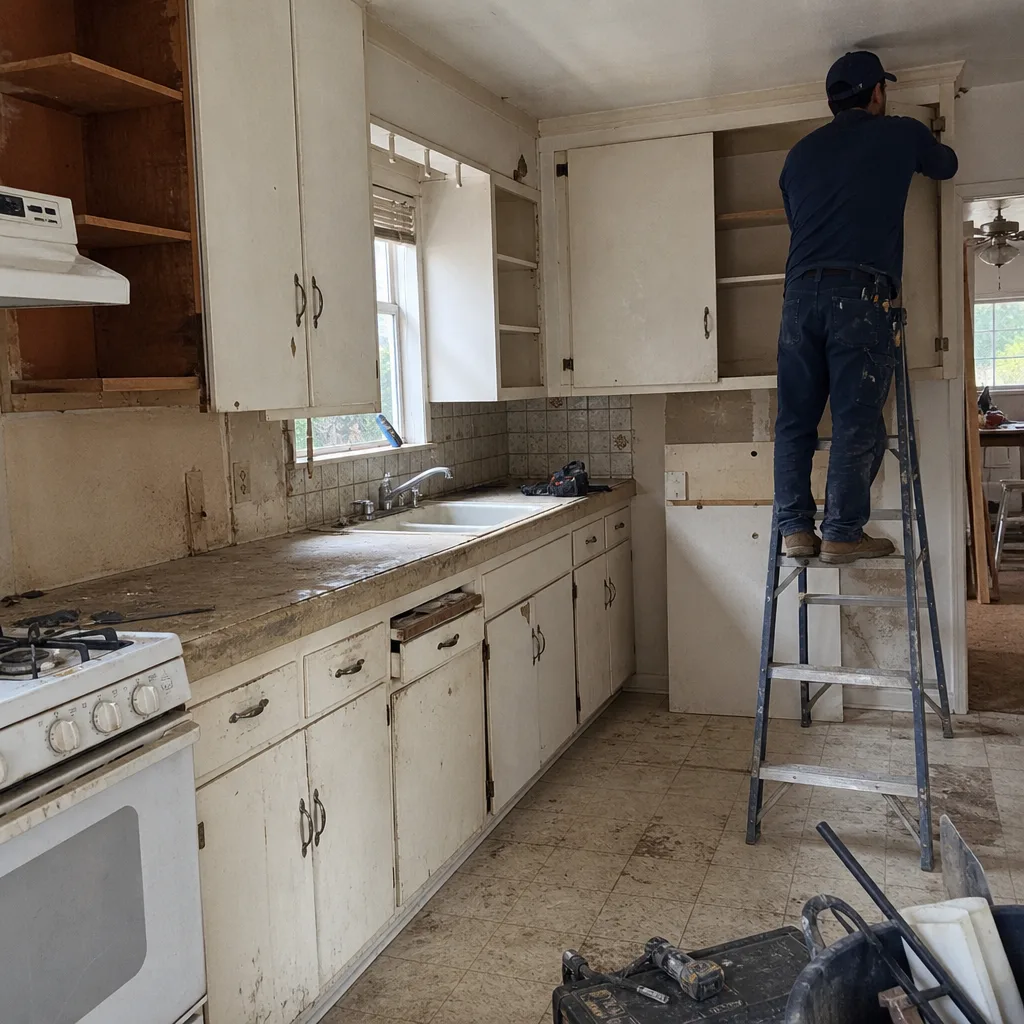 Before
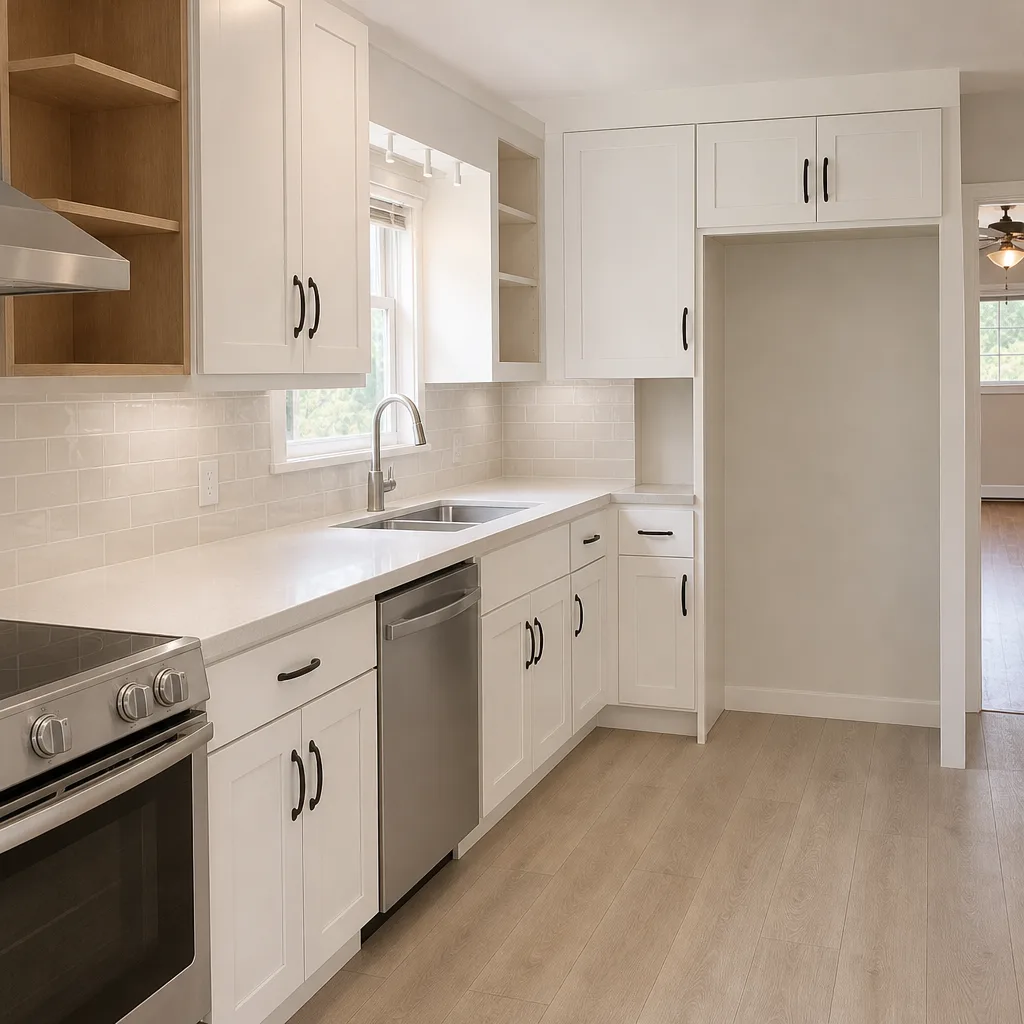 After
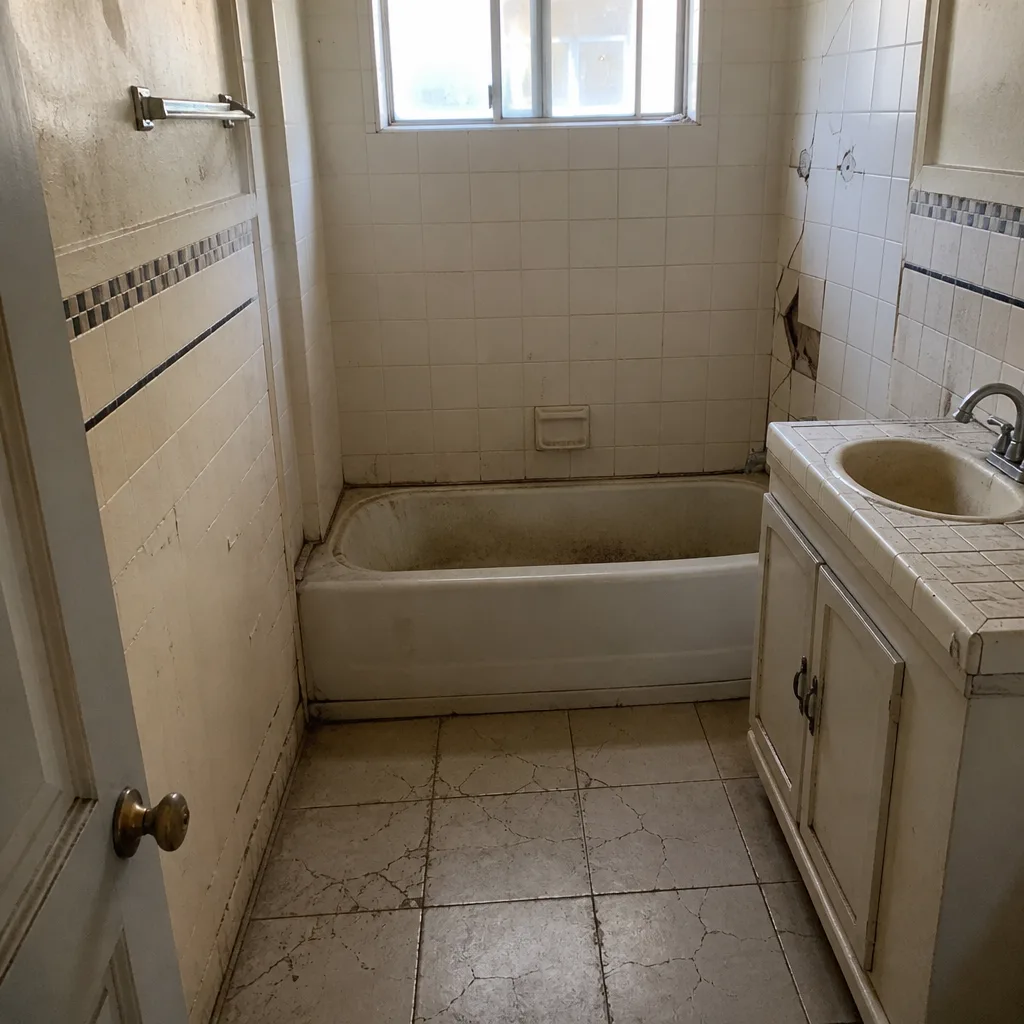 Before
 After
When to Call a Professional
Some of what this guide covers – brand verification, warranty paperwork, installer lookup – you can do yourself, and you should. But when the job involves torn-off roofing, window replacement, gas connections, electrical panels, or structural work on a Glendale home of unknown age, the brand question gets answered by the professional who specifies the installation. Get at least two written estimates. Ask for brand and model on every material line. Ask for the installer number. Ask for the material warranty document. A contractor who can answer all four questions cleanly is the one you want. Barrett & Sons Construction Glendale offers free estimates in Glendale and a free second opinion on any written estimate you already have. Call (844) 560-4526 to schedule.
Frequently Asked Questions
There’s no single best brand across every category, but the highest-performing categories for Glendale’s climate are well documented. GAF and CertainTeed on roofing, Andersen and Marvin on windows, and Belgard and Techo-Bloc on hardscape with a matching premium sealer are the brands most often worth the upcharge in Glendale’s UV load and winter rain. Call (844) 560-4526 for an exact quote on your specific project – estimates are free.
Ask for the installer number, then search for the contractor on the manufacturer’s “Find an Installer” tool by ZIP code. Confirm which tier of the program they hold, and cross-check the CSLB license lookup separately. If they can’t produce an installer number, they probably aren’t enrolled. Call (844) 560-4526 for a free second opinion on any written estimate – we’ll walk through the brand and installer status together.
Not if the brand is on the contract before work begins and the contract requires a written change order for any substitution. That’s the protection: any scope or brand change is documented and priced before a single nail moves. If your contractor’s contract doesn’t have substitution language, ask for it in writing before you sign. Call (844) 560-4526 for an exact quote on your Glendale project.
Usually not. Most material warranties deny claims when the manufacturer can’t verify the installing contractor followed the published spec. That’s why you want the installation certificate filed and a copy in your records. The labor warranty is your backstop when the material warranty doesn’t apply. Call (844) 560-4526 for a walkthrough of both warranties on any project we quote.
They matter differently. On newer Glendale homes, the original materials are usually still within their performance window, so the next job is often an upgrade or a repair rather than a fresh install. Brand relationships still matter because the same verification questions apply: is the installer certified, is the warranty documented, is the substitution clause in the contract. Call (844) 560-4526 to talk through what your home actually needs.
Yes – every eligible job has permits pulled and inspections signed, and the inspection is a documentation step that also protects the material warranty. Substitution without a written change order doesn’t happen here. Call (844) 560-4526 for a free estimate on your Glendale project.
The Bottom Line
The brand decision in Glendale is really the accountability decision. Specify the manufacturer and the model line in writing. Verify the installer status independently. Read both the material warranty and the contractor warranty. Put substitution language in the contract. Where the performance gap is real in Glendale’s climate – roofing, windows, hardscape sealers – pay for the premium line. Where it isn’t, don’t. The one thing you never want is a contractor who steers you away from brands by name, because that steering is usually about margin, not performance. Barrett & Sons Construction Glendale writes the brand, the model, and the change-order rule into every estimate. That’s the paper trail that survives the job.
Call (844) 560-4526 to schedule your free estimate in Glendale. We’ll bring the brand sheet, the warranty documents, and the installer numbers, and you can look them all up before you sign anything.
Written by the team at Barrett & Sons Construction Glendale.