
Last updated November 17, 2026
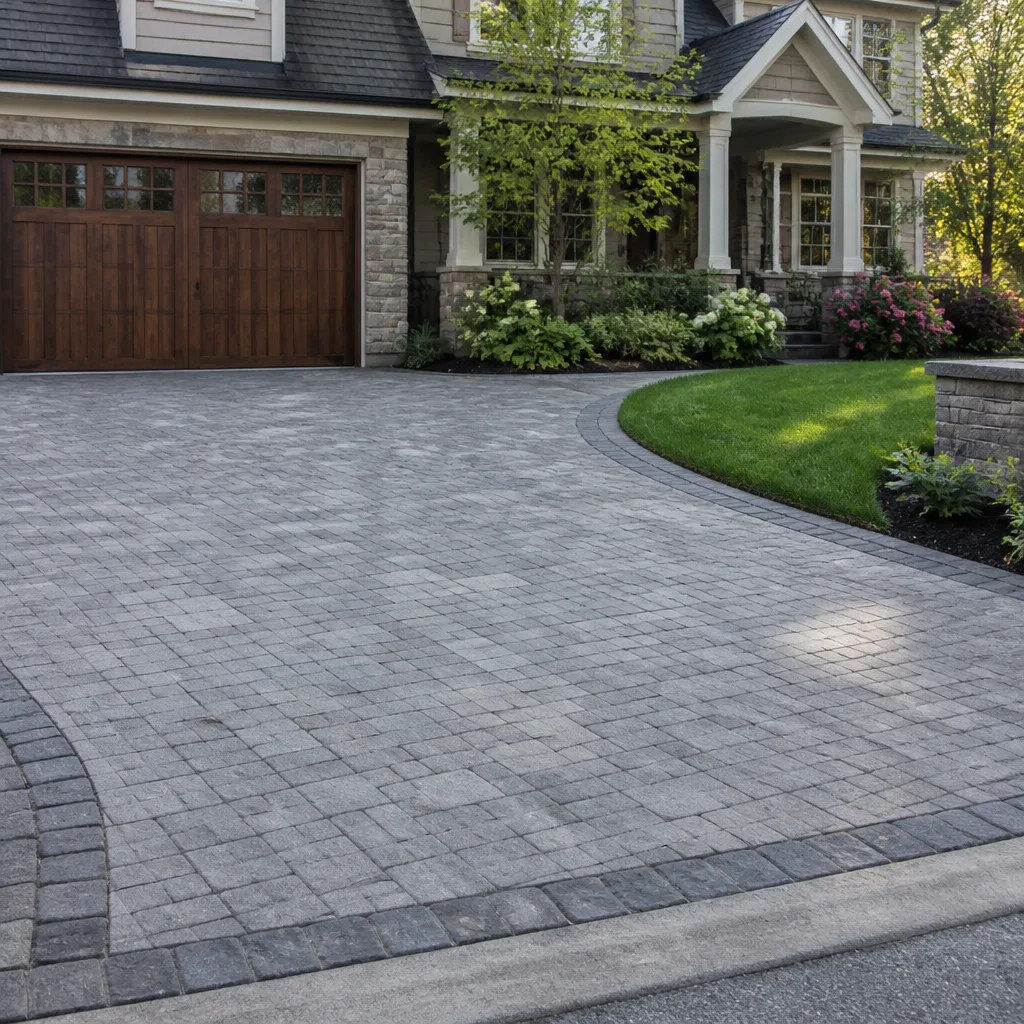 Driveway & pavers
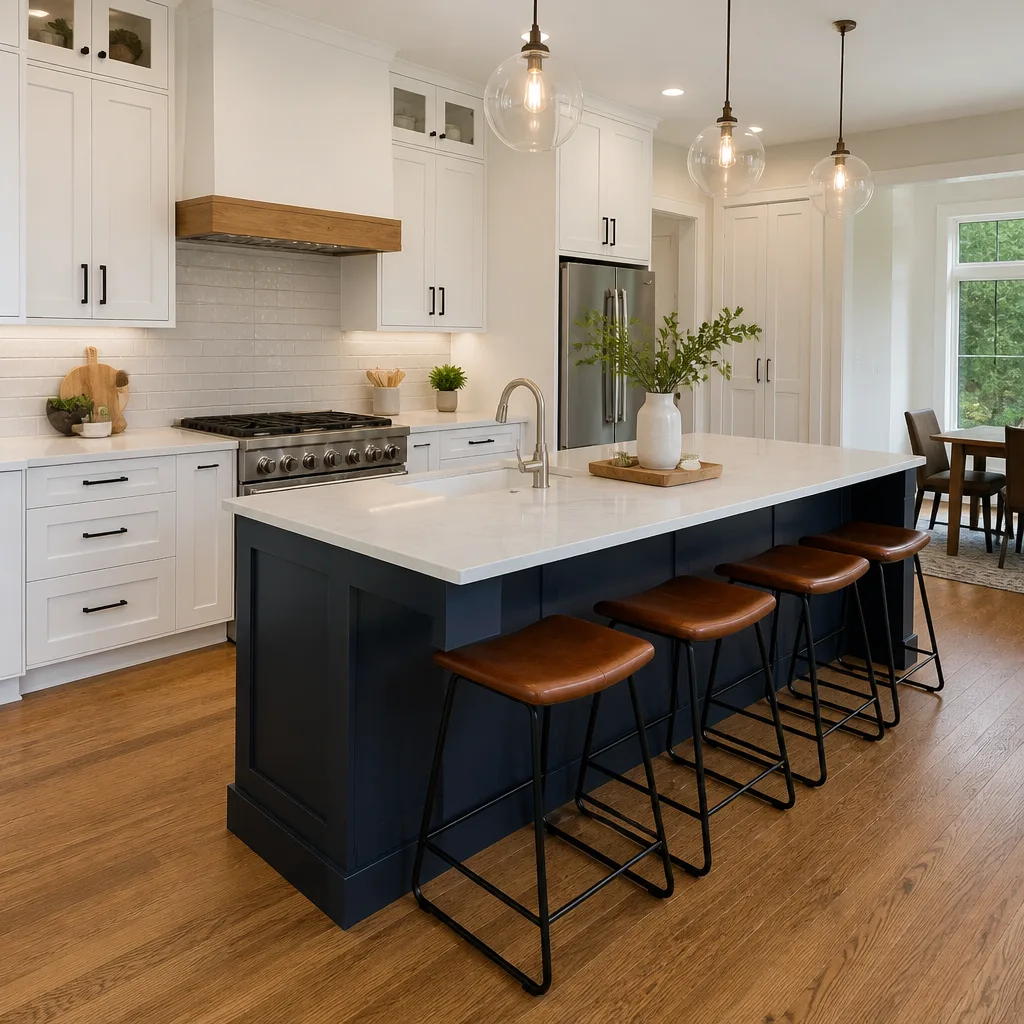 Kitchen remodeling
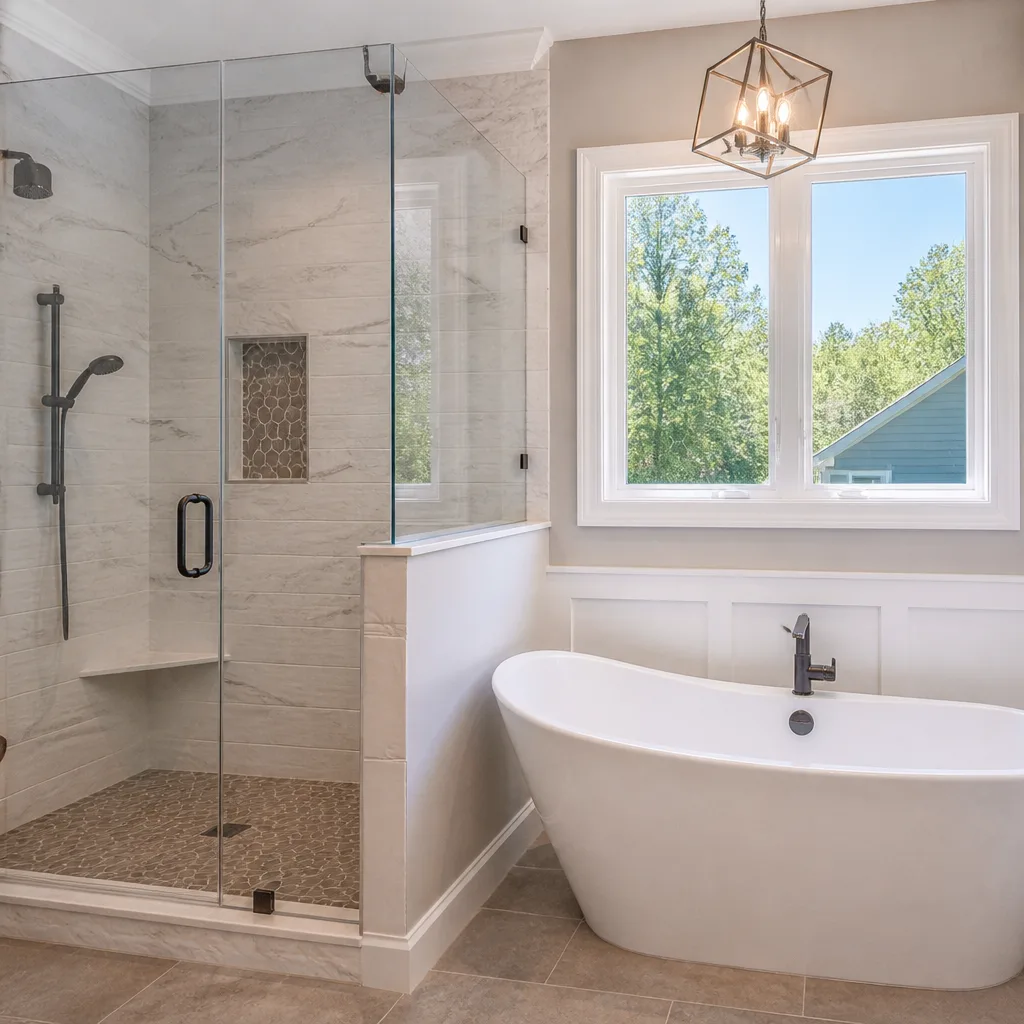 Bathroom remodeling
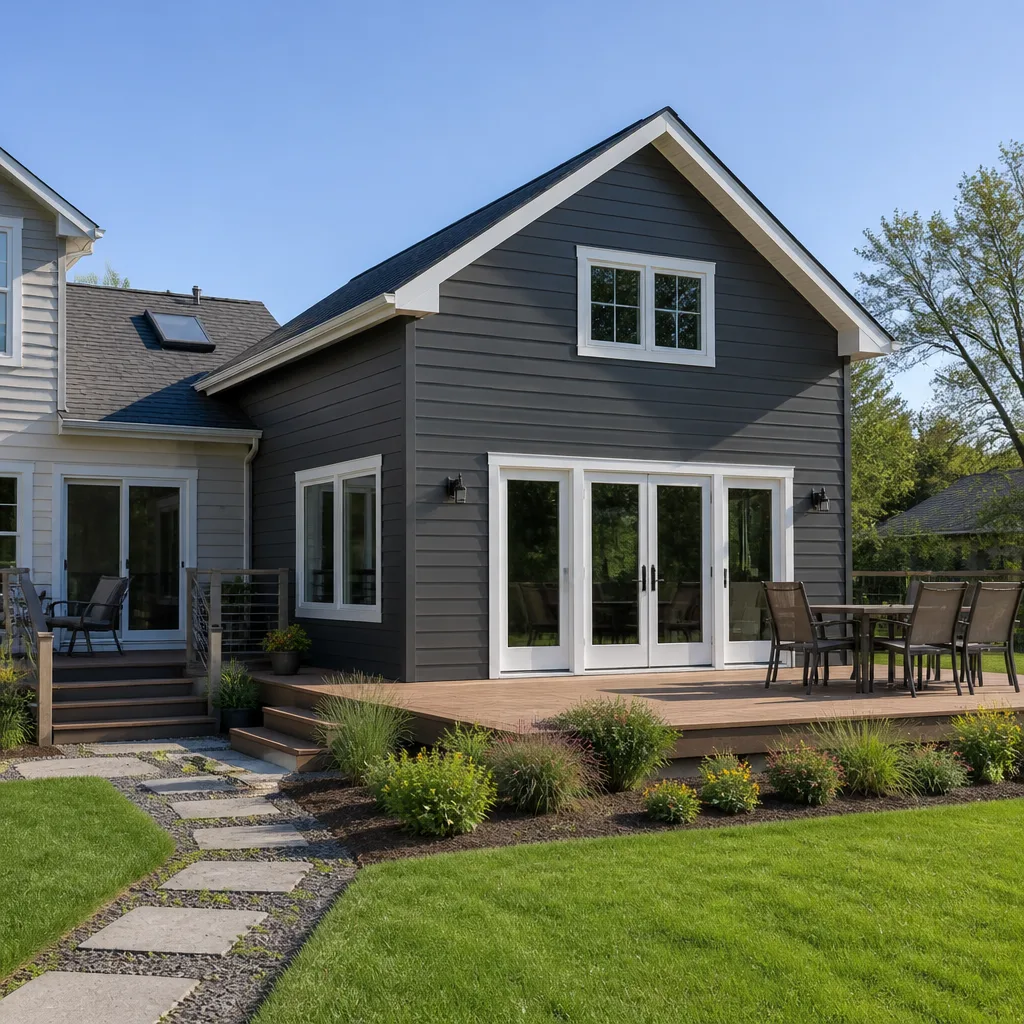 Home additions & ADU
 Roofing
 Windows & doors
 Fence
Free written scope consultation - allowances, timeline, and change-order rules on paper before a single trade is scheduled
DIY vs Professional Driveway & Pavers: What’s Safe to Do Yourself
We’ve watched homeowners who successfully tiled a bathroom, framed a deck, and re-roofed a shed end up with a heaving paver driveway two years later. Not because they laid the pavers wrong. Because their base never hit the compaction density a commercial-grade plate compactor delivers. That gap between rental equipment and professional equipment is where most DIY driveway projects quietly fail. This guide is about that line. We’ll cover what a motivated homeowner can legitimately own on a paver project, where the real risk sits, what Glendale permits require whether you hire out or not, and an honest cost comparison that includes the do-over. By the end you’ll know exactly which tasks are yours and which ones need a machine you can’t rent at the box store.
Quick Answer
You can safely handle paver pattern layout, edge cutting, joint sanding, and sealing yourself. You should not attempt the excavation, base grading, or compaction on a full driveway. That work requires a commercial plate compactor that hits 95% Proctor density, proper slope grading for drainage, and a machine most rental yards simply don’t stock at the weight class a driveway demands. In Glendale, the permit and inspection requirements apply to DIY work the same as professional work, and skipping them creates liability that follows the property, not the contractor.
Styles & brands we work with
- Kitchen remodeling
- Bathroom remodeling
- Home additions & ADU
- Roofing
- Windows & doors
- Driveway & pavers
- Fence
Table of Contents
- The Real Line: Compaction Density and Why Rental Equipment Falls Short
- What You Can Legitimately Do Yourself on a Paver Driveway
- Why Grading and Drainage Slope Is the Costliest DIY Mistake
- Glendale Permit Requirements That Apply to DIY and Professional Work Alike
- Honest Cost Comparison: DIY vs Professional With the Do-Over Math
- Material Choices and What Premium Brands Actually Buy You
- Common Mistakes to Avoid
- When to Call a Professional
The Real Line: Compaction Density and Why Rental Equipment Falls Short
Base material under a paver driveway has to reach 95% Proctor density. That’s the standard engineers use to describe how tightly soil and aggregate are packed relative to a laboratory maximum. Below 95%, the base stays loose. Water works into it, freeze-thaw cycles flex it, and heavy loads shift it. On the surface, everything looks fine for a season or two. Then the pavers start rocking, joints open up, and you’ve got a driveway that moves underfoot.
Here’s what most DIY guides skip: a rental plate compactor from a general rental yard typically weighs 150 to 300 pounds and delivers a fraction of the compaction energy a commercial walk-behind or ride-on roller puts out. That’s fine for a walkway or a patio. It is not fine for a 400-square-foot driveway carrying two vehicles. We’ve tested the difference on jobs in Glendale where the base had been compacted by a homeowner in lifts that were too thick, with a machine that was too light. The rework involved pulling up every paver, re-excavating, and starting the base over.
Two variables control whether your base hits 95%:
- Lift thickness. Base material must go down in 2- to 4-inch lifts, compacted between each one. A 10-inch base done in one pass will not compact through, no matter what machine you use.
- Machine weight and energy. A commercial plate compactor in the 500- to 900-pound class or a small ride-on roller delivers the energy per pass that actually densifies aggregate. Rental machines in the lighter class don’t.
The number to remember: 95%. Not 85. Not “feels solid.” If you can’t rent or access a machine that will hit it, that’s the point where the DIY math stops working and the professional call starts making sense.
What You Can Legitimately Do Yourself on a Paver Driveway
Plenty of the work is yours if you want it. These are the tasks where a careful homeowner with patience and the right hand tools does just as well as a crew:
- Pattern layout and dry-fit. Laying out a herringbone or running bond pattern on a finished base is craft work, not machinery work. Take your time, snap your lines, and dry-fit a few square feet before committing.
- Edge cutting with a wet saw. Cutting pavers along the driveway edges and around curves is slow work that rewards attention. A quality wet saw and a diamond blade handle it. This is where a detail-focused homeowner often does better than a rushed crew.
- Joint sanding. Sweeping polymeric sand into the joints and vibrating it in is straightforward. Follow the manufacturer’s instructions on moisture and cure time.
- Sealing. Applying a penetrating or film-forming sealer with a roller is a weekend job. Do it on a dry day and follow coverage rates.
- Final inspection and cleanup. Walk the driveway after every phase. Flag anything that rocks, sits proud, or shows a low spot before the next stage buries it.
In Glendale, the dry season makes layout and sealing work easy to schedule. Wait for a stretch without rain, especially for polymeric sand and sealer. The summer heat also means cutting and setting pavers early in the morning when the surface isn’t too hot to handle.
Why Grading and Drainage Slope Is the Costliest DIY Mistake
Every paver driveway has to shed water away from the house, the garage, and any adjoining structure. The standard is a slope of at least 1% to 2% away from the building, which works out to roughly 1/8 to 1/4 inch of fall per foot. Get it wrong toward the house and you’re looking at water pooling against the foundation, saturated base material, and eventual settling. Get it wrong toward the street and you can create a lip that catches water at the apron.
Why is this the costliest mistake? Because fixing it later means pulling up the finished surface, re-excavating, re-grading, re-compacting, and reinstalling. You pay twice for materials, twice for labor if you hire out, and you lose weeks. In our experience on Glendale jobs, a grading correction on a finished driveway runs close to the original cost of the base work plus the cost of the pavers you destroy getting them up. Slope is not a detail you can eyeball. It’s a measurement, done with a laser level or a transit, before a single paver goes down.
The related issue is drainage at the perimeter. Glendale gets the bulk of its rain between November and March, and the hillside neighborhoods drain hard when a storm rolls through. If your base has no outlet for water, it will find one – usually through your garage or against your foundation. Plan the slope and the drainage together, not one after the other.
Glendale Permit Requirements That Apply to DIY and Professional Work Alike
Here’s the part that catches homeowners. Whether you’re doing the work yourself or hiring a crew, the City of Glendale’s building and public works requirements apply. Anything that touches the public right-of-way – a driveway apron, a curb cut, work within the parkway – typically requires a permit and an inspection. Structural changes, drainage tie-ins, and anything that alters grading in a way that affects stormwater flow can also trigger plan review. Call the city’s permit counter before you rent a single machine and confirm exactly what your address requires. Rules differ by zone and by how your driveway meets the street.
The liability piece matters more than most people realize. If you skip a required permit and something fails – a neighbor’s drainage floods, a curb cut fails inspection at resale, a buyer’s inspector flags unpermitted work – the problem belongs to the property owner, not the contractor. Every eligible job we take in Glendale includes permits pulled and inspections signed, because the inspector works for the homeowner, not for us. Skipping that step to save a few hundred dollars is the kind of shortcut that costs thousands at sale time.
If a contractor tells you permits are optional for your driveway project in Glendale, that’s a red flag. Verify the requirement directly with the city, then ask the contractor to put the permit scope in writing before any work starts.
Honest Cost Comparison: DIY vs Professional With the Do-Over Math
The cost case for DIY rests on labor savings. Here’s what gets left out of most online comparisons: equipment rental, disposal fees, tool purchases, and the probability-weighted cost of a do-over. Let’s put ranges on it for a typical 400-square-foot Glendale paver driveway. These are market ranges, not a quote for your specific property.
- Paver materials (Belgard or Techo-Bloc, mid-grade): $3.50 to $7.00 per square foot installed surface, plus 10% waste for cuts and breakage.
- Base material (class II aggregate): $30 to $55 per cubic yard, delivered, with roughly 4 to 6 inches of compacted depth required.
- Plate compactor rental: $75 to $130 per day at a general rental yard, and you’ll need several days for a full driveway with proper lift sequencing.
- Wet saw rental or purchase: $60 to $100 per day rented, or $400 to $900 to buy a decent one.
- Disposal fees for excavated soil: $300 to $700 depending on volume and your local transfer station rates.
- Permit fees: varies by scope, but budget a few hundred dollars minimum for any right-of-way or grading work.
Now the do-over risk. If your base doesn’t hit 95% Proctor, the average failure shows up within 18 to 36 months. Removing and redoing the base and surface of a 400-square-foot driveway can run $6,000 to $12,000 or more depending on what needs to be replaced. Weight that by even a 20% chance of failure and you’ve added $1,200 to $2,400 to the DIY math. For most homeowners in Glendale, that closes the gap between DIY and hiring a crew faster than any online calculator admits.
The professional route includes the machine, the crew, the disposal, the permit, and the compaction density that keeps the driveway from heaving. The Driveway & Pavers in Glendale page walks through what a full scope looks like, and if your project includes perimeter work, our Fence Installation in Glendale team often coordinates on shared drainage and grading.
Material Choices and What Premium Brands Actually Buy You
Paver quality matters less when the base is wrong, but it matters plenty over a 25-year horizon. Belgard and Techo-Bloc are the two brands we regularly install on Glendale driveways. Both make a range of styles from traditional to contemporary, and both have published specifications on compressive strength, water absorption, and freeze-thaw durability you can look up. That last part is why we recommend them: you can verify what you’re buying, not take a van driver’s word for it.
What premium brands actually buy you:
- Consistency in dimension. Cheaper pavers vary enough that joints end up uneven and the pattern looks sloppy even when it’s laid perfectly.
- Color fastness. Pigments in quality pavers hold up better under the Glendale sun, which is not kind to cheap concrete over a decade.
- Published testing. ASTM ratings for absorption and strength are available for the asking. Brands sold off a truck with no spec sheet are a gamble.
The same principle applies across the rest of a Glendale home project. When we install KraftMaid and Cambria in kitchens, GAF and CertainTeed on roofs, or Andersen and Marvin on windows, we’re doing it because those names can be looked up and the warranties actually mean something. If a homeowner is planning a bigger project alongside the driveway – a garage conversion, a detached unit using Abodu or Mighty Buildings, a rear addition – the driveway scope needs to coordinate with the site plan. Our Home Additions & ADU in Glendale page covers how that coordination works.
Common Mistakes to Avoid
- Compacting base in lifts that are too thick. If you’re putting down 8 inches of aggregate in two passes and calling it compacted, it isn’t. Two- to four-inch lifts, machine-compacted between each one, is the only way the base reaches density.
- Eyeballing the drainage slope. A 1% slope is barely perceptible by eye. Use a laser level or a transit, and take readings in at least six spots across the driveway footprint before you lay a single paver.
- Skipping the permit check in Glendale. The right-of-way, parkway, and curb cut rules apply even when you do the work yourself. Call the city before you dig.
- Underestimating disposal volume. A 400-square-foot driveway excavation can generate 8 to 12 cubic yards of soil. That’s a dumpster or several trips to the transfer station, and it’s not free.
- Buying pavers without cutting waste. Order 10% over your finished square footage. Cut pavers at the edges and along curves waste more than most first-timers plan for.
- Sealing too soon. Polymeric joint sand and film-forming sealers need dry conditions and specific cure times. Sealing on a humid morning or right after a rain shower in Glendale’s wet season traps moisture under the surface.
- Ignoring the base layer’s water path. Even a perfectly compacted base fails if water can’t drain out. Plan the perimeter drainage before you plan the paver pattern.
When to Call a Professional
Call a professional if your project is a full driveway, if the excavation is more than about 4 inches deep, if the grading touches a foundation or right-of-way, or if you can’t rent a compactor that hits commercial density. Call if you’ve had water drainage issues on the property before, or if the driveway meets the street in a way that needs a curb cut or apron. Call if the house has hillside grading concerns, which is common in Glendale’s hillside neighborhoods and near the Verdugo Wash. And call if you want permits pulled and inspections signed without spending weeks at the permit counter yourself. Barrett & Sons Construction Glendale offers free estimates in Glendale – call (844) 560-4526. The Barrett & Sons Construction Glendale home page has the full range of what we handle, and every job comes with our 90-Day Done Right Promise in writing.
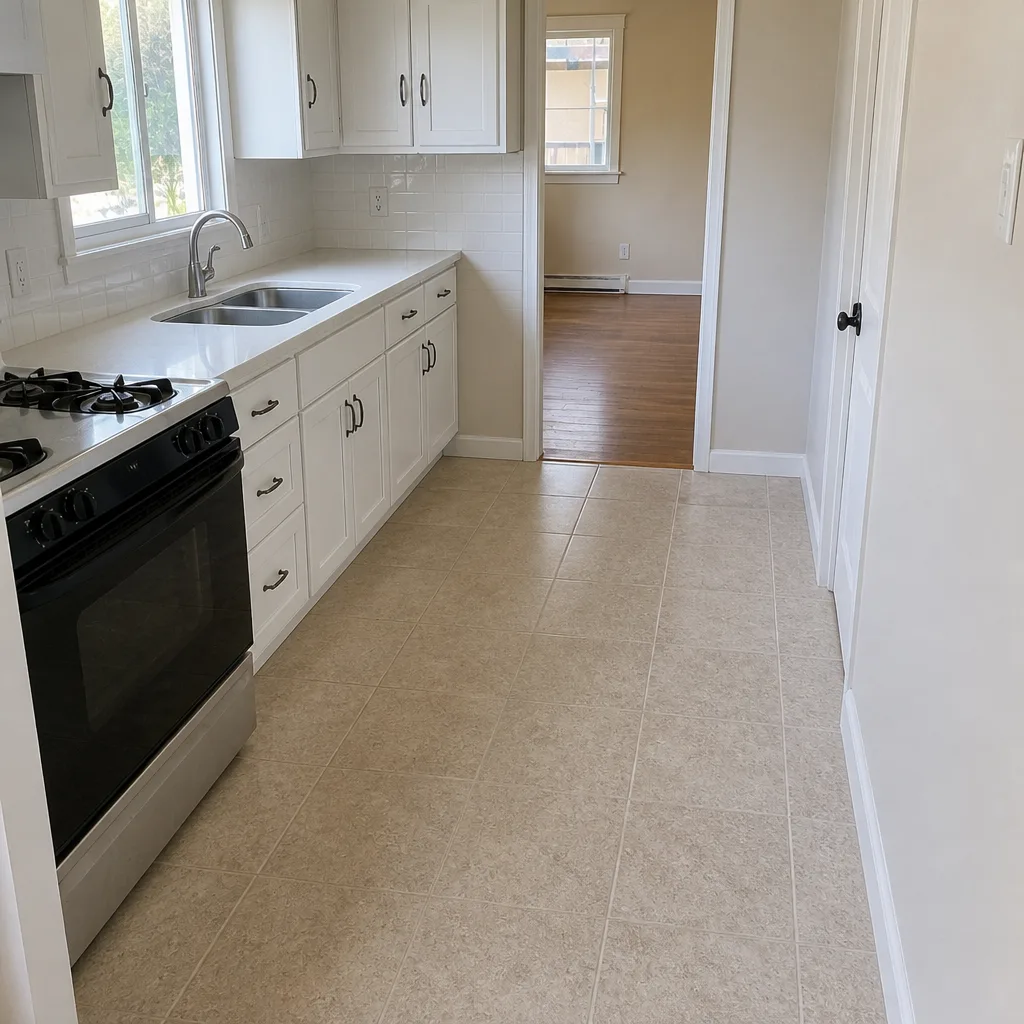
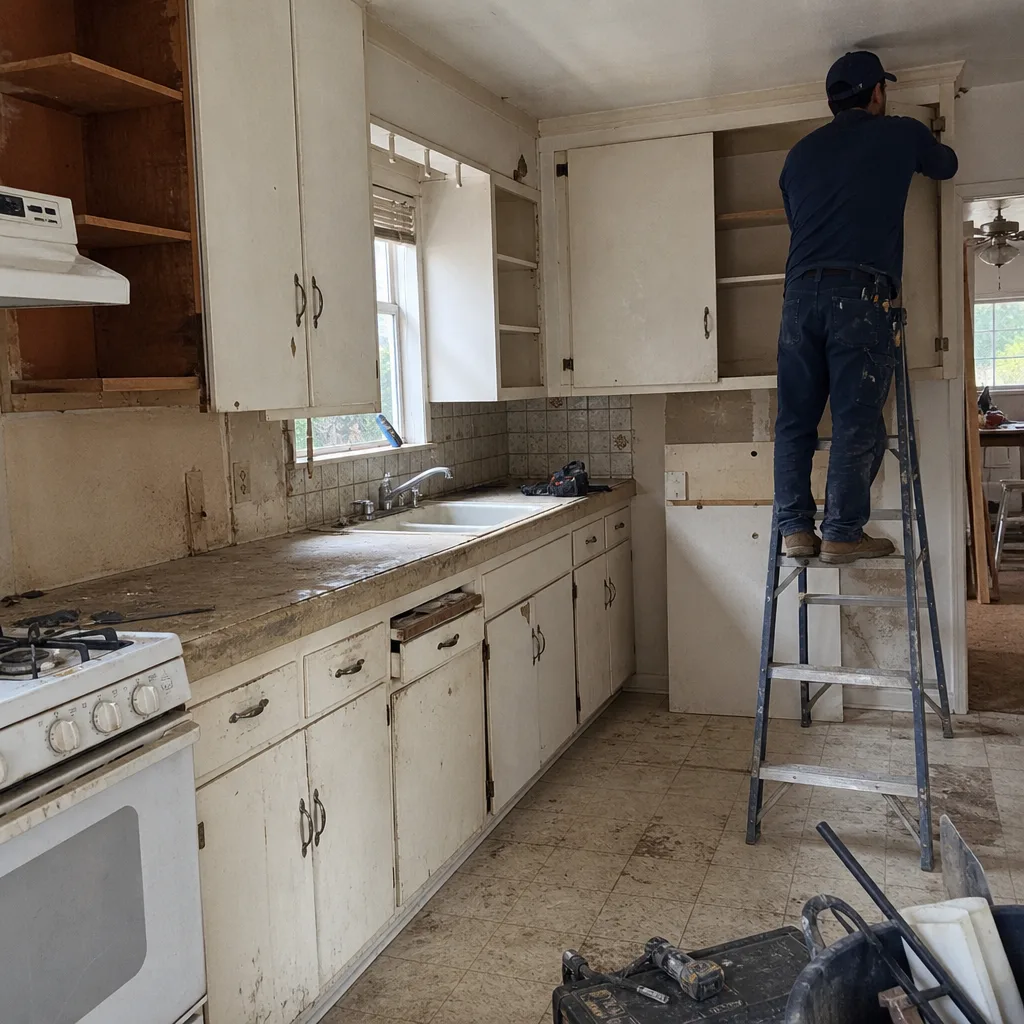
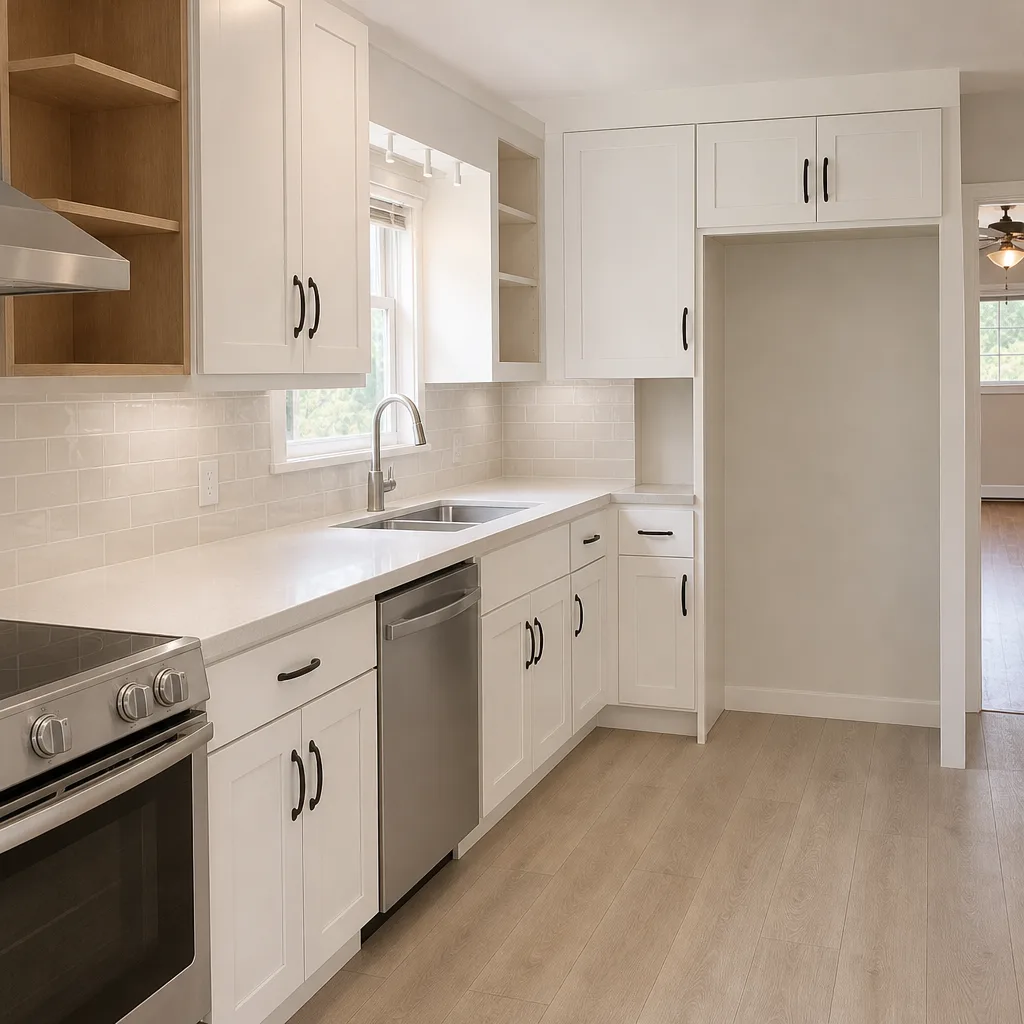
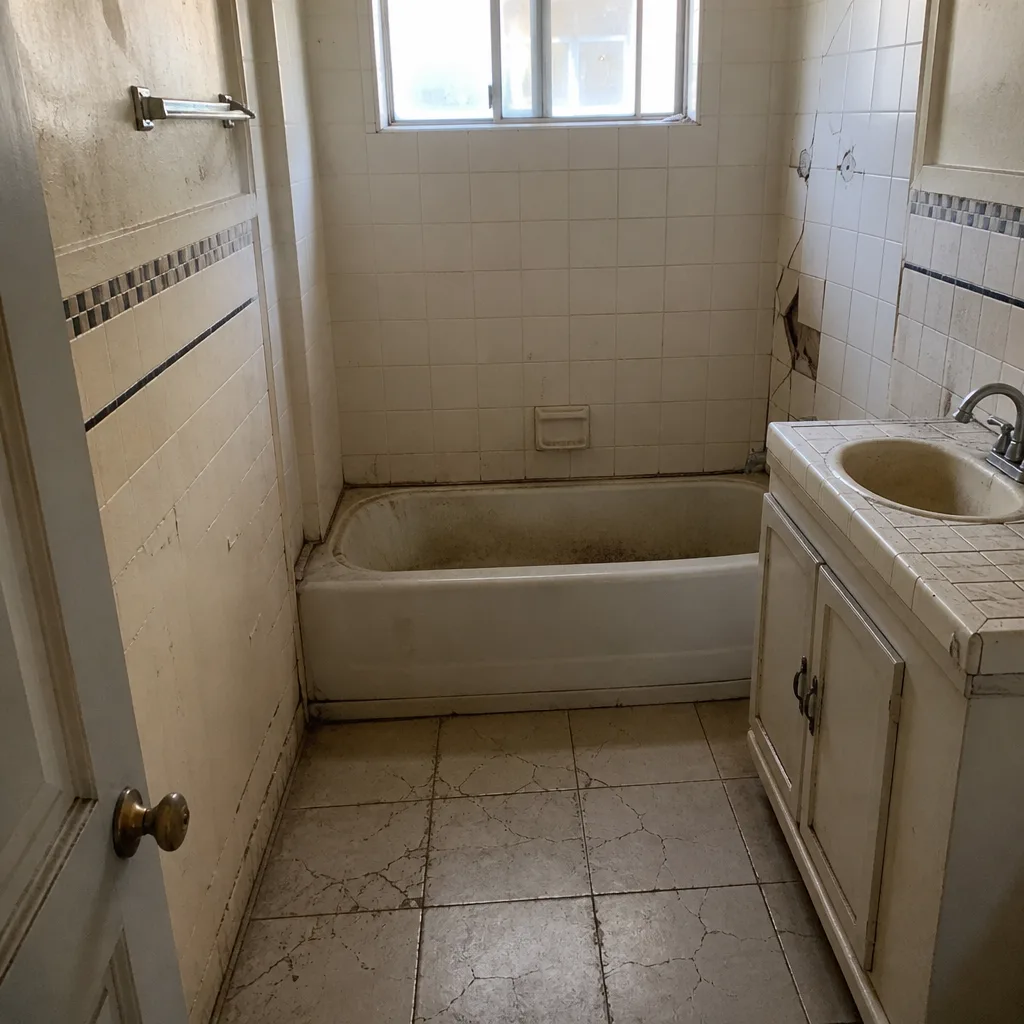
See the difference
 Before
 After
 Before
 After
 Before
 After
Frequently Asked Questions
For a full driveway, hiring a contractor is usually the better math because of the compaction equipment requirement. A DIYer can save on layout, edge cutting, sanding, and sealing, but the base prep – excavation, grading, and compaction to 95% Proctor – is where the savings evaporate if the driveway fails within a few years. Rental machines typically fall short of the compaction energy a commercial roller or heavy plate compactor delivers. Call (844) 560-4526 for a free estimate and a written scope.
Almost never for a full driveway. Most general rental yards stock equipment in the 150- to 300-pound class, which is adequate for patios and walkways but not for a 400-square-foot vehicle surface. Hitting 95% Proctor on a driveway requires a commercial plate compactor in the 500- to 900-pound class or a small ride-on roller, plus proper 2- to 4-inch lift sequencing. Equipment access is the line that decides DIY vs professional, not skill level.
Often yes, especially if the work touches the public right-of-way, the curb cut, the driveway apron, or grading that affects stormwater flow. Rules vary by zone and by how your driveway meets the street. Call the City of Glendale permit counter before you dig and confirm exactly what your address requires. The liability for unpermitted work follows the property at resale, not the person who did the work. Call (844) 560-4526 to talk through what a Glendale driveway permit usually involves.
Market ranges in Glendale for a professional install run roughly $12 to $22 per square foot installed, depending on paver brand, site access, and how much base work is needed. That includes excavation, base material, compaction, pavers, edge restraint, joint sand, and cleanup. DIY material cost alone is often $5 to $10 per square foot before equipment, disposal, and permits. Call (844) 560-4526 for a free written line-item estimate on your specific property.
The driveway looks fine for a season or two, then starts to fail. Pavers rock underfoot, joints open, and low spots appear where the base has settled unevenly. Failure typically shows up within 18 to 36 months on a Glendale driveway carrying two vehicles. Fixing it means pulling up the surface, re-excavating, re-grading, and starting the base over, which can run $6,000 to $12,000 or more for a 400-square-foot driveway.
Not without a written change order signed before any work proceeds. If we open up the base and find something the estimate didn’t account for, you get a written change order with the specific scope and cost before we continue. No surprise invoices at the end. Every price change arrives on paper first, every allowance is on paper from the start, and every completed job is backed by our 90-Day Done Right Promise. Call (844) 560-4526 for a free estimate.
The Bottom Line
The DIY question on a paver driveway isn’t about whether you’re handy. It’s about equipment access and grading measurement. If you can’t rent a compactor that hits 95% Proctor and take real slope readings with a transit, the base prep is the professional’s job. Above the base, plenty is yours: layout, cutting, joint sanding, sealing. In Glendale, the permits and inspections apply either way, and the liability for skipping them sits on the property. The honest math includes equipment rental, disposal, permit fees, and the do-over risk. Add those up and the professional line often looks like the cheaper one.
Call Barrett & Sons Construction Glendale at (844) 560-4526 for a free estimate. We’ll walk your driveway, measure the slope, put the scope and allowances in writing, and give you a straight answer on what’s worth doing yourself and what isn’t. Ask about the Free Second Opinion on Any Written Estimate if you’ve already got a bid in hand. Every eligible job includes permits pulled and inspections signed, and every completed job is backed by the 90-Day Done Right Promise.
Written by the team at Barrett & Sons Construction Glendale.