
Last updated November 17, 2026
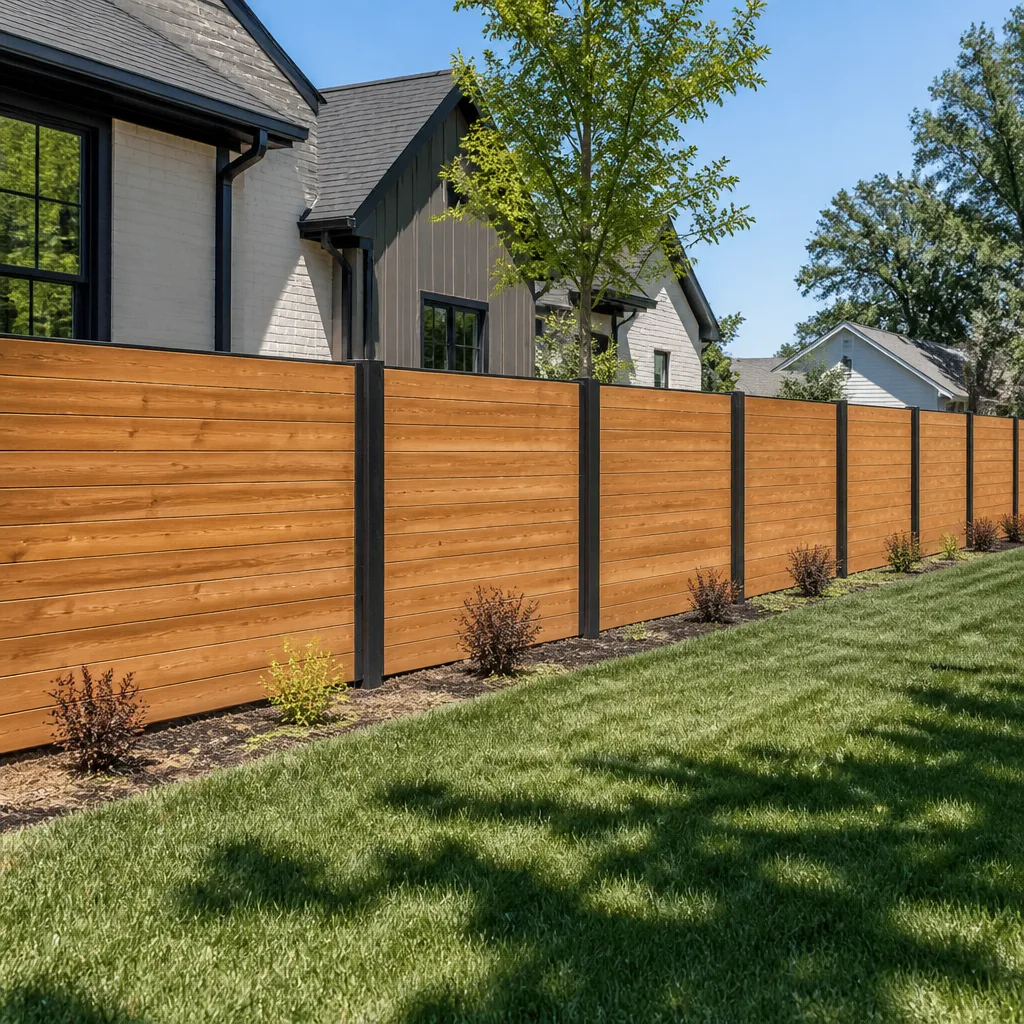 Fence
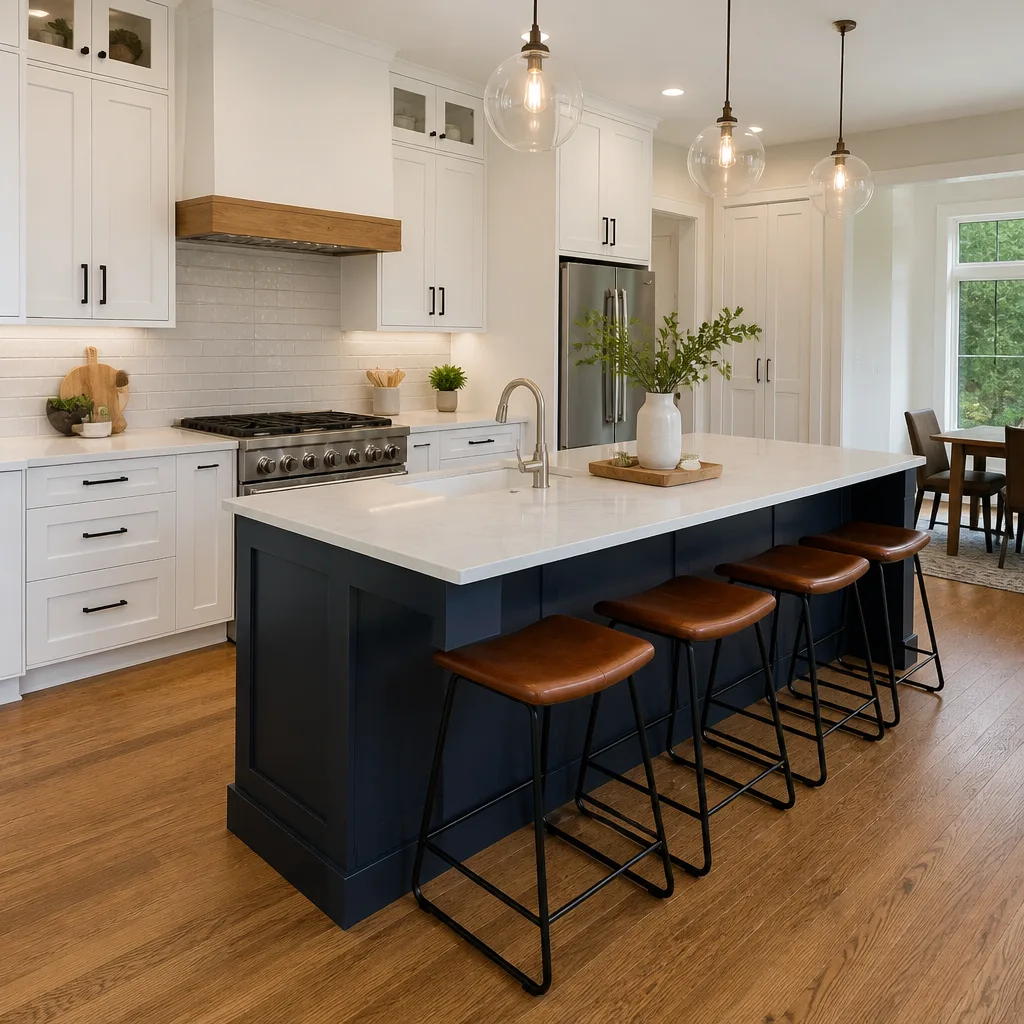 Kitchen remodeling
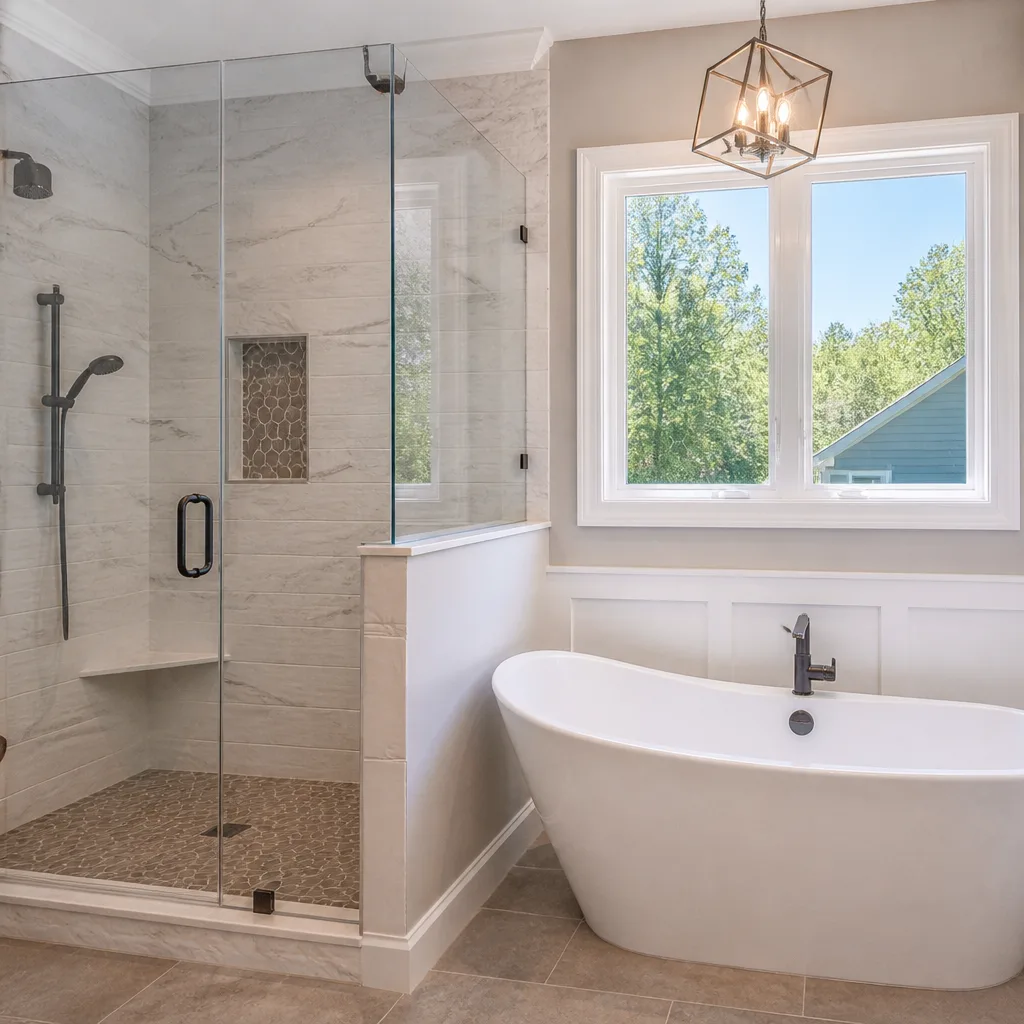 Bathroom remodeling
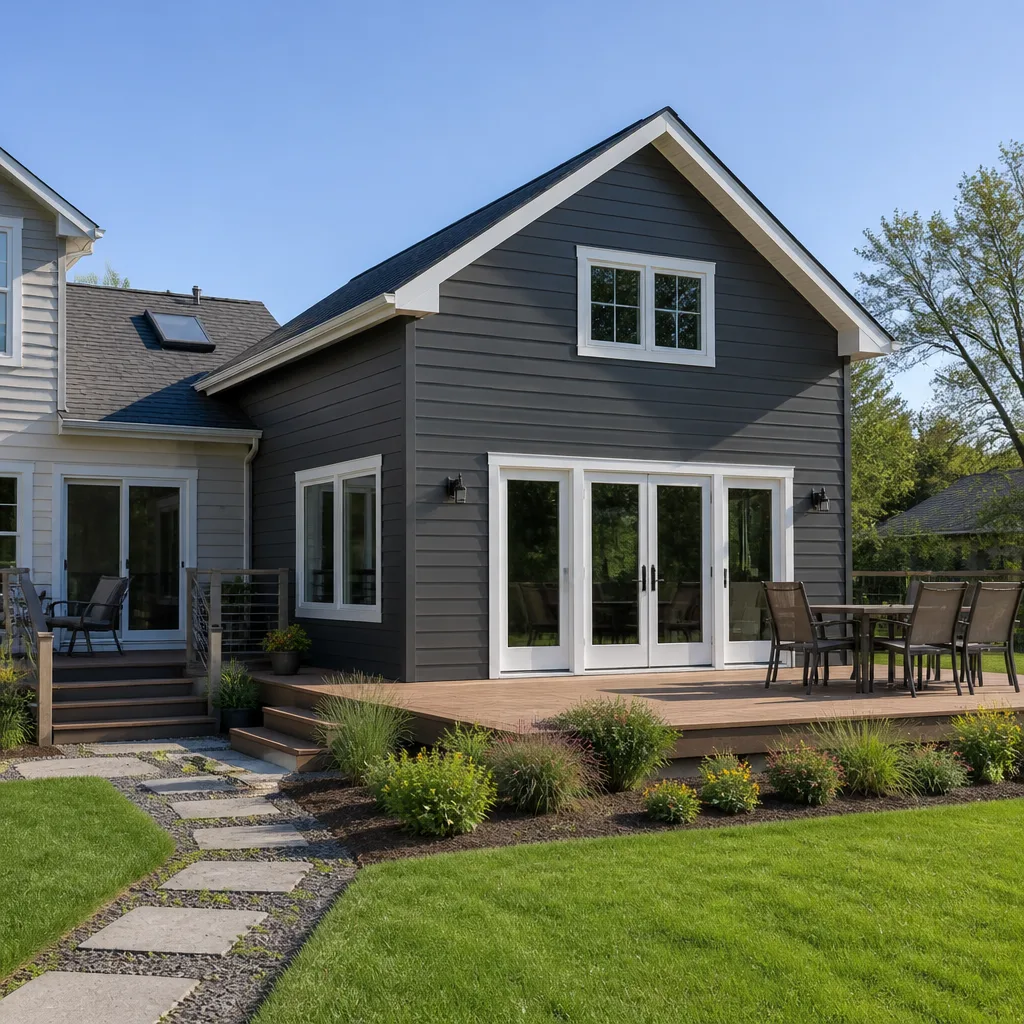 Home additions & ADU
 Roofing
 Windows & doors
 Driveway & pavers
Free written scope consultation - allowances, timeline, and change-order rules on paper before a single trade is scheduled
DIY vs Professional Fence Installation: What’s Safe to Do Yourself
The part of fence installation that gets homeowners in trouble isn’t the part they’re worried about. It’s not setting the boards. It’s not staining, and it’s not even the gate. It’s post layout across uneven terrain, where a 2-inch error in the first post multiplies into a fence that visually wanders and a gate that never hangs square. We’ve watched more Glendale fences fail from bad footings than from bad lumber, and both problems are invisible until the first winter rain. This guide names exactly where the DIY line sits: what you can honestly handle in a weekend, what needs a trained crew, and how a hybrid approach can save you real money without costing you a fence.
Quick Answer
You can safely install fence boards, stain and seal, swap hardware, and replace individual pickets on posts that are already solid. You should not set posts yourself on sloped ground, in clay soil, or anywhere a permit is required, because post layout accuracy and concrete footing technique are the two steps weekend tools and tutorials can’t reliably cover. Everything else in a fence build is work a careful homeowner can learn.
Styles & brands we work with
- Kitchen remodeling
- Bathroom remodeling
- Home additions & ADU
- Roofing
- Windows & doors
- Driveway & pavers
- Fence
Table of Contents
- Why Post Layout Is the Real Make-or-Break Step
- Setting Posts on a Slope: The Batter-Board Method
- Concrete Footings: Mix, Cure, and the Clay Soil Problem
- What’s Genuinely Safe to Do Yourself
- The Glendale Permit Question
- The Honest Hybrid: Hire the Posts, Finish the Rest
- Materials That Change the DIY Math
- Common Mistakes to Avoid
Why Post Layout Is the Real Make-or-Break Step
Every fence is a chain of straight lines, and the eye reads crookedness instantly. A fence can be built from perfect cedar with flawless joints, and if the posts meander 3 inches in and out along the run, it looks like a fence built by someone who didn’t care. The reverse is also true: a fence of ordinary materials with dead-true posts looks expensive from the street.
Here’s the arithmetic that catches people. A typical residential fence post spacing is 8 feet on center. Over a 100-foot run, that’s roughly 13 posts. If your first post is off by 2 inches toward the property line, and your string line follows that offset, every downstream post is off by the same 2 inches. On a flat lot, you might never notice. On a lot with grade change, the error compounds because the post tops are also supposed to follow the slope at a consistent height above grade. Two errors, one horizontal and one vertical, and your gate opening is now a trapezoid.
In Glendale, this matters more than in flat parts of the country. The city runs from the flats near the Verdugo Wash up into hillside streets where a side yard can drop 4 feet across a single lot line. We’ve seen fences in the Glenoaks Canyon area where a homeowner rebuilt the boards on failing posts and the whole fence leaned within two seasons, because the original footings were never deep enough for that grade. Layout and footing are one problem, not two.
Setting Posts on a Slope: The Batter-Board Method
Batter boards are a layout tool: a pair of horizontal boards staked just off each end of the fence line, with a string stretched between them. The string gives you one true reference plane, and every post is measured from it. Professionals use them because a string line doesn’t care about the slope of the ground.
- Establish your line. Set batter boards past both ends of the run and stretch a taut string between them at a consistent height, usually 6 to 12 inches above the highest ground point.
- Mark each post center on the string. Measure from one end and mark every spacing interval with a pencil. Don’t eyeball the marks; measure each one from the same starting point.
- Drop a plumb line at each mark. A plumb bob hung from the mark tells you exactly where the post hole goes, even when the ground below is 18 inches lower than the string.
- Set post height from the string, not the dirt. Every post top gets measured down from the string plane, which keeps the fence following the grade consistently instead of stepping randomly.
- Check square at the corners. A 3-4-5 triangle, or the diagonal measurement between opposite corners of the whole run, confirms your corners are actually 90 degrees.
Eyeballing a sloped yard produces what we call compound error: the posts are individually close to level but collectively wander, and the fence line curves. Correcting that after the concrete sets means digging out footings, which is the single most expensive fence repair there is. If your yard has more than a foot of grade change across the run, or your fence line turns more than one corner, that’s the point where most homeowners should hand off the layout.
Concrete Footings: Mix, Cure, and the Clay Soil Problem
Fast-set concrete is genuinely convenient, and it’s also where a large share of DIY fence failures start. The mix ratio matters, the water matters, and the cure time matters more than the bag tells you.
- Mix ratio. Fast-setting concrete is designed to be poured dry into the hole with water added, but many homeowners overwater it trying to get a smooth top. Too much water weakens the set and leaves a porous footing that moves with freeze and thaw cycles.
- Hole depth and width. A footing should be roughly three times the post diameter in width and set below your local frost line, or below the depth where your soil moisture swings seasonally. Shallow footings in clay are the classic failure.
- Cure time before loading. Fast-set concrete reaches initial set in about 20 to 40 minutes, which tempts people to hang boards the same afternoon. It hasn’t reached full strength; give it the full cure window before you put load on the posts, especially if you’re hanging a heavy gate.
- Drainage at the base. Concrete alone doesn’t keep water out. A small gravel bed under the post, and crowning the concrete slightly above grade, keeps water from pooling at the base and rotting the post from the ground up.
Clay soil is the specific problem in much of Glendale. Clay expands when wet and shrinks when dry, and a footing that isn’t deep enough gets pushed and pulled with every wet season. That’s the mechanism behind what people call frost heave, and in clay it happens even without deep frost. We’ve seen footings pop up an inch or more in a single rainy winter on lots with heavy clay and poor drainage. In our experience, this is the number one reason a “professionally installed” fence from a previous owner still heaves: the original crew went shallow.
What’s Genuinely Safe to Do Yourself
Most of a fence is honest carpentry, and a careful homeowner can absolutely handle these tasks:
- Installing boards on existing posts. If the posts are solid and true, hanging pickets or panels is a weekend job with a level, a drill, and a helper.
- Staining and sealing. This is the highest-value DIY task on the list. A fresh seal every few years extends fence life substantially, and you can’t really do it wrong if you follow the product instructions.
- Hardware replacement. Hinges, latches, gate handles, and gate wheels are simple swaps, and upgrading to heavier hinges often fixes a sagging gate before you need a new one.
- Minor board swaps. Replacing a few cracked or rotted pickets is quick, and it’s a good chance to catch rot spreading from the bottom rail.
- Painting or priming. Straightforward and low-risk, and it’s a good job to pair with the staining pass.
We’d add one caution: if you’re swapping boards and you find soft wood at the post base, stop and check the footing. A post that wiggles when you push on it is a post that’s on its way out, and no amount of new lumber fixes that. That’s the point where a fence installation in Glendale assessment is worth the call.
The Glendale Permit Question
Fence permits in Glendale depend on height, location, and material, and the rules are specific enough that guessing is a bad plan. As a general rule, low fences well inside your property line usually don’t need a permit, while taller fences, fences on or near property lines, and fences in front yard setback areas often do. Corner lots and hillside lots have their own rules because of sight lines and slope stability.
Skipping a permit has a cost that arrives years later: when you sell, a buyer’s inspection or a title search can flag an unpermitted structure, and you’re suddenly negotiating a credit or tearing out a fence to close the sale. Glendale is a city where neighbors know the rules and where a code enforcement call on a too-tall fence is not unheard of. Pulling the permit up front is cheaper than fixing it later, and it puts an inspector on the job who works for you, not for the contractor.
We handle permits on every eligible job as a matter of course, and we’re happy to answer the question before you commit to anything. Every price change arrives in writing before any work moves, which is the same discipline that keeps a permit problem from becoming a surprise.
The Honest Hybrid: Hire the Posts, Finish the Rest
Here’s the approach we recommend to homeowners who want to save money but aren’t comfortable with the layout and footing work: hire a professional for post setting only, then hang the boards, stain, and finish the trim yourself. It’s a real middle path and it saves legitimate money.
- Have the crew handle layout and footings. Batter boards, footing depth, concrete, and post alignment all done to code, with the permit pulled if it’s required.
- You take over once the posts are cured. Rails, pickets, boards, and trim are all straightforward carpentry with a level and a drill.
- You do the staining and sealing. This is the biggest single cost you can shift to your own weekend time.
- Hire back for the gate if it’s beyond you. A square-hanging gate is fussier than the fence line, and it’s the piece most homeowners underestimate.
The realistic savings depends on the fence type and length, but for a typical residential run, doing the finish work yourself can put a meaningful dent in the overall number. What you’re paying a professional for in the hybrid is the part that’s genuinely hard and genuinely hard to fix: the posts and the footings.
Materials That Change the DIY Math
Material choice moves the DIY line more than most guides admit. Wood fence boards are forgiving and easy to work; a premium composite or vinyl system is heavier, more dimension-sensitive, and less tolerant of small layout errors. If you’re doing your own finish work, wood is the more forgiving choice.
For hardscape borders, retaining walls, and paver borders that tie into a fence line, we install brands you can look up: Belgard, Techo-Bloc, and Tremron all make border and edging products that pair with residential fencing, and they’re specified often in Glendale yards where a fence runs along a driveway edge or a patio. If your project includes a paver or driveway component, our Driveway & Pavers in Glendale work is worth a look, since footing and edge restraint problems are the same in both trades.
Common Mistakes to Avoid
- Laying out from the house instead of the property line. Measure the setback from the actual property line, not an assumed one. In Glendale, hillside lots often have irregular lines, and a fence 2 inches over the line creates a neighbor problem you’ll have to negotiate later.
- Going shallow on footings. Winter rain and clay soil are a bad combination. A footing that doesn’t go deep enough will move, and it moves in a way that’s invisible until the fence leans.
- Overwatering fast-set concrete. More water feels easier to work, but it weakens the set. Follow the bag ratio and add only what the instructions call for.
- Hanging boards too soon. Fast-set concrete isn’t at full strength in the first hours. Load on a fresh post can push it out of plumb before the concrete has set.
- Skipping the permit because the fence is “just for privacy.” Height and setback rules apply whether or not you’re trying to block a view, and the disclosure problem comes decades later.
- Ignoring drainage at the base. Pooling water at the post base rots wood from the bottom up. Crown the concrete and add gravel so water drains away.
- Building a gate into a fence line that’s already out of square. A gate reveals every layout error at once. Check the opening with a diagonal measurement before you hang it.
See the difference
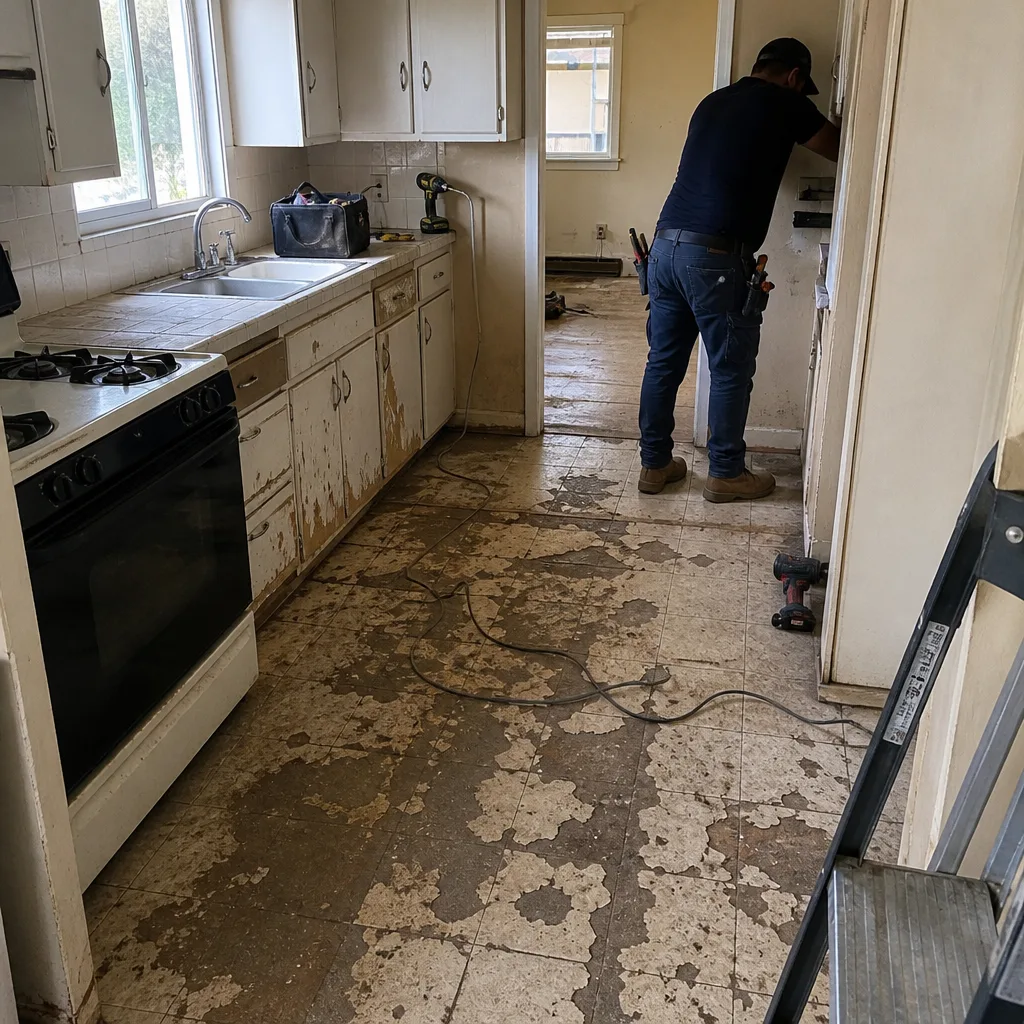 Before
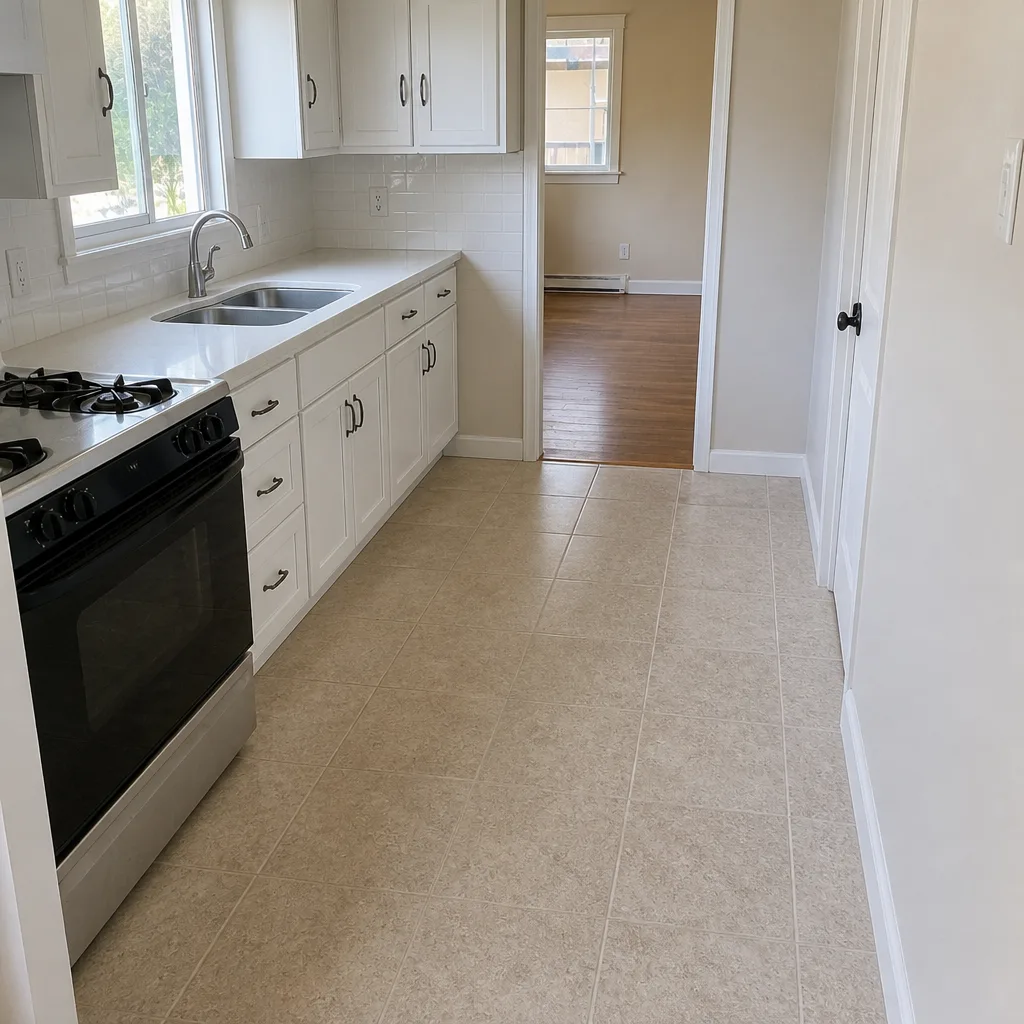 After
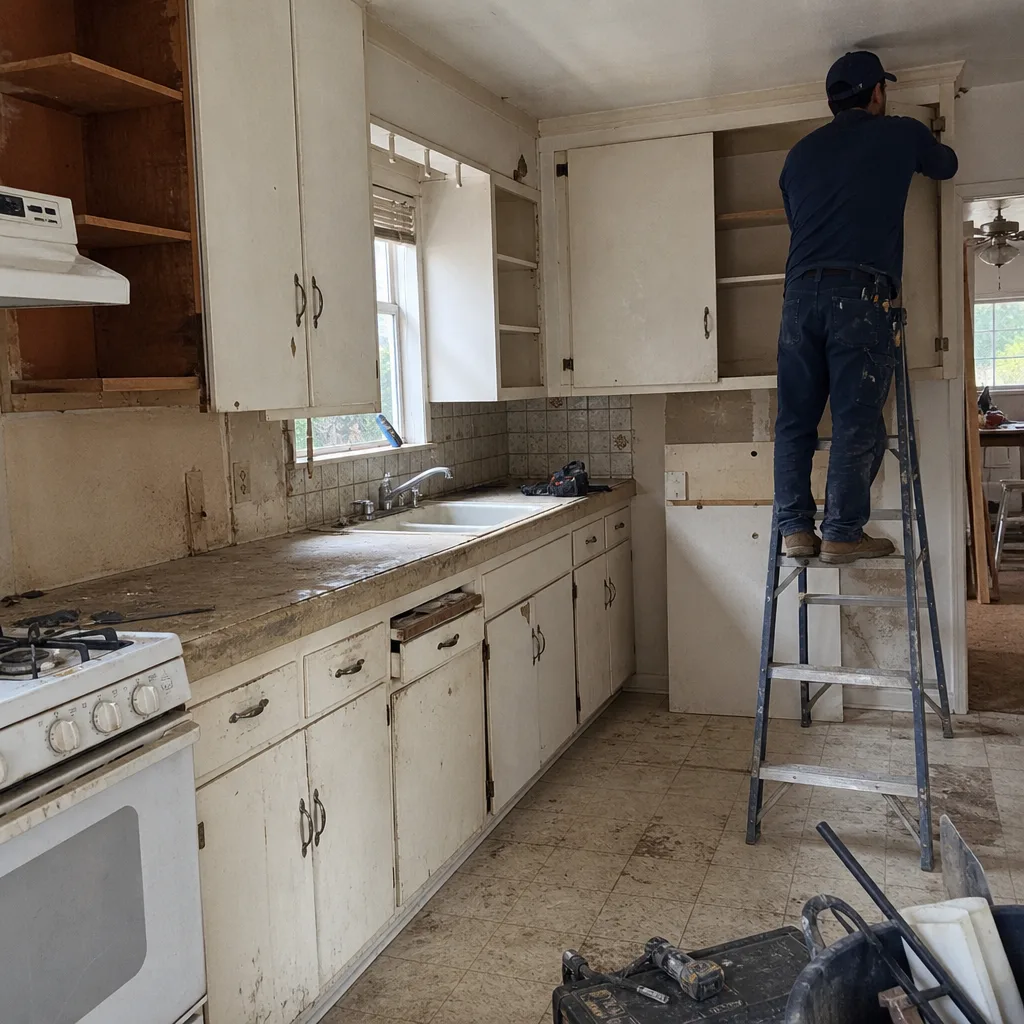 Before
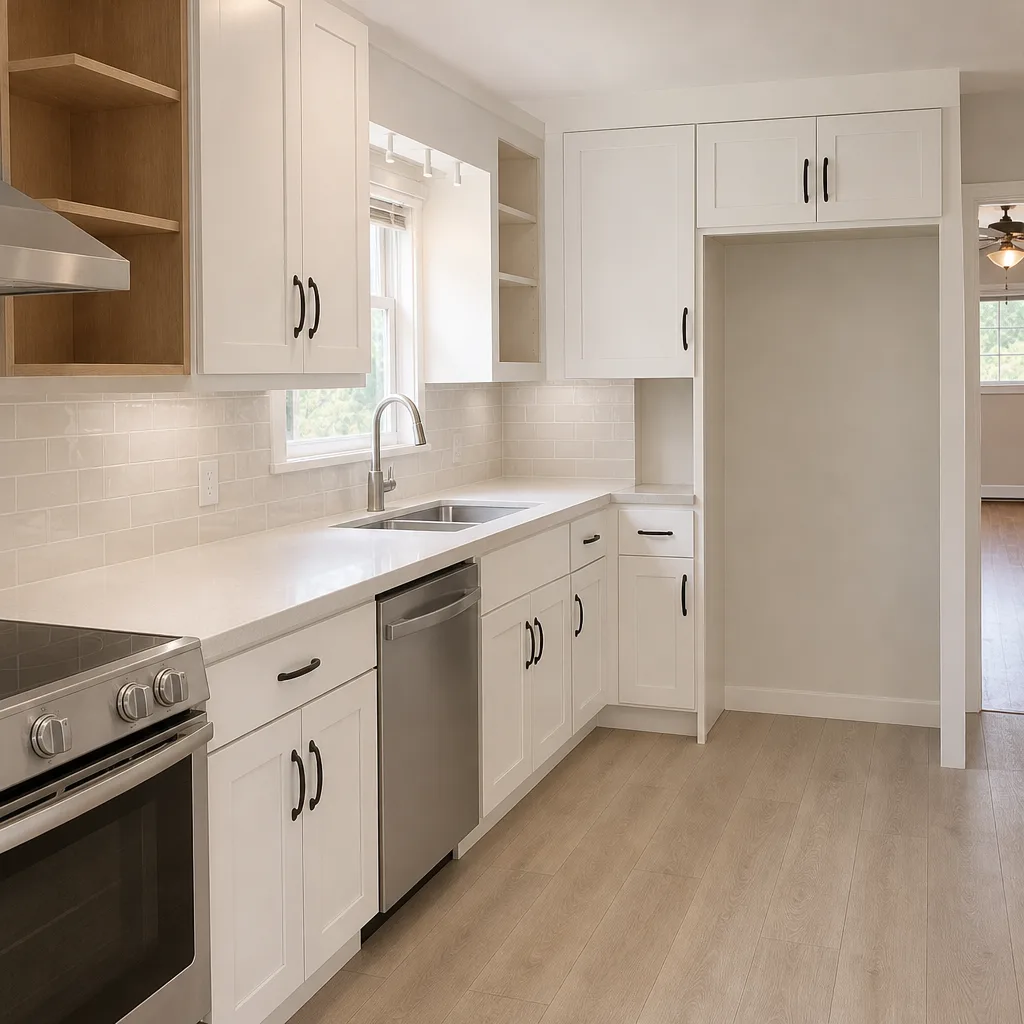 After
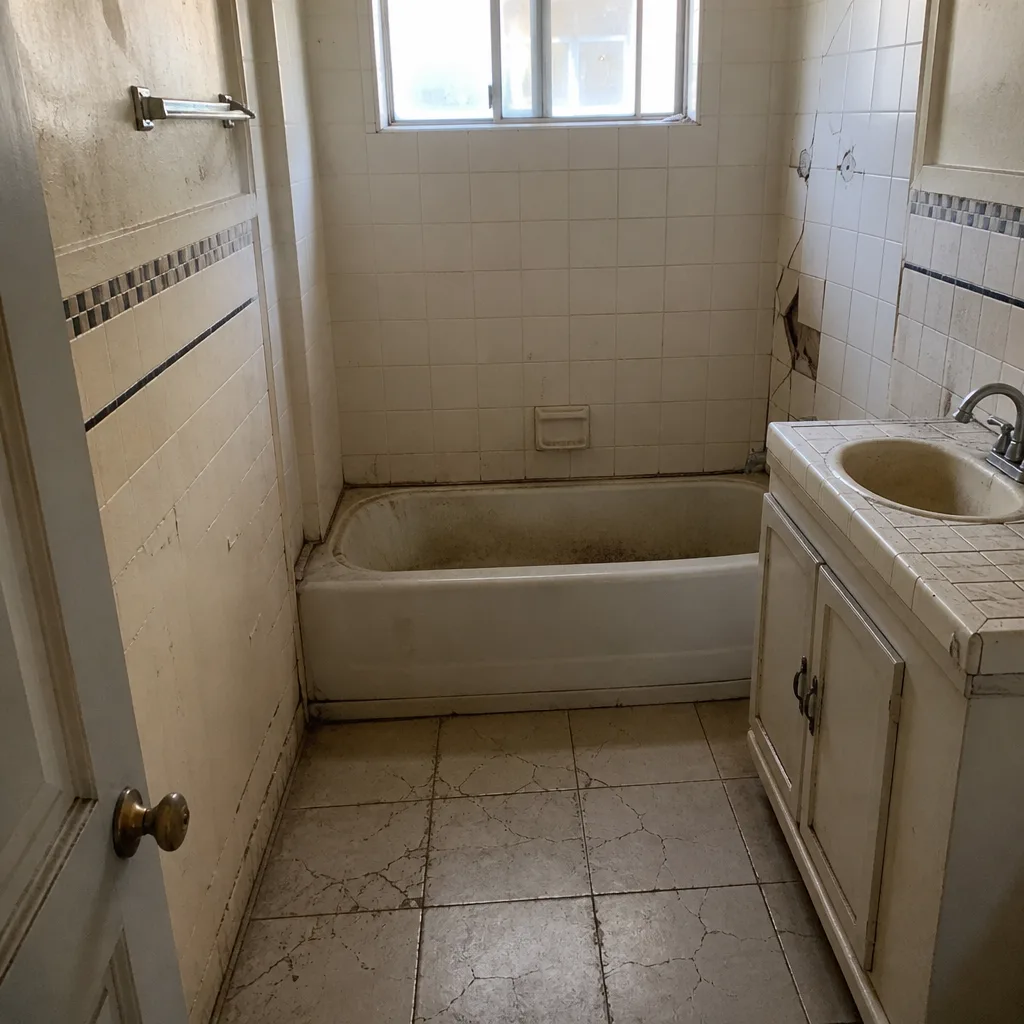 Before
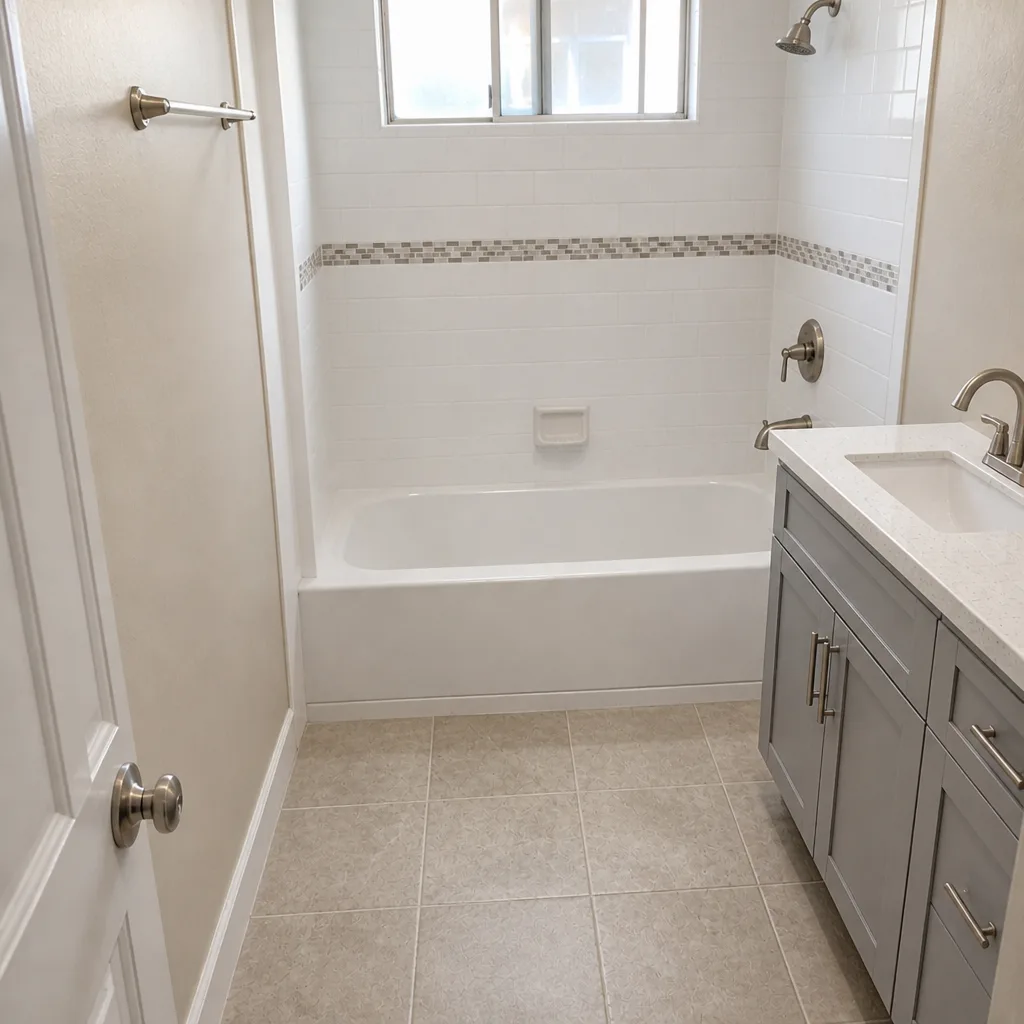 After
When to Call a Professional
Call a professional when your yard has meaningful grade change, your soil is heavy clay, your fence line turns corners or follows a curve, or a permit is realistically required. Call when the fence includes a gate that needs to swing true, or when you’re replacing posts rather than boards. And call when the existing fence was built by a previous owner and you’re not sure what’s underground; footing problems hidden under a previous install are common, and they’re the reason a rebuild fails fast. Barrett & Sons Construction Glendale offers free estimates in Glendale, with permits pulled and inspections signed on every eligible job. A repair over $200 qualifies for $40 off, and we’ll give a second opinion on any written estimate at no charge. Call (844) 560-4526.
Frequently Asked Questions
Yes for boards, staining, hardware, and minor picket swaps on posts that are already solid. No for post layout on sloped terrain, concrete footings in clay soil, and any fence that needs a Glendale permit, because those steps are the ones that fail later and cost the most to fix.
It depends on height, location, and whether the fence sits in a setback or on a property line; taller fences and front yard fences usually do. Call us and we’ll tell you what applies to your lot before you buy materials, or check with the city directly. Estimates are free, so call (844) 560-4526.
Deeper than a fast-set bag suggests and deeper than most DIY tutorials say. Clay expands and shrinks with moisture, so a shallow footing gets pushed up and pulled down each wet season. A licensed fence contractor can tell you the right depth for your specific lot and grade before a hole gets dug.
Fast-set concrete reaches initial set in about 20 to 40 minutes, but full strength takes longer, and hanging a heavy gate on a post before the footing is fully cured can push it out of plumb. Wait the full recommended cure window, especially for gate posts, before loading them.
Yes, and this hybrid approach is a genuine way to save money. Hire a professional for layout and footings, then do your own rails, boards, staining, and trim after the posts cure. It puts the money where the hard part is and keeps the easy part in your weekend.
It depends on length, material, grade, and permit requirements, and we don’t quote a price on the phone without seeing the lot. Barrett & Sons Construction Glendale offers free estimates with written scope, written allowances, and change orders in writing before any work moves. Call (844) 560-4526 for your free estimate.
The Bottom Line
Fence installation has the highest DIY success rate of any exterior project, and most of that success comes down to knowing where the line is. Boards, staining, hardware, and picket swaps are honestly doable by a careful homeowner. Post layout on a slope and concrete footing in clay are not, and both failures are expensive to fix and invisible until the first rainy winter. If you’re weighing the call, start with our Fence Installation in Glendale work, look at how we do the layout and footing sequence, and ask us the questions before you dig. If your project turns out to include a patio, driveway, or outdoor structure alongside the fence, our Home Additions & ADU in Glendale and Barrett & Sons Construction Glendale home pages show the broader scope we work in.
When you’re ready for a real number, call (844) 560-4526 for a free estimate. Every eligible job gets permits pulled and inspections signed, our 90-Day Done Right Promise is written on the contract, and every price change arrives in writing before a single nail moves. A live person answers the phone around the clock. Until then, seal your fence this fall and check your gate hinges; those two things alone will save you more than most upgrades.
Written by the team at Barrett & Sons Construction Glendale.