
Last updated November 17, 2026
 Home additions & ADU
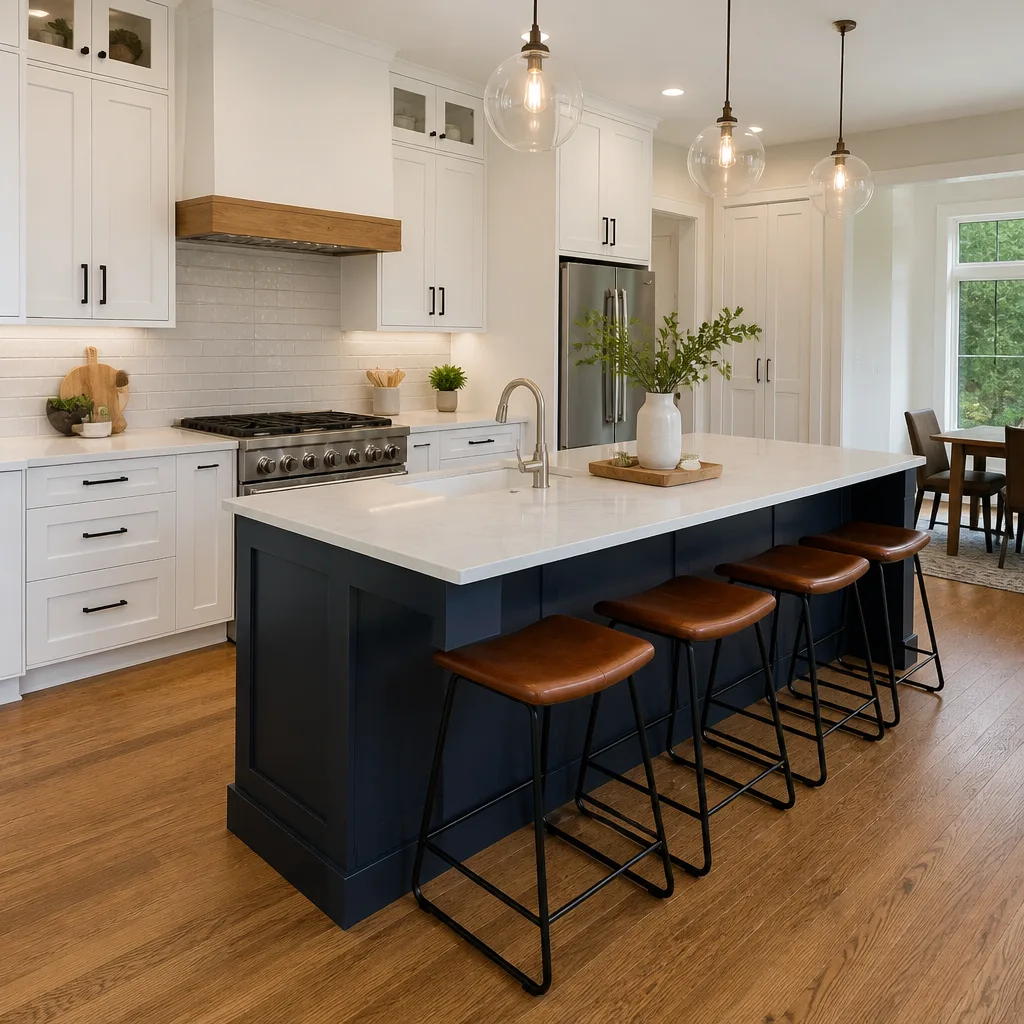 Kitchen remodeling
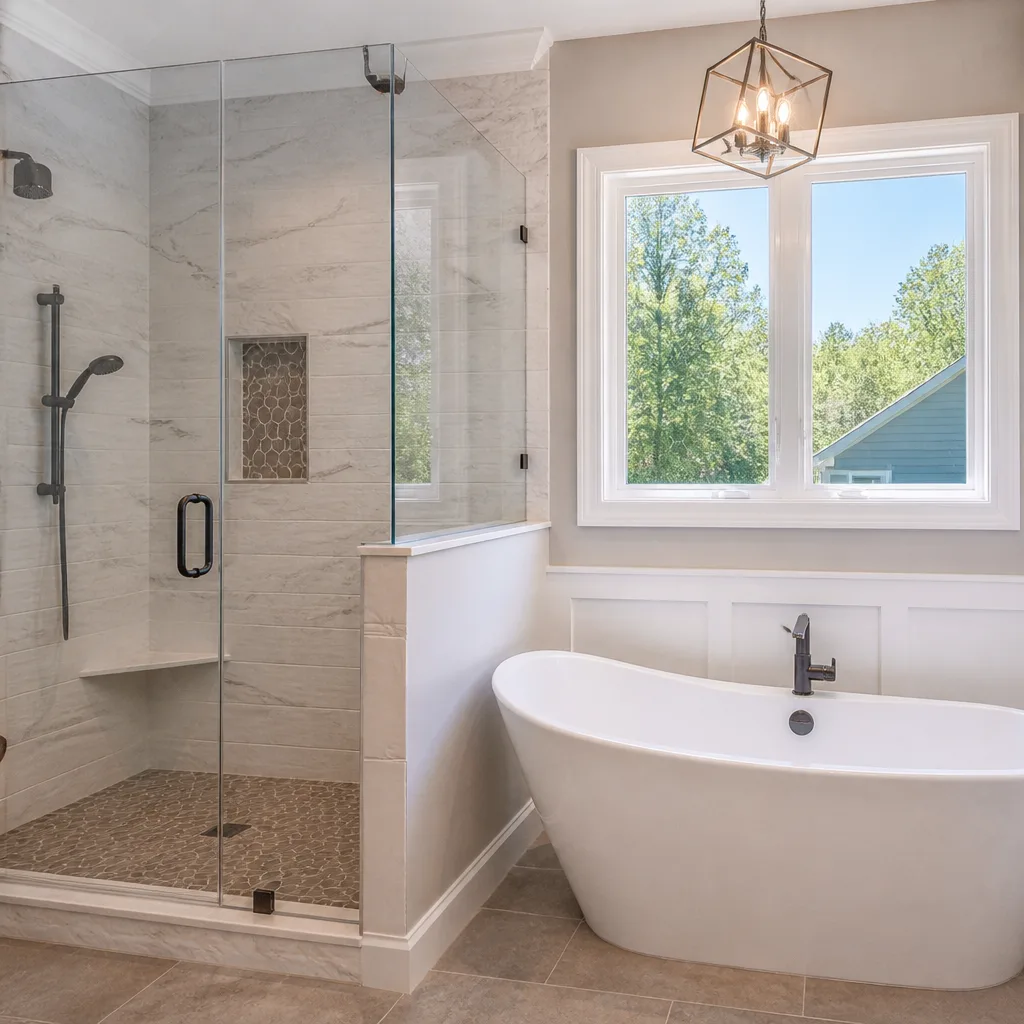 Bathroom remodeling
 Roofing
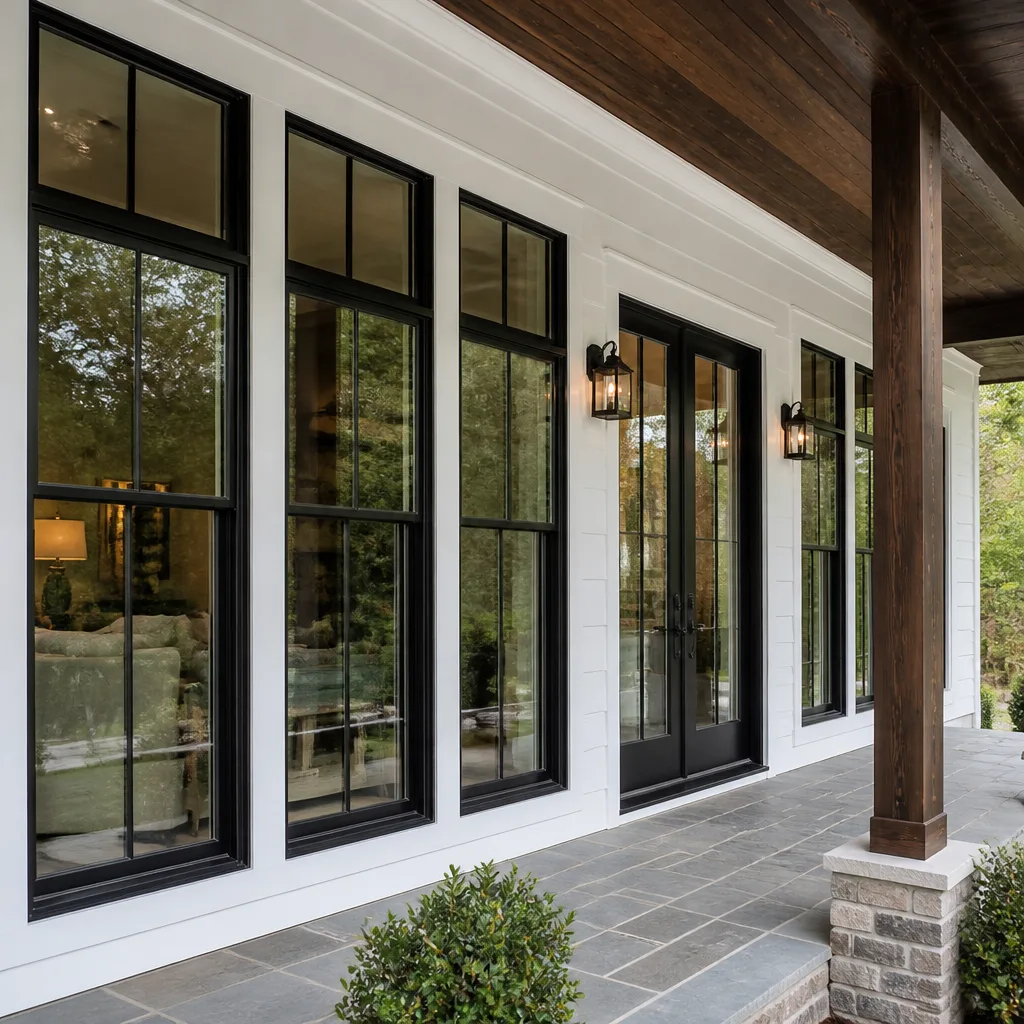 Windows & doors
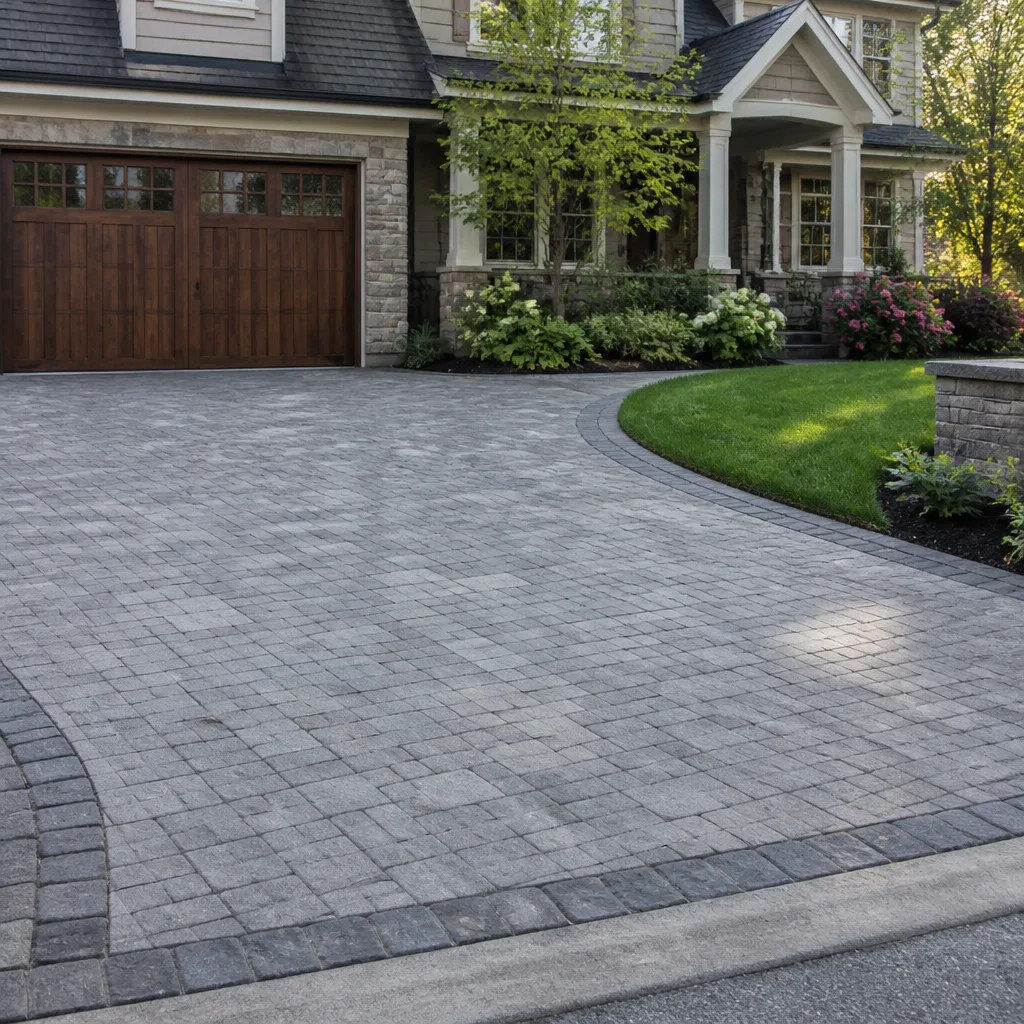 Driveway & pavers
 Fence
Free written scope consultation - allowances, timeline, and change-order rules on paper before a single trade is scheduled
Home Additions & ADU Troubleshooting: Common Problems and How to Fix Them
The number-one complaint we hear from homeowners in the middle of an addition isn’t the cost. It’s the not-knowing: staring at a half-framed wall and wondering whether what you’re seeing is just normal construction or a real problem that needs to stop today. That uncertainty is worse than any bill, because it leaves you guessing while money moves. Most of those problems didn’t start on the job site anyway. They started in a contract that didn’t define scope tight enough to hold anyone accountable. This guide walks through the ten failures we see most often on additions and accessory dwelling units (ADUs) across Glendale, and, more usefully, tells you what leverage you actually have to fix each one.
Quick Answer
Common home addition and ADU problems fall into four buckets: sequencing delays that look worse than they are, failed inspections (usually a rough-in or framing issue), moisture and waterproofing failures caught before drywall, and money disputes caused by vague scope or unpriced allowances. In almost every case, the fix starts with paper, not a hammer: your signed contract, your written change orders, and the inspection record. If the paper trail is thin, your leverage is thin. If it’s solid, you can usually force a correction without a lawyer.
Styles & brands we work with
- Kitchen remodeling
- Bathroom remodeling
- Home additions & ADU
- Roofing
- Windows & doors
- Driveway & pavers
- Fence
Table of Contents
- Is This Normal Construction or Is My Contractor Actually Behind?
- What a Failed Rough-In Inspection Really Means (and Who Pays)
- Moisture and Waterproofing Problems Before Drywall Goes Up
- When Your Contractor Asks for More Money: The Paper Trail to Build
- How to Escalate a Permit Dispute with Glendale Building & Safety
- ADU-Specific Problems: Utilities, Setbacks, and the Garage Conversion Trap
- How to Replace a Contractor Mid-Project Without Starting Over
Is This Normal Construction or Is My Contractor Actually Behind?
Most sequencing delays are normal. A foundation that cures a few days long, an inspection slot that isn’t available until Thursday, a window order that slips two weeks because the factory is behind – these are the ordinary friction of building, and a good contractor tells you about them before you notice. In our experience, the difference between “normal” and “behind” comes down to whether you’re hearing it from the contractor or discovering it yourself.
Here’s a plain way to tell them apart:
- Normal: You get a heads-up before the delay happens, and the contractor gives you a new date, not a shrug.
- Normal: The crew shows up on days the schedule says they should, even if the work is slower than you’d like.
- Behind: You find out the schedule slipped by walking outside and seeing nobody there for a week with no explanation.
- Behind: The contractor stops returning calls once the question gets specific about dates.
- Behind: Materials sit in the yard for days with no one touching them, and the story keeps changing.
One Glendale reality worth knowing: hillside properties in neighborhoods like Chevy Chase and Adams Hill often hit extra soil and grading reviews, and those reviews add calendar time that has nothing to do with your contractor’s speed. A builder who anticipated that tells you. A builder who didn’t blames the city after the fact.
What a Failed Rough-In Inspection Really Means (and Who Pays)
A failed rough-in inspection means the framing, electrical, plumbing, or mechanical work wasn’t ready or wasn’t to code when the inspector looked at it. It’s not a catastrophe – it’s the inspection system doing its job before the walls close up. The real question is who’s responsible for the correction and the re-inspection fee, and the answer is almost always written into your contract already.
Common causes we see:
- Electrical: Missing nail plates over wire runs, box fill over the limit, or an outlet spacing that doesn’t meet the code the plan was drawn to.
- Plumbing: Wrong slope on drain lines, missing venting, or a rough-in that doesn’t match the fixture schedule.
- Framing: Missing hardware at connections, undersized headers, or notching that wasn’t allowed.
- Mechanical: Duct routing that doesn’t clear framing, or equipment access too tight to service.
On a properly written contract, the contractor owns the re-inspection fee if the failure was their workmanship. If the failure traces to a plan the homeowner supplied or a last-minute change the homeowner requested, that’s a different conversation. This is exactly why we push scope and allowances into writing before work starts. “The permit inspector works for you, not for me – that’s why I like him.” He catches what would otherwise be buried behind drywall.
Moisture and Waterproofing Problems Before Drywall Goes Up
The window to fix a moisture problem is between framing and drywall. After the drywall goes on, you’re tearing out finished work, and the bill multiplies. This is your last clean look at the bones of the addition, and Glendale’s dry climate gives a false sense of security – our rainy season concentrates into a few wet months, and a roof or flashing detail that looks fine in July can leak all winter. Hillside lots and anything downhill of a slope get hit harder.
What to check before the drywall crew arrives:
- Roof-to-wall flashing. Look at the transition where the new roof meets the existing house. It should be layered and sealed, not just caulked.
- Window and door openings. The rough opening should have flashing tape at the sill and up the sides, lapped in the right order so water sheds out, not in.
- Wall-to-foundation. Any moisture staining or efflorescence on the stem wall after rain is a signal worth asking about before it’s covered.
- Bathroom and laundry areas. Waterproofing at the wet wall and shower surrounds should be installed and photographed before tile or drywall.
- Attic and crawl access. Make sure you can still see into the cavity after the work is closed up. A phone photo of every wall cavity, taken by the crew, is cheap insurance.
If a contractor resists a pre-drywall walk-through with you, that’s the problem. Ask for one in writing in the schedule.
When Your Contractor Asks for More Money: The Paper Trail to Build
The most common mid-project fight isn’t a surprise cost – it’s a surprise invoice. The contractor asks for money “because the scope changed,” and the homeowner has nothing to point at because the scope was never pinned down. “An allowance that isn’t on paper is a surprise waiting for a date.” Your job in this moment is not to argue. It’s to build the record.
Here’s the paper trail to create, in order:
- Request the request in writing. Ask for the change as a written document: what changed, why, and the exact dollar amount. Refuse to authorize anything by phone.
- Compare to the original contract. Does the original scope already cover this? If the contract says “electrical rough-in included,” a request to charge for it again is not a change order – it’s a duplicate.
- Demand the allowance breakdown. If the extra money traces to an allowance (tile, fixtures, finishes), ask for the original allowance number and the overage line by line.
- Do not pay until the change order is signed. A written change order protects both sides. If the contractor won’t put it on paper, that’s information.
- Keep everything in one file. Emails, texts, photos of the site, and every signed document. A clean paper trail ends more disputes than a lawyer does.
Every Barrett & Sons contract carries the same rule: every scope, every allowance, every price change arrives as a written change order before work happens. No surprise invoices at the end.
How to Escalate a Permit Dispute with Glendale Building & Safety
If you have a permit or inspection dispute the contractor won’t resolve, you don’t need a lawyer to escalate it. You need to call the City of Glendale’s Building & Safety Division directly and ask for the inspector assigned to your project. The city works for you, not the contractor, and that call is free.
Steps to escalate cleanly:
- Get the permit number from the contractor or the paperwork stapled to the site. Every permitted job has one.
- Call Building & Safety and ask for the assigned inspector. Explain the situation in plain terms: what was inspected, what failed or wasn’t inspected, and what the contractor is or isn’t doing about it.
- Ask for the inspection record in writing. You want the failure note and any correction notice, not a verbal summary.
- Request a re-inspection once the correction is done. Make sure the contractor has scheduled it and you have the date.
- Document the call. Name, date, what was said. If a pattern of unpermitted work turns up, this record matters.
If a contractor ever tells you permits are optional on an addition or ADU in Glendale, they’re wrong. Permits pulled and inspections signed on every eligible job is baseline, not a bonus.
ADU-Specific Problems: Utilities, Setbacks, and the Garage Conversion Trap
ADUs fail in different places than a plain family-room addition, and the biggest failure we see is the garage conversion that looked cheap until the utilities hit. A detached garage that becomes a habitable unit needs power, water, sewer, and gas routed to it – and if the existing panel or service can’t carry it, the upgrade lands on your side of the ledger. Homeowners in Glendale’s older neighborhoods, especially around Tropico and south of the 134, regularly run into panels that are already full.
Watch for these ADU-specific problems:
- Panel capacity. A habitable ADU with its own kitchen and laundry needs real electrical service. Ask for the load calculation in writing before the contract is signed.
- Setbacks and lot coverage. The gap between the neighbor’s fence and your proposed wall is surveyed, not eyeballed. Glendale hillside parcels in particular get extra scrutiny on grading.
- Access and grading. A hillside ADU pad that needs grading can hit soil reports and retaining walls the owner never priced. Get the grading scope in writing.
- Alley access and parking. Many Glendale ADU sites use alley access. The condition of that alley and the driveway apron into it is a real cost that shows up late if nobody priced it.
- The kitchen-electrical trap. Brand-name appliances (KraftMaid cabinets, Cambria counters) look great in the showroom, but the dedicated circuits and venting they need are a scope item, not an assumption.
If you’re planning an ADU on a hillside lot, get the survey, the soil report, and the utility plan priced up front. Those three line items are where the surprises live.
How to Replace a Contractor Mid-Project Without Starting Over
Firing a contractor mid-addition is expensive and sometimes necessary. The reason it usually feels like starting over is that the first contractor walked off with the paperwork, the permit, and the schedule. You can avoid that by moving in a specific order, and by having the right documents in hand before the conversation.
Here’s the sequence that protects you:
- Get the permit into your name or a new contractor’s name. In Glendale, the permit follows the license, and a stalled permit is a stalled job.
- Photograph everything. Every wall, every junction, every connection. A new crew needs eyes on the work that’s already there before they quote the completion.
- Collect the paperwork you own. Plans, change orders, invoices to date, inspection records, and warranty documents. If it’s on your house, it’s your file.
- Get a written completion bid from the new contractor. Itemized, with a written change order policy, before anyone touches a nail.
- Re-inspect before continuing. A fresh inspection on the completed rough-in protects everyone, and it tells the new crew exactly what needs redoing.
The common thread in every one of these ten failures: the leverage isn’t in the argument, it’s in the written record. Whether you’re troubleshooting an ADU in Glendale or pricing your next project, the paper is what holds up.
Common Mistakes to Avoid
- Signing a contract with no allowance breakdown. “Allowance” without a number is a blank check. Every allowance should have a dollar figure and a written change-order process attached to it. Homeowners in Glendale get burned by this on kitchens and bathroom finishes.
- Treating permits as optional. If the last contractor told you permits weren’t needed on an addition, that’s the first red flag. Every eligible job gets permits pulled and inspections signed.
- Not seeing the walls before drywall. A pre-drywall walk-through with photos is free and catches waterproofing problems while they’re still cheap to fix.
- Paying extra money without a change order. A verbal ask followed by a check is the start of a dispute. No change order, no payment.
- Assuming normal delays and hidden problems look the same. Normal delays come with a heads-up and a date. Hidden problems come with silence. Learn the difference early.
- Forgetting the paper trail during the job. Photos, emails, and signed documents are your leverage. If you’re not keeping them, you’re negotiating from behind.
- Hiring based on the phone quote alone. The price over the phone and the bill at the door should match. Ask for a written, itemized estimate before the first nail.
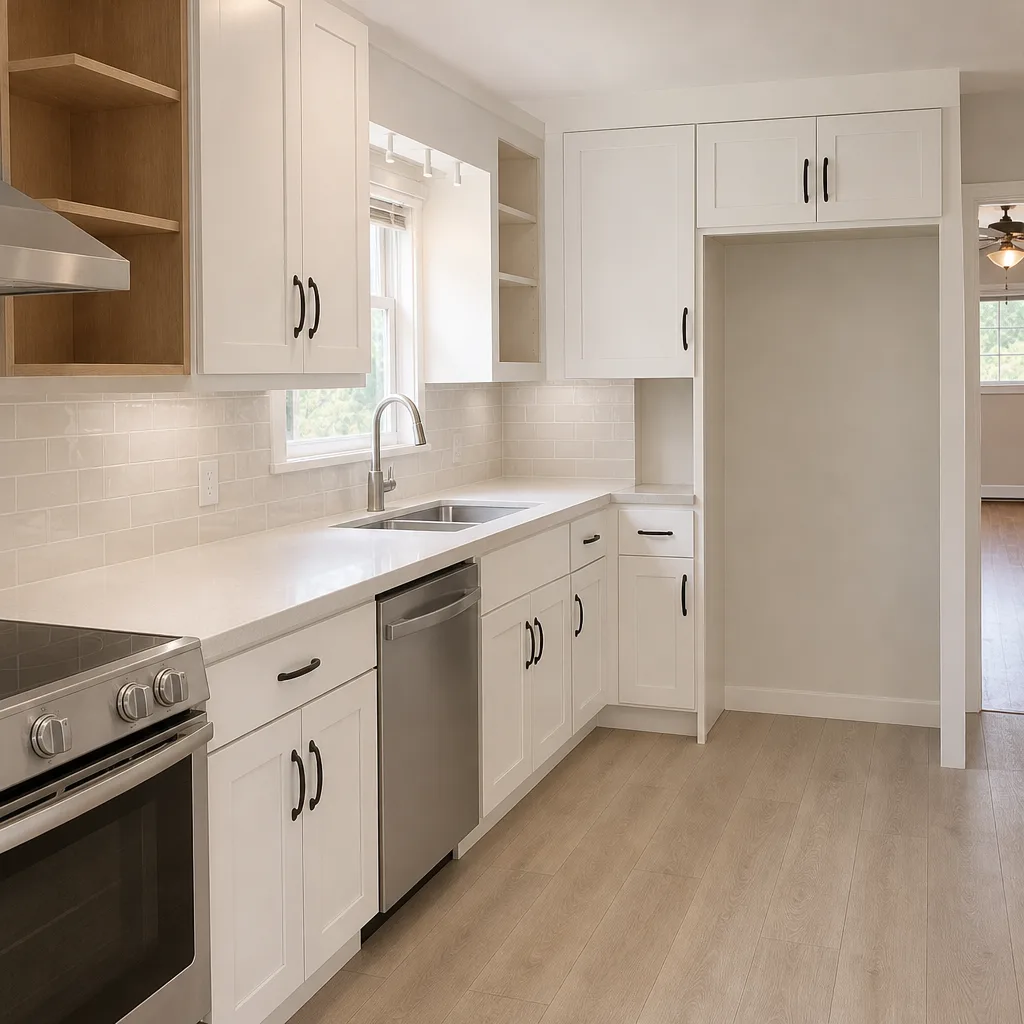
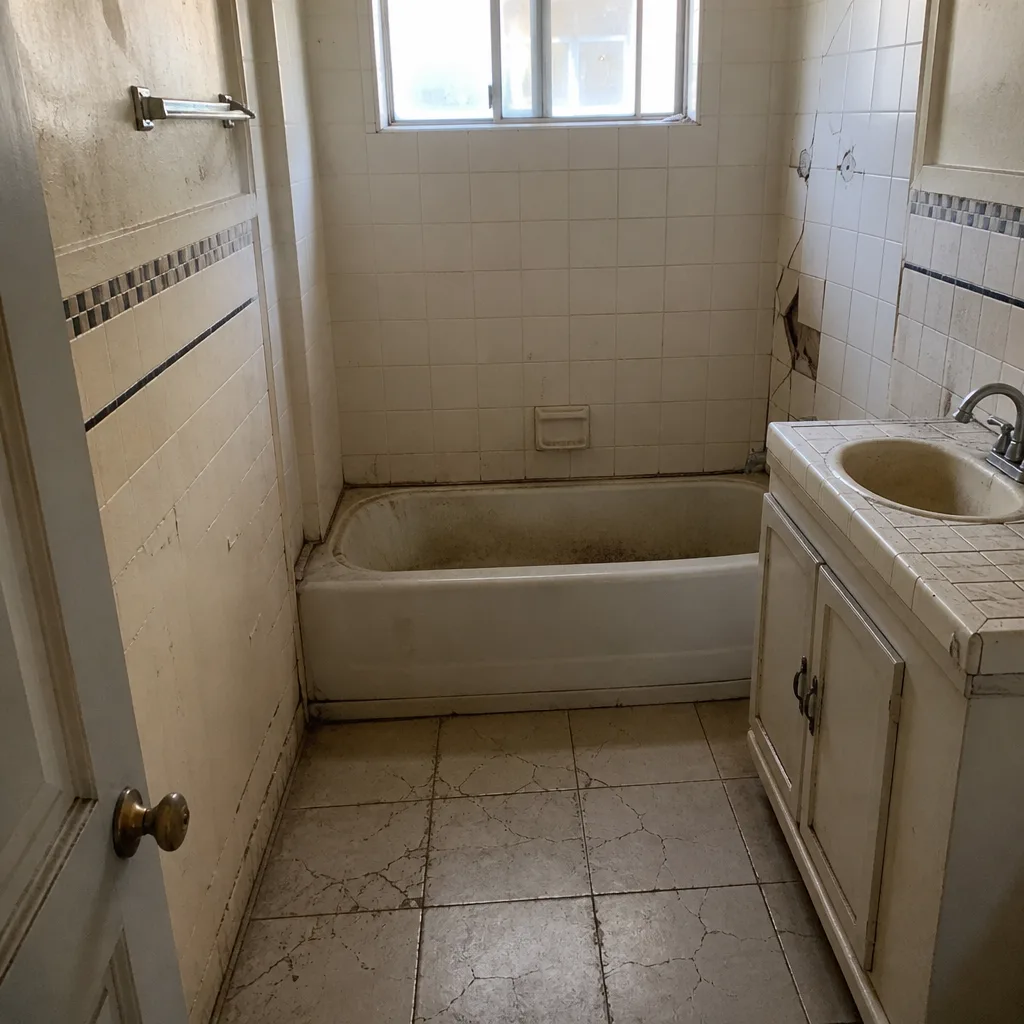
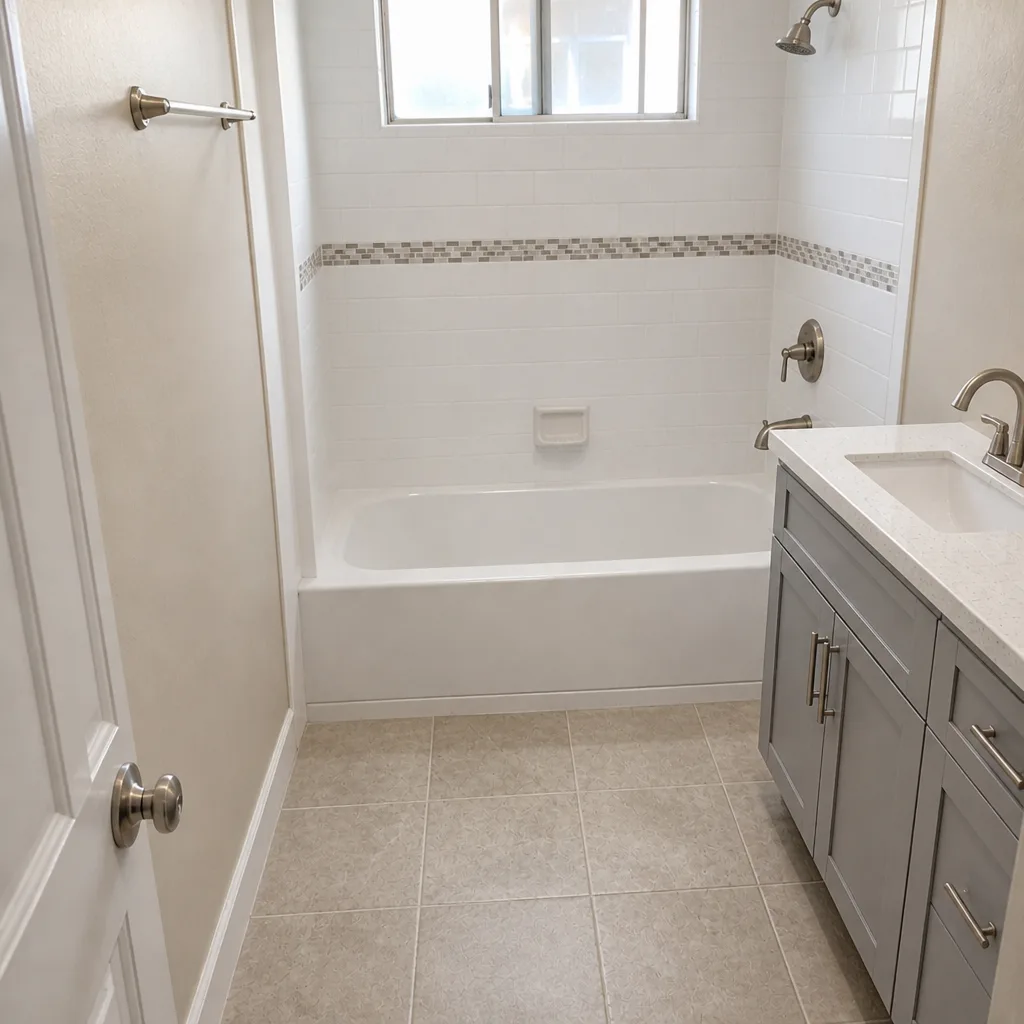
See the difference
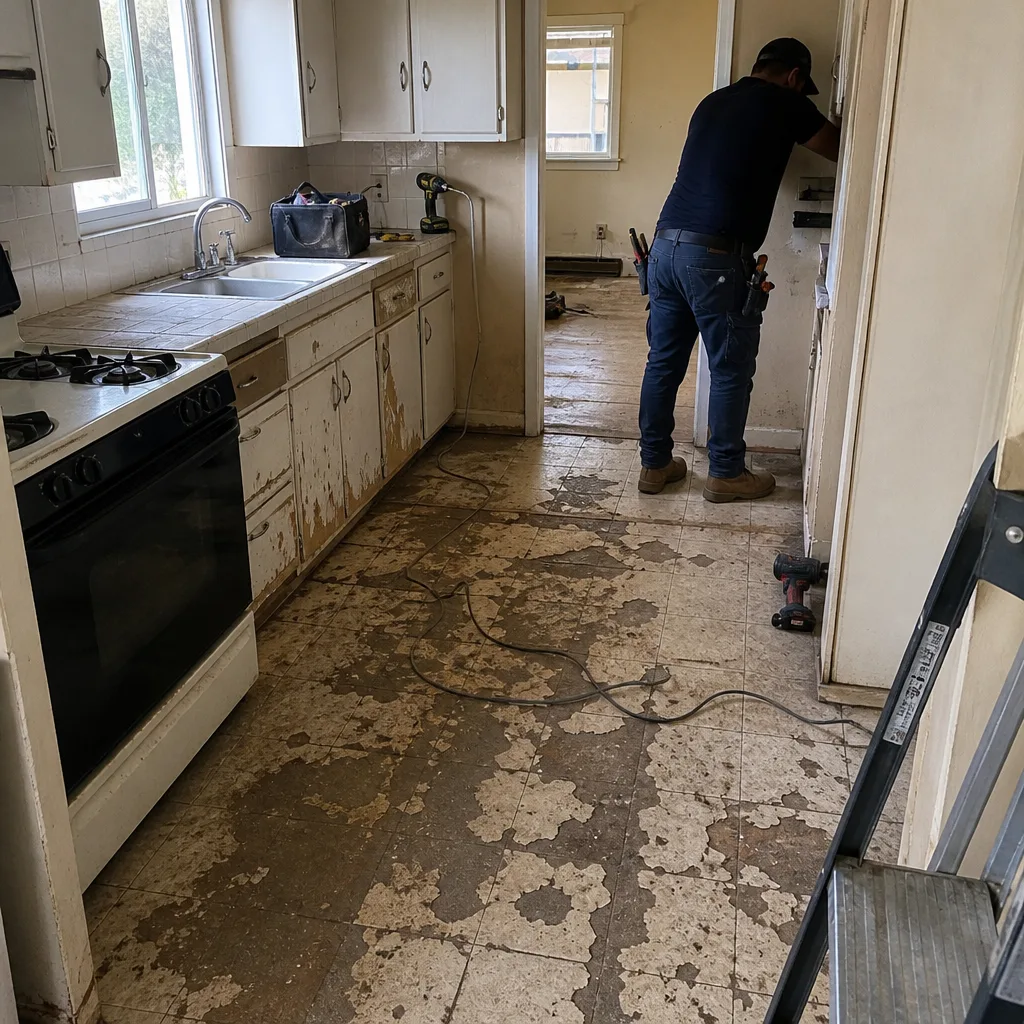 Before
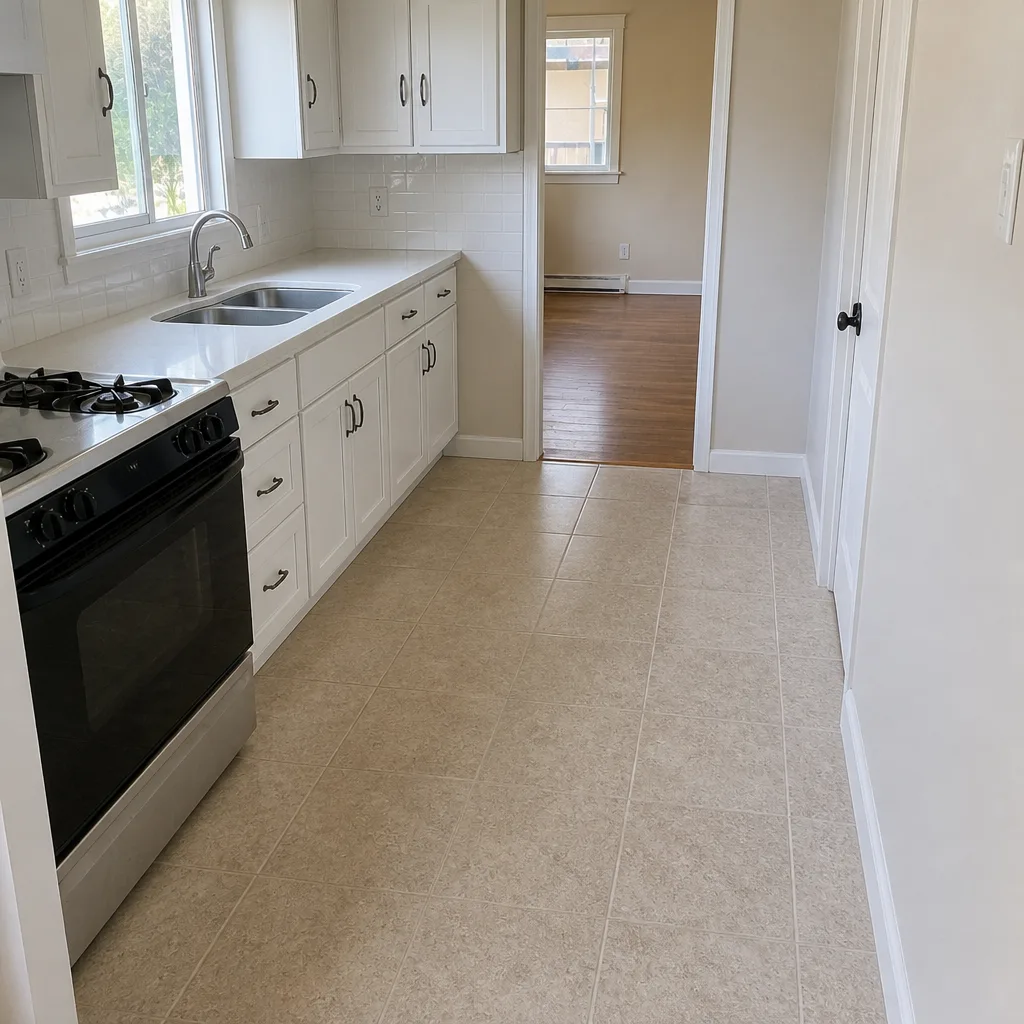 After
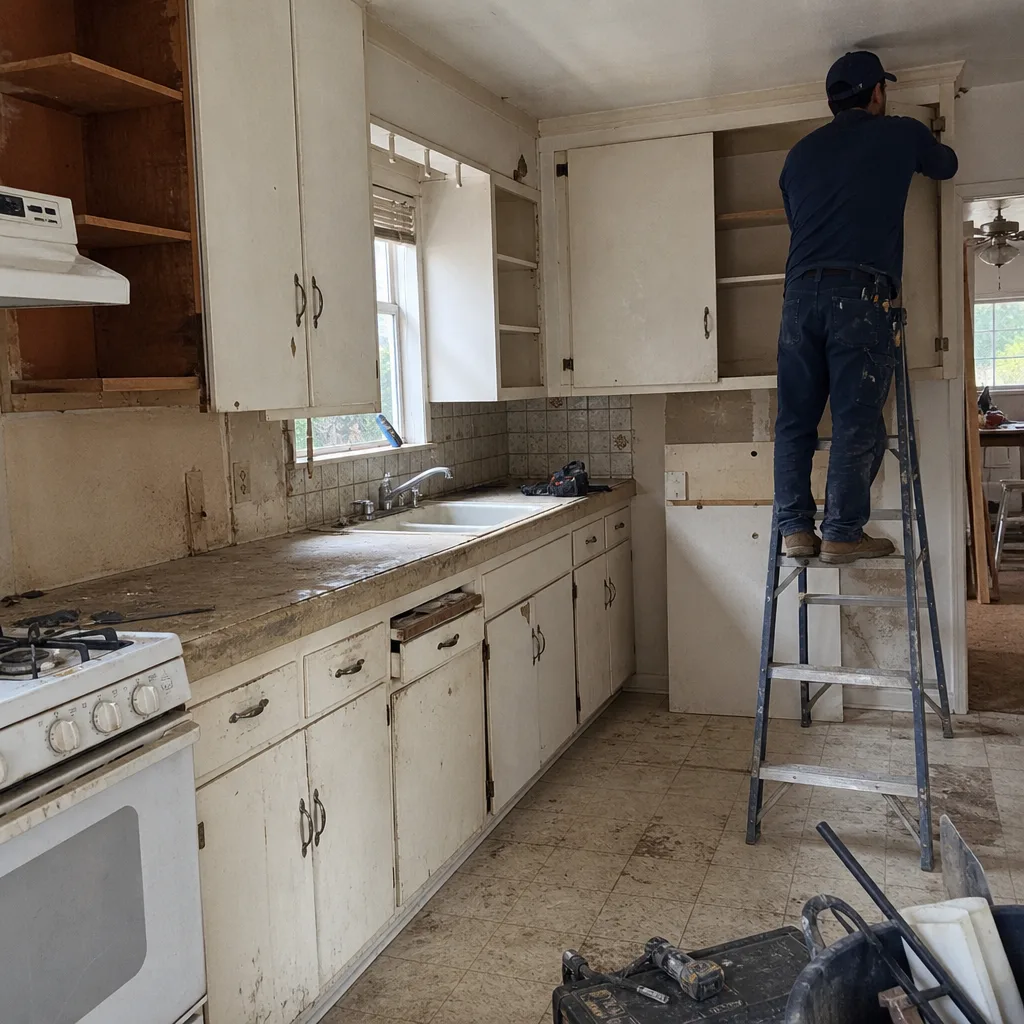 Before
 After
 Before
 After
When to Call a Professional
Call a professional when the paper trail is thin and the job is already underway, when a failed inspection traces to workmanship you can’t correct, or when a contractor has gone quiet for more than a few days with no explanation. Same for moisture that’s already showing on a wall or a permit that’s stalled at Building & Safety. These are the moments when the wrong move on your own costs ten times what a licensed contractor costs to fix. Barrett & Sons Construction Glendale offers free estimates in Glendale – call (844) 560-4526. A live person answers, 24 hours a day, 7 days a week, and a second opinion on any written estimate is free. If you’re pricing a new addition, an ADU, or a completion of a job someone else started, Home Additions & ADU in Glendale is where we go deep on scope, permits, and change orders before work begins.
Frequently Asked Questions
Normal delay comes with a heads-up and a new date; being genuinely behind means you find out by noticing nobody showed up. If the contractor gives you a revised schedule in writing before the delay hits, that’s the sign of a managed job. If the story keeps changing and calls stop getting returned, that’s a problem – call (844) 560-4526 for a free second opinion on your written schedule.
On a properly written contract, the contractor covers the re-inspection fee when the failure traces to their workmanship. If the failure comes from a plan the homeowner supplied or a last-minute change the homeowner requested, that’s a different conversation and should be handled as a written change order. Either way, get the inspection record in writing.
Correcting waterproofing before drywall is typically a small fraction of what the same fix costs after finishes are installed, because the wall is still open and the flashing and tape are still accessible. We’ve seen the before-drywall correction run in the hundreds where the after-drywall repair runs into the thousands. Call (844) 560-4526 for a free walk-through and a written estimate.
Ask for the request in writing as a change order, compare it to the original signed scope, and don’t pay until it’s on paper and signed by both sides. If the request traces to an unpriced allowance, ask for the allowance number and the overage line by line. That single document is usually enough to settle the question.
Yes – we regularly see grading, soil report, and utility capacity issues on hillside ADUs in Glendale, particularly around Chevy Chase and Adams Hill. Bring us the plans, the survey, and any inspection record, and we’ll walk the site with you and put a written scope together. The estimate is free.
Not without a written change order that you sign before the work happens – that’s the rule on every Barrett & Sons job. “An allowance that isn’t on paper is a surprise waiting for a date,” and we hold to that on every contract. Every completed job is also backed by the written 90-Day Done Right Promise: if something isn’t done right, one call brings us back to make it right. Call (844) 560-4526 for a free, itemized estimate.
The Bottom Line
Most addition and ADU problems you’ll hit mid-project aren’t mysteries – they’re the predictable result of a contract that didn’t pin down scope, allowances, and the change-order process. When something goes wrong, your leverage isn’t in the argument, it’s in the paper: the signed contract, the written change orders, the inspection record, and the photos taken before drywall. Build that paper trail from day one, and you can usually force a correction without a lawyer. Skip it, and you’re negotiating from behind. If you’re pricing a job, Driveway & Pavers in Glendale, Fence Installation in Glendale, and Barrett & Sons Construction Glendale home are all written the same way – scope in writing, allowances in writing, change orders in writing, every time.
Contact
If your addition or ADU has hit a snag – a failed inspection, a moisture problem before drywall, a contractor asking for money that isn’t in the contract, or a permit stuck at Building & Safety – call us for a free estimate. A live person answers (844) 560-4526 24 hours a day, 7 days a week. We’ll walk the site with you, get the paper straight, and tell you honestly what the fix looks like. Mention any of our standing offers when you call: $40 off any repair over $200, a free second opinion on any written estimate, no trip charge inside the county, and a permanent 10% senior and veteran discount. If a contractor on your street left you with a job half-done, we’re the name on the truck that will finish it the right way.
Written by the team at Barrett & Sons Construction Glendale.