
Last updated November 17, 2026
 Bathroom remodeling
 Kitchen remodeling
 Home additions & ADU
 Roofing
 Windows & doors
 Driveway & pavers
 Fence
Free written scope consultation - allowances, timeline, and change-order rules on paper before a single trade is scheduled
How Long Does Bathroom Remodeling Take? Timelines and What to Expect
Glendale Building & Safety permit turnaround for a bathroom remodel currently runs longer than most contractors quote for the entire job. That gap is where project timelines fall apart. A contractor tells you three weeks, you clear your calendar, and then the permit sits in a queue while your bathtub sits in the garage. We’ve seen this play out more times than we can count in Glendale, and it’s almost always because nobody planned the permit wait into the schedule. This guide breaks down what a bathroom remodel actually takes, phase by phase, and the delays nobody warns you about.
Quick Answer
A full bathroom remodel in Glendale typically takes 5 to 9 weeks of construction time, but from the day you sign the contract to the day you move back in usually lands closer to 3 to 4 months once you factor in permit review, material lead times, and inspection scheduling. A cosmetic refresh (new vanity, paint, fixtures on existing plumbing) can finish in 2 to 3 weeks. The difference between those timelines comes down to how early the permit gets pulled and how quickly you make decisions.
Styles & brands we work with
- Kitchen remodeling
- Bathroom remodeling
- Home additions & ADU
- Roofing
- Windows & doors
- Driveway & pavers
- Fence
Table of Contents
- The Real Phase-by-Phase Timeline
- Glendale Permit Wait Times and How to Plan Around Them
- Why Waterproofing Cure Time Is Non-Negotiable
- The Three Most Common Mid-Project Discoveries in Glendale
- How Change Orders Affect Your Timeline
- What a Contractor’s Week Estimate Actually Means
- Common Mistakes to Avoid
- Frequently Asked Questions
The Real Phase-by-Phase Timeline
Most contractors give you one number: “three weeks.” That number hides everything. Here’s what a gut remodel of a standard hall bath actually looks like when you break it into phases, with honest day counts. These assume permits are already in hand and materials are on site.
- Demolition (1 to 3 days). Tear out tile, tub, vanity, toilet, and drywall down to studs. In older Glendale homes built before 1960, demo often reveals more than expected, which is why we budget the upper end.
- Rough-in plumbing and electrical (3 to 5 days). New supply lines, drain relocation if the layout changes, GFCI outlets, exhaust fan wiring. This is where a permit inspector looks first.
- Rough-in inspection (1 to 5 days of waiting). The work stops while the city reviews. This is not a construction day; it’s a wait day that most schedules quietly omit.
- Insulation, drywall, and backer board (2 to 4 days). Hang, tape, mud, sand. Cement backer board goes in wet areas.
- Waterproofing membrane (1 day to install, 24 to 72 hours cure). Non-negotiable. More on this below.
- Tile set and grout cure (5 to 8 days). Wall tile, floor tile, then grout that needs 24 to 48 hours before it’s sealed and walked on.
- Fixture and finish install (2 to 4 days). Toilet, vanity, faucets, shower trim, mirrors, lighting, paint touch-up.
- Final inspection (1 to 5 days of waiting). Another scheduling wait before the job is closed out.
Add those up and a gut bath runs 4 to 6 weeks of working days plus two inspection waits. A full primary-suite remodel with a layout change runs longer, 6 to 9 weeks, because moving a drain or adding a second shower valve adds rough-in time and another inspection.
Glendale Permit Wait Times and How to Plan Around Them
Here’s the part that trips up most homeowners. A bathroom remodel that moves plumbing or electrical needs a permit, and in Glendale that means a plan review through Building & Safety before a single wall comes down. That review doesn’t happen overnight. Depending on the season and the complexity of the submittal, plan review can run several weeks, sometimes longer during the busy spring and summer months when everyone wants their project done before the holidays.
The fix is simple: pull the permit before you need the crew, not after.
- Submit plans 4 to 6 weeks before your target start date. If plan review takes three weeks, you still have two weeks of buffer for corrections the reviewer asks for.
- Get the submittal package right the first time. Missing dimensions, an unclear plumbing diagram, or a missing electrical load calculation means a correction notice, and a correction notice adds another review cycle.
- Schedule the rough-in inspection the day the rough-in passes, not the day you finish. Inspection slots fill up. Booking early keeps the wait short.
- Don’t order fixtures until the permit is issued. If the layout changes during review, your already-ordered vanity may not fit.
Every eligible job we take on includes permits pulled and inspections signed. That’s not a selling point, it’s a basic. The permit inspector works for you, not for us. That’s why we like him. A permit is the paper trail that proves the plumbing behind your new tile is actually to code, and it matters if you ever sell the house.
Why Waterproofing Cure Time Is Non-Negotiable
This is the phase that gets rushed on cheap jobs, and it’s the one that costs the most when it’s skipped. The waterproofing membrane behind your tile, whether it’s a sheet membrane like Schluter-Kerdi or a liquid-applied coating, has a cure window. It has to be fully cured before thinset and tile go on top. If a crew tiles over a membrane that’s still tacky, the bond fails, water finds the gap, and you’re looking at a shower that leaks into the framing within a year or two.
Cure times vary by product. Sheet membranes bond immediately but the seams and corners need proper overlap and a set time. Liquid membranes typically need 24 hours between coats and 24 to 72 hours before tile. That’s a day or three of apparent “nothing happening” on the job site, and on a rushed schedule it’s the first place a contractor cuts time.
We don’t cut it. When we install a Schluter system in a Glendale bathroom, the membrane gets its full cure before tile. In a climate where indoor humidity can sit high for weeks at a time, a slow, correct cure is the difference between a shower that lasts twenty years and one you’re tearing out in three. If a contractor’s schedule doesn’t have a cure day built in, ask why.
The Three Most Common Mid-Project Discoveries in Glendale
Glendale has a lot of housing stock built before 1970, and opening a wall in a house that age is where timelines live or die. These are the three things we find most often, and how much time each adds.
- Galvanized water pipe. Older homes still have galvanized supply lines. Once they’re exposed, they usually need to be replaced in the bath, which means tying into the main and adding two to four days of plumbing plus a re-inspection. We’ve seen it in homes near Adams Square and in the older pockets off Chevy Chase.
- Subfloor rot. Slow leaks under a tub or around a toilet flange rot the plywood. Replacing subfloor and adding a new drain pan adds three to five days and requires the rough-in to be re-inspected.
- Outdated wiring. No GFCI protection, undersized wire, or knob-and-tube still feeding the bath. Bringing it to current code adds two to four days and a licensed electrician’s inspection. This is common in Glendale homes from the 1940s and 50s.
The way to handle discoveries is not to hope they don’t happen. It’s to budget a contingency of 10 to 15 percent both in money and in time, and to write the change order the day the discovery is made, not three weeks later. If you’re also weighing a larger project, our guide to Home Additions & ADU in Glendale covers how these same discoveries affect a bigger footprint.
How Change Orders Affect Your Timeline
Every scope change has a schedule cost, and most contractors don’t tell you what it is until your move-in date slips. A vanity swap is nothing. A decision to add a niche, move the shower valve, or upgrade to Grohe fixtures mid-job can push the finish date by a week or two because the material has to be ordered and the rough-in has to be adjusted before it can be inspected.
We write the schedule impact into the change order itself. Every scope, every allowance, every price change arrives as a written change order before work happens. That means you see three things on one page: what’s changing, what it costs, and how many days it adds. You sign it before the crew touches a thing. No surprise invoices at the end. An allowance that isn’t on paper is a surprise waiting for a date, and we’d rather have that conversation on paper today than on the phone in month three.
This is the single biggest reason we don’t say “three weeks” on the first visit. We say what the phases are, what the inspection waits look like, and what a change order will cost you in time. If you’re also planning exterior work in the same season, the install patterns in our Fence Installation in Glendale and Driveway & Pavers in Glendale guides show the same principle at work: paper first, then the crew.
What a Contractor’s Week Estimate Actually Means
When a contractor says “three weeks,” they usually mean three weeks of working days, not three calendar weeks. That’s the first gap. The second gap is that a week estimate almost never includes permit review, inspection waits, or material lead times. The third is that the estimate is often built on the assumption that nothing is wrong inside the wall, which in a Glendale house built before 1970 is a bet you don’t want to make with your own calendar.
Ask these questions before you sign, and write the answers into the contract:
- What’s the actual calendar date range, start to finish, including inspections?
- How many days of that are cure time and inspection waits?
- What’s the contingency in money and in days if we find galvanized pipe or subfloor rot?
- Who pulls the permit, and when? If the answer is “you do,” that’s a red flag.
- What’s the change-order process, and when do I see the schedule impact?
A contractor who can answer all five in writing is a contractor you can plan a life around. A contractor who gets squirrelly on any of them is telling you something. Premium brands installed correctly, like the KraftMaid vanities we set and the Schluter waterproofing behind the tile, only matter if the schedule gives them room to be installed right.
Common Mistakes to Avoid
- Ordering materials before the permit is issued. Your layout can change during plan review, and a vanity you can’t return is money and time down the drain.
- Booking a start date that overlaps the permit wait. If the permit doesn’t come back in time, the crew either waits (on your dime) or works without a permit (not on our watch). Plan the start date after the permit, not before it.
- Letting a contractor rush the waterproofing cure. It’s the most common cause of a shower that fails early. A cure day is not a nothing day.
- Choosing tile and fixtures mid-demolition. Pick every finish before demo. A tile held up at the supplier stops a job faster than a surprise pipe.
- Not budgeting for the wall opening up. In a Glendale house of a certain age, the odds of finding something are high. A 10 to 15 percent contingency is standard for a reason.
- Accepting a verbal change order. If the price changes, the paper changes. Get it in writing before the work moves.
- Skipping the final inspection. An unpermitted, uninspected remodel can complicate a Glendale sale later. Close it out properly.
See the difference
 Before
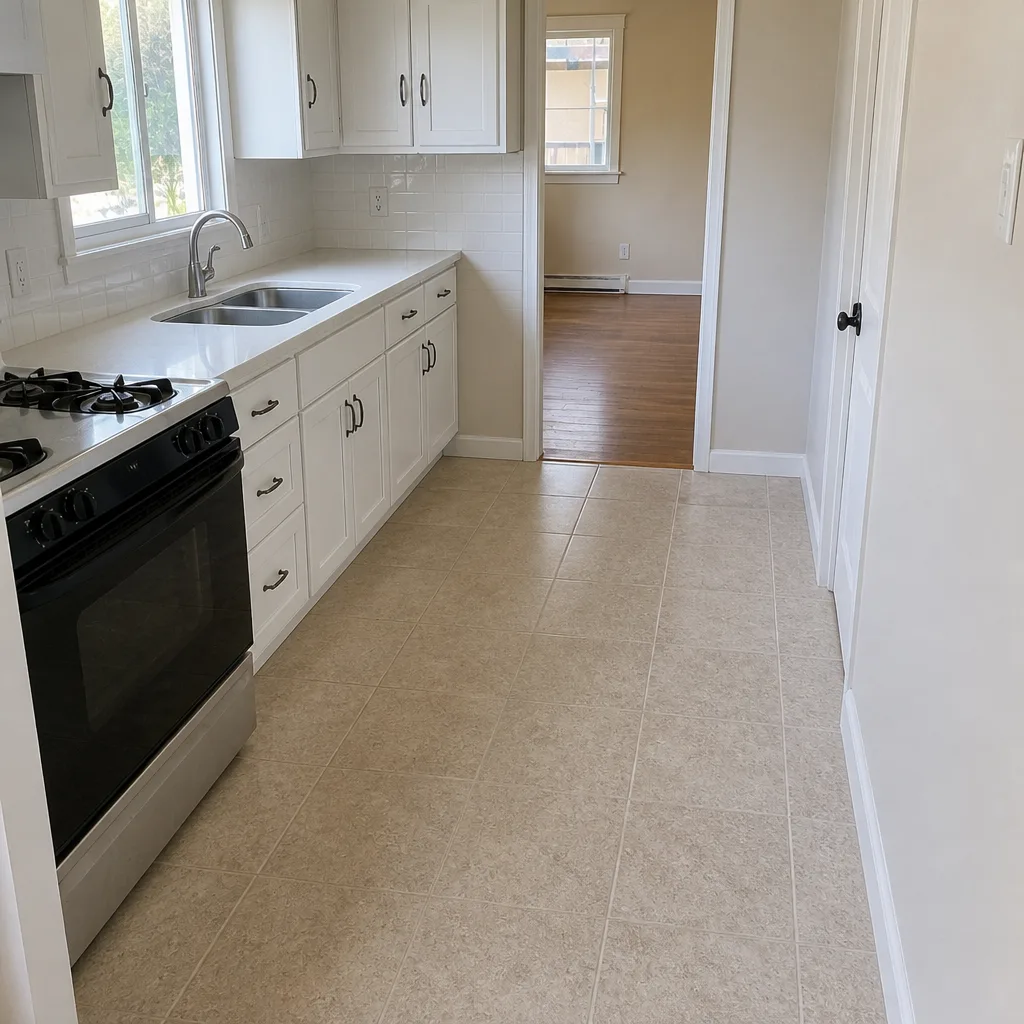 After
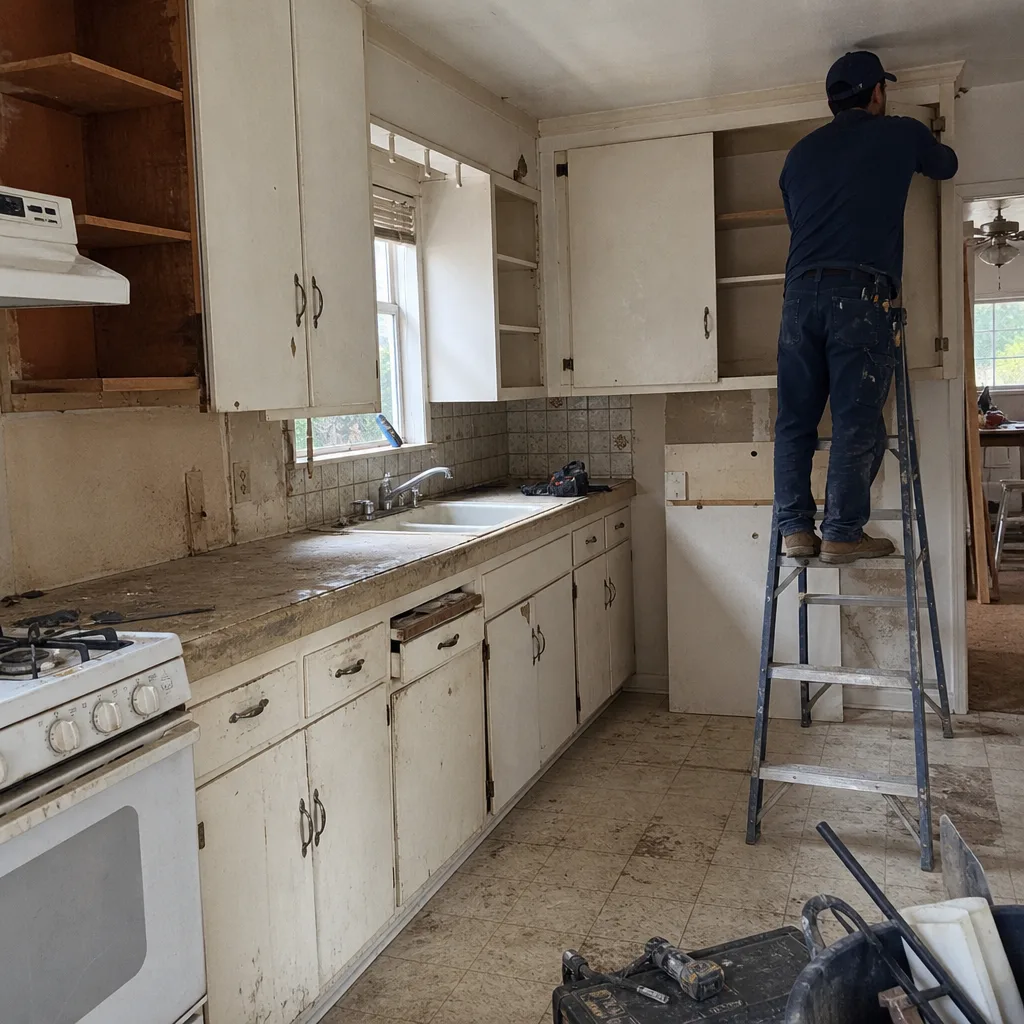 Before
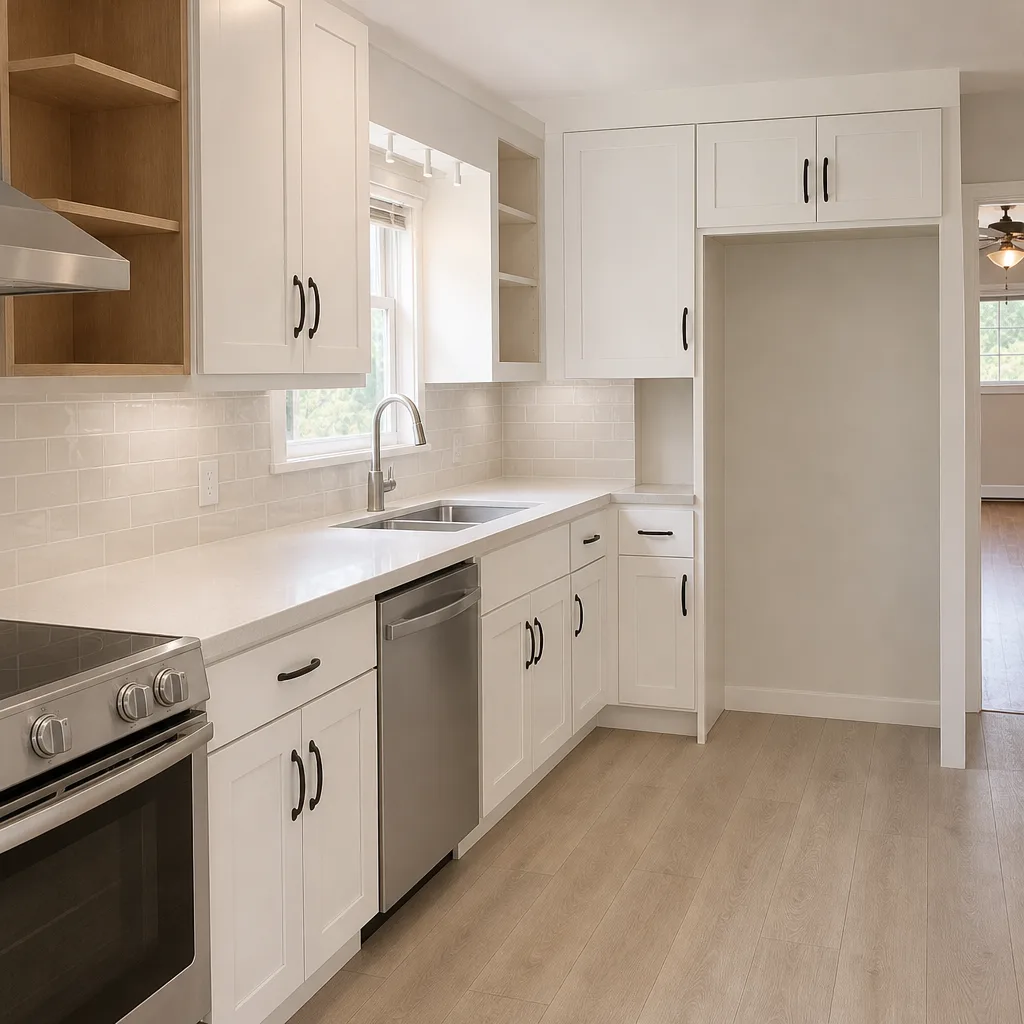 After
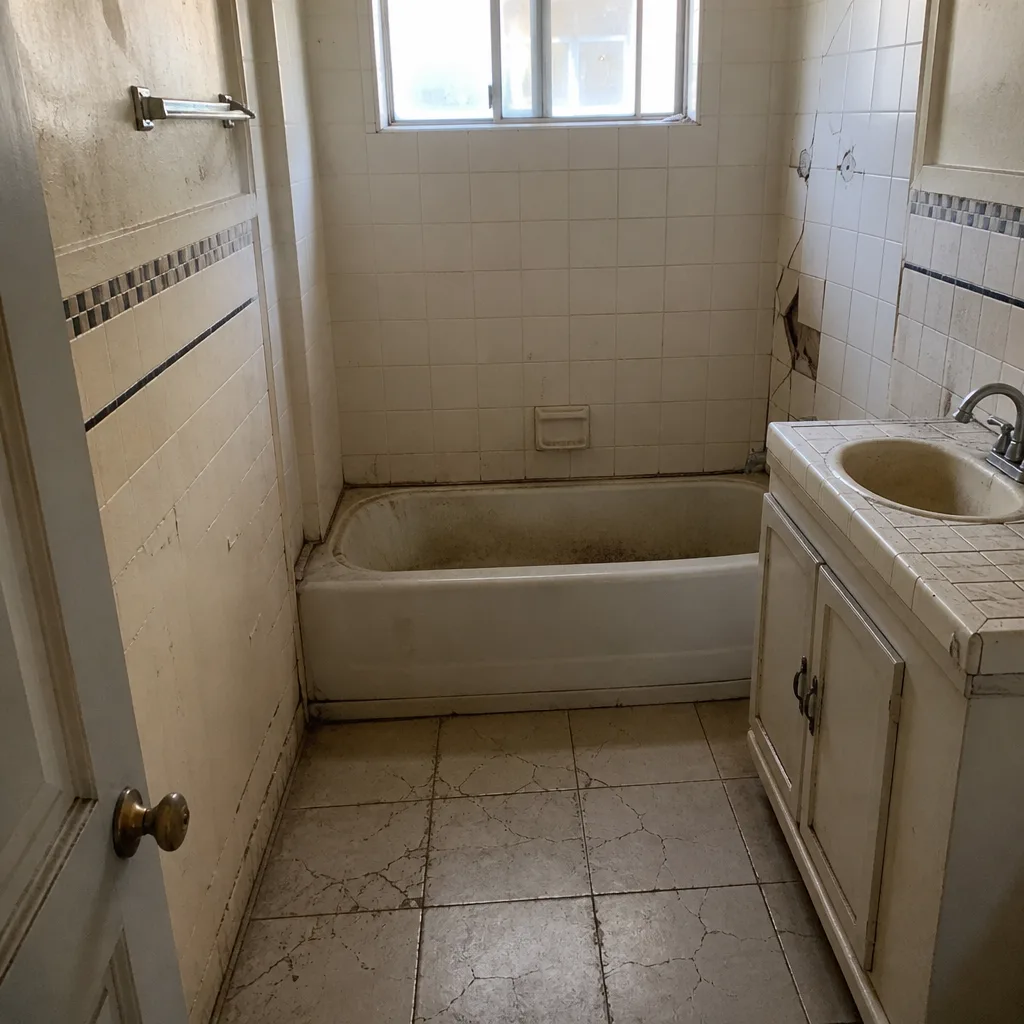 Before
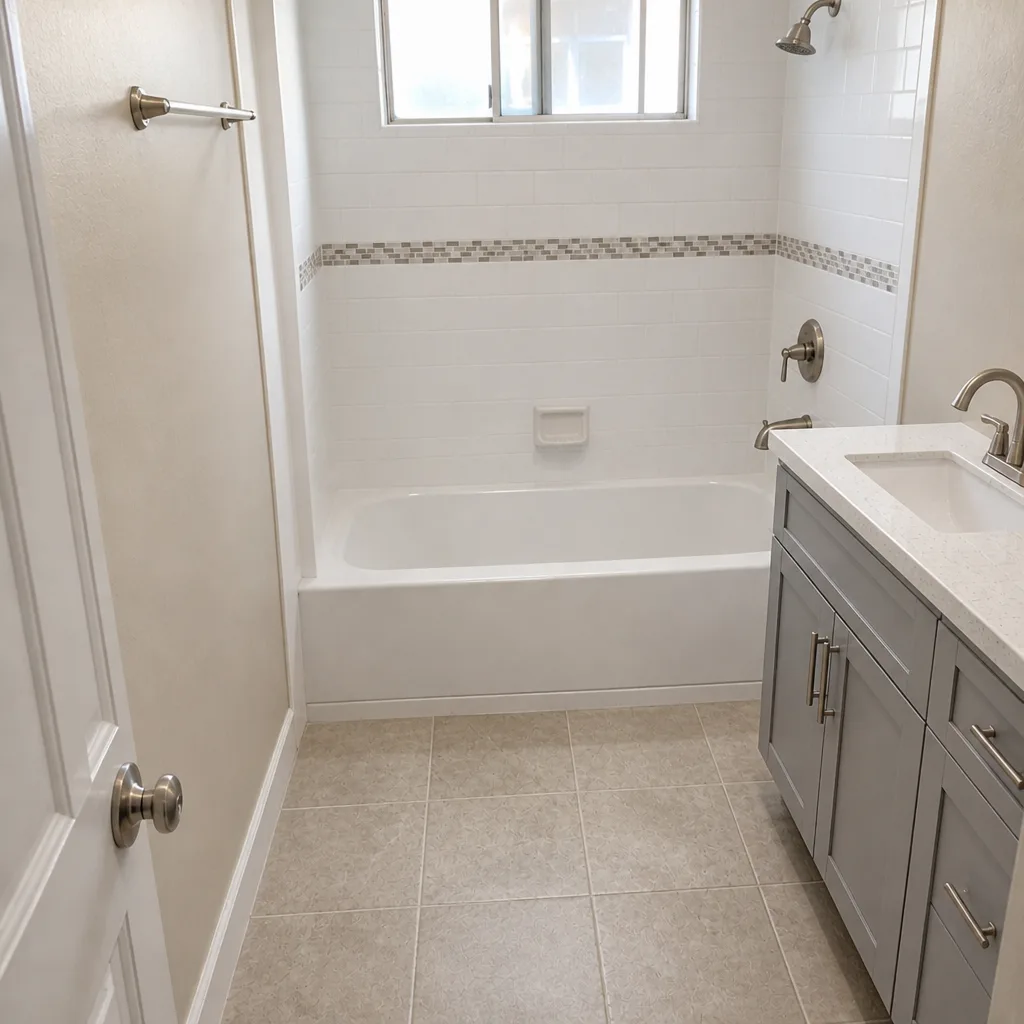 After
When to Call a Professional
Call a professional when the job involves moving plumbing or electrical, when the tile and shower are being redone, or when the wall is going to open and you don’t know what’s behind it. Those are the scenarios where a permit, an inspection, and a crew that knows waterproofing are worth every dollar. If you’re at that stage, Barrett & Sons Construction Glendale offers free estimates in Glendale, call (844) 560-4526. We’ll walk the bathroom, tell you what the phases actually look like, and put the schedule in writing before you sign anything. Our technicians have up to 28 years of experience, and every completed job is backed by our 90-Day Done Right Promise. You can also start with a look at Barrett & Sons Construction Glendale home to see the full range of what we do.
Frequently Asked Questions
In Glendale, from contract signing to move-back-in is typically 3 to 4 months for a full remodel, with 5 to 9 weeks of that being active construction and the rest being permit review, inspection waits, and material lead times. A cosmetic refresh on existing plumbing can run 2 to 3 weeks. Call (844) 560-4526 for an exact timeline on your bathroom, the estimate is free.
Plan review through Glendale Building & Safety typically runs several weeks, sometimes longer during the busy spring and summer months, and the exact time depends on the complexity of your submittal. A clean submittal with a complete plumbing and electrical plan moves faster than one that gets a correction notice. Submit plans 4 to 6 weeks before your target start date to stay ahead of it.
Only if the scope changes, and only in writing. Every price change we make arrives as a written change order with the cost and the schedule impact spelled out before work proceeds. If we open a wall and find galvanized pipe or subfloor rot, we write it up and you decide. An allowance that isn’t on paper is a surprise waiting for a date, and we don’t run jobs that way.
Yes. Every eligible job we take on includes permits pulled and inspections signed. We don’t hand the paperwork to the homeowner and wish you luck. A permitted, inspected remodel protects you if you ever sell, and it means the plumbing and electrical behind your new tile are verified to code.
We can’t promise same-day starts on a remodel, and nobody should. A bathroom remodel is a planned job that needs a permit, a material order, and a scheduled crew. What we can do is get you a free estimate and a written schedule so you know exactly when the work can start and when it will finish. Call (844) 560-4526 to begin.
We stop, we write a change order, and we tell you honestly how many days the fix adds. Galvanized pipe, subfloor rot, and outdated wiring are the three most common discoveries in Glendale’s older housing stock, and each adds time. The difference between a rough project and a disastrous one is how fast the problem gets onto paper.
The Bottom Line
A bathroom remodel in Glendale takes 3 to 4 months from contract to move-in, and almost none of that gap is construction. It’s permit review, inspection waits, and the wall opening up. Plan the permit 4 to 6 weeks ahead of your start date, hold a 10 to 15 percent contingency in both money and time, and get every change order in writing with the schedule impact on it. That’s how you keep a project on a calendar you can live with. Barrett & Sons Construction Glendale offers free estimates in Glendale, call (844) 560-4526. Permits pulled, inspections signed, change orders in writing, and a 90-Day Done Right Promise on every eligible job.
Written by the team at Barrett & Sons Construction Glendale.