
Last updated November 17, 2026
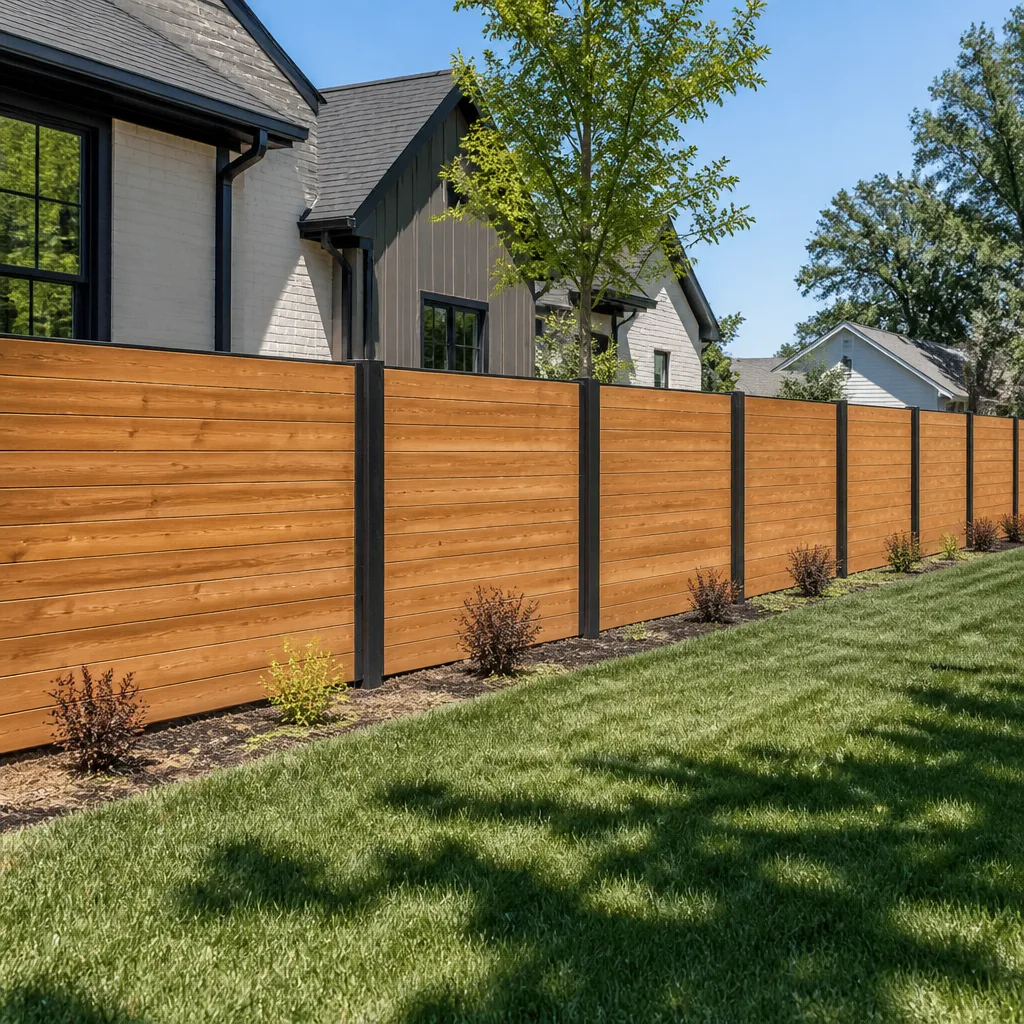 Fence
 Kitchen remodeling
 Bathroom remodeling
 Home additions & ADU
 Roofing
 Windows & doors
 Driveway & pavers
Free written scope consultation - allowances, timeline, and change-order rules on paper before a single trade is scheduled
How Long Does Fence Installation Take? Timelines and What to Expect
Most wood fence panels take one day to install. The two weeks before that? Almost nobody talks about those. That’s the part that eats your calendar: the utility marking window, the permit review, the concrete cure, the neighbor who wants a say in where the property line sits. We’ve built fences across Glendale long enough to know that homeowners who understand the pre-build timeline stay calm, and the ones who don’t end up frustrated by a fence that “should’ve been done already.” This guide maps the whole schedule, start to finish, so nothing on your calendar catches you off guard.
Quick Answer
A typical residential fence in Glendale takes 2 to 5 days of active installation for a standard lot, but the full process from signed contract to final inspection usually runs 2 to 4 weeks. The single biggest hidden delay is the utility marking call to 811, which legally requires at least 3 business days before any digging, and Glendale permit review for fences over 6 feet can add another 1 to 2 weeks. Plan on three weeks end to end and you’ll almost never be disappointed.
Styles & brands we work with
- Kitchen remodeling
- Bathroom remodeling
- Home additions & ADU
- Roofing
- Windows & doors
- Driveway & pavers
- Fence
Table of Contents
- The 811 Utility Marking Call: The 3-Day Rule Nobody Tells You
- Glendale Fence Permits: When You Need One and How Long It Takes
- Why Hillside Glendale Soil Can Add a Full Day to Post-Setting
- The Neighbor Notification Window: Why Skipping It Stops Jobs Mid-Project
- A Realistic Week-by-Week Schedule
- How Materials and Weather Stack the Timeline
- Concrete Cure Time and Final Inspection
The 811 Utility Marking Call: The 3-Day Rule Nobody Tells You
Here’s the rule that surprises nearly every homeowner we talk to. Before a single post hole gets dug, someone has to call 811, the free “Call Before You Dig” service that routes a request to the local utilities. California law requires that request be made at least 3 business days before excavation – no exceptions, no workarounds. Those 3 days aren’t something a fence crew can compress by hurrying. Gas, water, electric, and communications lines all need to be marked and confirmed.
What does this look like on your calendar?
- Day 1: We submit the 811 ticket for your Glendale address.
- Days 1-3 (business days only): Utilities send locators to spray-mark lines on your property. Fridays and weekends don’t count toward the 3 days.
- Day 4: Markings are valid and the crew can safely break ground.
Skip that step and you risk hitting a gas line or a private irrigation line that isn’t on any utility map. Hitting a gas line in a Glendale neighborhood means the fire department, a utility crew, and a very expensive afternoon. Calling 811 is free and it’s the law, so it’s never worth cutting. In our experience, the fence contractors who promise to “start Monday” without mentioning 811 are the ones who either skip it (dangerous) or quietly delay you once they realize the markings aren’t back yet.
Glendale Fence Permits: When You Need One and How Long It Takes
In Glendale, fences up to 6 feet tall generally don’t require a building permit. Go over 6 feet – common on hillside properties that want more privacy or a retaining element – and you’re into permit territory. That threshold is the trigger most homeowners don’t know about, and it’s exactly why a “just a fence” project can suddenly need drawings, review, and an inspection sign-off.
Permit review in Glendale typically runs 1 to 2 weeks for a straightforward fence application, longer if the fence sits on a slope near a retaining wall or touches a required setback. Add these factors and the review can stretch:
- Fence height above 6 feet
- Fence combined with a retaining wall over 4 feet
- Placement in a front-yard setback or on a corner lot
- Any structural element that changes the fence from “accessory” to a real build
The permit inspector works for you, not for us – that’s why we like him. A signed inspection means the fence is built to code and won’t cause you a headache at resale. Barrett & Sons pulls permits on every eligible job, and Glendale homeowners who’ve been told “permits are optional” by a previous contractor tend to appreciate the difference. If you’re also planning hardscape around the fence, our Driveway & Pavers in Glendale page covers how those timelines and inspections line up with the fence schedule.
Why Hillside Glendale Soil Can Add a Full Day to Post-Setting
Glendale isn’t flat. Neighborhoods like Chevy Chase Canyon, Adams Hill, and the hillside streets off Glenoaks sit on decomposed granite, clay, and rock that behave very differently from the loam in the flats. In those areas, post-setting alone can add a full day to the job.
Here’s what changes on sloped or rocky ground:
- Rock encounters: A powered auger will stall on rock that a shovel wouldn’t touch. Crews either switch to a jackhammer or hand-dig, which slows every hole.
- Deeper footings: Hillside posts often need deeper, wider footings for stability, which means more concrete and more cure time.
- Terraced layouts: A fence stepping down a slope can’t use one uniform panel height, so measuring and cutting each section takes longer.
In Natomas-style flats (and Glendale’s flatter blocks near downtown), post holes go fast. In the hillsides, we regularly plan for an extra day because we’ve seen augers hit rock within the first six inches. A contractor who quotes you the same timeline for a hillside lot as a level one hasn’t dug many holes in Glendale.
The Neighbor Notification Window: Why Skipping It Stops Jobs Mid-Project
A fence sits on a property line, which means at least one neighbor has a stake in it. There’s no legal requirement to notify neighbors before building a fence inside your own property line, but skipping that courtesy is the number one cause of mid-project stops in Glendale – especially on zero-lot-line properties where the fence runs along a shared boundary.
What a mid-project stop looks like: a neighbor walks out, questions the property line, calls the city, and everything pauses while a survey is pulled and the boundary is confirmed. That can cost you a week or more. A 5-minute conversation beforehand avoids almost all of it.
Our recommended step-by-step for neighbor conversations:
- Find the property line first. Pull your survey or plat, or have the line marked before you promise a neighbor anything. Guessing gets expensive.
- Knock on the door before the build, not during it. Tell them the dates, the height, the material, and the design.
- Ask about their concerns. Privacy, drainage, and access to their side yard are the big three.
- Offer to share the fencing cost if it’s a boundary fence. Some Glendale neighbors split it, which also gives you a second set of eyes on the property line.
- Put it in writing if they agree to anything. A text message confirming the layout prevents later disputes.
When a boundary fence is genuinely shared, a written record matters for both sides. Our Fence Installation in Glendale page walks through the materials and boundary options we install most.
A Realistic Week-by-Week Schedule
Stretch the whole thing across a calendar and it usually looks like this for a standard Glendale residential fence:
Week 1: Planning and paperwork
- Signed contract with written scope and allowances
- 811 utility marking request submitted (3 business days minimum)
- Neighbor conversations
- Permit application submitted if the fence exceeds 6 feet
Week 2: Permits and materials
- Utility markings confirmed
- Permit review (1 to 2 weeks if needed)
- Materials ordered – wood, vinyl, composite, or metal depending on the design – plus concrete and hardware
- Site prep and layout marking on your property
Week 3: Installation
- Post holes dug and set in concrete (1 to 2 days; add a day for hillside soil)
- Concrete cure (typically 24 to 48 hours before panels go on)
- Panels, rails, gates, and hardware installed (1 to 3 days for a standard lot)
- Cleanup and site walk-through
Week 4: Final inspection and closeout
- Inspection scheduled and passed if a permit was pulled
- Punch-list items addressed
- Written warranty issued
Smaller jobs (a single gate, a short section) compress into days. Larger properties, complex layouts, or premium materials push to the far end of the range. Notice that the fence itself only occupies Week 3; everything before it is what most people underestimate.
How Materials and Weather Stack the Timeline
Material choice changes the schedule more than most homeowners expect, mostly because lead times vary. In Glendale, weather is usually on your side – we don’t have a frozen-ground season like northern states – but rain still matters, and so does material availability.
Rough order of how materials affect timing:
- Wood (cedar, redwood, pressure-treated): Fastest to source, typically in stock at local suppliers. Installation is quick, but wood needs staining or sealing after install, so add a post-build weekend for that.
- Vinyl and composite: Stock colors ship fast; custom colors or profiles can add 1 to 2 weeks. No staining needed.
- Aluminum and ornamental metal: Premium designs may need 2 to 3 weeks of lead time, especially custom panels.
- Chain link: Fastest of all, usually in stock, and installs in a day or two.
Rain in Glendale is rare but disruptive when it lands during post-setting. Concrete doesn’t set well in standing water, so a storm in the forecast pushes the dig day. When we quote a schedule, we build in a small weather buffer for anything scheduled between November and March. Alloys, gates, and hardware should also be rated for exterior use in Glendale’s summer heat, which we spec on every job.
Concrete Cure Time and Final Inspection
Concrete needs time. Post-set concrete is usually firm enough to hold a fence panel after 24 to 48 hours, though the concrete continues to cure for up to 4 weeks. That means a fence can be fully built and looking finished on day 3, but the posts shouldn’t be leaned on or climbed for the first month or so – worth telling the kids and the dog.
Final inspection, where a permit was required, typically schedules within a few business days after the build is complete. Glendale inspectors are generally quick to respond for straightforward fence work, though the queue lengthens during busy spring months. Passing inspection is the last box to tick before we issue the warranty and hand you the closeout paperwork.
Our approach to friction points here: scope in writing, allowances in writing, change orders in writing. If a hillside post needs a bigger footing than quoted, that’s a written change order before any work proceeds – no surprise invoices at the end. An allowance that isn’t on paper is a surprise waiting for a date. Every completed fence we build is backed by our 90-Day Done Right Promise, written on the contract, not buried in fine print.
Common Mistakes to Avoid
- Digging before 811 markings come back. The 3-business-day rule is a legal requirement, not a suggestion. Starting early risks a gas line strike and a very expensive repair.
- Assuming Glendale permits are always optional. Fences over 6 feet and fences combined with retaining walls need one. Skipping it can complicate resale and trigger a code correction later.
- Not checking the property line before talking to the neighbor. A neighbor who believes the fence is on their land will stop the job. Confirm the line first, then talk.
- Setting posts in a hole that’s too shallow. Hillside Glendale soil demands deeper footings. A skimpy hole saves an hour and costs a fence panel in the next wind storm.
- Buying material before the layout is final. A changed design after material arrives means returns, restocking fees, and lost days.
- Ignoring gate hardware and hinges until the end. Gates sag fast if the hinge spec doesn’t match post size, and swapping them afterward means drilling into fresh posts.
- Skipping the stain or seal on wood. Glendale’s summer sun will gray raw cedar or redwood inside a season. Plan the seal within 30 days of install.
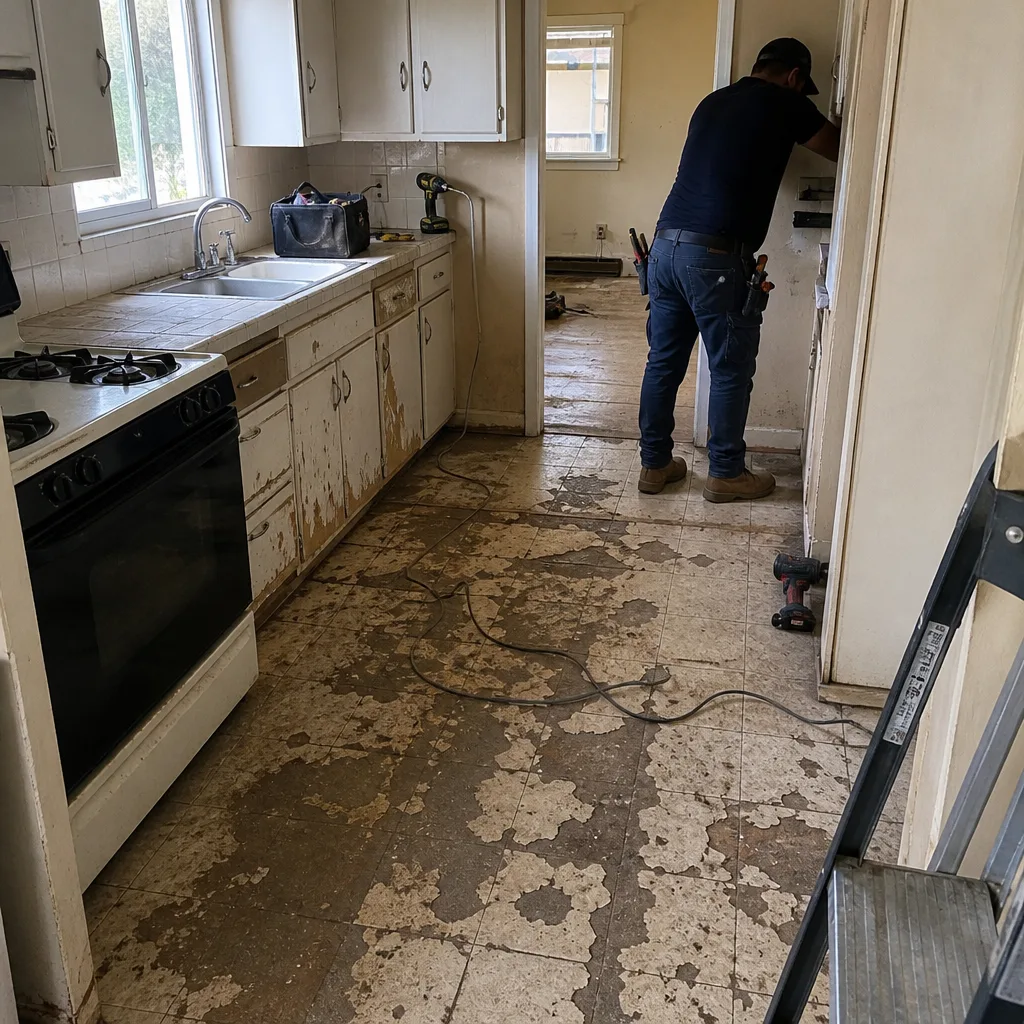
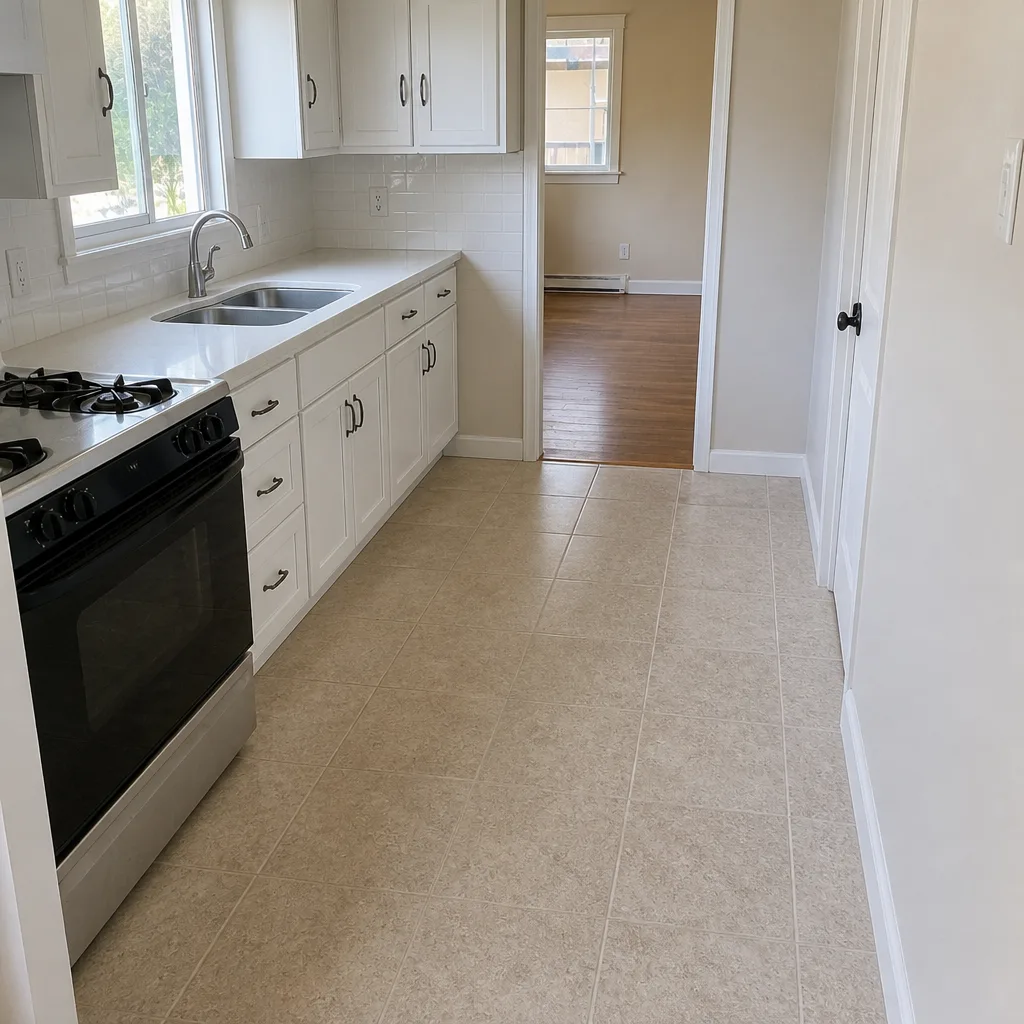
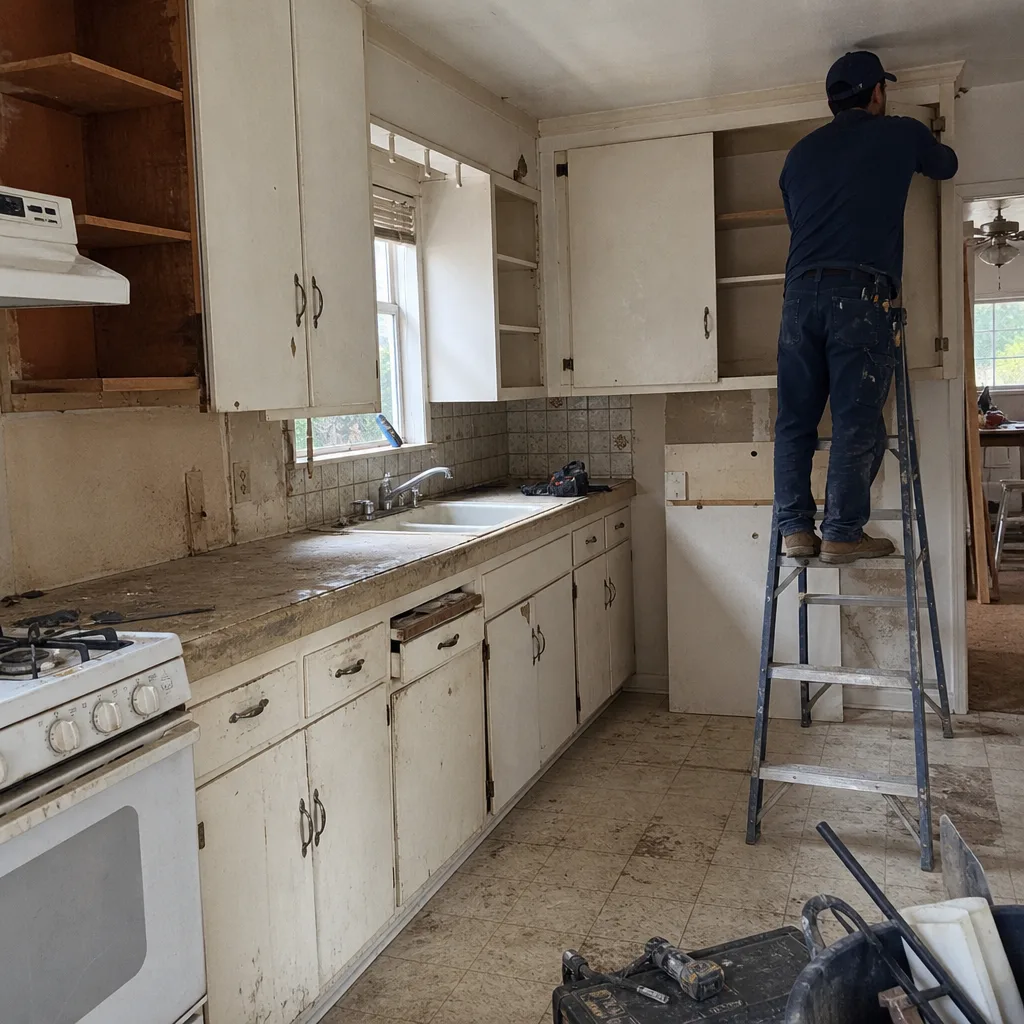
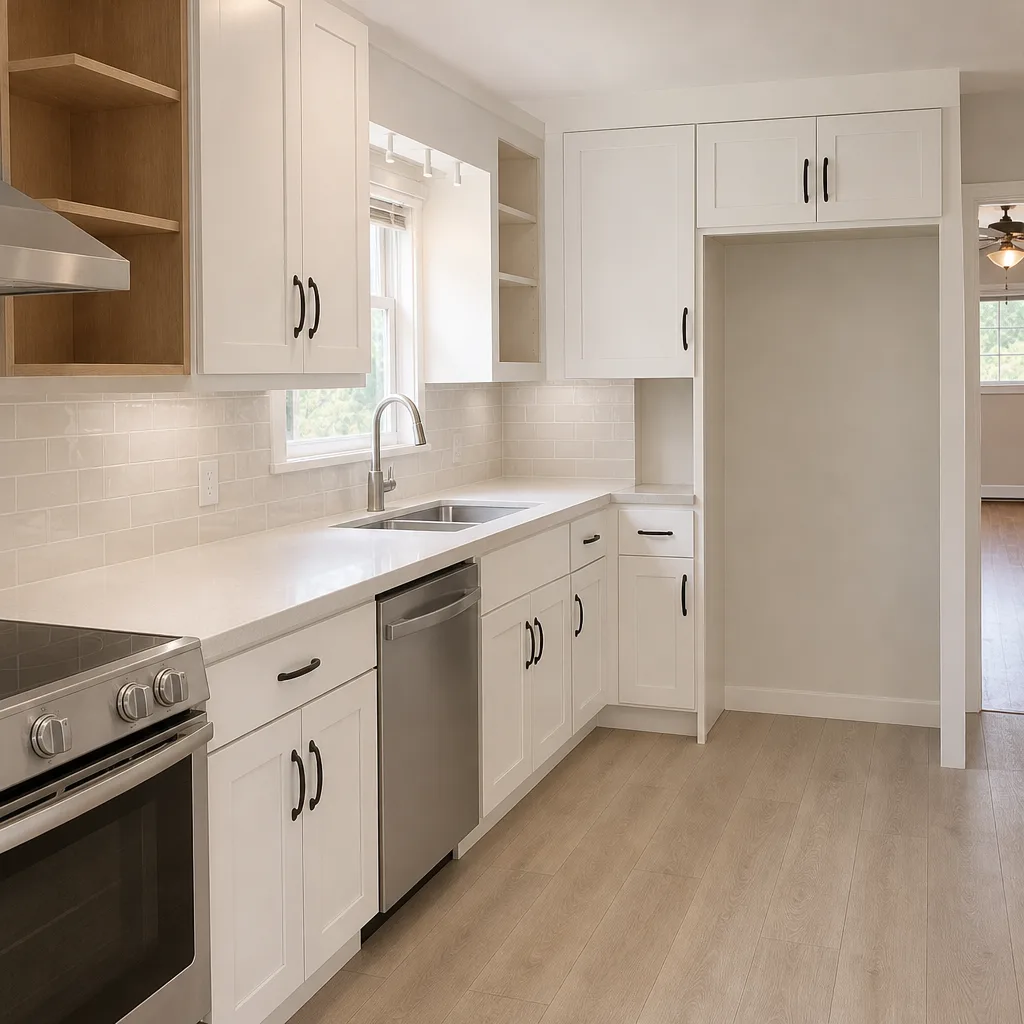
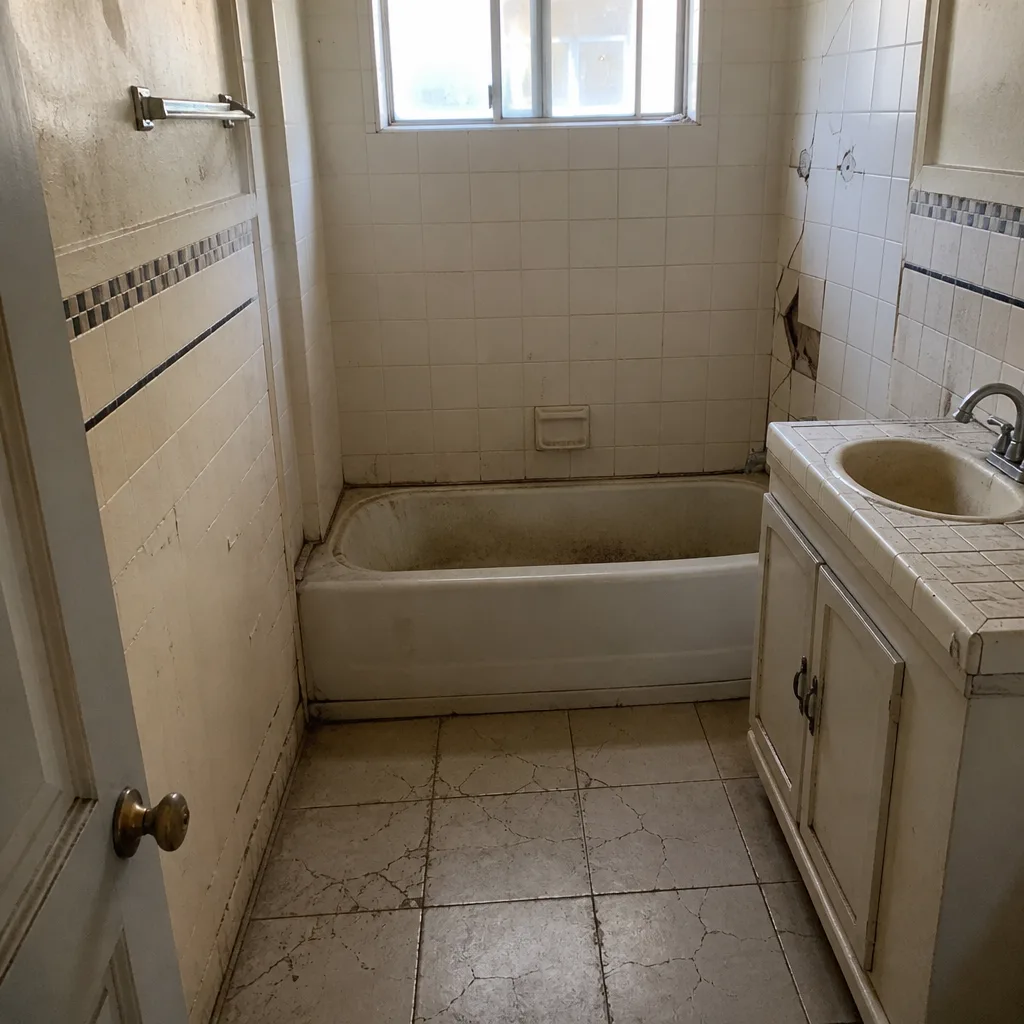
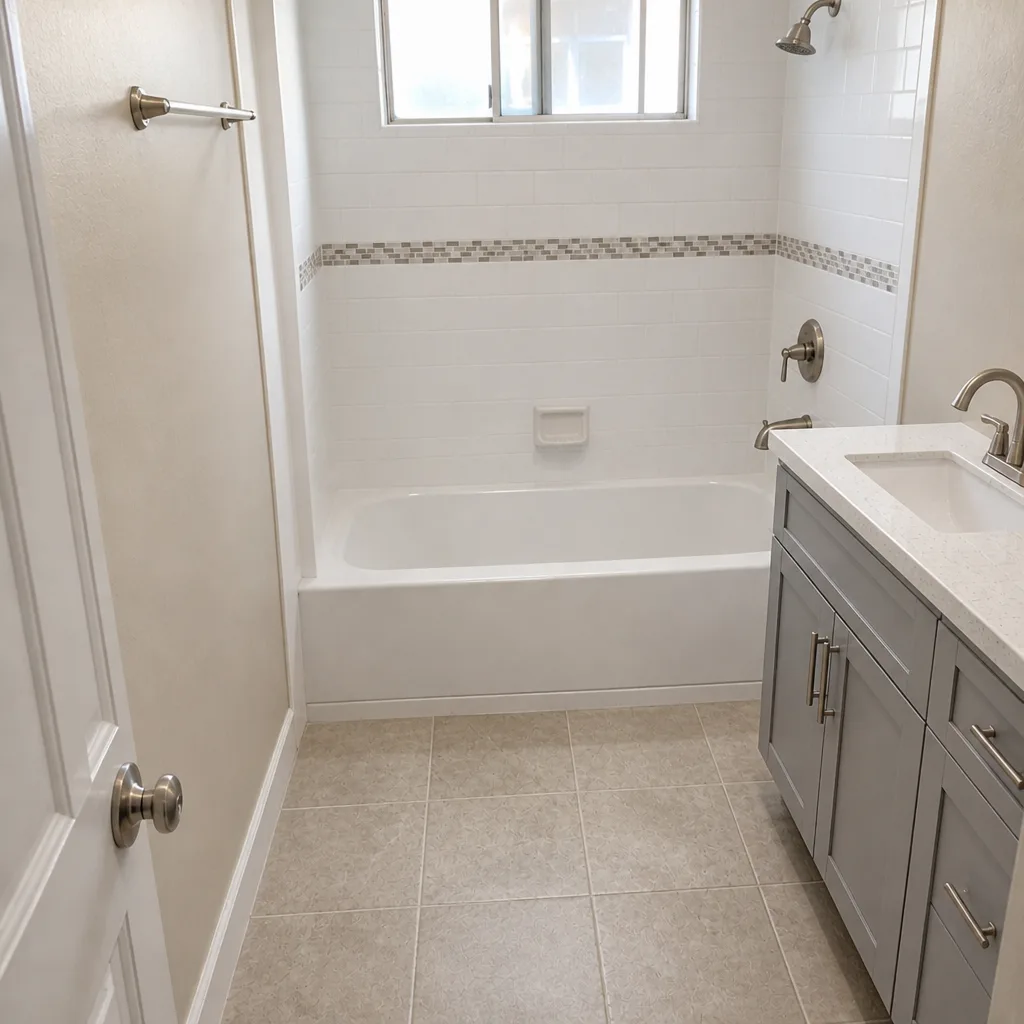
See the difference
 Before
 After
 Before
 After
 Before
 After
When to Call a Professional
If you’re doing a short interior section on flat ground, or replacing a couple of pickets in an existing fence, DIY can make sense. Call a professional when any of the following applies: the fence runs along a property line or zero-lot boundary; the lot is sloped or sits on hillside soil; the fence exceeds 6 feet and needs a permit; the design includes a gate or a shared boundary fence; the fence will sit near a utility line; or the job includes a retaining wall. Those are the situations where an error costs more to fix than the fence to build. Barrett & Sons Construction Glendale offers free estimates in Glendale – call (844) 560-4526. We’ll walk the property, confirm what triggers a permit, and hand you a written schedule before you sign anything.
Frequently Asked Questions
Most residential fences in Glendale take 2 to 5 days of active installation, with the full process from contract to final inspection running 2 to 4 weeks. The utility marking window (3 business days) and any permit review are the biggest schedule factors. Call (844) 560-4526 for a free estimate with a written timeline for your specific lot.
Fences up to 6 feet generally don’t need a building permit in Glendale; fences taller than 6 feet, or fences combined with retaining walls over 4 feet, typically do. Permit review adds 1 to 2 weeks. If you’re not sure which side of that line you’re on, call us and we’ll confirm it before you start.
Wait at least 48 hours after posts are set before hanging a gate. Concrete is firm enough to support panels within a day or two but needs the longer curing window for heavy loads. Hanging a gate early is the fastest way to make it sag before it’s even finished settling.
California law requires at least 3 business days between an 811 ticket and any excavation, so utility locators have time to mark gas, water, electric, and communications lines. That window is non-negotiable and it’s why a fence that “should take a day” takes a week. Skipping it is illegal and dangerous.
Rain can delay post-setting because concrete doesn’t cure properly in standing water and crews can’t dig safely in mud. Glendale rain is rare but most common between November and March, so we build a small weather buffer into any schedule in that window. A dry week means we usually stay on schedule.
Yes, and it just takes longer. Sloped or rocky yards in Glendale areas like Chevy Chase Canyon and Adams Hill need deeper footings, terraced panels, and sometimes hand-digging around rock. Expect a full extra day of post-setting compared to a flat lot. Call (844) 560-4526 and we’ll walk the slope with you.
The Bottom Line
The fence goes up in a day or two. Getting to that day is what the schedule is really about: 811 markings, permits if you’re over 6 feet, neighbor conversations, material lead times, and concrete cure. Plan for three weeks end to end in Glendale and you’ll almost never be disappointed. The contractors who promise the fence by Friday haven’t accounted for the parts that aren’t in their control. When you’re ready to price it properly, call (844) 560-4526 for a free estimate. We’ll give you a written schedule, written scope, and written change orders before a single post hole gets dug, and back the finished fence with the 90-Day Done Right Promise. If you’re also planning an addition or a new hardscape, our Home Additions & ADU in Glendale page covers how those bigger projects sequence with fence work, and you can always start at Barrett & Sons Construction Glendale home.
Written by the team at Barrett & Sons Construction Glendale.