
Last updated November 17, 2026
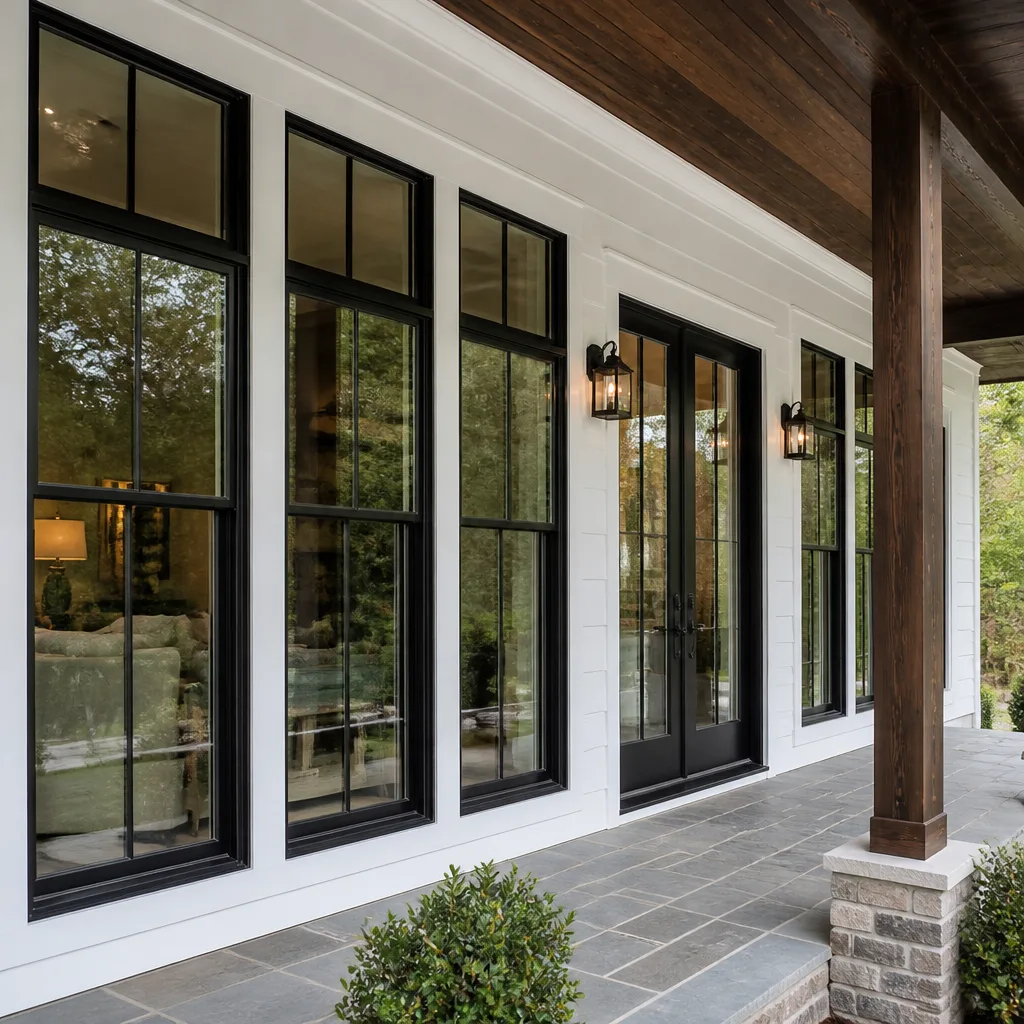 Windows & doors
 Kitchen remodeling
 Bathroom remodeling
 Home additions & ADU
 Roofing
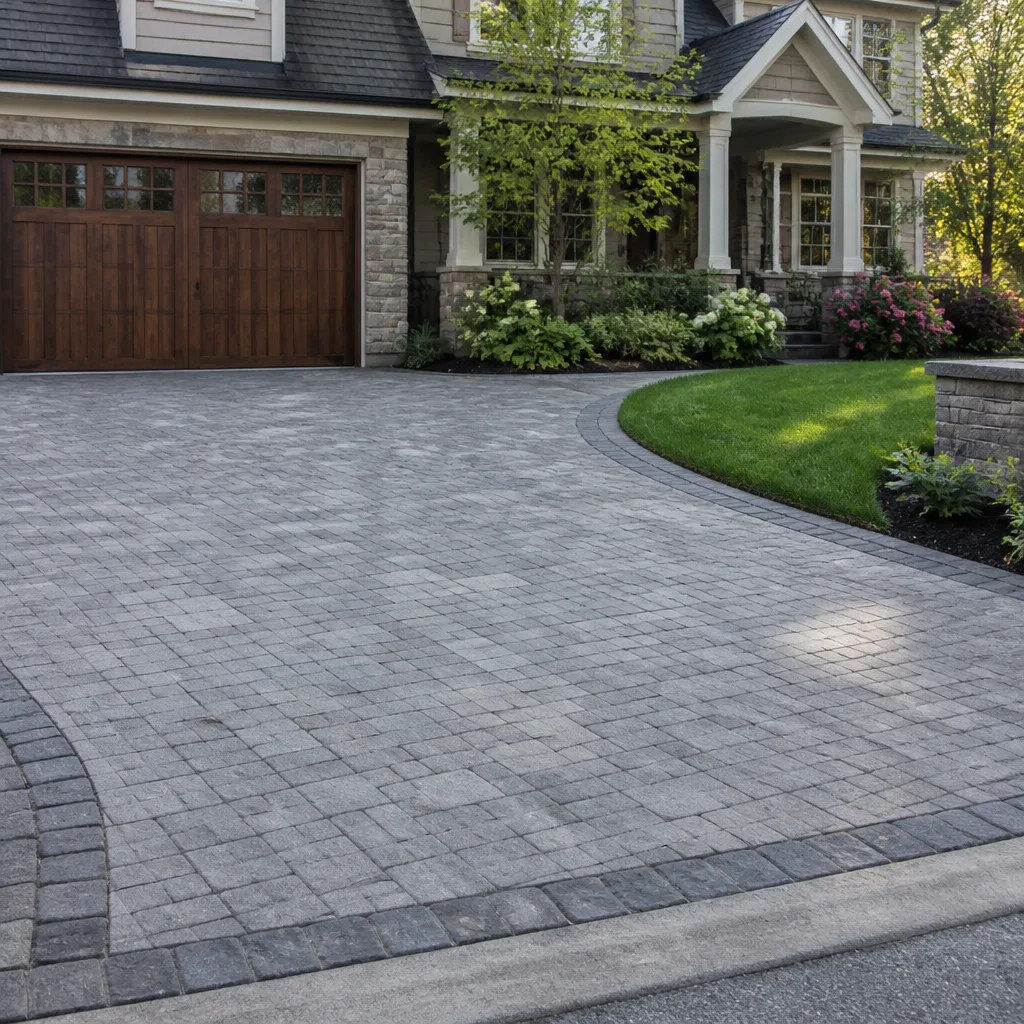 Driveway & pavers
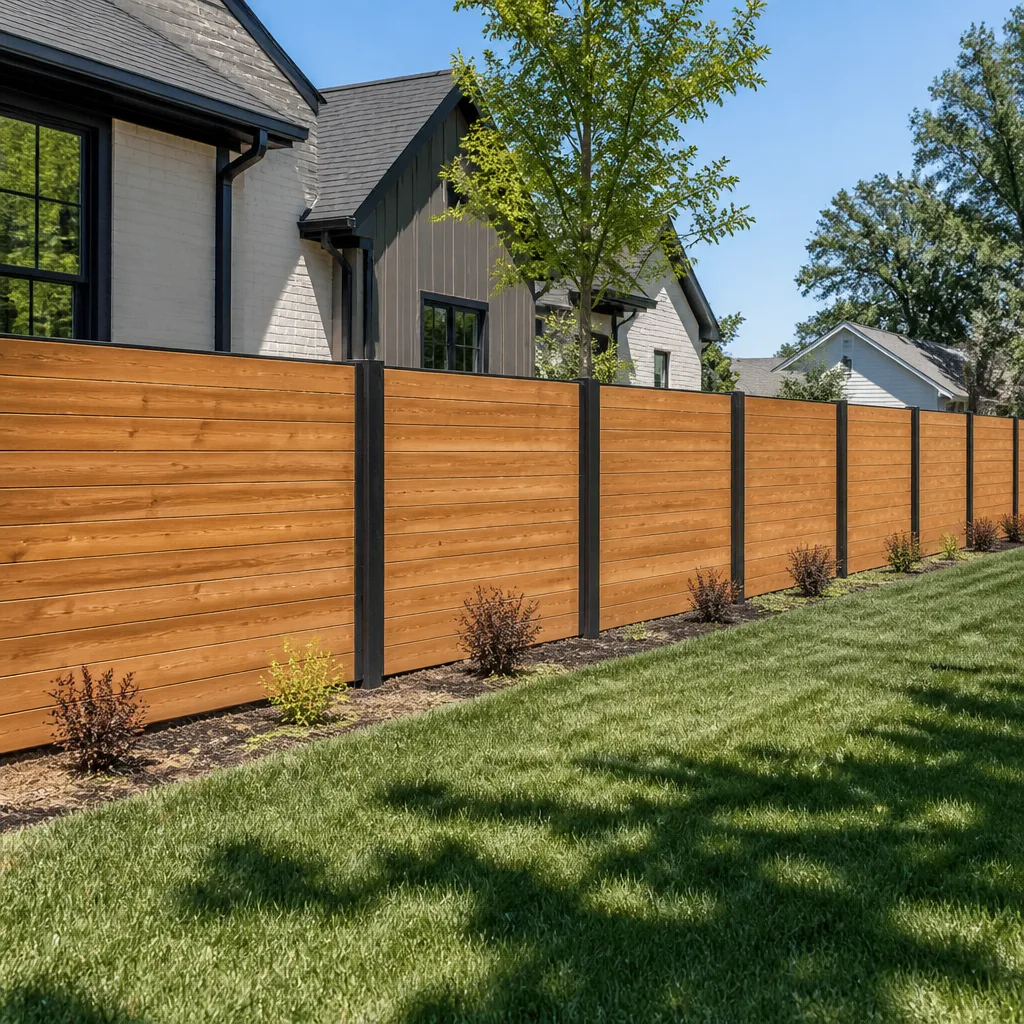 Fence
Free written scope consultation - allowances, timeline, and change-order rules on paper before a single trade is scheduled
How Long Does Windows & Doors Take? Timelines and What to Expect
A single window installation takes a few hours. Getting the permit, waiting for the inspection, and receiving a custom-sized window from a premium manufacturer can add three to six weeks before the crew shows up, and that’s on a smooth project. That gap between “a few hours” and “a few weeks” is where almost every homeowner gets surprised, and it’s where most project timelines quietly fall apart. In Glendale, the split matters more than in most places, because the permit clock runs on Glendale Building & Safety’s schedule while the product clock runs on the manufacturer’s. This guide breaks down both clocks, phase by phase, so you can plan around a real timeline instead of a promised one.
Quick Answer
Window and door replacement in Glendale typically takes 5 to 9 weeks from signed contract to final inspection: 1 to 2 weeks for measurement, quoting, and permit submittal, 2 to 5 weeks of product lead time depending on whether the units are in-stock builder-grade or custom-sized premium, 1 to 3 days on site for a typical whole-house job, and 3 to 10 business days for inspection scheduling. The installation itself is the shortest part of the whole thing. Everything else is waiting, and most of that waiting is predictable if someone is honest with you about it up front.
Styles & brands we work with
- Kitchen remodeling
- Bathroom remodeling
- Home additions & ADU
- Roofing
- Windows & doors
- Driveway & pavers
- Fence
Table of Contents
- The Two Clocks Running on Every Window Job
- The Five Phases of a Window Replacement Timeline
- Product Lead Times: In-Stock vs. Custom Premium
- How Many Days Will the Crew Actually Be at Your House?
- Glendale Permits and Inspections: What Sets the Timeline
- What Triggers a Reinspection (And How We Avoid It)
- Staging a Whole-House Job Without Leaving Openings Exposed
- How Timeline Changes Get Communicated in Writing
The Two Clocks Running on Every Window Job
Every window replacement project in Glendale has two separate timelines running at once, and they don’t sync up on their own. The first is the permit and inspection clock, set by Glendale Building & Safety: submittal, plan review, permit issuance, and then inspection scheduling on the back end. The second is the product lead time clock, set by whoever is manufacturing your windows. When a project runs long, it’s almost never the crew’s fault. It’s one of these two clocks running behind while nobody told you.
We’ve seen homeowners sign a contract in early March expecting windows in April and get them in May, not because anyone was slow on the install, but because the manufacturer’s custom lead time was quoted optimistically and the permit review sat in the queue an extra week. Two small delays stacked and ate five weeks. That’s the whole game. Most of the stress in a window project comes from not knowing which clock you’re waiting on.
The point of splitting these out is planning. If you know your product lead time is four weeks and your permit window is two, you can sequence realistically, schedule the crew for the right week, and not panic when week three arrives and there’s a hole in your calendar but not in your house. If you don’t know either number, you’re guessing. So the first honest conversation on any window job isn’t about style or color. It’s about lead time and permit timing, and a contractor who won’t quote both is a contractor to walk away from.
The Five Phases of a Window Replacement Timeline
Here’s the full sequence, start to finish, with realistic timing for a typical Glendale job replacing a whole house of windows. These numbers assume nothing unusual, no structural repair, no historical review, no missed inspections.
- Measurement and quoting (1 to 2 weeks). We measure every opening, confirm the existing frame condition, and get a written line-item quote back to you. If you’re considering premium brands like Andersen or Marvin, expect a bit more back-and-forth here because sizing options affect price. A detailed quote takes a few days, not a few hours.
- Permit submittal (1 to 2 weeks for plan review). Glendale Building & Safety reviews the permit application and the window specifications. Straight like-for-like replacement in a standard home usually moves faster than anything that changes the opening size or energy compliance details.
- Product lead time (2 to 5 weeks, varies widely). This is the big variable. In-stock builder-grade units can ship in days. Custom-sized premium units take longer, and that’s the tradeoff you’re making when you upgrade.
- Installation (1 to 3 days). A whole-house job of 12 to 20 windows typically takes a crew 2 to 3 days. A single window or door takes a morning.
- Inspection (3 to 10 business days to schedule and pass). Glendale sends an inspector out to verify the install. Once it passes, the job is closed on the permit side.
Total, on a smooth project: 5 to 9 weeks. That’s the honest answer, and it’s what we quote from the start rather than cutting it in half to win the bid. A contractor who tells you windows go in next week on a custom-sized order is either quoting stock product you didn’t ask for or hoping you won’t notice when it slips.
Product Lead Times: In-Stock vs. Custom Premium
This is the single biggest reason timelines vary between two projects that look identical on paper. Builder-grade windows are made in standard sizes, kept in stock, and often ship from a regional warehouse in a few business days. Custom premium windows are built to your exact opening dimensions after you order them, and that build takes time. Neither is wrong. They’re just different products with different clocks.
What we run into in Glendale is that a lot of homes have non-standard opening sizes, particularly in the older pockets, and the builder-grade window that “fits” is going to need jamb extensions or trim adjustments. That eats some of the lead-time savings. When we specify premium brands like Andersen or Marvin on a custom home project, the lead time reflects a real build, and the finished product matches the opening without compromise. We also carry premium brands across every trade we touch, from KraftMaid and Cambria in kitchens to GAF and CertainTeed on roofs and Belgard and Techo-Bloc on hardscapes, and the same rule applies everywhere: custom means real lead time, and we tell you the number up front.
Here’s what to expect across the tiers:
- In-stock builder-grade windows: 3 to 10 business days typical.
- Custom builder-grade: 2 to 3 weeks.
- Premium custom (Andersen, Marvin, similar): 4 to 6 weeks typical, sometimes longer for specialty shapes or colors.
- Doors (entry, patio, French): similar to windows, add 1 to 2 weeks for larger custom units.
If you’re planning a larger project that includes a new addition, this lead time question scales up. You can read more about how we sequence multi-trade timelines on our Home Additions & ADU in Glendale page, where the same permit-and-product logic applies across more trades.
How Many Days Will the Crew Actually Be at Your House?
The install itself is the shortest phase of the entire job, which surprises most homeowners after weeks of waiting. A crew of two to three crew members (Tom’s sons and their teams, not dispatched labor from a call center) can install a standard window in about 30 to 60 minutes per unit once they’re rolling, though complex or oversized units take longer. A typical whole-house job of 13 windows runs 2 to 3 days.
Here’s a rough day count by scope:
- 1 to 3 windows: half-day to one full day.
- 4 to 8 windows: 1 to 2 days.
- 9 to 15 windows: 2 to 3 days.
- 16 to 25 windows: 3 to 4 days.
- Doors (single entry): 3 to 6 hours.
- Patio or French doors: 1 day each, sometimes two depending on the opening.
What stretches a day count is almost always an opening that’s out of square, water damage to the surrounding framing, or old windows installed with construction techniques a modern crew has to adapt around. We inspect for those conditions at the measurement visit precisely so we don’t discover them on install day and turn a two-day job into a five-day surprise. If hidden framing damage does turn up, that’s a written change order before a single nail moves, not a phone call at 4 p.m. asking for more money.
If your project also touches exterior hardscape, expect that work to be sequenced around the window install so the crew isn’t working over fresh concrete. You can see how we stage that on our Driveway & Pavers in Glendale page.
Glendale Permits and Inspections: What Sets the Timeline
Permit timing in Glendale depends on what you’re doing. A like-for-like window replacement in a standard single-family home usually moves through Glendale Building & Safety in one to two weeks of plan review. That timeline stretches when the scope involves changing opening sizes, structural work around a door, or energy compliance documentation that isn’t clean the first time. We pull the permit on every eligible job because the last contractor most customers used told them permits were optional, and that’s a risk you don’t want sitting on your house when you sell it.
The inspection side runs on a separate clock. Once installation is complete, we call for the inspection and Glendale schedules an inspector, typically within 3 to 10 business days. We consider the permit inspector an asset, not an obstacle. He works for you. That’s why we like him. He’s the last set of eyes confirming the install was done to code before we close the job.
Two things to know about Glendale inspection scheduling that trip up homeowners on their own projects: first, inspection slots fill based on inspector routes, not on when you call, so a job finishing on a Friday can wait longer than one finishing on a Tuesday. Second, the permit needs to be closed at the property, not just at your house, meaning the paperwork has to match the address on record exactly. A mismatch in address or scope holds up closure. Our process handles both up front, so the pass is routine. For fences and similar exterior permits, the same discipline applies, and you can read more on our Fence Installation in Glendale page.
What Triggers a Reinspection (And How We Avoid It)
A reinspection is when the Glendale inspector comes out and fails the work, requiring a second visit after corrections. It adds typically one to two weeks to close the permit, which is why we take it seriously. The most common reasons a window install fails inspection are:
- Missing or mismatched energy compliance documentation for the specific units installed.
- Flashing details that don’t match the approved plan, especially around doors where water intrusion risk is highest.
- Structural header work that wasn’t reviewed because the scope changed after permit issuance.
- Wrong model numbers on the units vs. the permit application, usually a manufacturer substitution.
- Incomplete paperwork at the site when the inspector arrives.
We minimize this risk three ways: we verify every unit against the permit before it ships, we review flashing details with the crew chief before the first opening goes in, and any scope change goes through a written change order before work continues. That last part isn’t bureaucracy. A permit that doesn’t match the work on the wall is a reinspection waiting to happen, and an allowance that isn’t on paper is a surprise waiting for a date. Written everything, from the first day of the job to the last nail.
Staging a Whole-House Job Without Leaving Openings Exposed
Glendale has a marine layer that rolls in most of the year, and a house with three or four window openings exposed to weather overnight is a real problem. So whole-house window jobs are staged, not torn open all at once. Our crews install in batches: they open two to four units at a time, seal and flash them, then move to the next batch. The house is never left with more than a few openings uncovered at once, and everything closes before the crew leaves for the day.
Here’s the staging pattern we run on a typical 15-window job:
- Day 1, morning: Set up, protect floors and interior, stage materials, remove first batch of windows from the sunny side of the house (typically south-facing).
- Day 1, afternoon: Second batch installed, first batch flashed and sealed, all openings closed before leaving.
- Day 2: Third and fourth batches, exterior trim work, interior casing work underway.
- Day 3: Final units, touch-up, caulking, cleanup, walk-through with you.
Why stage? Especially in the cooler marine-layer months, exposed openings draw moisture and can affect interior finishes if they’re left open too long. Even in dry weather, staging keeps heat loss and dust to a minimum. It’s slower in a sense, since the crew isn’t racing through every window at once, but it’s the right pace for a home you’re living in while we work. Most customers tell us the staging was the least stressful part of the whole project, which is the point.
How Timeline Changes Get Communicated in Writing
Projects slip. Manufacturers run behind, inspectors get booked out, weather gets weird. What separates a smooth project from a frustrating one isn’t whether the timeline moves, it’s whether you find out before it moves or after. We put timeline updates in writing, in your email, on a change order if the schedule or scope shifts, so you have a record and a plan instead of a vague phone call you won’t remember.
Specifically, you’ll get written notice if product lead time shifts, if inspection scheduling moves, or if we discover something at install that changes the scope. Our written change orders spell out the change, the cost if any, and the revised timeline, and you approve before work continues. The 90-Day Done Right Promise is also written on every contract, not buried in fine print. If something’s not done right, one call brings Tom back to make it right. That’s the same principle as the written timeline: everything that matters is on paper.
One more thing worth noting on timing: if you’re scheduling major work around the year, spring and early summer are the busiest months for window replacement in Glendale. Custom lead times stretch a week or two longer in March through June. If you’re planning to have windows in before summer, sign in late winter. If you can wait until fall, you’ll often have a smoother schedule and faster inspection slots. That’s not a marketing nudge, it’s a scheduling reality we see every year.
Common Mistakes to Avoid
- Comparing quotes that don’t itemize lead time. A quote without product lead time is a wish, not a plan. Ask every contractor to put a specific week range on the paper before you sign.
- Assuming “in-stock” means available. Builder-grade in-stock windows exist in common sizes. If your openings are non-standard, as many Glendale homes have, “in-stock” becomes “custom,” and the lead time changes. Verify the size against the stock list.
- Skipping the permit to shave two weeks. An unpermitted window replacement can surface during a sale, an insurance claim, or a neighbor’s complaint, and the fix costs more than the permit. Every eligible job should be permitted.
- Letting the crew open every window at once. Staging matters in Glendale’s marine layer months. A contractor who plans to tear out every unit the first morning is creating risk for your interior finishes.
- Accepting verbal timeline changes. If the schedule shifts, get it in writing. A phone call on Tuesday is not a record you can refer to in six weeks.
- Ignoring inspection scheduling on the calendar. A job finishing on a Friday often waits longer for inspection than one finishing on a Tuesday. Plan the install end date with that in mind.
- Choosing a contractor who won’t quote a worst-case lead time. If they won’t say what happens when the manufacturer runs two weeks late, they haven’t thought about it or won’t tell you.
See the difference
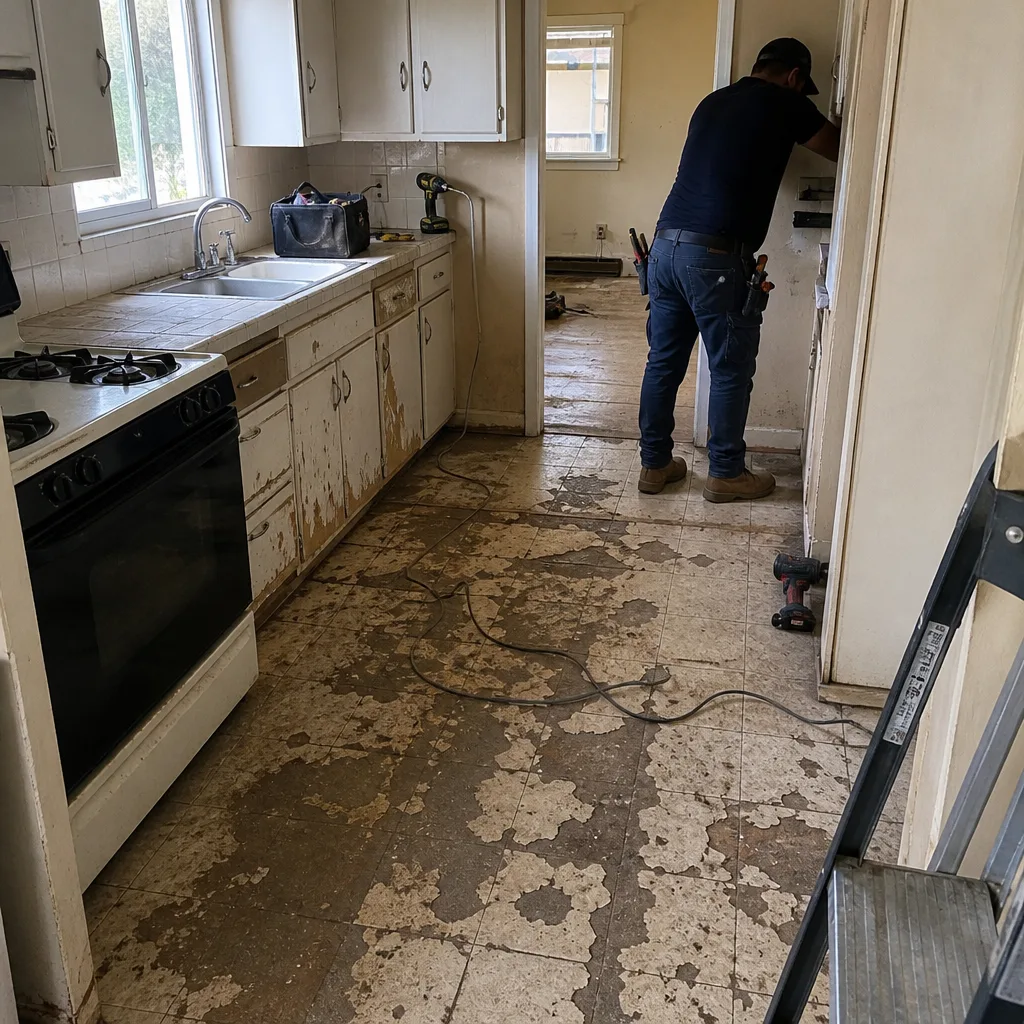 Before
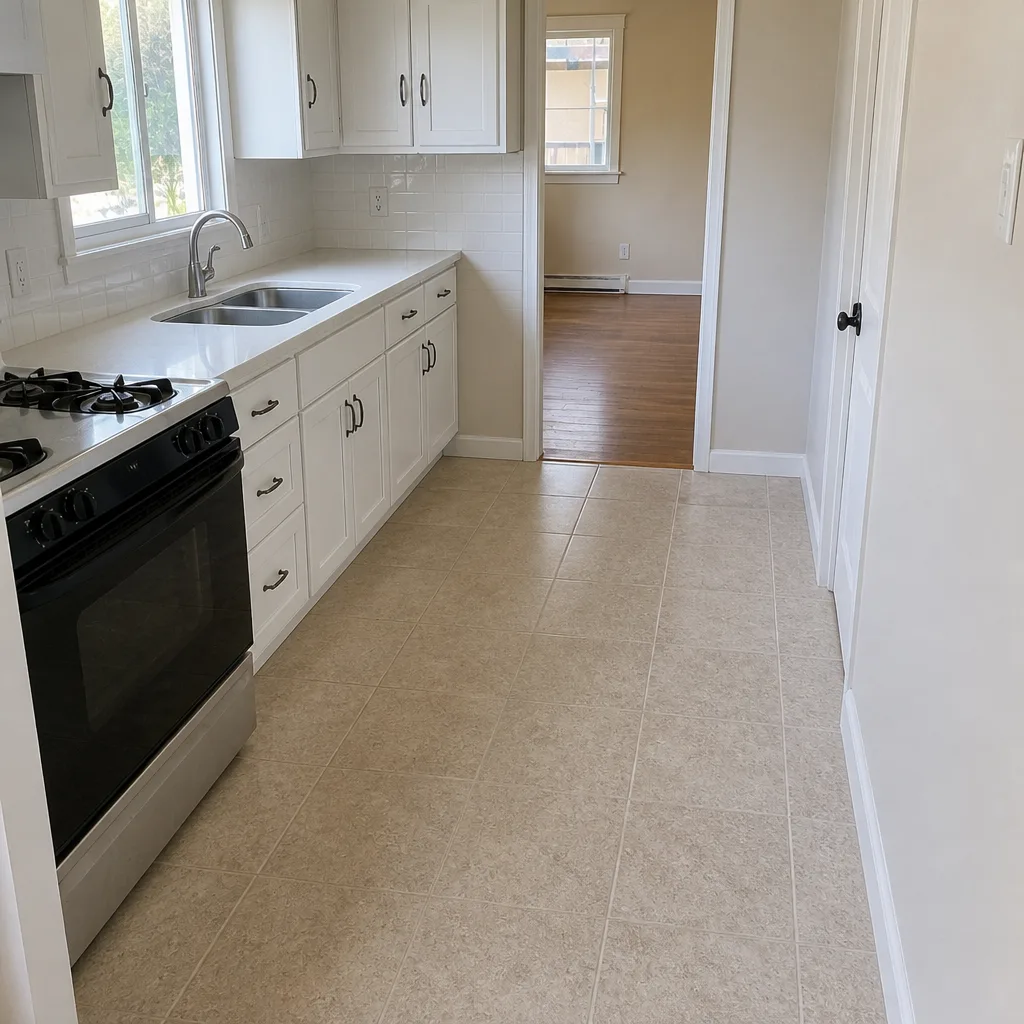 After
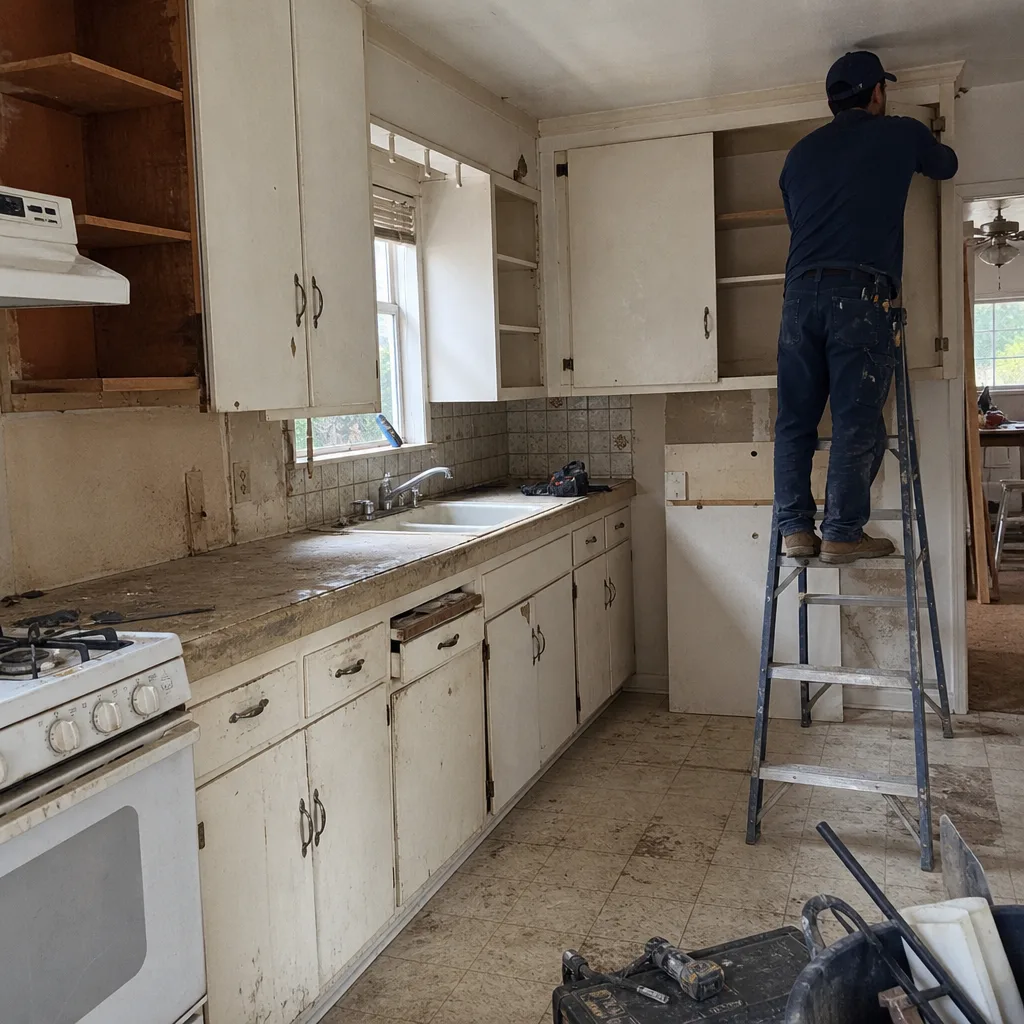 Before
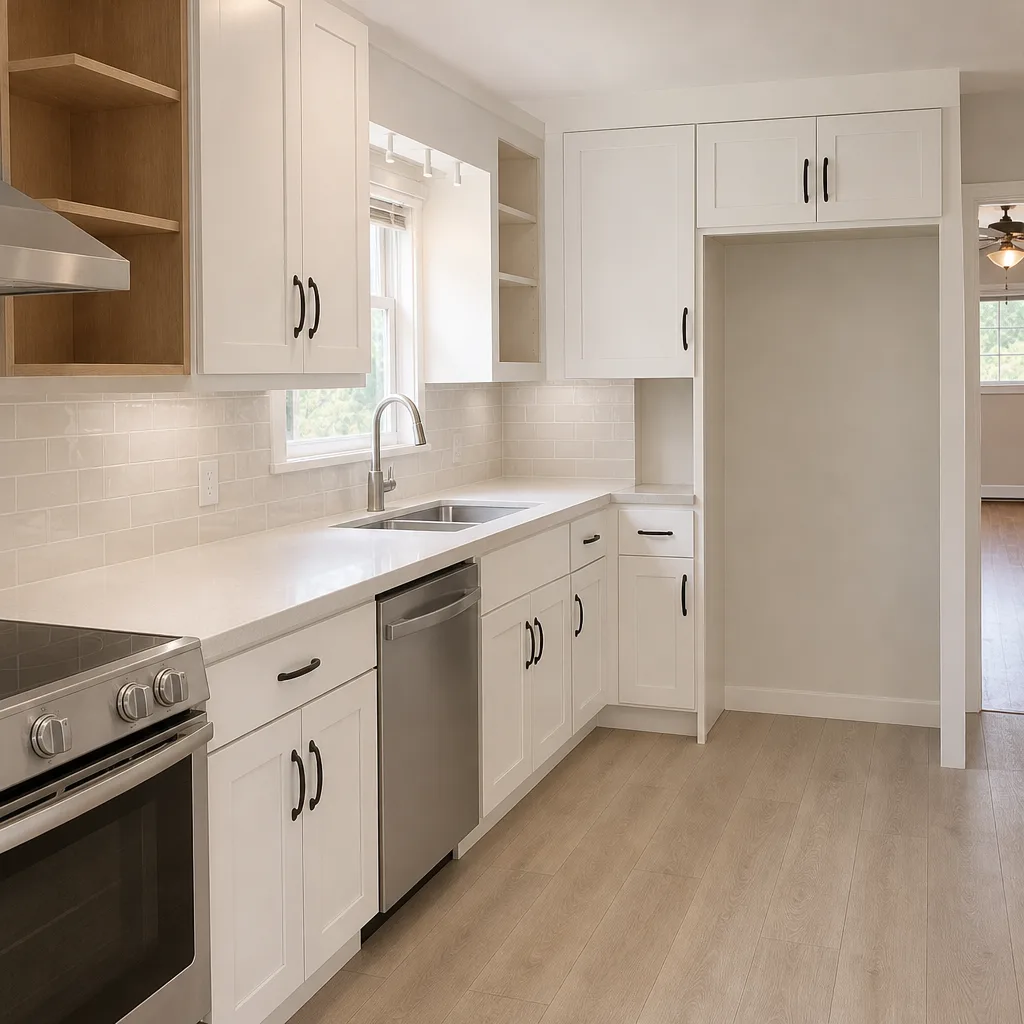 After
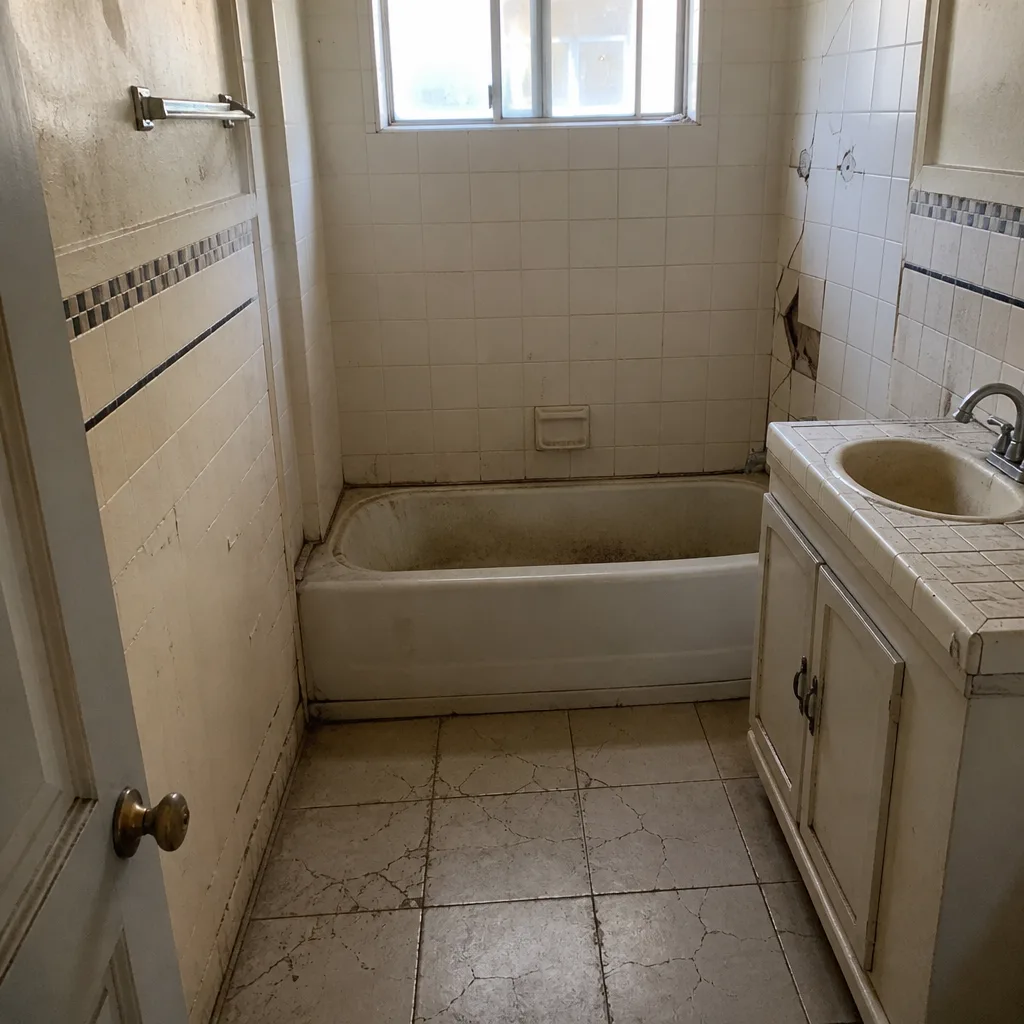 Before
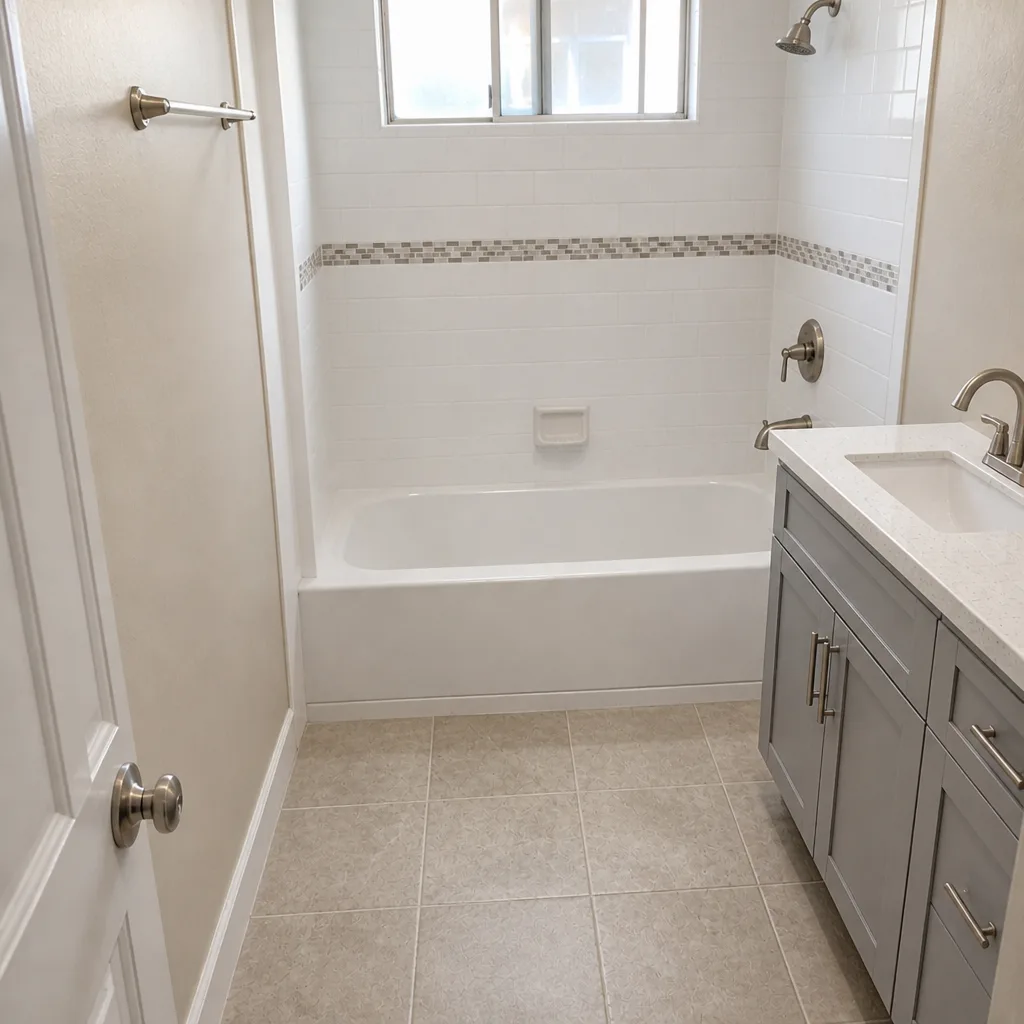 After
When to Call a Professional
If you’re facing a window or door replacement across more than two units, need custom sizing for non-standard openings, or want the permit side handled without you chasing it, that’s the point to call. Window replacement involves structural openings, energy code compliance, and inspection closure, and it’s not the job to learn on in your own home. A single failed unit or a leaking opening costs more to fix than the whole replacement would have. We handle measure, permit, product order, install, and inspection as one job, with written change orders before any scope shift and permits pulled on every eligible job.
Barrett & Sons Construction Glendale offers free estimates in Glendale. Call (844) 560-4526 to schedule yours, or browse our full range of work from our Barrett & Sons Construction Glendale home page.
Frequently Asked Questions
Expect 5 to 9 weeks from signed contract to final inspection. That covers 1 to 2 weeks of measurement and quoting, 1 to 2 weeks of permit review, 2 to 5 weeks of product lead time, 1 to 3 days of install, and 3 to 10 business days to schedule and pass the inspection. Call (844) 560-4526 for an exact range on your project, since lead time varies by manufacturer.
Sometimes, if the units are in-stock builder-grade sizes and Glendale’s permit review queue is short. Custom-sized premium windows can’t be rushed past the manufacturer’s build time. Ask any contractor which clock you’re waiting on and get that in writing before you sign.
For most replacements, yes. Like-for-like window replacement typically requires a permit and an inspection in Glendale, and skipping it can cause headaches at sale or insurance claim time. We pull the permit on every eligible job and handle the inspection scheduling.
Not without your written approval. Every scope change, every allowance shift, and every price adjustment goes through a written change order before the work happens. If we open a wall and find framing rot, you’ll see the cost on paper before we touch it.
A crew installs 5 to 8 standard windows in a typical day once moving. Whole-house jobs of 13 windows take 2 to 3 days. Doors take longer per unit.
A reinspection typically adds 1 to 2 weeks to close the permit. We minimize the risk by verifying every unit against the permit before it ships and reviewing flashing details with the crew chief before work starts. Call (844) 560-4526 if you have a failed inspection on a project you’re bringing to us.
The Bottom Line
Window replacement timelines are dominated by two clocks: Glendale’s permit and inspection schedule, and the manufacturer’s product lead time. The install itself takes 1 to 3 days for most whole-house jobs. Everything else is waiting, and most of it is predictable if your contractor will quote it honestly. If you’re comparing bids, ask every contractor for a written lead-time range and a permit plan, and walk away from anyone who quotes an unrealistic week. The name on the truck matters less than the name on the written timeline, and we put both on paper. For a free estimate with a real timeline, call Barrett & Sons Construction Glendale at (844) 560-4526.
Written by the team at Barrett & Sons Construction Glendale.