
Last updated November 17, 2026
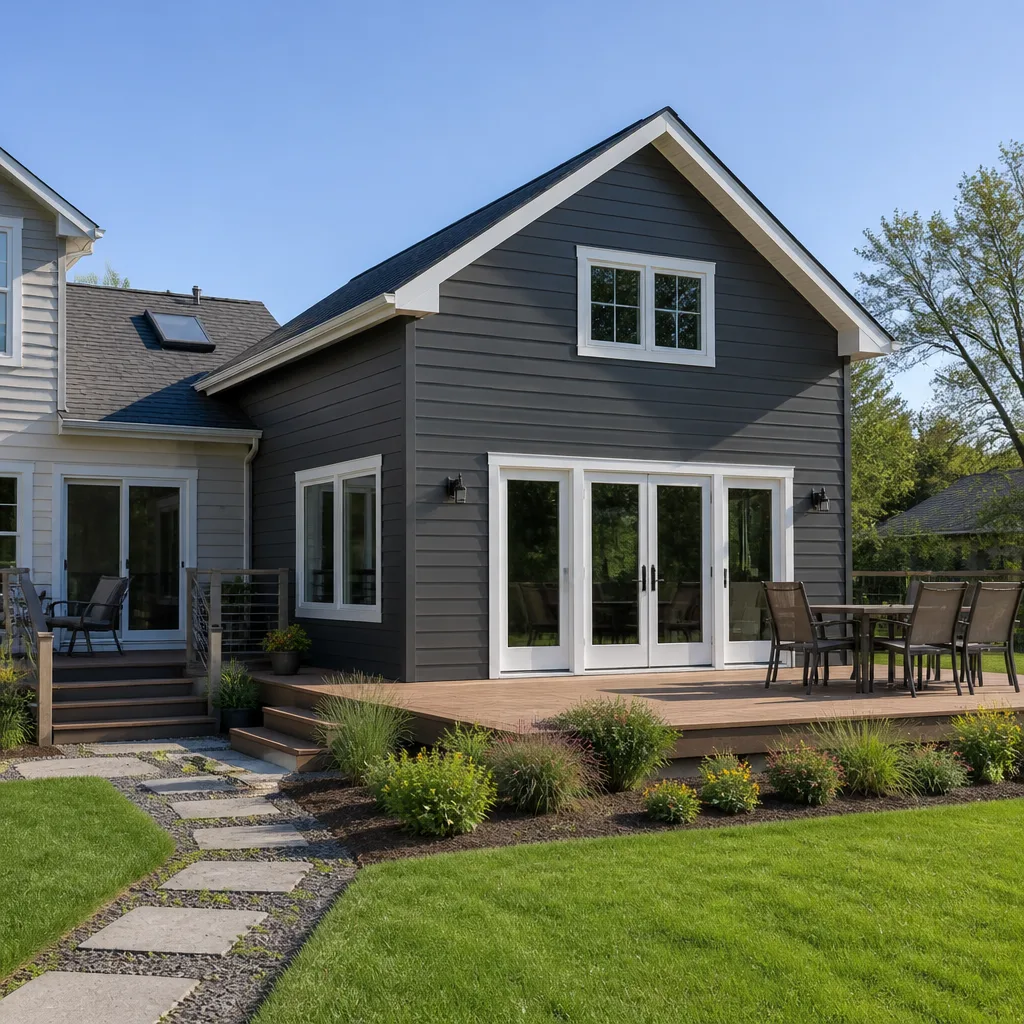 Home additions & ADU
 Kitchen remodeling
 Bathroom remodeling
 Roofing
 Windows & doors
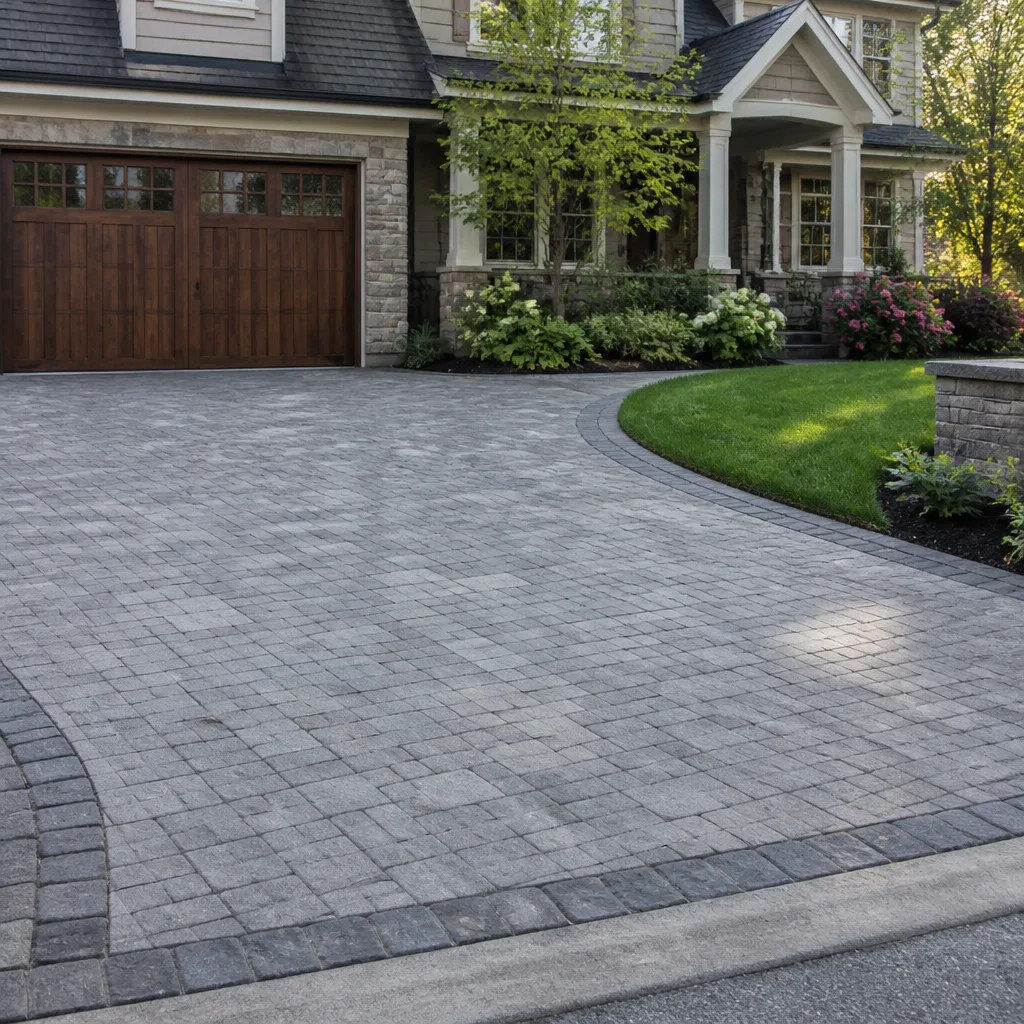 Driveway & pavers
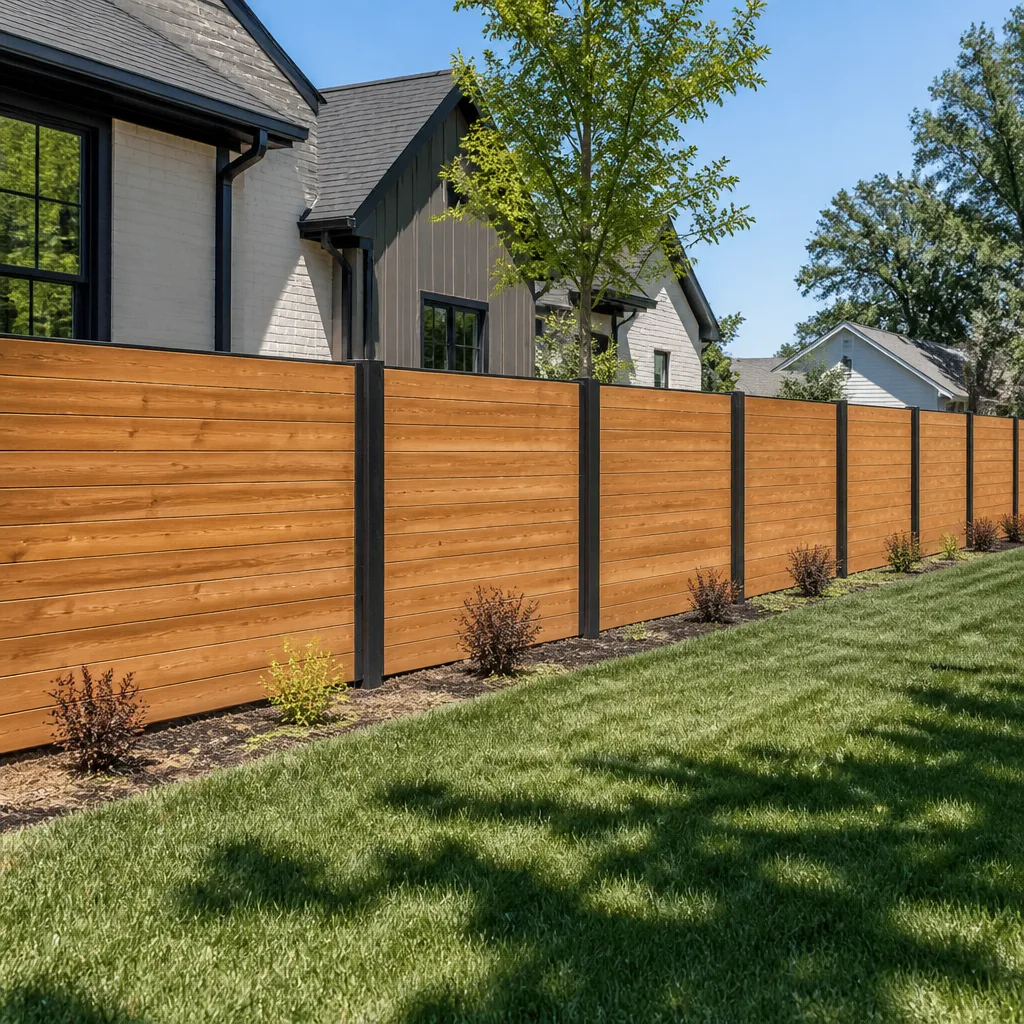 Fence
Free written scope consultation - allowances, timeline, and change-order rules on paper before a single trade is scheduled
Home Additions & ADU Maintenance Schedule: What to Do and When
New construction has a warranty. But that warranty runs out well before most of the things that actually go wrong will show themselves. An ADU or home addition is a new structure bolted onto a house that may be 50 years old, sharing its foundation, its soil, and its weather. The failures we see in Glendale almost never happen inside the shiny new unit. They happen at the seams: the expansion joint, the roof tie-in, the sub-panel, the grading where new meets old. This guide lays out a year-one through year-ten maintenance schedule built specifically for those seams, so you catch problems while they’re still cheap to fix.
Quick Answer
Inspect the expansion joint between your addition and original house every year, check the roof tie-in and drainage every spring and fall, and schedule an independent structural inspection by year three to five, not after a crack appears. In Glendale’s climate, add Santa Ana wind inspections in fall and UV checks on the new roof each summer. The schedule matters most in year one, when warranty coverage is still live and small issues are still free to correct.
Styles & brands we work with
- Kitchen remodeling
- Bathroom remodeling
- Home additions & ADU
- Roofing
- Windows & doors
- Driveway & pavers
- Fence
Table of Contents
- Why the Seams Are Where Additions Fail
- The Expansion Joint: An Annual Habit
- Glendale Climate Triggers: Santa Ana Winds, Freezes, and UV
- The 90-Day Punch List Walk
- Electrical Sub-Panel Maintenance for a Separately Metered ADU
- Your First Independent Structural Inspection
- The Year-by-Year Schedule
Why the Seams Are Where Additions Fail
An addition and the original house move differently. The original was built on soil that has settled for decades. The new structure is on fresh foundation and fresh fill, and it will keep settling for the first several years. That difference isn’t a defect; it’s normal. But it means the connections between old and new work harder than any wall in either building, and they deserve more attention than the glossy new interior.
In our experience building additions and ADUs around Glendale, the calls we get about “the new room” are almost always about one of four seams:
- The roof tie-in. Where new shingles meet an old roofline, flashing has to shed water across two surfaces that shift at different rates. This is the number one spot for slow leaks.
- The expansion joint at the wall. The visible gap or seal where the addition meets the original exterior wall. When the sealant fails, water gets behind it.
- The foundation joint. Where the new slab or stem wall meets the old foundation. Settlement shows up here first.
- The drainage grade. New construction often changes how water runs past the original house. A downspout that used to be fine can now dump water against a wall.
None of these show symptoms on day one. They show up in year two, three, or five, usually after a wet winter or a windy October.
The Expansion Joint: An Annual Habit
Inspect the expansion joint once a year, ideally in early fall before the rainy season, and again in spring after the last rain. This is the single most overlooked maintenance item on any addition. The joint is a designed gap, filled with sealant or a backer, that lets the two structures move without tearing each other apart.
What failure looks like:
- Visible cracking or peeling sealant along the joint, especially where it’s pulled away from one side.
- Daylight or a draft coming through where there shouldn’t be any.
- Water staining or efflorescence (that white chalky residue) on the wall below the joint after rain.
- A step or offset between the original wall and the new wall, indicating differential movement.
- Interior cracking at the corner where the new room meets the old, often hairline but growing.
- Walk the exterior joint line with a flashlight after a rain and look for moisture trails.
- Press the sealant with a thumb; it should be pliable, not cracked or brittle.
- Look at the interior corner for new cracks and photograph anything you find with a date.
- Note any change and compare to last year’s photo, because slow movement is the thing to catch.
Resealing a failed joint is a small job. Ignoring it long enough to let water in behind the wall is a large one.
Glendale Climate Triggers: Santa Ana Winds, Freezes, and UV
Glendale sits in a pocket that gets more weather variety than most of the LA basin. That shapes the maintenance calendar in ways a generic national checklist won’t tell you.
Santa Ana wind season (roughly October through December)
Before the winds arrive, walk the new roof and check that no shingles or flashing have lifted, and confirm the roof tie-in is tight. Santa Ana events push hot, dry air through the Verdugo canyons and can peel back a poorly seated shingle in an afternoon. GAF and CertainTeed shingles hold up well, but only if the install was correct and the ridge and edge flashings are intact. Wind-driven debris is also the season’s main cause of gutter and downspout clogs, so clear them in early October.
Brief freeze events (December through February)
Glendale occasionally drops to freezing for a night or two, usually in the foothill neighborhoods like Chevy Chase and the streets climbing toward Montrose. That’s enough to stress exterior sealants, hose bibs, and any exposed irrigation to the new ADU. Insulate exposed pipes and drain the lines you won’t use until spring.
Summer UV
Glendale summers bake new roofing, sealants, and paint. Check the new roof each June for UV chalking, and inspect caulk joints on the addition’s exterior every year. UV is slow and cumulative. The homeowner who checks annually catches the fading before it becomes a leak.
The 90-Day Punch List Walk
Before you sign off on a completed addition, walk it with the contractor and put every item on paper. The first 90 days are when the building is still settling and the warranty is still live. This is your one window when corrections are free.
- Walk the whole exterior together. Note any gap, crack, or misaligned trim, and have it written down with a target fix date.
- Test every door and window. They should open, close, and latch smoothly. The new ADU’s windows are usually Andersen or Marvin, and those should run clean; a sticky one is an install or settling issue, not a product issue.
- Check water management. Run a hose at the roof, watch it shed, and confirm the downspouts carry water away from the original house.
- Check the sub-panel and outlets. Test every circuit, note any tripping breaker, and confirm the ADU’s separate meter reads correctly.
- Look at the expansion joint. Confirm it’s sealed and there’s no daylight or moisture.
- Get the final walk documented in writing. Signature, date, and a list of what will be fixed and when.
Barrett & Sons writes every punch item and every fix into a written change order before work resumes. Nothing gets “handled verbally.” A list you can hold is what separates a punch list from a promise.
Electrical Sub-Panel Maintenance for a Separately Metered ADU
An ADU with its own meter has its own sub-panel, and that panel is part of the regular maintenance schedule, not a set-and-forget box. Glendale’s combination of summer heat and the occasional cold snap works on breakers and connections the same way it works on everything else.
- Once a year: look at the panel door for scorch marks, discoloration, or a burning smell. Any of those means call an electrician now.
- Once a year: flip each breaker off and on to confirm it moves freely and resets. A breaker that won’t reset is a hazard.
- Every two years: have a licensed electrician check terminal torque and look for heat damage at the lugs. Loose connections are the most common cause of sub-panel trouble.
- After any major storm: check the panel for tripped breakers and confirm the meter is reading normally.
- Test GFCI outlets in the ADU kitchen and bath monthly with the test button, and replace any that fail to trip.
Safety note: never open the sub-panel cover yourself. Panel interiors carry live current even with the main off, and the work belongs to a licensed electrician. This is not a task for a homeowner with a screwdriver.
Your First Independent Structural Inspection
Schedule your first independent structural inspection by year three to five after completion, and definitely before year five. This is the inspection nobody thinks about because nothing looks wrong. That’s exactly why you do it while it’s cheap.
By years three to five, the new foundation has done most of its settling. A structural engineer or a licensed inspector can look at the joint, the foundation, the roof tie-in, and the framing, and tell you whether the building is behaving as designed or whether movement is outside normal range. Waiting for a visible symptom, a crack, a sticking door, a wet wall, means the problem has already cost you money. Catching it at year three means you’re still correcting a small thing.
For Glendale properties near the Verdugo foothills, soil conditions and slope drainage make this inspection even more worthwhile. Water and soil movement are quiet; an inspection makes them visible. If your original house is older, this is also the moment to look at the old foundation where it meets the new, which is the seam the rest of the schedule is built around.
We’ve seen homeowners skip this step, then call us in year six about a settled corner that turned into a repaired wall. An inspection in year three would have caught it. If you’re planning an addition or an ADU in Glendale and want to understand what a well-maintained one looks like, see our Home Additions & ADU in Glendale page.
The Year-by-Year Schedule
Every addition and ADU settles at a different pace, so treat this as a baseline and adjust around what your own building shows you. What follows is the schedule we hand new owners once the permit is closed and the final inspection is signed.
Year 1
- Walk the 90-day punch list and document every fix in writing.
- Inspect the expansion joint after the first rain and again at the end of winter.
- Clear gutters and downspouts before October.
- Photograph every seam, joint, and corner for a year-one baseline.
- Confirm the sub-panel is reading correctly on the new meter.
Years 2 through 3
- Continue the annual expansion joint inspection, photographing changes.
- Reseal failed caulk along the exterior; don’t wait for a leak.
- Check the roof after each Santa Ana wind event for lifted shingles.
- Schedule the first independent structural inspection by year three.
- Check grading and drainage around the new foundation after a wet winter.
Years 4 through 10
- Repeat the annual joint, roof, and drainage inspections.
- Refresh exterior sealants before UV and rain do the work for you.
- Recheck the sub-panel terminal torque every two years with an electrician.
- Watch the roof tie-in closely once the shingles reach their fifth summer of Glendale sun.
- Schedule a second independent inspection at year eight to ten, or sooner if anything looks off.
If your property also has driveways or hardscape around the addition, the same settlement logic applies. A properly built Belgard or Unilock surface is joint-stable for years, but a shifted edge or ponding after rain is a signal worth reading. Our Driveway & Pavers in Glendale page covers what to look at there. Fences and gates along the new ADU’s yard also need a spring tightening check, and the Fence Installation in Glendale guide gives you the short list. For the broader scope of work we do on the main house, the Barrett & Sons Construction Glendale home page is the place to start.
Common Mistakes to Avoid
- Skipping the expansion joint inspection. Homeowners treat the seal as a permanent feature. It isn’t; it degrades and needs annual watching, and that’s how slow water intrusion starts.
- Waiting for a visible symptom before scheduling your first structural inspection. By the time you see a crack, the repair is already bigger than an inspection would have caught.
- Ignoring the sub-panel. A separately metered ADU has a sub-panel that needs annual checks and a professional look every two years. Treat it like the roof, not the fuse box you never open.
- Assuming the original house’s drainage is unchanged. New construction changes where water goes. Re-check grading and downspouts around the old foundation after the first rainy season.
- Skipping the wind-season check. Santa Ana winds are hard on roof edges and gutters. A quick October walk prevents the wet December leak.
- Handling punch list items verbally. If it isn’t on paper, it didn’t happen. Every fix, every date, and every correction belongs in writing.
- Assuming a warranty covers settling. Warranties cover workmanship and materials, not normal soil movement. Maintenance catches what the warranty won’t.
See the difference
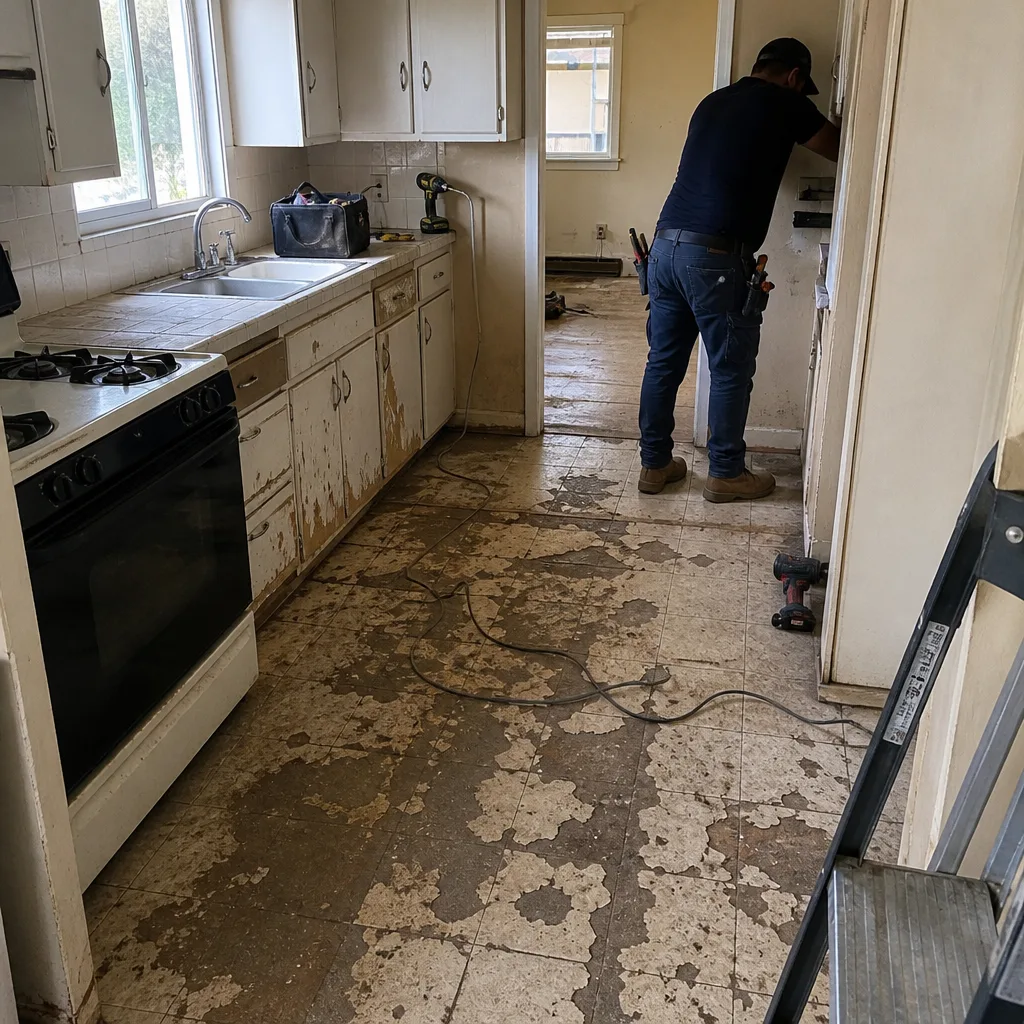 Before
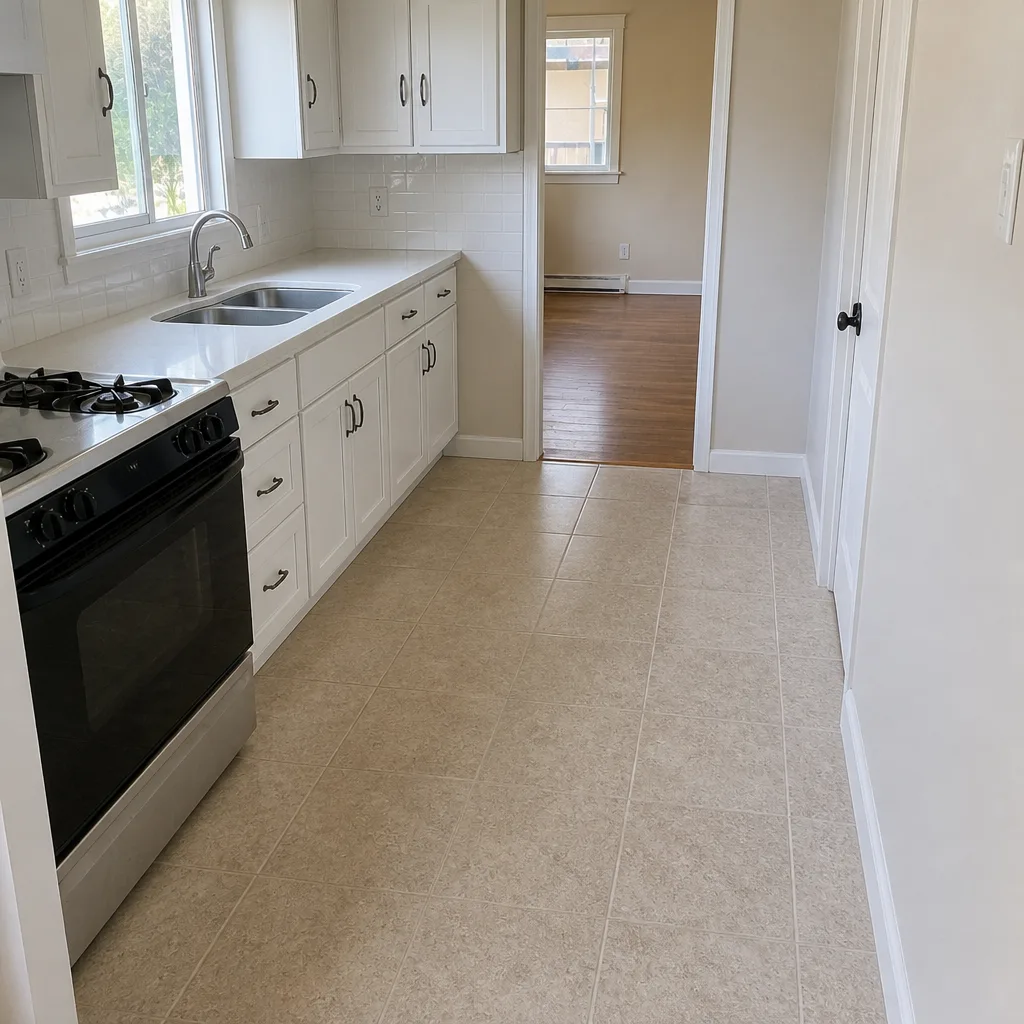 After
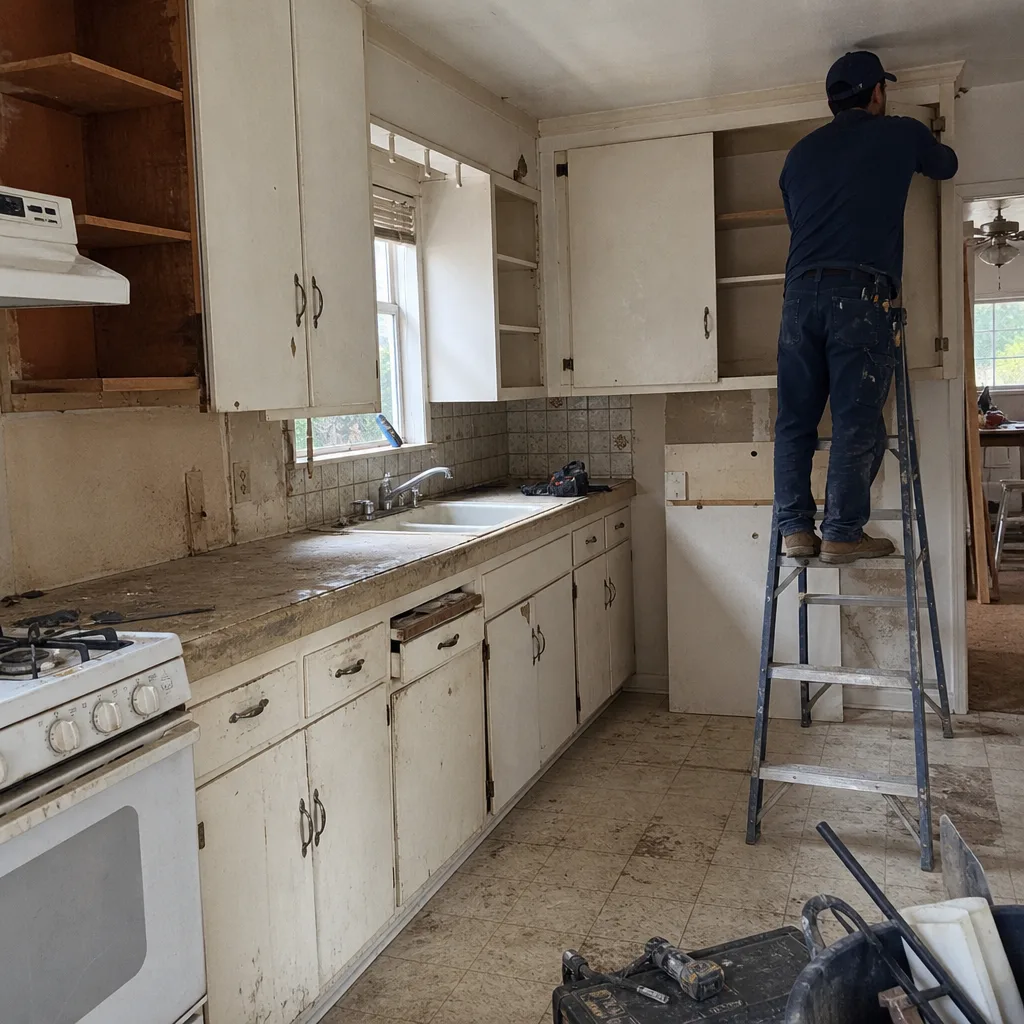 Before
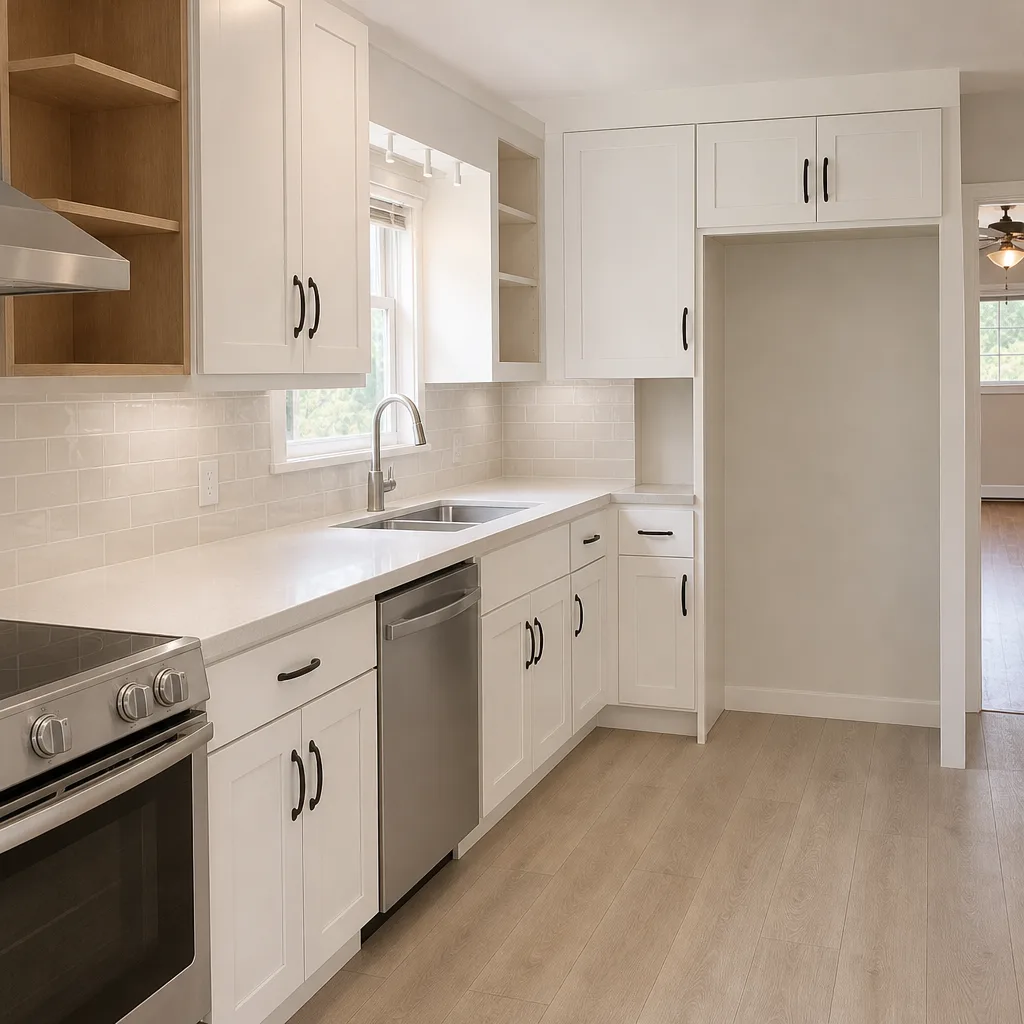 After
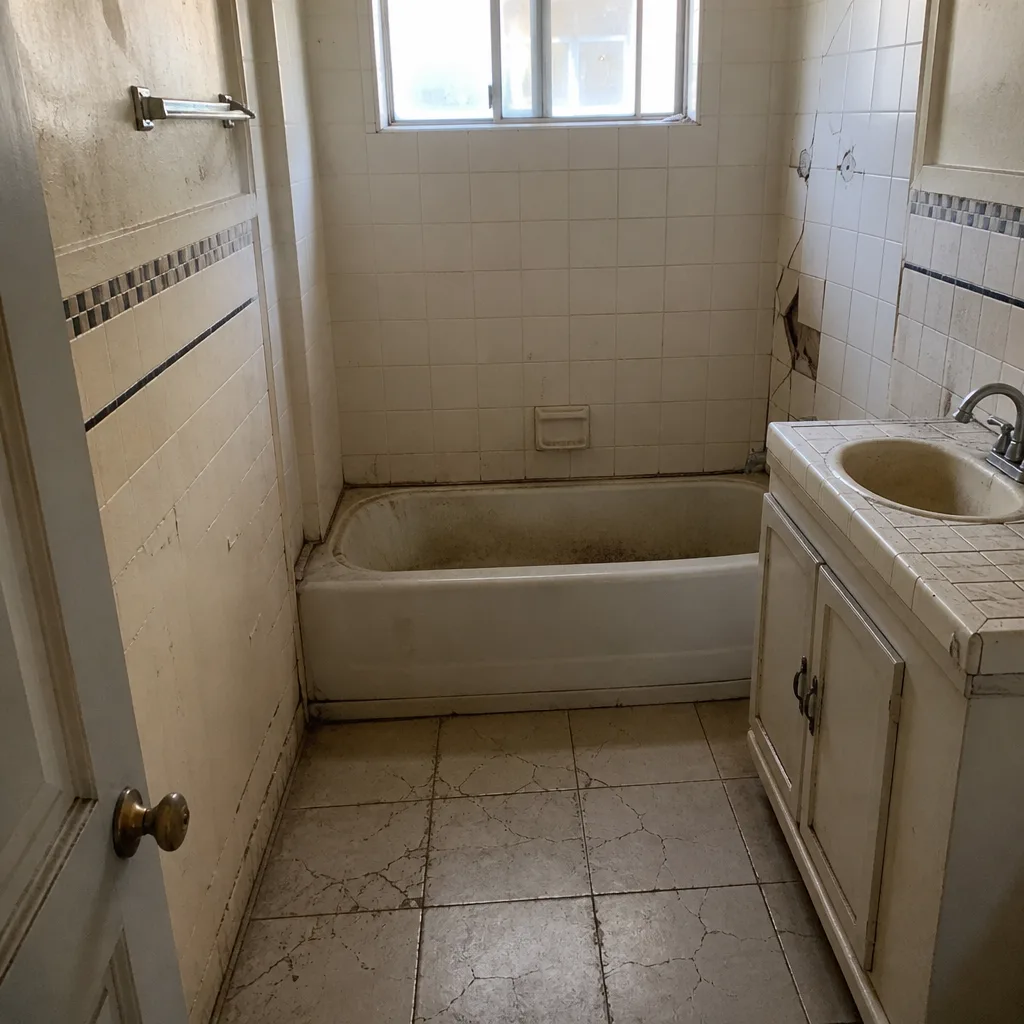 Before
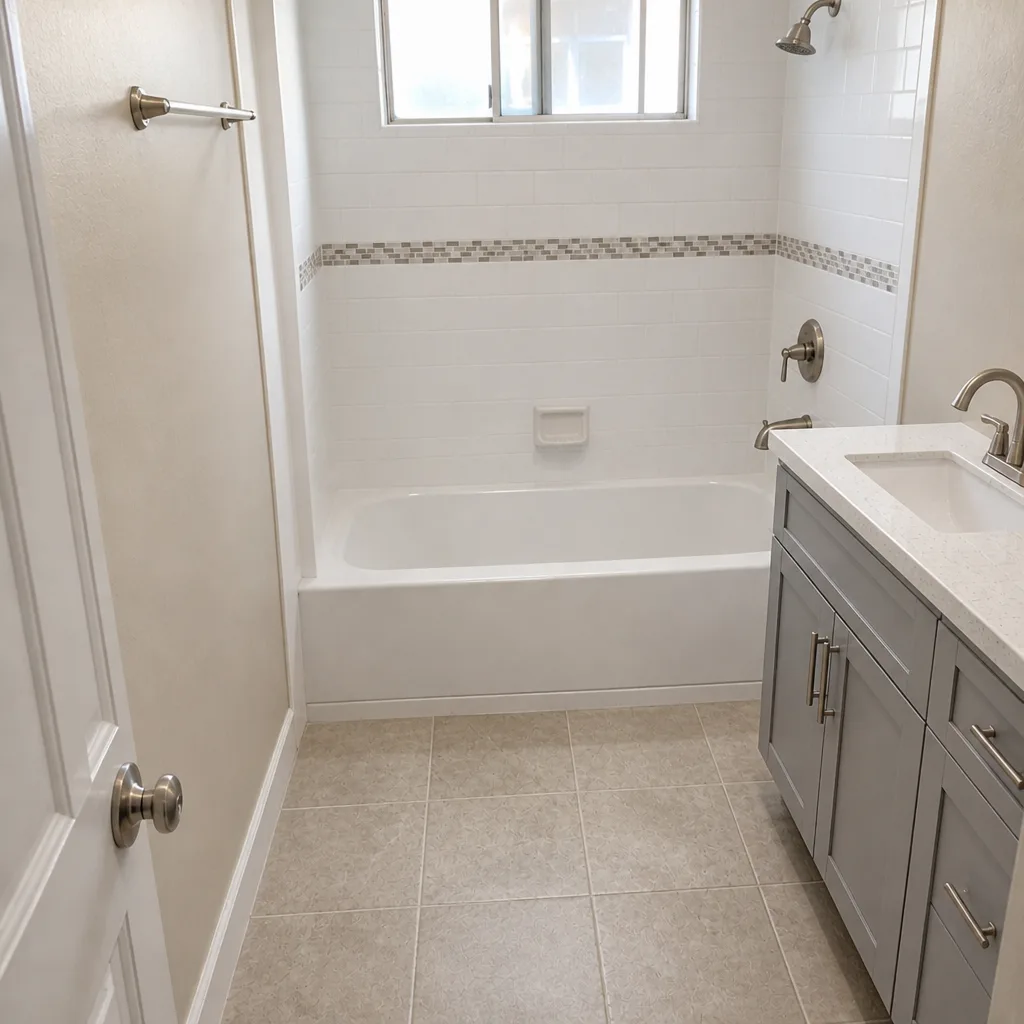 After
When to Call a Professional
Call a professional when you see a growing crack at the interior corner where new meets old, when water stains appear below the expansion joint, when the sub-panel shows any sign of heat or smell, or when a door in the new addition starts sticking for no reason. These are the signals that what looks like routine settling may be something else, and a professional inspection belongs in front of the repair, not after it. For Glendale homeowners, Barrett & Sons Construction Glendale offers free estimates and written scopes for any corrective work, and we pull permits and get inspections signed on every eligible job. For the ADU and addition side of the work, our Home Additions & ADU in Glendale page is the place to start. Call (844) 560-4526 for a free estimate.
Frequently Asked Questions
Once a year, and ideally twice: in early fall before the rainy season and again in spring after the last rain. That’s the seam most likely to fail first, and catching a failed sealant early is a small sealing job instead of a wall repair. In Glendale’s climate, add a quick look after any significant Santa Ana wind event.
By year three to five after the addition is completed. By then the new foundation has done most of its settling, and an inspector can see whether the building is behaving normally or whether movement is outside range. Waiting for a symptom means paying for a repair instead of a check. For an exact schedule on your own addition, call (844) 560-4526.
A routine annual inspection covering the joint, roof, and drainage typically runs a few hundred dollars, and resealing a failed expansion joint is in the low hundreds. A corrective repair after water intrusion can run into the thousands. The maintenance habit is the cheap path; the corrective repair is the expensive one. Estimates for any corrective scope are free.
Yes. A separately metered ADU has its own sub-panel that needs annual checks: look for scorch marks, test each breaker, and test the GFCI outlets monthly. Have a licensed electrician torque the terminals and check for heat damage every two years. Never open the panel cover yourself; the interior carries live current.
Not without a written change order first. Every scope, every allowance, and every price change on a Barrett & Sons job is written down before work proceeds, so there’s never a surprise invoice at the end. That’s the point of the written change order: no verbal “we’ll figure it out.”
Yes. Every eligible job includes permits pulled and inspections signed, and the inspector signs off at each stage. If a contractor tells you permits are optional for an addition or ADU, that’s a red flag on every other part of the job, too. Call (844) 560-4526 for a free estimate and a written scope.
The Bottom Line
An addition and an ADU live on the seams between old house and new building, and those seams need to be watched. Inspect the expansion joint annually, clear gutters before Santa Ana season, watch the roof tie-in through Glendale’s summers, check the ADU sub-panel yearly, and schedule an independent structural inspection by year three to five while problems are still small. Every punch list item goes in writing, and every corrective scope gets a written price before work starts. That’s the schedule that protects the investment. When you’re ready to price an addition or a corrective repair, Barrett & Sons Construction Glendale offers free estimates. Call (844) 560-4526, and a live person will pick up.
Written by the team at Barrett & Sons Construction Glendale.