
Last updated November 17, 2026
 Bathroom remodeling
 Kitchen remodeling
 Home additions & ADU
 Roofing
 Windows & doors
 Driveway & pavers
 Fence
Free written scope consultation - allowances, timeline, and change-order rules on paper before a single trade is scheduled
DIY vs Professional Bathroom Remodeling: What’s Safe to Do Yourself
Swapping a vanity light is fine. Rerouting a drain to gain six inches of shower space without a permit is a different animal entirely. That unpermitted alteration sits in your records like a stone in your shoe, and it tends to surface at the worst possible moment: the home inspection, the appraisal, the closing table. Glendale’s inspectors are not forgiving about work nobody signed off on, and neither are buyers. So the question worth asking isn’t “Can I do this myself?” YouTube will convince you that you can do anything. The real question is which tasks carry hidden consequences when they go wrong. In a bathroom, the wrong answer often means water slowly eating the wall cavity behind tile you won’t look at again for two years.
Quick Answer
Painting, swapping cabinet hardware, hanging a mirror, and replacing a faucet or showerhead on existing connections are safe DIY work for a capable homeowner. Anything that touches supply lines behind a wall, drain rough-in, waterproofing, electrical circuits, or load-bearing framing should go to a licensed professional. In Glendale, the gray zone is bigger than most people expect: California’s Title 24 energy rules and local permit requirements turn some “simple” fixture swaps into permitted events, and skipping the permit creates a paper trail problem that shows up when you sell.
Styles & brands we work with
- Kitchen remodeling
- Bathroom remodeling
- Home additions & ADU
- Roofing
- Windows & doors
- Driveway & pavers
- Fence
Table of Contents
- The Plain Yes/No Matrix: What’s Actually Safe to DIY
- Why Title 24 and Glendale Permits Catch People Off Guard
- The Real Cost of DIY Tile Work in Glendale
- Which Mistakes Are Cosmetic and Which Void Your Warranties
- Hybrid Projects: Doing Your Own Demo and Paint Without Slowing the Job
- What an Unpermitted Bathroom Costs You Later
- How Glendale’s Climate Affects Bathroom Moisture and Materials
- Common Mistakes to Avoid
The Plain Yes/No Matrix: What’s Actually Safe to DIY
Before you pick up a tool, draw a line down a piece of paper and sort every task on your remodel list into one of two columns. On the left: work where a mistake means a crooked picture, a mismatched color, or a trip back to the hardware store. On the right: work where a mistake means a slow leak, a tripped breaker, a failed inspection, or structural stress. The left column is yours to keep. The right column is where money and safety live.
Safe to DIY for a careful homeowner:
- Painting walls, ceiling, and trim
- Swapping cabinet pulls, knobs, towel bars, and toilet-paper holders
- Hanging a mirror on drywall with proper anchors
- Replacing a faucet or showerhead where the valve body and supply stops stay put
- Caulking the tub and shower surround after the waterproofing underneath is sound
- Removing a toilet and setting a new wax ring on an existing flange in good shape
- Swapping a light fixture on an existing circuit, with the breaker off and a volt meter confirming dead wire
- Pulling up old vinyl, tile, or carpet during demo
Not safe to DIY: call a licensed pro:
- Anything that reroutes or extends supply lines or drain lines
- Moving a toilet, sink, or shower drain location even a few inches
- Building or rebuilding a shower pan and its waterproofing membrane
- Adding, moving, or re-circuiting electrical outlets, GFCI protection, or the bathroom exhaust fan
- Any wall work that involves load-bearing framing or a header
- Replacing a water heater or touching the gas line
- Anything that requires opening the wall cavity
We’ve walked into Glendale bathrooms where a homeowner with real skill did everything right except the shower pan. The tile looked perfect for about eighteen months. The drywall behind the neighbor’s closet told the rest of the story. That’s the shape of the risk here: the work in the safe column announces its mistakes quickly, and the work in the other column does not.
Why Title 24 and Glendale Permits Catch People Off Guard
California’s Title 24 energy code is not just about windows and insulation. It governs exhaust fan airflow, lighting efficacy, and water-heating rules in every bathroom that gets a permit pulled. That means swapping a light fixture over a shower for a non-compliant one, or installing a quiet exhaust fan that doesn’t move enough cubic feet per minute, can fail a Glendale inspection even though it looks fine to your eye.
Here’s what catches people: the line between “replace” and “alter” is thinner in Glendale than most homeowners assume. A like-for-like faucet swap on existing stops is generally not a permit event. Moving supply lines, adding a new fixture location, changing the toilet’s drain location, or reconfiguring a shower is. Glendale’s building department will tell you the same thing if you call and ask; we recommend you do call and ask, and put the answer in writing before you start.
Tile work in a shower is another one. Title 24 doesn’t govern tile, but the building code absolutely governs the waterproofing method behind it, and Glendale inspectors ask for it. Bonded mortar-bed methods, liquid-applied membranes, and Kerdi-type systems all have different inspection checkpoints. If your permit says you’re using a membrane and the inspector sees a traditional mud bed, that’s a fail and a re-inspection fee.
We pull permits and pass inspections on every eligible job for a simple reason: the permit inspector works for you, not for us. That signed inspection card is your proof the work met code the day it was closed up. When you sell a home in Glendale, that card is often the difference between a clean appraisal and a two-week delay while a buyer’s inspector raises questions you can’t answer. You can see how we approach permitting and remodeling work across Glendale if you want more on how this plays out in practice.
The Real Cost of DIY Tile Work in Glendale
DIY tile looks cheap on paper. It rarely is. Here’s the honest math we run through with homeowners who ask whether they should tackle the floor or shower tile themselves.
- Tool rental: A wet saw with a decent blade runs $70 to $110 per day near Glendale. Most first-time installs need two or three days. Add a mixing paddle, a diamond hole saw for the shower valve, spacers, a float, a notched trowel, and knee pads. You’re already at $200 to $350 in tools you’ll use once.
- Wasted material from learning cuts: A pro cuts around a shower valve, a drain, and every niche in one pass because they’ve done it a thousand times. A first-timer wastes 15% to 25% of the tile learning the geometry. On a $900 tile budget, that’s $135 to $225 thrown in the trash.
- Lippage and the fix: Lipped tile – where edges sit at slightly different heights – is the most common DIY failure. It’s visible, it fails inspection on a shower wall, and it can’t be fixed cosmetically. The contractor price to tear out and redo a 5-by-8 shower floor with proper waterproofing typically runs $2,200 to $4,000 in the Glendale market once you include demo and rebuild.
- Waterproofing do-over: If the shower pan fails a flood test, the entire assembly comes out. That’s the most expensive fix in the room, and it’s also the one we see most. Say it plainly: waterproofing is not the place to practice.
Add up just those three numbers for a typical Glendale hall bath and DIY floor-and-shower tile is often within a few hundred dollars of a pro install with a written warranty – before you count your time. If you have the skill and the patience and time is not the constraint, more power to you. If not, the math usually clears up fast. Our home additions and ADU work in Glendale goes through the same math when homeowners ask about doing their own framing. The answers tend to rhyme.
Which Mistakes Are Cosmetic and Which Void Your Warranties
Manufacturer warranties on premium fixtures and shower systems are specific about installation. Kohler, Moen, Hansgrohe, and Delta all publish installation requirements that include using the supplied parts, torque values on fittings, and proper rough-in depth. Get any of those wrong on a DIY install, and you can usually still replace a cartridge under warranty, but you can lose coverage on the body and trim.
Three examples we’ve handled recently:
- Shower valve rough-in depth: If the rough-in is set too deep or too shallow in the wall, the cartridge fails early and the trim doesn’t seal. That cartridge replacement is a cosmetic fix. The fixture body behind the wall is not.
- Tankless and on-demand water systems: Wrong venting or gas line sizing can void coverage. Those are not DIY-safe no matter the video.
- Shower panel and pre-fab surround systems: Most specify a level substrate and a specific sealant. Skip either, and a leak quietly eats the wall cavity.
Anything cosmetic – paint, caulk, grout, a crooked towel ring – is a fix. Anything that gets behind a wall – the cartridge depth, the valve body, the drain connection, the wiring for the exhaust fan – is where warranties go to die. That’s a rule you can carry into every room. The company you hire should hand you a written scope and a written warranty up front; ask what happens if something fails at month four. Barrett & Sons Construction Glendale puts its 90-Day Done Right Promise on every job in writing for exactly that reason. If something isn’t right, one call brings us back. No fine print.
Hybrid Projects: Doing Your Own Demo and Paint Without Slowing the Job
Plenty of homeowners want to save money by doing the parts that don’t carry hidden risk. That works – if you set the hand-off points in writing before the job starts. Here’s how we structure hybrid projects in Glendale, and how you can too, whether you hire us or someone else.
- You handle demo before we walk in. Tear out cabinets, tile, and fixtures on the day we schedule. Removal is honest work, and it saves real labor. Bag the debris so it goes out with our haul-away.
- You handle paint after our drywall is finished and primed. Paint is the single best DIY savings in a bathroom remodel. We hand you the room with finish-ready walls, and the flattering light you see in the photos is the primer coat.
- We handle everything between those two events. Rough-in plumbing, electrical, waterproofing, tile, setting fixtures, and passing inspections. That’s where the money lives and where a mistake is expensive.
- Every scope change in writing. If you decide mid-job to change the vanity to a double-sink, that’s a written change order before work moves. An allowance that isn’t on paper is a surprise waiting for a date.
The hand-off model fails for one reason: unclear timing. If your demo runs three days late, the tile crew shows up to a bathroom that isn’t ready and the whole schedule slides. Fix that with one rule: everything we hand each other is scheduled in writing, and every delay gets communicated by phone the same day. We’ve been doing kitchen and bath projects this way and building fences across Glendale the same way – written scope, written hand-off, written change order. It’s the boring stuff that keeps hybrid projects on schedule.
What an Unpermitted Bathroom Costs You Later
Glendale homeowners who’ve skipped permits sometimes save $500 to $1,500 in the short run. When they sell, the number moves the other way. A buyer’s inspector finds unpermitted plumbing or electrical work, the deal gets renegotiated, and the seller has to either get the work permitted and inspected after the fact or discount the house to cover it. Retroactive permitting is possible, but it can require opening walls to expose work that was closed up years ago.
The math on retroactive permitting usually looks like this:
- Permit fees and inspection costs: several hundred to a couple thousand dollars, depending on scope
- Opening finished walls to expose the covered work so an inspector can see it: $1,500 to $4,000
- Correction work if the original installation wasn’t to code: variable, sometimes significant
- Re-closing walls, patching, and repainting: $800 to $2,500
- Appraisal or negotiation discount on a sale: unpredictable but rarely small
We’ve had clients call us about unpermitted work because a sale was two weeks out. We’ve walked through the honest scenario with them, and we’ve told some of them the smartest path was to discount the house rather than pay for a full rebuild. The better answer is to permit it right the first time. If you’re already in the middle of something, call (844) 560-4526 and we’ll talk through options before you commit to a fix.
How Glendale’s Climate Affects Bathroom Moisture and Materials
Glendale is dry, hot in summer, and cool in winter. That sounds like a bathroom-friendly climate on paper. In practice, the big swing between dry outside air and humid bathroom air is exactly what stresses building materials. We’ve seen wood vanities move and crack in ways that wouldn’t happen in a coastal city, and paint that peels along the tub line because it can’t handle the humidity swing.
A few specific things that matter in Glendale bathrooms:
- Exhaust fan sizing: A bathroom needs about 1 CFM per square foot at minimum. A 5×8 hall bath wants at least 50 CFM. An undersized fan is the single most common reason we see mold along the ceiling in older Glendale homes.
- Paint sheen matters: Semi-gloss or bath-specific paint on walls; satin on ceilings. Flat paint in a bathroom is a slow failure.
- Tile choice by install location: Polished stone on a shower floor is unsafe and slippery when wet; a matte porcelain or natural cleft slate handles Glendale’s dry air better and stays grippy.
- Ventilation location: Exhaust fans should pull from above the shower, not from a corner, and ducting should run short and straight to the exterior. Terminating an exhaust fan into the attic is a code fail and a moisture problem.
If your Glendale home was built in the 1950s or 1960s, the odds are decent the original bathroom has no exhaust fan at all. It was code-legal when built. It’s not code-legal after a remodel. That’s a permit event every time.
Common Mistakes to Avoid
- Skipping the permit to “save time.” Glendale residential permits usually take a few days to process, not weeks. The delay you’re worried about is the inspection card your buyer will ask for in two years.
- Doing your own shower pan because the videos look clear. The video doesn’t show the flood test that would have failed. Waterproofing is the one place we see DIY work fail almost every time. Pay a pro for this step whether or not you do anything else.
- Replacing a light fixture over a shower with a non-Title 24 fixture. It’s a permit and inspection failure, and it’s a very common one in Glendale.
- Skipping the exhaust fan upgrade because “the old one still works.” Old fans move half the air they’re rated for after 15 years. Replace it while the wall is open. Doing it later means opening the wall again.
- Buying a vanity before checking plumbing wall location. This is the most common return-to-the-store moment in bathroom remodeling. Measure thrice, buy once.
- Assuming standard tile sizes will line up with existing drain and valve placements. They usually don’t. Plan your accent and cut layout before you cut anything else.
- Letting a change happen without a written change order. A verbal “while you’re in there” is how surprise invoices happen. If it’s not on paper before the work, it doesn’t happen.
See the difference
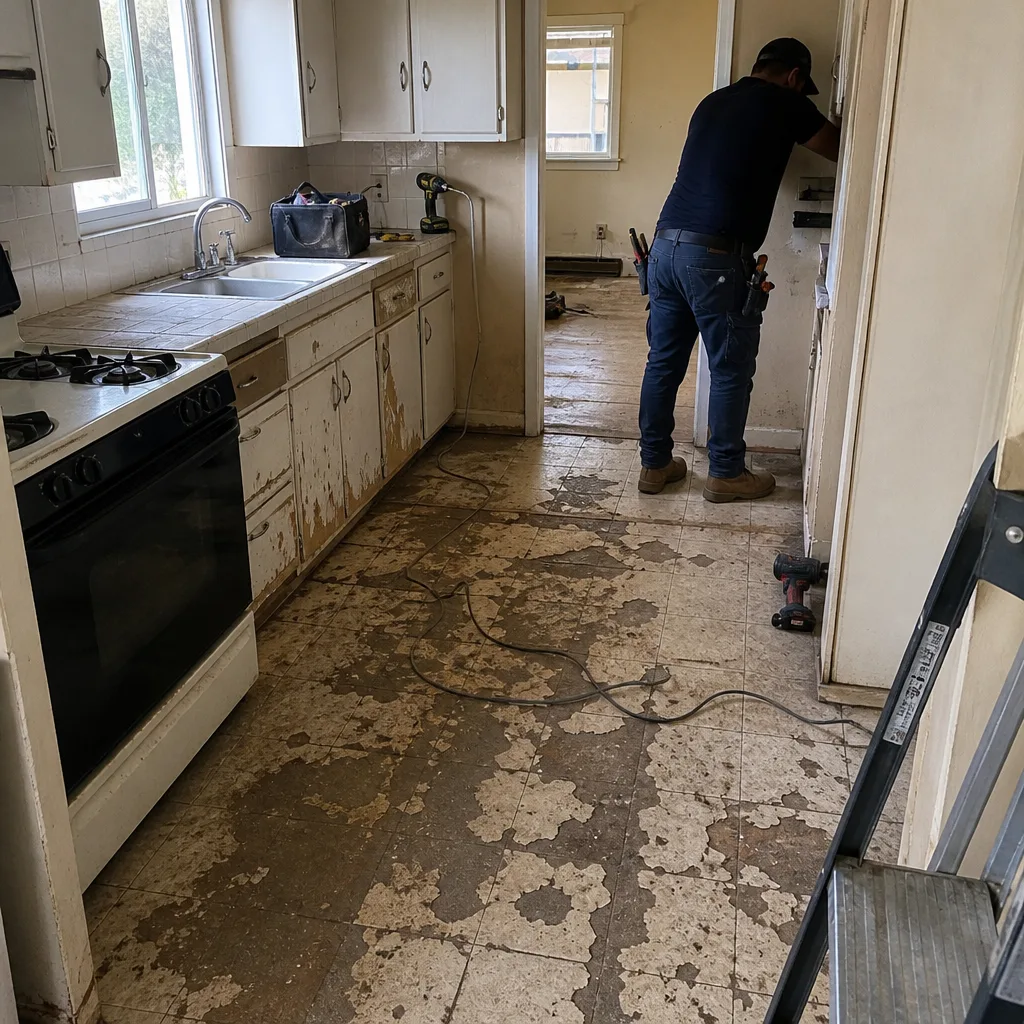 Before
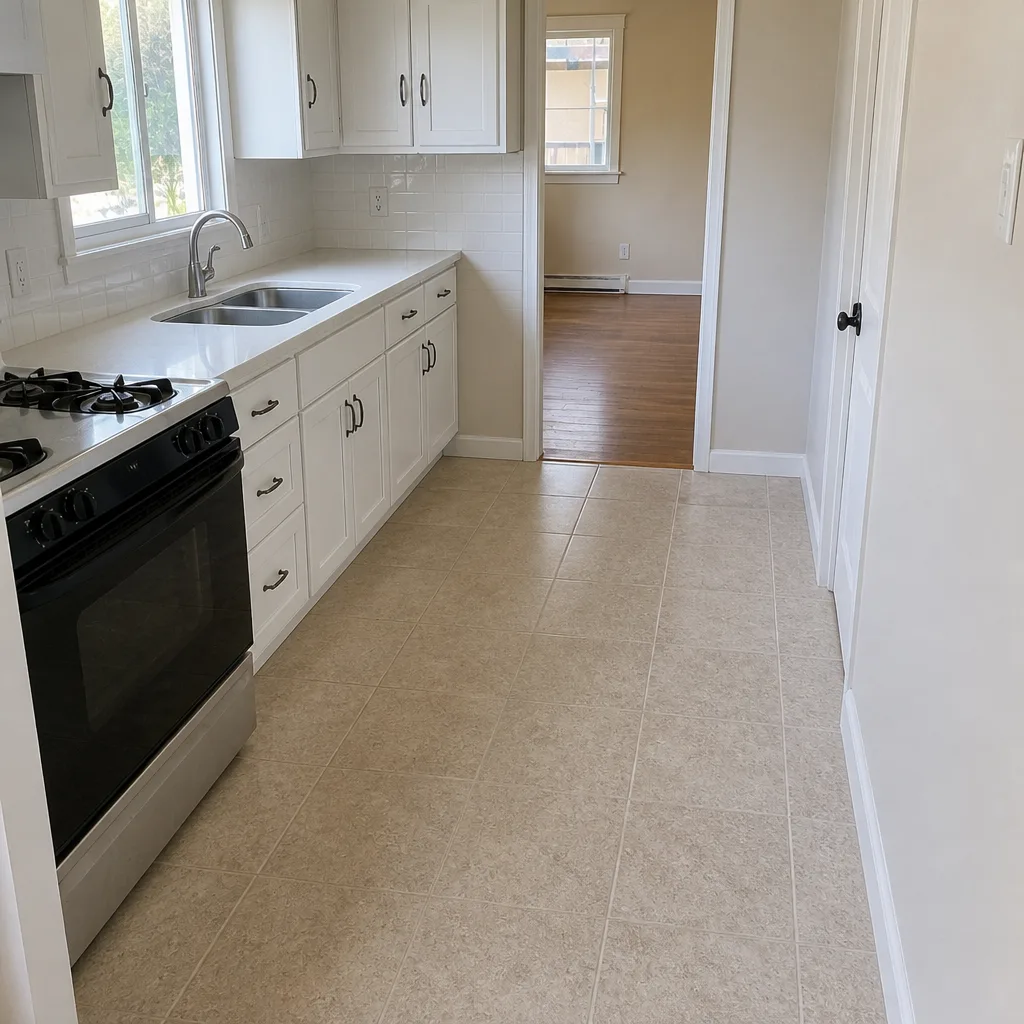 After
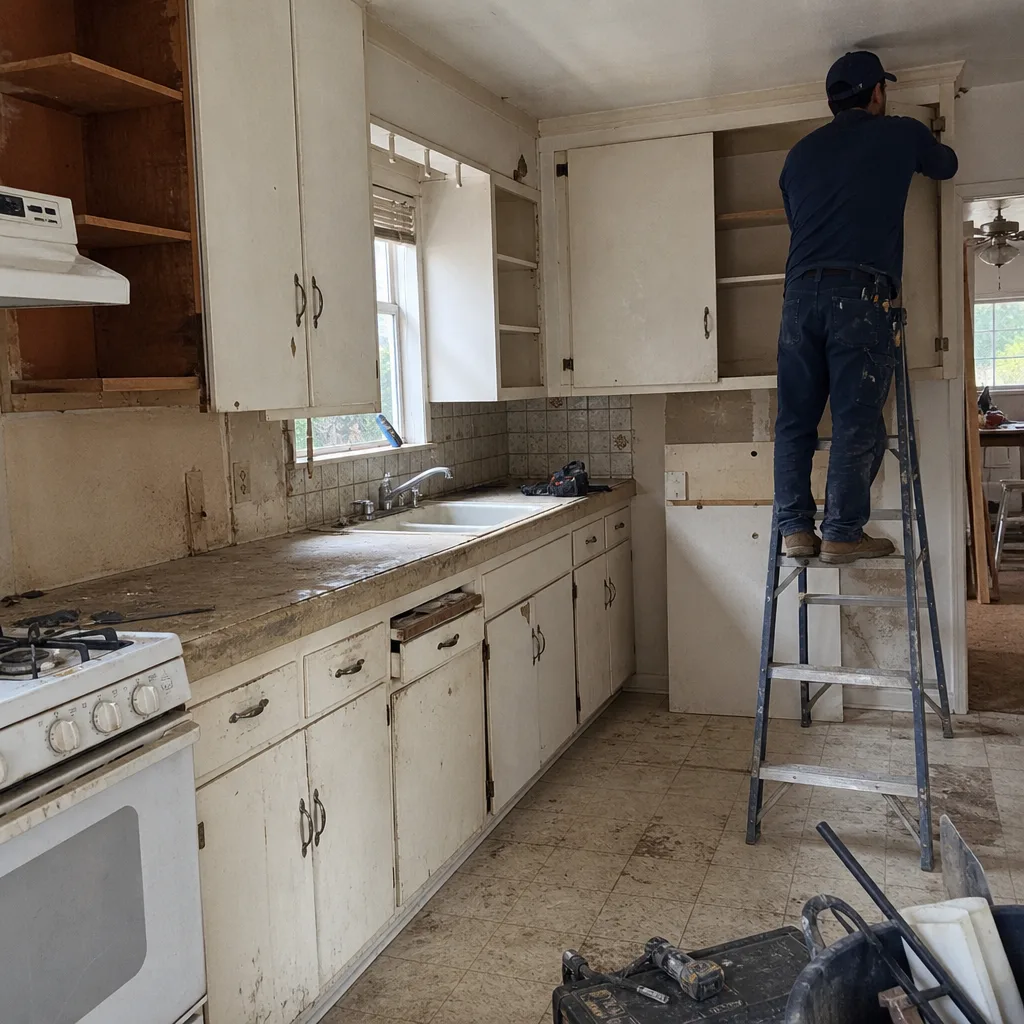 Before
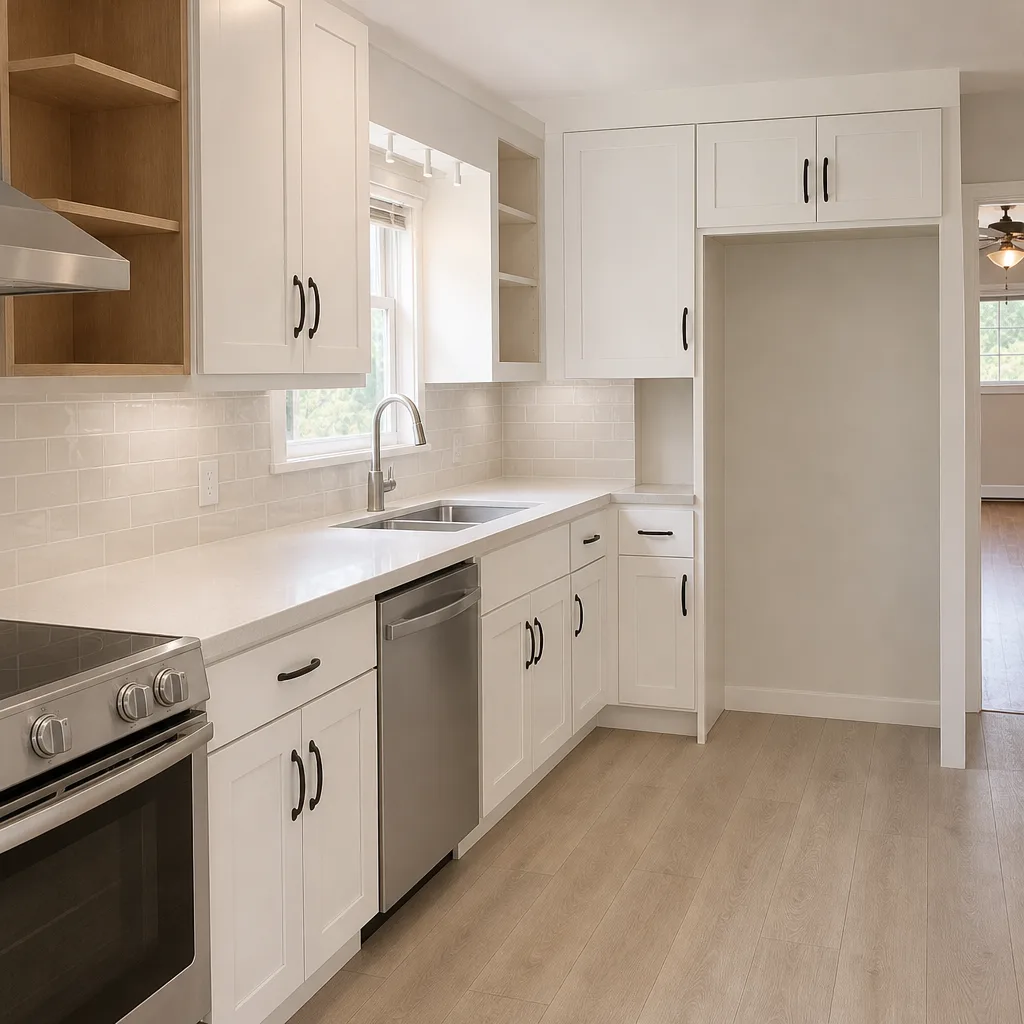 After
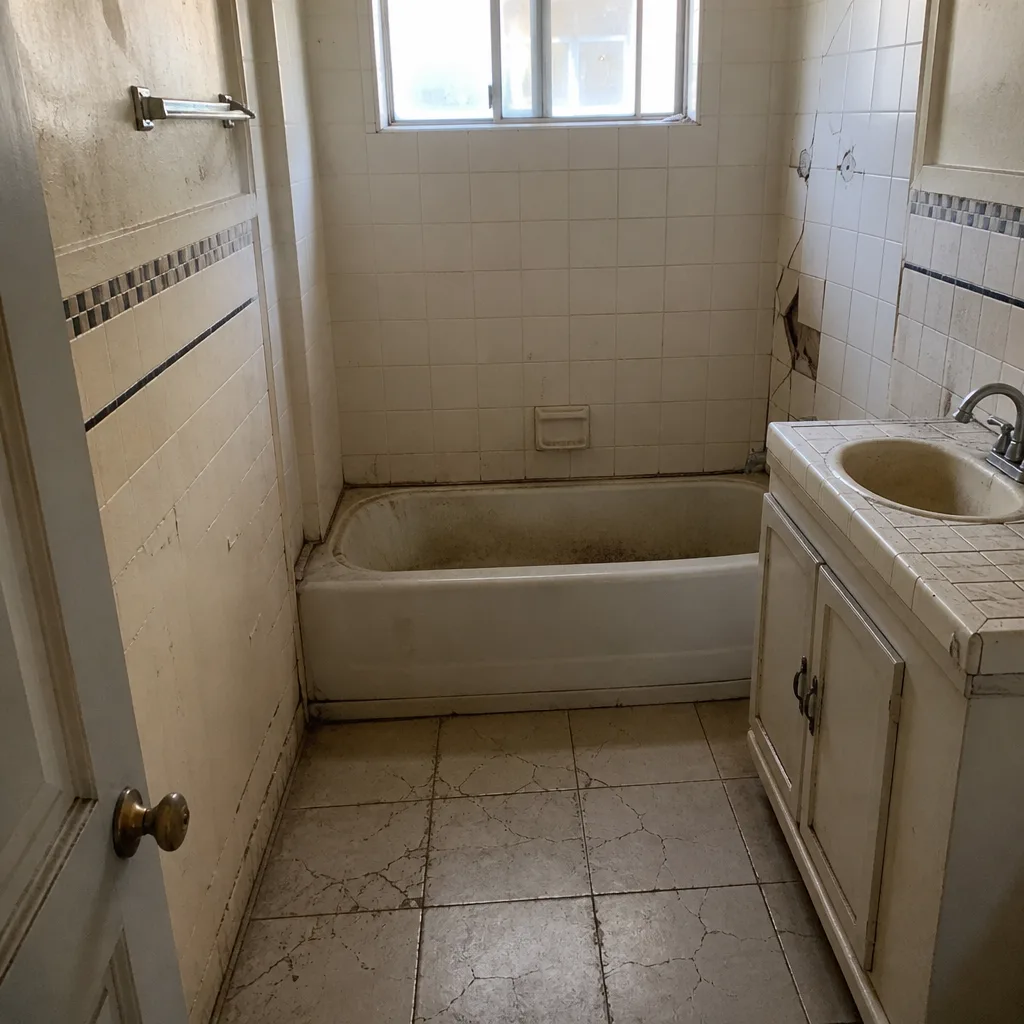 Before
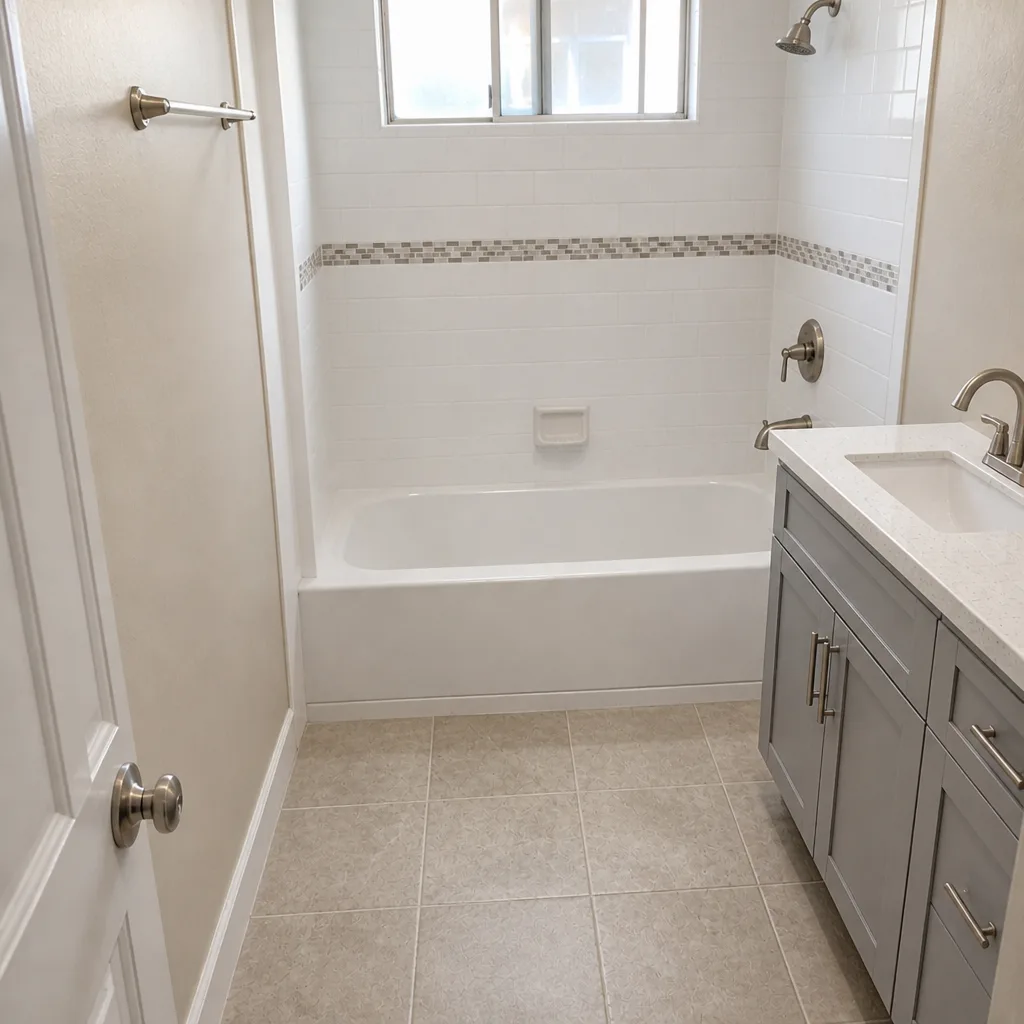 After
When to Call a Professional
Call a professional the moment any of these show up on your list: moving the toilet, sink, or shower drain; opening a wall; touching electrical circuits beyond a like-for-like light swap; building or rebuilding a shower pan; installing a new exhaust fan; replacing a water heater or gas line; anything that needs a permit in Glendale. Also call if you’re already mid-project and something isn’t going right and the fix isn’t obvious. A quick professional opinion is cheaper than a re-do. The plumbing behind the wall and the waterproofing under the tile are the two spots where a small mistake becomes a big invoice. If your list has more than two of these in the “not safe” column, the whole job should go to a licensed pro. Barrett & Sons Construction Glendale offers free estimates in Glendale – call (844) 560-4526 to schedule yours. We’ll walk your list with you and tell you honestly what’s DIY-safe and what isn’t.
Frequently Asked Questions
In most Glendale cases, yes – a like-for-like faucet swap on existing supply stops and a matching drain doesn’t require a permit. If the swap involves moving the supply lines or the drain location, that’s a permit event. Call your faucet replacement “replace” only if it truly is one; changes in location make it an alteration.
Yes. Retiling a shower in Glendale requires a permit because the waterproofing method behind the tile is code-governed and inspected. Tiling over existing tile without addressing the waterproofing is a fail at inspection and a moisture failure waiting to happen.
No, with one narrow exception: swapping a light fixture on an existing circuit with the breaker off. Circuits, outlets, GFCI protection, and exhaust fan wiring should always go to a licensed electrician. Bathrooms are wet locations and the code is stricter there than in the rest of the house.
A typical Glendale hall bath saves $800 to $1,800 doing your own demo and paint, depending on size and how much prep the walls need. That’s real money for honest work. Do the demo carefully and let a pro handle the waterproofing, plumbing, and electrical behind it.
The buyer’s inspector will likely flag it, the appraisal may be held up, and the sale can be delayed while you either permit retroactively or discount the price. Retroactive permitting in Glendale is possible but can require opening walls. It’s almost always cheaper to permit the job the first time.
On floor tile, maybe. On shower walls and shower floors, the waterproofing decisions are what fail, and a video can’t see your wall cavity. The failure we see most often is a shower pan that looked perfect for a year and then leaked. If you want to learn tile, start with a backsplash or a floor, not a shower.
The Bottom Line
Painting, hardware, mirror installs, and like-for-like fixture swaps are yours to keep for the DIY column. Anything behind a wall – plumbing, electrical, waterproofing, load-bearing framing – belongs in the other column, and in Glendale the permit and Title 24 rules make that line sharper than most homeowners expect. The DIY math on tile work rarely works out once you count the tools, the learning cuts, and the cost of a fix. If you want to save real money, do the demo and the paint yourself, and let a pro handle the parts that get closed behind tile. If you’ve already started and something feels wrong, call us and we’ll tell you honestly whether it’s a fix or a rebuild.
Barrett & Sons Construction Glendale offers free estimates across Glendale and the surrounding communities. If you’re weighing DIY against a contractor quote – or you’ve got a hybrid project and want a straight answer on where the hand-off points should be – call (844) 560-4526 to schedule your free estimate. Free second opinion on any written estimate. No trip charge inside the county. Every scope, allowance, and change order in writing before work happens. And if we ever get something wrong, the 90-Day Done Right Promise is on the contract, not in the fine print.
Written by the team at Barrett & Sons Construction Glendale.