
Last updated November 17, 2026
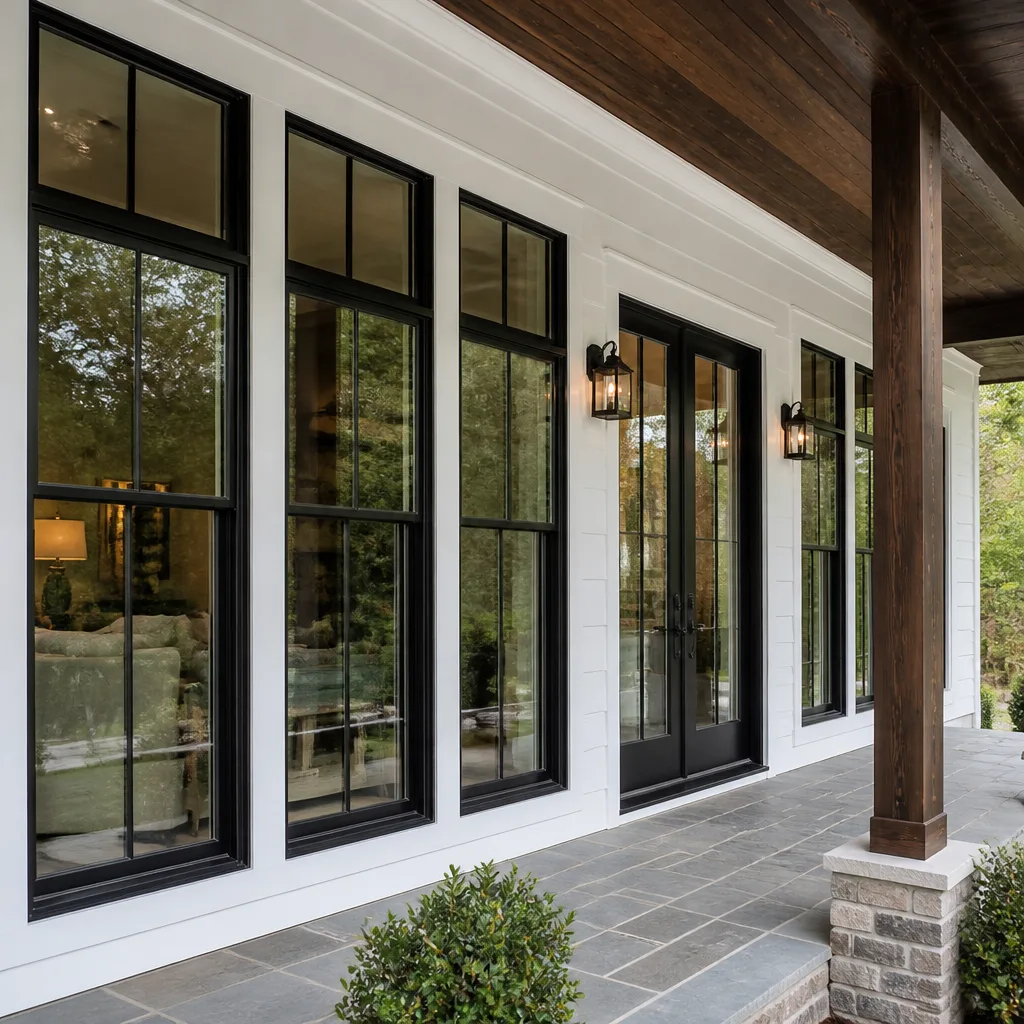 Windows & doors
 Kitchen remodeling
 Bathroom remodeling
 Home additions & ADU
 Roofing
 Driveway & pavers
 Fence
Free written scope consultation - allowances, timeline, and change-order rules on paper before a single trade is scheduled
The Complete Windows & Doors Guide for Glendale Homeowners
Drive down any street in Glendale and you’ll pass three different eras of house in a single block: a 1920s Craftsman bungalow with deep eaves, a 1950s ranch with a picture window, and a 1980s stucco box with aluminum sliders. Here’s what surprises most homeowners we talk to: the right replacement window for one of those houses is often the wrong window for the next one over. It can be a structural mistake, an aesthetic eyesore, and, in parts of Glendale, a paperwork problem that surfaces years later at a sale. This guide walks through the three replacement methods, how Title 24 energy rules apply in Glendale’s climate, what hillside homes require, and how material choice plays out in San Fernando Valley heat.
Quick Answer
In Glendale, window and door replacement comes down to matching the method and material to your home’s era. A 1928 Craftsman or Spanish Revival usually needs full-frame or block-frame replacement with wood, wood-composite, or aluminum-clad units to preserve its look and stay clear of historic overlay rules. A mid-century or later ranch can often use a retrofit insert, which is faster and less expensive. Every replacement must also meet Title 24 U-factor and SHGC minimums for the local climate zone. Plan on $600 to $1,400 per window installed for most Glendale projects, more for custom wood and hillside egress work.
Styles & brands we work with
- Kitchen remodeling
- Bathroom remodeling
- Home additions & ADU
- Roofing
- Windows & doors
- Driveway & pavers
- Fence
Table of Contents
- The Three Replacement Methods and Which Fits Your Glendale Home
- Title 24 in Glendale: What You Must Hit vs. What Actually Works
- Glendale Housing Eras and Their Window Rules
- The Historic Preservation Overlay and Contributing Structures
- Hillside Homes: Wind Load, Egress, and Door Thresholds
- Window Materials in Valley Heat: Wood, Fiberglass, Aluminum-Clad
- Exterior Doors: Entry, Patio, and Slider Choices
- What Window and Door Replacement Costs in Glendale
The Three Replacement Methods and Which Fits Your Glendale Home
There are three ways to replace a window, and choosing the wrong one is the most common and most expensive mistake we see. Each method leaves your walls, trim, and energy performance in a different place, and each has a natural home among Glendale’s housing stock.
- Retrofit (insert) replacement. The new window fits inside the existing frame, and the old sashes come out. It’s the fastest, cheapest option and the least disruptive to interior trim. It doesn’t change the visible exterior profile much, and it slightly reduces the glass area because of the new framing. Best for 1950s ranches and 1980s stucco homes where the original frames are sound.
- Full-frame replacement. The entire window comes out down to the rough opening, including the frame and often some siding or stucco. You get the largest glass area and a true energy reset. It’s the right call for a Craftsman or Spanish Revival where the frame is rotted, the profile needs to match, or the opening size has to change. It’s more invasive and more expensive.
- Block-frame replacement. A middle path. The interior and exterior trim stay, but the window unit is replaced as a complete block that includes a new frame sized to the existing opening. It’s faster than full-frame, gives a better seal than a retrofit, and works well on 1960s and 1970s Glendale homes with brick or stucco veneer where you don’t want to disturb the exterior finish.
If you’re planning a larger renovation around the window work, the sequencing matters. Window and door replacement often pairs with a Home Additions & ADU in Glendale project, where new openings need to match the existing house’s look.
Title 24 in Glendale: What You Must Hit vs. What Actually Works
California’s Title 24 energy code sets the floor, not the ceiling. For replacement windows in Glendale’s climate zone, you’re typically looking at a maximum U-factor of around 0.40 and a solar heat gain coefficient (SHGC) at or below 0.25 for the whole unit, though the exact numbers depend on the compliance path your contractor uses. Those are the numbers the inspector checks. They are not the numbers that make a window comfortable in a Glendale August.
Here’s where the local knowledge matters. Glendale sits in a hot interior valley climate with real afternoon sun exposure, especially on west- and south-facing walls in neighborhoods like Adams Hill and the flats near Chevy Chase. A window that just meets the SHGC minimum can still let in enough radiant heat to make a west-facing living room uncomfortable from 2 p.m. to 6 p.m. We’ve seen homeowners replace windows to code and then call us back wondering why the room is still hot. The answer is that the glass was legal but not optimized.
- Low-E coating: Nearly every replacement unit sold today has it. The question is which type. A spectrally selective low-E coating blocks more solar heat without darkening the room as much.
- SHGC by orientation: West and south glass benefits most from a lower SHGC. North-facing glass can often use a higher SHGC and get free winter warmth.
- Argon fill and warm-edge spacers: Small upgrades that improve real-world performance, not just the label number.
- Air sealing at install: The best window leaks if the rough opening isn’t sealed right. This is where a careful crew beats a cheap bid every time.
Ask your contractor which compliance path they’re using and why. A contractor who can’t explain their Title 24 choice in plain English is a contractor who’s copying a form.
Glendale Housing Eras and Their Window Rules
Glendale’s housing stock is unusually varied, and the year your house was built tells you a lot about what kind of window replacement makes sense. Here’s how we think about it in the field.
Pre-1940 Craftsman and Spanish Revival
These homes were built around their windows. Deep eaves, divided-light sashes, and specific trim profiles are part of the architecture. A vinyl retrofit insert looks visibly wrong here, and it can hurt resale. Full-frame replacement with wood, wood-composite, or aluminum-clad units that match the original profile is the right approach. Budget more and plan for trim work.
1940s – 1960s Mid-Century Ranch
Picture windows, sliding glass doors, and simpler trim mark this era. Retrofit inserts work well when the frames are solid, and block-frame replacement is a good option when they aren’t. These homes often have larger glass areas, so SHGC choice matters more.
1970s – 1990s Stucco and Tract
Aluminum sliders and single-pane windows are common, and most are ready for replacement. Block-frame replacement is usually the sweet spot, preserving the stucco exterior while upgrading performance. This is also where you’ll find the most doors that need threshold and drainage attention.
The Historic Preservation Overlay and Contributing Structures
Parts of Glendale sit within historic preservation overlay zones, and if your home is classified as a “contributing” structure, window replacement goes through a design review before a permit is issued. That means the wrong window isn’t just an aesthetic issue. It can hold up your permit, cost you money in revisions, and complicate a future sale if the work was done without approval.
What design review typically looks for on a contributing structure:
- Matching the visible profile. The depth of the frame, the width of the muntins, and the material look all matter on the street-facing elevation.
- Preserving the opening size. Enlarging or shrinking a visible window changes the facade and usually gets flagged.
- Material compatibility. Wood and aluminum-clad units that mimic original wood are usually accepted. Bright white vinyl often isn’t.
- Documentation. Photos of existing conditions and product spec sheets are part of a clean submittal.
Before you sign a window contract in a Glendale overlay zone, ask whether the contractor has pulled permits on a contributing structure before. We pull permits and get inspections signed on every eligible job for exactly this reason. The permit inspector works for you, not for the contractor, and the paper trail protects your sale.
Hillside Homes: Wind Load, Egress, and Door Thresholds
Glendale’s hillside neighborhoods, from Chevy Chase Canyon to the streets above Brand Park, add a layer of engineering that flat-lot homes don’t have. Three things change when your house sits on a slope.
- Wind load ratings. Exposed hillside elevations can see higher design wind pressures than sheltered valley lots. Your replacement windows need a design pressure (DP) rating that matches the exposure. A standard DP-30 window that’s fine on a protected flat lot can be undersized on an exposed ridge.
- Egress sizing. Every bedroom needs at least one operable window or door that meets egress requirements for clear opening width, height, and sill height. On hillside lots, decks and grade changes sometimes push the sill height out of compliance, so the replacement window has to be sized and positioned carefully. This is a life-safety code item, not a preference.
- Door thresholds and drainage. On a slope, exterior door thresholds sit close to grade, and water wants to run toward the house. Threshold height, flashing, and drainage details decide whether a patio door stays dry through a winter storm. We’ve replaced thresholds on more hillside sliders than we can count because the original install let water pool at the track.
If a hillside project also involves a deck or hardscape, it often makes sense to coordinate it with Driveway & Pavers in Glendale or a Fence Installation in Glendale so drainage is handled as one system.
Window Materials in Valley Heat: Wood, Fiberglass, Aluminum-Clad
Material choice is where a lot of Glendale homeowners get talked into the wrong product. San Fernando Valley heat is hard on windows. Afternoon sun bakes west-facing glass, and the temperature swings between a hot day and a cool night stress the frame. Here’s how the three main premium materials hold up.
- Wood and wood composite. Beautiful, warm, and the natural fit for Craftsman and Spanish Revival homes. Wood needs painting or staining to stay sealed, but with proper maintenance it lasts. Premium brands like Marvin and Andersen offer wood and wood-composite lines that match historic profiles well.
- Fiberglass. A strong performer in valley heat because it expands and contracts far less than vinyl. It holds paint well, resists warping, and can be finished to look like wood. It’s a practical choice for hillside homes and for anyone who wants low maintenance without giving up a painted look.
- Aluminum-clad wood. The best of both for many Glendale homes. The interior is wood, so you get the look you want inside, and the exterior is a baked-on aluminum cladding that shrugs off sun and rain. Andersen’s and Marvin’s aluminum-clad lines are the standards here, and they’re what we reach for on most historic-sensitive jobs.
Our crew members install premium brands across every trade. On windows and doors, that means you can look up the exact product and spec sheet before you sign, not take a mystery brand on faith.
Exterior Doors: Entry, Patio, and Slider Choices
Doors get less attention than windows, but they carry the same era-specific rules and a lot of the real-world performance. Three categories matter most in Glendale.
Entry doors
On a historic home, door style is part of the architecture, and a poorly matched modern door reads wrong from the street. Fiberglass and steel entry doors offer better insulation and security than the originals, and they can be finished to look period-appropriate. Sizing and threshold height need to be checked against the existing opening.
Patio and French doors
The classic mid-century rear slider is a common source of water intrusion and air leaks. Upgrading to a modern sliding or hinged patio door improves both. On hillside homes, the threshold and flashing detail is the make-or-break piece.
Garage and side doors
Not a window, but worth mentioning since it’s a door and the same sealing rules apply. A well-sealed garage door keeps the heat out and the pests out.
Every door we install gets the same treatment as a window: proper flashing, sealed rough opening, and a permit where one is required.
What Window and Door Replacement Costs in Glendale
Pricing varies with method and material, but here’s a realistic line-item range for Glendale projects. Every number below should appear on a written estimate, with a written change order if scope shifts after you sign.
- Retrofit window replacement (standard size, fiberglass or clad): $600 – $950 installed per window.
- Full-frame window replacement (historic or custom profile): $950 – $1,600 installed per window.
- Block-frame replacement (mid-century stucco): $750 – $1,200 installed per window.
- Egress window sizing and install (hillside bedrooms): add $150 – $400 per opening for framing and code compliance.
- Entry door replacement (fiberglass or steel, with hardware): $1,200 – $3,500 installed.
- Patio slider or French door replacement: $1,800 – $4,500 installed, more on hillside threshold work.
- Permit and inspection fees: typically $150 – $600 depending on the scope and jurisdiction.
A whole-house project of 10 to 15 windows commonly lands between $8,000 and $20,000 in Glendale once method and material are set. That’s a real range, and any contractor who quotes one number before seeing your house is guessing. We issue written line-item estimates with every allowance on paper, and every price change arrives as a written change order before work starts.
Common Mistakes to Avoid
- Using vinyl retrofit inserts on a historic home. It looks wrong on the street and can complicate a future sale or historic review. Match the method and material to the era.
- Choosing the window that just meets Title 24. The code minimum is a floor. A west-facing Glendale room needs more than the minimum to be comfortable.
- Skipping the permit in an overlay zone. A contributing structure needs design review before a permit. Unpermitted work surfaces at the worst possible time: the sale.
- Ignoring hillside wind and egress requirements. Standard DP ratings and standard bedroom egress sizes can fail on an exposed slope. Check the specs against the exposure.
- Not coordinating drainage with door replacement. A new patio door with a poorly flashed threshold is a leak waiting for the first winter storm.
- Accepting a verbal quote. An allowance that isn’t on paper is a surprise waiting for a date. Get the line items and the change-order process in writing.
- Hiring on price alone. The cheapest bid usually hides the trim, the flashing, or the permit. A name you can verify is worth more.
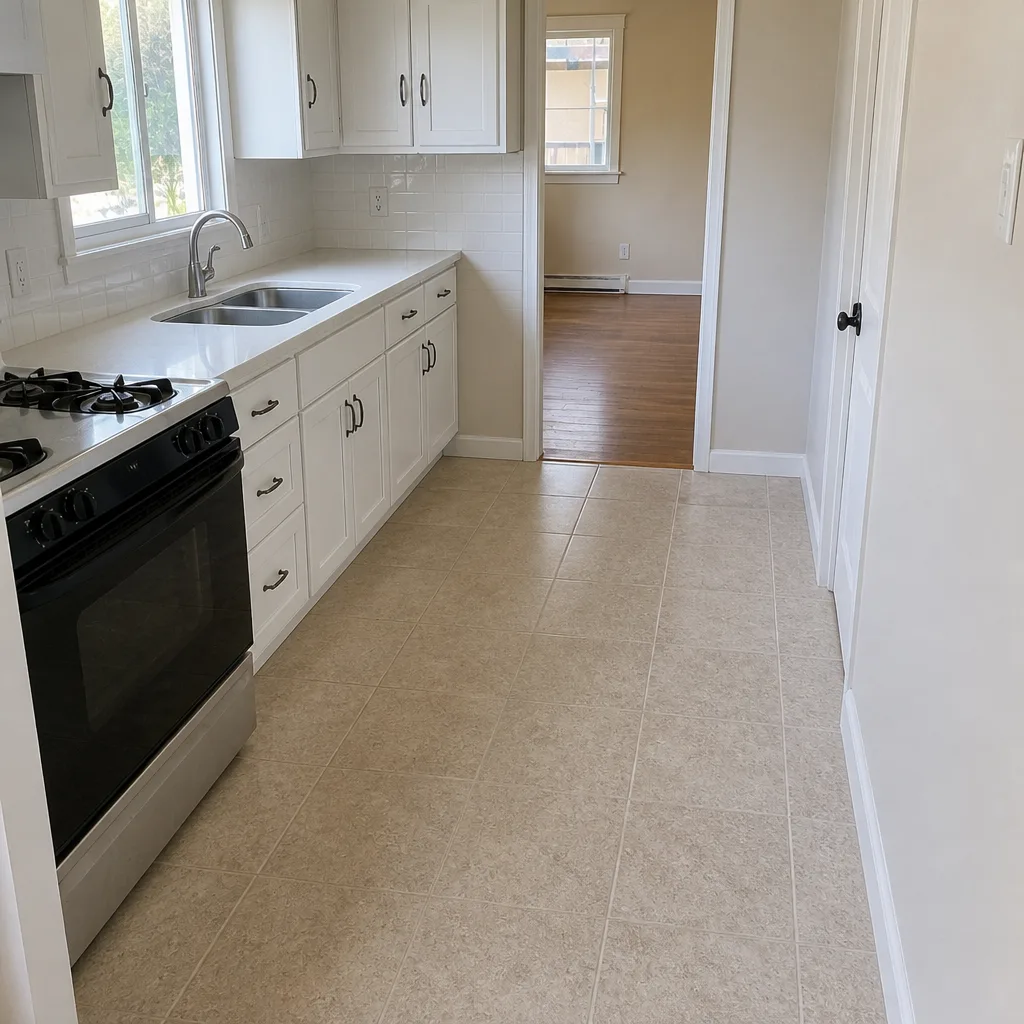
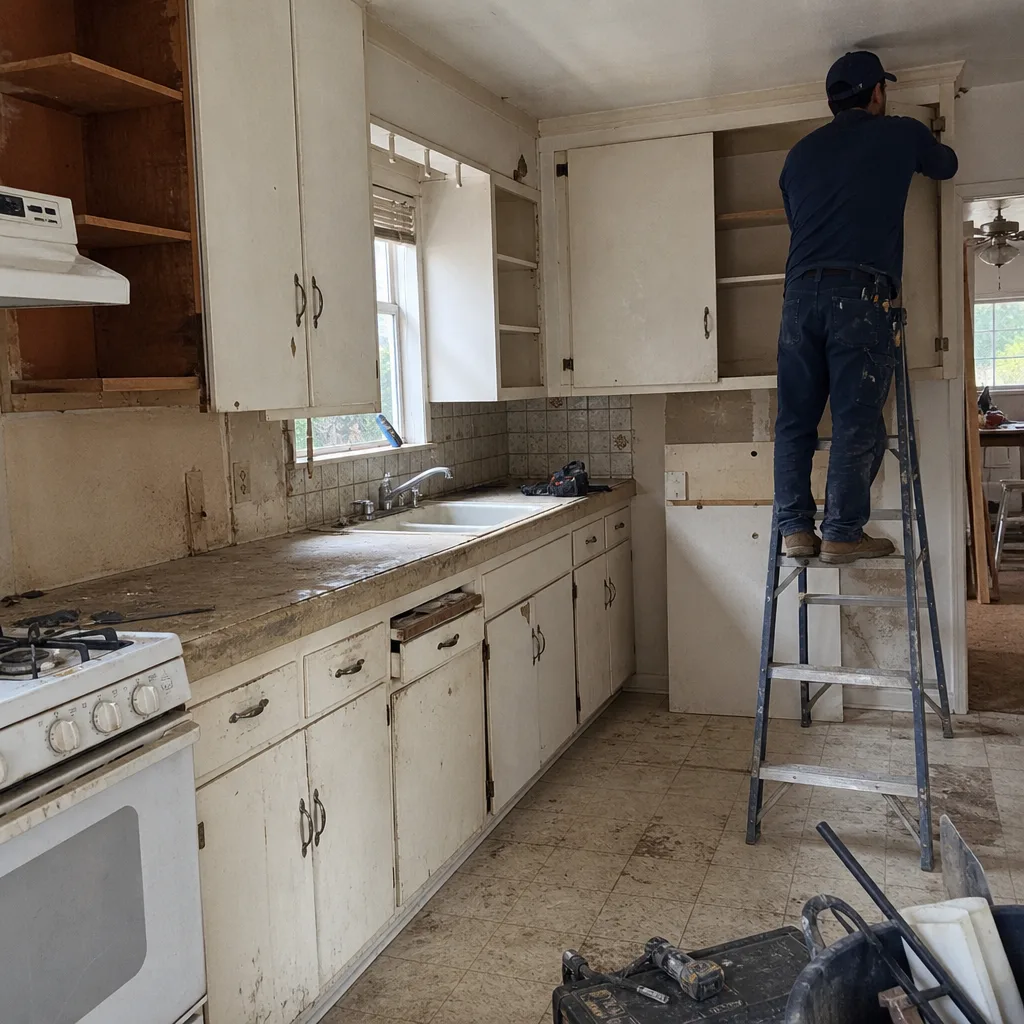
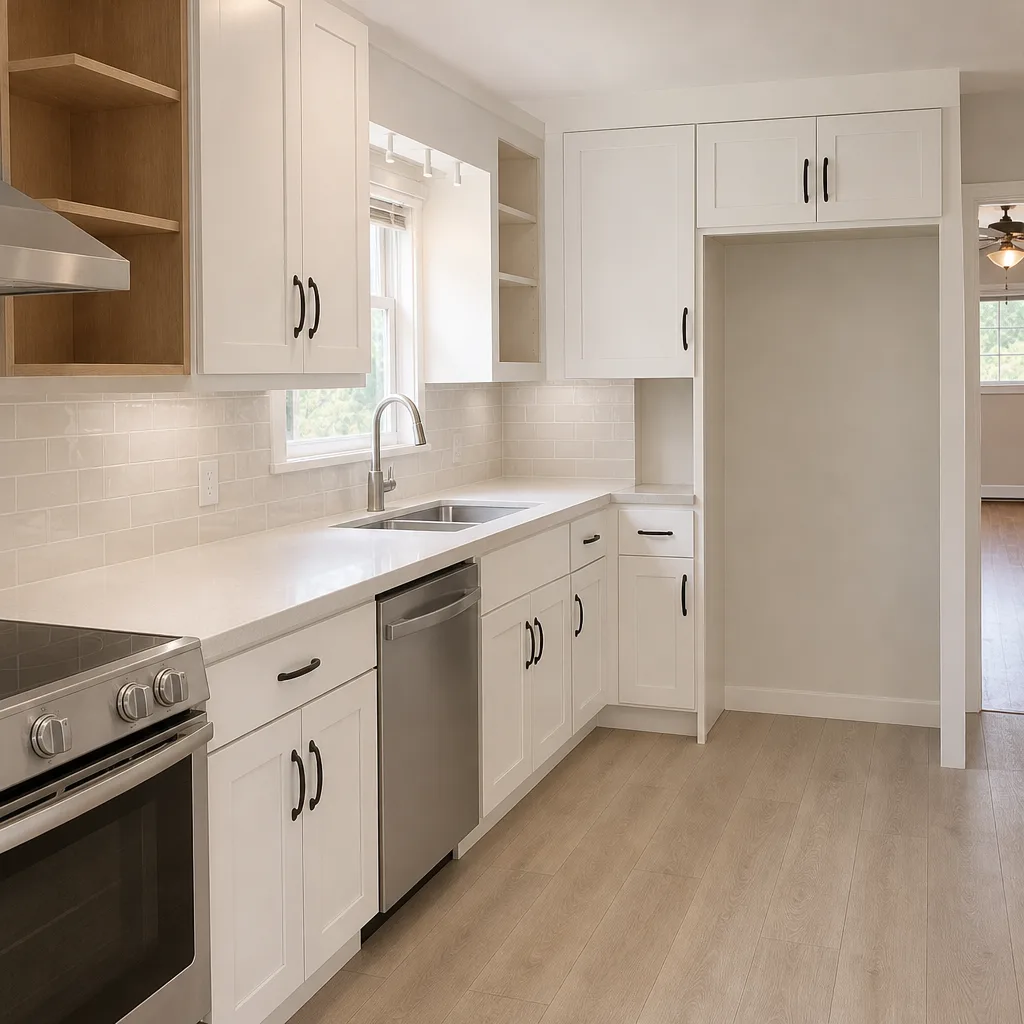
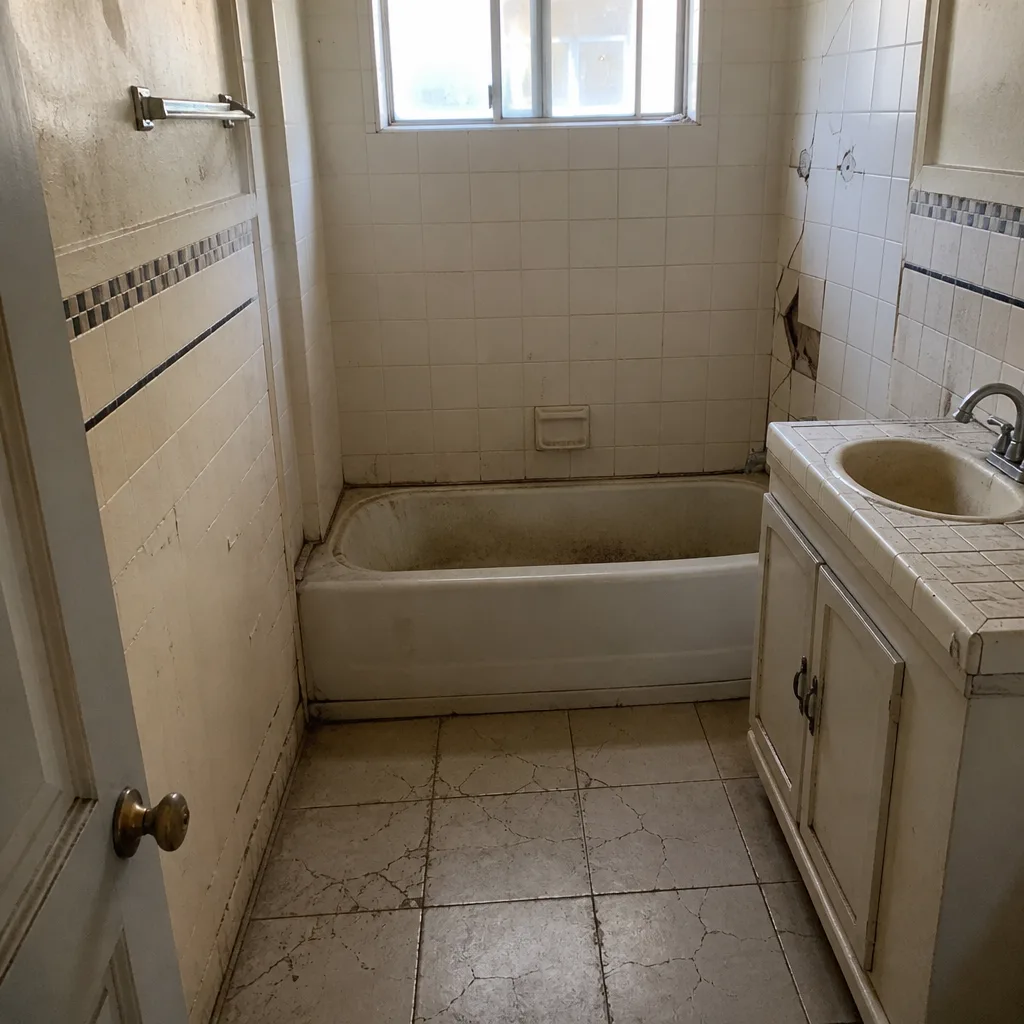
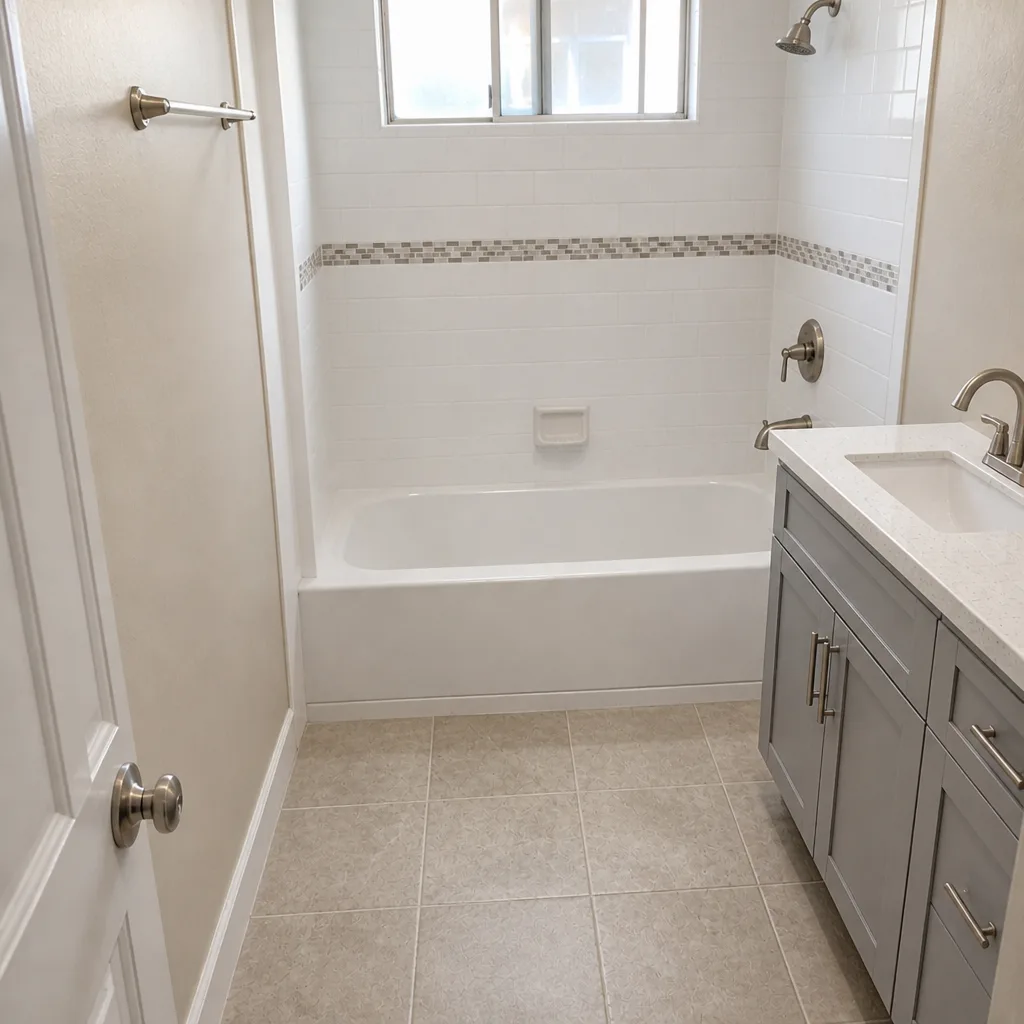
See the difference
 Before
 After
 Before
 After
 Before
 After
When to Call a Professional
Some window and door issues are weekend projects. These aren’t. Call a professional when:
- You see fogging between the panes (a failed seal on a double-pane unit) or water staining on the interior sill.
- Your window frames are soft, cracked, or showing rot at the sill or corners.
- You’re replacing windows anywhere in a historic overlay zone or on a contributing structure, where design review applies.
- Your home is on a hillside and you’re not sure about DP ratings or bedroom egress compliance.
- A patio or entry door leaks, sticks, or lets in more heat than it should.
- You’re planning a whole-house replacement and need the Title 24 path explained and the permit pulled.
Barrett & Sons Construction Glendale offers free estimates in Glendale. Every estimate is written line-item, every eligible job gets permits pulled and inspections signed, and every completed job is backed by our 90-Day Done Right Promise. Call (844) 560-4526 to schedule yours.
Frequently Asked Questions
Most Glendale window replacement runs $600 to $1,400 per window installed, depending on method and material. Retrofit inserts are the lower end, while full-frame replacement with a custom wood or aluminum-clad profile runs higher. Whole-house projects of 10 to 15 windows typically land between $8,000 and $20,000. Call (844) 560-4526 for a free written estimate.
Yes, replacement windows generally require a permit, and if your home is in a historic preservation overlay zone as a contributing structure, they also require design review. Working without a permit can create problems at resale. We pull permits and get inspections signed on every eligible job.
A retrofit insert fits inside your existing window frame, while a full-frame replacement removes the entire frame down to the rough opening. Retrofit is faster and cheaper; full-frame gives you a true energy reset and the ability to match historic profiles. The right choice depends on your home’s era and the condition of the existing frames.
Wood, wood-composite, and aluminum-clad units that match the original profile work best. On Craftsman and Spanish Revival homes, the visible frame depth, muntin width, and material look all matter to the design review, and matching them protects both the look and the resale value. We install Andersen and Marvin aluminum-clad lines on most historic-sensitive jobs in Glendale.
Hillside homes need windows rated for higher wind exposure, and bedrooms need at least one window or door that meets egress code for clear opening. Patio and entry door thresholds also need careful flashing and drainage on a slope. These are code and life-safety items, not preferences, so they’re worth getting right the first time.
No, not without a written change order issued before any new work proceeds. Every scope, every allowance, and every price change should be on paper before a nail moves. Our estimates are written line-item, and our crew doesn’t touch a change without signing it with you first.
The Bottom Line
Glendale window and door replacement isn’t one product, it’s three. The method (retrofit, full-frame, or block frame) and the material (wood, fiberglass, or aluminum-clad) have to match your home’s era, its orientation to the sun, its hillside exposure, and its historic status. Get those right and you’ll get a better-looking house, a more comfortable room, a smoother Title 24 inspection, and a clearer paper trail at resale. Get them wrong and you’ll pay for it twice.
The guide to remember: match the method to the era, choose glass beyond the code minimum, and get every scope and allowance in writing before you sign. For a free written estimate on windows, doors, or the wider remodel, browse the rest of our Barrett & Sons Construction Glendale home and call (844) 560-4526. We’ll walk your house, explain the choices, and put the numbers on paper.
Written by the team at Barrett & Sons Construction Glendale.