
Last updated November 17, 2026
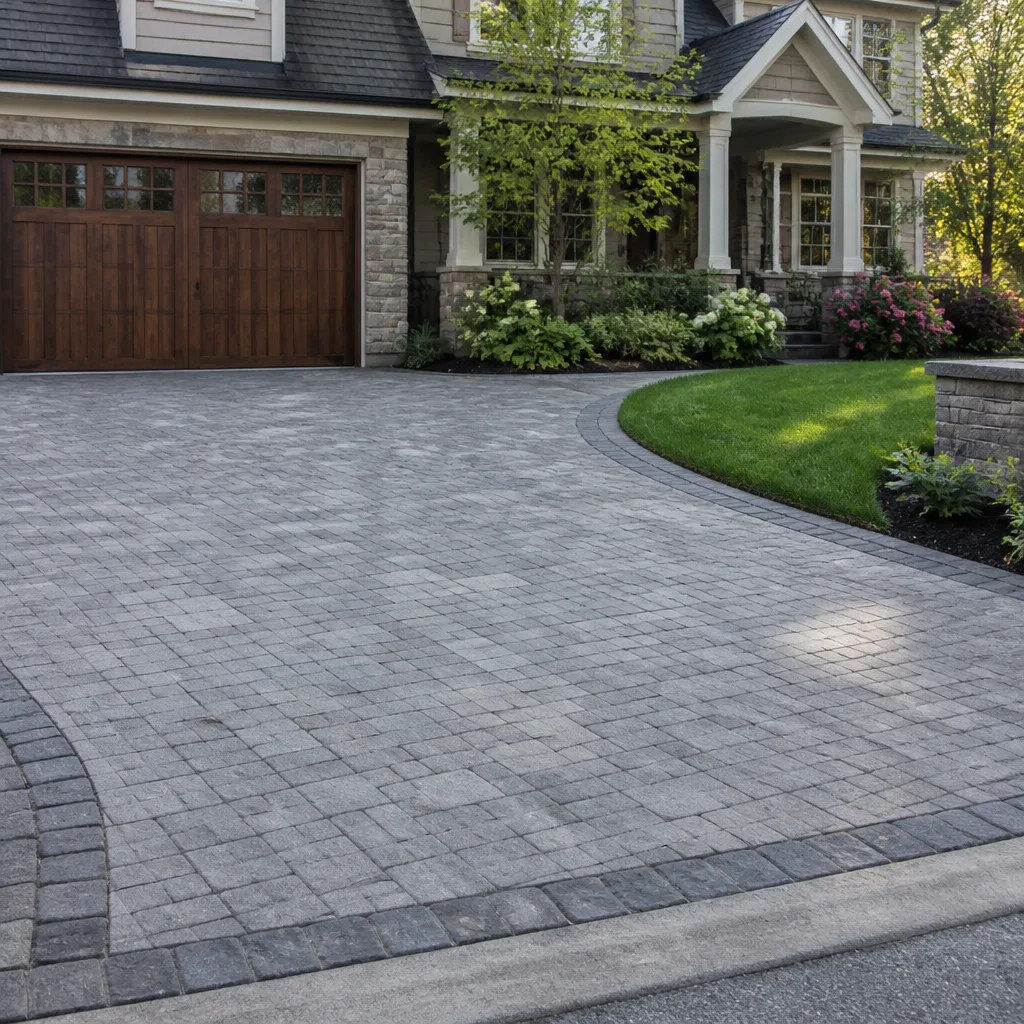 Driveway & pavers
 Kitchen remodeling
 Bathroom remodeling
 Home additions & ADU
 Roofing
 Windows & doors
 Fence
Free written scope consultation - allowances, timeline, and change-order rules on paper before a single trade is scheduled
Driveway & Pavers Maintenance Checklist for Glendale Homeowners
A single Santa Ana wind event carries enough grit across the Verdugo foothills to strip a season’s worth of joint sand out of your pavers in an afternoon. Most Glendale homeowners don’t think about resanding until a paver rocks under the front tire pulling into the garage – and by then the bedding layer has already shifted, which turns a $300 maintenance task into a $1,800 reset. Glendale has its own maintenance rhythm: months of UV-heavy drought, then a handful of December and January storms that dump more rain in a week than the entire summer sees. This checklist is built around that rhythm, season by season, so you’re working with the weather instead of reacting to it after the damage shows up.
Quick Answer
A Glendale driveway should be inspected monthly, resanded once the joints drop below a quarter inch (typically every 12 to 18 months here, not the 3 years polymeric sand bags advertise), sealed only in dry October or April window, and cleared of clay-soil runoff before the first winter storm. Skip those steps and you’ll be paying $1,200-$3,500 to reset sunken pavers within five years. Do them and a properly installed Belgard or Techo-Bloc driveway can run 20 years without a reset.
Styles & brands we work with
- Kitchen remodeling
- Bathroom remodeling
- Home additions & ADU
- Roofing
- Windows & doors
- Driveway & pavers
- Fence
Table of Contents
- Why Glendale Driveways Age Faster Than the Manual Says
- The Polymeric Sand Problem: Reading the Signs Before Failure
- When to Seal – and the Window After Winter Rain When You Shouldn’t
- Drainage, Clay Soil, and the Undercutting Problem
- The 10-Minute Monthly Inspection Routine
- Stain-by-Stain Treatment Guide
- The Glendale Seasonal Maintenance Calendar
- Repairs vs. Replacement: When It’s Time to Call
Why Glendale Driveways Age Faster Than the Manual Says
Glendale sits in a specific climate pocket that most paver maintenance guides don’t account for. Summer UV index regularly hits 10 to 11 between June and September, and there’s almost no rain to soften the blow. The sun bakes the surface of your pavers and, more importantly, bakes the polymeric sand in the joints. Then the Santa Anas blow through in October and November, driving grit and debris across the surface at 40 to 60 mph. That grit acts like sandpaper on the joint edges, widening them slightly each season.
Come winter, the pattern flips. A December storm dumps half an inch in an hour onto soil that’s been bone-dry for six months. The clay-heavy ground under your driveway – and most of Glendale sits on expansive clay – can’t absorb that fast, so water sheets across the surface and finds every weak joint. We’ve seen pavers in Chevy Chase Canyon and up in Whiting Woods fail three to five years earlier than the same pavers installed in a wetter, cooler climate, purely because of this cycle.
The materials matter too. A Belgard or Unilock paver is built for this climate, but the installation and the sand are the variables. If you’re starting from scratch or considering a replacement, our Driveway & Pavers in Glendale page walks through what gets specified for Glendale installations and why. For existing driveways, the checklist below is your starting point.
The Polymeric Sand Problem: Reading the Signs Before Failure
Polymeric sand bags will tell you the product lasts 5 to 10 years. In Glendale, we tell homeowners to expect 12 to 18 months of real service from the sand in an exposed sunny driveway before it needs a top-off, and a full replacement every two to four years on driveways with full afternoon sun. That’s not a knock on the product – it’s the UV load and the wind erosion adding up.
Here’s how to tell the sand is failing before the pavers move:
- The water test. Pour a cup of water on a joint. If it drains straight through in under 10 seconds, the sand has lost its binder and you’re looking at a resand within the season. Healthy polymeric sand holds water on the surface for a minute or more.
- The fingernail test. Press a fingernail into a joint near the middle of the driveway (not the edge, where wind erosion always hits first). If the sand crumbles or lifts as loose grains, it’s done.
- The broom test. Sweep a dry section with a stiff broom. If you’re raising a visible dust cloud of sand, you’ve already lost more than you think.
- The visual cue. Joints should sit a quarter inch below paver surface at most. When you can see 3/8 inch or more of gap, the sand has dropped and the pavers are rocking on their bedding layer, not sitting on sand.
When you do resand, insist on a proper application: joints cleaned out, sand swept in, compacted, then misted to activate the binder. Dry-swept sand with no compaction is the most common shortcut we see on Glendale driveways, and it’s the reason so many fail in a single season. Ask what brand of sand your installer is using – and if the answer is vague, that’s your sign.
When to Seal – and the Window After Winter Rain When You Shouldn’t
Sealing is the single most misunderstood step in Glendale driveway maintenance. A lot of people seal in January because the rain reminded them the driveway exists. That’s the worst time. Sealing a paver surface while the base still holds moisture traps water underneath, and trapped moisture in clay-heavy soil means the base can soften, shift, and heave the pavers over the next season. It’s a $400 mistake that turns into a $2,000 repair.
Here’s the rule we give Glendale homeowners:
- Seal in dry October or dry April. Those are the two windows where the base is reliably dry and the daytime temperature stays in the 60s to low 80s (sealant needs to cure without UV-cracking).
- Wait at least 7 to 10 days after the last measurable rain before sealing, even into a dry window. If Glendale gets a late storm in mid-April, push the seal to the following week.
- Never seal a driveway less than 60 days old. Efflorescence (the white chalky bloom on new pavers) has to finish escaping before you lock the surface. Sealing early traps it.
- Don’t seal if the forecast shows rain within 24 hours. Obvious, but worth writing down.
A matte penetrating sealer is what we recommend for most Glendale driveways – it lets the surface breathe, it doesn’t yellow in the sun the way some film-forming acrylics do, and it lasts 3 to 5 years with one recoat. Glossy wet-look sealers look sharp for six months in this UV and then start to fail visibly.
Drainage, Clay Soil, and the Undercutting Problem
Most drainage advice focuses on the surface – where the water runs. The real issue on Glendale driveways is what happens under the pavers. Glendale’s expansive clay soil swells when wet and shrinks when dry. Over a few seasons, that swelling and shrinking can undercut the base material at the edges of the driveway, especially where the pavers meet soil, planting beds, or a fence line.
What that looks like from the surface:
- A dip or settling at the driveway edge near a planter or slope. The pavers are still tight, but the whole assembly has dropped 1/2 to 1 inch from the surrounding grade.
- Separation from a wall, garage slab, or curb of a quarter inch or more. That gap is where water gets in and clay gets soft.
- Rust staining at the base of a downspout or a low spot in the middle of the driveway. Standing water from a storm that can’t drain off fast enough is the number one cause of paver base failure.
- Weeds growing out of joints along the lower edge. That means moisture is trapped under the paver, not running off.
The fix isn’t always dramatic. Sometimes it’s as simple as adding a 2-inch drainage swale in the planter, extending a downspout 4 feet further out, or cleaning out a channel drain that’s filled with grit from the Santa Anas. If the driveway has already settled more than an inch at one edge, that’s a base repair – not a weekend job, and not something to seal over. Our team handles that on driveway and paver repairs in Glendale, and we’d rather look at it now than reset the whole driveway after another wet winter.
The 10-Minute Monthly Inspection Routine
No tools needed. Set a reminder on your phone for the first Saturday of every month, walk the driveway with a cup of coffee, and run through this:
- Walk the perimeter. Look for gaps between pavers and the house, garage slab, retaining wall, or curb. Anything wider than 1/4 inch gets marked with painter’s tape.
- Scan for rocking pavers. Step on each corner paver and every paver near a tire track. If any rock, mark them – they’re your early warning of sand failure or base settling.
- Look for efflorescence. White chalky bloom on the surface means moisture is trapped under the paver. Don’t seal it; find the source.
- Check the joints at high-traffic spots. The two tire tracks running up your driveway take the most abuse. Run a fingernail across three or four joints in that line.
- Scan the edges after any wind event. The first 12 inches from the soil edge is where wind erosion hits first. Look for widened joints and rutted sand.
- Check the drain or swale. Clear leaves, grit, and debris. November and December are the heavy months, but do it year-round.
- Look for new stains. Tire rubber, rust, irrigation mineral buildup, or the yellow-brown tannin from nearby eucalyptus – each has its own treatment (see next section).
Log what you find on a notepad or your phone. Patterns matter – if you’re marking the same paver three months in a row, it’s already failed its bedding layer.
Stain-by-Stain Treatment Guide
Not all paver stains are equal, and a lot of over-the-counter “paver cleaners” will bake a stain in permanently or etch the surface if you use them on the wrong kind. Glendale driveways see a specific set of stains, and each one has a correct approach.
Tire rubber scuffs
Dark, curved scuffs at the bottom of the driveway where the tires turn in. These come off with a stiff nylon brush and a citrus-based degreaser – nothing with a pH above 10, which will dull the paver color. Don’t use wire brushes or a pressure washer above 1,500 PSI; that strips the paver’s factory sealant.
Irrigation mineral deposits (white crust)
If your sprinklers hit the driveway edge, you’ll get white calcium and mineral deposits, which look like efflorescence but are on the surface, not bleeding from below. A diluted white vinegar wash (1:4 with water) works on many pavers, but always test in an inconspicuous corner first – especially on Travertine or limestone-look pavers, which vinegar can etch. If the deposit is thick, a dedicated efflorescence remover (muriatic acid blend) is what you want, and that’s a job for someone who knows how to neutralize the surface after.
Eucalyptus tannin stains
Glendale’s eucalyptus trees drop oil-rich leaves that leave yellow-brown stains on pavers, especially after rain. These set fast. A 1:10 dish soap and warm water scrub handles fresh stains. For set tannin, an oxygen bleach (OxiClean-style powder dissolved in warm water, applied as a poultice, covered with plastic, left 4 hours) pulls the stain without damaging the surface. Do not use chlorine bleach – it doesn’t lift tannin and can bleach the paver color permanently.
Oil and transmission drips
Pour kitty litter on it immediately, grind it in with a shoe, and leave it 24 hours. For older stains, a poultice of baking soda and acetone (paste, cover, leave overnight) pulls oil out of the paver surface. Pressure washers push oil deeper – don’t.
One rule for all stains: don’t know the product, don’t know the paver, don’t test in a corner? Don’t start. Ask us or ask the manufacturer before you spray.
The Glendale Seasonal Maintenance Calendar
Here’s the annual cycle we recommend for Glendale driveways, matched to the climate pattern:
- March through May: Deep-clean the driveway after winter (rinse surface, spot-treat stains). Do a full sand-depth check. If joints are low, resand in May once temps stabilize.
- June through August: Monthly visual inspection, no major work. Watch for UV-cracking on the surface of older pavers and for efflorescence, which can appear in summer when the base stays damp under the heat. Keep the downspouts clear.
- September: Deep-clean before the winds. Clear the gutters and any dry vegetation that will blow onto the driveway in October.
- October through November: Prime sealing window if the base is dry. Full joint inspection after the first Santa Ana event. Mark rocking pavers and widened joints.
- December through February: No sealing. After each rain event, do a quick walk – check for standing water, drainage issues, gaps at the edges, and any pavers that have heaved. This is the season where hidden base problems show themselves.
We’ve walked Glendale driveways from Adams Hill to Sparr Heights and the calendar holds. What changes is the condition you start from – a Belgard or Unilock paver installation that was correctly base-built holds up better than a cheap install, but the maintenance rhythm is the same.
Repairs vs. Replacement: When It’s Time to Call
Most Glendale driveway problems are fixable without a full replacement. A single settling section, a corner that’s dropped, sunken pavers at a downspout, or separation from the garage slab are typically repair jobs that run a few hundred to a couple thousand dollars and last another 15 years. Here’s the practical line:
- Repair if the problem is localized (one section, one edge, one drainage point) and the surrounding pavers are stable and correctly bedded.
- Repair and resand if the joints are failing across the driveway but pavers are tight.
- Replace a section if 10 to 20% of the driveway has settled more than an inch at one corner, typically from undercutting on a slope or from soil movement near a retaining wall.
- Replace the whole driveway if more than a third of the surface rocks, if there’s visible cracking through pavers (not just joints), or if multiple drainage failures are happening at once. That’s base failure, and no sand or sealer fixes it.
Don’t let a handyman or landscape crew reset pavers without checking the base. Resetting on top of failed base material just kicks the problem down the road 18 months. If you’re hiring anyone, ask two specific questions: what base depth are you installing to, and are you compacting in lifts? Vague answers mean a call to us. We pull permits on every eligible job, and we’ll put the scope in writing before a paver moves.
Common Mistakes to Avoid
- Sealing in January because the rain reminded you. Glendale’s clay soil is still holding moisture after a December storm, and sealing traps it. Wait for the dry October or April window, then seal correctly.
- Pressure-washing at high PSI. Anything above 1,500 PSI strips the paver’s factory surface and widens joints. In Glendale’s UV, a stripped paver surface fails within two summers.
- Dry-sweeping polymeric sand without compaction or misting. We see this on driveways all over the Verdugo foothills – it’s the most common reason sand fails within a single season.
- Choosing polymeric sand by price alone. A $10 bag at the box store isn’t the same binder as a commercial-grade sand. In this UV index, the cheap sand is a 6-month fix, not a 3-year one.
- Ignoring the eucalyptus trees. If you’ve got one within 15 feet of the driveway, you’ll get tannin stains and root-driven heave that a maintenance checklist alone can’t solve – that’s a drainage and paver-reset conversation.
- Treating every white spot as efflorescence. Irrigation mineral deposits and efflorescence look alike but need opposite treatments – one is on the surface, one is bleeding from under. Wrong treatment on either makes it worse.
- Sealing over a settling edge. If you’ve marked a gap at the garage slab or curb three months running, don’t seal it and call it done. That edge is telling you the base is moving.
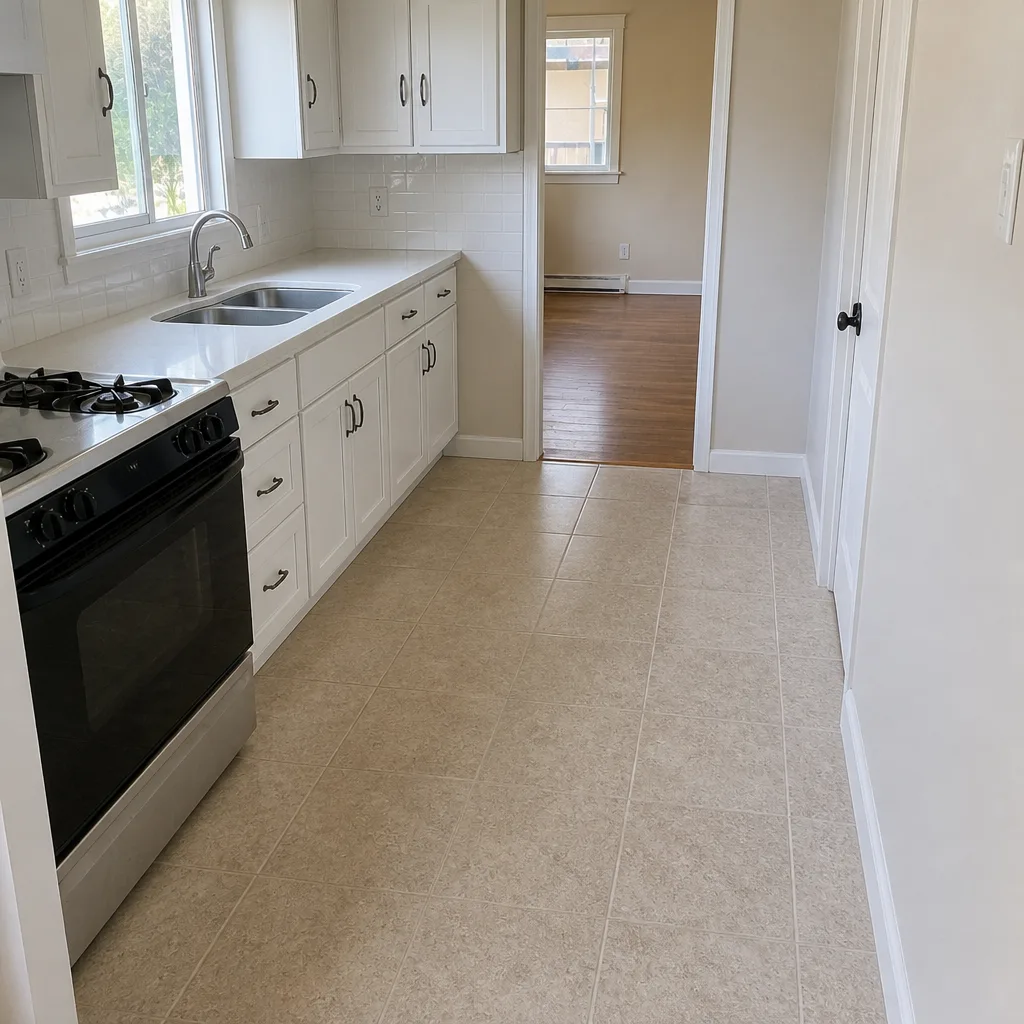
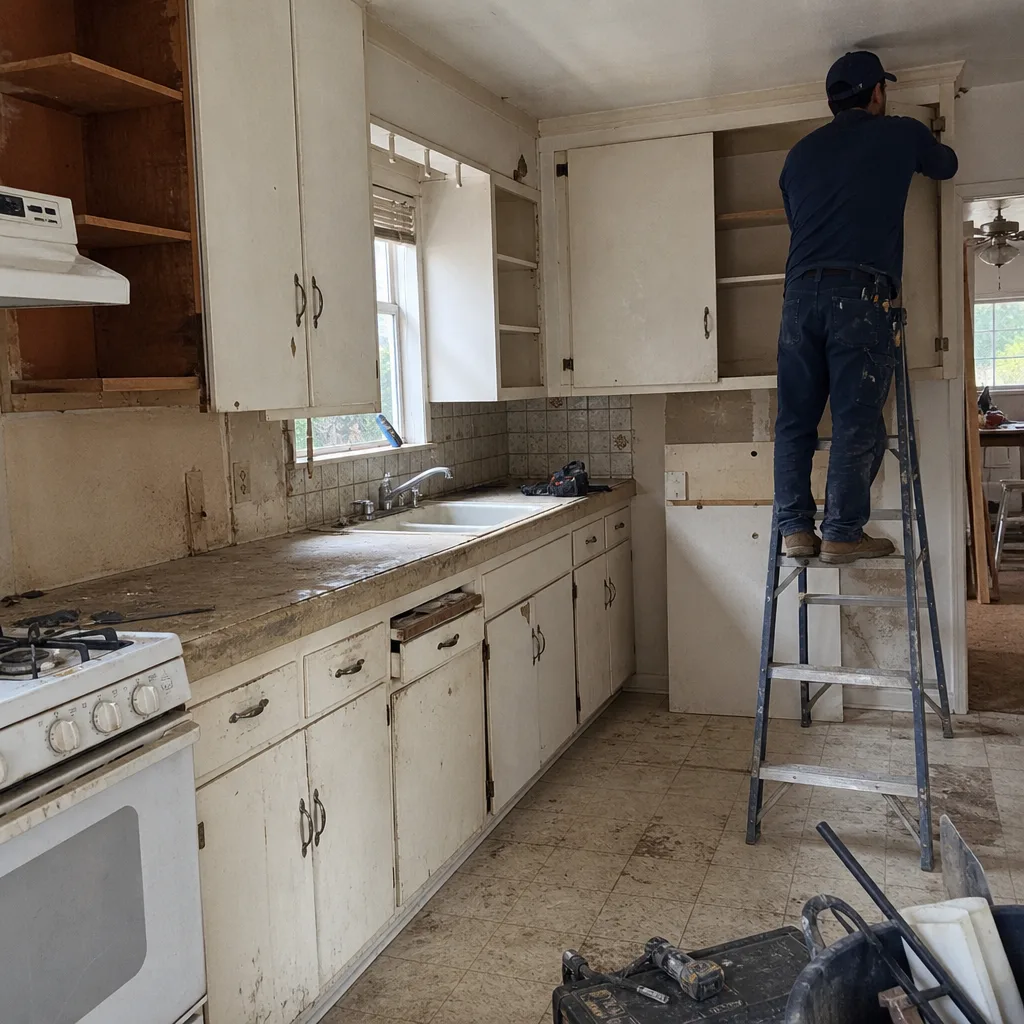
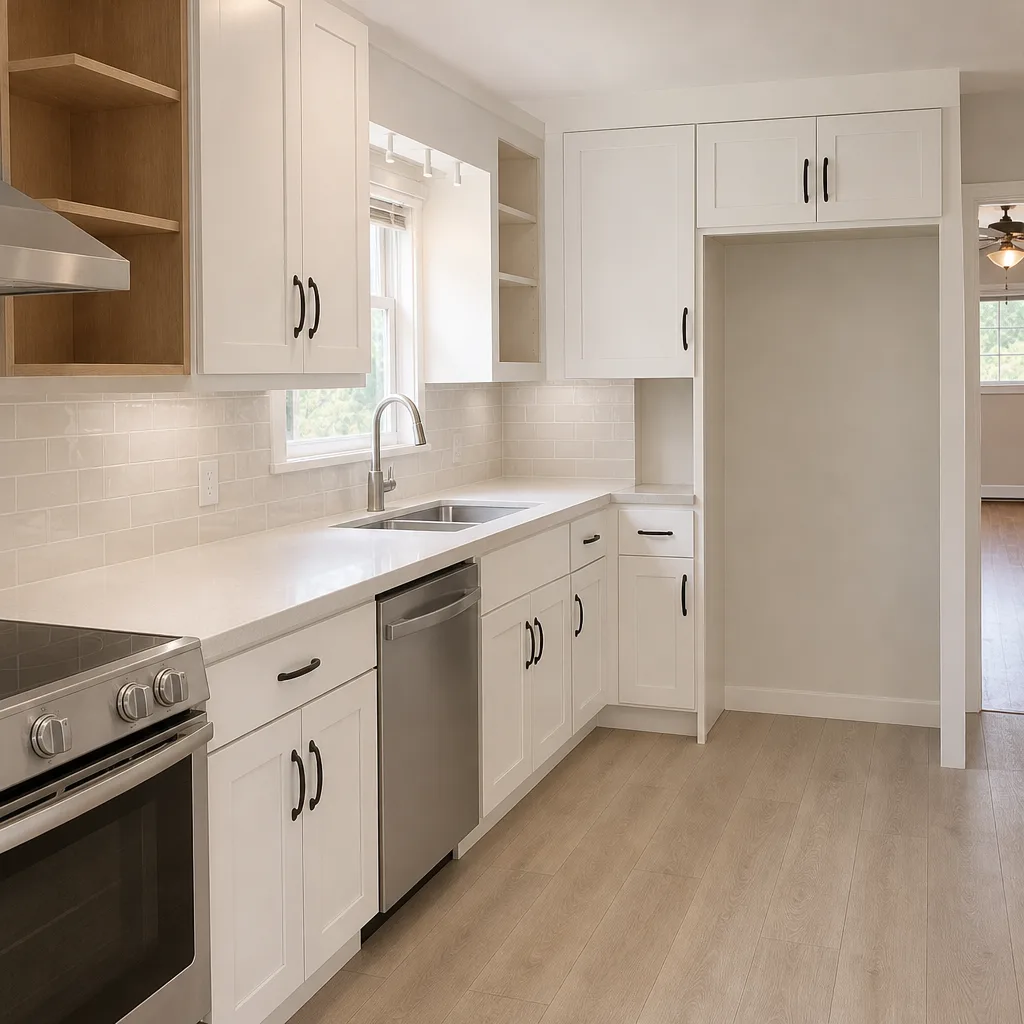
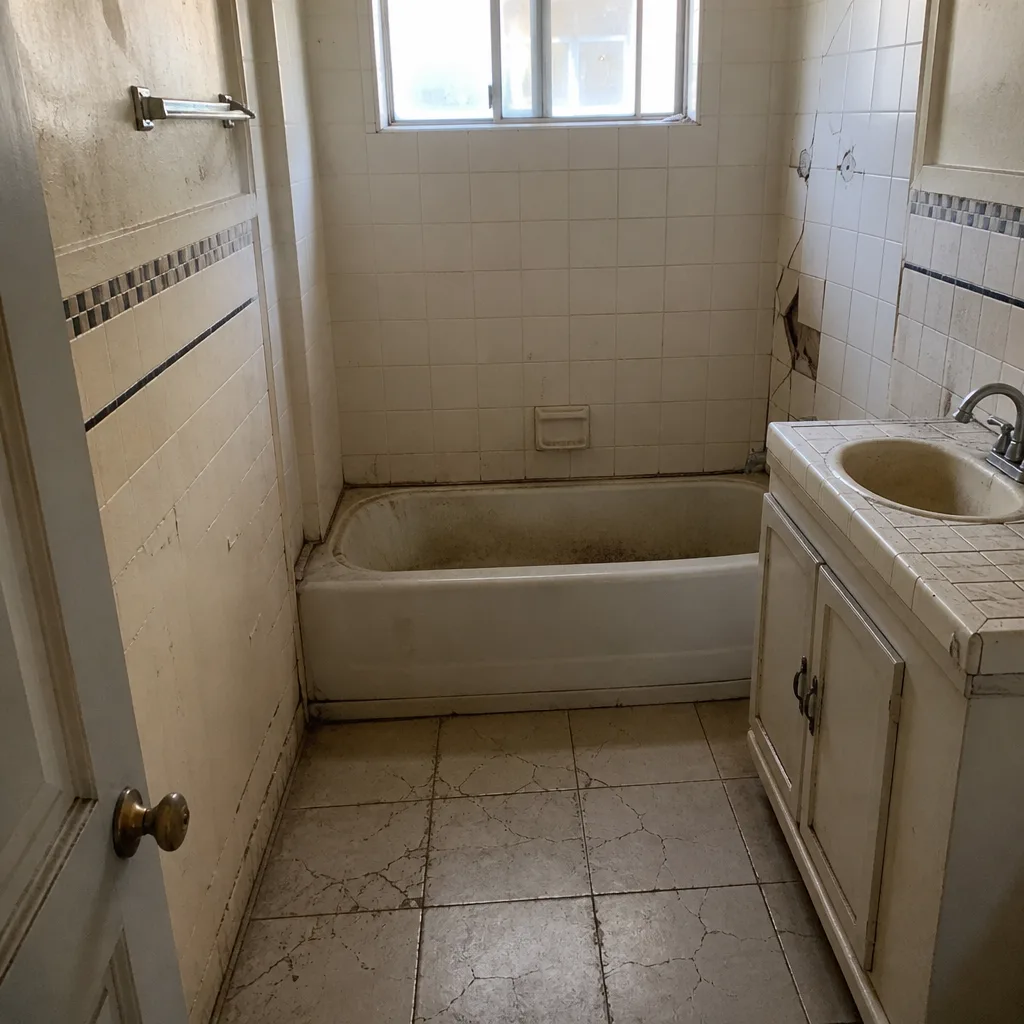
See the difference
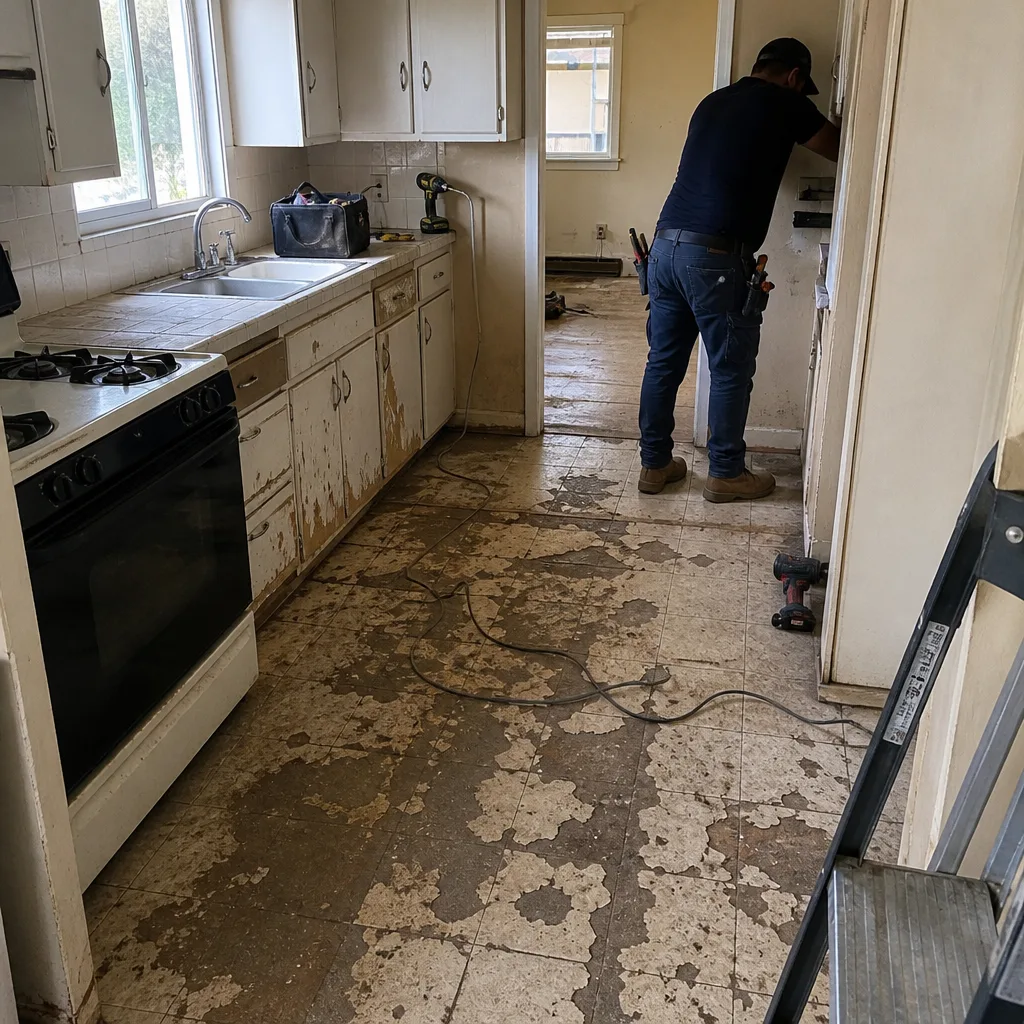 Before
 After
 Before
 After
 Before
 After
When to Call a Professional
Most maintenance on this list is genuinely do-it-yourself – the monthly inspection, the water test, spot-treating fresh stains, clearing the drain. Where we recommend calling a professional is when the paving itself has failed or is about to. That means: pavers rocking more than a quarter inch underfoot, a section that’s settled an inch or more at a slope or wall, joints that have dropped below the paver surface by 3/8 inch or more in a wide area, standing water after a storm, or separation from the garage slab or curb that keeps reopening. Those are the signs of base problems, and no sand or sealer fixes base problems – the pavers have to come up and the base has to be rebuilt. Barrett & Sons Construction Glendale offers free estimates in Glendale – call (844) 560-4526. We’ll walk the driveway with you, tell you what actually needs to happen, and put it in writing.
Frequently Asked Questions
Every 3 to 5 years with a matte penetrating sealer, and only in the dry October or April window. Glendale’s UV index breaks down film-forming sealers faster than the 5-year label suggests – you’ll see dulling and yellowing at 24 to 30 months on a driveway facing south or west. If you’re not sure, the water test on a joint tells you: if water soaks in immediately, the sealer is gone.
Not every year, but more often than the sand packaging tells you. In a Glendale driveway with full sun exposure, expect a full resand every 2 to 4 years and a top-off in high-wind erosion zones (typically the outer 12 inches) every 12 to 18 months. The Santa Anas and summer UV are the accelerants. If a paver rocks under your tire, you’re already late.
Yes, if you stay under 1,500 PSI, use a wide fan tip (at least 25 degrees), and never hold the wand in one spot. The mistake we see most is high-pressure washing with a narrow tip, which strips the paver surface and blows out the joint sand. If you’ve never done it, use the lowest setting on the machine and mist first. Better to under-clean once than to strip the surface and pay for a resand and reseal.
It’s usually efflorescence – mineral salts wicking up from under the paver – not a surface deposit. That means the fix is finding the moisture source (a clogged drain, a downspout dumping onto the driveway, or a base that’s staying wet), not scrubbing the surface. If it’s only on the surface and washes off with a light vinegar solution, it’s more likely irrigation mineral deposit. Don’t seal over efflorescence – you’ll trap it and it’ll come back under the sealer.
Yes, and that’s exactly the risk in Glendale. Low joint sand lets water reach the bedding layer, and Glendale’s clay-heavy soil can’t drain fast enough during a December or January downpour. That trapped water is what undercuts the base and heaves pavers. Do your resand in October or May, before the storms – not in February when you’re already looking at a problem.
Yes, on every eligible job. Driveway work can trigger grading, drainage, and right-of-way requirements depending on the scope, and the City of Glendale’s review is there for you. Every job we take includes written scope, written allowances, and written change orders before any work moves, plus our 90-Day Done Right Promise on the finished job. Call (844) 560-4526 for a free estimate and we’ll walk you through what permits your specific driveway needs.
The Bottom Line
A Glendale driveway is not a “seal it once and forget it” surface. The UV load and the Santa Anas wear the joints faster than the manufacturer’s manual accounts for, and the sudden winter storms find every weak spot in the base. Do the monthly 10-minute walk, resand when joints drop below a quarter inch, seal in the dry October or April window and nowhere else, keep the drainage clear, and treat stains correctly. That’s the whole game, and it’s what turns a 20-year paver driveway into a 20-year paver driveway. Skip it and you’re looking at a base reset within five years. When you need a second opinion on a problem the checklist has flagged, we’re twenty minutes away and free estimates are just a phone call. If you’re also planning fencing or a fence installation in Glendale that ties into the driveway, or thinking ahead about a home addition or ADU in Glendale that affects your driveway layout, we handle those on the same job. You can see everything we do on the Barrett & Sons Construction Glendale home page.
Contact Us for a Free Estimate
Call (844) 560-4526 for a free estimate on your Glendale driveway or paver repair. A live person answers, day or night, and we’ll schedule a visit at a time that works for you. If you’ve got a written estimate from another contractor, bring it – we’ll give you a free second opinion on it before you sign. And with our permanent 10% Senior & Veteran discount, $40 off any repair over $200, and no trip charge inside the county, getting a real answer costs you nothing but the call.
Written by the team at Barrett & Sons Construction Glendale.