
Last updated November 17, 2026
 Home additions & ADU
 Kitchen remodeling
 Bathroom remodeling
 Roofing
 Windows & doors
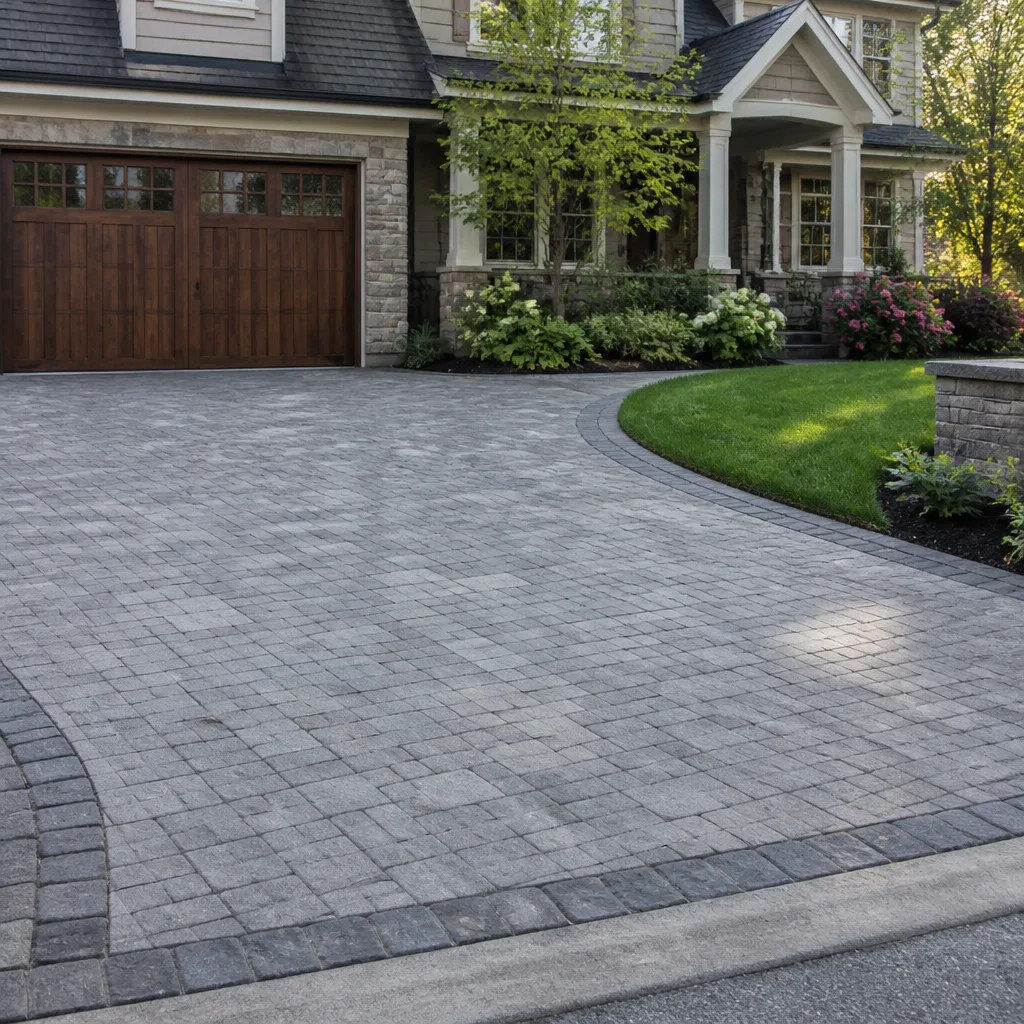 Driveway & pavers
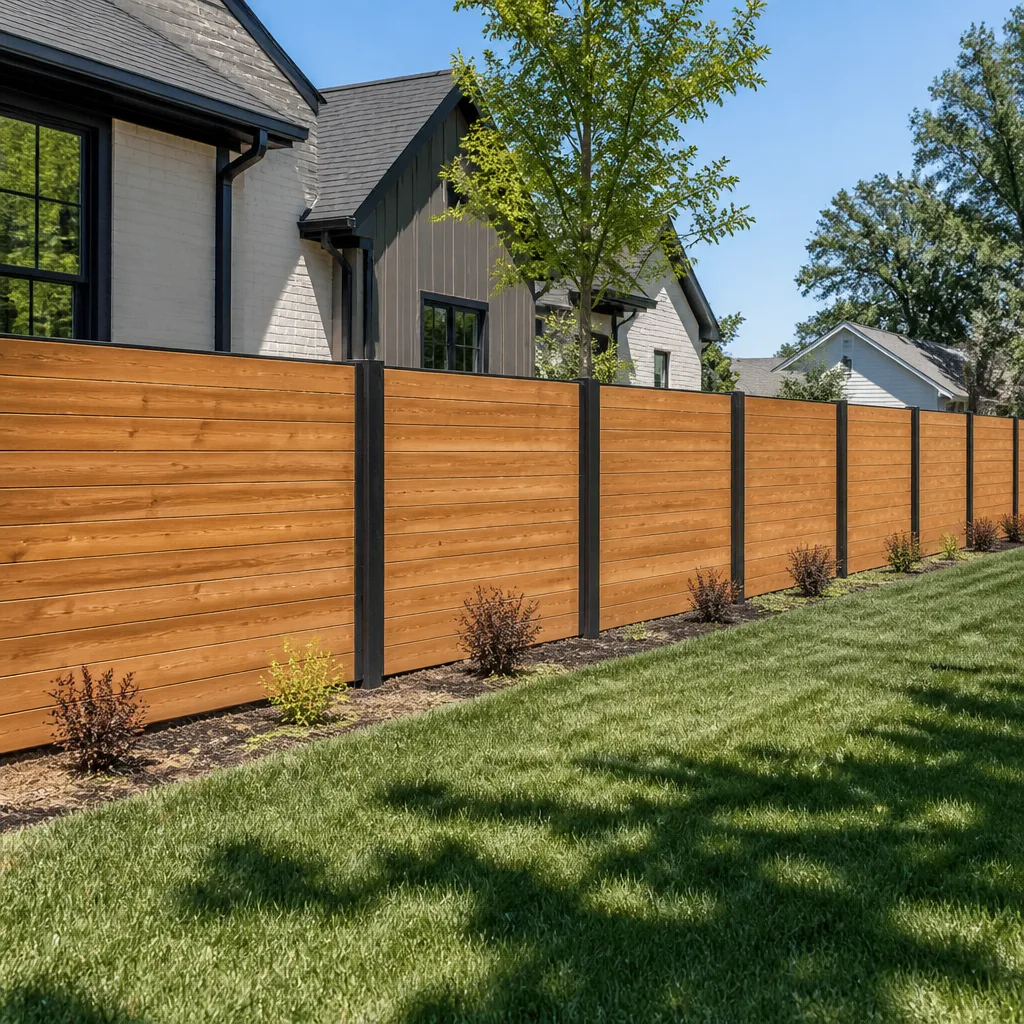 Fence
Free written scope consultation - allowances, timeline, and change-order rules on paper before a single trade is scheduled
Home Additions & ADU Warning Signs Every Homeowner Should Know
A contractor without a written change-order process isn’t just disorganized. That fuzziness is exactly how a bid you agreed to at $180,000 turns into a final invoice north of $250,000, and by then the framing is up and you’ve got nowhere to go. In Glendale, where lots are tight and half the additions we look at bump into a rear setback or a hillside foundation, the wrong builder costs more than money; it costs a year. But here’s the thing we’ve learned after watching a lot of these jobs go sideways: the contractor most likely to burn you rarely looks sketchy. They quote with total confidence, come in low, and manage you with optimism instead of paperwork. This guide is about reading behavior and documents, not just credentials.
Quick Answer
The biggest warning signs on a home addition or ADU are an unwillingness to put scope, allowances, and change orders in writing, pressure to pay more than 10% upfront, vague or missing permits, and a builder who can’t or won’t name the licensed subcontractors on each trade. If any of those show up during the bidding stage, walk; those habits get more expensive once demolition starts. In Glendale, permit paperwork and payment schedules are where most of these telltale problems surface first.
Styles & brands we work with
- Kitchen remodeling
- Bathroom remodeling
- Home additions & ADU
- Roofing
- Windows & doors
- Driveway & pavers
- Fence
Table of Contents
- The Contract Language That Protects You (and the Phrases That Don’t)
- Why a Contractor Who Won’t Let You Visit the Job Site Is a Red Flag
- How to Verify Your Permits Are Actually Pulled in Your Name
- The Subcontractor Transparency Test
- The Upfront Payment Trap and What California Law Actually Says
- “We’ll Figure It Out As We Go” Is Not a Schedule
- Glendale-Specific Pitfalls: Hillsides, Setbacks, and Historic Overlays
- ADU Warning Signs: Prefab, Site-Built, and Who Owns the Risk
The Contract Language That Protects You (and the Phrases That Don’t)
Read the contract before you read the reviews. The reviews tell you how a builder performed for somebody else; the contract tells you what will happen to you when a wall opens up and the plumbing isn’t where the drawing said it was.
Protective language is specific. Look for these:
- Line-item scope. Each phase (demo, foundation, framing, rough-in, finishes) has its own written description and dollar figure. Not “kitchen and bath per plans.”
- Named allowances with dollar caps. “Cabinet allowance: $18,000 for KraftMaid Wolf Classic, allowance overage billed at cost plus [X]%, change order required.” If the allowance is missing a number, it’s a future argument with a date attached.
- Written change-order clause. Something that says: no work outside the listed scope proceeds until a signed change order exists. Full stop. The allowance that isn’t on paper is a surprise waiting for a date.
- Payment schedule tied to milestones, not to the calendar. “10% at signing, 25% at foundation completion, 25% at framing signed-off” – that’s real. “50% at signing” is not.
- Warranty language in writing. A workmanship warranty you can point to on paper, not one promised verbally over the hood of a truck.
Vague phrases that signal future disputes: “miscellaneous carpentry,” “per plans and specifications” with no attached specification, “typical allowances,” “TBD by owner,” and “final price subject to site conditions.” None of those are evil by themselves. Together they’re how a confident quote becomes a final invoice you never agreed to.
Why a Contractor Who Won’t Let You Visit the Job Site Is a Red Flag
No honest builder minds you walking the site. In fact, a good one will ask you to swing by at framing and again at rough-in, because catching a misplaced outlet early is cheaper than moving it after drywall.
A builder who discourages visits – “it’s safer if you stay away,” “we’ll send photos,” “it’s a construction zone, come see it when it’s done” – is telling you something. Sometimes it’s a liability instinct. More often it’s that what’s on-site doesn’t match what’s in the drawings, or a subcontractor is working without a license, or the schedule is slipping and nobody wants to explain why.
What a healthy site visit looks like on a Glendale addition:
- You’re greeted, given a hard hat if it’s a covered stage, and walked through what changed since the last visit.
- The framing superintendent or the builder can point to the inspection card posted on-site and tell you when the last inspection passed.
- Any deviation from the drawings is already documented in a change order you’ve seen, or the reason it isn’t documented is explained and put in writing before you leave.
- You leave with a realistic next two-week outlook, not a “should be done in a couple weeks.”
We’ve watched Glendale homeowners lose track of their own build for four months because they never set foot on the property after demolition. By the time they walked it, the bathroom vent stack was in the wrong wall and the electrical panel had been upgraded to a size that didn’t match the electrical plan stamped by the city. Both would have been caught at first rough-in walk.
How to Verify Your Permits Are Actually Pulled in Your Name
This one matters more than most homeowners realize. A permit should be pulled with the property owner listed, not the contractor. When permits are pulled under a contractor’s name on your property, you can end up with a paper trail that clouds title, complicates a future sale, and makes the city’s final sign-off dependent on a business relationship you may not have in five years.
Verify permits in four steps:
- Ask for the permit application copy. The property owner’s name and the property address should be visible. If the contractor won’t share it, that’s your answer.
- Look up the permit number. In Glendale, you can search the city’s online permit portal or call the Building & Safety Division directly. Confirm the scope on the permit matches what you’re building.
- Check the inspection card on-site. Every permitted job has a card or a posted record. Look at the dates. If there are long gaps between inspections and no explanation, ask why.
- Confirm final sign-off before the last payment. The city’s final inspection is your receipt that the work meets code. Don’t release retention until it’s signed.
The permit inspector works for you, not for us. That’s why we like him.
The Subcontractor Transparency Test
Ask a general contractor to name every subcontractor they plan to use – electrician, plumber, HVAC, framer, drywall, tile, finish carpenter – and to show you their state license number. Wait for the answer. The good ones have a short list, they know the license numbers, and they’ve worked with the same trades for years.
The bad ones say “we have a crew” or “we’ll handle it internally.” What usually happens next is the lowest bidder of the week shows up, gets paid in cash, and disappears before the warranty call comes in.
What transparency looks like:
- Licensed subcontractors, state-licensed, insured, and named on the job.
- Proof of current workers’ comp insurance for anyone on-site (this matters if someone gets hurt, and it happens).
- A written scope from each trade that matches the general scope you’re paying for. If the electrician’s bid is $4,000 lighter than you expected, the panel upgrade probably isn’t in it.
- The same faces across two visits. If the crew changes every week, you’re being managed by a dispatcher, not a builder.
We’ve watched a lot of Glendale kitchen additions go sideways when the framing sub and the rough-plumber don’t meet. The GC has to be building that coordination in writing, not on a handshake.
The Upfront Payment Trap and What California Law Actually Says
A common warning sign is being asked to pay more than 10% upfront on a home improvement job. California’s Business and Professions Code limits the down payment on a home improvement contract – for most residential improvement contracts, the deposit can’t exceed $1,000 or 10% of the contract price, whichever is less, and progress payments must be tied to actual work completed.
What you should see on a legitimate schedule:
- Deposit: $1,000 or 10%, whichever is less, due at signing.
- Progress payments tied to completed milestones – foundation poured, framing inspected, rough-ins signed off.
- Final payment held until the city signs final inspection and you’ve walked the job with the builder.
- No “materials deposit” that arrives before a single permit is pulled.
If someone asks for 30% or 40% up front to “secure materials,” ask for the invoice from the supplier. Premium brands get ordered at real cost, but the receipt should exist before the cash leaves your hands. In our experience, the buyers who ask this question are the ones who never end up in the nightmare stories.
Want a free second opinion on the written estimate you already have? We read a lot of Glendale contracts for folks who just want a sanity check before they sign. That offer is always standing.
“We’ll Figure It Out As We Go” Is Not a Schedule
The most expensive word on a home addition in Glendale is “later.” Later turns into a Friday framing surprise. Later turns into a six-week gap while the custom window order from Marvin gets re-cut because the rough opening was measured wrong.
A real schedule has dates and dependencies:
- Permit application submitted (date), plan check cleared (date estimate).
- Demolition (dates), foundation (dates), framing (dates), framing inspection (date).
- Rough plumbing/electrical/HVAC (dates), rough inspection (date).
- Insulation and drywall (dates), finish phase by trade (dates).
- Final inspection (date estimate), punch list, certificate of occupancy.
You’ll notice this schedule names trades and dates. It also names where the risk sits – if the window order slips, on what date does the rest of the job slip with it? A builder managing with optimism will tell you the framing starts “the week of the 12th” and then move it three times without a written notice. A builder managing with documentation sends you a revised schedule in writing, tells you what moved and what it cost, and – if the change is due to your selections – issues a written change order before the work happens.
Glendale-Specific Pitfalls: Hillsides, Setbacks, and Historic Overlays
Glendale isn’t a flat lot town. The Verdugo foothills, the hillside pockets of Chevy Chase and Glenoaks Canyon, and the tight parcels in Adams Hill all create specific friction for additions and ADUs. A builder who quotes your job without walking the slope, checking the soils report, or reading into the setback overlay is quoting a fantasy.
Three Glendale-specific things we look for before a number goes on paper:
- Hillside grading and foundation cost. Caissons, retaining walls, and pier-and-grade systems are common in the hills and they aren’t line items you can guess. A lump-sum figure with no allowance for dirt work is a change order waiting to happen.
- Rear and side setback limits under the Glendale Municipal Code. ADU rules cap square footage and setback allowances differently on a lot zoned R-1 vs. R-2, and the local ordinance doesn’t always match what a statewide prefab dealer will tell you. Pull the zoning clearance before selecting the unit.
- Historic overlay areas. Parts of Glendale near Brand Park and pockets of the downtown core sit inside historic overlay zones where exterior alterations trigger design review. That review has a timeline (usually weeks, sometimes longer), and it has to be in the schedule.
Seismic retrofit isn’t a warning-sign topic on its own, but it’s the reason a lot of older Glendale homes end up with foundation work attached to an addition you didn’t plan for. A builder who flags this at bid stage is doing their job.
ADU Warning Signs: Prefab, Site-Built, and Who Owns the Risk
ADUs are the busiest addition category in Glendale right now, and the market has attracted a wide range of operators – from established prefab manufacturers like Abodu and Cover to garage-conversion outfits and site-built general contractors. Each model has different warning signs.
Watch for these on any ADU deal:
- Prefab dealer who won’t tell you who pulls the permit. In most cases the property owner has to be the permit holder. If the dealer “handles everything” without giving you the paperwork, ask what happens if the city rejects the plan check.
- Site-built contractor with no hillside experience. A garage conversion on a flat lot in Glendale is one thing. A detached two-story ADU on a slope above a neighbor’s pool is a different job with retaining walls and geotech reports attached.
- Utility connection surprise. Sewer lateral, electrical service upgrade, and gas tie-in are the three biggest cost overruns on Glendale ADUs. If the bid doesn’t line-item them, they’ll get added.
- Crane and site-access plan missing. A prefab module set from a manufacturer like Mighty Buildings or Dvele requires a crane and street closure. A builder who hasn’t addressed the crane day hasn’t really quoted the job.
- Rent-ready claim without CO. A certificate of occupancy from the city of Glendale is what makes an ADU legal to rent. No CO, no rental income, and the city can require modifications before signing off.
The best ADU builders in Glendale will hand you a scope that reads like a small commercial contract. That’s a good sign, not a red flag.
Common Mistakes to Avoid
- Signing the lowest bid without a scope comparison. Two bids can look $40,000 apart and still be the same job – one is missing the electrical service upgrade and the other isn’t. Compare line items, not totals.
- Accepting a verbal allowance. An allowance that isn’t on paper is a surprise waiting for a date. Get the number and the brand named before you sign.
- Letting the contractor pull the permit under their own name. In Glendale, this can cloud a future sale and make the city’s final sign-off the contractor’s problem instead of yours.
- Paying more than 10% up front without an invoice. If a “materials deposit” is demanded before the permit is issued, ask for the supplier receipt in writing.
- Skipping the site visits. Owners who never walk their own addition end up making six-figure decisions from a photo text. Swing by at framing and rough-in at minimum.
- Taking a contractor’s word on their subs. Ask for the license number of the electrician and the plumber. If they can’t produce it, someone unlicensed is on your job.
- Ignoring the historic overlay before design. A beautiful plan for the front of a Glendale historic-district home can go back to the drawing board after design review, and that costs months.
See the difference
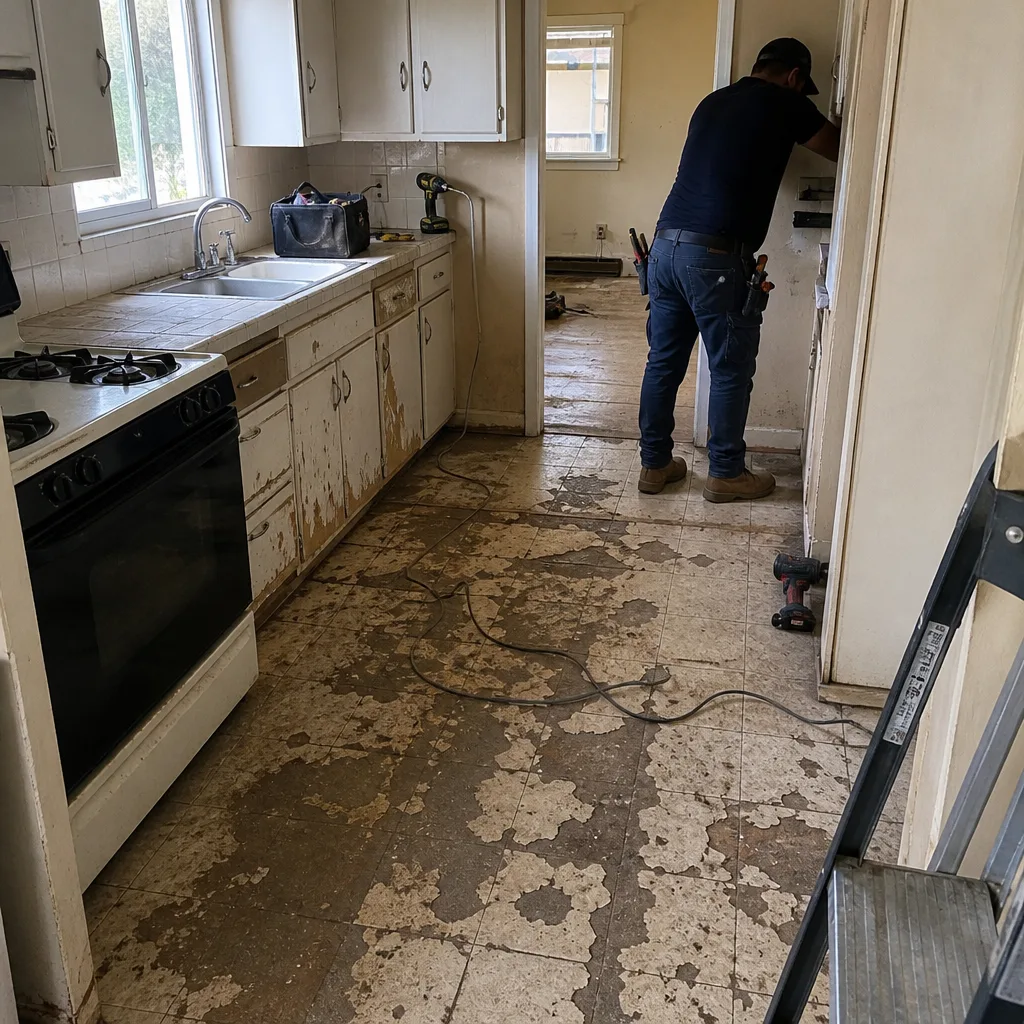 Before
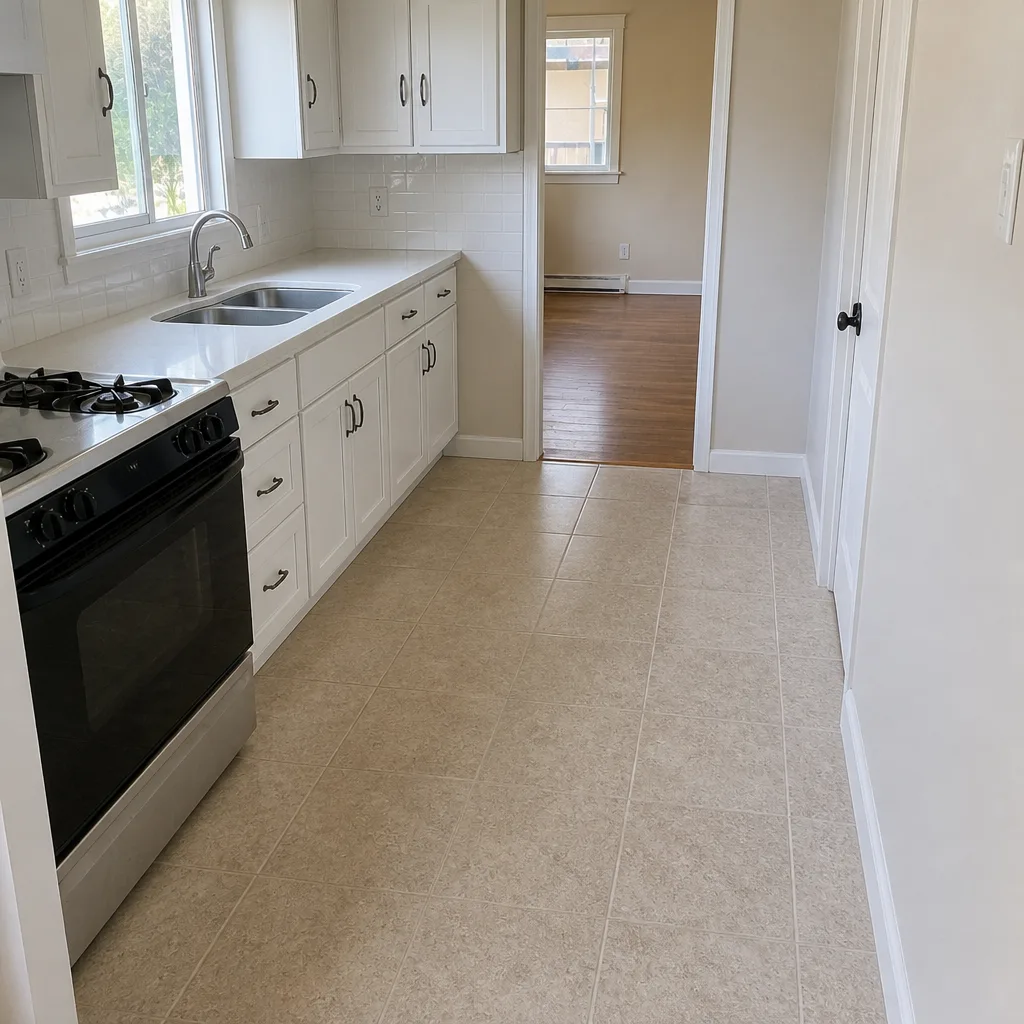 After
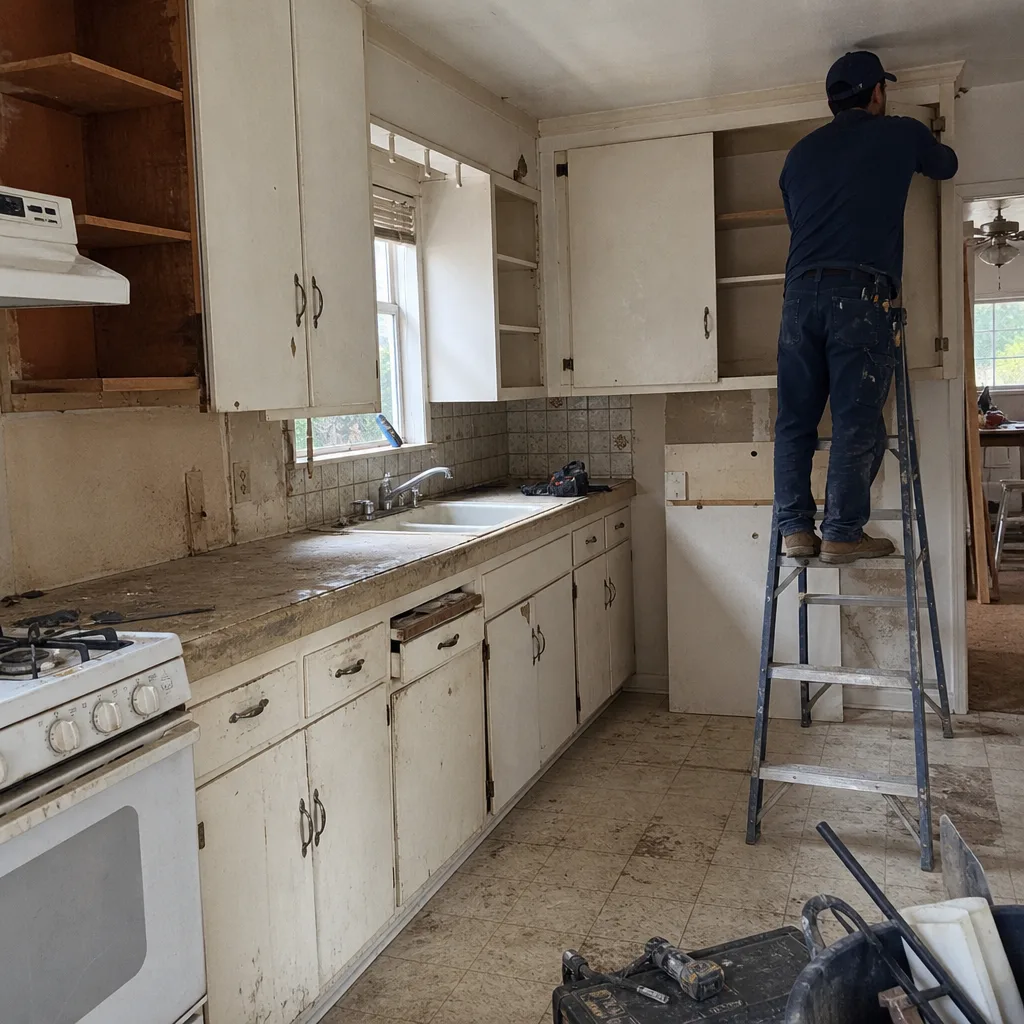 Before
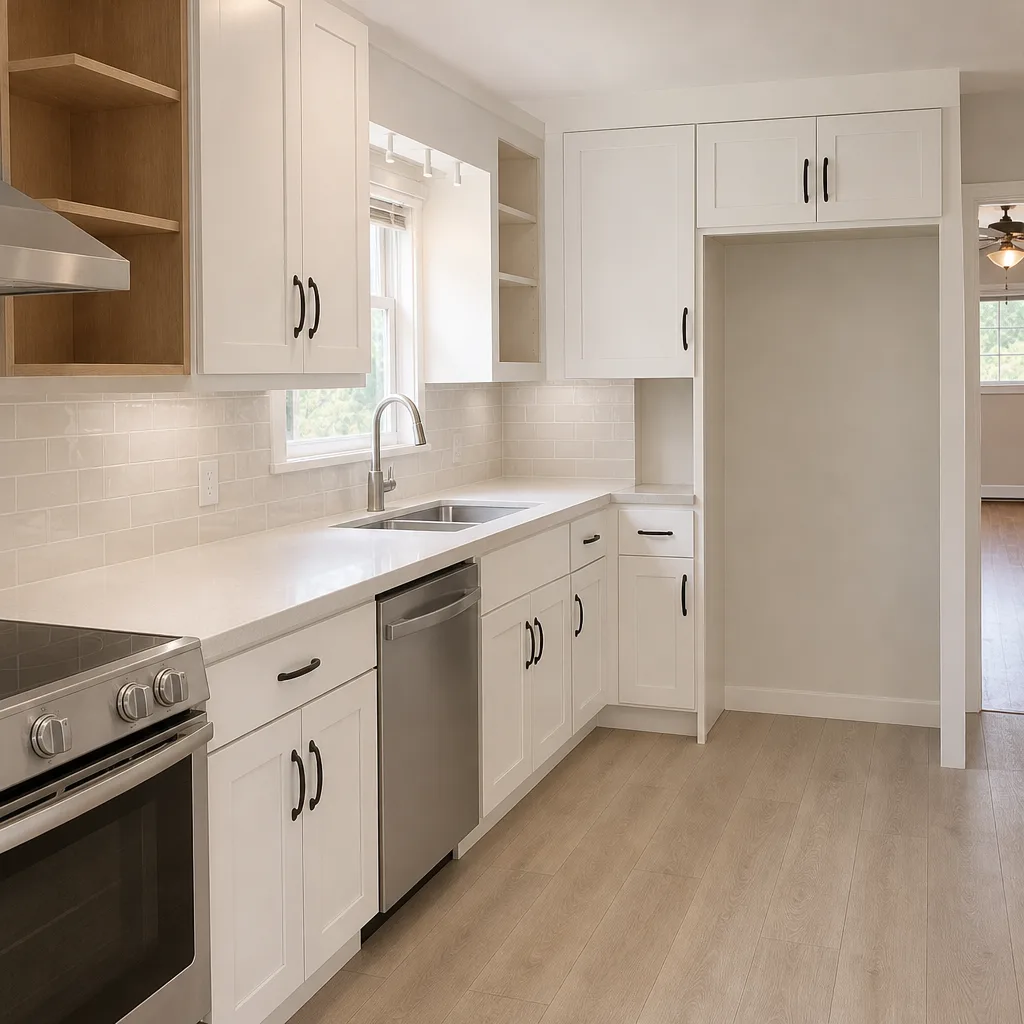 After
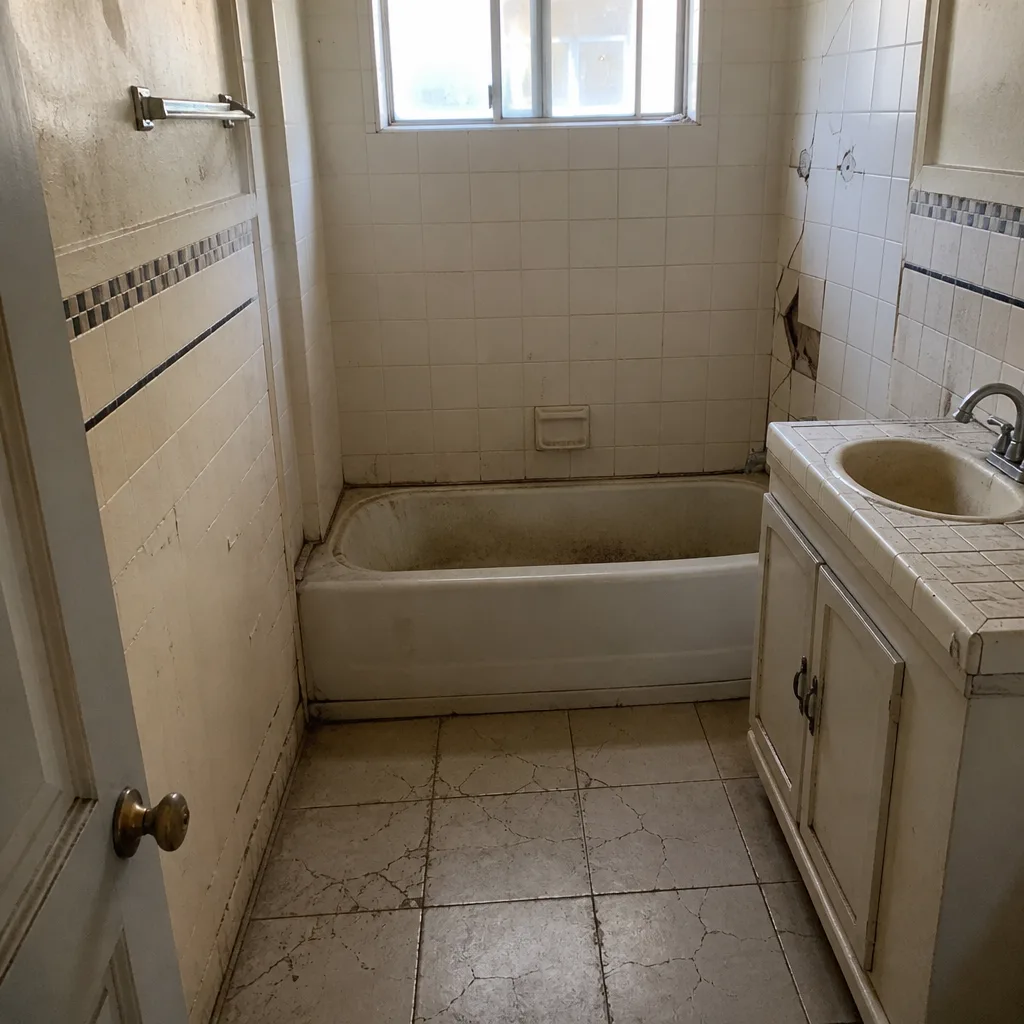 Before
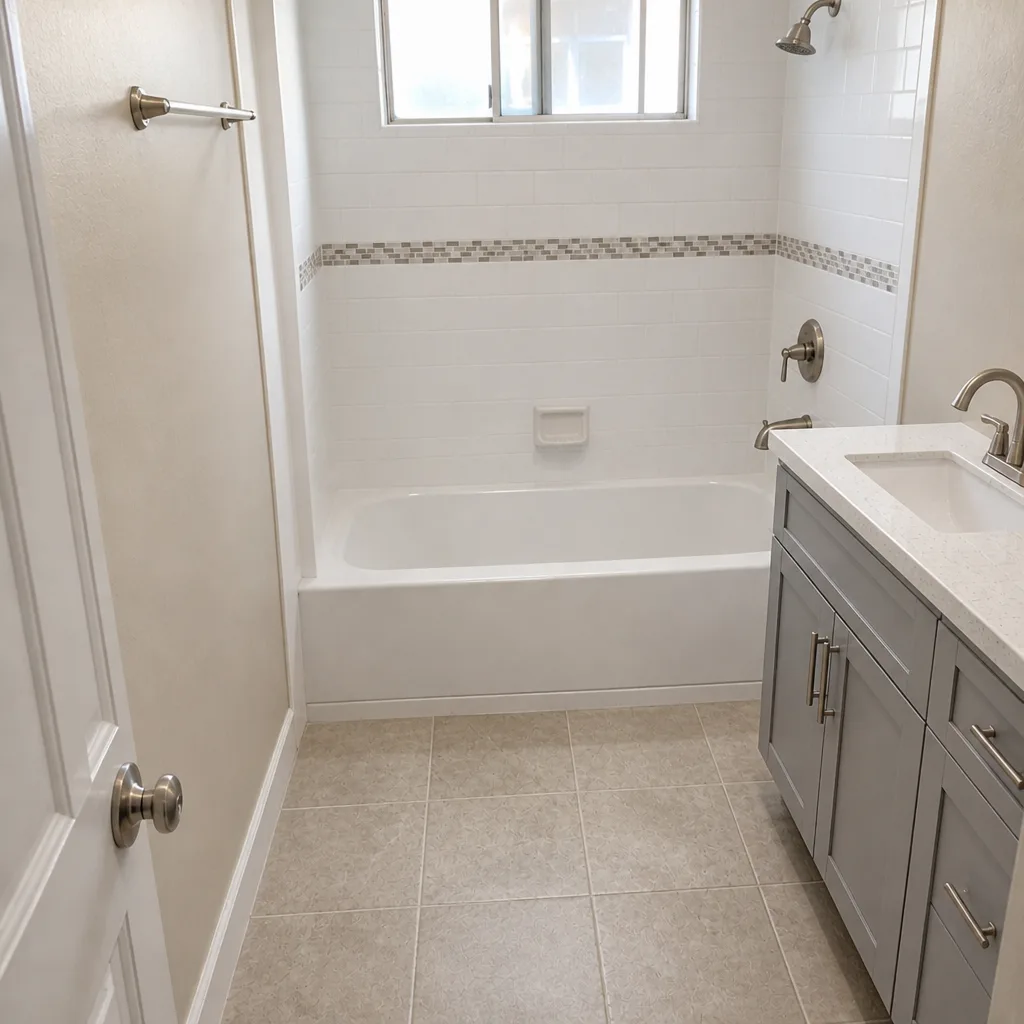 After
When to Call a Professional
Call a licensed general contractor the moment your project involves a structural wall, a foundation, a new roofline, an electrical service upgrade, or a gas line – those are not jobs for weekend help, and getting them wrong is a life-safety problem, not a cosmetic one. High-tension anything, live panel work, trenching near gas mains, and hillside retaining design all need licensed trades and a permit. If your addition bumps into slope, setback limits, or a historic overlay, get a professional read on the zoning before you buy the plans. If you already have bids in hand and something feels off, that’s the moment to get a second opinion, not after demolition. Barrett & Sons Construction Glendale offers free estimates in Glendale and reads a lot of existing bids for homeowners who want a sanity check. Call (844) 560-4526.
Frequently Asked Questions
Ask to see their written change-order process before you sign. A trustworthy contractor will show you a signed sample of what a change order looks like and describe when it gets issued – always before the work, never after. If the contract has no written change-order clause, or the answer is “we’ll work it out,” assume the bid is not the final price.
In California, most residential home improvement contracts cap the deposit at $1,000 or 10% of the contract price, whichever is less, with progress payments tied to actual completed work. If you’re asked for 30% or more before any permit is pulled, ask for the reasoning in writing and get a second opinion on the contract. Call (844) 560-4526 for a free second opinion on any written estimate.
Yes, and you should. Any honest builder will schedule walk-throughs at framing and rough-in. A contractor who discourages visits is either hiding a discrepancy between the drawings and the work, working with unlicensed subs, or letting the schedule slip without telling you. Insist on scheduled walks and get the outcome of each in writing.
In most cases the property owner is the named permit holder even when the contractor files the application. Confirm this on the permit copy. Permits pulled under a contractor’s name on your property can complicate a future sale and put the city’s final sign-off in someone else’s hands. In Glendale, this is easy to verify through the city’s online portal or by calling the Building & Safety Division.
Ask for the license number of the electrician, plumber, HVAC, and framing subcontractors before work begins. Verify each on the state licensing board website. A contractor with nothing to hide will hand you the list on the spot. Vague answers like “we use our own guys” – followed by no license numbers – usually mean the trades are unlicensed, which can void your insurance and fail an inspection.
Sometimes, but not always. The unit price you see advertised doesn’t include site work, foundation, utility connections, crane day, or permit fees, and those four items can add substantially in Glendale, especially on a hillside lot. Get a full-scope, line-item bid from whoever is delivering the unit, and compare it against a site-built bid on the same scope. Cheap on the brochure is rarely cheap on the final invoice.
The Bottom Line
The contractor most likely to burn you on a home addition isn’t the obvious sketchy one. It’s the confident, low-priced one who wins on price and then manages you with optimism instead of documents. Protect yourself by insisting on written scope, named allowances, a real change-order process, permits in your name, verified licensed subs, and payments tied to completed work. In Glendale, add hillside, setback, and historic overlay checks to the front of the list. If you want the written process before the first nail, we’re glad to walk you through how we do it. And for the record: ask anyone on your street, or look up the license number yourself.
Explore more of what we build in Glendale, including our Barrett & Sons Construction Glendale home, our Home Additions & ADU in Glendale service, our Driveway & Pavers in Glendale work, and our Fence Installation in Glendale projects. If you’re still deciding how to add square footage, our team can walk you through the options at a free estimate.
Barrett & Sons Construction Glendale is ready to answer your questions about your addition or ADU. We offer free estimates, written line-item scope, and written change orders before any price moves. Call (844) 560-4526 to schedule your free estimate in Glendale today. Standing offers include $40 off any repair over $200, a free second opinion on any written estimate, no trip charge inside the county, and a permanent 10% senior and veteran discount. Every eligible job includes permits pulled and inspections signed, and every completed job is backed by our written 90-Day Done Right Promise.
Written by the team at Barrett & Sons Construction Glendale.