
Last updated November 17, 2026
 Windows & doors
 Kitchen remodeling
 Bathroom remodeling
 Home additions & ADU
 Roofing
 Driveway & pavers
 Fence
Free written scope consultation - allowances, timeline, and change-order rules on paper before a single trade is scheduled
Windows & Doors Maintenance Schedule: What to Do and When
Sliding door rollers last twice as long with a twice-yearly cleaning and lubrication. Most homeowners never touch them until the door won’t move, and by then the track is usually scarred too. That’s the pattern we see across Glendale: windows and doors get attention only when something breaks, because nobody ever handed you the calendar. This guide is that calendar. You’ll get the actual task list, timed to Glendale’s seasons, the right lubricants for each hardware type, a real method for testing bedroom egress, and a straight answer on what stays covered after installation and what becomes your job.
Quick Answer
Clean and lubricate sliding door tracks and rollers twice a year (spring and fall), check weatherstripping before Glendale’s rainy season in October, inspect exterior caulk annually each fall, test window locks and egress hardware every six months, and clear screen and weep-hole debris each spring. Most of these tasks take under an hour and cost almost nothing.
Styles & brands we work with
- Kitchen remodeling
- Bathroom remodeling
- Home additions & ADU
- Roofing
- Windows & doors
- Driveway & pavers
- Fence
Table of Contents
- The Glendale Seasonal Maintenance Calendar
- The Right Lubricant for Every Piece of Hardware
- Pre-Rainy-Season Weatherstripping Check
- The Annual Caulk Inspection: Hairline Cracks vs. Real Failures
- Testing Bedroom Window Egress (Code Compliance Check)
- Post-Summer Hardware Inspection for Thermal Expansion Wear
- Spring Screen and Weep Hole Clearing
- What Barrett & Sons Covers vs. Owner Maintenance
The Glendale Seasonal Maintenance Calendar
Glendale runs two seasons that matter to windows and doors: a hot, dry summer that bakes hardware and swells vinyl, and a wet winter that finds every gap you ignored in October. Spring and fall are your work windows. The schedule below is built around that rhythm.
Fall (September through November)
- Walk the exterior perimeter and inspect caulk at every frame. This is your last chance before rain.
- Check weatherstripping on all exterior doors. Replace anything flattened or torn.
- Lubricate sliding door rollers and clean tracks.
- Test every window lock and latch before the cold sets in.
- Clear debris from window wells and door thresholds.
Spring (March through May)
- Clear screens and weep holes after winter debris and pollen.
- Re-lubricate sliding hardware after the winter wet cycle.
- Inspect for condensation between panes, a sign of seal failure.
- Test bedroom egress hardware now, while the weather lets you open everything.
Mid-summer check (July or August)
One quick pass to catch heat-related issues: sticking windows, doors that no longer latch cleanly, and rollers that have dried out. Glendale’s inland heat pushes vinyl and aluminum to expand and contract daily, and hardware takes the brunt. Ten minutes with a screwdriver and a rag in July saves a track replacement in December.
If you’re weighing whether aging windows are worth repairing at all, our Barrett & Sons Construction Glendale home page lays out the trades we handle and how a replacement decision gets made.
The Right Lubricant for Every Piece of Hardware
Wrong lubricant is worse than none. WD-40 on a window operator attracts grit and gums up the mechanism, which is why the standard advice to “just spray it” backfires so often. Match the product to the hardware.
- Vinyl window and door tracks: silicone spray. It’s dry, doesn’t attract dust, and won’t degrade the vinyl. Look for a silicone lubricant from a brand like Blaster or 3-IN-ONE’s silicone formula.
- Sliding door rollers (metal): a light machine oil or silicone spray applied to the roller axle, not the whole track.
- Locksets and deadbolts: dry graphite powder. It’s the standard for cylinder locks because it doesn’t collect debris. A small graphite puffer from a hardware store costs a few dollars.
- Window operators (crank mechanisms): white lithium grease on the gear teeth only, applied sparingly with a small brush.
- Hinges on entry doors: a drop of light oil at the pin, not a spray bath.
What to avoid: WD-40 as a long-term lubricant (it’s a penetrant and solvent, not a lasting lubricant), cooking spray, and anything with a heavy paraffin base that turns gummy in heat. Glendale’s summer heat turns the wrong product into glue.
One method that works: clean first, lubricate second. A dry rag and a stiff brush on the track removes the grit that wears rollers down. Lubricant over grit just makes abrasive paste.
Pre-Rainy-Season Weatherstripping Check
Glendale’s rains arrive roughly November through March. Weatherstripping that seals fine in August often fails the first hard rain because the material has compressed or cracked in the summer heat. Check it in October, not after the first leak.
How to inspect, door by door:
- Open the door and run your hand along the weatherstripping. It should feel springy and continuous, with no flat spots or tears.
- Close the door on a dollar bill at several points around the frame. If the bill slides out with no resistance, the seal has failed at that spot.
- Look for daylight around the closed door, especially at the corners and along the bottom sweep.
- Check the threshold sweep (the flap at the bottom). If it’s torn or worn, replace the sweep, not the whole door.
Replacement weatherstripping is one of the cheapest fixes on this entire list, usually under $20 in materials for a standard door. The trick is doing it before the rain, because a wet seal lets water track onto your threshold, and constant moisture at the threshold is where rot starts.
We’ve seen this pattern in the older housing stock around Adams Hill and Sparr Heights repeatedly: a door that passed inspection in summer starts weeping at the threshold in January, and by spring the bottom rail is soft. The weatherstripping was the whole story.
The Annual Caulk Inspection: Hairline Cracks vs. Real Failures
Not every crack at the exterior frame means trouble. Stucco and wood move, and caulk at the window or door frame is designed to flex with that movement. The question is which cracks are normal and which mean water is getting behind the stucco.
Normal movement: a hairline crack less than 1/16 inch wide, running along the joint, where the caulk is still bonded to both the frame and the wall on either side. That’s the material flexing. Touch it up if you want, but it isn’t a leak.
Real failure: caulk that has pulled away from the frame or wall on one side, leaving a visible gap; cracks wider than 1/8 inch; caulk that’s flaking, chalky, or peeling; or a soft, spongy spot at the joint when you press. Any of these means water can get behind the stucco, and that’s where rot and interior damage begin.
Annual inspection method:
- Walk the exterior in daylight and look at every frame joint.
- Press the caulk with your thumb. It should feel firm and slightly rubbery, not chalky or crumbly.
- Check the top and sides of each frame, where water runs and collects. The bottom sill is the last place to show failure.
- Note any gap wider than a hairline and mark it for repair before the rainy season.
Recaulking a window perimeter is straightforward, but if the caulk failure is paired with soft wood or stained interior drywall, the source is bigger than the caulk joint. That’s when it’s worth calling us rather than smearing a new bead over a wet gap.
Testing Bedroom Window Egress (Code Compliance Check)
A bedroom window can pass code on paper and fail in an emergency because the hardware won’t open it. Egress requirements exist so a person can get out in a fire; a compliant window whose latch is painted shut, whose operator is seized, or whose opening is blocked by furniture isn’t compliant in practice.
What to test twice a year:
- The window opens fully and easily from the inside without tools.
- The latch or lock releases cleanly; no paint bridging, no stuck thumb turns.
- The opening itself meets the code minimum (typically 5.7 square feet of clear opening, 24 inches minimum height, 20 inches minimum width for sleeping rooms). Check your window’s clear opening by measuring the actual usable opening, not the glass size.
- Nothing blocks the window: no furniture, no security bars without quick-release hardware, no plants or storage stacked against it.
- The window stays open on its own; a sash that slams shut won’t work as an exit.
If you’re remodeling or adding a room and want to confirm egress compliance before final inspection, our Home Additions & ADU in Glendale page explains how we handle permits and inspections on additions, since egress requirements apply to every new sleeping room. The permit inspector works for you on this; that’s the best reason to pull the permit.
Test egress in dry weather so you can leave windows open to dry out if they’ve been stuck. A stuck bedroom window is a safety problem, not a cosmetic one.
Post-Summer Hardware Inspection for Thermal Expansion Wear
Glendale summers run hot, and hardware takes daily thermal cycling. Vinyl and aluminum frames expand during the day and contract at night; in our experience, August through September is when we get the most calls about windows that suddenly won’t latch or doors that stick at the top corner.
What to check each fall:
- Screws at hinges, locks, and handles: thermal movement loosens them. Snug them with a screwdriver, don’t overtighten into soft wood.
- Sliding door tracks: heat causes tracks to shift slightly, and doors then drag. Clear any debris and check that the door runs level.
- Rollers: worn or flat-spotted rollers show up as a door that jumps or hangs. This is the most common post-summer failure we see.
- Crank operators: a stiff crank after summer is usually dried grease, not a broken gear.
- Window locks that no longer line up: slight frame movement can misalign the strike, which a simple adjustment fixes.
Andersen and Marvin hardware is generally durable and serviceable, which is one reason we install and recommend those brands. If you’re replacing failing units, you can look up the brand and model on the manufacturer’s site, which is how materials should be chosen.
If a door or window frame is out of square enough that no amount of adjustment fixes it, the underlying issue may be settling or a structural problem. Our Fence Installation in Glendale page covers how we approach exterior work around older properties, and it’s a useful read on how settling shows up around a whole exterior.
Spring Screen and Weep Hole Clearing
Weep holes are the small slots at the bottom of window and door frames that let water drain out. When they clog, water backs up behind the frame and finds its way inside, often showing as a stain on the interior sill days after a rain. Clearing them is a five-minute job that prevents a five-figure repair.
Spring clearing steps:
- Locate every weep hole at each window and door: small slots or round holes at the bottom of the frame.
- Clear debris with a toothpick, pipe cleaner, or a stiff piece of wire. Don’t enlarge the hole.
- Flush with a little water from a spray bottle and confirm it drains out the front, not into the wall.
- Remove and wash screens; a soft brush and mild soap keeps them from tearing and restores airflow.
- Inspect screen frames for bent corners and repair or replace before the windows go back in.
Spring in Glendale means pollen and windblown debris. A screen that’s clogged with pollen restricts airflow and traps moisture against the glass, which encourages condensation and, over time, seal failure. Cleaning screens in April pays off all summer.
For homeowners replacing aging doors or windows as part of a larger exterior upgrade, our Driveway & Pavers in Glendale page shows how these projects fit together, since doors, windows, and hardscaping often get done in the same season.
What Barrett & Sons Covers vs. Owner Maintenance
Here’s the part most homeowners get wrong: installed windows and doors carry two different warranties, and they cover different things. The manufacturer’s product warranty covers the window or door itself (glass seals, frames, hardware against defects). The installation warranty covers the work we did. Owner maintenance is everything the schedule above covers, and routine maintenance is typically the homeowner’s responsibility under any warranty.
What our 90-Day Done Right Promise covers: if something we installed or worked on isn’t right within 90 days, one call brings Tom back to make it right. That’s a written promise on every contract, not fine print. It covers installation defects: a door that doesn’t latch, a window that leaks at the frame, hardware that fails because of how it was installed. If a price change ever comes up, it arrives as a written change order before any work happens, because the allowance that isn’t on paper is a surprise waiting for a date. That’s part of how we do business in Glendale.
What becomes owner maintenance: lubricating hardware, cleaning tracks and weep holes, replacing weatherstripping when it wears, recaulking exterior joints when they fail, and testing locks and egress. These are wear items, not installation failures, and every window and door in any home needs this attention eventually.
The middle ground: a hardware failure under warranty is a warranty issue; a hardware failure caused by ten years of grit and no lubrication is maintenance. Keeping a simple log, dated notes on what you cleaned and when, makes warranty conversations easy. We recommend keeping one.
A note on brands: we install Andersen and Marvin windows and doors because you can look up every model and its warranty yourself. CertainTeed and Owens Corning are on our roofing side, and the same idea applies, materials you can verify instead of mystery brands off a van.
Common Mistakes to Avoid
- Spraying WD-40 on window operators. It’s a penetrant, not a lasting lubricant, and it collects grit. Use silicone or white lithium grease instead.
- Waiting for the door to stop moving before cleaning the track. Once rollers wear flat, you’re replacing rollers and often the track. Clean twice a year and you skip that repair.
- Recaulking over a wet gap. New caulk over trapped moisture traps the water and makes rot worse. Fix the source before sealing.
- Ignoring weep holes until a rain. A clogged weep hole shows up as an interior stain. Clear them in spring, before the first storm.
- Testing egress with a window blocked by furniture. Glendale bedrooms are often tight; a window that opens onto a dresser isn’t an exit.
- Overtightening hardware screws. Thermal movement loosens screws, but overtightening strips the soft wood they bite into. Snug, not buried.
- Skipping the screen clean. Pollen-clogged screens trap moisture and cut airflow. A ten-minute wash each spring prevents it.
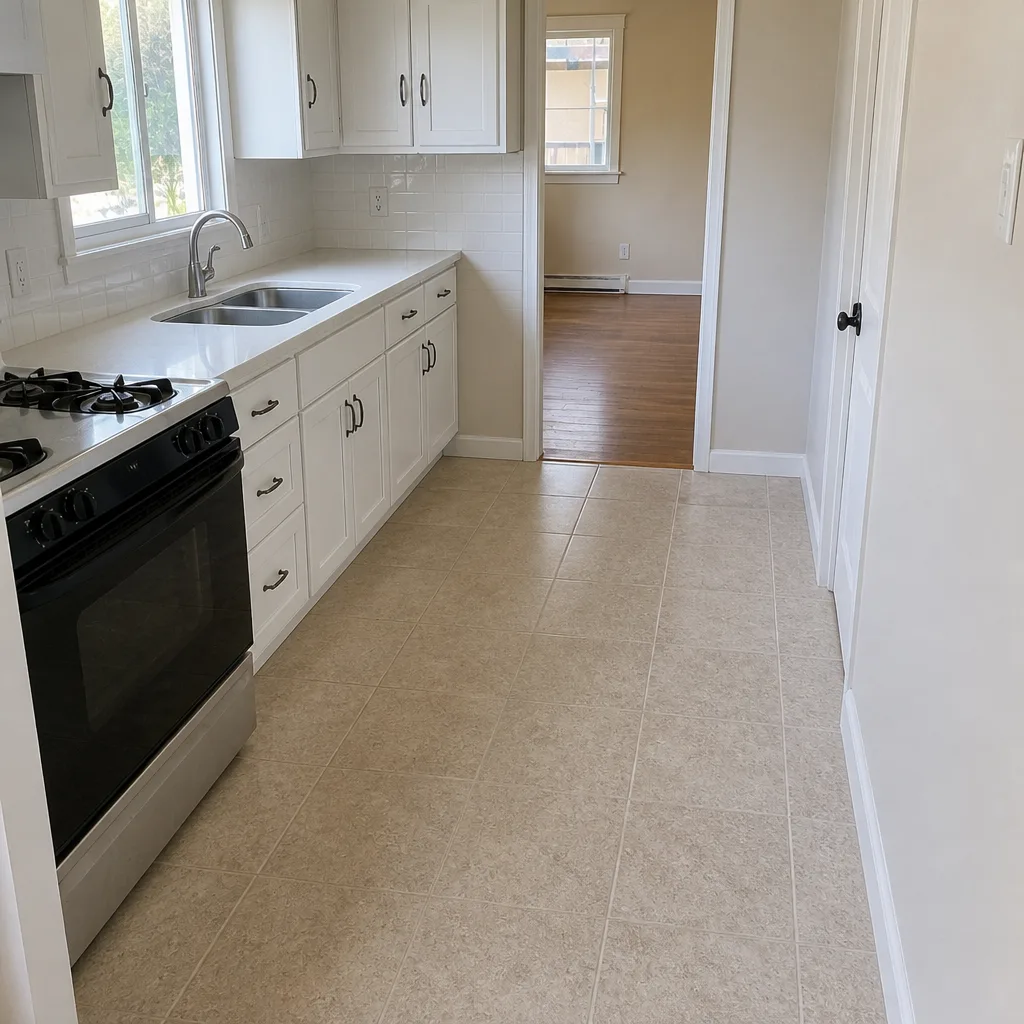
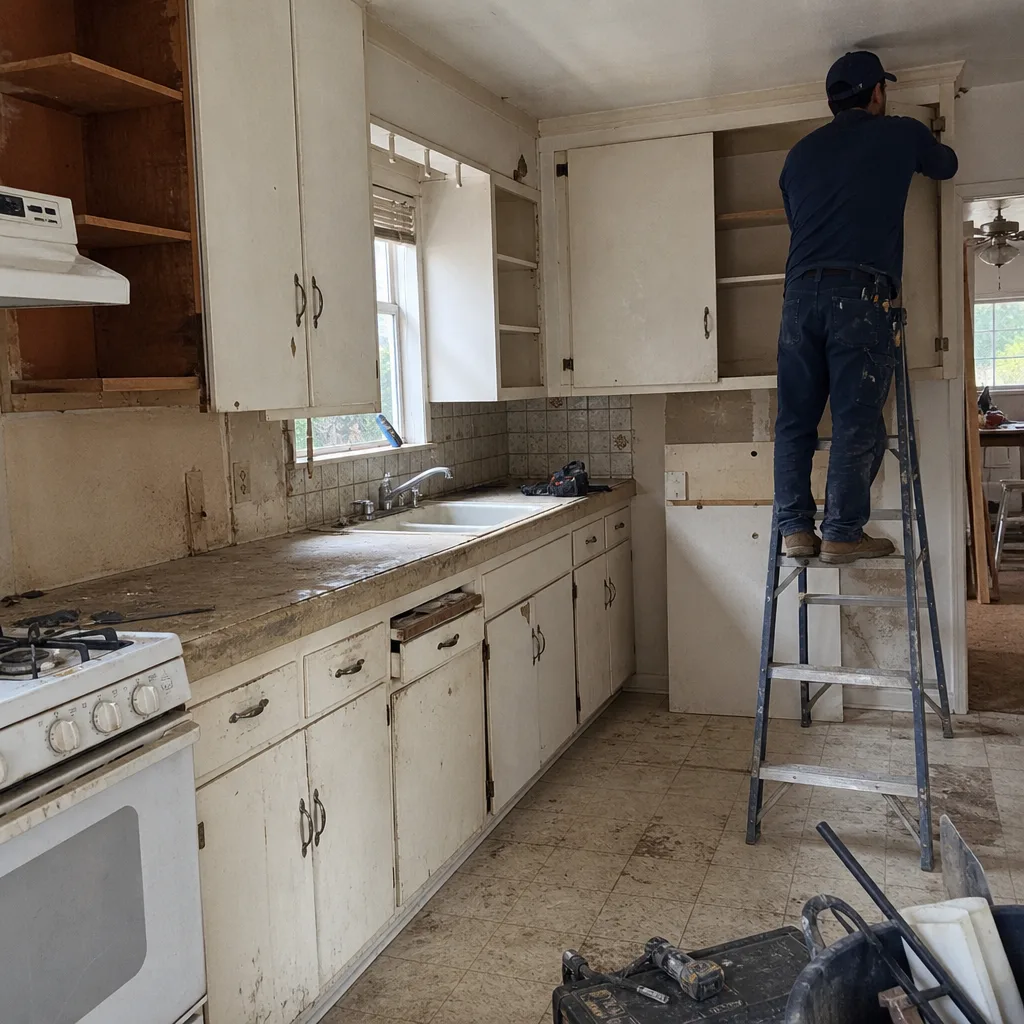
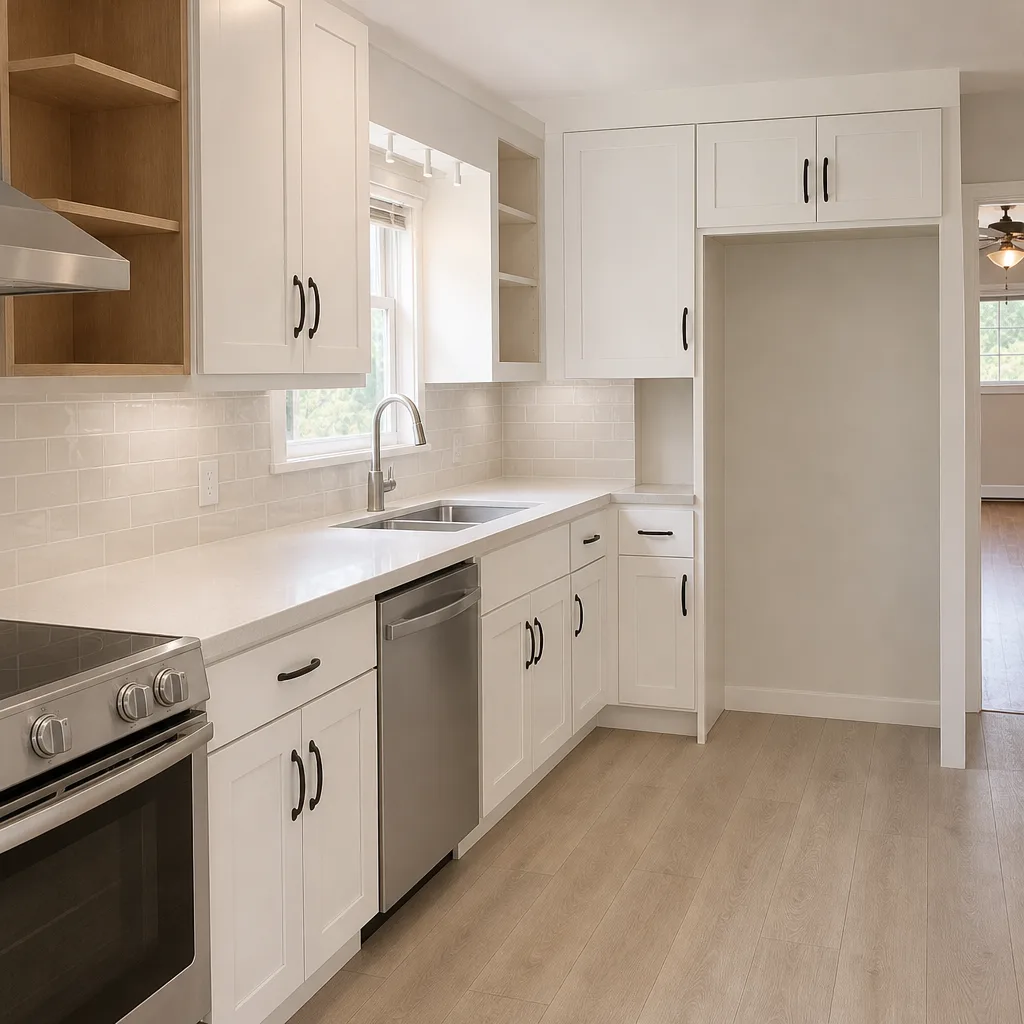
See the difference
 Before
 After
 Before
 After
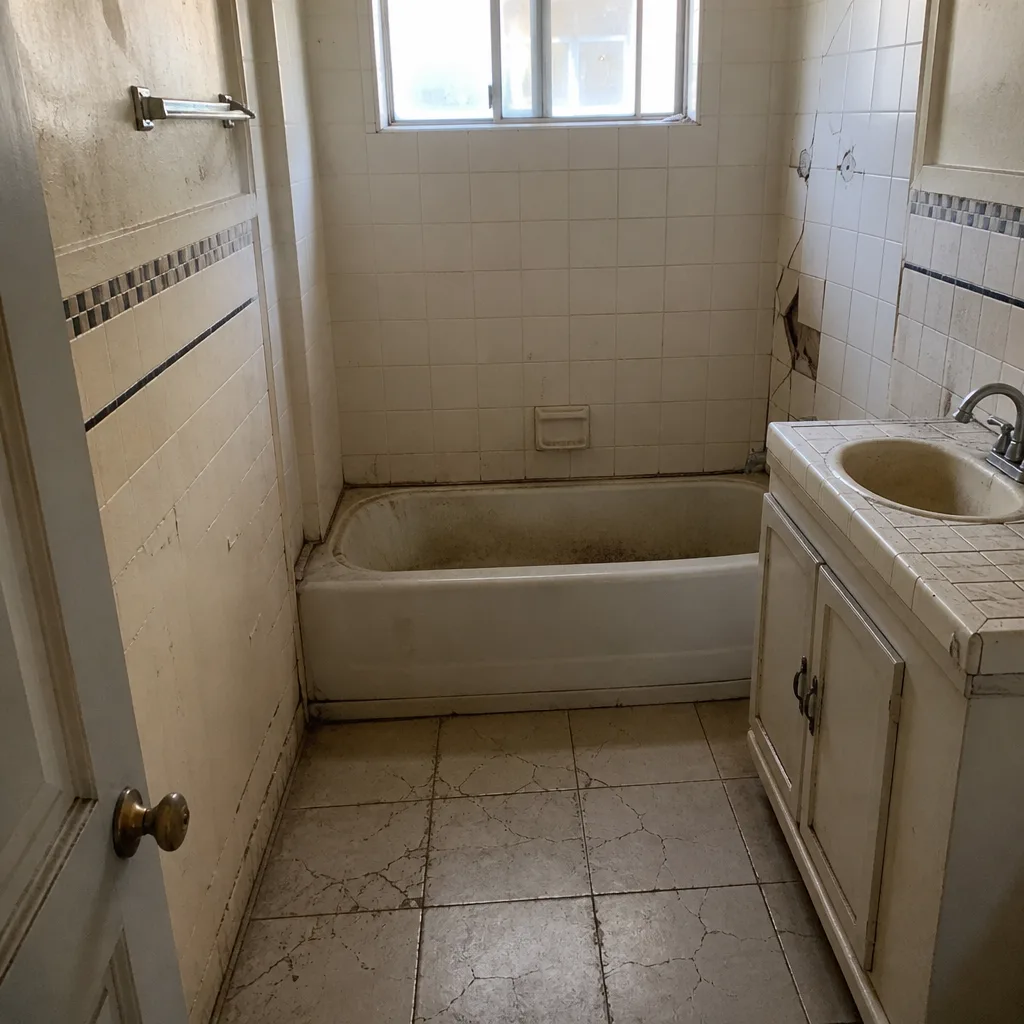 Before
 After
When to Call a Professional
Most of this schedule is homeowner work, and that’s deliberate. But certain symptoms mean the problem is bigger than maintenance. Call us if you find soft or spongy wood at a frame or threshold, water stains on interior sills or drywall near a window after rain, a window or door that’s visibly out of square, glass with fog or condensation between the panes (a failed seal), or hardware that no longer latches or locks securely despite adjustment. Those are signs of installation or structural issues that maintenance can’t fix.
Barrett & Sons Construction Glendale offers free estimates in Glendale. Call (844) 560-4526 to schedule yours, or use it to get a second opinion on any written estimate you’ve already received. We’ll tell you honestly whether you’re looking at maintenance or a repair.
Frequently Asked Questions
Twice a year, ideally in spring and fall. Clean the track with a dry brush first, then apply silicone spray to the roller axle, not the whole track. In Glendale’s climate, twice-yearly service roughly doubles roller life compared with waiting until the door drags.
No, at least not as a lasting lubricant. WD-40 is a penetrant and solvent; it cleans but doesn’t lubricate durably and attracts grit. Use silicone spray on tracks and dry graphite on locksets. Call (844) 560-4526 for an exact quote if hardware needs replacing, estimates are free.
Measure the clear opening: it should be at least 5.7 square feet total, with a minimum 24-inch height and 20-inch width, and it must open from the inside without tools. If you’re adding a bedroom or ADU, the permit inspection confirms it. Call (844) 560-4526 for a free estimate if you’re planning a project.
Usually not if it’s under 1/16 inch and the caulk is still bonded on both sides. It’s the frame flexing. A gap wider than 1/8 inch, caulk that’s pulled away, or soft wood underneath means water is getting in and needs attention before the rainy season.
Not without a written change order. Every scope, allowance, and price change at Barrett & Sons arrives in writing before work proceeds. That’s written on every contract, not buried in fine print. Call (844) 560-4526 for a free written estimate.
Under our 90-Day Done Right Promise, that’s an installation issue and we come back to make it right with one call. Routine maintenance like lubrication and cleaning is the homeowner’s responsibility. The two are separate, and we walk you through both at handover.
The Bottom Line
Windows and doors fail slowly, then all at once, and the calendar is what stops the “all at once.” Clean and lubricate sliding hardware twice a year, check weatherstripping in October before Glendale’s rains, inspect caulk annually, test bedroom egress each spring, and clear weep holes and screens as the season turns. Most of this schedule is a homeowner’s job and costs almost nothing. When you find soft wood, interior staining, or a window that won’t latch, it’s time to call. Our crew members have up to 28 years of experience, and our 90-Day Done Right Promise is in writing on every job.
Call Barrett & Sons Construction Glendale at (844) 560-4526 for a free estimate. Published standing offers include $40 Off Any Repair Over $200, a Free Second Opinion on Any Written Estimate, No Trip Charge Inside the County, and a permanent 10% Senior & Veteran discount. Ask anyone on your street, or look up the license number yourself before you sign anything.
Written by the team at Barrett & Sons Construction Glendale.