
Last updated November 17, 2026
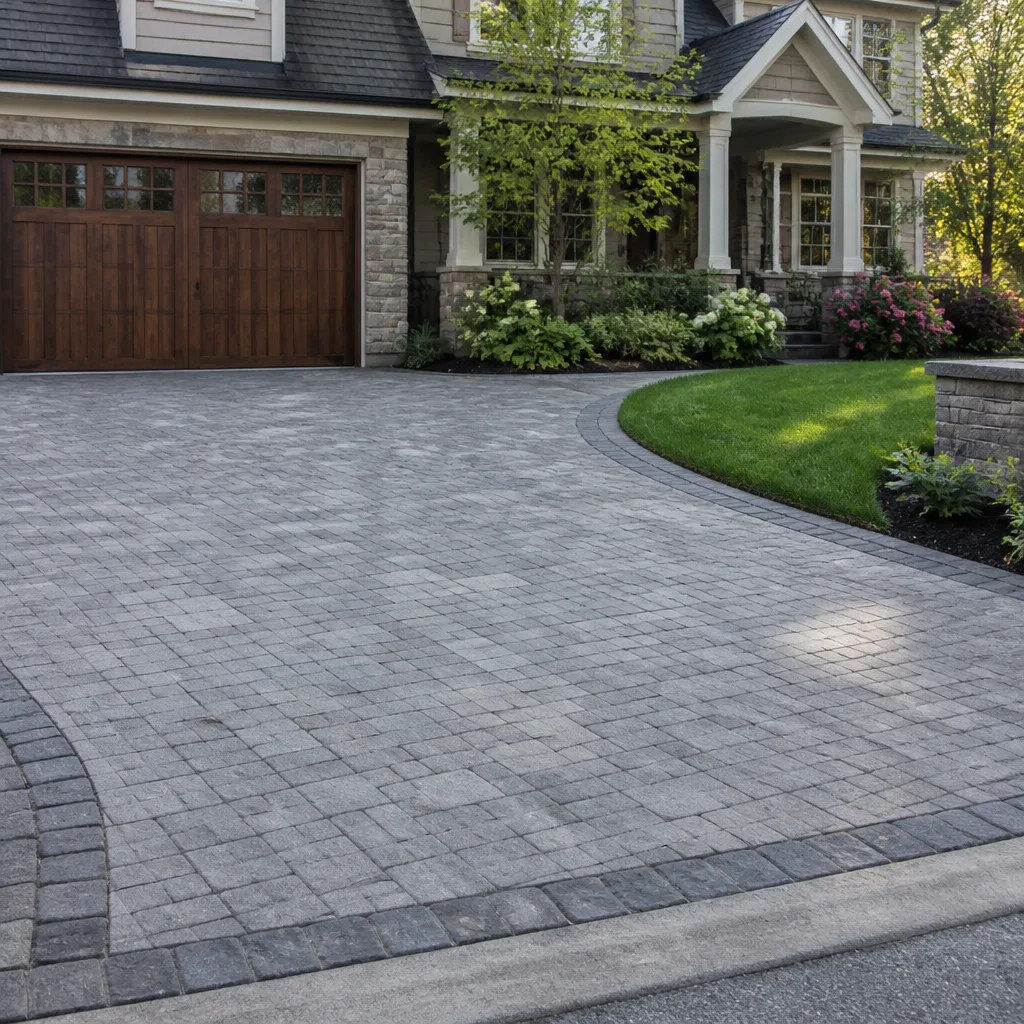 Driveway & pavers
 Kitchen remodeling
 Bathroom remodeling
 Home additions & ADU
 Roofing
 Windows & doors
 Fence
Free written scope consultation - allowances, timeline, and change-order rules on paper before a single trade is scheduled
How Long Does Driveway & Pavers Take? Timelines and What to Expect
A 600-square-foot driveway replacement takes two to three days of actual crew time. The reason it often stretches across three weeks on the calendar has nothing to do with how hard the work is. It comes down to permit lead times and base compaction windows, and both are predictable if someone bothers to explain them before you sign. We’ve pulled enough driveway permits in Glendale to know exactly where the calendar gaps open up. In this guide, you’ll learn the real day-by-day schedule, the three levers that control your timeline (permits, cure time, and parallel jobs), the specific weather windows that stall Glendale projects, and how many days you genuinely can’t park in your own driveway. Plan around those and your project fits your life instead of your contractor’s schedule.
Quick Answer
A standard residential driveway with pavers takes 2 to 4 days of active crew time, but plan on 2 to 4 weeks from permit application to final inspection. The gap comes from Glendale Building & Safety permit turnaround (typically 5 to 15 business days for driveway work), a mandatory 24 to 48 hours of base cure after final compaction, and scheduling windows when crews juggle parallel jobs. Concrete driveways run faster; paver driveways add time for material staging and edge restraint. If someone quotes you a hard “three days, done,” ask them how they’re handling the base cure and the permit. That question alone will tell you whether the estimate is real.
Styles & brands we work with
- Kitchen remodeling
- Bathroom remodeling
- Home additions & ADU
- Roofing
- Windows & doors
- Driveway & pavers
- Fence
Table of Contents
- The Three Levers That Control Every Driveway Timeline
- Glendale Permit Turnaround: How to Build It Into Your Start Date
- Why Base Material Needs 24 to 48 Hours Before Pavers Go Down
- A Realistic Day-by-Day Crew Schedule for a Standard Driveway
- How Many Days You Can’t Use Your Driveway (And What That Means for Trash Day)
- The Glendale Weather Windows That Actually Delay Driveway Work
- How Material Choice Shifts Your Timeline
- Common Mistakes to Avoid
- When to Call a Professional
- Frequently Asked Questions
The Three Levers That Control Every Driveway Timeline
Every driveway project timeline in Glendale breaks down into the same three moving parts. Understanding them is the difference between a schedule that holds and one that drifts by a week while you’re still renting a temporary parking spot down the street.
Lever one: permit processing. City review doesn’t care how badly you want the work done. It has a queue, and your project sits in it until an inspector signs off. More on this in the next section.
Lever two: base cure time. After the crew compacts the base material (crushed aggregate for pavers, or a slab prep for concrete), that base needs to settle before the finished surface goes on top. Skip it and you get rutting, uneven pavers, and a callback. We never skip it.
Lever three: parallel jobs. A crew running one driveway at a time finishes yours fast. A crew running four jobs at once has to bounce between them, and yours sits idle for days at a time. Ask any contractor how many jobs they’ll run alongside yours. Honest ones will tell you.
When you line up those three levers side by side, a “three-week” driveway suddenly makes sense. It was never three weeks of work. It was two to four days of work, one to two weeks of permit wait, and a day-and-a-half gap for curing. Plan for the gaps and the wait stops feeling like a delay. It starts feeling like a schedule.
Glendale Permit Turnaround: How to Build It Into Your Start Date
Glendale Building & Safety reviews residential driveway permits on a fairly predictable cycle once you know what to expect. Most straightforward driveway replacements or new paver installs come back in 5 to 15 business days. If your project touches a right-of-way, changes the curb cut, or involves a slope drainage review, add another week.
Here’s the practical advice most homeowners don’t hear: submit the permit application two to three weeks before your target start date. Not the day you want the crew to show up. Two to three weeks out. That gives you buffer for review questions, and it lets the crew stage materials while the paperwork clears.
A realistic permit-inclusive timeline looks like this:
- Week 0: Site visit and written estimate.
- Week 1: Permit application submitted to Glendale Building & Safety (we pull the permit; the homeowner never has to).
- Weeks 2-3: Permit review and approval. Materials ordered and staged.
- Week 3-4: Crew scheduled. Demolition and base prep begin.
- Week 4: Base cure window, paver or concrete placement, final inspection.
Notice that permit approval isn’t a delay; it’s a scheduled step. When it’s built into the plan from day one, you’re not sitting around wondering what’s happening. When it’s not, you are. That difference matters. We pull permits and pass inspections on every eligible Glendale job because the last contractor most homeowners used told them permits were optional. They aren’t. The permit inspector works for you, not for us, and that’s exactly why we like him.
Why Base Material Needs 24 to 48 Hours Before Pavers Go Down
Here’s the step that separates a driveway that lasts thirty years from one that shifts and ruts in five. After the crew excavates and levels the graded subgrade, it lays and compacts a crushed stone base. That base needs 24 to 48 hours of settle time before the paver sand layer and pavers go down on top.
Why bother? Three reasons:
- Compaction stability. Base material continues to settle under its own weight after mechanical compaction. Pavers laid the same day sit on a base that’s still moving.
- Moisture equalization. Base gravel responds to moisture content. Letting it stabilize prevents soft spots that show up as hollow pavers six months later.
- Drainage verification. A short cure window lets the crew confirm water sheds away from the house and toward the street before the surface seals everything in.
When this window gets skipped, you don’t always see the problem right away. You see it after the first wet winter, when two or three pavers in a low spot start rocking, or when the edge begins to shift toward the street. Replacing a bad paver job in Glendale runs roughly $4,000 to $8,000 for a standard residential driveway, which is a brutal way to learn that the base wasn’t allowed to settle.
A crew that respects the cure window is a crew that’s thinking past next week. Ask yours, point-blank: “Will the base cure before you set the pavers?” If the answer is “we set them the same day,” plan accordingly.
A Realistic Day-by-Day Crew Schedule for a Standard Driveway
Here’s what a standard 500 to 700-square-foot paver driveway project in Glendale actually looks like once permits are in hand and materials are staged. Concrete projects follow the same first two days but compress the finish work.
Day 1: Demolition and excavation. The old surface comes out (concrete, asphalt, or existing pavers), and the subgrade gets graded. Expect a dumpster or truck in the driveway for most of the day. By end of day, you’ll see a graded dirt surface where your driveway used to be.
Day 2: Base installation. Crushed aggregate base goes in, in lifts, with compaction between each lift. Depending on the size and depth, this may stretch into Day 3 morning. By afternoon, the base is compacted and the crew finishes grading for drainage.
Day 3: Base cure (no work). The crew is elsewhere. Nobody is on your site. This is the shot you’ve seen referenced in the previous section, and it’s the one that gets skipped by rushed outfits. Use it.
Day 4: Sand layer, paver placement, edge restraint. Pavers go down in the laid pattern, edge restraint gets set, and the whole surface gets compacted and swept with polymeric sand. By end of day, your driveway looks like a driveway again.
Day 5: Final inspection and handoff. The permit inspector signs off. The crew walks the job with you and notes any touch-ups. If you’re paying for a concrete driveway instead, this is the day the slab finishes up and cure time begins.
That’s five days of calendar, with three days of active crew. For concrete, expect a similar schedule but with a slab cure period after placement. Slab curing takes about 5 to 7 days before you can drive on it; pavers can typically take light foot traffic the same day they’re laid.
How Many Days You Can’t Use Your Driveway (And What That Means for Trash Day)
You can’t use the driveway for the full active construction window: typically 3 to 5 days for pavers, longer for concrete. For pavers, that’s the day the crew shows up to the day the sand is swept. For concrete, add 5 to 7 days after the pour before you can drive on it.
Logistics matter here, and most estimates don’t mention them upfront:
- Parking. Move any cars to the street the night before Day 1. Street parking in Glendale neighborhoods can be tight; check for permit parking rules on your block.
- Trash day. You’ll need to roll the bins to the curb yourself. Ask the crew if they can stage the bins at the end of the driveway each morning. Most will. We always do.
- Package delivery. Carriers won’t leave a package on a torn-up driveway. Set delivery to a side gate, or grab packages from the porch on your way home.
- Landscaping and irrigation. If your sprinklers run under the old driveway, they’re getting cut. Have a plan for rerouting them; otherwise a couple of heads get abandoned mid-project.
For setups with a second vehicle, this is easy. For single-vehicle households, it’s worth adding two or three buffer days to the plan just in case the schedule stretches. Better to rent a car for three days than scramble on Day 2 when the crew’s still digging.
The Glendale Weather Windows That Actually Delay Driveway Work
Homeowners assume rain is the enemy. It isn’t, exactly. Ground saturation after rain is. A driveway project can survive a light shower. What it can’t survive is a base sitting in standing water for two days.
The Glendale pattern to watch is the December-through-March window. A single storm doesn’t stall a project. Three days of rain followed by a wet ground day does. Here’s how to spot the risk:
- Look at the 10-day forecast the week before your start date. Two or more days of rain in that window is a yellow flag. Three or more consecutive wet days is a red flag; reschedule or plan a buffer.
- Watch for the “post-rain gray day.” After the rain stops, the ground underneath a torn-up driveway can hold water for a full day. That’s a stall day.
- Confirm materials aren’t rain-sensitive. Polymeric sand and paver bedding sand don’t like moisture. If your project is mid-install when the rain hits, the crew should tarp materials the night before.
The dry season is easier: April through November rarely forces a weather delay on a Glendale driveway project. Summer heat is a different concern. Concrete poured in 100-degree afternoons cures too fast and can crack; a good crew pours early morning and adds cure retarders when it’s hot. If you’re scheduling a summer pour, ask what time of day the crew plans to place the concrete.
How Material Choice Shifts Your Timeline
Pavers and concrete take roughly the same labor time up to the finish stage. After that, they diverge. Paver driveways add the sand layer and installation grout steps; concrete driveways add a slab cure window of 5 to 7 days before you can drive on it. Both timelines are predictable once you know the finish work involved.
What shifts the timeline more than material type is scope. A straight, single-slope driveway is fast. A curved driveway with multiple transitions, a drainage swale, or a paver apron that ties into the street takes longer. So does a driveway that requires a new curb cut or a new drainage line to the storm system; each of those adds a permit step and a few more days of work.
When we spec materials, we use brands you can look up: Belgard and Techo-Bloc pavers on hardscapes, and the same grade of base and polymeric sand regardless of paver brand. For prefab structures like a detached garage on the property, we’ve seen clients ask about modular options from companies like Mighty Buildings or Boxabl, and prefab construction on the property affects where the driveway tie-in lands. The pavers themselves come from brands carried by any reputable local supplier; the difference is in how the base is prepared underneath them.
Common Mistakes to Avoid
- Scheduling the start date before the permit. If the crew shows up before the permit clears, they’re working unpermitted. In Glendale, that’s a stop-work order and a reschedule. Submit the application first, then set the calendar.
- Letting a contractor skip the base cure window. Same-day paver placement over a fresh base is a red flag. You’ll pay for it in shifted pavers within two winters.
- Not asking how many jobs run in parallel. A crew spread thin means your driveway sits half-finished for days. Ask the question before signing.
- Parking a car on a fresh concrete slab. Five to seven days of cure, minimum. We’ve seen homeowners roll a car onto a two-day-old slab; the tire tracks never really go away.
- Forgetting to line up trash day logistics. Bins at the end of the driveway every morning isn’t the crew’s job unless it’s written in the scope. We do it by default; confirm your contractor will.
- Scheduling a pour in the middle of a forecasted rain window. A single storm doesn’t kill a driveway project, but a base soaking in standing water for two days does. Watch the 10-day forecast.
- Treating the change order like a suggestion. If the scope needs to shift mid-project (an unexpected root system, an added drainage line), the price change should arrive in writing before work continues. An allowance that isn’t on paper is a surprise waiting for a date.
When to Call a Professional
Some driveway questions need a professional on site. If your current driveway is sloping toward the house, water is pooling in a low spot after storms, or the pavers are visibly shifting or sinking, those are signs the base failed somewhere. If you’re adding a driveway where none existed, or widening an existing one toward the property line, the permit and drainage review is more involved than a replacement. If you’re combining a driveway project with a new home addition or ADU and need the driveway to tie in properly to the new footprint, that’s a coordinated scope. And if a contractor has handed you a written estimate with vague allowances and no permit line, a second opinion is worth an hour of your time. Barrett & Sons Construction Glendale offers free estimates in Glendale. Call (844) 560-4526 and we’ll walk the driveway with you.
Frequently Asked Questions
A standard residential paver driveway in Glendale takes two to four days of active crew time, with a total calendar window of two to four weeks once permit review and base cure are factored in. The permit line alone can account for 5 to 15 business days. Call (844) 560-4526 for an exact timeline based on your driveway’s size and slope.
Yes, most driveway replacements and new paver installs in Glendale require a permit through Glendale Building & Safety, especially if the work touches the right-of-way, changes the curb cut, or involves drainage review. We pull the permit as part of the scope, and every eligible job gets an inspection on file. If a contractor tells you a permit isn’t needed, ask them to put that in writing.
No, not during the active construction window. For pavers, that’s the day the crew starts to the day the sand is swept (typically three to five days). For concrete, add another five to seven days of slab cure before driving on it. Plan for street parking or a rental for that window and you’ll avoid the scramble.
Light rain alone doesn’t stall a Glendale paver project, but ground saturation after rain does. If the base gets waterlogged, work pauses for a day until the ground drains. Good crews watch the 10-day forecast and tarp materials the night before. If your project is scheduled in the December-through-March window, expect at least one weather buffer day.
Not unless the scope changes, and any change arrives as a written change order before work proceeds. An unexpected root system, added drainage, or a scope adjustment mid-project triggers a written change order, not a surprise invoice. The initial estimate you sign is the estimate you pay against, with any scope shift documented in writing first.
Yes, on every eligible Glendale job. We handle the permit application, coordinate the inspection, and confirm the inspector has signed off before we call the job complete. The permit inspector works for you, not for us. That’s the system working exactly as it should. Call (844) 560-4526 for a free estimate and a written scope.
The Bottom Line
The gap between a “three-day” driveway and a three-week project is almost never complexity. It’s permits, base cure time, and how many jobs your crew runs at once. In Glendale, plan on two to four days of active crew work and two to four weeks of calendar, with permit review and a mandatory 24-to-48-hour base cure sitting in the middle. Schedule the permit first, respect the cure window, ask how many parallel jobs the crew is running, and watch the 10-day forecast during winter. Get those right and the timeline holds. Get them wrong and you’re calling somebody to fix a two-year-old driveway. If you want a written scope with the schedule spelled out in plain language, that’s free. Call (844) 560-4526 to schedule your free estimate.
While you’re planning, it’s worth reading up on the broader Barrett & Sons Construction Glendale home services, our Driveway & Pavers page for Glendale, and our Fence Installation in Glendale guide if your project overlaps a property line.
Written by the team at Barrett & Sons Construction Glendale.
See the difference
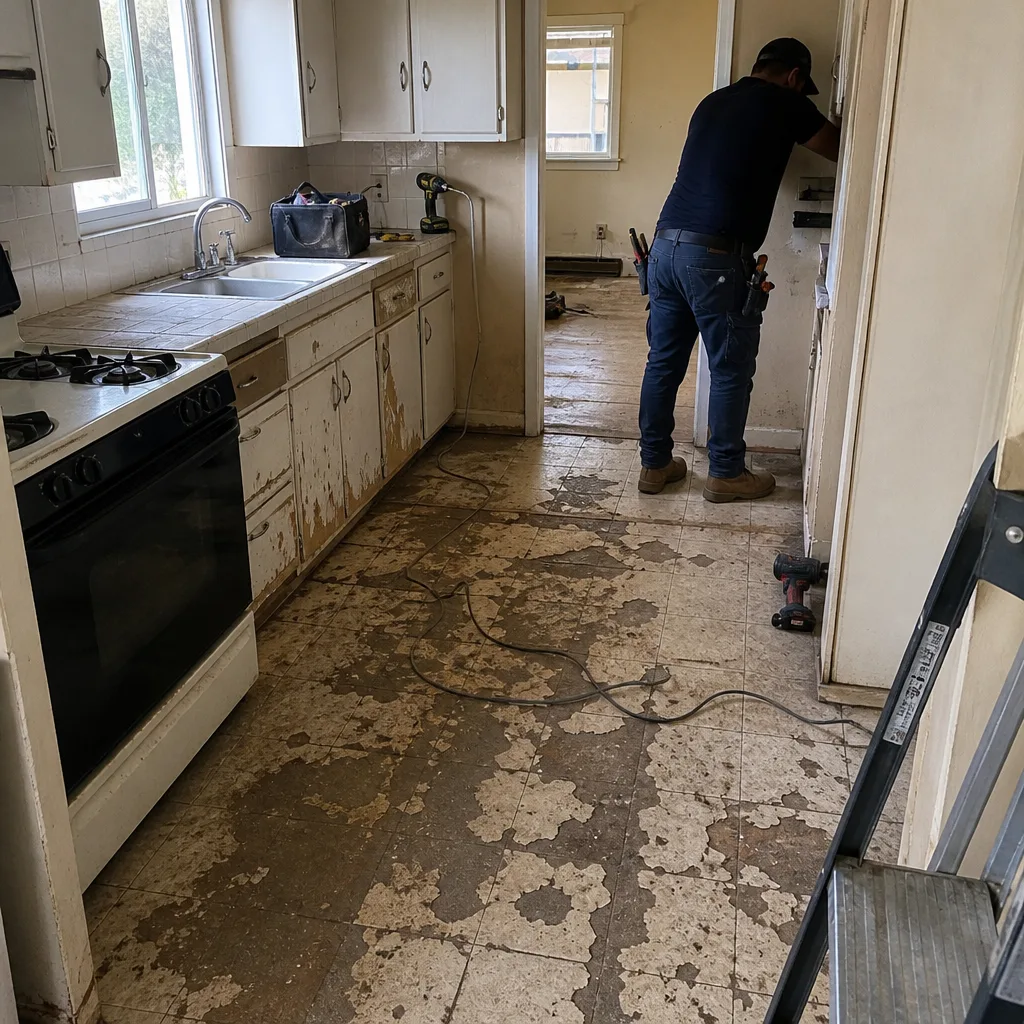 Before
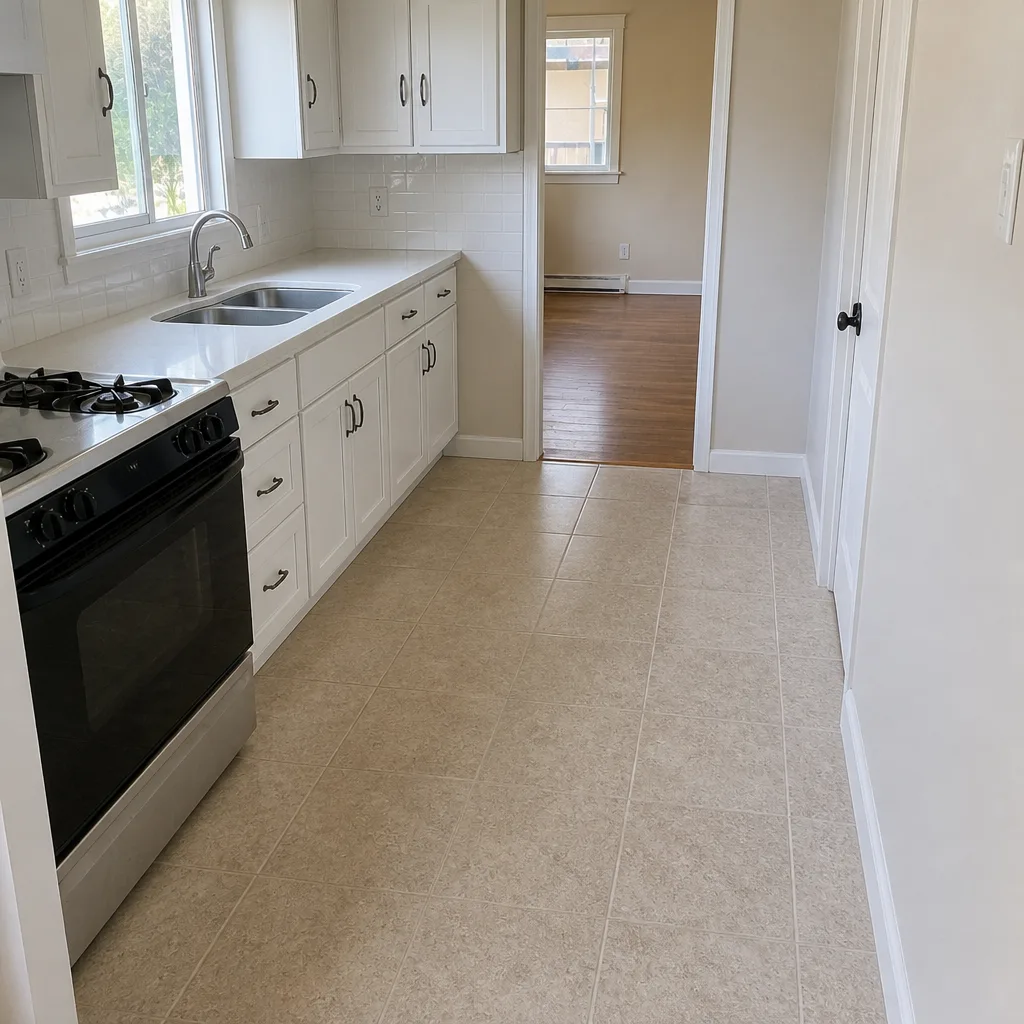 After
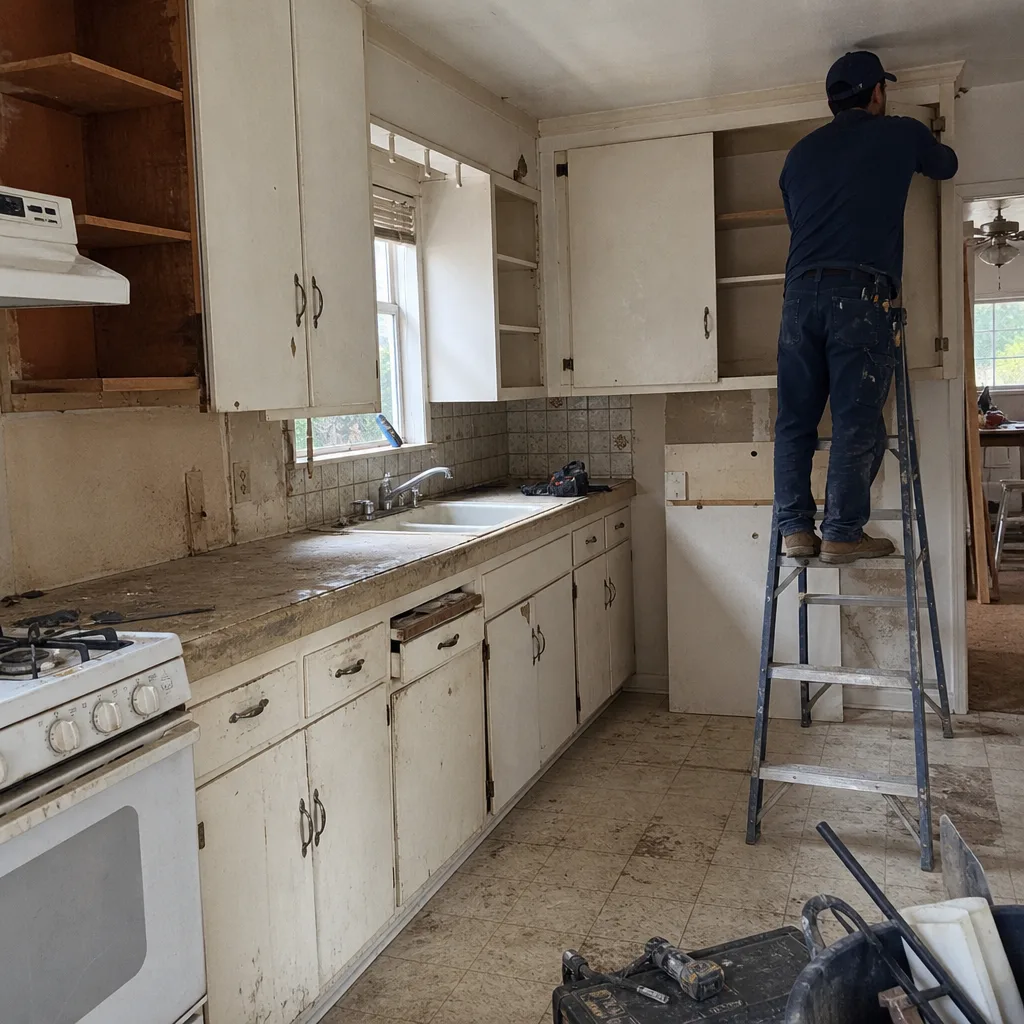 Before
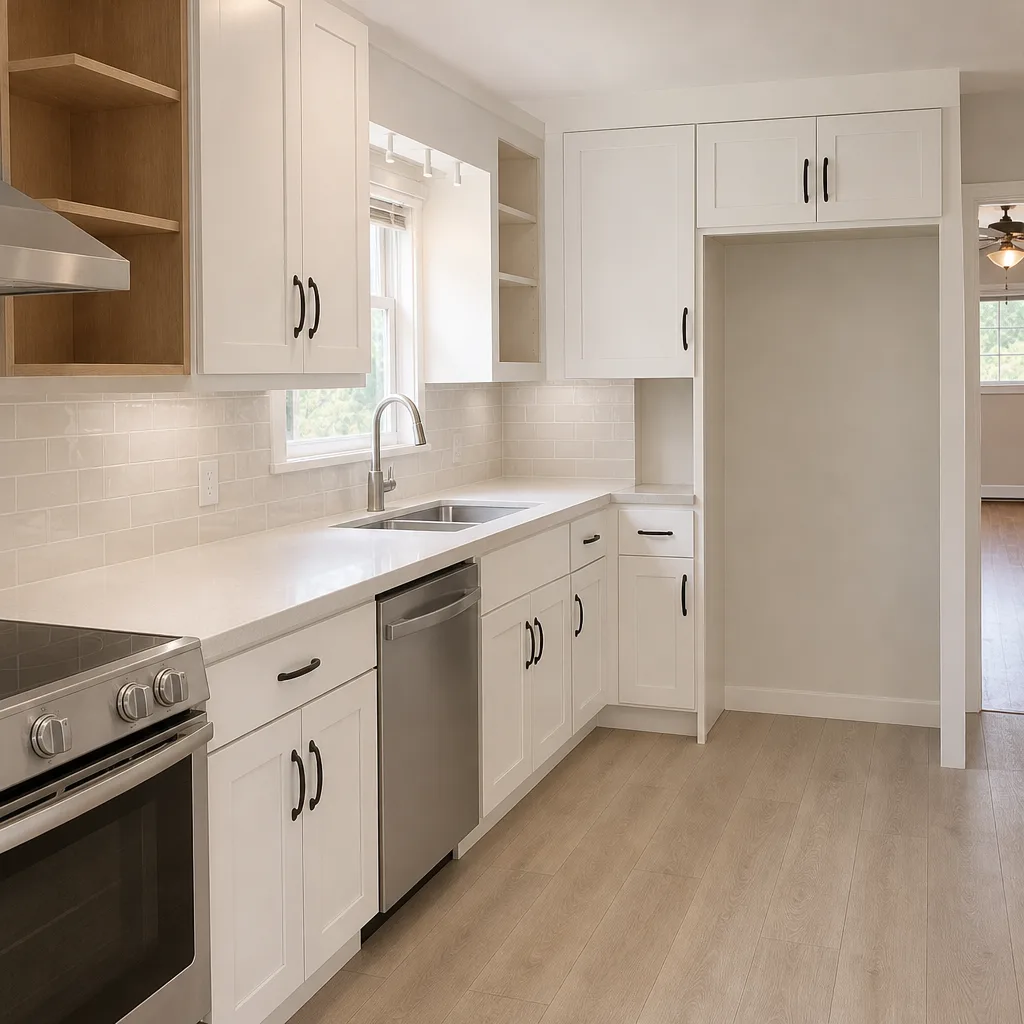 After
 Before
 After