
Last updated November 17, 2026
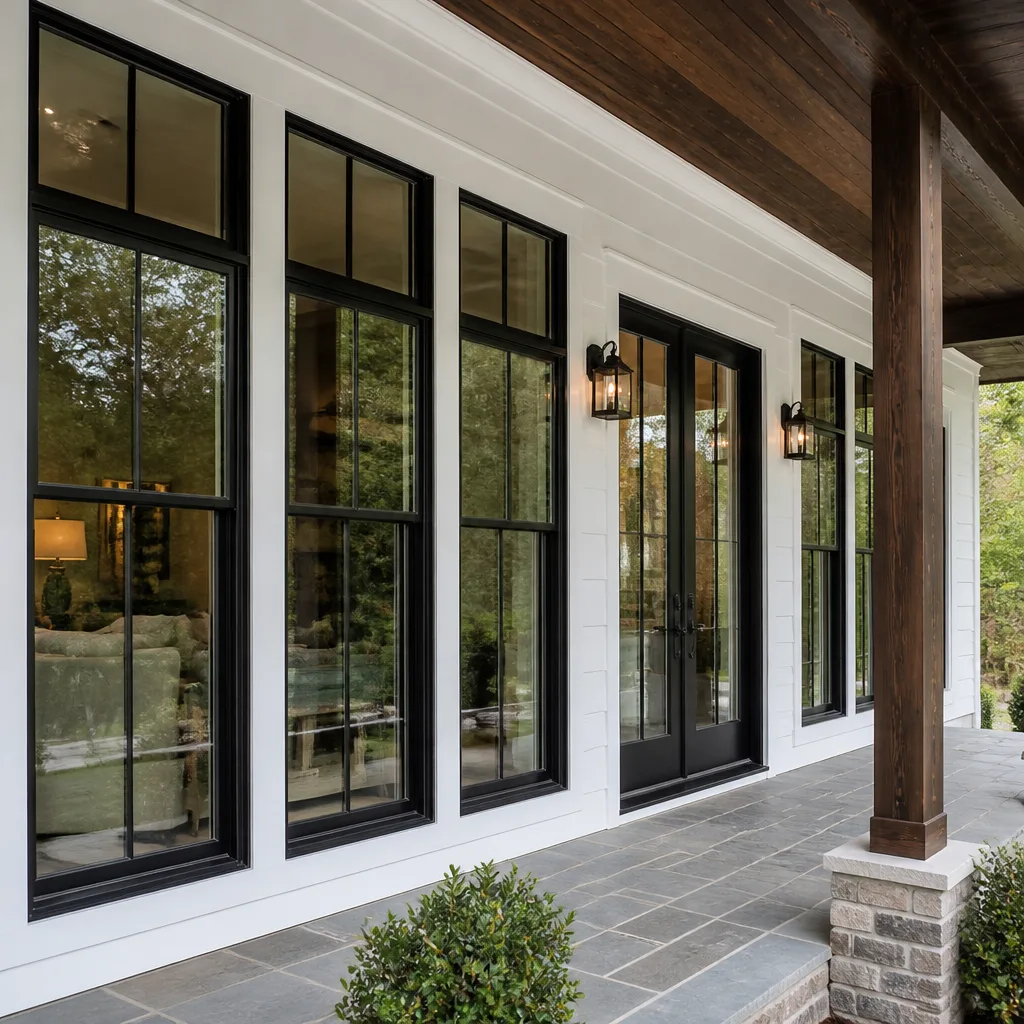 Windows & doors
 Kitchen remodeling
 Bathroom remodeling
 Home additions & ADU
 Roofing
 Driveway & pavers
 Fence
Free written scope consultation - allowances, timeline, and change-order rules on paper before a single trade is scheduled
Windows & Doors Troubleshooting: Common Problems and How to Fix Them
A door that suddenly sticks in summer and swings free in winter isn’t a hardware problem. It’s the frame telling you the structure moved. Tightening the hinges won’t fix it, and neither will planing the edge, because you’d be treating a symptom. Here’s what we’ve learned after years of walking through homes across Glendale: nearly every sticking door, drafty window, and lock that won’t catch traces back to one of three root causes. Settlement, failed weatherstripping, or hardware wear. Know which one you’re looking at and you’ll know whether this is a Saturday afternoon fix or a call to a contractor. This guide walks you through the diagnosis first, then the repair, with specific attention to what we see in Glendale homes.
Quick Answer
Most window and door problems come down to settlement, failed weatherstripping, or hardware wear. Sticking that changes with the season points to frame movement from settling soil. Drafts and fogged glass point to seal failure. Locks and handles that stop working point to hardware wear. Diagnose the cause before you buy a single part, because the wrong fix costs more than the right one.
Styles & brands we work with
- Kitchen remodeling
- Bathroom remodeling
- Home additions & ADU
- Roofing
- Windows & doors
- Driveway & pavers
- Fence
Table of Contents
- Start With Three Causes Before You Touch Anything
- Why Doors Stick and Whether It’s Getting Worse
- Condensation Patterns: IGU Seal Failure vs. Normal vs. HVAC
- How Glendale’s Clay Soil Racks Your Door Frames
- Drafts and Weatherstripping: What to Replace and What to Check First
- Hardware Failures: Owner Repairs vs. Brand Service Calls
- Sliding Glass Door Tracks: Roller Swap, Track Replacement, or Neither
- Common Mistakes to Avoid
Start With Three Causes Before You Touch Anything
Before you pick up a screwdriver, ask what the symptom is telling you. Window and door troubleshooting works best as a cause-first process. The part that looks broken is often fine. It’s the thing pushing on the part that’s the problem.
Here’s the diagnostic framework we use:
- Settlement and structural movement. The frame is square when the house is built, then the ground shifts. Doors and windows bind, gaps appear on one side, and the problem changes with the season. This is the most missed cause because it looks like a hardware issue.
- Failed weatherstripping and seals. Gaskets compress, foam crumbles, and window seals give up. You get drafts, water intrusion, and fogged glass. The hardware is fine, but the opening no longer closes tight.
- Hardware wear. Hinges sag, rollers flatten, locks lose alignment, and handles strip. This is the smallest category, and it’s the one most people default to first.
Work down that list in that order. If you jump straight to hardware, you’ll replace a perfectly good lock and still have a door that won’t close. A quick way to sort it: if the problem changes with the weather, it’s likely cause one. If it’s about air or water getting in, it’s cause two. If it’s about a mechanism that used to move and now doesn’t, it’s cause three.
Why Doors Stick and Whether It’s Getting Worse
A sticking door is the most common call we get, and the most misdiagnosed. The fix depends entirely on whether the problem is seasonal or progressive.
Seasonal sticking reverses. If a door drags in July and clears in October, the frame is moving with moisture and temperature. Wood swells in humid months and shrinks when it dries out. That’s normal movement, and a light adjustment to the strike plate or a slight bevel on the latch edge can carry you through.
Progressive sticking compounds. If the door stuck a little last year, sticks more this year, and the gap at the top is visibly wider than at the bottom, the frame is racking. That’s settlement or a structural shift, and it won’t fix itself.
How to test which one you have:
- Check the gap at the top of the door against the gap at the bottom. Even gaps mean a swelling or hardware problem. Uneven gaps mean the frame is out of square.
- Look at the corners of the door casing. A hairline crack in the drywall running from a corner means movement.
- Open the door halfway and let go. If it swings on its own, the frame is out of plumb.
- Note the date it starts and stops sticking. If the pattern repeats every year, it’s seasonal. If the “sticking season” gets longer, it’s progressive.
For the seasonal kind, adjusting or replacing hinges with longer screws into the stud can buy real time. For the progressive kind, tightening hinges makes it worse, because you’re forcing a binding door against a frame that’s moving. That’s when you want someone to look at the opening, not just the door. If the racking traces back to the foundation or a settling addition, the repair belongs with home additions & ADU work in Glendale rather than with the door itself.
Condensation Patterns: IGU Seal Failure vs. Normal vs. HVAC
Condensation is where homeowners spend the most money on the wrong thing. Fog and water show up in three very different places, and each one means something different.
Condensation between the panes is a failed seal. Double-pane and triple-pane windows are built with an insulated glass unit, or IGU. The glass is sealed with a desiccant-filled spacer. When that seal fails, moisture gets into the space between the panes and you see fog, haze, or water droplets that you can’t wipe off. The window is not “sweating.” The unit has failed. In our experience, this is the single most common window problem we find in older Glendale homes, and no amount of wiping, heating, or dehumidifying will fix it. The IGU needs to be replaced.
Condensation on the room-side of a single pane is normal. Single-pane windows will sweat on cold mornings when the inside air is warmer and more humid than the glass. It’s the same physics as a cold glass of iced tea. A quick test: run your warm hand across the glass. If the condensation clears and comes back, it’s surface condensation, not a failed unit. You may reduce it by ventilating the room or addressing indoor humidity.
Condensation on the room-side of a double-pane window is an HVAC moisture problem. The window is doing its job. The house is too humid. We see this in Glendale homes in the fall and winter, when the whole-house humidity climbs after the wet season and interior air can’t dry out. Look for condensation on the toilet tank, the cold-water pipes, or the glass of a cold beverage sitting on the counter. If it’s happening there too, the problem is the air inside the house, not the window. A bathroom fan, range hood, or whole-house dehumidifier fixes it cheaper than any window.
A simple chart to sort it:
- Fog between the panes: failed IGU, replace the glass unit.
- Water on the inside face, single pane: normal, ventilate.
- Water on the inside face, double pane, widespread: HVAC and humidity, not the window.
- Fog between the panes that clears and returns: also a failed IGU, just a slow one.
How Glendale’s Clay Soil Racks Your Door Frames
Glendale sits on some of the most expansive clay soil in Southern California. That clay swells when it’s wet and shrinks when it dries. During a wet winter, the soil under and around a foundation can expand several inches, and that expansion pushes and lifts the structure unevenly. In a dry summer, the same soil contracts and drops. The house rides that wave.
The result is that doors and windows in Glendale homes move more than most homeowners expect. A north-facing entry door that gets hit by winter rains and shade can bind every February and free itself every June. That’s clay soil doing what it does.
The question that matters is whether the movement is reversing each year or compounding. Here’s how to tell:
- Reversing movement clears with the season. The door sticks for two or three months a year, then swings free with the same gap it had the year before. This is normal in Glendale and rarely needs a structural repair. An adjustment to the door and strike plate usually gets you through.
- Compounding movement doesn’t clear. The door sticks every year and the gap at the top grows. The seasonal “sticking window” gets longer. That’s the pattern you want looked at, because if the foundation beneath is shifting, the door problem is the least of it.
Two practical checks: watch the corners of your door casings for drywall cracks that open in winter and close in summer. Then walk the outside of the house and look for a sloped grade that pools water near the foundation. Glendale’s hills and canyons often slope water toward the house, and clay soil plus trapped water is a hard combination on any frame. Correcting the grade and extending downspouts away from the foundation is often the cheapest fix you’ll make.
Drafts and Weatherstripping: What to Replace and What to Check First
A drafty window or door isn’t always the weatherstripping. Diagnose before you replace. Run your hand along the gap while a bathroom fan or range hood is running. If the draft gets stronger, you’re pulling outside air in, and the seal on the opening is the likely culprit.
What to check, in order:
- The gasket or foam seal around the sash or door edge. On a door, feel the perimeter. On a window, feel the meeting rail and the edges of each sash. Crumbling foam or a compressed, flattened gasket needs replacing.
- The strike and latch alignment. A door that closes but doesn’t quite latch tight leaks air around the edge. That’s a hardware adjustment, not a weatherstripping problem.
- The threshold and door sweep. Running a hand along the bottom of a door tells you immediately if the sweep is worn or the threshold is out of contact.
- The frame itself. Cracks in the casing, gaps at the exterior trim, or missing caulk at the wall penetration all let air in. A common miss is the exterior caulking joint, which fails silently after a few wet seasons.
Weatherstripping replacement is one of the few jobs that’s genuinely a homeowner-level repair. A gasket on an entry door is a Saturday afternoon job. Frame sealing, threshold replacement, and anything involving a window sash that has to come out of its track are better left to a crew. On Glendale hillside homes, the exterior side of the opening sees more wind and rain than most, so sealing the outside edge properly is often the difference between a draft that goes away and one that returns each year.
Hardware Failures: Owner Repairs vs. Brand Service Calls
Some hardware is fair game for a homeowner. Some is not. The line usually falls at the complexity of the mechanism and whether the part is proprietary.
Legitimate homeowner repairs:
- Replacing a stripped hinge screw with a longer screw driven into the framing. This fixes a sagging door most of the time.
- Replacing a worn door handle, knob, or deadbolt on a standard single-point lockset.
- Adjusting the strike plate on an interior door where the latch won’t catch.
- Replacing a roller on a sliding door where the assembly is exposed and the roller is a standard size.
Calls for the installer or the brand service:
- Multi-point locking doors. These have mechanisms at three or more points along the frame that have to engage in the right sequence. A hinge or lock adjustment in one place affects all the points together, and getting it wrong usually makes the door leak or fail to lock at all. Multi-point hardware also wears in specific ways that a generic replacement part won’t correct.
- Tilt-turn windows. These open two ways, have a complex sash mechanism, and are unforgiving about alignment. When the tilt mechanism stops engaging the lock, or the handle won’t release the sash, the fix usually needs the original manufacturer’s part. National and European hardware brands ship service kits, but there are specific adjustment sequences that matter.
- Any window or door still under its brand warranty. Touching the hardware yourself can void a covered repair. On a premium window, that warranty is worth more than the cost of the service call.
We install and service premium brands on windows and doors, and each one wants its own approach. If you’re not sure what brand you have, look at the lock face or the corner of the glass for a manufacturer stamp. Andersen and Marvin both publish model identification guides, and both back their hardware in a way that makes the service call worthwhile when a mechanism fails. If you want the full picture on replacement brands and what they cost, see our Barrett & Sons Construction Glendale home page for a starting point.
Sliding Glass Door Tracks: Roller Swap, Track Replacement, or Neither
A sliding glass door that drags or jumps the track has a specific repair, and the repair depends on which part is actually damaged. There are three different situations, and each one needs a different fix.
Roller swap. The rollers under the door are small and wear flat over time. If the door is hard to slide but the track looks intact and the door still moves in a straight line, the rollers are the problem. This is a homeowner job on many doors. Lift the door out of the track with help, unscrew the old rollers, match them at a hardware store, and set them back in. The catch: sliding doors are heavy, so plan the lift and don’t do it alone. Glendale homes with older aluminum sliders often have a roller standard that’s still available.
Track replacement. If the track is bent, dented, or worn so the door wheels no longer sit in a groove, the rollers won’t fix it. A track replacement means the door has to come out, the old track removed, and a new one set and sealed. That’s a two-person job and not something to attempt on a weekend. It’s also the point where homeowners discover the track was fine all along and the real problem was frame movement.
Neither. When the track and rollers are both intact but the door still catches, look up at the header and down at the sill. A settling frame can twist the opening so the door rides against it. In Glendale, the clay soil issue and hillside homes both cause this pattern, and we see it on the upper floors of two-story homes where the frame has settled slightly at the header. On a sliding door with a failed IGU, the fog between panes is also a sign of a bigger problem. In that case the right move is often replacement of the door unit, and the fence installation in Glendale and exterior work on your property may need a coordinated look with your sliders so the exterior grade and water shed around the opening stays right.
Before you buy anything, slide the door by hand and listen for where the friction comes from. If it’s lower track, rollers. If it’s the top or the side, frame. If it’s glass fog, the unit. That’s the diagnosis that saves you a wasted trip to the hardware store.
Common Mistakes to Avoid
- Planing a sticking door before checking the frame. Planing removes material you can’t put back. If the frame is racking, that door will eventually stick again, now with a bigger gap. Check for a seasonal versus progressive pattern first.
- Replacing window glass over condensation you could have diagnosed. Fog between the panes is an IGU failure, but fog on the inside face is humidity. Replacing a window to fix an HVAC humidity problem is money down the drain, and it’s a common miss in Glendale homes.
- Tightening hinges on a door with a racked frame. This makes a binding door worse because it forces the door against an opening that’s out of square. Look for uneven gaps and drywall cracks before you touch a screwdriver.
- Ignoring water pooling near the foundation. In Glendale’s clay, a downspout that dumps water at the foundation wall is an invitation for seasonal door and window movement. Fix the grade first and the doors get easier.
- Voiding a window or door warranty on a brand service repair. Multi-point locks and tilt-turn mechanisms belong in the hands of the installer or the brand’s service network. The cost of a part is small compared to what a warranty covers.
- Judging a sliding door fix from the track alone. The track, rollers, header, and glass unit all affect how a slider moves. Diagnose all four before you commit to a repair.
- Waiting on a progressive problem. A door that sticks more each year is a frame problem. Waiting for it to “settle down” is not a plan, especially in Glendale where clay and hillside grade can turn a small issue into a large one.
See the difference
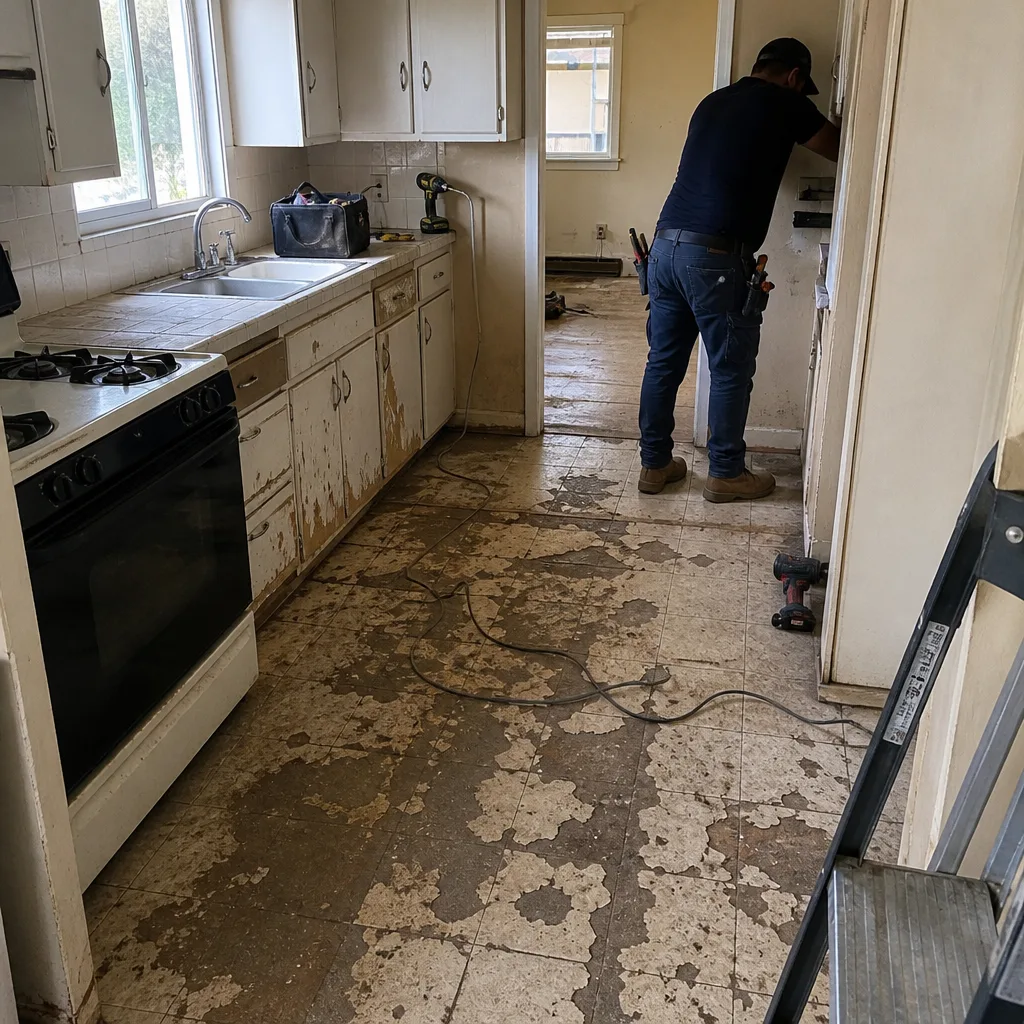 Before
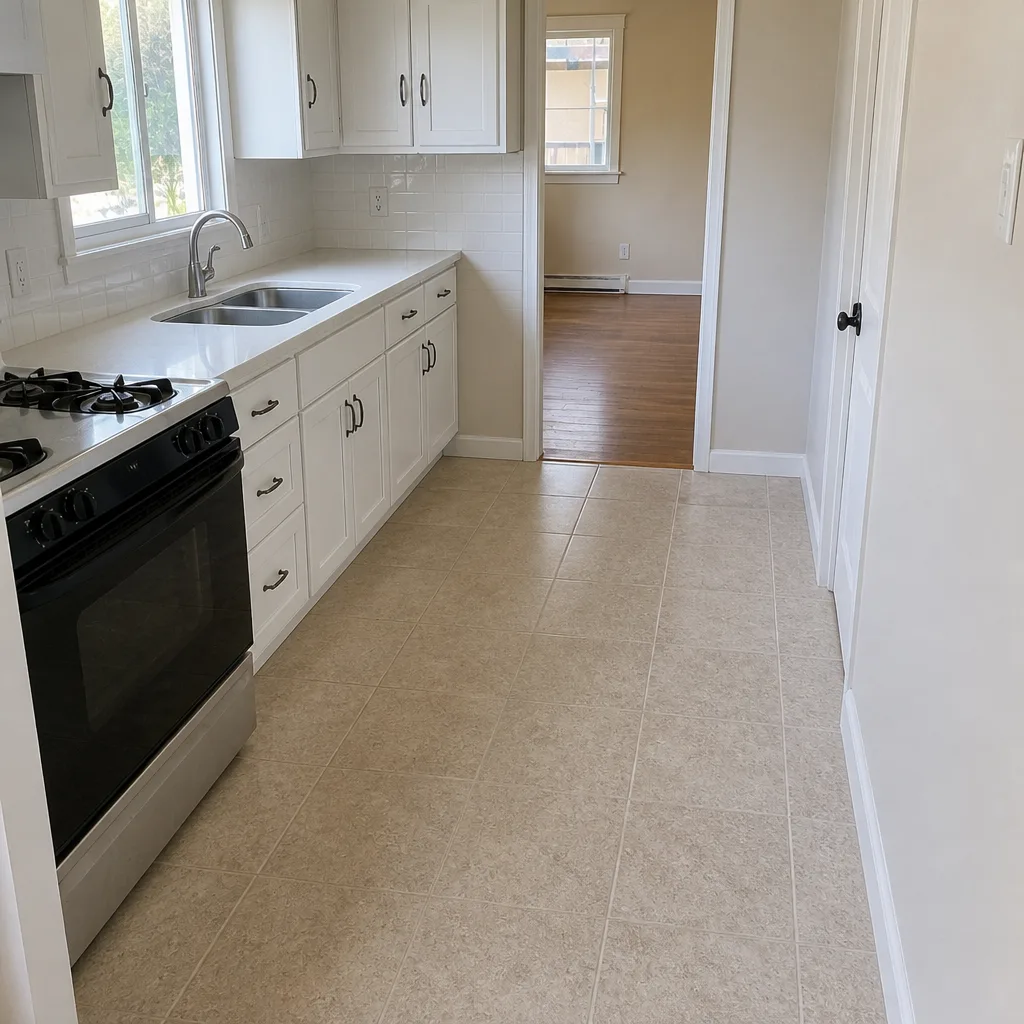 After
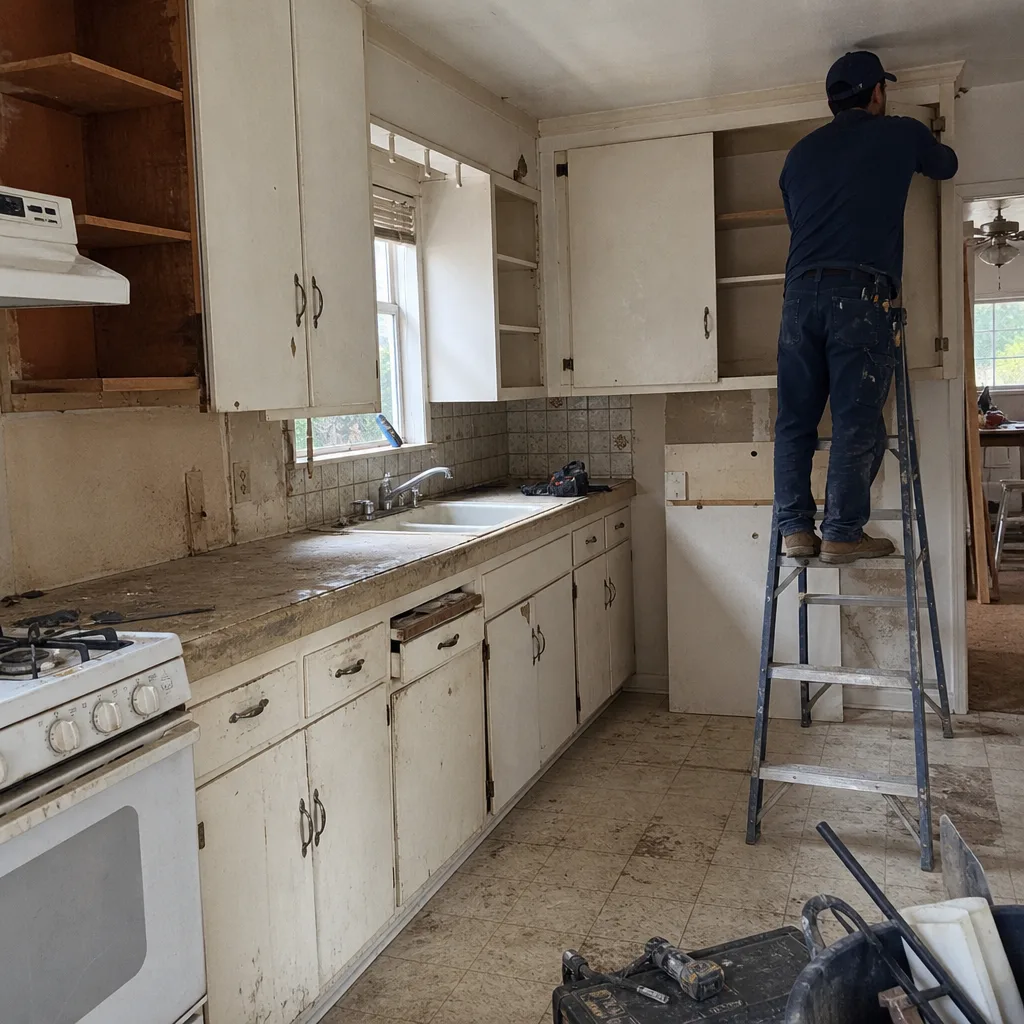 Before
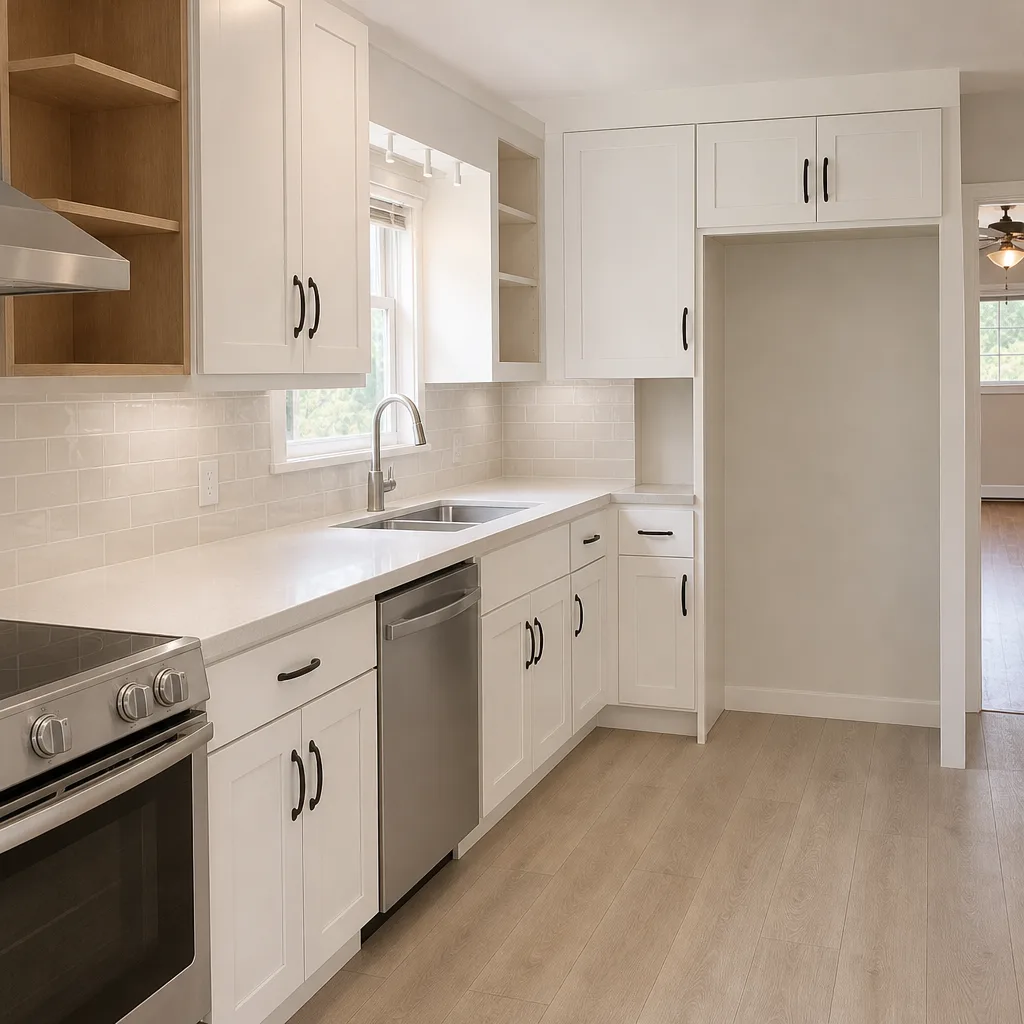 After
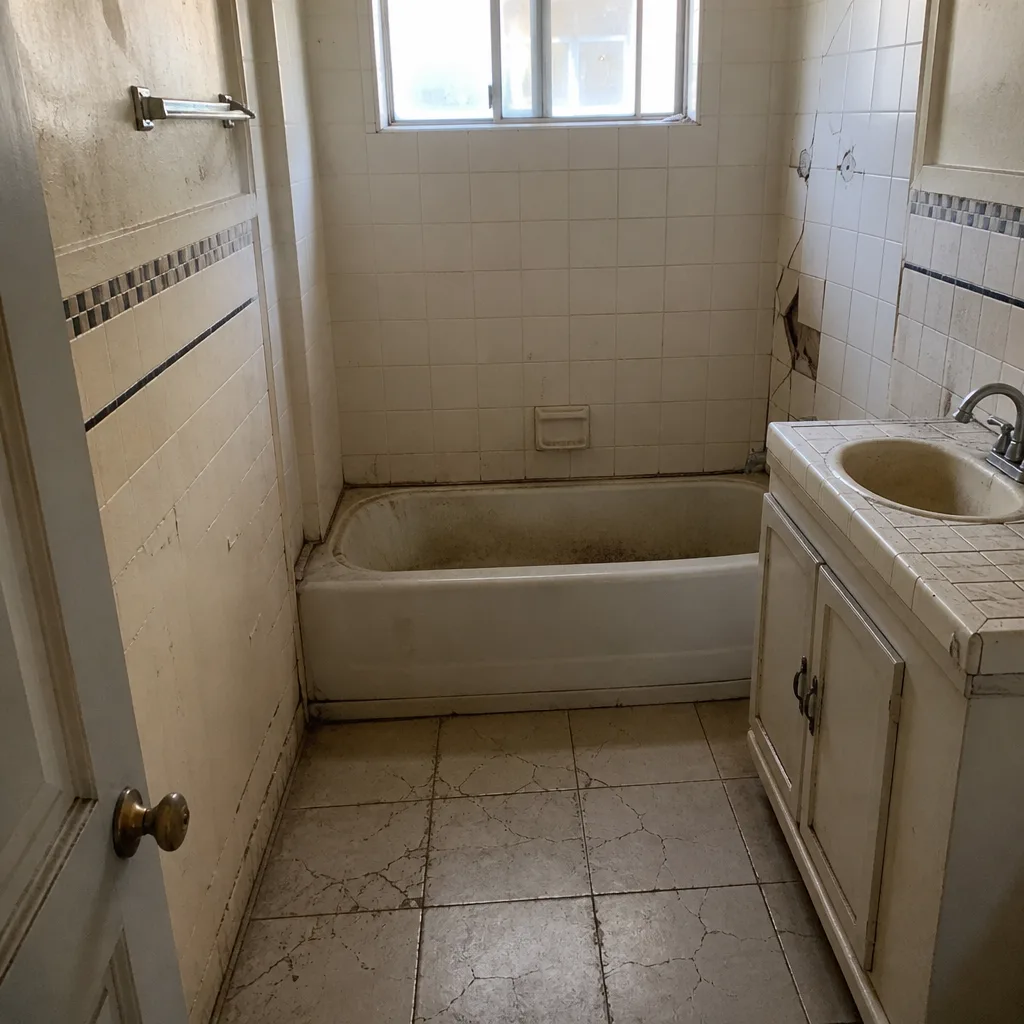 Before
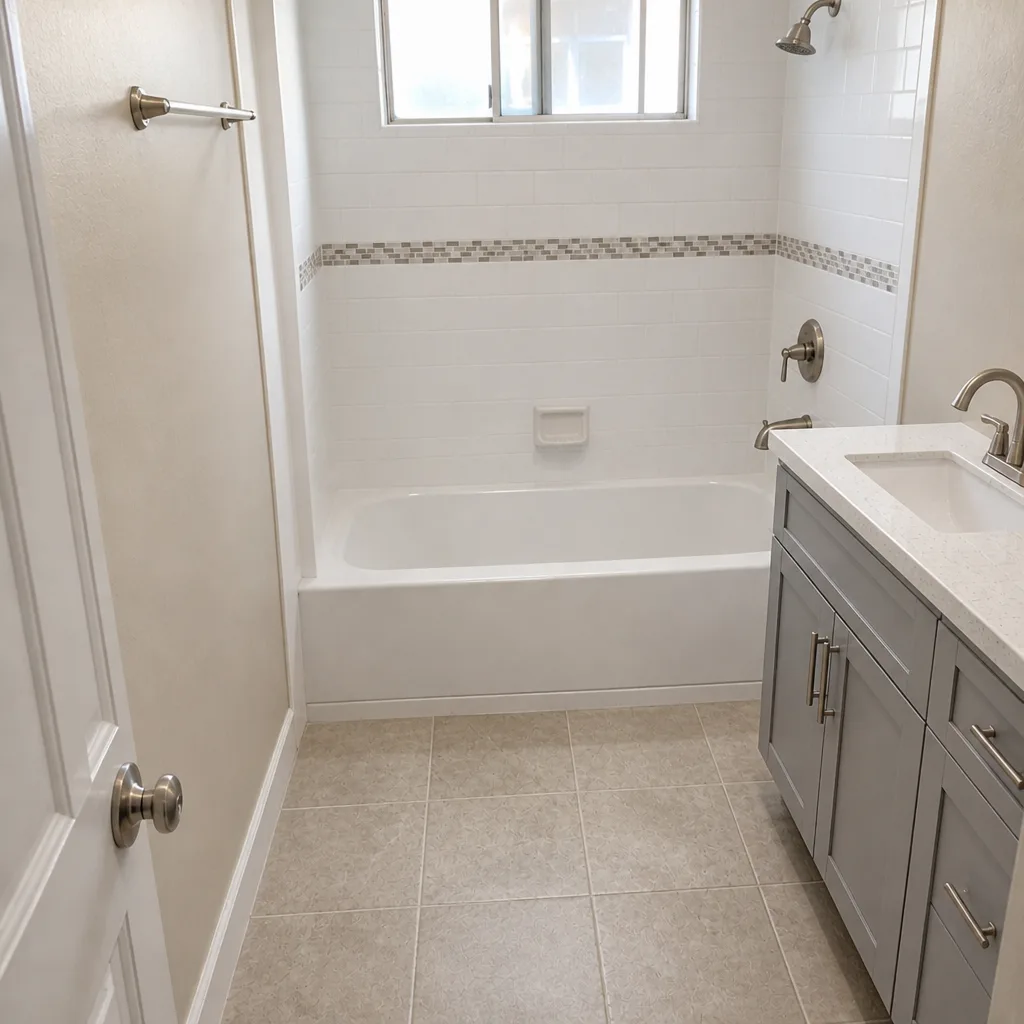 After
When to Call a Professional
Some of these repairs are honest Saturday work. Others need a trained crew. Call for help if a door sticks more each year rather than clearing with the season, if you see drywall cracks radiating from a door or window corner, if fog appears between the panes of a double-pane window, if a multi-point lock or tilt-turn mechanism stops engaging, or if a sliding door needs a track replacement. Also call if the opening is on an exterior wall and the exterior caulk line has failed, because water behind trim causes damage you don’t see until it’s expensive. Barrett & Sons Construction Glendale offers free estimates in Glendale, and we’ll tell you plainly whether you have a homeowner fix or a crew job. Call (844) 560-4526.
Frequently Asked Questions
That’s normal seasonal movement, not a hardware problem. Wood and the frame expand in warm, humid months and shrink when it dries out, especially in Glendale where the wet and dry seasons push that movement hard. If the pattern reverses each year, the door needs a light adjustment, not a replacement.
Yes. Fog between the panes means the insulated glass unit’s seal has failed and the window will only get worse. It’s an IGU replacement, not a cleaning job, and no amount of wiping or heating will clear it. Call us for a look before you spend money on anything else, and estimates are free.
Often, yes. Replacing worn weatherstripping or a door sweep is a genuine homeowner repair. If the draft is coming through a failed exterior caulk joint or a window sash that won’t sit flush, that’s a crew job. Call (844) 560-4526 for an exact quote on the crew-level fixes – estimates are free.
Multi-point locks engage several points along the frame at once and get out of alignment as hardware wears or the opening moves. This is a brand-service or installer job because the adjustment sequence matters. Touching it yourself can make it worse and can void the warranty.
It does. Expansive clay swells in wet winters and shrinks in dry summers, and that movement pushes and pulls the foundation. In Glendale homes near the hills and canyons, that shows up as doors that bind each spring and free each fall. If the motion is compounding rather than reversing, it’s worth having a professional look at it.
Repairs and replacements of the same size and location usually don’t require a permit, but new openings, adding windows, or changing framing do. It varies with the scope. If you’re unsure, ask before you sign anything. Barrett & Sons pulls permits on every eligible job and gets inspections signed, so you don’t have to guess.
The Bottom Line
Almost every window and door problem in Glendale traces to settlement, failed weatherstripping, or hardware wear, and the diagnosis you make in the first five minutes decides whether you’re fixing it yourself or calling a crew. Fog between the panes means a failed IGU. Condensation on the inside face means humidity. A door that sticks more each year means the frame is moving, and that needs a professional look before it gets more expensive. Start with cause, then repair. For a free second opinion on any written estimate, or to schedule a free estimate on a repair or replacement, call Barrett & Sons Construction Glendale at (844) 560-4526. We pull permits, put every price change in writing, and back the work with our written 90-Day Done Right Promise. Look up our license number yourself before you sign anything. If you’re weighing a bigger exterior project, our driveway & pavers in Glendale page covers the grade and drainage side of the same water story.
Written by the team at Barrett & Sons Construction Glendale.